

#275
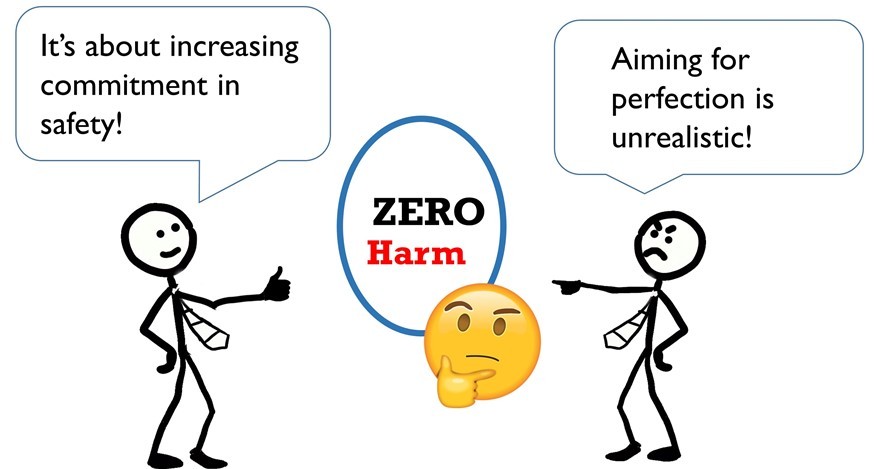
Safety in the workplace is often preached as a top priority, with catchy slogans like “Safety First” or “Zero Harm” plastered on walls. But let’s be real—those phrases can ring hollow if they’re just lip service. True safety isn’t about duty or dogma; it’s about weaving it into the way work gets done, making it a natural part of operational excellence. Here’s how to build a safety culture that actually works, drawn from real-world lessons in global operations.
The Problem with “Safety as Duty”
When safety is framed as a duty—or worse, tied to rewards for “zero incidents”—it can backfire. Workers might hide near-misses to keep metrics clean, killing transparency and learning. Overemphasizing safety as the ultimate goal can also breed complacency. One organization, after reaching the “top” of safety rankings, got arrogant, lost talent, and let best practices slip. The result? A slow decline as relationships frayed and systems crumbled. Safety isn’t a trophy; it’s a process.
A Better Way: Safety as a Business Enabler
Instead of preaching safety, smart organizations make it a seamless part of business success. One global company with dozens of sites worldwide nailed this by integrating safety into a lean operating system, inspired by the Toyota Production System. Here’s what they did right:
- Pull Systems for Best Practices: They built a repository of proven safety solutions—think of it as a living library. Sites could “pull” what worked for them, adapting to local needs without reinventing the wheel. This empowered teams to own their safety processes rather than follow top-down rules.
- Phase Gates for Maturity: Safety was tied to operational maturity, with clear milestones (think Bronze, Silver, Gold) requiring 80%+ compliance in areas like training, risk management, and problem-solving. Sites had to earn their rank, making safety a badge of excellence, not a chore.
- Healthy Competition: Every quarter, the company ranked sites, spotlighting the top 3 and bottom 3. Nobody wanted to be at the bottom, so sites hustled to improve, sharing what worked and learning from others. It wasn’t about shaming; it was about driving progress.
- Leadership Alignment: Leaders didn’t just talk safety—they backed it with resources and an “alignment contract” that made execution non-negotiable. Safety became a key to hitting business goals, not a separate mandate.
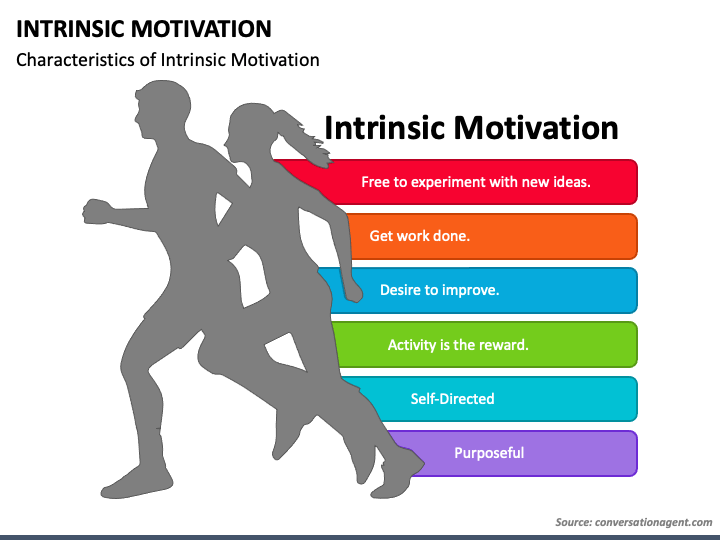
Why It Works: Intrinsic Motivation
This approach taps into what drives people: autonomy, mastery, and purpose. Workers had the freedom to adapt solutions (autonomy), the training to execute them well (mastery), and a clear reason—keeping their team safe and operations humming (purpose). Unlike “duty,” which can feel like a burden, this system made safety a natural outcome of doing great work. No slogans needed.
Lessons for EHS Leaders
Want to make safety stick in your organization? Here’s the playbook:
- Ditch the Slogans: Drop “Zero Harm” or “Safety First” if they’re just posters. Focus on systems that make safety practical and measurable.
- Build a Knowledge Hub: Create a shared repository for best practices. Make it easy for teams to access and adapt solutions, whether it’s a digital platform or regular knowledge-sharing sessions.
- Set Clear Standards: Use phase gates or maturity models to give teams milestones to aim for. Tie safety to operational excellence, not just compliance.
- Foster Healthy Competition: Rank performance transparently to spark improvement, but keep it constructive—celebrate wins, don’t just call out losers.
- Lead with Action: Invest in resources—training, tools, time—and hold leaders accountable for execution. Safety thrives when it’s part of the business, not an add-on.
The Payoff
When safety is a business enabler, it’s not about avoiding accidents; it’s about enabling smoother operations, happier teams, and better profits. In high-pressure industries like manufacturing or energy, this approach turns safety into a competitive edge, not a cost. It’s about creating a culture where people want to work safely because it makes sense, not because it’s their “duty.”
Let’s move past the buzzwords and build safety that lasts—rooted in systems, driven by people, and aligned with success.
Karthik
3rd June 2025. 1pm.

 Health, Environment, Safety, Sustainability (HESS)