EHS Strategic Planning.

#161

Introduction:-

Business strategic planning is like the roadmap for a company’s future. It involves setting goals, defining strategies, and outlining steps to achieve those goals. It’s critical because it helps a company stay focused, adapt to changes, and make informed decisions.
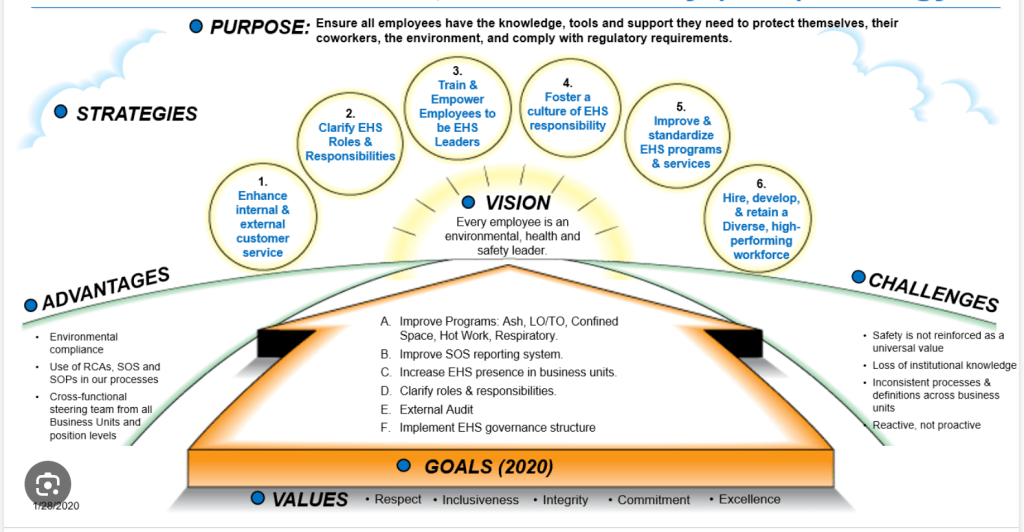
In EHS (Environment, Health, and Safety) functions, strategic planning is equally crucial. It ensures that the organization prioritizes safety, health, and environmental sustainability in its long-term objectives. By aligning EHS goals with overall business strategy, companies can prevent accidents, reduce risks, and enhance their reputation. Plus, it demonstrates a commitment to employee well-being and corporate responsibility.

So, in a nutshell, strategic planning in EHS keeps everyone safe, protects the environment, and supports the company’s overall success.
++++++

Strategic planning considers various factors to create a robust roadmap for success. Here are the key ones:

  1. Political Factors: These include government policies, regulations, and political stability. Changes in regulations can significantly impact business operations, so understanding and adapting to political dynamics is crucial.
  2. Social Factors: Social trends, cultural shifts, and demographic changes play a vital role. Understanding the preferences and behaviors of society helps businesses align their strategies with the needs and expectations of their customers and stakeholders.
  3. Economic Factors: Economic conditions, such as inflation rates, exchange rates, and market trends, directly influence business operations. Strategic planning needs to account for economic fluctuations and identify opportunities and risks within the market.
  4. Technical Factors: Advancements in technology, innovation, and infrastructure impact strategic decisions. Embracing technological developments can enhance efficiency, productivity, and competitiveness.

Considering these factors allows businesses to anticipate challenges, capitalize on opportunities, and stay relevant in a rapidly changing environment.
++++++

Strategic planning is like the compass that guides a company toward its mission, vision, and objectives. Here’s how it aligns:

  1. Company Values: Strategic planning ensures that the actions and decisions of the company align with its core values. It reinforces the importance of integrity, ethics, and responsibility in achieving long-term success.
  2. Mission: The mission statement defines the purpose and identity of the company. Strategic planning ensures that all initiatives and strategies contribute to fulfilling this mission, keeping everyone focused on the big picture.
  3. Objectives: Strategic planning translates high-level goals into actionable objectives. It establishes clear targets and milestones to measure progress and success. By aligning strategies with objectives, companies can prioritize initiatives and allocate resources effectively.

In essence, strategic planning serves as the bridge between a company’s values, mission, and objectives, guiding it toward its desired future state.

SWOT analysis is a valuable tool that links directly to strategic planning; Here’s how:
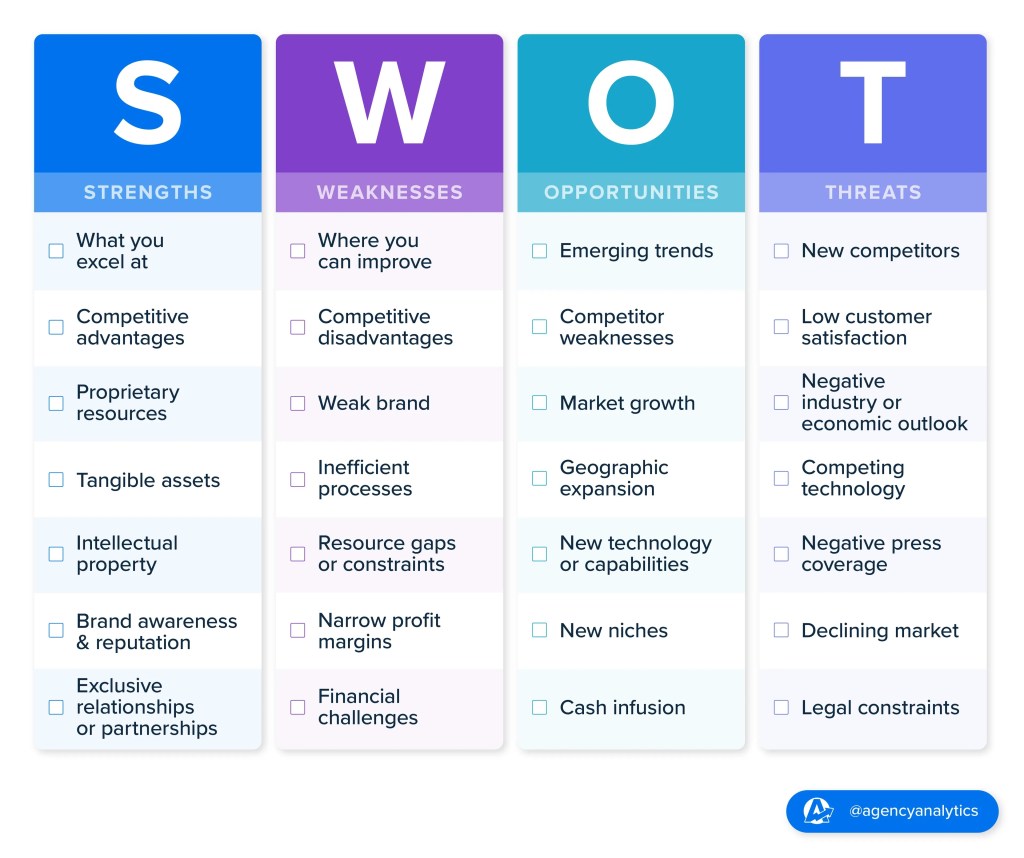
  1. Strengths: Identifying internal strengths allows organizations to leverage their advantages and capitalize on opportunities. Strategic planning involves aligning strengths with strategic objectives to enhance competitiveness and achieve sustainable growth.
  2. Weaknesses: Recognizing internal weaknesses helps organizations address areas of improvement and mitigate risks. Strategic planning involves developing strategies to overcome weaknesses, such as investing in training and development, process improvements, or strategic partnerships.
  3. Opportunities: Identifying external opportunities allows organizations to explore new markets, products, or partnerships. Strategic planning involves leveraging opportunities to drive innovation, expand market share, and achieve strategic goals.
  4. Threats: Recognizing external threats helps organizations anticipate challenges and mitigate risks. Strategic planning involves developing contingency plans, diversifying risk, and strengthening resilience to minimize the impact of threats on strategic objectives.

By conducting a SWOT analysis as part of the strategic planning process, organizations can gain valuable insights into their internal and external environment, inform strategic decision-making, and develop actionable strategies to achieve their goals effectively.

+++

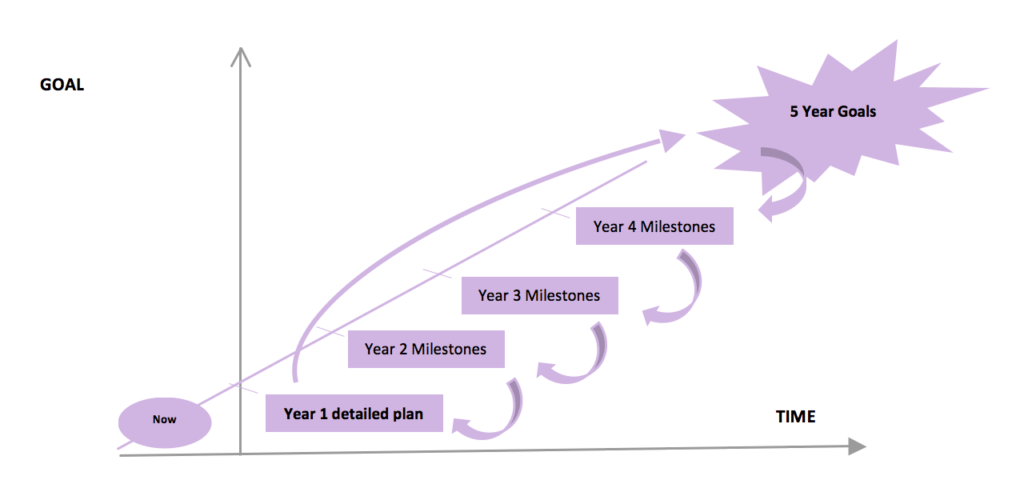
The ideal timeline for strategic planning typically spans around 3 to 5 years. Here’s a breakdown of how it might look:

  1. High-Priority Issues (Immediate to 2 years): Address critical challenges that require urgent attention. These could include regulatory compliance, safety improvements, or market shifts that demand immediate action.
  2. Medium-Priority Issues (2 to 3 years): Focus on medium-term goals and initiatives that support the company’s long-term vision. These may include investments in technology, talent development, or expansion into new markets.
  3. Low-Priority Issues (3 to 5 years): Identify longer-term opportunities and challenges that require strategic foresight. This could involve innovation projects, sustainability initiatives, or strategic partnerships aimed at securing future growth.

By categorizing issues based on priority and timeframe, companies can allocate resources effectively and ensure alignment with their strategic objectives. It’s like balancing short-term needs with long-term vision to sustain growth and success over time.

+++++

In EHS strategic planning, several factors come into play to ensure the safety, health, and environmental sustainability of the organization. Here’s how it might look:

  1. Regulatory Compliance: Keeping abreast of EHS regulations and ensuring full compliance is a top priority. Strategic planning involves identifying and addressing any gaps in compliance, as well as anticipating future regulatory changes.
  2. Risk Management: Assessing and mitigating risks related to workplace safety, health hazards, and environmental impact is crucial. Strategic planning includes developing risk management strategies and implementing preventive measures to minimize incidents.
  3. Employee Engagement and Training: Engaging employees in EHS initiatives and providing comprehensive training is essential. Strategic planning involves identifying training needs, implementing effective communication channels, and fostering a culture of safety and environmental responsibility.
  4. Sustainability Initiatives: Incorporating sustainability practices into business operations is becoming increasingly important. Strategic planning includes setting goals for reducing carbon footprint, conserving resources, and promoting eco-friendly practices.
  5. Emergency Preparedness: Planning for emergencies such as natural disasters, accidents, or hazardous spills is vital. Strategic planning involves developing emergency response plans, conducting drills, and ensuring readiness to handle any unforeseen events.
  6. Performance Measurement and Continuous Improvement: Monitoring EHS performance metrics and implementing feedback loops for continuous improvement is integral. Strategic planning includes establishing key performance indicators (KPIs), tracking progress, and adjusting strategies as needed.

By addressing these factors in EHS strategic planning, organizations can ensure a safe, healthy, and sustainable work environment while minimizing risks and meeting regulatory requirements.
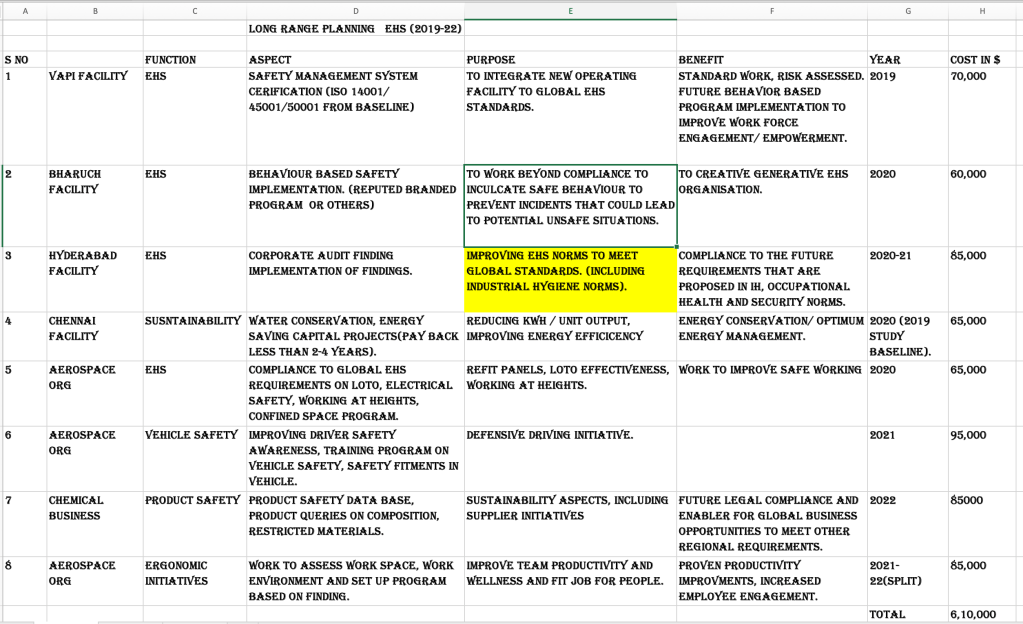
Funding anticipation for EHS strategic planning is essential to ensure the successful implementation of initiatives and achieve organizational goals. Here’s how it ties in:

  1. Budget Allocation: Anticipating funding needs allows organizations to allocate resources effectively to support EHS initiatives. By identifying key priorities and strategic objectives, companies can earmark funds for training, technology investments, infrastructure upgrades, and other critical areas.
  2. Cost-Benefit Analysis: Conducting cost-benefit analysis helps justify funding requests for EHS initiatives. By demonstrating the potential return on investment (ROI) in terms of improved safety, reduced risks, and regulatory compliance, organizations can secure funding support from stakeholders.
  3. Long-Term Planning: Anticipating funding requirements over the strategic planning period enables organizations to develop sustainable funding models. This may involve securing budget allocations from senior management, seeking external funding sources, or reallocating resources from non-essential areas to prioritize EHS initiatives.
  4. Collaboration with Finance: Collaborating with the finance department ensures alignment between EHS objectives and financial planning. By providing accurate cost estimates, financial projections, and ROI analysis, EHS professionals can effectively communicate funding needs and gain support from financial decision-makers.
  5. Monitoring and Reporting: Tracking expenditure against budget and reporting on the progress of EHS initiatives is critical for accountability and transparency. By regularly monitoring funding utilization and performance metrics, organizations can identify any discrepancies or inefficiencies and make timely adjustments to optimize resource allocation.

In summary, funding anticipation for EHS strategic planning involves aligning budget allocation with organizational priorities, conducting cost-benefit analysis, planning for long-term sustainability, collaborating with finance, and monitoring expenditure to ensure effective utilization of resources.

+++
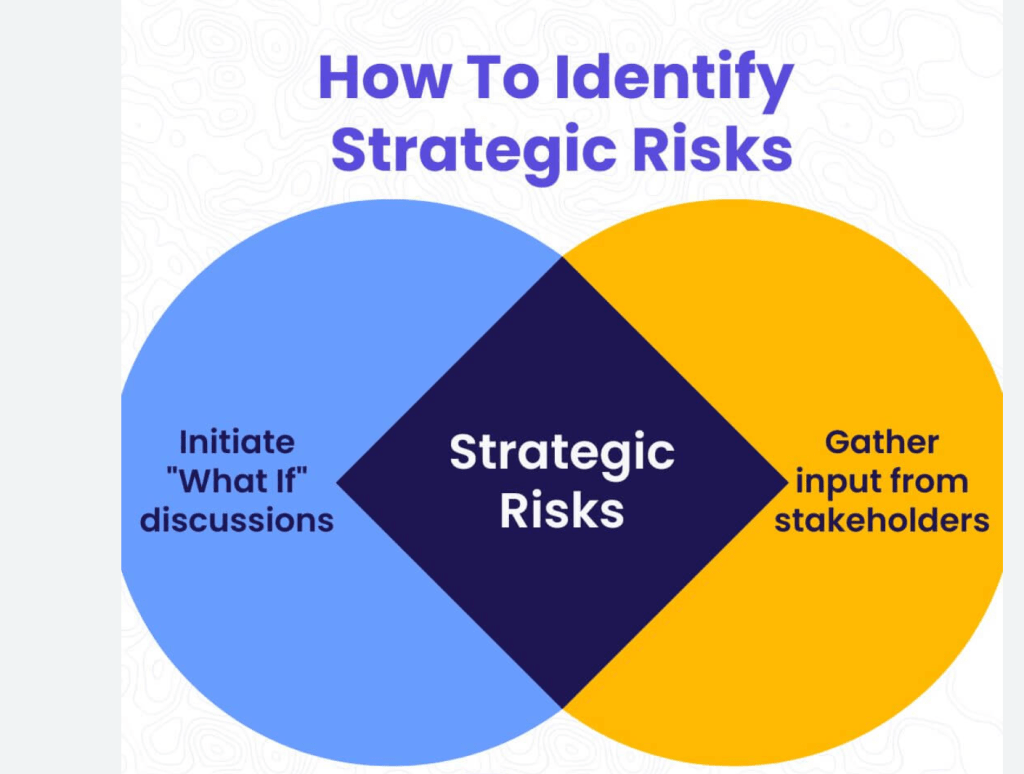
Business risk management, including EHS (Environment, Health, and Safety), is intricately linked to strategic planning as it helps organizations identify, assess, and mitigate risks that could impact their long-term objectives. Here’s how they tie in:

  1. Risk Identification: Strategic planning involves identifying potential risks and opportunities that could affect the organization’s ability to achieve its goals. This includes risks related to EHS, such as workplace accidents, environmental incidents, regulatory non-compliance, and reputational damage.
  2. Risk Assessment: Once risks are identified, strategic planning incorporates a thorough assessment of their likelihood and potential impact. This allows organizations to prioritize risks based on their significance and develop strategies to mitigate or manage them effectively.
  3. Integration of Risk Mitigation Strategies: Strategic planning integrates risk mitigation strategies into the overall business strategy. This includes implementing preventive measures, establishing contingency plans, and allocating resources to address identified risks, including those related to EHS.
  4. Alignment with Objectives: Risk management ensures that EHS considerations are aligned with the organization’s strategic objectives. By embedding EHS practices into the strategic planning process, organizations can proactively address risks while pursuing their long-term goals.
  5. Continuous Monitoring and Adaptation: Strategic planning involves continuous monitoring of risks and performance metrics to track progress and identify emerging threats. This allows organizations to adapt their strategies in response to changing circumstances, including new EHS regulations, technological advancements, or shifts in market dynamics.

By integrating risk management, including EHS, into strategic planning, organizations can enhance resilience, minimize disruptions, and improve decision-making, ultimately contributing to long-term success and sustainability.

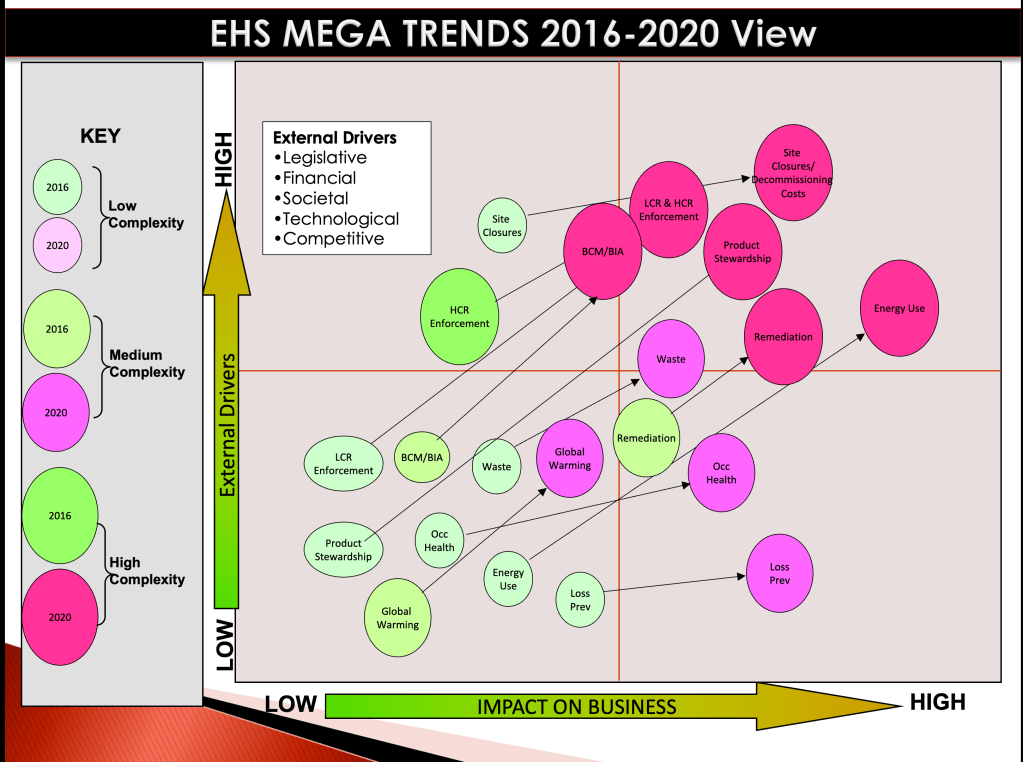
Here’s a comprehensive list of factors in EHS (Environment, Health, and Safety) that must be considered in strategic planning:

  1. Safety: Ensuring the safety of employees, contractors, and visitors is paramount. This includes implementing safety programs, conducting safety training, and establishing protocols for hazard identification and incident management.
  2. Product Stewardship: Managing the lifecycle of products to minimize environmental and health impacts. This involves considering factors such as raw material sourcing, product design, manufacturing processes, and end-of-life disposal or recycling.
  3. Facility Management: Maintaining safe and healthy working environments through proper facility design, Loss Prevention, maintenance, and emergency preparedness. This includes managing risks associated with hazardous materials, equipment, and infrastructure.
  4. Audits and Compliance: Conducting regular audits to assess compliance with EHS regulations and internal standards. This ensures that legal requirements are met, risks are identified, and corrective actions are implemented.
  5. Environmental Management: Managing environmental impacts such as air emissions, water discharges, waste generation, and resource consumption. This includes implementing pollution prevention measures, environmental monitoring, and sustainability initiatives.
  6. Industrial Hygiene (IH): Protecting the health and well-being of workers by assessing and controlling exposure to occupational hazards such as chemical, biological, and physical agents. This involves conducting exposure assessments, implementing engineering controls, and providing personal protective equipment (PPE).
  7. Business Continuity Planning: Ensuring the resilience of operations against potential disruptions, including natural disasters, Fires, supply chain disruptions, or public health emergencies. This includes developing contingency plans, crisis management protocols, and recovery strategies.
  8. Occupational Health: Promoting employee health and wellness through programs addressing ergonomic risks, occupational diseases, mental health, and workplace wellness initiatives.
  9. Training and Competency Development: Providing ongoing training and development opportunities to build EHS awareness, skills, and competency among employees at all levels of the organization.
  10. Stakeholder Engagement: Engaging with internal and external stakeholders, including employees, communities, regulators, and NGOs, to foster transparency, collaboration, and trust in EHS management practices.

By considering these factors in strategic planning, organizations can effectively integrate EHS considerations into their overall business strategy, minimize risks, and achieve sustainable growth and performance.

++

People:- The people aspect is crucial in strategic management as they are the driving force behind the execution of strategies. Here’s how various elements related to people fit in:
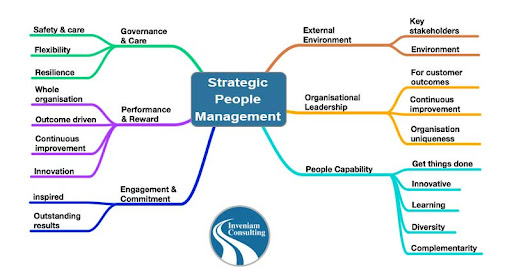
  1. Retention: Strategic management involves ensuring the retention of top talent. By recognizing and rewarding high performers, providing opportunities for growth and development, and fostering a positive work culture, organizations can retain skilled employees who contribute to the achievement of strategic objectives.
  2. Risk: People-related risks, such as turnover, skills gaps, or lack of succession planning, can impact strategic execution. Strategic management includes identifying and mitigating these risks through measures such as talent retention strategies, succession planning, and cross-training to ensure continuity and stability.
  3. Competence Mapping: Strategic management involves mapping the competencies and skills required to execute strategic initiatives successfully. This includes identifying current skill gaps within the organization, developing training and development programs to address these gaps, and recruiting or reassigning talent to fill critical roles.
  4. Compensation: Compensation strategies play a significant role in aligning employee behaviors with strategic objectives. Strategic management involves designing compensation packages that incentivize desired performance outcomes, such as achieving strategic goals, driving innovation, or demonstrating leadership qualities.

Overall, integrating the people aspect into strategic management ensures that organizations have the right talent, with the right skills and motivation, to execute strategies effectively and achieve long-term success.

Conclusion:-

EHS strategic planning is key because it provides a clear path forward for a foreseeable future by prioritizing safety, health, and environmental sustainability within the organization. Here’s why it’s crucial:

  1. Risk Mitigation: EHS strategic planning helps identify and mitigate risks associated with workplace safety, health hazards, and environmental impact. By proactively addressing risks, organizations can prevent incidents, minimize liabilities, and safeguard their reputation.
  2. Compliance Assurance: Strategic planning ensures that the organization remains compliant with EHS regulations and standards. By staying ahead of regulatory requirements, organizations can avoid fines, penalties, and legal issues while maintaining a positive relationship with regulators and stakeholders.
  3. Resource Allocation: Strategic planning allows organizations to allocate resources effectively to support EHS initiatives. By prioritizing EHS investments based on strategic objectives, organizations can optimize resource utilization and maximize the impact of EHS programs.
  4. Long-Term Sustainability: EHS strategic planning considers the long-term impact of business operations on the environment, public health, and community well-being. By integrating sustainability practices into strategic decision-making, organizations can minimize their environmental footprint, foster social responsibility, and ensure long-term business viability.
  5. Employee Engagement and Morale: Strategic planning promotes a culture of safety, health, and environmental stewardship within the organization. By engaging employees in EHS initiatives and providing opportunities for participation and feedback, organizations can enhance employee morale, satisfaction, and retention.

Overall, EHS strategic planning provides a roadmap for organizations to navigate the complex landscape of environmental, health, and safety challenges while achieving their business objectives. By prioritizing EHS considerations in strategic decision-making, organizations can ensure a safer, healthier, and more sustainable future for all stakeholders.

B Karthik

13/3/24.
Inept/Incompetent Leaders-Corrosive Within.

#161

Personal Note: This week marks the 25th Anniversary of encountering the one and only inept leader in my career. Our time together was brief, as it became clear that our differences were irreconcilable. I made the decision to pursue a new opportunity, recognizing that I couldn’t thrive in that environment. Surprisingly, this experience propelled me out of my comfort zone and toward even greater success in my life and career. It’s true what they say: “People join the company, but leave the manager.” This sentiment rings especially true in my journey, reminding me of the importance of leadership and its impact on individuals’ professional paths.

Introduction:-

Ever wondered how some of the most incompetent, clueless leaders manage to find themselves at the helm of organizations? It’s a puzzling phenomenon that often leaves us scratching our heads. But let’s unravel this mystery together and explore the ripple effects of their presence within an organization.

  1. Networking Over Merit: Incompetent leaders often leverage personal connections or political maneuvering to secure leadership positions, rather than being selected based on their qualifications or merit. This “who you know” mentality can lead to a mismatch between skills and responsibilities, setting the stage for ineffective leadership.
  2. Lack of Proper Screening: Sometimes, organizations fail to conduct thorough assessments or background checks when hiring leaders, allowing individuals with questionable credentials or track records to slip through the cracks. This oversight can have detrimental consequences for the organization’s performance and reputation. (In my case, the company was in a tear hurry to releive my manager, who was superannuating and, overextended his committment, as a goodwill gesture. The organisation was desparate, to find a replacement for him)
  3. Ignoring Red Flags: Despite warning signs of incompetence or unsuitability, some organizations turn a blind eye and proceed with appointing unqualified individuals to leadership roles. Whether due to negligence, complacency, or misguided trust, this failure to address red flags can have dire consequences down the line. (Haste makes Waste!).

Once these incompetent leaders infiltrate organizations, the harm they cause can be extensive:

  1. Erosion of Trust: Incompetent leaders breed distrust among employees, undermining morale and cohesion within the organization. When team members lack confidence in their leadership’s abilities, collaboration suffers, and productivity plummets.
  2. Stagnation and Missed Opportunities: Lacking vision or strategic foresight, incompetent leaders often steer organizations into stagnation, missing out on valuable opportunities for growth and innovation. Their reluctance to embrace change or take calculated risks can stifle progress and leave the organization trailing behind competitors.
  3. Damage to Reputation: Incompetent leadership can tarnish an organization’s reputation, both internally and externally. Whether through public gaffes, ethical lapses, or poor decision-making, leaders’ actions reflect on the organization as a whole, potentially driving away clients, investors, and top talent.

In conclusion, the presence of incompetent, dumb leaders within organizations is a sobering reality with far-reaching consequences. By understanding how they come to power and the harm they cause, we can work towards building more resilient and effective leadership structures that drive success and sustainability.

Yes, the Good news (??!!) is that this a Global Phenomenon:-

The traits associated with incompetent leadership are indeed a global phenomenon. Human behavior and tendencies transcend cultural boundaries, and as such, you’ll find instances of poor leadership in organizations worldwide.

However, some cultures may be more adept at identifying and mitigating the influence of such individuals. Here’s why:

  1. Emphasis on Meritocracy: Cultures that prioritize meritocracy tend to have more rigorous selection processes for leadership positions. By focusing on qualifications, skills, and performance rather than personal connections or politics, these cultures reduce the likelihood of incompetent leaders rising to power.
  2. Open Communication: Cultures that value open communication and transparency are better equipped to identify and address issues related to incompetent leadership. When employees feel empowered to voice their concerns and provide feedback, red flags are more likely to be raised and addressed promptly.
  3. Strong Ethical Standards: Cultures with strong ethical standards and a zero-tolerance policy for misconduct are less tolerant of behaviors associated with incompetent leadership, such as dishonesty, harassment, or nepotism. Leaders are held accountable for their actions, fostering a culture of integrity and accountability.
  4. Collaborative Decision-Making: Cultures that encourage collaborative decision-making and consensus-building are less susceptible to the whims of individual leaders. By involving multiple stakeholders in the decision-making process, organizations mitigate the risk of poor judgment or bias from a single individual.

While no culture is immune to the presence of incompetent leaders, these cultural traits can serve as effective safeguards against their influence. By fostering a culture of meritocracy, open communication, ethical standards, and collaborative decision-making, organizations can minimize the likelihood of incompetent leadership and promote a culture of excellence and accountability.

The impact of dumb, incompetent leaders on organizations, and how to steer clear of becoming one yourself. Trust me, it’s a topic worth exploring, especially in the realm of Environment, Health, and Safety (EHS).

  1. Lack of Vision: Dumb, incompetent leaders often lack a clear vision for the organization’s EHS goals. They fail to set achievable targets or prioritize safety measures, leaving employees directionless and vulnerable to hazards.
  2. Neglecting Training and Resources: These leaders often skimp on providing adequate training and resources for EHS initiatives. Whether it’s cutting corners on safety equipment or ignoring crucial compliance regulations, their negligence puts both employees and the organization at risk.
  3. Ignoring Employee Feedback: One hallmark of a bad leader is their reluctance to listen to employee feedback, especially concerning safety concerns. They brush aside valid suggestions or complaints, creating a culture of fear and silence that hampers EHS improvements.
  4. Fostering a Culture of Complacency: Dumb, incompetent leaders foster a culture of complacency by downplaying the importance of safety protocols. They might prioritize short-term gains over long-term sustainability, jeopardizing the well-being of employees and the environment.
  5. Failure to Learn from Mistakes: Lastly, these leaders fail to learn from past mistakes or near misses. Instead of conducting thorough investigations and implementing preventive measures, they sweep issues under the rug, setting the stage for recurring accidents or incidents.

Conclusion: In conclusion, being a competent leader in the realm of EHS means prioritizing safety, fostering a culture of accountability, and continuously striving for improvement. By avoiding the pitfalls of dumb, incompetent leadership, you can protect your organization’s most valuable asset: its people.

+++++

Spotting a Non Leader / Absentee Leader:-

Spotting non-leaders is just as important as recognizing good leadership. Here are some telltale traits to watch out for:

  1. Lack of Vision: Non-leaders often lack a clear vision for the future. They fail to inspire others with a compelling direction and struggle to set achievable goals.
  2. Poor Communication Skills: Communication is key for effective leadership. Non-leaders struggle to articulate their ideas, listen to others, or provide constructive feedback.
  3. Inability to Delegate: Non-leaders have trouble trusting others and delegating tasks. They micromanage every detail, stifling creativity and demotivating team members.
  4. Avoiding Accountability: Instead of taking responsibility for their actions, non-leaders blame others or make excuses for failures. They fail to own up to mistakes and learn from them.
  5. Lack of Empathy: Non-leaders lack empathy towards their team members. They prioritize their own interests over the well-being of others and fail to build meaningful relationships.
  6. Resistance to Change: Non-leaders are resistant to change and innovation. They prefer the status quo and fear taking risks, hindering progress and adaptation in the organization.
  7. Short-Term Thinking: Non-leaders focus on short-term gains at the expense of long-term sustainability. They prioritize immediate results over strategic planning and investment in the future.
  8. Closed-Mindedness: Non-leaders are closed-minded and unwilling to consider alternative viewpoints. They reject new ideas or feedback, stifling innovation and growth.

Spotting an absentee leader and identifying poor habits like drinking, chronic lateness, womanizing, sexual harassment, and credit stealing are crucial for maintaining a healthy work environment. Let’s break it down:

Absentee Leader: An absentee leader is someone who is physically present but emotionally or mentally absent from their leadership responsibilities. They may lack engagement with their team, fail to provide guidance or support, and delegate tasks without proper supervision. This can lead to confusion, inefficiency, and a lack of accountability within the organization.

Poor Habits:

  1. Drinking: Excessive drinking can impair judgment, affect decision-making, and create a negative image for leaders. It can also lead to safety risks and compromised performance in the workplace.
  2. Chronic Lateness: Chronic lateness signals a lack of respect for others’ time and demonstrates poor time management skills. It can disrupt schedules, hinder productivity, and erode trust among team members.
  3. Womanizing: Womanizing behavior is disrespectful and unprofessional. It can create a hostile work environment, damage morale, and lead to legal repercussions if it involves harassment or discrimination.
  4. Sexual Harassment: Sexual harassment is a serious violation of workplace conduct. It includes unwelcome advances, inappropriate comments, or actions that create a hostile or uncomfortable environment for others. It must be addressed promptly and decisively to protect employees’ rights and well-being.
  5. Credit Stealing: Taking credit for others’ work is unethical and undermines trust within the team. It demotivates employees, stifles collaboration, and can lead to resentment and disengagement.

Addressing these poor habits and behaviors is essential for promoting a healthy and respectful workplace culture. Leaders must lead by example, prioritize accountability, and uphold standards of professionalism and integrity.

Dealing with incompetent leaders can be challenging, but employees have several options to navigate the situation:

  1. Communication: Encourage employees to communicate their concerns directly with the leader, expressing their observations and offering constructive feedback. This can help raise awareness of the issues and prompt the leader to address them.
  2. Seek Support: Employees can seek support from HR, upper management, or trusted colleagues who may have influence within the organization. Having allies can provide guidance and bolster their efforts to address the situation effectively.
  3. Document Concerns: Encourage employees to document instances of incompetence or poor leadership behavior, including specific examples, dates, and impacts on the organization. This evidence can be valuable when presenting their case to higher authorities or HR.
  4. Explore Internal Resources: Many organizations offer resources such as employee assistance programs (EAPs) or ombudsman services to help employees navigate workplace challenges. These resources can provide guidance, mediation, or support in addressing issues with incompetent leaders.
  5. Consider Escalation: If communication and internal resources fail to resolve the situation, employees may need to consider escalating their concerns to higher authorities or external regulatory bodies. This step should be taken with caution and only after exhausting all internal avenues for resolution.
  6. Focus on Self-Care: Dealing with incompetent leaders can take a toll on employees’ well-being and morale. Encourage them to prioritize self-care, set boundaries, and seek support outside of work to maintain their mental and emotional health.

Ultimately, employees have options when faced with incompetent leaders, but it’s essential to approach the situation strategically and thoughtfully. By advocating for change, seeking support, and prioritizing their well-being, employees can navigate the challenges posed by incompetent leadership and work towards positive outcomes for themselves and their organization.

What EHS Folks need to do?

Avoiding the trap of being branded as an incompetent or inept leader in the realm of Environment, Health, and Safety (EHS) requires a proactive approach and a commitment to excellence. Here’s how EHS personnel and managers can stay on track:

Skills to Develop:

  1. Technical Expertise: Mastering the technical aspects of EHS, including regulatory compliance, risk assessment, hazard identification, and incident investigation, is essential for effective leadership in the field.
  2. Communication: Enhance communication skills to effectively convey EHS policies, procedures, and expectations to diverse stakeholders. This includes active listening, public speaking, and written communication.
  3. Problem-Solving: Develop strong problem-solving skills to address complex EHS challenges, analyze root causes of incidents, and implement proactive solutions to prevent recurrence.
  4. Leadership: Cultivate leadership skills to inspire and motivate teams, foster a culture of safety, and drive continuous improvement in EHS performance. This includes leading by example, delegating tasks, and providing constructive feedback.
  5. Collaboration: Build strong collaborative skills to engage stakeholders across departments and levels of the organization in EHS initiatives. This involves building relationships, resolving conflicts, and leveraging diverse perspectives for innovative solutions.
  6. Data Analysis: Sharpen data analysis skills to interpret EHS metrics, trends, and performance indicators, enabling informed decision-making and strategic planning to mitigate risks and drive improvements.
  7. Adaptability: Cultivate adaptability to navigate evolving regulatory requirements, technological advancements, and industry trends in the dynamic field of EHS. This includes embracing change, learning new skills, and staying abreast of emerging risks.

Traits to Let Go:

  1. Complacency: Avoid complacency in EHS practices by embracing a proactive approach to risk management, continuous improvement, and staying vigilant to emerging hazards and regulatory changes.
  2. Silo Mentality: Move away from siloed thinking and foster collaboration across departments to integrate EHS considerations into all aspects of organizational decision-making and operations.
  3. Resistance to Change: Let go of resistance to change and embrace innovation in EHS practices, technologies, and methodologies to stay ahead of emerging risks and drive continuous improvement.
  4. Blame Culture: Shift away from a blame culture in EHS management and focus instead on a culture of accountability, where individuals take ownership of safety responsibilities and work collaboratively to identify and address risks.

By developing these essential skill sets and letting go of outdated or ineffective practices, EHS personnel and managers can position themselves for success and make meaningful contributions to workplace safety and environmental stewardship.

Conclusion:- The impact of incompetent leaders extends far beyond their tenure, leaving a trail of long-lasting damage to organizations and the people within them. The toxic environments they create can linger long after they’ve departed, requiring employees to work diligently on resilience plans to rebuild trust and morale. The silver lining is that good organizations often have mechanisms in place to identify and remove bad leaders, paving the way for positive change and a renewed focus on excellence. By remaining vigilant, fostering a culture of accountability, and prioritizing effective leadership, we can navigate the challenges posed by incompetent leaders and steer our organizations towards success and sustainability.

Keep leading with integrity and resilience!

Cheers, Karthik

11/3/24 1500 Hrs.

Emotions@ Work.(Your 0 choice)

#159

.

Introduction: Ready to dive into a topic that’s often overlooked but essential for workplace safety and productivity? Let’s talk about emotions at work, specifically from the lens of Environment, Health, and Safety (EHS) in the manufacturing sector.

Picture this: a bustling manufacturing floor, machines humming, workers focused on their tasks. But beneath the surface, there’s a world of emotions at play. From the adrenaline rush of meeting deadlines to the frustration of encountering obstacles, poor people management etc., emotions are a constant presence in the manufacturing environment.

In this blog, we’re going to explore the intricate relationship between emotions and EHS. We’ll discuss how understanding and managing emotions can significantly impact safety outcomes, productivity levels, and overall employee well-being.

Let’s delve into the concept of bringing your full self to work, which encompasses emotions as well.

So true.

Imagine stepping into the workplace not just as a professional, but as a whole person with thoughts, feelings, and experiences. That’s what bringing your full self to work is all about. It’s about embracing and integrating all aspects of who you are, including your emotions, into your professional identity.

When employees feel encouraged to bring their full selves to work, it creates a more authentic and inclusive environment. People can express their emotions openly, whether it’s excitement, frustration, or vulnerability, without fear of judgment or repercussion.

By acknowledging and accepting emotions as a natural part of the human experience, organizations can foster a culture of empathy, understanding, and support. Employees feel valued and empowered to share their ideas, concerns, and emotions, leading to stronger connections, better collaboration, and increased engagement.

Incorporating emotions into the workplace isn’t just about being touchy-feely; it’s about recognizing the human element in every interaction and decision. It’s about understanding that emotions can impact performance, relationships, and well-being, and proactively addressing them to create a healthier and more productive work environment.

So, buckle up as we unravel the complexities of emotions in the manufacturing workplace. Get ready for practical insights, expert tips, and real-life examples that will empower you to foster a safer, healthier, and more productive work environment. Let’s embark on this journey together, where EHS meets emotions, and discover the keys to success in manufacturing through the lens of emotional intelligence.

++++++

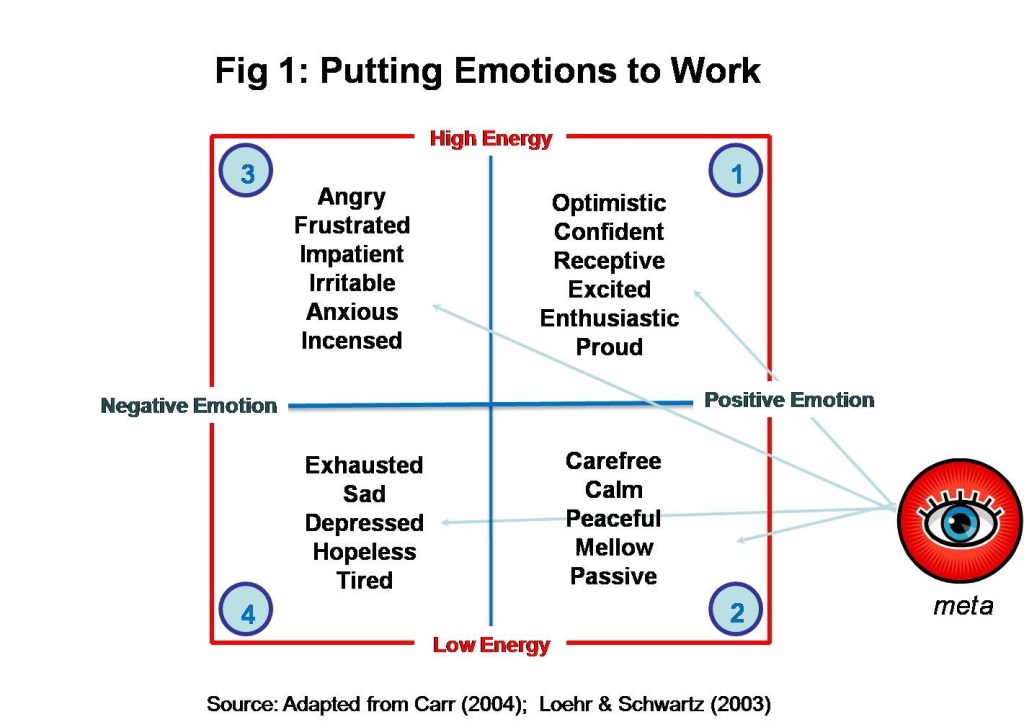
Emotional Traits to look for:- In the workplace, it’s essential to be mindful of various emotional traits that can manifest and impact both individual well-being and team dynamics. Here are some key emotional traits to watch out for and take care of:

  1. Stress: Stress is one of the most common emotional traits in the workplace. It can stem from heavy workloads, tight deadlines, or interpersonal conflicts. Chronic stress can lead to burnout, decreased productivity, and negative health outcomes. Employers should provide support and resources for stress management, such as mindfulness programs or counseling services.
  2. Anger: Anger can arise from frustration, perceived injustices, or conflicts with colleagues. Uncontrolled anger can escalate into confrontations, disrupt teamwork, and damage relationships. Encouraging open communication, conflict resolution training, and anger management techniques can help address this emotional trait effectively.
  3. Anxiety: Anxiety may result from uncertainty, fear of failure, or pressure to perform. It can manifest as nervousness, procrastination, or avoidance behavior. Creating a supportive environment where employees feel safe to voice their concerns, providing clear expectations, and offering resources for anxiety management can alleviate this emotional trait.
  4. Depression: Depression in the workplace may manifest as persistent sadness, fatigue, or withdrawal from social interactions. It can significantly impact productivity, motivation, and overall well-being. Employers should prioritize mental health initiatives, destigmatize seeking help, and offer access to counseling or employee assistance programs.
  5. Low Self-Esteem: Low self-esteem can manifest as self-doubt, perfectionism, or reluctance to take on challenges. It may stem from negative feedback, imposter syndrome, or comparison with colleagues. Encouraging a culture of constructive feedback, recognizing employees’ strengths, and promoting self-care and self-compassion can boost self-esteem in the workplace.
  6. Overwhelm: Feeling overwhelmed can result from multitasking, unrealistic expectations, or lack of support. It can lead to decreased productivity, feelings of inadequacy, and burnout. Implementing time management strategies, prioritizing tasks, and fostering a culture of work-life balance can help employees cope with overwhelm effectively.
  7. Isolation: Isolation occurs when employees feel disconnected from their colleagues or excluded from social interactions. It can lead to feelings of loneliness, disengagement, and reduced collaboration. Encouraging team-building activities, fostering open communication channels, and promoting inclusivity and diversity initiatives can combat isolation in the workplace.

By recognizing and addressing these significant emotional traits, employers can create a supportive and inclusive work environment that prioritizes employee well-being, fosters positive relationships, and enhances overall productivity and satisfaction.

+++++

Understanding Emotions: Understanding and acknowledging emotions in the workplace is paramount, especially in the manufacturing sector where safety and productivity are of utmost importance.

  1. Safety Impact: Emotions play a significant role in safety outcomes. For instance, high-stress levels or frustration can impair judgment and decision-making, leading to errors or accidents on the production floor. On the other hand, a positive emotional state can enhance alertness and focus, contributing to safer work practices and accident prevention.
  2. Productivity: Emotions can profoundly affect productivity levels. When employees are motivated, engaged, and experiencing positive emotions like enthusiasm or satisfaction, they tend to be more productive and efficient in their tasks. Conversely, negative emotions such as stress, anger, or boredom can lead to decreased motivation, absenteeism, and lower productivity levels.
  3. Work Environment: Emotions shape the overall work environment and culture. A workplace where employees feel valued, respected, and supported emotionally fosters a positive atmosphere conducive to collaboration, innovation, and teamwork. Conversely, a toxic work environment characterized by negative emotions like fear, resentment, or hostility can hinder morale, creativity, and employee engagement.
  4. Communication and Collaboration: Emotions also impact communication and collaboration among team members. When individuals are attuned to their emotions and those of their colleagues, they can communicate more effectively, resolve conflicts constructively, and build stronger relationships. Conversely, misunderstandings, conflicts, and breakdowns in communication often arise when emotions are ignored or mishandled.
  5. Employee Well-being: Lastly, emotions profoundly affect employee well-being and mental health. Chronic stress, anxiety, or burnout can take a toll on physical health, leading to increased absenteeism, turnover rates, and healthcare costs for both employees and employers. Recognizing and addressing emotional needs in the workplace is essential for promoting a culture of well-being and resilience.

In summary, emotions are a powerful force in the workplace, influencing safety outcomes, productivity levels, work environment, communication, collaboration, and employee well-being. By acknowledging and understanding emotions, organizations can proactively address emotional challenges, enhance safety and productivity, and cultivate a positive and supportive work culture in the manufacturing sector.

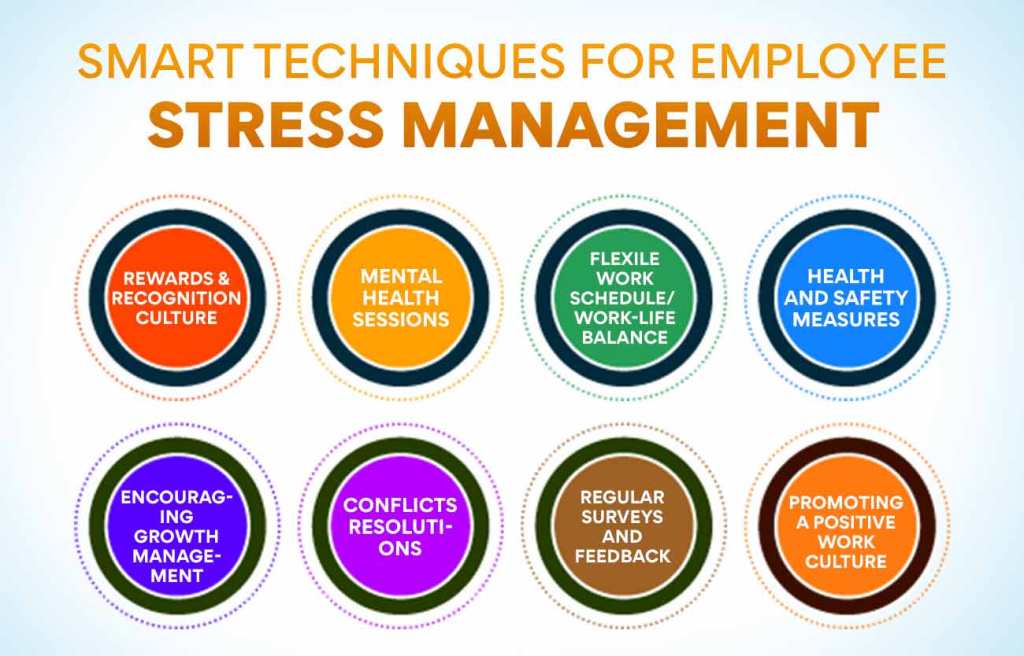
Stress Management, A Key element to manage Emotions in 2024.

Creating a comprehensive stress management plan is essential for organizations to support employee well-being and productivity. Here’s how organizations can develop an effective plan:

  1. Assessment: Begin by assessing the sources of stress within the organization. Conduct surveys, focus groups, or interviews to gather feedback from employees about their stressors, workload, work-life balance, and organizational culture.
  2. Education and Awareness: Educate employees and managers about stress, its impact on health and productivity, and strategies for managing it. Offer workshops, training sessions, or informational resources on stress management techniques, such as mindfulness, time management, and relaxation techniques.
  3. Workload Management: Review workload distribution and ensure that employees’ tasks are manageable and realistic. Encourage prioritization, delegation, and effective time management to prevent overwhelm and burnout.
  4. Flexible Work Arrangements: Provide flexibility in work schedules, remote work options, or flexible hours to accommodate employees’ individual needs and promote work-life balance. Flexibility can help reduce stress related to commuting, caregiving responsibilities, or personal commitments.
  5. Supportive Environment: Foster a supportive work environment where employees feel comfortable seeking help and support. Encourage open communication, empathy, and mutual respect among colleagues and managers. Implement initiatives such as employee assistance programs (EAPs), counseling services, or peer support groups.
  6. Healthy Lifestyle Promotion: Promote healthy lifestyle habits that can mitigate stress, such as regular exercise, balanced nutrition, adequate sleep, and mindfulness practices. Offer wellness programs, fitness challenges, or incentives to encourage healthy behaviors among employees.
  7. Stress-Reduction Activities: Introduce stress-reduction activities into the workplace, such as yoga classes, meditation sessions, or relaxation workshops. Create designated spaces for employees to take breaks, unwind, or practice mindfulness during the workday.
  8. Leadership Support: Ensure that leaders and managers lead by example and prioritize employee well-being. Train managers in stress management techniques, effective communication, and recognizing signs of stress in their teams. Encourage supportive leadership behaviors and regular check-ins with employees to address concerns and provide guidance.
  9. Regular Evaluation and Adjustment: Continuously monitor the effectiveness of the stress management plan through employee feedback, surveys, or performance indicators. Adjust the plan as needed based on changing circumstances, emerging stressors, or new insights.

By implementing a holistic stress management plan, organizations can create a healthier, more supportive work environment that empowers employees to manage stress effectively and thrive both personally and professionally.

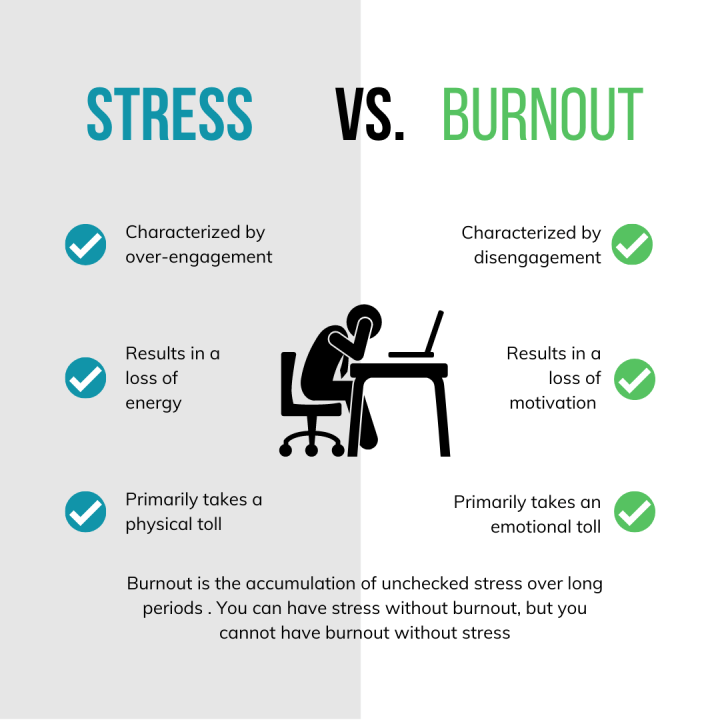
Burnout a common symptom of Emotional manifestation:-

There’s a strong link between stress, emotions, and burnout in the workplace.

  1. Stress and Emotions: Stress can trigger a range of emotions, including anxiety, frustration, anger, and overwhelm. When individuals experience prolonged or intense stress, these emotions can become chronic and pervasive, affecting their mental and emotional well-being. For example, a heavy workload or tight deadlines may lead to feelings of anxiety and pressure, while conflicts with colleagues may evoke frustration or anger.
  2. Emotions and Burnout: Chronic stress and negative emotions are key contributors to burnout, which is characterized by emotional exhaustion, depersonalization, and reduced personal accomplishment. Emotions such as frustration, disillusionment, and hopelessness can intensify burnout symptoms and make it difficult for individuals to cope with work-related challenges. Burnout often results from prolonged exposure to stressors that exceed an individual’s coping abilities, leading to emotional and physical exhaustion.
  3. Stress as a Precursor to Burnout: Stress can serve as a precursor to burnout, as prolonged exposure to stressors can gradually erode an individual’s resilience and coping mechanisms. When stress is left unaddressed or inadequately managed, it can escalate into burnout over time. Emotional exhaustion, a hallmark of burnout, often stems from chronic stress and the depletion of emotional resources needed to cope with work demands.
  4. Emotional Impact of Burnout: Burnout not only results from stress and negative emotions but also exacerbates emotional distress. Individuals experiencing burnout may feel emotionally drained, detached from their work, and cynical towards colleagues or clients. This emotional detachment can further perpetuate feelings of isolation, disengagement, and dissatisfaction in the workplace.

In summary, stress, emotions, and burnout are interconnected phenomena in the workplace. Chronic stress can evoke a range of emotions that contribute to burnout, while burnout itself intensifies emotional distress and undermines well-being. Recognizing and addressing these interrelated factors is essential for promoting a healthy work environment and supporting employees’ mental and emotional health.

Emotional Intellgence and its role as EHS Enabler for a better work place.

Emotional intelligence (EI) refers to the ability to recognize, understand, and manage one’s own emotions as well as the emotions of others. It encompasses key competencies such as self-awareness, self-regulation, empathy, and social skills, all of which are critical for effective communication, collaboration, and relationship-building in the workplace.

Now, let’s discuss how organizations can leverage EI as an EHS enabler for creating a better emotionally managed workplace:

  1. Training and Development: Organizations can offer training and development programs focused on emotional intelligence skills for employees at all levels. These programs can include workshops, seminars, or online courses to enhance self-awareness, self-regulation, empathy, and interpersonal skills.
  2. Leadership Development: Developing emotionally intelligent leaders is crucial for fostering a positive work culture and setting the tone for emotional management in the workplace. Organizations can provide leadership development programs that emphasize EI competencies, effective communication, and empathetic leadership styles.
  3. Promoting Psychological Safety: Creating a psychologically safe environment where employees feel comfortable expressing their thoughts, feelings, and concerns without fear of judgment or retaliation is essential for emotional management. Organizations can encourage open communication, active listening, and vulnerability among team members to foster trust and collaboration.
  4. Conflict Resolution and Mediation: Conflict is inevitable in any workplace, but organizations can equip employees with conflict resolution skills and provide mediation services to address disputes effectively. Training in effective communication, active listening, and negotiation techniques can help employees navigate conflicts constructively and maintain positive working relationships.
  5. Employee Support Programs: Implementing employee support programs, such as employee assistance programs (EAPs) or counseling services, demonstrates organizational commitment to employee well-being and emotional health. These programs offer confidential support and resources for employees experiencing personal or work-related stressors.
  6. Feedback and Recognition: Providing regular feedback and recognition to employees fosters a culture of appreciation and validates their contributions. Emotionally intelligent feedback focuses on constructive criticism, acknowledges achievements, and emphasizes growth and development opportunities.
  7. Work-Life Balance Initiatives: Supporting work-life balance initiatives, such as flexible work arrangements, telecommuting options, or wellness programs, helps employees manage their stress levels and maintain overall well-being. Balancing work demands with personal responsibilities and self-care activities is essential for emotional resilience.

By integrating emotional intelligence principles into EHS practices, organizations can create a workplace culture that prioritizes emotional well-being, fosters positive relationships, and enhances overall safety, health, and productivity. Embracing emotional intelligence as an EHS enabler enables organizations to effectively address the human element of workplace safety and contribute to a more emotionally managed and supportive work environment.

Team Dynamics and Leadership Role in Emotional Management:– How employees can take benefits and improve their emotional Health.?

Leadership and team dynamics play crucial roles in managing emotions at the workplace and fostering a better emotionally managed work environment. Here’s how:

  1. Leadership Role Modeling: Leaders set the tone for emotional management in the workplace through their actions, attitudes, and behaviors. When leaders demonstrate emotional intelligence, empathy, and resilience, they inspire and empower employees to follow suit. Leaders should lead by example, communicate openly, and create a culture of trust, respect, and psychological safety.
  2. Effective Communication: Clear, open, and empathetic communication is essential for managing emotions in teams. Leaders should encourage honest dialogue, active listening, and constructive feedback to address concerns, resolve conflicts, and foster understanding among team members. Transparent communication helps build trust and reduces misunderstandings that can lead to emotional tension.
  3. Conflict Resolution Skills: Effective conflict resolution is critical for managing emotions and maintaining positive team dynamics. Leaders should facilitate constructive discussions, mediate disputes, and encourage compromise and collaboration to resolve conflicts amicably. By addressing conflicts promptly and respectfully, leaders prevent emotional escalation and promote a harmonious work environment.
  4. Building Trust and Relationships: Strong relationships based on trust, respect, and empathy are fundamental for managing emotions in teams. Leaders should invest time in building rapport with team members, understanding their individual needs and preferences, and supporting their professional and personal development. Trusting relationships create a sense of belonging and security, enabling employees to express themselves authentically and manage emotions effectively.
  5. Emotional Support and Recognition: Leaders play a vital role in providing emotional support and recognition to their team members. Acknowledging achievements, offering encouragement, and expressing appreciation for contributions boost morale and motivation. Recognizing employees’ efforts and valuing their emotional well-being fosters a positive work culture where individuals feel valued and supported.

As for employees, they can actively engage with leadership and team dynamics initiatives for a better emotionally managed workplace by:

  • Participating in training and development programs on emotional intelligence, communication skills, and conflict resolution.
  • Communicating openly with leaders and colleagues about their emotions, concerns, and needs.
  • Collaborating with team members to create a supportive and inclusive work environment where emotions are acknowledged and managed constructively.
  • Seeking feedback and guidance from leaders and peers on managing emotions effectively and navigating challenging situations.
  • Embracing opportunities for personal growth, resilience-building, and self-care to enhance their emotional well-being and performance.

By leveraging leadership and team dynamics initiatives, both leaders and employees can contribute to creating a workplace culture that prioritizes emotional management, fosters positive relationships, and promotes overall well-being and productivity.

+++++++

Emotional Issue solutions are not one fit all- Horses for the courses:

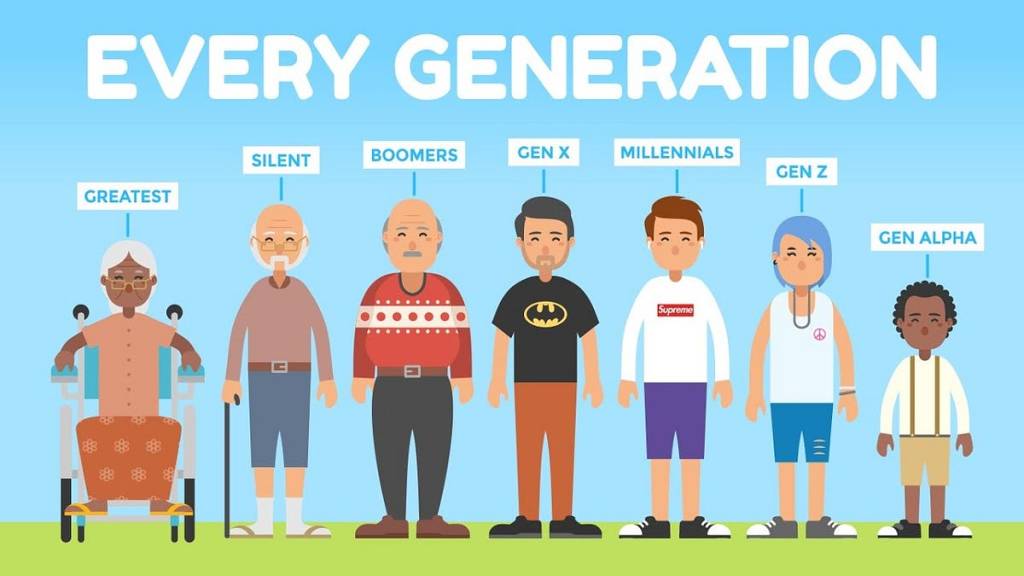
Each generation, from Silent, to, Baby Boomers to Gen Z, brings unique perspectives, experiences, and approaches to emotional issues in the workplace. Here’s why a one-size-fits-all approach won’t effectively address emotional issues at work:

  1. Different Values and Priorities: Each generation grew up in different social, economic, and cultural contexts, shaping their values, priorities, and attitudes towards work and life. For example, Baby Boomers may prioritize loyalty and stability, while Millennials and Gen Z value flexibility and work-life balance. These differing values influence how individuals perceive and respond to emotional challenges at work.
  2. Communication Styles: Generational differences in communication styles can impact how emotional issues are addressed and resolved. Baby Boomers may prefer face-to-face communication and formal channels, while Millennials and Gen Z may favor digital communication and informal interactions. Understanding and adapting to these communication preferences are essential for effective emotional management across generations.
  3. Resilience Levels: Each generation has experienced unique societal challenges, economic downturns, and technological advancements that shape their resilience levels and coping mechanisms. Baby Boomers may have developed resilience through overcoming adversity and adapting to change over their careers, while younger generations may rely on digital tools and social networks for support during difficult times.
  4. Approaches to Work-Life Balance: Generational differences in work-life balance expectations can influence how emotional issues are perceived and managed. Baby Boomers may prioritize work commitments over personal well-being, while younger generations may seek greater balance and flexibility to maintain their mental and emotional health. Employers need to accommodate diverse work-life balance preferences to support employees’ emotional well-being effectively.
  5. Learning and Development Preferences: Generational preferences for learning and development also impact how emotional issues are addressed in the workplace. Baby Boomers may prefer traditional training methods and mentorship programs, while Millennials and Gen Z may gravitate towards experiential learning, peer-to-peer support, and digital resources. Tailoring emotional management initiatives to accommodate diverse learning preferences enhances engagement and effectiveness across generations.

To address emotional issues effectively in the workplace, organizations need to adopt a flexible and inclusive approach that acknowledges and respects generational differences. This may involve:

  • Offering diverse communication channels and formats for addressing emotional concerns.
  • Providing personalized support and resources tailored to individuals’ needs and preferences.
  • Creating a culture of empathy, understanding, and respect for diverse perspectives and experiences.
  • Implementing flexible work arrangements and wellness programs that accommodate different work-life balance preferences.
  • Investing in continuous learning and development opportunities that cater to generational learning styles and preferences.

By recognizing and accommodating generational differences in emotional management, organizations can foster a more inclusive, supportive, and resilient workplace culture that benefits employees of all ages.

Case examples of Emotional Management at Workplaces:-

Here are some examples of manufacturing companies in India and Asia that have implemented emotional well-being programs:

  1. Tata Steel (India): Tata Steel has a comprehensive employee well-being program called “We Care,” which focuses on promoting physical, mental, and emotional health among employees. The company offers counseling services, stress management workshops, and employee assistance programs to support emotional well-being in the workplace.
  2. Mahindra & Mahindra (India): Mahindra & Mahindra has initiatives like the “MHealthy” program, which aims to enhance the overall well-being of employees. The program includes activities such as yoga sessions, mindfulness workshops, and stress management seminars to address emotional health and resilience among employees.
  3. Samsung Electronics (South Korea): Samsung Electronics has implemented various initiatives to support employee emotional well-being, including mental health awareness campaigns, stress management training, and employee assistance programs. The company also provides access to counseling services and resources for managing work-related stressors.
  4. Toyota Motor Corporation (Japan): Toyota Motor Corporation prioritizes employee well-being through initiatives like the “Toyota Work-Life Harmony” program, which emphasizes work-life balance and stress reduction. The company offers flexible work arrangements, employee support services, and mental health resources to promote emotional well-being among employees.
  5. Tata Motors (India): Tata Motors has implemented the “Saksham” program, which focuses on enhancing employee resilience and mental well-being. The program includes activities such as mindfulness meditation sessions, stress management workshops, and peer support groups to address emotional health concerns in the workplace.

These case studies highlight how manufacturing companies in India and Asia are proactively addressing emotional well-being in the workplace through a variety of initiatives and programs. By prioritizing employee mental and emotional health, these companies aim to create a supportive and inclusive work environment that fosters employee engagement, productivity, and overall well-being.

++++++

Closeout:- “In today’s fast-paced world, emotions are not just a part of the workplace; they are a constant companion in our daily lives. With the shift towards nuclear family lifestyles and increasing stress levels, employees are seeking support and understanding for their emotional well-being like never before.

Gone are the days when being tough and resilient meant bottling up emotions and soldiering on. Today, crying at work is not taboo but rather a symptom of the need for empathy and support. Organizations that recognize this shift and focus on the emotional well-being of their employees are reaping the rewards in terms of retention, productivity, and safety.

By encouraging open discussions about employees as whole individuals, rather than just workers, organizations create a culture where people feel valued and supported. This not only leads to a happier and more engaged workforce but also fosters a sense of belonging and loyalty.

In conclusion, embracing emotions at work and prioritizing the emotional well-being of employees isn’t just the right thing to do; it’s a strategic imperative. It’s the key to creating a workplace where people gladly bring their whole selves to work, knowing they will be met with understanding, compassion, and support. And in such an environment, everyone thrives.

Karthik

10th March 2024 1400 Hrs.

Personalities -Adapt for Delivering Results.(EHS)

Introduction:-

Welcome to this EHS Blog post, where I explore the dynamic intersection of personalities at work and the anticipation of work styles to deliver exceptional results. Over my 27-year EHS corporate journey, (1985-2012)I’ve honed the art of adapting to diverse leadership styles and personalities, understanding that people’s behaviors, actions, expressions, interactions, decision-making, responses, and engagements are often innate and intrinsic across race,culture, continents and ofcourse, gender. I tailored my actions accordingly.

Oh, Yes, I was very lucky very early in my career, I was in a matrix environment with 3 legal entities within one compound wall for a manufacturing setup, thus getting exposed to various types of leadership personalities to adapt my response and deliver EHS results. (1985-1991). While I was not aware at that time, the significance, I could connect those aspects a good decade later when DiSC etc became a tool to adapt responses.

In our pursuit of excellence, we recognize the power of tools like DiSC, which offer valuable insights into personality types. By leveraging DiSC assessments, safety professionals can adeptly tailor their performance strategies to align with the unique traits and preferences of individuals. This approach enables us to optimize safety initiatives, foster collaboration, and ultimately deliver outstanding results.

Join us as we delve deeper into the realm of personality-driven safety management and explore how understanding and adapting to diverse personalities can enhance our effectiveness in ensuring workplace safety.

++++

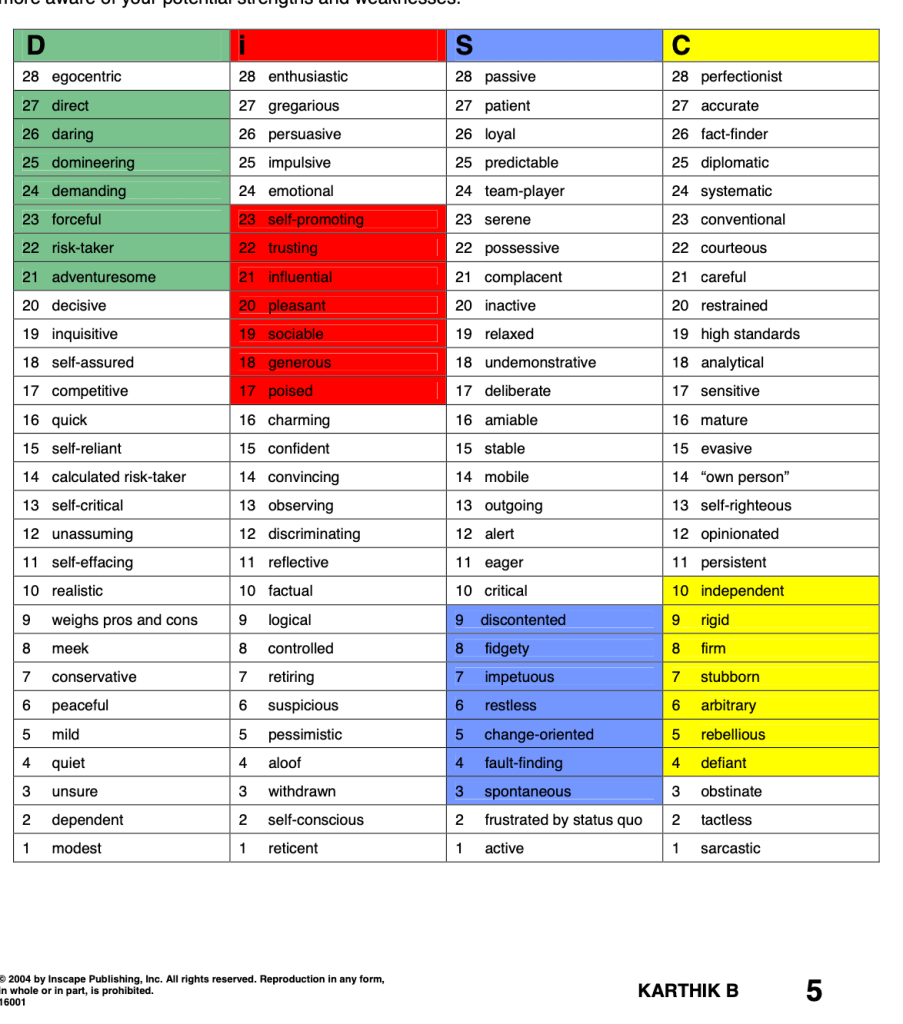
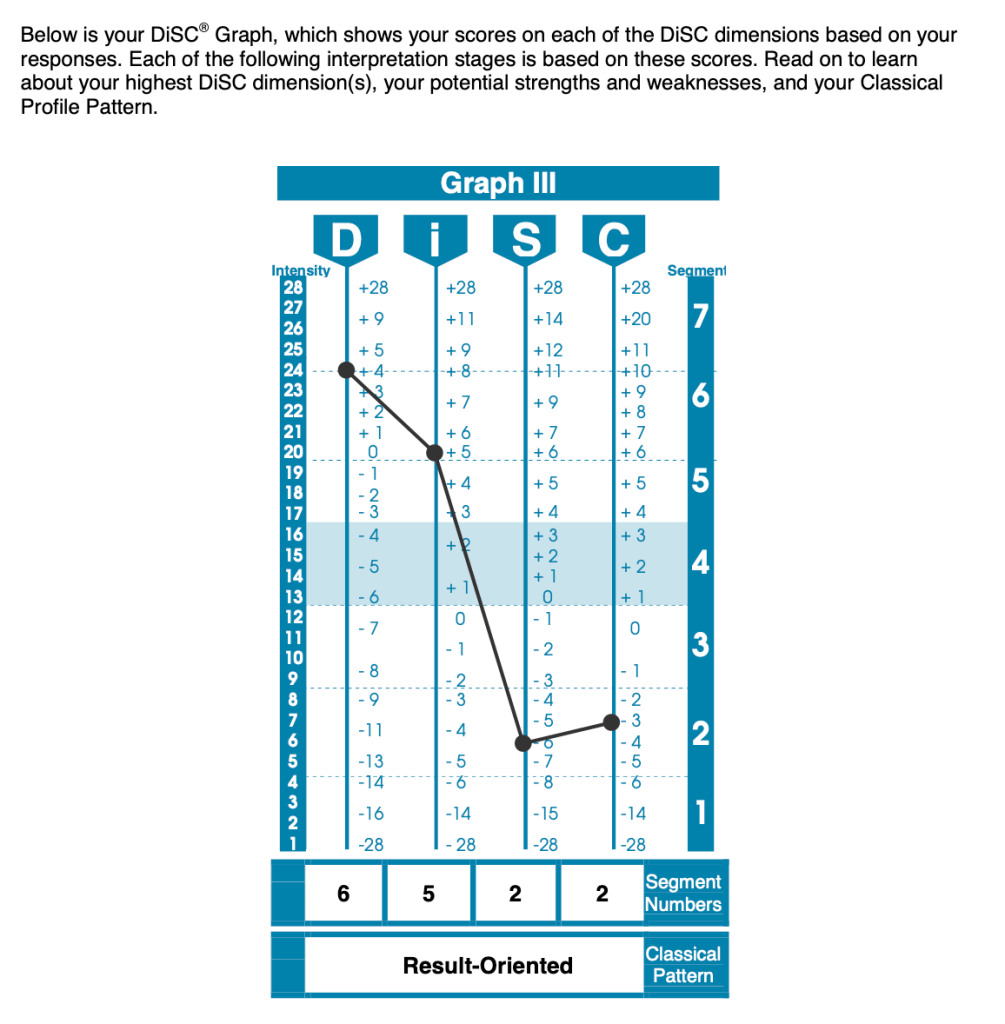
My DiSC Profile 2004. (above and Below).

I am using DiSC as example as I had used it all time in my corporate career. ( I am a High “D”.)I always beleive delivering results are all same irrespective of functions in which people are subject matter expert. (Safety, Quality, Operations, Productivity, People, Delivery, Cost!). Also note Every person would have presence of other 3 traits as minor traits.

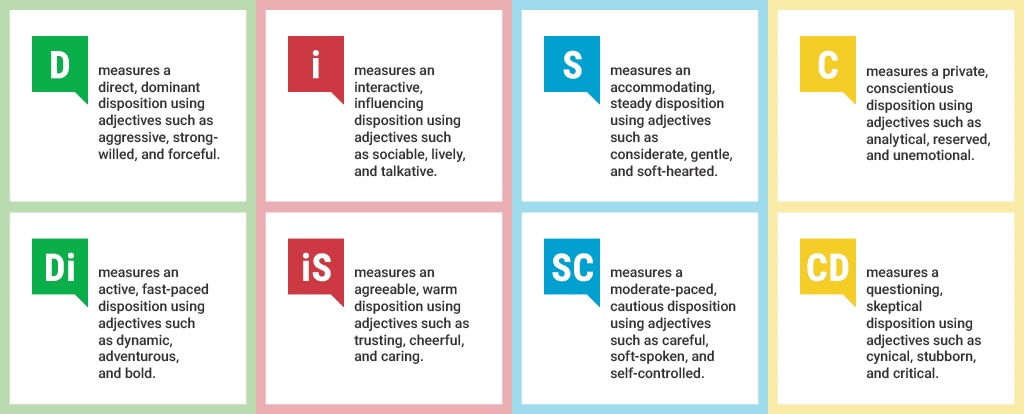
Mix of DiSC personalities. A sample (Di orIs or SC)

Overview:-

Linking DiSC profiles to safety at work is a fascinating experience. Essentially, understanding people’s personalities can greatly impact safety management and productivity.

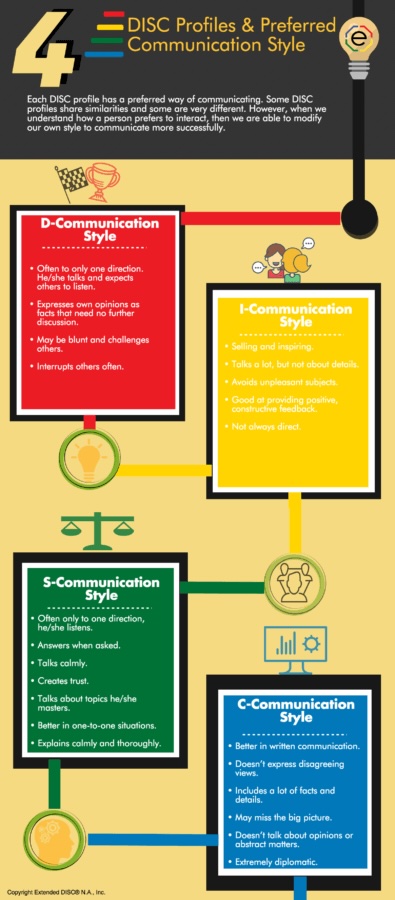
For instance, individuals with dominant (D) personalities might be more inclined to take charge of safety procedures, ensuring everyone follows protocols rigorously. They’re assertive and decisive, which can be beneficial in enforcing safety rules and leading by example.

Those with influential (I) personalities are often great motivators. They can promote a positive safety culture by encouraging teamwork, communication, and enthusiasm for safety initiatives. Their outgoing nature can also make safety training sessions more engaging.

Steady (S) personalities prioritize stability and consistency. They’re dependable team members who excel at following established safety procedures and maintaining a safe working environment. Their cautious approach can help prevent accidents by ensuring thorough risk assessments.

Finally, conscientious (C) individuals are detail-oriented and meticulous. They focus on accuracy and precision, which is invaluable in safety-critical tasks such as equipment maintenance and inspections. Their thoroughness can help identify potential hazards and implement effective preventive measures.

By recognizing these personality traits within teams, safety managers can tailor their approach to communication, training, and leadership. This not only enhances safety awareness but also fosters a culture where everyone feels valued and accountable for workplace safety.

So What is DiSC?

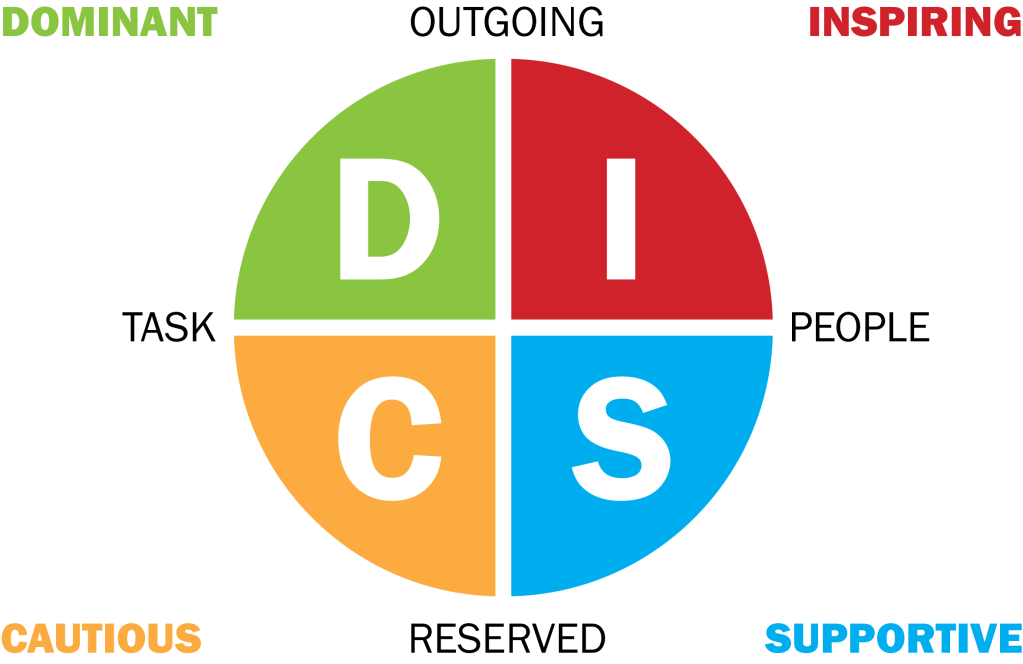
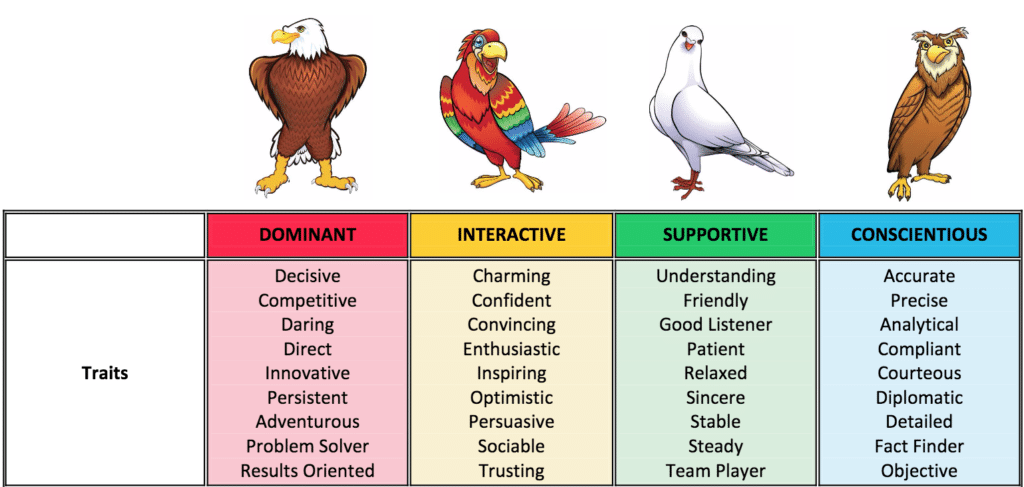
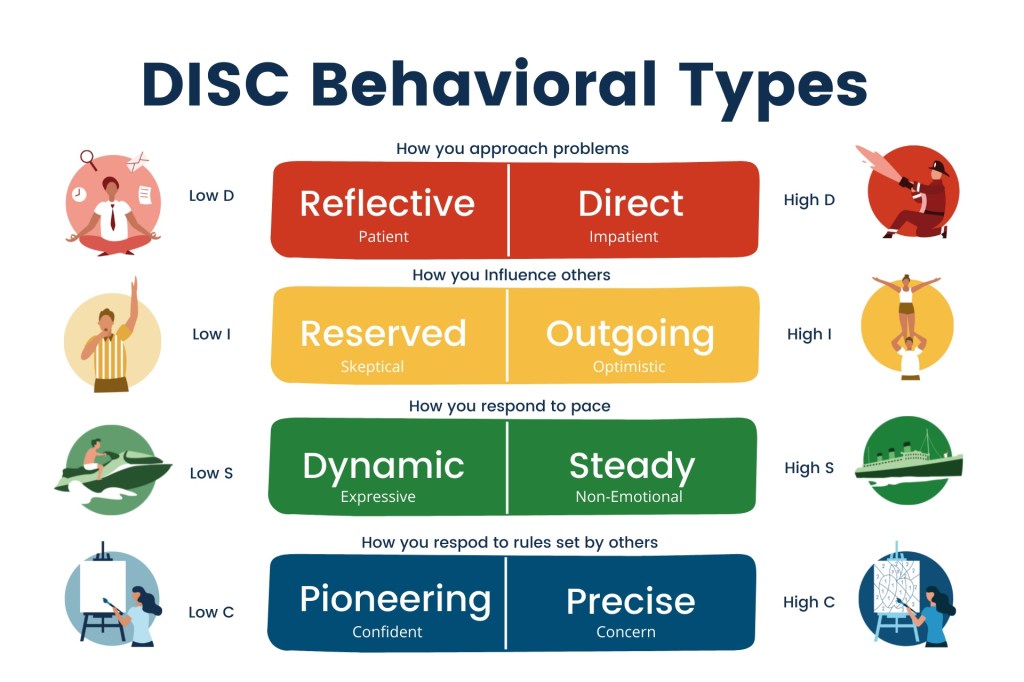
DiSC is a behavioral assessment tool that categorizes individuals into four main personality profiles: Dominance (D), Influence (I), Steadiness (S), and Conscientiousness (C). These profiles provide insights into how people approach tasks, interact with others, and handle challenges in the workplace.

Here’s a quick rundown of each profile:

  1. Dominance (D):
    • Characteristics: Assertive, decisive, results-oriented, and direct.
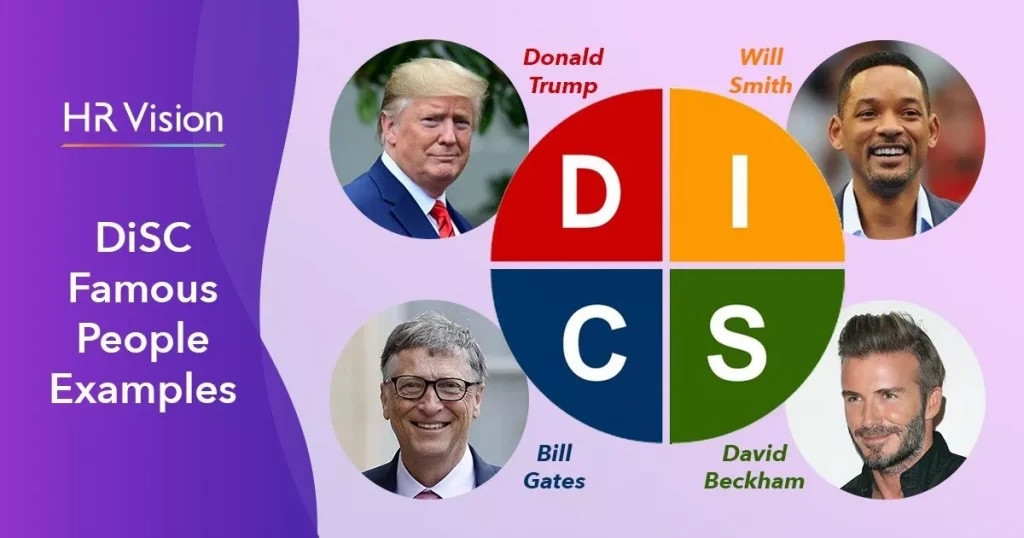
    • Famous personalities: Steve Jobs, Elon Musk, Margaret Thatcher.
  2. Influence (I):
    • Characteristics: Outgoing, enthusiastic, persuasive, and sociable.
    • Famous personalities: Oprah Winfrey, Bill Clinton, Richard Branson.
  3. Steadiness (S):
    • Characteristics: Patient, dependable, supportive, and consistent.
    • Famous personalities: Mother Teresa, Warren Buffett.
  4. Conscientiousness (C):
    • Characteristics: Detail-oriented, analytical, systematic, and cautious.
    • Famous personalities: Albert Einstein, Bill Gates, Angela Merkel.

These famous figures exemplify the behavioral tendencies associated with each DiSC profile. Understanding these profiles can help individuals and teams communicate more effectively, collaborate better, and leverage each other’s strengths in various work settings.

In an Indian/ Asian Context DiSC can be tailored for:-While DiSC profiles are universal in their application, the specific names or labels associated with each personality type may vary depending on cultural contexts. Here’s a list of DiSC personalities in an Asian or Indian context:

  1. Dominance (D):
    • Visionary Leader , Assertive Achiever, Strategic Decision Maker
  2. Influence (I):
    • Inspirational Communicator , Charismatic Influencer, Collaborative Networker
  3. Steadiness (S):
    • Supportive Team Player, Harmony Seeker, Reliable Contributor
  4. Conscientiousness (C):
    • Meticulous Planner, Analytical Thinker, Detail-Oriented Executor

These labels capture the essence of each DiSC personality type within an Asian or Indian context, highlighting traits and behaviors that are commonly associated with individuals in these cultural settings.

Here are some names across various fields, including politics, social activism, coaching, and sports, corresponding to each DiSC personality:

  1. Dominance (D):
    • Political Leader: Narendra Modi (Prime Minister of India)
    • Social Activist: Malala Yousafzai (Pakistani activist for female education)
    • Coach: Sir Alex Ferguson (Head coach of Manchester United)
    • Sports Figure: Serena Williams (Tennis champion known for her assertive playing style)
  2. Influence (I):
    • Political Leader: Barack Obama (Former President of the United States)
    • Social Activist: Oprah Winfrey (Media mogul and philanthropist)
    • Coach: Tony Robbins (Life coach and motivational speaker)
    • Sports Figure: Usain Bolt (Jamaican sprinter known for his charismatic personality)
  3. Steadiness (S):
    • Political Leader: Mahatma Gandhi (Leader of the Indian independence movement)
    • Social Activist: Mother Teresa (Roman Catholic nun and missionary known for her compassion)
    • Coach: Phil Jackson (Former NBA coach known for his calm and composed demeanor -Chicago Bulls/ Michael Jordan Fame)
    • Sports Figure: Tim Duncan (Retired NBA player known for his steady and dependable performance)
  4. Conscientiousness (C):
    • Political Leader: Angela Merkel (Chancellor of Germany)
    • Social Activist: Greta Thunberg (Swedish environmental activist)
    • Coach: Mike Brearley (England Cricket Captain, He was in team more as a coach than player)
    • Sports Figure: Roger Federer (Tennis legend known for his precision and consistency)
    • +++++++++

With Basics done to get the concept let’s dive deeper:-

While individuals typically have a dominant DiSC personality trait, they also possess varying degrees of the other traits, resulting in a unique blend of characteristics. This blend influences whether they are more people-focused or task-focused in their approach to work and interactions.

Here’s a breakdown of how the DiSC profiles align with people focus vs. task focus:

  1. Dominance (D):
    • Task Focus: Dominant individuals tend to prioritize tasks and objectives. They’re driven by results and are often focused on achieving goals efficiently.
    • People Focus: While they may prioritize tasks, they can also be people-focused when it comes to leadership. They value respect and admiration from others and may focus on building relationships to achieve their objectives.
  2. Influence (I):
    • Task Focus: Influential individuals are often task-focused but in a more collaborative manner. They enjoy working with others and may prioritize tasks that involve social interaction or creativity.
    • People Focus: They excel in people-focused environments, thriving on social interactions and relationships. They prioritize team cohesion and may prioritize tasks that involve motivating or inspiring others.
  3. Steadiness (S):
    • Task Focus: Steady individuals are typically more people-focused than task-focused. They prioritize relationships and harmony, often choosing tasks that maintain stability and support teamwork.
    • People Focus: Their primary focus is on building and maintaining relationships. They prioritize team well-being and may choose tasks that involve helping others or fostering a positive work environment.
  4. Conscientiousness (C):
    • Task Focus: Conscientious individuals are highly task-focused, prioritizing accuracy, detail, and precision in their work. They excel in tasks that require careful planning and analysis.
    • People Focus: While they may value relationships, their primary focus is on completing tasks efficiently and accurately. They may prioritize tasks that involve problem-solving or implementing systems and processes.

Understanding how individuals balance people focus and task focus based on their DiSC profile can greatly enhance team dynamics and productivity. It allows for better delegation of tasks, effective communication, and appreciation of each team member’s strengths and contributions.

Key Charecterstics…… Mostly valid (90%)…..

++++

Here are some common identifiers or characteristics that each DiSC personality type exhibits, which others can use as general cues:

  1. Dominance (D):
    • Direct communication style: They are straightforward and to the point.
    • Confidence: They exude self-assurance and assertiveness.
    • Decisiveness: They make quick decisions and take charge.
    • Results-oriented: They focus on achieving goals and outcomes.
    • Preference for action: They are proactive and eager to take on challenges.
  2. Influence (I):
    • Sociability: They are outgoing and enjoy social interactions.
    • Enthusiasm: They exhibit high energy and positivity.
    • Persuasiveness: They are convincing and adept at influencing others.
    • Expressiveness: They use gestures and expressions to convey their ideas.
    • Optimism: They have a positive outlook and see opportunities in every situation.
  3. Steadiness (S):
    • Patience: They are calm and composed, even under pressure.
    • Supportiveness: They are empathetic and offer assistance to others.
    • Dependability: They can be relied upon to fulfill their commitments.
    • Team player: They value collaboration and foster harmony within the team.
    • Stability: They provide a sense of consistency and reliability.
  4. Conscientiousness (C):
    • Attention to detail: They focus on accuracy and precision in their work.
    • Analytical thinking: They are systematic and methodical in problem-solving.
    • Organization: They prefer structure and orderliness in their environment.
    • Thoroughness: They ensure tasks are completed meticulously and thoroughly.
    • Caution: They approach situations with careful consideration and risk assessment.

Recognizing these identifiers can help individuals understand and appreciate the strengths and preferences of each DiSC personality type, leading to better collaboration and communication within teams.

Other Personality Tools (Equivalent to DiSC)

There are several other personality assessment tools similar to DiSC that individuals can explore to assess their work style. Some of the most popular alternatives include:

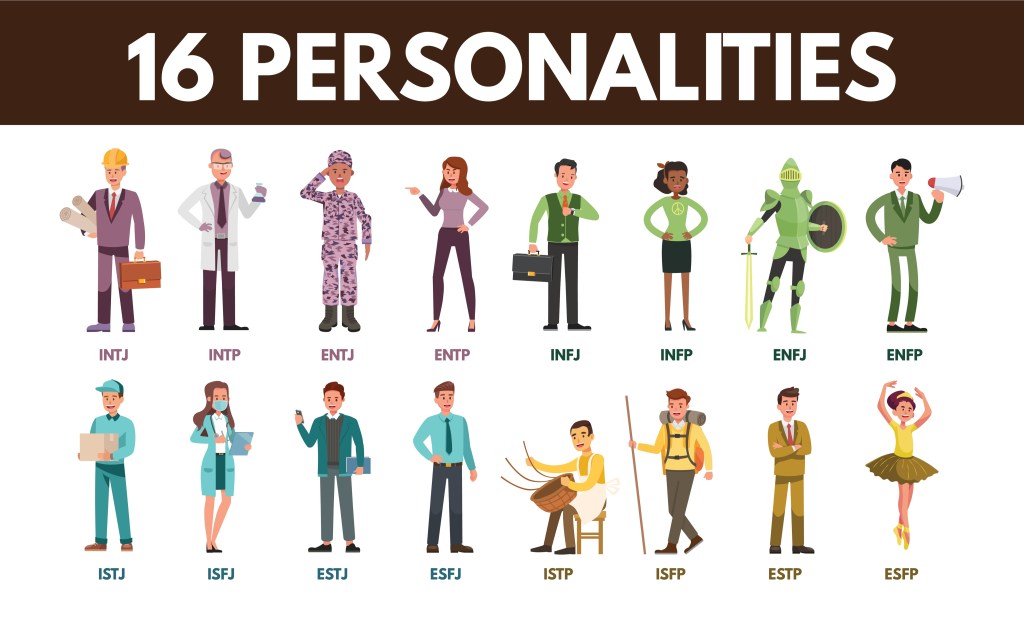
  1. Myers-Briggs Type Indicator (MBTI): This assessment categorizes individuals into 16 personality types based on four dichotomies: Extraversion vs. Introversion, Sensing vs. Intuition, Thinking vs. Feeling, and Judging vs. Perceiving. It provides insights into preferences related to communication, decision-making, and interpersonal interactions.
  2. StrengthsFinder (CliftonStrengths): Developed by Gallup, this assessment identifies an individual’s top five strengths out of 34 possible themes. It focuses on uncovering innate talents and provides guidance on leveraging these strengths in various aspects of work and life.
  3. The Big Five Personality Traits: Also known as the Five Factor Model, this assessment measures individuals across five broad dimensions: Openness to Experience, Conscientiousness, Extraversion, Agreeableness, and Neuroticism (OCEAN). It provides a comprehensive understanding of an individual’s personality traits and how they influence behavior and performance.
  4. Holland Codes (RIASEC): This assessment categorizes individuals into six personality types based on their interests and preferences in the workplace: Realistic, Investigative, Artistic, Social, Enterprising, and Conventional. It helps individuals identify suitable career paths and environments that align with their interests and strengths.
  5. Enneagram: This personality typing system categorizes individuals into nine interconnected personality types, each with distinct motivations, fears, and core desires. It offers insights into personal growth, relationships, and communication styles.
Myers -Briggs.

These assessments can provide valuable insights into individual work styles, preferences, and strengths, helping individuals and teams enhance communication, collaboration, and performance in the workplace.

++++++

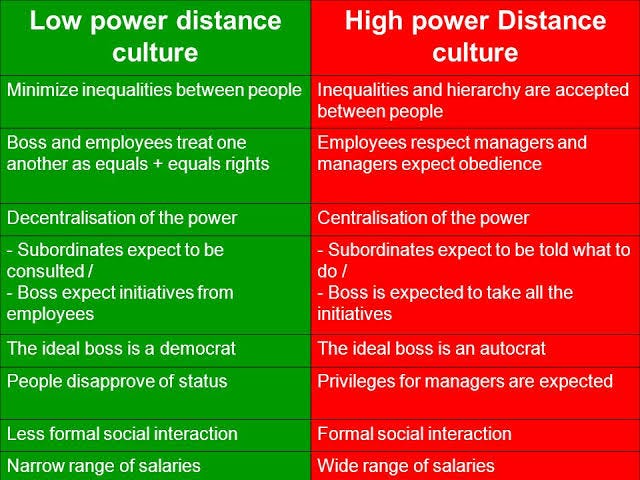
Individual Personality vs Power Distance Correlations:- There can be a link between DiSC profiles and power distance in a work environment, as each can influence and affect the other. Power distance refers to the extent to which less powerful members of an organization accept and expect that power is distributed unequally.

Here’s how DiSC profiles and power distance can interact:

  1. Dominance (D): Individuals with dominant personalities may have a lower tolerance for hierarchical structures and may challenge authority more readily. They may prefer flatter organizational structures where power is distributed more evenly.
  2. Influence (I): Influential individuals typically thrive in environments with lower power distance, where collaboration and open communication are encouraged. They may contribute to fostering a culture of transparency and approachability among leadership.
  3. Steadiness (S): Steady individuals may prefer environments with moderate power distance, where there is respect for authority but also room for input and collaboration. They value stability and may seek to maintain harmony within the organization.
  4. Conscientiousness (C): Conscientious individuals may prefer clear structures and guidelines, which can align with environments with higher power distance. They may value clear roles and responsibilities and expect adherence to established procedures.

Conversely, the power distance within an organization can also influence how individuals exhibit their DiSC traits:

  • In environments with high power distance, (India, Korea, Middle East) individuals may conform more to traditional roles and hierarchies. Dominant personalities may assert themselves more strongly, while others may be less inclined to challenge authority.
  • In environments with low power distance, (UK, Europe, Australia) there may be more egalitarianism and openness to input from all levels of the organization. This can facilitate the expression of influential and collaborative traits across all DiSC profiles.

Overall, understanding the interplay between DiSC profiles and power distance can help leaders and teams create a work environment that fosters effective communication, collaboration, and productivity, regardless of the prevailing power dynamics.

+++++++

Safety (For that matter, any Manager) professionals can adapt to their colleagues’ DiSC profiles to work more efficiently and deliver better results by:

  1. Tailoring Communication Styles: Understanding colleagues’ DiSC profiles can help safety professionals adjust their communication styles accordingly. For example, they can be more direct and assertive when communicating with dominant (D) personalities, while being more supportive and collaborative when interacting with steady (S) personalities.
  2. Customizing Training Programs: Safety professionals can design training programs that resonate with different DiSC profiles. For example, they can make safety training sessions more interactive and engaging for influential (I) personalities, while providing detailed procedures and guidelines for conscientious (C) individuals.
  3. Leveraging Strengths: Recognizing the strengths of each DiSC profile can help safety professionals delegate tasks effectively. For instance, they can assign leadership roles to dominant (D) personalities, utilize the persuasive skills of influential (I) personalities in promoting safety initiatives, and rely on the meticulousness of conscientious (C) individuals in conducting thorough inspections.
  4. Building Relationships: Developing strong relationships with colleagues across different DiSC profiles fosters trust and collaboration. Safety professionals can actively listen to their colleagues’ concerns and perspectives, demonstrate empathy, and seek input from diverse perspectives to enhance safety initiatives.
  5. Adapting to Work Styles: Flexibility is key in adapting to colleagues’ work styles influenced by their DiSC profiles. Safety professionals can adjust their approach to accommodate different preferences for task completion, decision-making, and problem-solving, ensuring efficiency and effectiveness in delivering safety outcomes.

By integrating DiSC awareness into their approach, safety professionals can enhance communication, collaboration, and effectiveness in driving safety initiatives within the organization.

Closeout:-

As we embark on this journey of exploring the intricate relationship between personalities at work and the anticipation of work styles to deliver exceptional results, let’s remember that understanding and adapting to diverse personalities is not just a skill—it’s an art. Through tools like DiSC, we have the power to unlock the full potential of our teams, foster collaboration, and drive meaningful change in workplace safety.

Join me in the pursuit of excellence as we delve deeper into the nuances of personality-driven safety management and strive to create safer, healthier, and more productive work environments for all.

Until next time, stay safe and keep striving for greatness!

Warm regards,

Karthik

7th March 2024 1230pm.

Progressive Discipline Management

The Dreaded word made Famous by DJT in his TV Show “The Apprentice”

One of the buzzwords circulating in companies these days is Progressive Discipline Management. While it may not have the same impact on performance as DEI or ESG initiatives, (Which I find meaningless more a Dog and Pony show) which involve broader organizational principles, Progressive Discipline Management’s implementation is not yet fully matured or understood. Similar to Behavior-Based Safety, it can instill fear in employees, especially as it progresses towards its final stages, raising concerns that it may be wielded as a punitive measure against individuals.

Progressive Discipline Management, also known as Progressive Consequences Management or Corrective Action, is a systematic approach used by companies to address employee performance or behavioral issues. It involves a series of increasingly severe actions or consequences, typically starting with verbal warnings and escalating to written warnings, suspension, and ultimately termination if the behavior or performance concern persists.

Companies use Progressive Consequence Management as a deterrent for several reasons:

  1. Encouraging Improvement: By providing clear expectations and consequences, employees are motivated to improve their behavior or performance to avoid further disciplinary action.
  2. Fairness and Consistency: It ensures that disciplinary actions are applied consistently across all employees, promoting fairness in the workplace.
  3. Legal Protection: Following a progressive discipline process can provide legal protection to the company in case of disputes or legal challenges related to employee termination.
  4. Maintaining a Positive Work Environment: Addressing issues promptly helps maintain a positive work environment and prevents negative behaviors from spreading or becoming normalized.

Other names for Progressive Discipline Management include:

  • Progressive Consequnce Management (PCM)
  • Corrective Action
  • Performance Improvement Plan (PIP)
  • Disciplinary Procedure
  • Employee Conduct Policy

Each company may have its own specific terminology for this process, but the underlying concept remains consistent.

Linking Progressive Discipline Management directly to safety performance can have both positive and negative impacts, particularly in environments where safety performance maturity is low.

Positive aspects:

  1. Enhanced Safety Culture: Clear consequences for safety violations can emphasize the importance of safety in the workplace and encourage employees to prioritize safe practices.
  2. Improved Compliance: Knowing that there are consequences for unsafe behaviors may motivate employees to adhere to safety protocols and regulations more consistently.
  3. Risk Reduction: Addressing safety issues promptly through progressive discipline can help mitigate risks of accidents and injuries in the workplace.

Negative aspects:

  1. Morale Impact: Employees may perceive a punitive approach to safety as punitive or hostile, leading to decreased morale and potentially fostering a culture of fear rather than safety.
  2. Resentment and Resistance: Employees might become resentful or resistant to safety measures if they feel they are being unfairly targeted or disciplined.
  3. Limited Effectiveness: In environments with low safety performance maturity, punitive measures alone may not be sufficient to drive meaningful behavioral change. Positive reinforcement and proactive safety initiatives may be more effective in such cases.

Ultimately, the decision to link Progressive Discipline Management to safety performance should be carefully considered based on the specific dynamics and culture of the workplace. It’s important to balance the need for accountability with strategies to foster a positive and proactive approach to safety. This might involve combining disciplinary measures with proactive safety training, leadership engagement, and opportunities for employee input and involvement in safety initiatives.

To help employees overcome discomfort or fear of Progressive Discipline Management, consider the following strategies:

  1. Transparent Communication: Clearly communicate the purpose and objectives of the Progressive Discipline Management process. Explain that it is intended to promote safety, improve performance, and maintain a fair and consistent work environment.
  2. Education and Training: Provide comprehensive training to employees on the Progressive Discipline process, including what behaviors or performance issues may trigger disciplinary action, and what steps are involved in the process. Ensure that employees understand their rights and have the opportunity to ask questions.
  3. Establish Clear Expectations: Set clear expectations for behavior and performance from the outset. Ensure that employees understand what is expected of them in terms of safety practices, job duties, and conduct in the workplace.
  4. Fair and Consistent Application: Demonstrate fairness and consistency in the application of Progressive Discipline Management. Ensure that all employees are treated equally and that disciplinary actions are based on objective criteria rather than personal biases.
  5. Provide Support and Resources: Offer support and resources to help employees improve their performance or address behavioral issues. This could include additional training, coaching, mentoring, or access to employee assistance programs.
  6. Open Door Policy: Maintain an open-door policy where employees feel comfortable discussing their concerns or seeking clarification about disciplinary actions. Encourage open and honest communication between employees and management.
  7. Focus on Improvement: Emphasize that the goal of Progressive Discipline Management is not to punish employees, but rather to support their growth and development. Highlight the opportunities for improvement and provide constructive feedback to help employees succeed.
  8. Positive Reinforcement: Balance the focus on disciplinary action with positive reinforcement for good performance and adherence to safety protocols. Recognize and reward employees who demonstrate exemplary behavior and contribute to a positive work environment.

By implementing these strategies, organizations can help employees overcome discomfort or fear of Progressive Discipline Management and create a culture where accountability and continuous improvement are valued.

Linking Progressive Discipline Management with safety maturity over time requires a strategic approach that emphasizes improvement rather than punishment. Here’s how companies can do it effectively:

  1. Align with Safety Goals: Clearly communicate to employees that the implementation of Progressive Discipline Management is aimed at improving overall safety performance and fostering a safer work environment. Emphasize that the goal is not retribution but rather continuous improvement in safety practices.
  2. Educate on Safety Culture: Promote a strong safety culture within the organization by providing regular training and awareness programs. Help employees understand the importance of their role in maintaining a safe workplace and how Progressive Discipline Management supports this goal.
  3. Set Clear Expectations: Establish clear expectations for safety performance and behavior from the outset. Ensure that employees understand what is expected of them in terms of following safety protocols, reporting hazards, and contributing to a safe work environment.
  4. Provide Supportive Environment: Create a supportive environment where employees feel comfortable raising safety concerns and seeking help when needed. Encourage open communication and provide resources such as training, mentoring, and safety equipment to support employees in their safety efforts.
  5. Focus on Improvement: Position Progressive Discipline Management as a tool for identifying areas for improvement and providing guidance and support to help employees succeed. Emphasize the opportunity for learning and growth rather than punishment.
  6. Track Progress: Regularly monitor and track safety performance metrics over time to assess the effectiveness of Progressive Discipline Management in driving improvements. Celebrate successes and milestones achieved in safety maturity, and use data to identify areas for further focus and development.
  7. Recognize Positive Behavior: In addition to addressing safety concerns through Progressive Discipline Management, recognize and reward positive safety behaviors and contributions. This reinforces the importance of safety and encourages employees to continue prioritizing safe practices.

By linking Progressive Discipline Management with safety maturity over time in a positive and supportive manner, employees are more likely to view it as a tool for improvement rather than retribution. This approach fosters a culture of continuous learning and growth while driving meaningful improvements in safety performance.

Case Study:- Company A is acquired by Corporate Group B. B has its own norms for Safety performance. While acquiring A, B did not do a good Due Diligence. Also post acquisition, B did not support A in Safety integration very well. Now A is struggling with Safety performance and B insists on Progressive Discipline Management as part of it’s policy. What are A’s Option in view of fear/ low morale in seeing Discipline as tool of Retribution even among Senior Leaders of A.

In the Scenario described, where a site has lower safety performance maturity and is being pushed by corporate offices to implement Progressive Discipline Management, it’s essential to approach this transition strategically with a good 18-24 months implementation in maturity path model. Here are some suggestions for sites to effectively implement this:

  1. Comprehensive Training Programs: Implement thorough training programs on safety policies, procedures, and expectations for all employees. This should include training on the Progressive Discipline Management process and its importance in ensuring a safe workplace.
  2. Clear Communication: Communicate openly and transparently with employees about the reasons for implementing Progressive Discipline Management. Emphasize the importance of safety and how it aligns with the company’s values and goals.
  3. Leadership Support: Ensure that site leadership fully supports the implementation of Progressive Discipline Management and actively participates in promoting a culture of safety. Leaders should lead by example and demonstrate their commitment to safety at all times.
  4. Employee Involvement: Involve employees in the process by seeking their input on safety issues and encouraging them to actively participate in safety initiatives. This can help foster ownership and accountability among employees for safety performance.
  5. Positive Reinforcement: While Progressive Discipline Management focuses on addressing negative behaviors, it’s equally important to recognize and reward positive safety behaviors. Implement programs to acknowledge and reward employees who demonstrate exemplary safety practices.
  6. Continuous Improvement: Treat the implementation of Progressive Discipline Management as a journey rather than a destination. Continuously assess and evaluate the effectiveness of the process, solicit feedback from employees, and make adjustments as necessary to improve outcomes.

  7. Focus on Improvement:
    Position Progressive Discipline Management as a tool for identifying areas for improvement and providing guidance and support to help employees succeed. Emphasize the opportunity for learning and growth rather than punishment.
  8. Track Progress: Regularly monitor and track safety performance metrics over time to assess the effectiveness of Progressive Discipline Management in driving improvements. Celebrate successes and milestones achieved in safety maturity, and use data to identify areas for further focus and development.
  9. Recognize Positive Behavior: In addition to addressing safety concerns through Progressive Discipline Management, recognize and reward positive safety behaviors and contributions. This reinforces the importance of safety and encourages employees to continue prioritizing safe practices.

By taking a strategic and proactive approach to implementing Progressive Discipline Management, sites can effectively improve safety performance while minimizing negative impacts on morale and employee engagement.

Karthik

2nd March 2024

Myths, Misconceptions in EHS.

Safety, Environment, Health, and Safety (EHS) management is a relatively young field, with less than 50 years of matured regulations and practical implementation. However, despite its relative youth, EHS should ideally be less susceptible to the myths, mythologies and misconceptions that plague longer-standing domains like Quality, Operations, Sales, and HR.

In this blog, I aim to delve into the myths and misconceptions surrounding EHS practices and explore practical solutions to address them. Is it even practical to challenge these myths? That’s a question we’ll explore together.

For me, some of the greatest myths I’ve encountered include:

  1. “Safety First”: While safety is undoubtedly paramount, is it always prioritized first in practice? (It is always Profits First, without that no business can survive)
  2. “We spend money on Safety (EHS) like water”: In a profit-driven world, is this statement truly reflective of business priorities? (What would you do if you face a Recession/ Downturn, like I faced in 2008 due to global financial crisis when we lost 75% of sales, when every working day was assumed my final day at work for 17 months!).

Join me as we unravel these myths and navigate the complexities of EHS management in today’s dynamic business landscape.

What Leads to the Myths, Misconceptions, False Narratives in EHS?

The perpetuation of myths, misconceptions, and false narratives in not only in EHS but in all management and business domain, can stem from various factors:

  1. Lack of Education and Awareness: Many misconceptions arise due to a lack of understanding or awareness about complex topics such as safety management, EHS principles, or business practices.
  2. Confirmation Bias: People tend to interpret information in a way that confirms their existing beliefs or biases, leading them to accept false narratives that align with their preconceptions.
  3. Misinformation and Misinterpretation: Inaccurate information or misinterpretation of data can contribute to the spread of myths and misconceptions, especially in the age of social media and rapid information sharing.
  4. Overreliance on Anecdotes: Anecdotal evidence or isolated incidents may be given undue weight, leading to the formation of false generalizations and narratives that don’t reflect the broader reality.
  5. Influence of Authority Figures: Individuals may accept myths and false narratives propagated by authority figures or influential sources without critically evaluating the information.
  6. Simplification of Complex Issues: Complex topics such as safety management or EHS/ESG principles are often oversimplified, leading to misunderstandings and the propagation of false beliefs.
  7. Cultural and Organizational Factors: Organizational culture, norms, and traditions can perpetuate certain myths and misconceptions, especially if they prioritize short-term gains over long-term sustainability and safety.
  8. Psychological Factors: Human psychology, including cognitive biases and heuristics, can influence decision-making and contribute to the acceptance of false narratives.
  9. Economic Interests: Some myths and false narratives may be perpetuated by individuals or organizations with vested interests in maintaining the status quo or promoting specific agendas.
  10. Lack of Critical Thinking: A failure to critically evaluate information and assess its validity can contribute to the acceptance of myths and misconceptions without questioning their accuracy.

Addressing these underlying factors requires a concerted effort to promote education, critical thinking, transparency, and evidence-based decision-making in management and business contexts.

What are some of the Myths, Misconceptions etc in EHS domain?

There are plenty, here is a list, (Not Exhaustive).

Here are some common misconceptions we could address:

  1. “Safety is just common sense.”
  2. “Accidents only happen to careless people.”
  3. “Safety rules are just red tape and bureaucracy.”
  4. “Safety is solely the responsibility of the safety department.”
  5. “Wearing PPE makes you completely safe.”
  6. “Near misses aren’t a big deal.”
  7. “Safety training is a waste of time and money.”
  8. “We’ve never had an accident, so we’re doing fine.”
  9. “Safety is only about preventing injuries, not illnesses.”
  10. “Safety is too expensive.”

False narratives in safety and related areas can lead to misunderstanding and ineffective practices. Here are some common false narratives to address:

  1. “Going green is always costly and hurts profitability.”
  2. “Companies with strong safety records sacrifice efficiency.”
  3. “Worker safety conflicts with productivity goals.”
  4. “Investing in ESG / EHS initiatives doesn’t provide tangible returns.”
  5. “Safety regulations hinder innovation and progress.”
  6. “Addressing social issues in the workplace is unnecessary.”
  7. “Environmental sustainability is a secondary concern for businesses.”
  8. “ESG /EHS practices are just a form of ‘greenwashing’ for PR purposes.”
  9. “Safety and EHS initiatives are only relevant for large corporations.”
  10. “ESG investing sacrifices returns for social or environmental goals.”

By debunking these false narratives, we can promote a more accurate understanding of the benefits and importance of safety and ESG practices in business.

Here are some much-hyped but unproven initiatives in safety:

  1. “Zero Accidents” or “Zero Harm” campaigns without realistic strategies for achieving them.
  2. Implementing technology without proper training or integration into existing safety protocols.
  3. Relying solely on behavior-based safety programs without addressing underlying systemic issues.
  4. Incentivizing safety performance without considering unintended consequences or encouraging underreporting.
  5. Adopting trendy safety gadgets or equipment without assessing their actual impact on risk reduction.
  6. Overemphasis on safety slogans or posters without meaningful action or cultural change.
  7. Outsourcing safety management without ensuring alignment with organizational goals and values.
  8. Blaming individuals for accidents without investigating root causes or systemic failures.
  9. Focusing excessively on lagging indicators (e.g., injury rates) without proactive risk assessment and mitigation.
  10. Embracing one-size-fits-all approaches without considering the unique needs and challenges of different work environments.

By critically evaluating these initiatives, organizations can prioritize evidence-based strategies that genuinely enhance workplace safety. Let me know if you need more insights on any of these points!

Few Safety Mythologies that faded and you no longer hear!

While certain safety methodologies and programs may have initially gained popularity, some have lost their effectiveness or relevance over time. Here are a few examples:

  1. The Dupont Safety Program: Once hailed as a groundbreaking approach to safety management, the Dupont program has faced criticism for its lack of adaptability to modern safety challenges and its failure to address underlying systemic issues.
  2. Safety Champions: While designating individuals as safety champions can be beneficial for promoting a safety culture, the concept has sometimes been implemented without proper support or integration into overall safety management systems, leading to superficial engagement and limited impact.
  3. Behavior-Based Safety (BBS): Initially touted as a revolutionary approach to preventing workplace accidents by focusing on individual behavior, BBS has faced skepticism due to its tendency to blame workers for accidents and its failure to address broader organizational and systemic factors.
  4. Zero Harm Initiatives: While the goal of achieving zero harm is noble, the concept has been criticized for being unrealistic and potentially discouraging the reporting of near misses or minor incidents, which are valuable opportunities for learning and improvement.
  5. Safety Awards and Recognition Programs: While recognition programs can motivate employees to prioritize safety, they may lose their effectiveness over time if not accompanied by meaningful action to address underlying safety issues and promote a culture of continuous improvement.

It’s essential to critically evaluate safety methodologies and programs to ensure they remain relevant and effective in addressing contemporary safety challenges.

Eloborating these:-

Myths:

  • Safety is expensive: While implementing a safety program requires an initial investment, it can significantly reduce costs in the long run by preventing accidents, injuries, and illnesses. These can lead to hefty fines, lawsuits, and lost productivity.
  • Safety regulations are burdensome and stifle innovation: Safety regulations are established to protect workers and prevent harm. They don’t have to hinder innovation; instead, they can encourage companies to develop safer and more efficient ways of working.
  • Safety programs only apply to hazardous industries: Safety is essential in every workplace, regardless of the industry. Even seemingly low-risk environments can have hazards that can lead to serious injuries.

Misconceptions:

  • Safety is the responsibility of the safety department: Everyone in the organization, from top management to frontline workers, has a role to play in ensuring workplace safety. A successful safety program requires a collaborative effort.
  • Safety training is a one-time event: Effective safety programs involve ongoing training and education to keep employees informed about potential hazards, safe work practices, and new regulations.
  • Accidents are inevitable: Accidents are preventable, not inevitable. Implementing comprehensive safety measures and fostering a culture of safety can significantly reduce the likelihood of accidents occurring.

False beliefs:

  • Punishing workers for safety violations is an effective deterrent: Focusing solely on punishment can create a culture of fear and blame, hindering open communication and reporting of safety concerns.
  • Safety programs are only necessary to comply with regulations: While regulations are a significant driver for safety programs, they shouldn’t be the sole motivator. Organizations should prioritize the well-being of their employees and strive to create a safe and healthy work environment.
  • Safety is common sense: While some safety practices may seem like common sense, many hazards are not always obvious, and safe work procedures need to be clearly defined and communicated.

Hyped but unproven claims:

  • Specific safety software or technology is a guaranteed solution: Technology can be a valuable tool in enhancing safety programs, but it should not be seen as a silver bullet. A comprehensive approach that combines technology with other safety measures like training, hazard identification, and risk assessment is crucial.
  • Expensive safety equipment is always necessary: The effectiveness of safety equipment depends on the specific hazards present in the workplace. Implementing a hierarchy of controls, prioritizing elimination or substitution of hazards over personal protective equipment (PPE), should be the guiding principle.
  • Zero-accident culture is achievable: While striving for continuous improvement and aiming to minimize accidents is important, the goal of achieving zero accidents is unrealistic and can create undue pressure on workers.

It’s important to remember that safety is an ongoing process, not a one-time fix. By addressing these myths, misconceptions, and false beliefs, organizations can create a more realistic and effective approach to safety program implementation, fostering a culture that prioritizes the well-being of everyone in the workplace.

++++

To overcome myths and improve EHS (Environment, Health, and Safety) performance, organizations and companies can take several proactive steps:

  1. Education and Training: Provide comprehensive training and education programs for employees at all levels to increase awareness of EHS principles, debunk myths, and promote a culture of safety and sustainability.
  2. Data-Driven Decision Making: Encourage the use of data and evidence-based practices to inform EHS initiatives, rather than relying on anecdotal evidence or outdated beliefs.
  3. Continuous Improvement: Foster a culture of continuous improvement by regularly evaluating EHS performance, identifying areas for enhancement, and implementing corrective actions based on lessons learned. Lean in on Management Systems and integrate with Business operating systems. (#7)
  4. Leadership Commitment: Demonstrate visible leadership commitment to EHS excellence by allocating resources, setting clear goals and targets, and holding individuals and teams accountable for their roles in maintaining a safe and healthy work environment.
  5. Employee Engagement: Involve employees in EHS decision-making processes, seek their input and feedback, and empower them to actively participate in safety committees, hazard identification programs, and other EHS initiatives.
  6. Collaboration and Communication: Foster open and transparent communication channels across all levels of the organization to facilitate the sharing of best practices, lessons learned, and concerns related to EHS performance.
  7. Integration with Business Processes: Integrate EHS considerations into core business processes and decision-making frameworks to ensure that safety and sustainability are prioritized alongside other organizational objectives.
  8. Risk Management: Implement robust risk management processes to proactively identify, assess, and mitigate EHS risks, both within the organization and throughout the supply chain.
  9. Stakeholder Engagement: Engage with external stakeholders, including regulators, customers, suppliers, and community members, to understand their expectations and concerns regarding EHS performance and incorporate their feedback into strategic planning and decision making.
  10. Innovation and Technology: Embrace innovation and leverage technology to enhance EHS performance, whether through the adoption of advanced safety equipment, digital monitoring systems, or predictive analytics for risk assessment.

By adopting a holistic approach that addresses both cultural and operational aspects of EHS management, organizations can effectively overcome myths and drive continuous improvement in EHS performance.

Role of Leadership, Engineering, Systems?

Leadership, culture, systems, and engineering improvements can all play crucial roles in debunking myths and misconceptions surrounding EHS (Environment, Health, and Safety) practices:

  1. Leadership: Strong leadership commitment is essential for challenging myths and fostering a culture of safety and sustainability. Leaders can set clear expectations, allocate resources, and lead by example to demonstrate the organization’s commitment to EHS excellence.
  2. Culture: Cultivating a positive safety culture is key to overcoming myths and misconceptions. Organizations can promote open communication, encourage reporting of near misses and hazards, and empower employees to actively participate in safety initiatives, creating an environment where myths are challenged and evidence-based practices are embraced.
  3. Systems: Implementing robust EHS management systems provides a structured framework for addressing myths and promoting continuous improvement. By integrating EHS considerations into organizational processes, such as risk management, training, and performance measurement, organizations can ensure that safety and sustainability are prioritized across all activities.
  4. Engineering Improvements: Engineering controls and innovations can help address underlying safety issues and dispel myths related to the effectiveness of certain safety measures. By investing in engineering solutions, such as machine guarding, ventilation systems, and ergonomic design, etc. organizations can create safer work environments and demonstrate their commitment to employee well-being.

By leveraging leadership, culture, systems, and engineering improvements in concert, organizations can effectively challenge myths and misconceptions surrounding EHS practices, driving continuous improvement and creating safer, healthier workplaces.

Companies that burst safety Myths and became Beacons!

There are numerous examples of organizations that have successfully challenged myths and misconceptions surrounding EHS practices and emerged as beacons of excellence in the field. Here are a few notable examples:

  1. Alcoa: Under the leadership of Paul O’Neill in the 1980s and 1990s, Alcoa transformed its safety culture by prioritizing employee safety above all else. Through a relentless focus on safety, Alcoa not only improved its safety performance but also achieved significant gains in productivity and profitability.
  2. DuPont: DuPont has long been recognized for its commitment to safety and sustainability. The company’s emphasis on preventive measures, employee engagement, and continuous improvement has helped it achieve industry-leading safety performance and set the standard for EHS excellence.
  3. Toyota: Toyota has integrated safety and quality principles into its production processes, challenging the myth that safety compromises productivity. By investing in employee training, process improvements, and innovative technologies, Toyota has demonstrated that safety and efficiency can go hand in hand.
  4. 3M: 3M has a strong track record of innovation in EHS management, developing advanced technologies and solutions to address safety and environmental challenges. Through proactive risk management and a culture of continuous improvement, 3M has become a global leader in EHS excellence.
  5. Johnson & Johnson: Johnson & Johnson has been recognized for its commitment to employee health and safety, implementing comprehensive EHS management systems and programs. The company’s emphasis on transparency, accountability, and stakeholder engagement has earned it a reputation as a responsible corporate citizen.

These organizations serve as inspiring examples of how proactive leadership, a culture of continuous improvement, and a commitment to employee well-being can drive EHS excellence and challenge myths and misconceptions in the field.

B Karthik

24/2/24 1500 Hrs.

Dynamic Risk Assessment.

#155

Dynamic Risk Assessment (DRA) is an ongoing process of identifying, assessing, and managing risks in real-time or as situations unfold. It involves continuously evaluating hazards, considering changing conditions, and adapting control measures accordingly to prevent accidents or incidents. Unlike traditional risk assessments, which are often static and conducted periodically, DRA is more responsive and flexible, addressing unforeseen risks as they arise. It’s crucial in dynamic work environments such as construction sites, emergency response situations, or complex industrial operations where hazards can evolve rapidly. DRA helps organizations enhance safety by promoting situational awareness and proactive risk management.

Other terms used interchangeably with Dynamic Risk Assessment (DRA) include:

  1. Real-time Risk Assessment
  2. Continuous Risk Assessment
  3. Ongoing Risk Assessment
  4. Active Risk Assessment
  5. Rolling Risk Assessment
  6. Adaptive Risk Management
  7. Situational Risk Assessment
  8. Agile Risk Assessment
  9. Event-driven Risk Assessment
  10. Dynamic Safety Management
  11. Last Minute Risk Assessment.

These terms all refer to the practice of assessing and managing risks in real-time or as situations unfold, emphasizing the dynamic nature of the process and its responsiveness to changing conditions.

The benefits of Dynamic Risk Assessment (DRA) include:

  1. Improved Safety: DRA enables real-time identification and mitigation of hazards, reducing the likelihood of accidents or incidents and enhancing overall safety for workers and individuals in dynamic environments.
  2. Enhanced Situational Awareness: By continuously assessing risks and monitoring changing conditions, DRA promotes heightened situational awareness, empowering individuals to make informed decisions and respond effectively to emerging threats.
  3. Flexibility and Adaptability: DRA allows for quick adjustments to risk control measures or work procedures in response to changing conditions, increasing resilience and adaptability in dynamic work environments.
  4. Prevention of Incidents: By proactively addressing risks as they arise, DRA helps prevent incidents before they occur, minimizing downtime, injuries, and property damage.
  5. Efficient Resource Allocation: DRA optimizes resource allocation by focusing efforts on high-risk activities or areas, maximizing the effectiveness of risk management efforts and minimizing waste.
  6. Compliance and Legal Requirements: Implementing DRA demonstrates a commitment to safety and risk management, helping organizations comply with regulatory requirements and industry standards.
  7. Employee Engagement and Empowerment: Involving workers in the DRA process fosters a culture of safety and empowerment, encouraging active participation and ownership of safety responsibilities.
  8. Continuous Improvement: DRA facilitates ongoing learning and improvement by collecting feedback, analyzing incidents, and refining risk management practices over time, leading to continuous enhancements in safety performance.

DRA has become increasingly prevalent in applications due to several factors:

  1. Complexity of Work Environments: Modern work environments are often complex and dynamic, with multiple interacting factors that can influence risk. DRA provides a systematic approach to managing these complexities and ensuring safety in ever-changing conditions.
  2. Technological Advances: Advances in technology, such as real-time monitoring systems, mobile applications, and data analytics, have made it easier to collect and analyze information for dynamic risk assessment, enabling more proactive and data-driven risk management.
  3. Focus on Proactive Risk Management: There is a growing recognition of the importance of proactive risk management in preventing incidents and promoting safety. DRA aligns with this proactive approach by addressing risks in real-time and preventing them from escalating into serious incidents.
  4. Regulatory Emphasis on Safety: Regulatory bodies and industry standards increasingly emphasize the importance of effective risk management and safety management systems. DRA helps organizations meet these requirements by providing a structured framework for identifying, assessing, and managing risks dynamically.

Overall, the benefits and relevance of DRA stem from its ability to enhance safety, adaptability, and efficiency in today’s dynamic work environments, making it an essential practice for ensuring the well-being of workers and individuals in various industries.

++++

The components of Dynamic Risk Assessment typically include:

  1. Identification of Hazards: Recognizing potential risks and hazards in real-time as situations unfold.
  2. Assessment of Risks: Evaluating the likelihood and severity of identified hazards, considering current conditions and contextual factors.
  3. Monitoring and Surveillance: Continuously observing and monitoring the work environment for changes or emerging risks.
  4. Decision Making: Making informed decisions based on the assessment of risks and selecting appropriate control measures or actions to mitigate them.
  5. Communication: Effectively communicating risk information to relevant stakeholders, including workers and supervisors, to ensure awareness and understanding.
  6. Adaptation and Flexibility: Being flexible and adaptive to changing conditions, adjusting risk control measures as needed to maintain safety.
  7. Feedback and Learning: Collecting feedback from workers and evaluating the effectiveness of risk control measures to improve future assessments and decision-making processes.

These components work together to enable organizations to manage risks dynamically and proactively in dynamic work environments.

+++

Dynamic Risk Assessment (DRA) is relevant in various situations where hazards are constantly changing or evolving. Some examples include:

  1. Emergency Response: During natural disasters, accidents, or other emergencies, responders must continually assess risks and adapt their strategies to changing conditions.
  2. Construction Sites: Construction projects involve numerous hazards that can change rapidly due to factors such as weather, equipment malfunctions, or unexpected ground conditions.
  3. Industrial Operations: Manufacturing facilities, chemical plants, and other industrial environments require ongoing risk assessment to manage hazards related to machinery, chemicals, and processes.
  4. Transportation: In transportation industries like aviation, maritime, and rail, DRA is crucial for managing risks associated with weather, traffic conditions, and equipment failures.
  5. Healthcare Settings: Healthcare professionals need to assess risks dynamically to ensure patient safety, especially in emergency rooms, surgery, and critical care units.
  6. Outdoor Activities: Activities such as hiking, climbing, or camping involve environmental risks like weather changes, wildlife encounters, and terrain variations.
  7. Security Operations: Security personnel must continually assess risks and threats in public spaces, events, or high-risk facilities to maintain safety and security.
  8. Sports and Recreation: In sports and recreational activities, participants and organizers need to monitor risks such as equipment failure, weather conditions, and physical exertion levels.
  9. Military Operations: Military personnel engage in dynamic risk assessment during training exercises, combat missions, and peacekeeping operations to mitigate threats and ensure mission success.
  10. Entertainment Events: Event organizers must continuously evaluate risks related to crowd control, venue safety, and emergency procedures during concerts, festivals, and other gatherings.

These are just a few examples, but in essence, DRA is applicable in any situation where hazards are present and conditions are subject to change, requiring ongoing assessment and management to ensure safety and minimize risks.

+++++++

Here’s an example of Dynamic Risk Assessment (DRA) in a real-life scenario:

Imagine a construction site where workers are excavating a trench for laying pipelines. As the work progresses, a heavy rainstorm suddenly hits the area, leading to several changes in the work environment and increasing the risk of accidents or hazards. Here’s how DRA would be carried out in this situation:

  1. Identification of Hazards: The sudden rainstorm introduces new hazards such as slippery surfaces, reduced visibility, and the potential for trench collapse due to soil saturation.
  2. Assessment of Risks: Workers and supervisors assess the increased risks posed by the rainstorm, considering factors such as the likelihood of slips and falls, the stability of the trench walls, and the impact on equipment operation.
  3. Monitoring and Surveillance: Continuous monitoring of weather conditions and site conditions is essential to track changes and anticipate potential risks. Supervisors and safety personnel remain vigilant to identify any emerging hazards.
  4. Decision Making: Based on the assessment of risks, supervisors may decide to temporarily halt excavation work until the rain subsides to ensure worker safety. They may also implement additional safety measures such as providing non-slip footwear, installing barricades around the trench, or reinforcing trench supports.
  5. Communication: Supervisors communicate the decision to pause work and the reasons behind it to all workers on-site, emphasizing the importance of safety during adverse weather conditions.
  6. Adaptation and Flexibility: As the rainstorm passes and conditions improve, supervisors reassess the situation and determine when it’s safe to resume work. They remain flexible and ready to adjust plans or procedures as needed to address any ongoing risks.
  7. Feedback and Learning: After the incident, the team gathers feedback from workers to evaluate the effectiveness of the risk management measures taken during the rainstorm. Lessons learned are documented and used to improve future DRA processes and training.

This example illustrates how DRA involves continuous assessment, decision-making, and adaptation to ensure the safety of workers in dynamic and changing environments. It emphasizes the importance of proactive risk management and effective communication to mitigate hazards effectively.

+++++++

Lone workers or individuals in isolated areas can utilize Dynamic Risk Assessment (DRA) to enhance their safety by following these steps:

  1. Initial Risk Assessment: Before starting work or venturing into an isolated area, conduct an initial risk assessment to identify potential hazards such as environmental risks, wildlife encounters, or physical hazards.
  2. Continuous Vigilance: Remain vigilant and observant of your surroundings at all times. Continuously monitor for changes in conditions that could pose new risks or threats.
  3. Stay Informed: Stay informed about weather forecasts, terrain conditions, and any relevant safety advisories that could affect your safety. Use reliable communication channels such as mobile phones or two-way radios if available.
  4. Regular Check-ins: Establish a check-in schedule with a designated contact person or supervisor. Check in at predetermined intervals to confirm your safety and report any concerns or incidents promptly.
  5. Adaptability: Be flexible and adaptable in response to changing conditions or unexpected situations. Assess risks as they arise and take appropriate actions to mitigate them, such as altering your route or seeking shelter in adverse weather conditions.
  6. Emergency Preparedness: Equip yourself with necessary safety gear and emergency supplies, such as first aid kits, communication devices, and emergency rations. Familiarize yourself with emergency procedures and know how to summon help if needed.
  7. Self-care: Prioritize self-care and well-being by maintaining hydration, adequate rest, and proper nutrition. Fatigue or exhaustion can impair decision-making and increase vulnerability to accidents or injuries.
  8. Training and Awareness: Receive training in hazard recognition, emergency response, and self-defense techniques if applicable. Stay informed about best practices for personal safety in isolated or remote environments.

By integrating these practices into their routine, lone workers or individuals in isolated areas can effectively apply Dynamic Risk Assessment to mitigate risks and enhance their safety and well-being.

In conclusion, Dynamic Risk Assessment (DRA) stands as a pivotal tool in modern risk management, offering a proactive approach to safety in dynamic and ever-evolving work environments. By continuously identifying, assessing, and adapting to risks in real-time, DRA empowers organizations and individuals to enhance safety, prevent incidents, and ensure the well-being of workers and stakeholders.

The benefits of DRA are manifold, ranging from improved safety and situational awareness to increased efficiency and compliance with regulatory requirements. Its relevance has surged in recent years, driven by the complexity of modern work environments, technological advancements, and a growing emphasis on proactive risk management.

As we navigate through the intricacies of today’s dynamic world, DRA serves as a beacon of resilience and adaptability, guiding us towards safer and more secure outcomes. By embracing the principles of DRA and fostering a culture of continuous improvement, we can forge a path towards a safer, healthier, and more sustainable future for all.

In essence, Dynamic Risk Assessment is not just a process; it’s a mindset—a commitment to vigilance, adaptability, and proactive risk management that empowers us to overcome challenges and thrive in an ever-changing world.

Karthik

22/2/24 1500 Hrs.

…..Holics, be aware!! It can ruin you!

#155

Exploring the World of Holics: Understanding and Overcoming Addictive Behaviors

Today, let’s dive into the fascinating world of “holics” – those addictive behaviors that can impact our lives in various ways. From the familiar struggles of alcoholism and workaholism to the lesser-known realms of shopaholics and chocoholics, we’ll explore the reasons behind these behaviors and discuss strategies for overcoming them.

In this blog post, we’ll take a closer look at each type of “holic,” examining why they do what they do and offering practical tips for curbing or reducing these habits. Whether it’s finding balance in our work-life dynamic, managing stress without turning to excessive shopping, or indulging in our favorite treats in moderation, there’s something here for everyone.

So, whether you’re personally grappling with these challenges or simply curious about the psychology behind addictive behaviors, join on this journey as we uncover insights, share experiences, and empower each other to lead happier, healthier lives. Let’s navigate the world of “holics” together and discover the path to greater self-awareness, balance, and fulfillment. Are you ready? Let’s get started!

+++++++

Besides alcoholics and workaholics, there are a few other “holics” that can affect people’s lives:

  1. Shopaholics: These folks have a compulsive urge to shop, often resulting in financial issues and cluttered homes.
  2. Chocoholics: A fun one, but excessive consumption of chocolate can lead to health problems like obesity and diabetes.
  3. Gadgetaholics: Obsessed with the latest gadgets and technology, they might overspend and neglect other aspects of life.
  4. Narcissaholics: People who are excessively self-centered and crave attention and admiration can strain relationships and hurt others.
  5. Workoutaholics: While exercise is great, too much can lead to injuries and neglect of other important aspects of life.

It’s essential to find a balance in everything we do to maintain a healthy and fulfilling life.

++++

Workaholics are individuals who are excessively devoted to their work and often prioritize it over other aspects of life, such as family, relationships, and personal well-being. This behavior can stem from various factors:

  1. Personal drive or ambition: Some people are inherently driven to succeed and may become consumed by their work in pursuit of their goals.
  2. Job insecurity: Fear of losing one’s job or not meeting expectations can drive individuals to overwork.
  3. High-pressure work environments: Industries or professions with intense competition and demanding workloads can foster a culture of overworking.
  4. Escapism: For some, throwing themselves into work excessively might be a way to avoid dealing with personal issues or emotional challenges.

To overcome workaholism, individuals can take several steps:

  1. Self-awareness: Recognizing and acknowledging the problem is the first step towards change.
  2. Setting boundaries: Establishing clear boundaries between work and personal life, such as limiting work hours and dedicating time to hobbies and relationships.
  3. Seeking support: Talking to friends, family, or a therapist can provide emotional support and guidance.
  4. Prioritizing self-care: Making time for relaxation, exercise, and hobbies is crucial for maintaining overall well-being.
  5. Reevaluating priorities: Reflecting on values and goals outside of work can help individuals regain perspective on what truly matters to them.

Organizations and families can also play a role in helping individuals overcome workaholism:

  1. Promoting work-life balance: Encouraging employees to take breaks, use vacation time, and prioritize self-care can create a healthier work environment.
  2. Providing resources: Offering resources such as employee assistance programs or counseling services can support individuals struggling with workaholism.
  3. Leading by example: Managers and leaders who prioritize work-life balance and model healthy behavior can inspire others to do the same.
  4. Open communication: Creating a culture where employees feel comfortable discussing workload and stress can help identify and address issues before they escalate.
  5. Encouraging hobbies and interests: Supporting employees in pursuing hobbies and interests outside of work can help them find fulfillment beyond their professional lives.

Ultimately, overcoming workaholism requires a combination of self-awareness, support from others, and a commitment to prioritizing well-being.

+++

Alcoholism and drug addiction are indeed significant global issues, and they often go hand in hand. Over past few years, women employees are also undergoing this issue. To address these challenges, several approaches can be taken:

  1. Education and Awareness: Providing comprehensive education about the risks and consequences of alcohol and drug abuse is crucial. This includes information about addiction, health effects, and available resources for support and treatment.
  2. Prevention Programs: Implementing prevention programs in schools, communities, and workplaces can help raise awareness and teach coping skills to resist peer pressure and manage stress without turning to substance abuse.
  3. Access to Treatment: Ensuring access to affordable and effective treatment options, including counseling, therapy, and medication-assisted treatment, is essential for individuals struggling with addiction.
  4. Supportive Communities: Creating supportive communities and networks, such as support groups like Alcoholics Anonymous and Narcotics Anonymous, can provide individuals with encouragement, accountability, and guidance on the path to recovery.
  5. Addressing Underlying Issues: Recognizing and addressing underlying factors contributing to substance abuse, such as trauma, mental health disorders, or socioeconomic challenges, is crucial for successful treatment and recovery.
  6. Empowering Women: Acknowledging the unique challenges faced by women in the developing world regarding substance abuse and providing tailored interventions and support services can help address gender-specific barriers to treatment and recovery.
  7. Reducing Stigma: Combatting the stigma associated with addiction is essential to encourage individuals to seek help without fear of judgment or discrimination. Promoting empathy and understanding can foster a more supportive environment for those struggling with addiction.

By implementing a combination of these strategies and prioritizing collaborative efforts among governments, communities, healthcare providers, and individuals, progress can be made in addressing alcoholism and drug addiction globally, including the specific challenges faced by women in the developing world.

I recollect fighting tooth and nail with my corporate global audit team (Swiss) in 1992, when they recommended a finding that, Drug/ Alcohol testing for every employee/ besides surprise breath analyser test. We argued that it is not in Indian culture to take drugs and moreover we are located in a state that Alchohol consumption is prohibhited by law. After discussions at all levels, the finding was withdrawn. Today, in 2024, I need to shut up and take the finding for implementation, considering rampant alcohol and drug abuse at workplace, (Even at 100% female employment workplace, such are state of affairs!)

++

Here’s a brief summary of other Holics as mentioned in introduction:

  1. Shopaholics: People who compulsively shop often do so to cope with stress, seek validation, or fulfill emotional needs. To curb this habit, they can create a budget, identify triggers, seek support, and find healthier ways to manage emotions.
  2. Chocoholics: Individuals who crave chocolate excessively may do so due to its mood-enhancing properties. To reduce this habit, they can practice moderation, substitute with healthier alternatives, and address underlying emotional triggers.
  3. Gadgetaholics: Obsession with gadgets may stem from a desire for novelty, status, or escapism. To curb this habit, individuals can set limits on gadget purchases, prioritize needs over wants, and engage in non-digital activities.
  4. Narcissaholics: Those who exhibit narcissistic behavior may do so to compensate for low self-esteem or insecurities. To address this, they can cultivate empathy, seek therapy, practice self-reflection, and build healthy relationships based on mutual respect.
  5. Workoutaholics: Excessive exercise may stem from a desire for control, perfectionism, or body image concerns. To reduce this habit, individuals can vary their workout routine, prioritize rest and recovery, seek balance in other areas of life, and address any underlying psychological issues.

Overall, addressing these habits requires self-awareness, setting boundaries, seeking support, and addressing underlying emotional or psychological factors.

++

Narcissistic traits can indeed manifest in the workplace, impacting relationships and productivity. Here are some common symptoms and strategies for working with narcissistic individuals:

Symptoms:

  1. Grandiosity: They often exaggerate their achievements and talents, seeking constant admiration and validation from others.
  2. Lack of Empathy: They may show little empathy or concern for others’ feelings and needs, viewing themselves as superior.
  3. Manipulative Behavior: They may use manipulation, coercion, or charm to achieve their goals and maintain control.
  4. Sense of Entitlement: They believe they are entitled to special treatment and may become hostile or defensive when challenged.
  5. Difficulty Handling Criticism: They may react strongly to criticism or feedback, becoming defensive or dismissive.

Working with Narcissistic Individuals:

  1. Set Boundaries: Clearly define roles, responsibilities, and expectations to establish boundaries and minimize manipulation.
  2. Communicate Effectively: Use assertive communication techniques to express needs and boundaries while remaining professional and respectful.
  3. Focus on Facts: When providing feedback or addressing issues, focus on objective facts and outcomes rather than personal attacks.
  4. Avoid Power Struggles: Pick your battles and avoid engaging in power struggles or arguments with narcissistic individuals. Stay focused on tasks and objectives.
  5. Seek Support: If necessary, seek support from colleagues, supervisors, or HR professionals to address challenging situations effectively.
  6. Manage Expectations: Recognize that you may not be able to change their behavior and focus on managing your own reactions and responses.

By setting clear boundaries, communicating effectively, and focusing on productive interactions, you can navigate working relationships with narcissistic individuals more effectively while minimizing conflict and stress.

++

In conclusion, exploring the realm of “holics” has been both enlightening and empowering. By understanding the underlying reasons behind addictive behaviors and implementing practical strategies for overcoming them, we’ve taken a significant step towards leading more balanced and fulfilling lives.

Remember, change is possible, and small steps can lead to significant transformations. Whether it’s setting boundaries, seeking support, or practicing self-awareness, each action brings us closer to breaking free from the grips of addiction and embracing a life of greater joy and well-being.

Thank you for joining on this journey of exploration and growth. Let’s continue to support and uplift each other as we navigate the complexities of human nature and strive for a brighter, healthier future.

Until next time, stay mindful, stay resilient, and keep shining your light in the world.

Karthik

15th Feb 2024.

PS: (Personal Update, I need to inform too!) Valentine’s day. First time, Lalitha and I celebrated; 60 is a good age to start showing visible, tangible love to your spouse, now that all responsibilities in life, are done and dusted! Ice cream after ages. (Hopefully, not an addiction!). Interesting, I heard of Valentine’s day, first time in 1999, Feb 14th, When I was in Yokohama, Japan. (So 25 years after! to celebrate)…

Lalitha, taking all my crap since 1990…hhahahhahahhahh!!!

Impossible Conversations? Way out!

#153

Introduction:

Impossible conversations refer to discussions or dialogues that are extremely difficult or seemingly impossible to have due to deeply entrenched differences in beliefs, values, or perspectives between individuals or groups. These conversations often involve highly contentious topics such as politics, religion, or morality, where emotions run high and rational discourse becomes challenging.

In impossible conversations, participants may find it difficult to reach mutual understanding or agreement due to factors like cognitive biases, emotional attachments, or ideological divides. Despite efforts to engage in constructive dialogue, the parties involved may end up talking past each other, becoming defensive, or resorting to personal attacks rather than genuinely listening and considering opposing viewpoints.

Navigating impossible conversations requires patience, empathy, and a willingness to engage in active listening and respectful communication. It may also involve setting boundaries, acknowledging areas of disagreement, and focusing on finding common ground or areas where meaningful dialogue is still possible.

My Impossible conversation topics could be 1)American Democratic party 2) Indian Cricket 3) Indian Music, Cinema; generally on Indian way of Life. 4) Life in Tamil Nadu- my home state. As we will never agree on anything common!

+++++++

Here we go:-

In general or work contexts, examples of impossible conversations may include:

  1. Discussing salary disparities or raises: Employees may find it challenging to broach the topic of unequal pay or negotiate for higher wages, especially if there is a lack of transparency or fairness in the company’s compensation policies.
  2. Addressing workplace conflicts: When interpersonal tensions arise between colleagues or within teams, having open and constructive conversations to resolve conflicts can be difficult, particularly if there are underlying power dynamics or personal animosities involved.
  3. Providing feedback on performance: Managers may struggle to deliver candid feedback to employees about areas needing improvement, especially if it risks damaging morale or straining relationships.
  4. Addressing diversity and inclusion issues: Conversations about diversity, equity, and inclusion can be sensitive and fraught with tension, particularly when discussing systemic biases or implementing initiatives to promote diversity in the workplace.
  5. Addressing ethical dilemmas: Employees may face ethical quandaries in their work, such as conflicts of interest or questionable business practices, where discussing the ethical implications openly can be challenging due to potential repercussions or conflicting values within the organization.
  6. Negotiating contracts or agreements: When parties have divergent interests or priorities, reaching consensus on contractual terms or agreements can be arduous, especially if there are competing demands or concerns about fairness and equity.
  7. Managing organizational change: Communicating changes in company policies, procedures, or restructuring efforts can be met with resistance and skepticism from employees who feel uncertain or threatened by the implications, making it challenging to facilitate productive discussions and garner support for the changes.

These examples highlight situations where navigating conversations effectively requires careful consideration of communication strategies, active listening, empathy, and a commitment to fostering mutual understanding and respect.

Impossible conversations are becoming more prevalent for several reasons, and it’s not limited to rich economies / First world. These are due to:

  1. Polarization: Societies around the world are becoming increasingly polarized, with people holding more extreme and divergent views on various issues. This polarization is fueled by factors such as echo chambers on social media, where individuals are exposed primarily to information that reinforces their existing beliefs, leading to heightened tribalism and intolerance of opposing viewpoints.
  2. Information Overload: In the digital age, we are inundated with vast amounts of information from diverse sources, making it challenging to discern fact from fiction and navigate complex issues. Misinformation, disinformation, and fake news spread rapidly, leading to confusion, mistrust, and heightened skepticism of opposing perspectives.
  3. Identity Politics: Issues of identity, including race, gender, religion, and nationality, have become increasingly politicized, contributing to heightened tensions and entrenched divisions. Identity-based conflicts often evoke strong emotions and personal affiliations, making it difficult to engage in rational discourse and bridge ideological divides.
  4. Economic Inequality: Economic disparities and social inequalities exacerbate existing divisions within societies, as marginalized groups may feel disenfranchised and excluded from mainstream discourse. Economic insecurity can fuel resentment and mistrust, further polarizing communities and hindering constructive dialogue.
  5. Decline of Civil Discourse: The erosion of civility and respect in public discourse has contributed to a toxic political climate characterized by hostility, incivility, and personal attacks. Adversarial rhetoric and partisan tribalism undermine efforts to engage in reasoned debate and find common ground, perpetuating gridlock and ideological polarization.
  6. Globalization and Cultural Shifts: Globalization has brought about rapid cultural shifts and demographic changes, leading to cultural clashes and identity crises in some communities. These cultural tensions can manifest in debates over immigration, multiculturalism, and national identity, further dividing societies along ethnic, cultural, or ideological lines.

While these trends are more pronounced in some affluent societies, they are not unique to rich economies. Similar dynamics are observed in diverse cultural, political, and economic contexts worldwide, reflecting broader shifts in social, technological, and geopolitical landscapes. Addressing the root causes of impossible conversations requires collective efforts to promote empathy, critical thinking, and inclusive dialogue, fostering mutual understanding and respect across diverse perspectives.

+++++

Navigating impossible conversations effectively requires a thoughtful approach aimed at fostering understanding, empathy, and constructive dialogue. Here are some steps to work towards a meaningful, result-oriented outcome in such situations:

  1. Approach with Empathy: Begin by recognizing the perspectives, emotions, and experiences of all parties involved. Practice active listening, validate their feelings, and demonstrate genuine empathy towards their concerns. Showing empathy helps build rapport and establishes a foundation of mutual respect essential for productive dialogue.
  2. Establish Common Ground: Identify areas of agreement or shared values to establish common ground and build upon areas of agreement. Highlighting common interests helps bridge initial divides and creates a sense of collaboration towards finding solutions.
  3. Clarify Objectives: Clearly define the objectives and desired outcomes of the conversation. Ensure that all parties understand the purpose of the dialogue and are committed to seeking mutually beneficial solutions. Clarifying objectives helps focus the conversation and prevent tangential discussions.
  4. Encourage Open Communication: Create a safe and inclusive environment where all participants feel comfortable expressing their viewpoints openly and honestly. Encourage respectful communication, active listening, and constructive feedback to foster meaningful dialogue and avoid escalation.
  5. Seek Understanding: Strive to understand the underlying motivations, concerns, and perspectives driving each party’s position. Ask probing questions, explore underlying assumptions, and seek clarification to gain a deeper understanding of the issues at hand. Understanding the root causes of disagreement facilitates finding common ground and exploring potential solutions.
  6. Focus on Interests, Not Positions: Shift the conversation from entrenched positions to underlying interests and needs. Encourage participants to articulate their interests, priorities, and aspirations, and explore creative solutions that address underlying concerns while accommodating diverse perspectives.
  7. Generate Options: Brainstorm a range of potential solutions or alternatives that address the interests and concerns of all parties involved. Encourage creativity, flexibility, and open-mindedness in exploring different possibilities and considering unconventional approaches to problem-solving.
  8. Evaluate and Prioritize Solutions: Assess the feasibility, effectiveness, and potential consequences of each proposed solution. Evaluate options based on objective criteria, such as fairness, equity, and sustainability, and prioritize solutions that offer the greatest potential for achieving mutually acceptable outcomes.
  9. Facilitate Agreement: Work towards consensus by engaging all parties in the decision-making process and seeking their input on the final agreement. Address any remaining concerns or reservations, negotiate compromises where necessary, and finalize the agreement in a spirit of collaboration and goodwill.
  10. Follow-Up and Implementation: After reaching an agreement, ensure clear communication of roles, responsibilities, and timelines for implementation. Follow up regularly to monitor progress, address any issues that arise, and reinforce commitment to the agreed-upon solutions.

By following these steps and fostering a collaborative and inclusive approach, it is possible to turn impossible conversations into opportunities for meaningful dialogue, consensus-building, and constructive problem-solving.

Role of Critical Thinking:-

Critical thinking is the ability to objectively analyze and evaluate information, arguments, or situations in a logical and rational manner. It involves questioning assumptions, considering multiple perspectives, and applying reason and evidence to form well-reasoned judgments or decisions. Critical thinkers are adept at identifying biases, recognizing logical fallacies, and weighing the validity and reliability of information before drawing conclusions. In essence, it’s about being intellectually curious, open-minded, and willing to challenge one’s own beliefs and assumptions in pursuit of deeper understanding and truth.

In adition to Crticial Thinking, empathy and active listening are essential components of constructive dialogue in impossible conversations. Here’s how they contribute to reaching a meaningful end:

  1. Building Trust and Rapport: Empathy involves understanding and experiencing the feelings and perspectives of others. By demonstrating empathy towards the emotions and experiences of the other party, you can build trust and rapport, creating a conducive environment for open and honest communication.
  2. Validating Emotions: Active listening involves fully concentrating on what the other person is saying, understanding their message, and responding thoughtfully. When you actively listen to someone, you acknowledge their emotions, validate their concerns, and show respect for their viewpoint. Validating emotions helps de-escalate tensions and encourages the other party to express themselves more openly.
  3. Encouraging Openness: Empathy and active listening create a safe space where individuals feel heard, understood, and respected. When people feel listened to and understood, they are more likely to open up and share their perspectives honestly, even in challenging or contentious conversations.
  4. Facilitating Understanding: Empathy and active listening enable you to see the world from the other person’s point of view, fostering mutual understanding and empathy. By putting yourself in the other person’s shoes and listening without judgment, you can gain insight into their motivations, values, and concerns, helping bridge the gap between divergent viewpoints.
  5. Promoting Collaboration: When both parties feel heard, understood, and respected, they are more likely to engage in collaborative problem-solving and seek mutually beneficial solutions. Empathy and active listening create a foundation of trust and goodwill, paving the way for constructive dialogue and meaningful engagement.

In summary, empathy and active listening play a crucial role in coming to a meaningful end in impossible conversations by fostering trust, openness, understanding, and collaboration between parties. By practicing critical thinking, empathy and active listening, individuals can create a positive and respectful dialogue environment, where diverse perspectives are valued, and constructive solutions can be reached.

Skill Development:

Developing critical thinking, active listening, and empathy skills requires practice, reflection, and a willingness to learn and grow. Here are some strategies to enhance these skills:

  1. Critical Thinking:
    • Question Assumptions: Challenge your own assumptions and those of others by asking probing questions and examining evidence critically.
    • Evaluate Information: Develop the ability to assess the credibility, relevance, and reliability of information before accepting it as true.
    • Analyze Arguments: Break down complex arguments into their component parts, identify underlying premises and conclusions, and evaluate their logical validity.
    • Seek Diverse Perspectives: Expose yourself to diverse viewpoints and perspectives, engaging with ideas that challenge your own beliefs and assumptions.
    • Practice Problem-Solving: Apply critical thinking skills to real-world problems or scenarios, seeking creative and effective solutions through reasoned analysis and evaluation.
  2. Active Listening:
    • Give Full Attention: Focus your attention entirely on the speaker, avoiding distractions and interruptions, and demonstrating genuine interest in their message.
    • Show Empathy: Put yourself in the speaker’s shoes, empathizing with their emotions and experiences, and validating their feelings and concerns.
    • Use Nonverbal Cues: Maintain eye contact, nod in agreement, and use affirmative gestures to signal that you are actively listening and engaged in the conversation.
    • Paraphrase and Clarify: Summarize the speaker’s message in your own words, asking clarifying questions to ensure understanding and demonstrate active engagement.
    • Avoid Judgments: Suspend judgment and refrain from formulating responses while the speaker is talking, focusing instead on fully understanding their perspective.
  3. Empathy:
    • Practice Perspective-Taking: Imagine yourself in the shoes of another person, considering their feelings, thoughts, and experiences from their point of view.
    • Listen with Empathy: Listen attentively and empathetically to others, acknowledging their emotions, validating their concerns, and demonstrating understanding and compassion.
    • Cultivate Compassion: Foster a compassionate mindset by showing kindness, generosity, and understanding towards others, especially in times of difficulty or distress.
    • Engage in Active Support: Offer practical assistance, emotional support, or a listening ear to those in need, demonstrating empathy through your actions and words.
    • Reflect on Personal Bias: Reflect on your own biases, prejudices, and assumptions, and strive to overcome them through self-awareness, reflection, and empathy towards others.

By incorporating these strategies into one’s daily interactions and making a conscious effort to practice critical thinking, active listening, and empathy skills, people can enhance the ability to engage meaningfully with others, foster deeper understanding and connection, and navigate challenging conversations with greater empathy and effectiveness.

Karthik

11/2/24.

Image copyright acknowledged.

Questions?@ Mid Life @ MidCareer!

#152

Dedicated to every one, who had completed 20 years of work……..

I wish I had this soul searching back in 2006!! Anyway, everything went well!!!

“And so my fellow EHS Warriors and other Managers! 🌟” To the manager citizens of the world…….. (Pharaphrase JFK 1961!)….

Welcome to a pivotal juncture in your professional journeys – the 20-year mark. By now, you’ve weathered storms, celebrated victories, and learned more than you could’ve imagined. Two decades into the marathon, you stand at the midpoint, donning the hats of managers or directors.

Can you believe it’s been 20 years? Probably Not!!

In this blog, let’s dive into the heart of our managerial odyssey. We’ll ask the questions that matter, the ones that spark introspection and guide you through the next leg of this incredible journey. So grab your favorite drink, settle into your comfy chair, and let’s navigate the maze of mid-career reflections together.

Ready to embark on this introspective ride? Let’s roll! 🚀

Two decades ago, you would have embarked on a professional adventure, stepping into the dynamic world of EHS / Management / Managerial Role. Successes, failures, challenges, and the occasional upset – your journey has been a tapestry woven with diverse threads.

Remember that groundbreaking project that set the stage for future triumphs? Or the humbling setback that turned into a catalyst for growth? Each success celebrated, every failure dissected, and the relentless pursuit of overcoming challenges – they form the backbone of these 20 years.

From navigating corporate landscapes in different corners of the globe to witnessing the evolution of EHS practices, managerial evolution, the politics, these years have etched memories that define the narrative.

With that past, let us look to the future, say for the next 20 years.

Here’s a quick list of questions for managers at the midpoint of their careers:

  1. Are Leadership Skills Adapting?
  2. Have I Nurtured a Positive Team Culture?
  3. What’s My Approach to Employee Development?
  4. How Well Am I Handling Change?
  5. Is Feedback Loop Effective?
  6. Have I Mastered Time Management?
  7. What’s My Succession Planning Strategy?
  8. Am I Staying Technologically Relevant?
  9. How’s My Work-Life Integration?
  10. Any New Leadership Challenges to Tackle?

Let’s delve into each question:

  1. Are Leadership Skills Adapting?
    • In the ever-evolving workplace, leaders must continuously adapt. Assess how well you’ve adjusted your leadership style to meet changing demands, embracing agility, and staying relevant.
  2. Have I Nurtured a Positive Team Culture?
    • A positive team culture is the bedrock of success. Reflect on your efforts to foster collaboration, communication, and a supportive environment within your team.
  3. What’s My Approach to Employee Development?
    • Investing in your team’s growth is an investment in the organization’s future. Evaluate your approach to coaching, training, and empowering employees for long-term success.
  4. How Well Am I Handling Change?
    • Change is constant. Assess your adaptability and resilience in navigating organizational shifts, technological advancements, and market dynamics.
  5. Is Feedback Loop Effective?
    • Constructive feedback is a cornerstone of improvement. Reflect on how well you’ve established an effective feedback loop, fostering a culture of continuous learning and development.
  6. Have I Mastered Time Management?
    • Time is a finite resource. Reflect on your time management skills, ensuring efficiency, prioritization, and a healthy work-life balance.
  7. What’s My Succession Planning Strategy?
    • Building a pipeline of future leaders is crucial. Evaluate your succession planning strategy, identifying and nurturing potential successors within your team.
  8. Am I Staying Technologically Relevant?
    • Embrace the digital age. Assess your commitment to staying technologically updated, understanding emerging tools and trends in your industry.
  9. How’s My Work-Life Integration?
    • Balancing professional and personal life is key to sustained success. Reflect on your work-life integration, ensuring harmony and well-being in both spheres.
  10. Any New Leadership Challenges to Tackle?
    • Anticipate the future. Identify potential challenges in leadership and strategize how you can proactively tackle emerging issues in the ever-changing business landscape.

For People who reached General Management/ Senior Levels: Here’s a quick list to guide them in assessing the next 20 years:

  1. Industry Trends:
    • How is the industry evolving, and what trends are shaping its future?
  2. Technology Landscape:
    • What technological advancements will impact your field, and how can you stay ahead?
  3. Skills Enhancement:
    • Are there new skills or certifications vital for your continued success? Both Personal Skills and Charecter skills. (There is no end to skill development).
  4. Leadership Development:
    • How can you further develop your leadership skills to meet future challenges?
  5. Global Perspectives:
    • Considering globalisation and exposure/ experience, how can global perspectives enhance your strategies?
  6. Adaptability and Resilience:
    • How resilient are your strategies in the face of unforeseen changes?
  7. Networking and Collaborations:
    • Are there collaborations or networks that could open doors for future opportunities?
  8. Mentoring and Succession Planning:
    • How can you contribute to mentorship and succession planning within your organization?
  9. Work-Life Integration:
    • What changes can be made to ensure a healthy work-life choice in the coming years?
  10. Legacy Building:
    • What legacy do you want to leave behind, and how can you work towards it?

These questions can serve as a compass for managers as they navigate the path ahead.

Personal Side:Let’s explore these aspects:(Beyond Professional Life).

  1. Tapping into Purpose for the Future:
    • Connect with your sense of purpose. Assess how well your current role aligns with your values and long-term goals. Explore ways to integrate your purpose into your life beyond professional journey for a more fulfilling future.
  2. Course Correcting Errors/Misses:
    • Mistakes are learning opportunities. Reflect on past errors or missed opportunities. Identify the lessons learned and strategize how to course-correct, ensuring a more informed and effective path ahead.
  3. Future Planning:
    • The future is an open canvas. Outline your vision for the next phase of your career. Consider professional development, potential transitions, and the impact you want to make in the coming years. At the same time, think beyond professional life with longetivity now a given aspect.
  4. Compromises as We Go Forward:
    • Life involves trade-offs. Evaluate the compromises you’ve made and anticipate those you might need to make in the future. Prioritize what truly matters to you and align your choices accordingly.
  5. Life Beyond Work:
    • Work is just one facet of life. Reflect on your personal pursuits, relationships, and hobbies outside of work. Ensure a holistic life that brings you joy and fulfillment beyond professional achievements. No one says in Death bed that I should have worked more.
  6. Maintaining Energy:
    • Energy is finite. Assess how well you’re managing your physical and mental well-being. Explore strategies for maintaining high energy levels, including exercise, mindfulness, and regular breaks.
  7. End Days:
    • Contemplate the later stages of your career. Consider your retirement plans, legacy-building, and the impact you want to leave behind. Ensure a smooth transition and a sense of fulfillment as you approach the end of your professional journey.
  8. Health and Well-being: Prioritize your health as you approach the end of your professional journey. Consider lifestyle adjustments, regular health check-ups, and mental well-being strategies to ensure a fulfilling and healthy retirement.
  9. Personal Reflections:Take time for personal reflection. Consider the highs and lows of your career, the lessons learned, and the personal growth experienced. Use this reflection as a guide for a meaningful and purposeful retirement.

Conclusion:

As we conclude this journey through introspection, let’s remember that the midpoint is not just a marker in time; it’s a crossroads where our past meets the potential of the future. By reflecting on our successes, learning from failures, and envisioning the next steps, we empower ourselves to navigate the evolving landscape of our careers.

In the grand tapestry of our professional lives, each thread represents a choice made, a challenge overcome, and a lesson learned. The roadmap for the next 20 years is uniquely ours to design.

So, my fellow managers and EHS warriors, as we stand at this pivotal juncture, let’s embrace the future with open hearts, purposeful minds, and a commitment to continuous growth. The journey is ongoing, and the best chapters are yet to be written.

May your next 20+ years be filled with success, fulfillment, and a legacy that resonates through time! Onward and upward! 🚀


And for references, here are some sources that delve into career reflections, leadership, and life beyond work:

  1. Dare to Lead by Brené Brown
  2. Think and Grow Rich, Napoleon Hill
  3. Harvard Business Review
  4. Effective Executive, Peter Drucker
  5. The 7 Habits of Highly Effective People by Stephen R. Covey
  6. Find your Why? Simon Sinek
  7. TED Talks – Career Reflections Playlist
  8. Mid Life Crisis- Partha Sarathi Basu
  9. Ikigai: The Japanese Secret to a Long and Happy Life” by Héctor García and Francesc Miralles
  10. The Pathfinder- Nicholos Lore.

Karthik

6th Feb 2024.

(Blog worked with Richard Clayderman Live in Berlin Show, as background music He a master Pianist!).