Near Miss Learning:- Baddi Factory Fire, 4 Dead.

#151

“Unraveling the Tragedy: The Crucial Role of Near Miss Reporting in Industrial Safety”
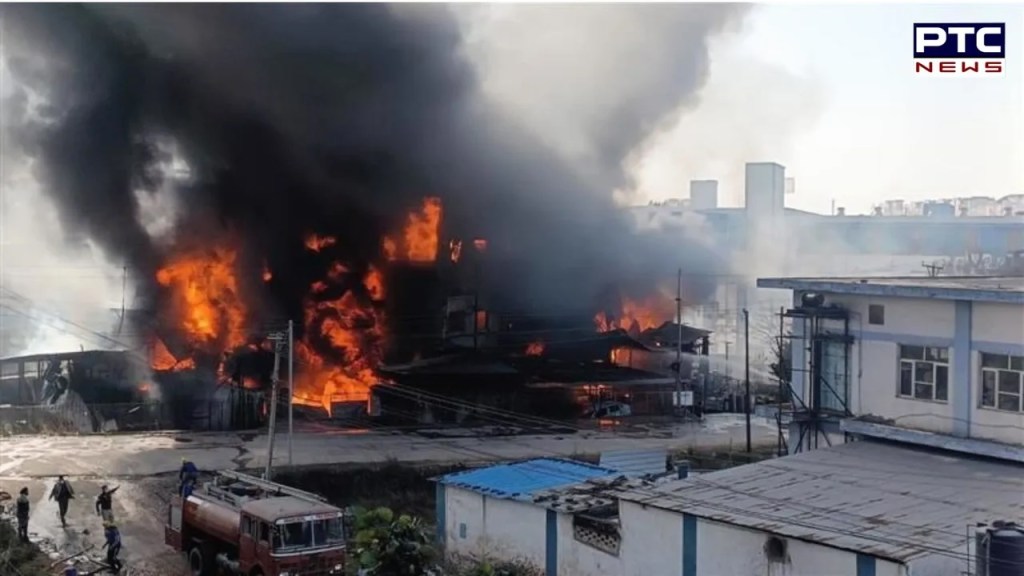
NR Aromas Factory on Fire 2nd Feb 2024. 4 people now confirmed dead. Many undergoing treatment. 

Introduction: Last night, a chilling incident unfolded in the Baddi Perfume factory (NR Aromas) in Himachal Pradesh, revealing a devastating fire that claimed lives and left many missing. Through a Telegram channel, I came across videos showcasing a spectacular fireball show, emphasizing the gravity of the situation. As the confirmed death toll reaches four, and the fire, now almost under control after 20 hours, paints a gruesome picture of the incident, it’s imperative to delve into why such tragedies occur.

In this blog post, I aim to shed light on the critical importance of near-miss reporting. Incidents like the one in Baddi don’t happen suddenly; (I am not speculating anything, we will never know the true cause as are cases in India) they often leave warning signs. These near misses, such as minor fires, spills, or static charge dissipation incidents, if addressed promptly, could prevent major catastrophes. Additionally, the implementation of fire protection measures, including sprinklers, hydrants, rescue plans, emergency exits, and regular mock drills, could significantly mitigate the impact of such incidents. The challenge lies in overcoming the industry’s tendency to develop wisdom only post-events, a practice that proves too late for preventing tragedies. Let’s explore how proactive near-miss reporting can be a powerful tool in averting such calamities.

Definition of Near Miss:

It’s often easy to rationalize accidents, attributing them to special circumstances that seem unlikely to recur, or downplaying the severity with statements like “it could have been worse.” This tendency to self-justify is known as self-justification.
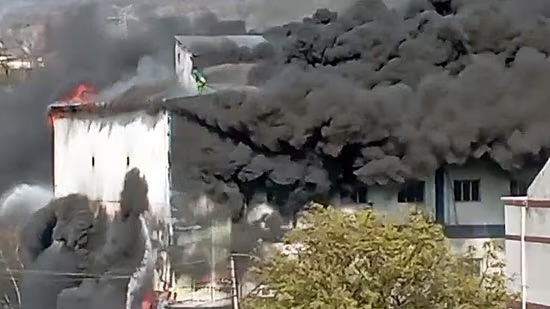
Fire at Baddi perfume unit: 1 arrested as search underway for 13 missing people;
Solan DC Man Mohan Sharma said the fire has been controlled but it is too risky to enter the complex.
(20 Hrs on).

However, when we delve into the definition and classification of a near miss, a more thoughtful approach is required. A near miss encompasses any hazardous situation that, fortunately, did not result in an actual accident. Identifying near misses demands a keen awareness of dangerous circumstances and actions before they escalate into a full-blown incident. It necessitates sharp observational skills, sound judgement, and critical thinking.

Examples of Near Misses:

  1. Unsafe Actions:
    • Parking a vehicle too close to moving traffic
    • Working outdoors in wet weather
    • Engaging in live-line work without the required qualification or protective clothing
    • Using improper tooling for a specific activity
  2. Unsafe Conditions:
    • Toppling a heavy object that narrowly misses a person on the ground below
    • Working with inadequate shielding on equipment with moving parts
    • Operating on tethered conductors placed too closely to sharp tools in active use
  3. Non-conformance:
    • Process or procedural failures that could lead to potential hazards
  4. Dangerous Incidents:
    • Instances where hidden hazards are identified and addressed before turning into accidents.
  5. Hidden Hazards / Others.

The key lies in recognizing these near misses, investigating their root causes, and implementing corrective actions promptly. This proactive approach is essential for preventing potential accidents and fostering a safer working environment.

Why Reporting a Near Miss is Essential:

  1. Preventive Measures:
    • Early identification of near misses allows for the implementation of preventive measures to address root causes, reducing the likelihood of similar incidents in the future.
  2. Continuous Improvement:
    • Reporting near misses fosters a culture of continuous improvement. Understanding the factors contributing to near misses enables organizations to refine safety protocols and enhance overall safety performance.
  3. Risk Mitigation:
    • Addressing near misses helps mitigate potential risks before they escalate into accidents, protecting both personnel and property.
  4. Employee Awareness:
    • Encourages heightened awareness among employees, fostering a proactive mindset toward safety and creating a shared responsibility for a safe working environment.
  5. Legal Compliance:
    • Reporting near misses ensures compliance with legal and regulatory requirements, demonstrating a commitment to maintaining a safe workplace.

Benefits of Reporting Near Misses:

  1. Prevent Future Accidents:
    • Early reporting allows for corrective actions to prevent similar accidents, contributing to a safer work environment.
  2. Cost Savings:
    • Proactively addressing near misses reduces the financial impact associated with potential accidents, such as medical expenses, property damage, and legal liabilities.
  3. Enhanced Safety Culture:
    • Fosters a culture where safety is a priority, encouraging open communication and collaboration among team members.
  4. Improved Morale:
    • Employees feel valued and engaged when their input on near misses is acknowledged, contributing to improved morale and job satisfaction.
  5. Data for Analysis:
    • Provides valuable data for trend analysis, helping organizations identify recurring patterns and areas for improvement in safety protocols.

What Prevents Reporting a Near Miss:

  1. Fear of Punishment:
    • Employees may fear reprisals or punishment for reporting near misses, leading to underreporting.
  2. Lack of Awareness:
    • Employees might not be fully aware of what constitutes a near miss or the potential consequences, resulting in a failure to report.
  3. Time Constraints:
    • Busy work schedules and tight deadlines may discourage employees from taking the time to report near misses.
  4. Perceived Unimportance:
    • Some individuals may perceive near misses as insignificant or not worth reporting, underestimating their potential impact.
  5. Lack of Reporting Systems:
    • Inadequate reporting mechanisms or a lack of clear procedures may hinder the reporting of near misses.
    • ++++++

Encouraging a culture of openness, emphasizing the positive outcomes of reporting, and addressing barriers can help overcome these challenges and promote effective near-miss reporting.

Prerequisites for a Near Miss Reporting Culture:

  1. Leadership Commitment:
    • Strong commitment from top leadership to prioritize safety and communicate its importance throughout the organization.
  2. Open Communication Channels:
    • Establish transparent and easily accessible communication channels for employees to report near misses without fear of reprisal.
  3. Training and Awareness Programs:
    • Conduct regular training sessions to educate employees on what constitutes a near miss, the importance of reporting, and how it contributes to overall safety.
  4. Anonymous Reporting Option:
    • Provide an option for anonymous reporting to encourage employees who may be hesitant to come forward due to fear or other concerns.
  5. Feedback Mechanism:
    • Implement a feedback mechanism to acknowledge and communicate the actions taken in response to reported near misses, reinforcing the value of reporting.
  6. Just Culture Approach:
    • Foster a “just culture” where reporting is seen as a learning opportunity rather than a blame-seeking exercise, promoting open dialogue on safety improvement.
  7. Integration with Existing Processes:
    • Integrate near miss reporting seamlessly into existing safety processes to make it a natural part of the organization’s safety culture.
  8. Incentives and Recognition:
    • Establish a system of incentives or recognition to motivate employees to actively participate in near miss reporting.
  9. Continuous Improvement Loop:
    • Implement a continuous improvement loop by analyzing reported near misses, identifying root causes, and implementing corrective actions to prevent recurrence.
  10. Clear Reporting Guidelines:
    • Provide clear and concise guidelines on how to report near misses, including what information is required and how the reporting process works.
  11. Regular Audits and Assessments:
    • Conduct regular audits and assessments to evaluate the effectiveness of the near miss reporting culture and make necessary adjustments.
  12. Employee Involvement:
    • Involve employees in the development and improvement of the near miss reporting process, creating a sense of ownership and engagement.

By establishing these prerequisites, organizations can create a robust near miss reporting culture that not only identifies potential hazards but also promotes a proactive approach to safety and continuous improvement.
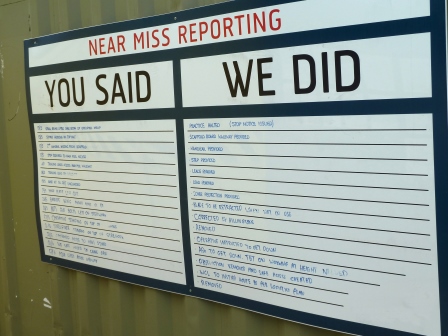
+++++

Roles of Personnel in Nearmiss management:-

Senior Leadership:

  • Champion Safety Culture: Set the tone for a safety-first culture by visibly prioritizing and advocating for safety at all levels of the organization.
  • Allocate Resources: Ensure adequate resources are allocated for safety initiatives, including near miss reporting systems and investigations.
  • Provide Support: Support and endorse safety policies, encouraging a proactive approach to near miss reporting.

Managers:

  • Lead by Example: Demonstrate a commitment to safety through their actions, reinforcing the importance of reporting and investigating near misses.
  • Facilitate Reporting: Create an environment that encourages open communication and reporting, emphasizing the value of near miss information.
  • Implement Corrective Actions: Act promptly on reported near misses, implementing corrective actions to address root causes and prevent future incidents.

Employees:

  • Report Promptly: Actively participate in near miss reporting, understanding the critical role they play in identifying potential hazards.
  • Stay Informed: Stay informed about safety protocols and guidelines, contributing to a safer work environment through awareness and vigilance.
  • Engage in Training: Participate in safety training sessions to enhance awareness and understanding of near misses and their reporting.

Contractors:

  • Adhere to Safety Standards: Follow established safety standards and guidelines, reporting any near misses promptly to the relevant authorities.
  • Communicate Hazards: Communicate potential hazards to the responsible parties, contributing to a safer work environment for all stakeholders.

Safety Professionals:

  • Facilitate Reporting Systems: Implement effective near miss reporting systems and processes, ensuring they are accessible and well-understood.
  • Conduct Investigations: Lead thorough investigations into reported near misses, identifying root causes and recommending corrective actions.
  • Provide Training: Offer training sessions to enhance the awareness and understanding of near miss reporting among all stakeholders.

Safety Committee Members:

  • Review Reported Near Misses: Regularly review and analyze reported near misses to identify trends and patterns.
  • Recommend Improvements: Make recommendations for safety improvements based on the analysis of near misses, contributing to proactive safety management.
  • Promote Safety Culture: Act as ambassadors for safety culture, encouraging and promoting near miss reporting within the organization.

By effectively engaging each stakeholder group in their respective roles, organizations can establish a comprehensive and proactive approach to near miss reporting and investigation, fostering a safer work environment.

++++
Nearmiss investigation takes time and is a pain? Myth or reality?

Near miss investigations may take time, but considering them a pain is more of a myth. The investment in time for a thorough investigation is an essential component of proactive safety management. While it might seem burdensome initially, the benefits far outweigh the perceived challenges.

Easy, Quick Methods to Investigate Near Miss Incidents:
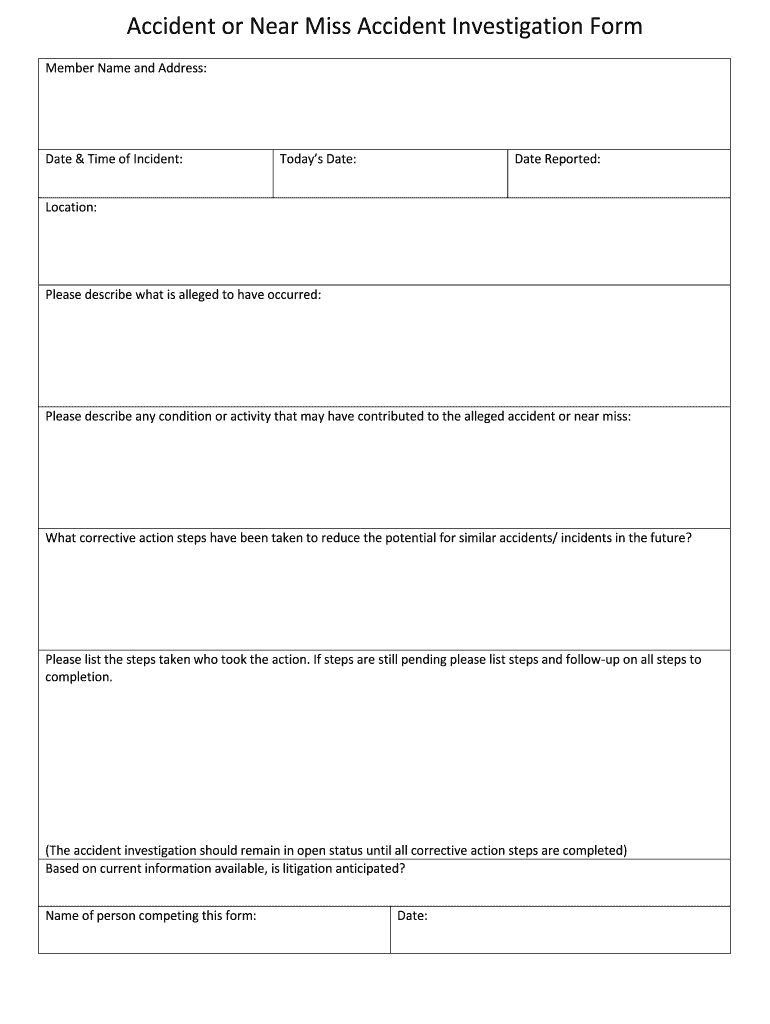
  1. Initial Documentation:
    • Quickly document the basic details of the near miss, including date, time, location, and a brief description of the incident.
  2. Witness Statements:
    • Interview witnesses promptly to gather firsthand accounts and perspectives on the near miss.
  3. Photographic Evidence:
    • Take photographs of the incident scene to capture visual evidence, aiding in the investigation and analysis.
  4. Checklists and Templates:
    • Utilize pre-prepared checklists or templates to guide the investigation process, ensuring key aspects are covered efficiently.
  5. Root Cause Analysis:
    • Conduct a simplified root cause analysis, focusing on identifying the immediate and underlying factors contributing to the near miss. (5 Why with 6M—> Man, Method, Material, Measurement, Machine, Mileu(Environment)
  6. Employee Involvement:
    • Involve employees who witnessed or were directly affected by the near miss in the investigation process to gather diverse perspectives.
  7. Use Technology:
    • Leverage technology for quick reporting and analysis, such as mobile apps or online platforms that streamline the investigation process.

Quick Implementation of Recommendations:

  1. Prioritize Corrective Actions:
    • Quickly prioritize corrective actions based on the identified root causes, focusing on immediate and effective solutions.
  2. Interim Measures:
    • Implement interim measures to address immediate risks while long-term solutions are being developed and implemented.
  3. Communication:
    • Communicate the recommended actions promptly to all relevant stakeholders, ensuring a clear understanding of the required changes.
  4. Training and Awareness:
    • Initiate brief training sessions or awareness programs to educate employees on the lessons learned from the near miss and the implemented recommendations.
  5. Monitor Progress:
    • Establish a system to monitor the progress of implemented recommendations, ensuring they are effective in preventing recurrence.
  6. Continuous Improvement Loop:
    • Use the insights gained from the near miss investigation to continually improve safety protocols and procedures.

By combining these quick and practical methods for near miss investigation with prompt implementation of recommendations, organizations can efficiently enhance their safety management systems and prevent potential accidents.

Conclusion:

Reflecting on the tragic incident at the Baddi Perfume factory, where a devastating fire claimed lives and left a lasting impact, it becomes evident that proactive safety measures could have played a pivotal role in preventing such a catastrophic event. The fire, with its spectacular and horrifying visuals, underscores the critical importance of implementing robust safety protocols, especially when considering the potential hazards in manufacturing units.

A proactive approach to near miss reporting and investigation could have unveiled warning signs, such as minor fires, spills, or unsafe practices, that might have served as precursors to the major incident. These crucial indicators, if recognized and addressed promptly, could have prevented the escalation of events leading to the loss of lives.

Yet, it’s a harsh reality that companies often display a short memory when it comes to safety. The tendency to become wiser only after an incident occurs poses a serious challenge. It underscores the need for a cultural shift towards embracing a proactive, continuous improvement mindset regarding safety. Companies must break free from the cycle of forgetfulness, invest in comprehensive safety measures, and uphold the lessons learned from incidents like the Baddi factory fire.

In conclusion, the Baddi incident serves as a somber reminder of the consequences of neglecting safety and the urgent need for companies to adopt proactive measures, ensuring the safety of their workforce and the surrounding communities. The memory of such tragedies should not fade away but serve as a constant impetus for organizations to prioritize safety, learn from near misses, and prevent the recurrence of devastating incidents.

Acknowledgement:- ISSA Guide on Nearmiss reporting,Cologne, Germany. (Guidance on How to manage near misses).
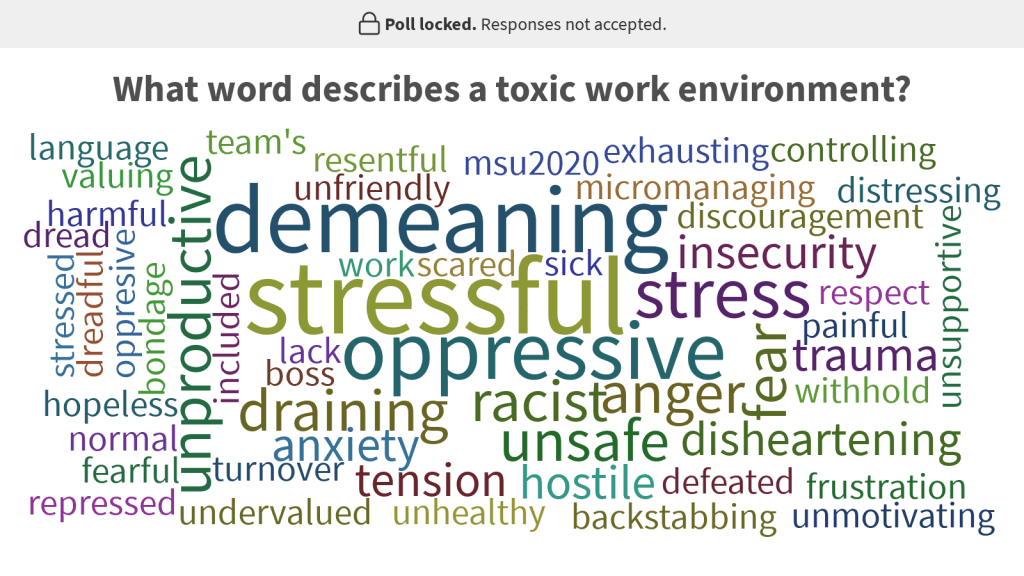
Toxic Workplace- Avoid; Else Innoculate.

#150

Title: Navigating the Work Terrain: A Guide to Spotting and Avoiding Toxic Workplaces

Introduction:

As I embark on my 150th blog post, my intention was to delve into a more positive topic. However, the current landscape, marked by a surge in mental health challenges, has compelled me to address a pressing issue – the toxic workplace. In a world where mental health discussions are gaining prominence, I find myself pondering whether the toxicity that pervades certain work environments is a significant contributor to the rising mental health concerns.

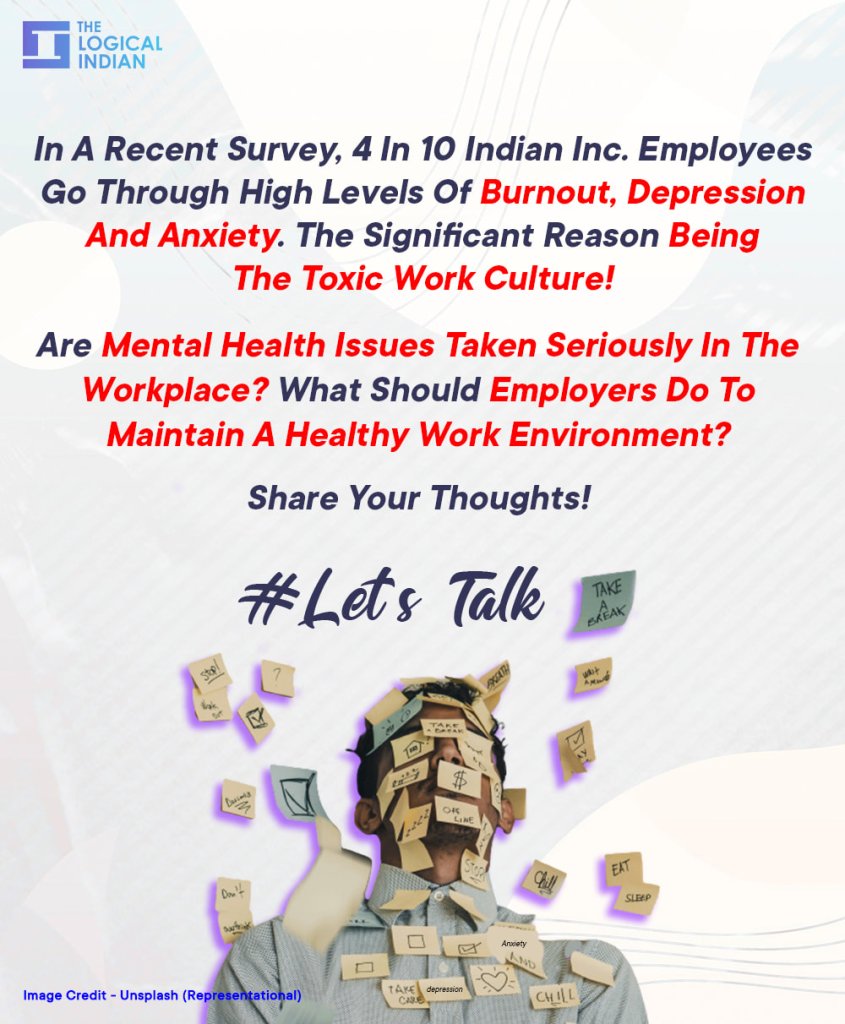
Recent headlines in Indian newspapers questioning the inclusion of mental health issues in employee/personal health insurance plans underscore the gravity of the situation. It led me to consider whether toxic workplaces play a role in the escalating mental health crisis. A poignant incident within my extended family, where a family member had to take a leave of absence due to mental health issues triggered by a toxic work culture, serves as a stark reminder of the urgency to address this matter.

For many of us who have navigated the corporate realm for close to four decades, issues like office politics and toxic workplaces were not as prevalent in our earlier years. The increasing visibility of these challenges serves as a wake-up call, prompting me to share insights on recognizing and steering clear of toxic workplaces even before accepting a job offer. It’s a proactive approach, ethical in its essence, aimed at helping individuals safeguard their mental well-being in the professional sphere.

Join me in this exploration as we uncover the signs, assess the red flags, and empower ourselves to make informed decisions during the interview process and other ways. Let’s embark on a journey towards healthier work environments, fostering not only professional growth but also the mental resilience of every individual entering the corporate arena.

+++++

Toxic work culture is characterized by harmful behaviors, practices, and attitudes that adversely affect employees’ well-being and job satisfaction. Key aspects include:

  1. Poor Leadership: Authoritarian or ineffective management that doesn’t support or communicate well.
  2. Lack of Transparency: Hidden agendas, unclear expectations, and a lack of open communication.
  3. High Turnover: A revolving door of employees due to dissatisfaction or burnout.
  4. Bullying or Harassment: Unhealthy behaviors among colleagues or superiors.
  5. Excessive Workload: Unrealistic expectations leading to stress and burnout.
  6. Limited Growth Opportunities: Stagnation in career development and learning.
  7. Discrimination: Unfair treatment based on race, gender, or other factors.
  8. Micromanagement: Excessive control over employees’ work, limiting autonomy.
  9. Unhealthy Competition: Fostered by a cutthroat environment rather than teamwork.
  10. Ignoring Mental Health: Neglecting the mental well-being of employees.

Addressing these issues can help create a healthier work environment.

Several factors contribute to the increase in toxic work culture in the last decade or so.

  1. Increased Competition: Intense competition in the business world can lead to organizations prioritizing results over employee well-being, fostering a toxic environment.
  2. Focus on Short-Term Goals: Companies often prioritize short-term financial gains, neglecting the long-term impact on employee satisfaction and mental health.
  3. Rapid Technological Changes: Constant technological advancements can create stressful work environments as employees struggle to keep up with changes.
  4. Globalization: Multinational corporations may face challenges in maintaining a consistent positive culture across diverse locations, leading to disparities and dissatisfaction.
  5. High Employee Expectations: Rising expectations from employees, coupled with high competition for jobs, can create stressful environments where employers may exploit the situation.
  6. Social Media and Awareness: Increased visibility of workplace issues through social media and heightened awareness have brought attention to previously overlooked problems.
  7. Lack of Regulation: In some industries, inadequate regulations or enforcement may contribute to unethical practices and toxic cultures.

While communication channels may contribute to uncovering issues, the root causes often lie in broader organizational and societal trends.

+++++++++++

To assess a potential workplace for toxicity during the interview process, consider the following:

  1. Ask About Company Values: Inquire about the company’s values and mission to gauge alignment with your own principles.
  2. Question Leadership Style: Ask about the leadership approach and how they support employee well-being and growth.
  3. Discuss Work-Life Balance: Inquire about expectations regarding working hours and the organization’s stance on work-life balance.
  4. Probe for Feedback Mechanisms: Ask about how the company collects and acts upon employee feedback, ensuring an open and responsive culture.
  5. Research Company Reputation: Check online reviews, testimonials, and employee experiences on platforms like Glassdoor for insights.
  6. Explore Training and Development: Inquire about opportunities for skill development and career advancement to gauge commitment to employee growth.
  7. Ask About Employee Turnover: While not directly, subtly inquire about employee retention rates to understand if there’s a high turnover.
  8. Evaluate Communication Style: Assess how transparent and open the communication channels are within the organization.
  9. Inquire About Team Dynamics: Ask about team collaboration and dynamics to understand if it’s a supportive environment.
  10. Assess Interviewer’s Attitude: Pay attention to the interviewer’s demeanor and how they respond to questions about company culture; it can provide insights.

Remember, gut feelings during the interview can also be telling. If something doesn’t feel right, it might be worth exploring further or reconsidering.

+++++

In a couple of instances during the interview process, specifically with top-notch global entities in 2003 (coinciding with the India vs. Pakistan World Cup cricket match) and in 2013 with the leading Indian Petrochemical company, certain red flags surfaced. Despite their esteemed reputation, my experiences left me with a sense of disquiet. In the case of the petrochemical giant, they hurriedly arranged an interview within 24 hours of my initial contact, and the aftermath can best be described in the words of my former Honeywell boss, Anthony, who would often refer to it as a “stunned silence.” Recognizing these signs, I promptly decided that pursuing opportunities with such organizations wasn’t worth the time investment and opted not to follow up. These personal encounters underscore the significance of being attuned to potential indicators of a toxic workplace during the interview phase. Let’s delve into the reasons behind these observations.

  1. Late for Interview/Unapologetic: Lack of punctuality and unapologetic behavior may suggest a disregard for others’ time and a lack of respect, which can contribute to an unpleasant work culture.
  2. Lack of Focus in Interview: If the interviewer seems disinterested or distracted, it could imply a lack of commitment to hiring the right fit or a general apathy toward employees.
  3. Failure to Provide Basic Amenities: A workplace that doesn’t prioritize basic needs like breaks, lunch, and access to refreshments may not prioritize employee well-being, a key element in a healthy work culture.

Additionally, look for these tell tale signs:-

Here are signs of a poor interviewer that may expose a toxic workplace during a job interview:

  1. Lack of Preparation:
    • Poorly prepared interviewers might indicate disorganization within the company or a lack of commitment to hiring the right talent.
  2. Negative Demeanor:
    • An interviewer displaying a consistently negative or dismissive attitude could be reflective of a broader toxic culture within the organization.
  3. Unprofessional Behavior:
    • If the interviewer is disrespectful, interrupts frequently, or exhibits unprofessional conduct, it may suggest a lack of respect for employees.
  4. Avoidance of Questions:
    • Interviewers who avoid answering your questions or provide vague responses may indicate a reluctance to share crucial information about the work environment.
  5. Inability to Describe Company Culture:
    • A poor interviewer might struggle to articulate the company’s culture, values, or mission, signaling a potential lack of clarity or alignment within the organization.
  6. Limited Information About Role:
    • If the interviewer cannot provide a comprehensive overview of the role, responsibilities, and expectations, it may indicate organizational disarray.
  7. Failure to Address Concerns:
    • If your concerns about work-life balance, team dynamics, or professional development are dismissed or downplayed, it could be a red flag.
  8. Disinterested in Your Goals:
    • An interviewer who shows no interest in your career goals or growth aspirations may reflect a lack of investment in employee development.
  9. High Turnover Acknowledgment:
    • If the interviewer acknowledges high turnover without offering valid explanations or solutions, it may be indicative of a problematic work environment.
  10. Rushing Through the Interview:
    • An interviewer rushing through the process without allowing time for your questions or discussions may imply a disregard for the candidate experience or a need to fill positions urgently.

Remember, these signs should be considered collectively, and it’s essential to trust your instincts during the interview process. Additonally,these signs, might signal that the organization doesn’t prioritize a positive and supportive work environment. It’s essential to consider these cues alongside other aspects when evaluating a potential employer.

+++++++

The leadership style directly influences the work culture, and a toxic leadership style can contribute to a toxic workplace. Try to probe as much as possible on these aspects thro Interview interactions/ Website/ Ex-Employees etc. Here is the connection:-

  1. Authoritarian Leadership: Leaders who are overly controlling, make decisions without input, and stifle creativity can create a culture of fear and frustration.
  2. Lack of Communication: If leaders don’t communicate effectively, leaving employees in the dark about decisions and changes, it can lead to confusion and a sense of distrust.
  3. Micromanagement: Overly controlling leaders who don’t trust their teams can create an oppressive atmosphere, hindering autonomy and innovation.
  4. Failure to Address Issues: Leaders who ignore or downplay problems, including workplace conflicts or employee concerns, contribute to an unhealthy work environment.
  5. Unfair Treatment: Leaders who show favoritism, discriminate, or allow bullying without consequences foster a toxic culture of inequality.
  6. Inconsistent Expectations: Leaders with unclear expectations or those who change goals frequently can create stress and uncertainty among employees.
  7. Lack of Support: Leaders who don’t support professional growth or provide resources for employee well-being contribute to dissatisfaction and burnout.

Leadership sets the tone for the entire organization, influencing how employees interact and perform.

Further in a toxic workplace:

  1. Employee Well-being:
    • Neglect of Mental Health: Lack of support for mental health issues and a disregard for the well-being of employees.
    • Inadequate Work-Life Balance: Pressure to work long hours without consideration for personal time.
    • Absence of Well-being Programs: Lack of initiatives such as counseling, stress management, or wellness activities.
  2. Communication Channels:
    • Lack of Transparency: Incomplete or misleading communication about company decisions and policies.
    • Poor Feedback Mechanism: Absence of constructive feedback channels, making it difficult for employees to express concerns.
    • Ineffective Communication: Leaders who fail to communicate effectively, leading to misunderstandings and confusion.
  3. Job Expectations and Roles:
    • Unclear Expectations: Employees may struggle with undefined roles and responsibilities, causing stress and frustration.
    • Mismatched Job Descriptions: Roles that don’t align with the advertised job descriptions can lead to dissatisfaction.
    • Limited Growth Opportunities: Stagnation in career development due to a lack of opportunities or support.

In a toxic workplace, these factors contribute to a negative atmosphere, impacting employee morale and productivity. Dig deep on these key factors.

+++++++++++

To avoid selecting a toxic workplace:

  1. Research Company Culture:
    • Look for employee reviews on platforms like Glassdoor for insights.
    • Investigate the company’s values, mission, and work culture through official channels.
  2. Ask Questions During Interviews:
    • Inquire about leadership styles, employee well-being programs, and career development opportunities.
    • Question the interviewer about the company’s approach to work-life balance.
  3. Network with Current or Former Employees:
    • Connect with current or former employees to get a more candid perspective on the workplace.
  4. Trust Your Instincts:
    • Pay attention to your gut feeling during the interview process; if something feels off, it might be worth exploring further.

If you find yourself in a toxic workplace:

  1. Establish Boundaries:
    • Clearly define your work hours and communicate them to colleagues to maintain a healthy work-life balance.
  2. Seek Support:
    • Connect with colleagues who share similar values and can provide emotional support.
  3. Document Issues:
    • Keep a record of problematic incidents, conversations, or behaviors for future reference.
  4. Utilize Company Resources:
    • If available, utilize employee assistance programs, counseling services, or internal support mechanisms.
  5. Consider Leaving:
    • If the toxicity persists and affects your well-being, consider exploring other job opportunities.

Remember, your well-being is crucial, and it’s okay to prioritize your mental health.

+++++++++++++++++

+++++

In the Indian context, where power distances are often high and leaders’ egos can play a significant role, toxic work culture can have distinct and pronounced effects. Here’s how it manifests and these are tell tale signs. (My count is 90% Indian companies without overseas colloboration / Non Indian Managers, would fit this slot like glove to hand!)

  1. Fear-Based Environment:
    • High power distances may lead to a fear-based work environment where employees are hesitant to express their opinions or raise concerns, contributing to a culture of silence.
  2. Limited Open Communication:
    • Employees may be reluctant to communicate openly with superiors due to the fear of repercussions, hindering the free flow of information and ideas within the organization.
  3. Lack of Collaboration:
    • Excessive ego and a hierarchical structure can impede collaboration among team members, as individuals may be hesitant to challenge or contribute ideas contrary to those of their superiors.
  4. Unhealthy Competition:
    • A toxic work culture may foster unhealthy competition among employees, fueled by the desire to gain favor with leaders rather than genuine teamwork.
  5. Impact on Mental Health:
    • The fear of challenging authority or expressing concerns can lead to stress and anxiety among employees, negatively impacting their mental health.
  6. Limited Innovation:
    • In an environment dominated by high power distances and ego, innovation may suffer as employees may be hesitant to propose new ideas or challenge existing norms.
  7. Decreased Employee Engagement:
    • A toxic work culture can lead to disengagement among employees, as they may feel undervalued or unsupported in their professional growth.
  8. Retention Challenges:
    • Employees may be more likely to leave the organization in search of a healthier work environment, leading to retention challenges for companies with toxic cultures.
  9. Resistance to Change:
    • High power distances and strong leadership egos can result in resistance to change, as employees may be resistant to adopting new practices or challenging established norms.
  10. Negative Organizational Reputation:
    • A toxic work culture can contribute to a negative organizational reputation, making it challenging to attract and retain top talent in the long run.

In navigating a toxic work culture in India, addressing these challenges may require a combination of cultural awareness, leadership development, and a commitment to fostering a more inclusive and supportive professional environment.

Conclusion: Navigating Towards Healthier Horizons

As we draw the curtains on this exploration of recognizing toxic workplaces during job interviews, it becomes evident that our journey towards a positive work environment begins with the first interaction. The signs of a poor interviewer can often serve as early warnings, guiding us away from potential toxic terrains.

Armed with insights into red flags and armed with questions that uncover the true nature of a workplace, we empower ourselves to make informed decisions. The mission is not merely to secure a job but to find a professional home that nurtures growth, supports well-being, and fosters a positive mindset.

Let this knowledge serve as a shield, a tool that not only safeguards against toxic workplaces but also contributes to the collective effort of creating healthier work environments. As we strive for a more conscious and compassionate professional world, may every job interview become an opportunity not just for securing employment but for promoting mental resilience and fostering a culture of respect and collaboration.

Here’s to a future where the interview room is not just a gateway to a job but a portal to a workplace where individuals thrive, organizations prosper, and the collective spirit of professional well-being prevails.

Safe journeys and best wishes on your quest for a workplace that resonates with your values and aspirations.

Karthik

1/1/24

Image copyright duly acknowledged as owners’!

Office Politics-Learn to play it, Else you are a goner!!

#149

Just an hour ago, I stumbled upon a captivating article in the Financial Times (UK) titled “Office Politics – Learn to Play the Game, Else You Will be Its Victim.” It struck a chord, prompting me to reflect on my corporate journey. A mere dozen years ago, when I bid farewell to the corporate realm, navigating office politics wasn’t a focal point for career growth. However, the ever-accelerating pace of workplace transformations has me pondering if mastering the intricacies of office politics has become an essential element for climbing the career ladder. Join me on this exploration as I delve into the evolving dynamics of office politics and its newfound relevance in the pursuit of professional advancement. Here’s to unraveling the mysteries and embracing the shifts that shape our professional narratives!

Introduction to Office Politics: Office politics refers to the dynamics and power struggles within a workplace as individuals navigate their professional relationships. It involves the use of influence, tactics, and strategies to gain advantages, visibility, or control within the organizational structure.

Elements of Office Politics:

  1. Power Structures: Hierarchical distribution of power and authority.
  2. Networking: Building alliances and relationships for professional gain.
  3. Decision-Making Dynamics: Influence on decision-making processes.
  4. Communication Channels: Strategic use of communication for impact.
  5. Conflict Resolution: Handling conflicts to one’s advantage.
  6. Perception Management: Shaping how others perceive your actions and intentions.

These elements shape the complex landscape of office politics.

The prevalence of office politics in recent times (in the last 15 years) can be attributed to several factors:

  1. Increased Competition: Globalization has intensified competition, making individuals more driven to secure career advantages, leading to strategic maneuvering.
  2. Flatter Organizational Structures: With organizations adopting flatter hierarchies, the lines of authority and decision-making become less clear, creating more room for political dynamics.
  3. Emphasis on Soft Skills: Soft skills, including networking and influencing, are now recognized as crucial for career success, prompting individuals to engage in office politics to enhance these skills.
  4. Digital Age Challenges: The rise of virtual communication and remote work has altered traditional office dynamics, requiring individuals to navigate politics in new ways.
  5. Complex Decision-Making: Complex business environments demand intricate decision-making processes, increasing the stakes and motivations for engaging in office politics.
  6. Diversity and Inclusion: Efforts to promote diversity and inclusion have changed the workplace dynamic, introducing new dimensions to power dynamics and relationships.

These shifts contribute to the evolving nature of office politics, making it more prevalent than it might have been in the past.

The best book that lays out Power linked to Office Politics is “POWER” why Some people have it and others don’t by Stanford Professor Jeffery Pfeffer. Pfeffer’s book highlights key aspect to work the power.

Jeffrey Pfeffer’s Power, connect to office politics by providing strategic guidelines for navigating the complex dynamics within the workplace:

  1. “Conceal Your Intentions”: In office politics, not revealing your full intentions allows you to strategically position yourself, avoiding unnecessary conflicts and maintaining an element of surprise.
  2. “Always Say Less Than Necessary”: Being mindful of what you disclose helps you control the information flow, preventing others from using your words against you and ensuring you retain influence.
  3. “Get Others to Do the Work for You”: Delegating tasks can build alliances, creating a network of individuals who owe you favors, a powerful asset in office politics.
  4. “Use Selective Honesty”: Strategic honesty is key in office politics. Revealing information strategically helps shape perceptions and maintain credibility.
  5. “Pose as a Friend, Work as a Spy”: Building friendly relationships while staying observant aligns with understanding the social landscape, gathering valuable information discreetly.
  6. “Play to People’s Fantasies”: Aligning your actions with the aspirations of others can garner support and make you more influential in the political arena.
  7. “Be Irreplaceable”: Cultivating unique skills and knowledge positions you as indispensable, enhancing your power and influence in the workplace.

These rules provide a framework for individuals to navigate and thrive in the sometimes intricate world of office politics.

Good Aspects of Office Politics:

  1. Networking opportunities
  2. Access to valuable information
  3. Visibility for career advancement
  4. Collaboration on projects
  5. Skill development through challenges

Not So Good Aspects:

  1. Favoritism and biases
  2. Unhealthy competition
  3. Gossip and rumors
  4. Lack of transparency
  5. Stress and negative impact on well-being.
  1. Build Genuine Relationships: Cultivate authentic connections within and outside the EHS department.
  2. Stay Informed: Be aware of organizational changes, industry trends, and key players.
  3. Effective Communication: Clearly articulate the importance of EHS initiatives and their impact on overall organizational goals.
  4. Alliance Building: Collaborate with influential individuals to garner support for EHS initiatives.
  5. Adaptability: Be flexible and open to adjusting strategies to align with organizational priorities.

Don’ts:

  1. Isolation: Avoid isolating the EHS function; integrate it into broader organizational goals.
  2. Ignoring Power Structures: Understand and acknowledge existing power structures; work within them strategically.
  3. Neglecting Communication: Failure to communicate the value of EHS initiatives may lead to reduced support.

Skill Sets for Navigating Office Politics:

  1. Emotional Intelligence: Understand and navigate emotions in professional relationships.
  2. Influence and Persuasion: Effectively advocate for EHS initiatives and gain support from key stakeholders.
  3. Strategic Thinking: Plan and execute EHS strategies aligned with overall organizational objectives.
  4. Networking: Build a network within the organization to enhance visibility and support for EHS.
  5. Conflict Resolution: Handle conflicts diplomatically to maintain positive relationships.

Remember, the goal is to use power as a tool to advance EHS goals in a positive and ethical manner.

Balancing Act for EHS Professionals:

Avoid Sucking Up:

  1. Authenticity: Be genuine in your interactions; avoid insincere flattery.
  2. Competence: Showcase your EHS expertise to gain respect based on skills, not just politeness.
  3. Professional Boundaries: Maintain professionalism; don’t compromise integrity for favor.

Effective Political Play:

  1. Strategic Alliances: Build relationships strategically to gain support for EHS initiatives.
  2. Communication Skills: Effectively convey the importance of EHS within the organizational context.
  3. Adaptability: Align EHS goals with broader organizational objectives to demonstrate value.

Balance involves being politically savvy without compromising professional integrity.

Closing Thoughts

Reflecting on my journey, I realize the evolution of the professional landscape. Back then, I considered myself fortunate to sidestep the intricate web of politics. Little did I know, the dynamics were transforming a dozen year later.

Today, navigating office politics isn’t just a skill; it’s a necessity. The changing global landscape demands EHS professionals to not only excel in technical proficiency but also master the art of strategic relationships.

In embracing this reality, we fortify our positions as advocates for safety and well-being. Let’s leverage this skill not for personal gain, but to propel the importance of EHS to the forefront. After all, in this new era, being politically astute is a tool to champion the causes that truly matter.

Here’s to embracing change and ensuring our voice is heard in the ever-evolving symphony of the professional world! Cheers to a future where EHS not only saves lives but also shapes organizational destinies.

Karthik

30th Jan 2024. 1500 Hrs.

38 years on Challenger Disaster- A Look back!

My marriage took place on the day Bush Sr. gave the command to Gen Norman Schwarzkopf to bomb Baghdad. (1/18) Coincidentally, my career at Ankleshwar, began on the day the Challenger exploded just 70 seconds into launch. People watched the horror live on television. (Internet was yet to penetrate, it came 10 years later!).

As I reflect today, on the 38th Anniversary of the Challenger Explosion (28th Jan), it’s a reminder that even the best-laid plans can go astray. Let’s delve into the lessons learned from that tragic event.”

Here’s a brief background on the Challenger and the Space Shuttle program for introduction:

The Challenger Space Shuttle, designated OV-099, was a part of NASA’s Space Shuttle program. It tragically disintegrated 73 seconds after liftoff on January 28, 1986, during mission STS-51-L. The seven-member crew, including school teacher Christa McAuliffe, lost their lives.

The Space Shuttle program, initiated in the early 1980s, aimed to provide reusable access to space. Challenger was the second orbiter to join the fleet and had completed nine successful missions before the fateful incident. The disaster marked a significant setback for NASA and prompted a reevaluation of safety procedures in space exploration.

There was pressure to proceed with the Challenger launch on January 28, 1986, partly due to the desire to have the launch coincide with President Ronald Reagan’s State of the Union address. The schedule constraints added to the urgency and may have contributed to the decision-making breakdowns.

Here’s a brief list of learning lessons from the Challenger disaster:

  1. Communication Breakdown: Highlight the importance of clear communication between engineering and management.
  2. Organizational Culture: Discuss the impact of organizational culture on decision-making and safety.
  3. Risk Assessment: Emphasize the need for thorough risk assessments and addressing concerns from all team members.
  4. Leadership Responsibility: Stress the role of leadership in ensuring the safety and well-being of team members.
  5. Ethical Decision-Making: Explore the ethical dimensions of the decisions made leading up to the disaster.

List of communication breakdowns in the Challenger disaster:

  1. Failure to Transmit Concerns: Engineers expressed concerns about O-rings but were not able to effectively communicate the risks to higher management.
  2. Decision-Making Process: Lack of open communication in the decision-making process, with key information not reaching the decision-makers.
  3. Pressure to Launch: Pressure from management to proceed with the launch despite technical concerns, leading to a breakdown in communication about the risks involved.

These breakdowns underscore the importance of transparent communication in preventing such incidents.

Organizational culture factors that played a part in the Challenger disaster:

  1. Suppressing Concerns: A culture where lower-level employees felt hesitant to voice concerns to higher-ups, leading to the suppression of critical information about the O-rings.
  2. Emphasis on Schedule: A culture that prioritized meeting tight schedules and deadlines over thorough risk assessment and safety protocols.
  3. Hierarchy Impact: Hierarchical structures that hindered the flow of information and discouraged open communication about potential issues.

These cultural factors highlight the need for fostering a culture that encourages open communication and prioritizes safety over expediency.

Poor risk assessment in the Challenger disaster was evident in several aspects:

  1. O-Ring Vulnerability: Inadequate assessment of the vulnerability of the solid rocket booster O-rings at low temperatures. The risks associated with these conditions were not thoroughly analyzed.
  2. Lack of Data Sharing: Insufficient sharing of crucial information between engineers and management regarding previous incidents of O-ring erosion, leading to an underestimation of the potential risks.
  3. Overconfidence: Overconfidence in the reliability of the shuttle system, leading to a complacent attitude towards potential risks and a failure to anticipate the consequences of a flawed launch.

These shortcomings underscore the critical importance of robust risk assessment processes in ensuring the safety of complex systems like space shuttles.

Prioritizing schedule over safety:

  • NASA management pressure: Launch schedules held immense importance, overshadowing potential safety concerns. Pressure to maintain launch deadlines influenced decisions despite engineers’ warnings.
  • External political pressure: Political factors and public expectations for maintaining the space program’s momentum contributed to overlooking risks.

Ignoring and downplaying concerns:

  • Engineers’ voices silenced: Engineers expressing concerns about the O-rings faced pressure and lacked clear channels to escalate their worries. Their warnings were downplayed or dismissed.
  • Data ignored: Crucial data from previous launches demonstrating issues with O-rings at cold temperatures was excluded from the final risk assessment.
  • Underestimating risks: The potential consequences of a failure were downplayed, focusing on the likelihood of success rather than worst-case scenarios.

Communication failures:

  • Information silos: Engineers raising concerns encountered communication barriers, hindering effective communication with decision-makers.
  • Lack of transparency: Information flow within NASA was limited, preventing a complete understanding of the risks and hindering informed decision-making.

Organizational culture:

  • Can-do attitude: A pervasive “can-do” culture prioritizing success overcaution discouraged raising safety concerns and fostered a reluctance to admit potential problems.
  • Groupthink: Decisions were made through consensus, potentially leading to overlooking dissenting voices and overlooking potential red flags.

Contractor pressure:

  • Morton Thiokol’s initial recommendation: Despite engineers’ concerns, management initially recommended against launch due to the cold temperatures. However, under pressure from NASA, they reversed their stance, prioritizing the contract over safety concerns.
Robert Ebeling, the Engineer who warned about 0 Ring not working at 0 C. His warning was ignored. He lived in Guilt feeling for 33 years, died in 2019 aged 89.
  1. Ignoring Engineer Warnings: The decision-makers chose to proceed with the launch despite knowing about concerns raised by engineers regarding the O-rings, reflecting a disregard for ethical responsibility to prioritize safety over other considerations.
  2. Pressure to Meet Schedule: The push to align the launch with the State of the Union address and adhere to the schedule added ethical dilemmas, as decision-makers compromised on safety for political and organizational goals.
  3. Incomplete Information to Decision-Makers: Ethical decision-making requires providing decision-makers with complete and accurate information. In this case, incomplete information about O-ring vulnerabilities hindered a comprehensive ethical evaluation.

Examining these ethical aspects highlights the importance of prioritizing safety and ensuring transparent communication in decision-making processes.

As we wrap up this reflection on the Challenger disaster’s 38th anniversary, it serves as a poignant reminder that the pursuit of knowledge and progress often comes with unforeseen challenges. Let’s carry forward the lessons learned – the importance of transparent communication, ethical decision-making, and rigorous risk assessment. In our endeavors, may we strive not only for success but, above all, for a future where safety and humanity prevail. Stay safe, stay informed, and continue the journey of learning.

Until the next reflection,

Karthik.

28th Jan 2024. Bangalore.

Mental Health- Revisit.

#147

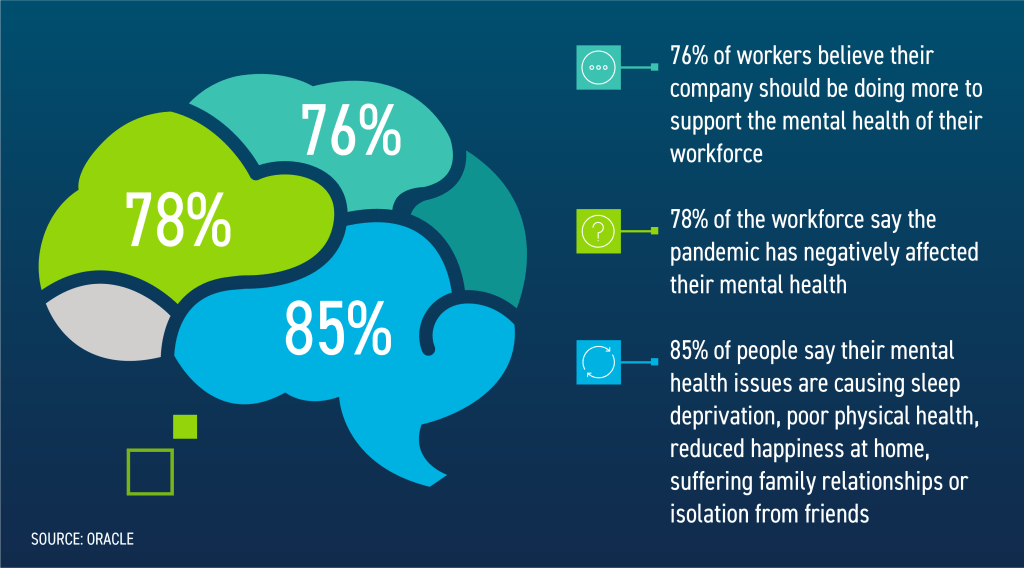
I have written a few blog posts on this topic. It appears that the issue of mental health issue needs addressing than previously thought.

Navigating the Unseen Challenges: Mental Health in Manufacturing

Greetings,! Today, let’s delve into a topic often shrouded in silence within the echoing halls of manufacturing plants — mental health. In the dynamic world of manufacturing in India, where the rhythmic hum of machinery often drowns out underlying issues, it’s time to shine a spotlight on a critical aspect often overlooked – the well-being of our workforce.

As an Environment, Health, and Safety professional with a keen eye for the intricacies of workplace dynamics, I’ve witnessed the resilience of the manufacturing industry. However, behind the clinking of gears and the whirring of assembly lines, there exists a realm of challenges that are poorly understood and seldom discussed — the mental health of our workforce.

In this blog post, we embark on a journey to unravel the complexities surrounding mental health in the manufacturing sector, especially in the Indian context. We’ll navigate through the fog of misconceptions, aiming to raise awareness and spark conversations that are long overdue.

Join me as we explore the stressors unique to the manufacturing environment, the impact on productivity, and the cultural nuances that contribute to a collective silence on mental health. Let’s not only identify the gaps but also seek solutions, drawing inspiration from global best practices and evaluating the effectiveness of existing support systems.

As we step into the realm of mental health in manufacturing, let’s foster an environment where understanding and compassion take precedence. It’s time to break the silence and pave the way for a healthier, more resilient workforce in the heart of India’s manufacturing prowess.

India’s manufacturing sector is a powerhouse, churning out goods and propelling the country’s economic growth. But behind the gleaming statistics lies a hidden cost: the toll on the mental health of the millions who power this engine. In the face of long hours, high-pressure deadlines, and repetitive tasks, the seeds of stress, anxiety, and even depression are sown. Let’s delve into the specific stressors plaguing the Indian manufacturing environment and explore the mental health challenges they pose.

1. The Clock’s Cruel Grip: Long working hours, often exceeding 12 hours, are a common reality in many Indian factories. This relentless march against the clock leaves little room for personal life, leisure, or precious sleep. The constant pressure to meet quotas and deadlines fuels a chronic state of anxiety, leading to burnout and exhaustion.

2. Deadline Demons: The mantra of “fast and efficient” often translates to tight deadlines and high-pressure work environments. This leaves little room for error, pushing workers to the edge of their capabilities. The fear of failure and reprimands hangs heavy, creating a toxic cocktail of stress and anxiety that can manifest in physical ailments and emotional breakdowns.

3. Monotony’s Mind-Numbing Maze: Repetitive tasks, often involving the same motions for hours on end, can be soul-crushing. The lack of mental stimulation and creative freedom leads to boredom, disengagement, and a sense of purposelessness. This can manifest as depression, low motivation, and a feeling of being trapped in a cycle of endless repetition.

4. The Heat is On: India’s scorching summers can create an unbearably hot and humid working environment in factories, especially those lacking proper ventilation. This physical discomfort adds another layer of stress, exacerbating fatigue and hindering productivity. The constant battle against the heat can drain energy and lower morale, further impacting mental well-being.

5. The Invisible Hierarchy: Power dynamics and hierarchical structures within factories can create a culture of fear and intimidation. The pressure to please superiors and avoid reprimands can lead to anxiety and a suppressed sense of self-worth. This can be particularly detrimental for women and lower-wage workers, who may face additional challenges like discrimination and harassment.

The Cost of Silence: Ignoring these stressors comes at a heavy price. Mental health challenges in the manufacturing sector can lead to increased absenteeism, decreased productivity, and higher accident rates. It can also have a ripple effect, impacting workers’ families and communities.

A Call to Action: Recognizing the mental health burden on India’s manufacturing workforce is crucial. Companies must actively promote healthy work environments by:

  • Implementing flexible work schedules and breaks.
  • Providing training and support for managing stress and anxiety.
  • Creating open communication channels for voicing concerns and seeking help.
  • Investing in ergonomic improvements and temperature control measures.
  • Building a culture of respect and inclusivity.

By addressing these stressors and prioritizing mental well-being, India’s manufacturing sector can truly flourish, not just in terms of economic output, but also in terms of its human capital. Let’s make sure the engine of growth doesn’t run on the fuel of mental health neglect.

+++

The lack of awareness about mental health among workmen is a critical issue with cascading consequences not just for individuals, but for organizations and their safety measures too. Here are some points to expand on your existing blog post:

Lack of Awareness:

  • Stigma and Stereotypes: The “tough guy” stereotype and fear of judgment often prevent workmen from acknowledging their own mental health struggles or seeking help.
  • Limited Knowledge: Many workmen may not understand the signs and symptoms of common mental health issues, leaving them feeling confused and isolated.
  • Language Barrier: Access to information and resources on mental health in local languages may be limited, further hindering awareness and understanding.

Impact on Individuals:

  • Productivity Decline: Untreated mental health issues can lead to decreased concentration, increased absenteeism, and reduced motivation, impacting work performance and overall productivity.
  • Safety Concerns: Stress, anxiety, and depression can impair judgment and decision-making, potentially increasing the risk of accidents and injuries on the job.
  • Personal Consequences: Ignoring mental health needs can have a domino effect, affecting relationships, personal well-being, and overall quality of life.

Organizational Impact:

  • Financial Losses: Decreased productivity, higher absenteeism, and increased accident rates can significantly impact a company’s bottom line.
  • Employee Turnover: Poor mental health support can lead to a decrease in employee morale and loyalty, resulting in higher turnover rates and difficulty retaining skilled workers.
  • Negative Company Image: Ignoring employee mental health can damage a company’s reputation and make it less attractive to potential employees and customers.

Solutions and Awareness Strategies:

  • Mental Health Education: Provide workshops and training programs to educate workmen about common mental health issues, signs and symptoms, and available resources.
  • Destigmatization Efforts: Promote open conversations about mental health, fostering a culture of acceptance and understanding in the workplace.
  • Employee Assistance Programs (EAPs): Implement confidential EAPs that provide access to mental health professionals and support services.
  • Peer Support Groups: Create peer support groups where workmen can connect with others who understand their experiences, reducing feelings of isolation and providing additional support.
  • Mental Health Champions: Train designated individuals to act as mental health advocates within the workplace, providing information and support to their peers.

Remember, addressing mental health in the workplace is not just about being compassionate, it’s about creating a safer, more productive, and ultimately more successful environment for everyone involved. By raising awareness, promoting open communication, and providing accessible support, we can break the stigma and ensure that India’s manufacturing workforce can thrive both physically and mentally.

++++++

Global examples:

While the stigma surrounding mental health in the workplace is still present, several global manufacturers are blazing a trail by prioritizing their employees’ well-being. Here are some inspiring examples of best practices from around the world:

Johnson & Johnson:

  • Healthy Mind program: This comprehensive initiative includes confidential mental health services, stress management workshops, and financial assistance programs.
  • Workplace risk analysis: J&J regularly assesses work environments and practices to identify potential stressors and implement preventive measures.
  • Manager training: Managers are equipped with skills to recognize signs of mental distress and support their employees effectively.

Unilever:

  • Mindful Moments: This global program offers guided meditations and relaxation exercises accessible to all employees.
  • Employee Assistance Program (EAP): Unilever’s EAP provides confidential counseling and support services for employees and their families.
  • Championing openness: Unilever encourages open conversations about mental health through campaigns and employee storytelling.

Union Pacific Railroad:

  • “Healthy Mind, Healthy Body” program: This program offers a range of initiatives, including stress management tools, mindfulness training, and access to mental health professionals.
  • Resiliency training: Union Pacific equips employees with coping skills to navigate challenging situations and build emotional resilience.
  • Peer support network: A network of trained volunteer employees provides confidential support and guidance to their colleagues.

RK Machinery:

  • Flexible work arrangements: Offering flexible work schedules and remote work options helps employees manage stress and maintain a healthy work-life balance.
  • Workplace wellness programs: Regular yoga classes, fitness challenges, and healthy eating initiatives promote overall well-being.
  • Culture of inclusivity: RK fosters a supportive and open environment where employees feel comfortable discussing mental health concerns.

Barry-Wehmiller Companies:

  • “We Care” program: This comprehensive program provides access to mental health resources, confidential counseling, and financial support for employees facing difficult times.
  • Employee Resource Groups (ERGs): ERGs focused on mental health provide a safe space for peer support and sharing experiences.
  • Leadership commitment: Barry-Wehmiller’s leadership actively promotes mental health awareness and prioritizes employee well-being.

These are just a few examples, and the landscape of mental health support in manufacturing is constantly evolving. Global companies are leading the way by:

  • Investing in evidence-based programs and resources.
  • Creating a culture of openness and acceptance.
  • Empowering employees to take control of their mental health.
  • Training managers and supervisors to support their teams.
  • Measuring the impact of their initiatives and making continuous improvements.

By following these best practices and destigmatizing mental health conversations, global manufacturers can create healthier, happier, and more productive workplaces for everyone.

Indian Scenario:

While the global examples are great to learn from, let’s bring it closer to home and see how Indian companies are also stepping up to support their employees’ mental health. Here are a few inspiring examples:

1. Tata Consultancy Services (TCS):

  • TCS Cares: This comprehensive program offers a range of resources, including confidential counseling sessions, self-help tools, peer support groups, and mental health awareness workshops.
  • mPower Mind: This mobile app provides access to mental health information, self-assessment tools, and emergency contacts for immediate support.
  • Focus on manager training: TCS trains managers to identify signs of mental distress and effectively support their team members.

TCS Cares logo

2. Mahindra & Mahindra:

  • “Mind Matters” program: This program offers confidential counseling services, stress management workshops, and financial assistance for employees facing mental health challenges.
  • Pulse surveys: Mahindra regularly conducts anonymous surveys to assess employee well-being and identify areas for improvement.
  • Employee wellness initiatives: The company organizes yoga classes, meditation sessions, and other activities to promote overall mental and physical health.

3. Wipro:

  • “Happiness Quotient” program: This program focuses on building resilience and emotional well-being through workshops, coaching sessions, and access to mental health professionals.
  • Mental health awareness campaigns: Wipro regularly organizes campaigns to destigmatize mental health and encourage open conversations.
  • Partnerships with NGOs: Wipro collaborates with NGOs to provide mental health services to its employees and their families.

4. Infosys:

  • “Infosys Springboard” program: This program provides access to confidential counseling services, stress management workshops, and financial assistance for employees facing mental health challenges.
  • “Mindful Me” app: This app offers guided meditations, relaxation exercises, and mental health resources to help employees manage stress and anxiety.
  • Culture of open communication: Infosys encourages employees to openly discuss mental health concerns with their managers and colleagues.

Infosys Springboard logo

These are just a few examples, and the Indian corporate landscape is increasingly recognizing the importance of mental health support. By following these best practices and creating a culture of openness and acceptance, Indian companies can create healthier, happier, and more productive workplaces for their employees.

Remember, prioritizing mental health is not just a cost-effective investment in employee well-being, but also a crucial step towards building a more sustainable and inclusive future for Indian businesses.

Stigma- A deep dive:

While Indian companies like TCS, Mahindra, and Infosys are taking impressive strides in supporting employee mental health, a formidable double barrier persists – the intertwined web of stigma and cultural factors that discourage open discussions and seeking help. Let’s delve into these complex issues:

Stigma:

  • Shame and fear of judgment: In Indian culture, mental illness is often associated with weakness, lack of character, or even possession by evil spirits. This fear of societal stigma and ostracization discourages open discussions and seeking help.
  • “Tough guy” mentality: The stereotype of the strong, stoic worker prevails, particularly in male-dominated environments like manufacturing. This pressure to remain emotionally impervious makes admitting vulnerability, even in private, incredibly difficult.
  • Confidentiality concerns: Concerns about confidentiality within factories and communities can be high. Fear of gossip or repercussions from superiors can dissuade employees from accessing mental health resources, even if available.

Cultural Factors:

  • Lack of awareness and understanding: Limited knowledge about mental health conditions and their symptoms often leads to misinterpretation and fear. Many perceive them as temporary emotional fluctuations or personal failings, not legitimate medical issues.
  • Traditional beliefs and remedies: Reliance on traditional healers and faith-based practices for mental health concerns is widespread. While these approaches may offer comfort, they can also delay or obstruct seeking professional help for serious conditions.
  • Family pressure and social stigma: Familistic cultures can heighten concerns about bringing shame to the family through acknowledging mental illness. This pressure to maintain a positive family image can prevent individuals from seeking necessary support.
  • Language barriers: Access to mental health resources in local languages and dialects is often limited, further disadvantaging a sizeable portion of the workforce.

Breaking the Double Barrier:

Combating these intertwined challenges requires a multi-pronged approach:

  • Destigmatization campaigns: Normalizing conversations about mental health through awareness programs, workshops, and employee testimonials.
  • Culturally sensitive education: Providing information about mental health conditions and available resources in local languages and formats.
  • Training for managers and supervisors: Equipping them to identify signs of distress, encourage open communication, and offer support while respecting cultural sensitivities.
  • Confidentiality and anonymity: Ensuring complete confidentiality for accessing mental health resources and building trust through privacy protocols.
  • Promoting holistic well-being: Encouraging healthy work-life balance, stress management techniques, and physical activity alongside mental health awareness.
  • Collaboration with local communities: Partnering with traditional healers and faith-based organizations to bridge the gap and promote evidence-based care.

Remember, addressing mental health in the Indian manufacturing sector requires a nuanced understanding of both the global best practices and the unique cultural context. By dismantling the double barrier of stigma and cultural factors, we can create an environment where seeking help for mental health becomes not a source of shame, but a path to well-being, productivity, and a brighter future for everyone.

Conclusion: Charting a New Course for Mental Well-being in Manufacturing

In drawing the curtains on our exploration of mental health in the manufacturing sector, it’s evident that we stand at the threshold of a transformative journey. The echoes of the shop floor, once solely filled with the sounds of production, now resonate with the imperative call for change — a change in how we perceive and address the mental well-being of our workforce.

As we reflect on the unique stressors, the dearth of awareness, and the silent struggles within our manufacturing plants, it becomes clear that the time for action is now. The productivity of our industry, the heart of our nation’s economic prowess, is intricately linked to the mental resilience of those who power it.

This blog post serves not only as an eye-opener but as a call to arms. Let us break the shackles of stigma, fostering an environment where conversations about mental health are as commonplace as discussions about production targets. It’s a call for organizations to invest not only in machinery but in the holistic well-being of their most valuable asset — their workforce.

As we navigate the uncharted waters of mental health in manufacturing, let’s draw inspiration from global best practices, adapt policies to the Indian context, and create workplaces that prioritize not just output but the health and happiness of every individual contributing to the production line.

I invite you, to share your thoughts, experiences, and suggestions. Let this be a collective effort, a dialogue that propels us toward a future where mental well-being is an integral part of the manufacturing narrative.

Thank you for joining me on this insightful journey. Together, let’s forge a path toward a more compassionate, resilient, and mentally healthy manufacturing landscape in India.

Karthik

17th Jan 2024.

PS: I shall take about 10 days off, see you later in the month.

Miracle on Hudson-15 years On!(No Luck)

“Miracle on the Hudson: Commending Courage, Response Excellence, and Investigative Validation in 208 Seconds”

Summary:The Miracle on the Hudson was caused by a bird strike shortly after takeoff from New York City’s LaGuardia Airport. The aircraft, US Airways Flight 1549, collided with a flock of Canada geese, resulting in both engines losing power. With limited altitude of 2800 Feet, and facing the prospect of engine failure, Captain Chesley “Sully” Sullenberger made the quick and critical decision to perform an emergency landing on the Hudson River. His swift actions, along with the professionalism of the crew and the response from first responders, ultimately averted a potential disaster, showcasing the importance of skilled pilots and effective emergency procedures in the face of unforeseen challenges. All 155 passengers and crew, were rescued and Sully was the last one to come out of the aircraft.

Introduction: Fifteen years ago,on 15th January 2009, ( It is now 2200Hrs ,15th Jan in San Francisco CA) on this chilly January afternoon, the world witnessed a miracle in the skies. US Airways Flight 1549, under the capable hands of Captain Chesley “Sully” Sullenberger and First Officer Jeffrey Skiles, made an emergency landing on the Hudson River. As we reflect on this event, it’s crucial to commend the extraordinary efforts of the crew, the swift response from the first responders, and the investigative validation that Captain Sullenberger indeed made the right decisions in a mere 208 seconds. US Airways Flight 1549 was scheduled to fly from New York City’s LaGuardia Airport (LGA) to Charlotte Douglas International Airport (CLT) in North Carolina. The flight had a total of 155 people on board, including 150 passengers and 5 crew members. The aircraft, an Airbus A320, encountered a bird strike shortly after takeoff, leading to the emergency landing on the Hudson River.

Appreciating the Crew: In the face of a potential disaster, Captain Sullenberger and First Officer Skiles showcased unparalleled skill and composure. Their decisive actions in executing an emergency landing on water demonstrated the culmination of rigorous training and unwavering commitment to passenger safety. This incident highlights the critical role competent and well-trained crews play in ensuring the best possible outcomes in emergency situations.

Evacuation Excellence: The evacuation that followed was nothing short of remarkable. In a mere four minutes, passengers and crew were safely evacuated from the partially submerged aircraft. This swift and efficient evacuation, despite the frigid conditions, owes much to the crew’s preparedness and the coordinated efforts of everyone involved. It underscores the importance of regular emergency drills and the need for passengers to be familiar with evacuation procedures.

First Responders’ Heroic Efforts: The first responders, including rescue boats, ferries, and emergency services, from New York and New Jersey, played a pivotal role in ensuring a rapid and organized evacuation. Their response within minutes of the emergency landing showcased the importance of a well-coordinated and highly responsive emergency services system. The cold January waters didn’t deter their dedication to the safety of those on board, and their efforts undoubtedly saved lives.

Investigative Validation: The subsequent investigations into the Miracle on the Hudson incident not only confirmed the crew’s actions were appropriate but also highlighted the right decisions made by Captain Sullenberger in a mere 210 seconds. The rarity of direct engagement with the captain and first officer by investigative authorities underscores the unique circumstances of this incident. The thorough analysis by aviation experts and regulatory authorities underscored that the emergency landing in the Hudson River was the only viable option given the circumstances. This validation not only reaffirms the crew’s competence but also contributes to the continuous improvement of safety standards in aviation.

Legacy in Safety: The Miracle on the Hudson left an indelible mark on aviation safety. Post-incident investigations led to valuable insights, contributing to improvements in safety protocols and emergency response strategies. The incident serves as a constant reminder of the need for continuous improvement and adaptation of safety measures in the aviation industry.

Conclusion: As we commemorate the 15th anniversary of the Miracle on the Hudson, let us express our heartfelt gratitude to Captain Sullenberger, First Officer Skiles, and the entire crew for their exceptional professionalism in those critical 210 seconds. Equally, our deepest appreciation goes to the first responders who demonstrated courage and efficiency in the face of adversity. Their collective efforts on that fateful day, coupled with investigative validation, serve as a testament to the importance of preparedness, training, and coordinated response in ensuring the safety of individuals in the face of unforeseen challenges.

The Miracle on the Hudson incident led to several key recommendations and learnings in the aviation industry. Some of the notable ones include:

  1. Enhanced Bird Strike Mitigation:
    • Recommendations focused on improving bird strike mitigation strategies, including enhanced bird radar systems and wildlife management around airports.
  2. Pilot Training for Emergency Scenarios:
    • Emphasis on pilot training for emergency scenarios, ensuring that flight crews are well-prepared to handle unexpected situations, such as engine failures due to bird strikes.
  3. Improvements in Aircraft Design:
    • The incident prompted a closer examination of aircraft design and engine capabilities to withstand bird strikes, leading to potential improvements in design and materials. Both Engines were completly damaged beyond repair with vanes shattered.
  4. Cockpit Resource Management:
    • Recognition of the importance of effective cockpit resource management and communication among the flight crew during high-stress situations, emphasizing teamwork and decision-making.
  5. Water Evacuation Procedures:
    • Review and enhancement of water evacuation procedures, taking into account the unique challenges posed by emergency landings on water, especially in cold conditions.
  6. First Responder Coordination:
    • Acknowledgment of the critical role played by first responders and recommendations for continued coordination and training to ensure rapid and effective responses in emergency situations.
  7. Post-Incident Mental Health Support:
    • Recognition of the potential psychological impact on the flight crew and passengers, leading to recommendations for post-incident mental health support and counseling.
  8. Communication and Collaboration with Regulatory Authorities:
    • Encouragement for effective communication and collaboration between airline operators, pilots, and regulatory authorities to share insights and implement safety improvements.

These recommendations and learnings contributed to ongoing efforts to enhance aviation safety standards, emergency response procedures, and the overall resilience of the industry to unforeseen challenges.

+++++++

Captain Chesley “Sully” Sullenberger and his crew received numerous honors and recognitions for their bravery and exceptional handling of the Miracle on the Hudson incident. Some notable accolades include:

Air Force Academy Superintendent Lt. Gen. John F. Regni presents the 2009 Col. James Jabara award to 1973 graduate and classmate Chesley “Sully” Sullenberger during a parade held in his honor April 15. Assisting is William “T” Thompson, chief executive officer for the Association of Graduates. Capt. Sullenberger received the award for displaying extraordinary Airmanship in hazardous conditions by landing the crippled U.S. Airways Flight 1549 in the Hudson River Jan. 15. (U.S. Air Force photo/ Mike Kaplan)
  1. The Master’s Medal from the Guild of Air Pilots and Air Navigators:
    • Captain Sullenberger was awarded The Master’s Medal, the highest award given by the Guild of Air Pilots and Air Navigators, in recognition of his exceptional piloting skills.
  2. The French Legion of Honour:
    • The French government awarded Captain Sullenberger and First Officer Jeffrey Skiles the Legion of Honour, one of France’s highest decorations, for their outstanding airmanship and saving all on board.
  3. The Top Honor from the Air Line Pilots Association International (ALPA):
    • Captain Sullenberger received ALPA’s highest honor, the Superior Airmanship Award, in acknowledgment of his extraordinary skill and leadership during the emergency landing.
  4. The American Spirit Award:
    • The American Red Cross honored Captain Sullenberger and his crew with the American Spirit Award for their courage and commitment to saving lives.
  5. Keys to the Cities:
    • Various cities, including New York and Charlotte, awarded Captain Sullenberger and his crew with keys to the cities as a symbolic gesture of appreciation.
  6. Congressional Recognition:
    • Captain Sullenberger and the crew were recognized by the United States Congress for their heroic actions in a joint resolution that commended their professionalism and life-saving efforts.

Karthik

16th Jan 2024.

1145am.

PS: Can we Get Serious???? Clip from Movie. (These investigations can make you wish you rather died in crash!!)….! ”Cactus is airsign code for US Airways”

Simulation of actual Incident (Cockpit Voice Recorder)

2 of 2

Safety Culture- Performance Indicators

An EHS colleague reached out to me on Safety Culture Performance Indicator. Hence this post.

Why Safety Culture is Important element? Why Safety Culture Performance indicator Matter?

Safety culture is paramount for several reasons, and having effective safety culture performance indicators serves as a crucial enabler in advancing safety performance. Here’s a breakdown:

Importance of Safety Culture:

  1. Employee Well-being:
    • Ensures the physical and mental well-being of employees by promoting a safe work environment.
  2. Organizational Reputation:
    • A strong safety culture enhances the organization’s reputation and credibility, attracting talent and business partners.
  3. Legal Compliance:
    • Fosters compliance with safety regulations and standards, mitigating legal risks and potential liabilities.
  4. Productivity and Efficiency:
    • Reduces accidents and disruptions, leading to improved productivity and operational efficiency.
  5. Cost Reduction:
    • Minimizes costs associated with accidents, injuries, and potential lawsuits.
  6. Employee Engagement:
    • Boosts employee morale and engagement by demonstrating that their safety is a top priority.

Role of Safety Culture Performance Indicators:

  1. Measuring Progress:
    • Indicators offer tangible metrics to measure the organization’s progress in building and sustaining a strong safety culture.
  2. Identifying Weaknesses:
    • Highlight areas that need improvement, enabling targeted interventions.
  3. Leadership Visibility:
    • Provides leadership with visible and quantifiable data on safety initiatives, facilitating informed decision-making.
  4. Employee Awareness:
    • Raises awareness among employees about the importance of safety and their role in its success.
  5. Continuous Improvement:
    • Acts as a tool for continuous improvement, allowing organizations to adapt and enhance safety practices over time.
  6. Accountability:
    • Creates accountability by setting clear expectations and standards, with indicators serving as measurable benchmarks.
  7. Demonstrating Commitment:
    • Publicly displays the organization’s commitment to safety, both internally and externally.
  8. Risk Mitigation:
    • Enables proactive identification and mitigation of potential risks before they escalate into incidents.
  9. Cultural Transformation:
    • Supports the cultural transformation needed for sustained safety excellence.
  10. Benchmarking and Best Practices:
    • Facilitates benchmarking against industry standards and the adoption of best practices.
  11. Feedback Loop:
    • Establishes a feedback loop, encouraging continuous communication between management and employees regarding safety performance.

In essence, safety culture performance indicators serve as a compass, guiding organizations in their journey toward a safer and healthier workplace. By regularly assessing these indicators, organizations can gauge the effectiveness of their safety culture initiatives, address weaknesses, and continually enhance their safety performance.

Key Safety Culture Indicators (Not an Exhaustive List). Please note Indicators can be both Qualitative and Quantitative (Metric). Please refer to my post on Indicators and Metric for an explanation.


  1. Leadership Commitment
    • Indicator: Presence of a clear safety vision and mission statement.
    • Indicator: Leadership participation in safety initiatives.
    • Indicator: Allocation of resources for safety programs.
  2. Employee Involvement
    • Indicator: Employee participation in safety committees or meetings.
    • Indicator: Number of safety suggestions or observations submitted by employees.
    • Indicator: Participation in safety training programs.
  3. Communication Effectiveness
    • Indicator: Regularity and clarity of safety communications.
    • Indicator: Openness of communication channels for reporting safety concerns.
    • Indicator: Utilization of multiple communication channels (meetings, posters, emails) for safety messages.
  4. Safety Training and Competence
    • Indicator: Percentage of employees who have completed required safety training.
    • Indicator: Competency assessments for critical safety tasks.
    • Indicator: Frequency of safety refresher courses.
  5. Incident Reporting and Investigation
    • Indicator: Timeliness of incident reporting.
    • Indicator: Thoroughness of incident investigations.
    • Indicator: Implementation of corrective actions following incidents.
  6. Safety Perception Surveys
    • Indicator: Regular administration of safety perception surveys.
    • Indicator: Trends in survey responses over time.
    • Indicator: Action plans based on survey feedback.
  7. Near-Miss Reporting
    • Indicator: Number of near-miss reports.
    • Indicator: Analysis of near-miss trends.
    • Indicator: Implementation of preventive measures based on near-miss data.
  8. Safety Compliance
    • Indicator: Compliance with safety regulations and standards.
    • Indicator: Results of internal and external safety audits.
    • Indicator: Number of safety violations or non-compliance instances.
  9. Continuous Improvement Initiatives
    • Indicator: Number of implemented improvements from employee suggestions.
    • Indicator: Participation in continuous improvement programs.
    • Indicator: Regular review and update of safety policies and procedures.
  10. Benchmarking Against Industry Standards
    • Indicator: Comparison of safety performance with industry benchmarks.
    • Indicator: Participation in industry safety benchmarking programs.
    • Indicator: Recognition or awards received for safety achievements.

Here’s a laundry list of safety culture indicators across various categories:

Organization and Leadership:

  1. Safety Mission and Values:
    • Presence of a documented safety mission and values statement.
  2. Policy Development:
    • Existence of comprehensive safety policies and procedures.
  3. Resource Allocation:
    • Allocation of budget and resources specifically for safety initiatives.
  4. Safety Committees:
    • Formation and active participation of safety committees.
  5. Management Engagement:
    • Demonstrated commitment of top management to safety.

Performance Metrics:

  1. Incident Rate:
    • Frequency and severity of reported incidents.
  2. Near-Miss Reporting:
    • Number and quality of reported near-miss incidents.
  3. Lost Time Injury Rate:
    • Frequency and duration of injuries leading to lost work time.
  4. Safety Observations:
    • Regularity of safety observations and feedback.

Communication:

  1. Safety Communication:
    • Clarity and frequency of safety communications.
  2. Two-Way Communication:
    • Openness and effectiveness of communication channels.

Training and Competence:

  1. Training Completion Rates:
    • Percentage of employees completing required safety training.
  2. Competency Assessments:
    • Regular assessments of employees’ competency in safety tasks.

Accountability and Recognition:

  1. Accountability Measures:
    • Implementation of consequences for safety violations.
  2. Recognition Programs:
    • Existence of programs recognizing safety achievements.

Trust and Empowerment:

  1. Trust in Reporting:
    • Employee trust in the confidentiality of reporting incidents.
  2. Empowerment Programs:
    • Initiatives empowering employees to take an active role in safety.

Continuous Improvement:

  1. Continuous Improvement Initiatives:
    • Number and impact of implemented improvements.
  2. Feedback Mechanisms:
    • Systems in place for employees to provide continuous feedback.

Benchmarking and Industry Recognition:

  1. Benchmarking Participation:
    • Involvement in industry benchmarking programs.
  2. Recognition and Awards:
    • Receipt of industry recognition or safety awards.

Organizational Learning:

  1. Incident Investigation Effectiveness:
    • Thoroughness and quality of incident investigations.
  2. Adaptation of Best Practices:
    • Implementation of best practices from the industry.

Employee Well-being:

  1. Well-being Programs:
    • Existence and effectiveness of programs promoting overall employee well-being.
  2. Work-Life Balance:
    • Policies supporting a healthy work-life balance.

Karthik

15th Jan 2023.

ESG, DIE(DEI), Climate Change- Backlash has began. (Better late than never)

This blog post is triggered by Elon Musk’s comment “DIE” (He twisted DEI) that is hurting a lot..! (Musk replied to that post with his own attack on programs that promote diversity, equity and inclusion (DEI). “It will take an airplane crashing and killing hundreds of people for them to change this crazy policy of DIE,” Musk wrote, misspelling the DEI acronym)

Two Champions of Anti ESG/DIE/ Climate Change- Elon Musk and Vivek Ramaswamy.

Hey there, readers! Welcome to a space where we unpack the narratives that often go unquestioned in the realms of Environmental, Social, and Governance (ESG) metrics, Diversity, Equity, and Inclusion (DEI) initiatives, and the ever-pressing dialogue on climate change. I’m Karthik, your guide through the maze of opinions and controversies.

In my four decades as an environmental engineer and an Environment, Health, and Safety (EHS) professional, I’ve witnessed the evolution of these crucial paradigms. However, my journey has led me to harbor skepticism, especially when it comes to the political undertones and global dynamics steering these conversations.

Critiques on ESG Metrics: We’ll begin by scrutinizing the ESG metrics that companies tout as badges of honor. Are they genuine indicators of sustainable practices, or are they cleverly crafted illusions? Join me as we navigate the nuances and potential pitfalls of relying on these metrics as benchmarks for corporate responsibility.

Challenges with DEI Initiatives: Diversity, equity, and inclusion have become rallying cries in corporate corridors, yet there’s a darker side to the narrative. Let’s explore the challenges these initiatives face, from accusations of superficial tokenism to concerns about genuine systemic change. Buckle up for a candid discussion on the complexities of fostering true inclusivity.

Climate Change Skepticism: As an environmental engineer for four decades, my journey has instilled a certain skepticism about the prevailing narrative on climate change. In this segment, we’ll dissect the skepticism—questioning the extent of human influence, critiquing climate models, and pondering whether the urgency might serve alternative agendas.

Global Disparities in Climate Policies: The fight against climate change is undeniably global, but is it fair? We’ll explore the disparities in climate policies, the burden placed on developing nations, and the debate on historical responsibility. Is the push for climate action truly a collective effort, or are some nations carrying a heavier load than others? ( I am staying away from this in this post)

Join me on this exploration of perspectives that might challenge conventional wisdom. As we navigate these controversial waters, remember, this space is open to all opinions, even those contrary to my own. Let’s engage in a dialogue that transcends the echo chambers and fosters a deeper understanding of the intricacies shaping our world.

Stay tuned for an insightful journey into the heart of the backlash against ESG, DEI, and climate change. Your thoughts and perspectives are not just welcome; they’re essential to the discourse.

Let the unraveling begin!

Navigating the Murky Waters of ESG Metrics: Badges of Honor or Smoke and Mirrors?

Introduction:

In the age of climate anxiety and social upheaval, corporations are eager to flaunt their Environmental, Social, and Governance (ESG) credentials. But are these metrics, often presented as shiny badges of honor, truly indicative of sustainability and ethical practices? Or are they, as some suspect, cleverly crafted illusions that mask harmful realities? In this section, we dive into the murky waters of ESG metrics, exposing their nuances and potential pitfalls for those seeking genuine corporate responsibility.

Dissecting the Metrics:

Let’s begin by peeling back the layers of common ESG metrics. We’ll examine:

  • Environmental metrics: Do carbon emission reductions tell the whole story, or do they obfuscate pollution in other areas? What about resource depletion and ecosystem impact?
  • Social metrics: Gender diversity statistics can be impressive, but do they translate to equal pay and opportunity? And how effectively are companies addressing labor rights violations and community concerns?
  • Governance metrics: Strong board composition and anti-corruption policies sound promising, but are they implemented effectively, or are they simply window dressing?

Beyond the Surface:

The real challenge lies in going beyond the superficial veneer of these metrics. We need to critically assess:

  • Data integrity: Are companies cherry-picking data to paint a rosy picture? Are metrics independently verified, or are they self-reported with potential for manipulation?
  • Impact vs. intent: While striving for renewable energy adoption is commendable, it only matters if it results in tangible emission reductions. Similarly, social initiatives must demonstrably improve lives, not just box-tick for diversity quotas.
  • Systemic challenges: Can individual company metrics truly overcome systemic issues like global supply chain exploitation or political influence peddling? Focusing solely on internal improvement might be a convenient distraction from external complicity.

Navigating the Path Forward:

So, what are we, the discerning stakeholders, to do? Here are some tips:

  • Demand transparency: Ask companies for detailed data and methodologies behind their metrics. Encourage independent audits and verification processes.
  • Look beyond the headline numbers: Dig deeper into the qualitative context surrounding the metrics. Understand the limitations and potential for manipulation.
  • Focus on holistic impact: Don’t be fooled by isolated achievements. Evaluate if a company’s overall operations align with its ESG claims and contribute to a truly sustainable future.

Greenwashing Dubious examples:

Here are a few examples of greenwashing, where companies may present a misleading impression of their environmental practices:

  1. Misleading Packaging:
    • Example: A company markets its product as environmentally friendly due to a change in packaging, emphasizing a “green” image. However, the product itself remains unchanged, and the new packaging may not be as eco-friendly as claimed.
  2. Exaggerated Claims of Renewable Energy Use:
    • Example: A company advertises itself as running entirely on renewable energy, but upon closer inspection, it’s found that only a small fraction of its total energy consumption is sourced from renewables.
  3. Incomplete Carbon Footprint Reporting:
    • Example: A company highlights its efforts to reduce its carbon footprint but conveniently omits significant contributors to emissions in its reporting. This selective disclosure creates an incomplete picture of the company’s environmental impact.
  4. Vague Environmental Buzzwords:
    • Example: Companies may use ambiguous terms like “green,” “eco-friendly,” or “natural” without providing specific details or certifications to back up these claims. This lack of transparency can mislead consumers.
  5. Cherry-Picking Positive Data:
    • Example: Selectively showcasing positive environmental achievements while downplaying or ignoring negative aspects. For instance, a company might emphasize a reduction in water usage while neglecting to address high levels of pollution.
  6. Unsubstantiated Certifications:
    • Example: Displaying eco-friendly certifications that are either outdated, irrelevant, or issued by organizations with lax standards. This gives a false sense of legitimacy to the company’s green credentials.
  7. Green Product, Dirty Company:
    • Example: A company promotes a specific “green” product while its overall business practices, supply chain, or other products may have significant negative environmental impacts. This diverts attention from the company’s less sustainable activities.

These examples illustrate the various tactics companies might employ to create an illusion of environmental responsibility. It’s crucial for consumers to be vigilant and critically assess the authenticity of the green claims made by businesses.

Conclusion:

ESG metrics can be valuable tools for gauging corporate responsibility, but only when viewed with a critical eye. We must move beyond the superficial claims and delve into the complexities of data integrity, impact assessment, and systemic challenges. By holding companies accountable for their true environmental, social, and governance practices, we can navigate the murky waters of ESG and chart a course toward a more sustainable and equitable future.

DEI (DIE) Fiasco:

Cambridge, MA – December 10: A truck with a “Fire Gay” message drives through Harvard Square. The congressional testimony of Harvard University president Claudine Gay has caused a stir on campus. (Photo by Pat Greenhouse/The Boston Globe via Getty Images) Her qualification to be Harvard President,= Black Female… Nothing else, very poor academic record and Plagarism!

Let’s delve into the challenges associated with Diversity, Equity, and Inclusion (DEI) initiatives, considering my concerns and perspective:

  1. Superficial Tokenism:
    • Issue: Some companies may implement diversity initiatives merely for optics, aiming to showcase a diverse workforce without addressing deeper systemic issues.
    • Example: Hiring a few individuals from underrepresented groups without addressing workplace culture or providing equal opportunities can lead to tokenism.
  2. Meritocracy Concerns:
    • Concern: The perception that DEI initiatives might compromise meritocracy by prioritizing diversity over qualifications.
    • Example: If individuals are promoted or hired based solely on demographic factors rather than merit, it can create resentment among employees and undermine the credibility of the initiative.
  3. Performance-Based Decisions:
    • Challenge: The fear that underperforming employees might be retained or promoted to meet diversity quotas, undermining the principle of meritocracy.
    • Example: If there’s a perception that diversity goals are prioritized over performance, it can erode confidence in the fairness of the evaluation process.
  4. Safety Concerns in Critical Professions:
    • Challenge: Some argue that prioritizing diversity in critical professions like aviation or the military might compromise safety if it overrides merit-based selection.
    • Example: Concerns about hiring or promoting individuals based on diversity criteria without ensuring they meet the rigorous performance standards required in safety-critical roles. (United Airlines Flight# 1722 Nearmiss!)
  5. Backlash and Morale Issues:
    • Challenge: Resistance or backlash from employees who perceive DEI initiatives as preferential treatment.
    • Example: If employees feel that diversity efforts are unfairly impacting their opportunities, it can lead to a decline in morale and potentially foster division within the workplace.
  6. Inadequate Systemic Changes:
    • Challenge: DEI initiatives might focus on surface-level changes without addressing deep-seated systemic issues.
    • Example: Implementing diversity training without concurrently addressing biased policies or practices may not result in meaningful change.

It’s important to note that these challenges don’t negate the importance of fostering diversity, equity, and inclusion. Instead, they highlight the complexities and potential pitfalls that organizations need to navigate to ensure that DEI efforts lead to genuine systemic improvements rather than just superficial changes.

Climate Change: An Engineer’s Inquiry

For four decades, I’ve toiled in the trenches of environmental engineering, witnessing firsthand the intricate dance of nature and human intervention. This journey has instilled in me a certain intrigue, not denial, about the dominant narrative surrounding climate change.

Instead of blind acceptance, I find myself drawn to the unanswered questions, the nuanced edges of this complex issue. This blog doesn’t aim to tear down established knowledge, but rather to illuminate the gray areas, the lingering uncertainties that spark further inquiry.

Questioning the Scale:

My engineering mind craves data, meticulously quantified cause and effect. While the scientific consensus leans toward significant human influence on climate change, I find myself pondering the degree of that influence. How much of the observed warming stems from our carbon footprint, compared to natural cycles like solar activity? Can we definitively isolate these factors, or are they inextricably intertwined?

Modeling the Future:

Climate models play a crucial role in predicting future scenarios, yet their intricate algorithms leave me with a healthy dose of respectful skepticism. These models are powerful tools, but like any tool, they have limitations. Can we refine them to account for regional nuances and unexpected feedback loops? What are the margins of error, and how do they impact our understanding of the crisis?

Beyond the Green Hype:

As an engineer, I’m acutely aware of the economic realities tied to any large-scale action. While tackling climate change is unquestionably essential, I can’t help but scrutinize the proposed solutions. Can we design policies that balance emission reduction with economic stability and social justice? Are there unintended consequences we haven’t fully considered?

Urgency Amidst Inquiry:

My skepticism in no way minimizes the gravity of the situation. The evidence for a warming planet is irrefutable, and the potential consequences are dire. Even as I wrestle with unanswered questions, I recognize the need for immediate action. Perhaps the most crucial step is to foster open dialogue, where inquiry fuels progress, not hinders it.

The disconnect between their public pronouncements and private actions in Climate Change, is indeed a major challenge in addressing this critical issue.

Here are some specific examples of this hypocrisy:

  • Flying in private jets: Private jets emit an enormous amount of carbon dioxide per passenger, making them a major contributor to climate change. Yet, many celebrities, business leaders, and even some politicians who advocate for climate action frequently use them for personal travel.
  • Buying beachfront property: Rising sea levels due to climate change threaten coastal communities around the world. However, some wealthy individuals are purchasing luxurious beachfront properties, putting themselves at risk while contributing to the problem.
  • Accepting funds from fossil fuel companies: Many organizations and individuals who publicly call for action on climate change are funded by fossil fuel companies, creating a conflict of interest and potentially influencing their advocacy efforts.
  • Exploiting resources in developing countries: Wealthy nations often extract resources from developing countries, contributing to environmental degradation and leaving poorer communities to bear the brunt of the consequences.

This hypocrisy is problematic for several reasons:

  • It undermines public trust: When people see those in positions of power and influence not practicing what they preach, it erodes trust in their commitment to addressing climate change.
  • It slows down progress: The inaction of wealthy individuals and corporations can make it more difficult to achieve the necessary collective action to address climate change.
  • It disproportionately impacts the poor: The consequences of climate change are often felt most acutely by people in developing countries who have fewer resources to cope with the impacts.

So, what can be done to address this hypocrisy?

  • Hold wealthy individuals and corporations accountable: Public pressure and scrutiny can play a role in encouraging them to change their behavior.
  • Support policies that address inequality and environmental injustice: Policies such as carbon taxes and regulations on greenhouse gas emissions can help to level the playing field and ensure that everyone is contributing to the solution.
  • Promote individual action: Even small changes in our own lifestyles can make a difference.

It’s important to remember that addressing climate change is a global challenge that requires everyone to play their part. By calling out hypocrisy and working together to find solutions, we can create a more just and sustainable future for all.

To close

“While issues like ESG, DEI, and climate change deserve our utmost attention, they cannot be reduced to mere political pawns. Cherry-picked data and narrow narratives only serve to distract from the true complexities and push the real solutions to the back burner. These issues belong to everyone, not just a select few. Let’s reclaim the conversation, challenge the narratives, and work together to build a future where progress isn’t hijacked, but shared and celebrated. Let’s not let the might make right in the face of these critical challenges. Together, we can ensure that these issues are not used to divide, but to unite us in creating a more just and sustainable world.”

Karthik

14th Jan 2024, 1500 Hrs.
Wishing every one a Happy Pongal.

Elevating EHS Professionals: Mastering Soft Skills in a Tech-Driven Era

I read with interest an article in Harvard Busienss Review, “How to Improve your Soft skills as a remote worker”. I felt EHS professionals need to improve their Soft Skills in this modern age of AI/Tech despite not being a remote worker for they focus too much on Technical Skills.

Introduction:

In today’s fast-evolving landscape, the realm of Environment, Health, and Safety (EHS) is undergoing a profound transformation. Technological advancements and the rise of artificial intelligence have revolutionized how we approach safety and sustainability. However, alongside technical expertise, there’s an increasing demand for EHS professionals to cultivate and demonstrate refined soft skills.

The Shift in EHS Expectations:

Traditionally, the EHS domain relied heavily on technical prowess. However, the script is changing. Organizations now expect behavioral traits and interpersonal skills to accompany technical acumen. This paradigm shift necessitates a reevaluation of the skills essential for success in our field.

The Crucial Need for Soft Skills:

Technical skills undoubtedly remain a cornerstone, but they are no longer the sole determinants of success. Today’s EHS professionals must also possess robust soft skills to effectively communicate, collaborate, and adapt in a dynamic environment.

Key Soft Skills for Modern EHS Professionals:

  1. Communication and Collaboration: Effective communication with stakeholders and the ability to collaborate across multidisciplinary teams are paramount in driving impactful EHS initiatives.
  2. Adaptability and Resilience: The capacity to adapt to technological advancements and resiliently navigate complexities is indispensable.
  3. Leadership and Decision-making: EHS professionals are increasingly playing leadership roles, making critical decisions that influence organizational strategies and safety culture.
  4. Empathy and Stakeholder Engagement: Empathy fosters meaningful engagement with employees and communities, ensuring that EHS initiatives resonate with diverse stakeholders.

Strategies to Develop Soft Skills:

To bolster soft skills, consider:

  • Investing in comprehensive training programs focusing on communication, leadership, and emotional intelligence.
  • Encouraging cross-functional collaborations and exposure to diverse projects.
  • Seeking mentorship or coaching tailored to enhance specific soft skills.

Embracing a Holistic Approach:

Success in the modern EHS landscape necessitates a holistic approach. While technical expertise forms the foundation, the fortification of soft skills creates a more resilient and impactful EHS professional.

Conclusion:

In this era of transformative technology, EHS professionals stand at the nexus of innovation and responsibility. As the landscape evolves, the integration of robust soft skills with technical proficiency becomes the linchpin for success. It’s incumbent upon us to continuously hone our abilities, evolving as versatile and adept professionals poised to navigate the ever-changing EHS terrain.

Call to Action:

Share your experiences or strategies for honing soft skills in the EHS domain. Let’s engage in discussions to further explore and refine the importance of soft skills in our professional journey.

Communication Skills:

  1. Verbal Communication: How effectively do you express yourself verbally?
  2. Listening Skills: Are you attentive and responsive when others speak?
  3. Non-verbal Communication: Assess body language and gestures during interactions.
  4. Clarity and Conciseness: Can you convey information clearly and succinctly?
  5. Adaptability in Communication: How well do you tailor your communication to different audiences?

Interpersonal Skills:

  1. Empathy: Can you understand and relate to others’ emotions and perspectives?
  2. Conflict Resolution: Assess your ability to resolve conflicts and handle disagreements.
  3. Networking: How skilled are you at building and maintaining professional relationships?
  4. Collaboration: Evaluate your effectiveness in working within teams.

Emotional Intelligence:

  1. Self-awareness: How well do you understand your own emotions and behaviors?
  2. Self-regulation: Can you manage and control your emotions in different situations?
  3. Motivation: Assess your drive, determination, and resilience in achieving goals.
  4. Empathy and Social Skills: Evaluate your ability to understand and navigate social dynamics.

Leadership Skills:

  1. Decision-making: Assess the quality and timeliness of your decisions.
  2. Delegation: How effectively do you assign tasks and responsibilities?
  3. Inspiration and Influence: Evaluate your ability to motivate and influence others.
  4. Conflict Management: Assess your approach to handling conflicts within a team or organization.

Adaptability and Flexibility:

  1. Open-mindedness: How receptive are you to new ideas and change?
  2. Problem-solving: Assess your approach to addressing challenges and finding solutions.
  3. Resilience: How do you handle setbacks and adapt to unforeseen circumstances?
  4. Learning Agility: Evaluate how quickly you can learn and apply new information or skills.

Time Management and Organization:

  1. Prioritization: How well do you prioritize tasks and manage your time?
  2. Planning and Goal Setting: Assess your ability to set and achieve short-term and long-term goals.
  3. Organization: How well do you manage your workload and resources?
  4. Adherence to Deadlines: Evaluate your consistency in meeting deadlines.

Assessing these areas can provide insights into your strengths and areas for improvement. You might consider seeking feedback from peers or using self-assessment tools to further evaluate your soft skills.

Karthik

9th Jan 24. 1300 Hrs.