Humane Approach- Leadeship Traits.

#137

Tom Hanks, (as and in Sully – Miracle on Hudson).
  1. Emphasis on Compliance: Companies prioritize meeting regulatory requirements, leading to a focus on implementing systems and processes to ensure compliance rather than emphasizing the human aspect of safety.
  2. Technocentric Mindset: Rapid technological advancements might lead to over-reliance on technology to mitigate risks, sometimes overshadowing the importance of human behavior and decision-making in safety.
  3. Complexity and Efficiency: Systems and processes offer a streamlined way to manage safety efficiently, especially in large organizations. However, this might inadvertently downplay the human element.

To address this imbalance and reintroduce the humane approach:

  1. Leadership Emphasis: Leaders should actively advocate for a balanced approach that integrates systems with a strong emphasis on human-centric safety measures.
  2. Training and Awareness: Conduct training sessions that highlight the importance of human behavior in safety. Educate employees on how their actions and decisions directly impact safety outcomes.
  3. Inclusive Decision-making: Involve employees in safety-related decision-making processes. Encourage their input on improving safety systems while also considering their insights on the human side of safety.
  4. Culture Shift: Foster a culture that values and celebrates human-centric safety. Recognize and reward behaviors that prioritize human well-being and actively contribute to a safer workplace.
  5. Evaluation and Adaptation: Continuously evaluate the effectiveness of safety systems while considering their impact on people. Adapt systems and processes to align better with human behavior and needs.
  6. Communication Strategy: Emphasize the importance of open communication and active reporting of safety concerns. Create avenues where employees feel comfortable discussing safety issues.

By promoting a culture that balances technical systems with a strong focus on the human aspect of safety, industries can ensure a more comprehensive approach that values the well-being and contributions of individuals within the organization. This shift requires a concerted effort from leadership, employees, and the organizational culture as a whole.

++++++++++++++

Humanizing safety involves shifting the focus from merely implementing programs and systems to genuinely valuing and prioritizing the well-being, perspectives, and contributions of individuals within the organization. Here’s how leaders can foster a more human-centric approach to safety:

  1. Empower and Involve People: Instead of just rolling out programs, involve employees in the creation and improvement of safety measures. Seek their input, listen to their concerns, and empower them to actively participate in shaping safety protocols.
  2. Cultivate Trust and Open Communication: Build a culture where employees feel comfortable reporting safety concerns without fear of retribution. Encourage open discussions about safety, actively listen to feedback, and take necessary actions.
  3. Focus on Behavioral Safety: Understand that human behavior plays a significant role in safety. Instead of solely relying on systems and processes, emphasize behaviors that contribute positively to safety. Encourage safe practices through coaching, training, and positive reinforcement.
  4. Recognize and Value Contributions: Acknowledge and appreciate contributions to safety initiatives. Celebrate successes, whether big or small, and highlight individuals or teams who exemplify a commitment to safety.
  5. Develop Personal Connections: Leaders should take the time to connect with employees on a personal level. Show genuine care and interest in their well-being, which reinforces the idea that safety isn’t just a set of rules but a shared commitment to each other’s safety.
  1. Integrate Human Factors into Systems: While systems and processes are vital, ensure they account for human factors. Design processes that consider human limitations, behaviors, and responses.
  2. Constant Evaluation and Adaptation: Regularly evaluate the effectiveness of safety programs and systems by considering their impact on people. Adapt and modify these systems based on feedback and evolving needs.
  3. Balance Technical and Human Aspects: Emphasize that while technical systems are crucial, they work best when complemented by a culture that values human well-being, communication, and active participation in safety practices.

By emphasizing the human element alongside technical systems, leaders can create a safety culture that is not just about compliance but also about caring for and respecting the people who are integral to the safety of the organization.

+++++++

Safety leadership encompasses various facets, especially when emphasizing humanistic aspects. Here are seven essential traits:

  1. Empathy: A safety leader should genuinely understand and relate to the challenges, concerns, and experiences of their team members. Empathy fosters a culture of care and support.
  2. Communication Skills: Clear and effective communication is crucial. A safety leader should be able to articulate safety protocols, concerns, and initiatives in a way that resonates with everyone, irrespective of their role or background.
  3. Trustworthiness: Building trust is foundational. Employees should trust the leader’s guidance, decisions, and commitment to their well-being and safety.
  4. Respect and Dignity: Respecting individuals at all levels within the organization is key. A leader should uphold dignity, acknowledging everyone’s contributions and perspectives.
  5. Adaptability and Open-mindedness: In a dynamic environment, a safety leader must adapt to changes, new information, and evolving safety standards. Being open-minded to new ideas and feedback is crucial.
  6. Problem-Solving Skills: Ability to analyze complex situations, identify risks, and proactively find solutions is imperative. Encouraging a culture of reporting incidents without fear of reprisal is part of this trait.
  7. Commitment to Continuous Improvement: Prioritizing ongoing improvement in safety measures, training, and overall safety culture is fundamental. This involves seeking ways to enhance safety protocols and strategies regularly. Complementary traits could include:
  8. Courage: A safety leader needs the courage to make tough decisions, prioritize safety over convenience, and challenge the status quo if necessary.
  9. Patience: Changing a safety culture takes time. Patience allows for gradual but sustainable improvements.
  10. Innovation: Encouraging innovation in safety measures leads to more effective and practical solutions to safety challenges. By integrating these traits, safety leaders can create a more comprehensive and effective safety culture that prioritizes both technical safety measures and the human aspects of well-being.

Strategising Humane Aspect:-


  1. Lead by Example:
    Safety leaders should embody these traits themselves. Their actions, words, and decisions should reflect empathy, respect, and commitment to safety.
  2. Training and Education: Conduct regular training sessions emphasizing not only technical safety aspects but also the humanistic elements. Use case studies or scenarios that highlight the importance of empathy, communication, and problem-solving in safety.
  3. Communication Strategies: Develop effective communication channels that encourage open dialogue, feedback, and reporting of safety concerns. This fosters a culture of trust and respect.
  4. Recognize and Reward: Acknowledge and celebrate safety-conscious behaviors. This could be through awards, public recognition, or other forms of appreciation that reinforce the desired traits.
  5. Collaboration and Inclusivity: Involve employees in safety initiatives. Encourage diverse perspectives and ideas. This fosters a sense of ownership and collective responsibility towards safety.
  6. Continuous Improvement: Regularly assess safety protocols and systems. Involve employees in finding gaps and improving safety measures, encouraging a culture of continuous learning.
  1. Active Participation: Engage in safety meetings, training sessions, and discussions. Share concerns, ideas, and experiences related to safety. Actively participate in safety-related activities or committees if available.
  2. Reporting and Communication: Don’t hesitate to report hazards, near misses, or unsafe conditions promptly. Effective communication ensures potential risks are addressed before they escalate.
  3. Supportive Culture: Foster a culture of safety by encouraging peers to follow safety protocols. Be supportive and remind others about safety measures without judgment or criticism.
  4. Personal Responsibility: Take responsibility for personal safety as well as the safety of colleagues. This includes following safety procedures, using protective equipment, and being mindful of potential hazards.
  5. Continuous Learning: Stay updated on safety protocols and procedures. Attend training sessions, ask questions, and seek clarification on safety guidelines if needed.
  6. Feedback and Improvement: Provide constructive feedback on existing safety measures. Suggest improvements or changes that could enhance safety in the workplace.

It’s essential to recognize that sometimes employees might not reach out due to various reasons such as fear of reprisal, lack of confidence, or feeling disconnected from safety initiatives. Leaders and organizations need to create an environment that encourages and values employee participation in safety efforts. This includes:

  1. Open Communication Channels: Ensure there are clear and easily accessible channels for reporting safety concerns. Make it known that reporting hazards or incidents won’t result in punitive actions.
  2. Training and Support: Offer regular training on safety protocols and provide support for employees to understand and implement these measures effectively.
  3. Recognition and Involvement: Recognize and appreciate employees who actively contribute to safety. Involve employees in safety-related decision-making processes, seeking their input and ideas.
  4. Leadership Example: Leaders should lead by example, demonstrating a commitment to safety and encouraging employees to do the same.

When both employees and leadership actively participate in humanizing safety, it creates a collaborative environment where safety is not just a set of rules but a shared responsibility and value that everyone upholds.

Let me know your thoughts.

Karthik

7th Jan 2024.

PS: Thanks to Dr Rob Long Blog post which triggered my thoughts, where he tries his best for Humanising Safety in every aspect thus keeping human being at center of action.

Everything Works, Until It Doesn’t.

As I set out on my morning walk, my faithful companion wasn’t just the rising sun or the cool 14Cel. Bangalore breeze—it was Todd Conklin’s 3 minute podcast echoing through my Airpods. In those fleeting moments, amidst the serenity of nature, one thought struck a chord and lingered: “Everything works until it doesn’t.”

Those five simple words, articulated by Conklin in his concise yet profound podcast, encapsulated a truth that resonated deeply with my ethos as an advocate for safety and wellbeing in workplaces. As an EHS professional with years of experience navigating the intricate landscape of safety protocols and risk management, this principle isn’t just a concept—it’s a guiding light.

This principle reverberates beyond the industrial realm—it mirrors the fabric of our daily lives. In a world where routines seem reliable and systems appear foolproof, it’s all too easy to slip into a state of complacency. But as Conklin’s succinct insight highlighted, the veneer of reliability can shatter in an instant.

In my journey as a safety consultant and a fervent believer in proactive risk mitigation, I’ve encountered instances where seemingly infallible safety measures encountered unforeseen vulnerabilities. Each scenario, each challenge, reinforces the undeniable truth embedded in Conklin’s words.

Join me in this exploration—a journey that transcends the boundaries of workplace safety to touch upon the very essence of preparedness in our homes, communities, and personal lives. Together, let’s delve into the depth of this principle and unravel its implications on safety, seeking insights to fortify our commitment to proactive risk management.

Let’s delve into workplace situations and personal scenarios where this holds good:

Workplace Situations:

Emergency Response Plan: Consider an office emergency response plan. Everything seems well-organized until an actual emergency occurs, revealing gaps in evacuation procedures or inadequate emergency supplies.

Equipment Maintenance: A manufacturing unit’s machines might seem reliable until a critical piece of equipment fails unexpectedly due to lack of regular maintenance.

Software Security: An organization might have robust cybersecurity protocols, yet a new software vulnerability emerges, highlighting the need for continuous updates and monitoring.

Personal Scenarios:

Home Security System: Your home security system might function flawlessly until a power outage exposes vulnerabilities in backup systems or connectivity issues.

Vehicle Maintenance: A well-maintained car might suddenly encounter a breakdown due to a part failure, emphasizing the need for regular servicing despite apparent reliability.

Health and Wellness: Personal health routines can also reflect this principle. Following a healthy lifestyle might seem foolproof until stress or unforeseen health issues challenge your immunity or well-being.

In both spheres, the idea remains constant: what appears seamless can unravel unexpectedly, necessitating preparedness and continuous improvement to mitigate potential risks.

Now focsuing to workspace:

This is a powerful principle and certainly relevant to workplace safety. The core idea is acknowledging that systems and processes might seem flawless until they encounter a failure. To extend this,in maintaining safe conditions at work:

  1. Constant Vigilance: Acknowledge that even well-established safety protocols can fail. Regularly assess, update, and improve safety measures. What works today might not be foolproof tomorrow.
  2. Adaptability and Learning: Encourage a culture where teams are proactive in identifying potential weaknesses in safety systems. Promote reporting near-misses or potential hazards to continuously learn and evolve safety practices.
  3. Scenario Planning: Anticipate potential failure points. Conduct risk assessments, scenario planning, and stress testing to identify weak spots and strengthen safety measures accordingly.
  4. Training and Awareness: Ensure that all employees are well-trained and aware of safety protocols. Continuous training programs can reinforce safety measures and help prevent complacency.
  5. Regular Audits and Reviews: Implement regular audits and reviews of safety protocols. These should be thorough and critical, aiming to spot even the smallest potential for failure.
  6. Feedback Loop: Foster an environment where feedback is welcomed and acted upon. Employees at the ground level often have valuable insights into potential safety risks that may be overlooked.
  7. Technological Integration: Embrace technological advancements for safety. Tools like sensors, AI-driven monitoring, and data analytics can detect and prevent potential safety issues.

Remember, in the realm of safety, the mantra should be: “Everything works until it doesn’t, and it’s our responsibility to anticipate when that might happen and prevent it.”

How organisations can stay on top of this aspect! (Appicable to every business domain) Learning from Incidents as a post mortem to improve performance.


  1. Root Cause Analysis:
    Delve into incidents where safety measures failed unexpectedly. Explore how conducting thorough root cause analyses revealed underlying factors that led to the breakdown, emphasizing the importance of looking beyond the surface. Use 5 Why Methods with 6M (Man, Machine, Method, Measure, Mileu, Material) as tool. Learn and Implement preventive measures.
  2. Human Factors: Discuss the role of human error or complacency in instances where safety systems faltered. Highlighting the need for robust training, awareness, and a proactive safety culture to mitigate human-related risks.
  3. Complexity and Interconnectedness: Explore how systems become vulnerable due to their intricate nature. Showcase examples where an unexpected failure in one part of a system cascaded into larger safety issues, emphasizing the importance of understanding interconnectedness. (Challenger, Columbia, Chernobyl).
  4. Risk Mitigation Strategies: Offer insights into effective risk mitigation strategies. Discuss proactive measures like scenario planning, regular audits, continuous improvement, and the integration of technological advancements in safety protocols.
  5. Culture of Continuous Improvement: Highlight the significance of fostering a culture that values continuous improvement. Share success stories where organizations embraced a mindset of learning from failures to strengthen their safety measures. (Amazon Firephone, SpaceX Early launch failures, Toyota Recalls 2009)
  6. Adaptability and Preparedness: Discuss the necessity of being adaptive and prepared for unforeseen circumstances. Illustrate scenarios where adaptability and preparedness prevented potential safety hazards from escalating. (Ford Pinto 1970s, Improper Risk Assessment for safety concerns, and then corrections!).
  7. Personal Accountability: Stress the importance of personal accountability in ensuring safety. Encourage individuals at all levels to take responsibility for their actions and be vigilant in upholding safety protocols.

By exploring these facets in-depth, organisations can get comprehensive insights into why and how “everything works until it doesn’t” and work solutions.

Conclusion:

In the tapestry of safety and risk management, the thread of “everything works until it doesn’t” weaves a narrative that transcends mere caution—it speaks to the essence of preparedness and resilience. As we traverse through the complexities of workplaces and personal spheres, this principle stands as a sentinel, reminding us that vigilance, adaptability, and a culture of continuous improvement are the bedrock of safety. Each failure, each unforeseen challenge, is an opportunity not just to recover but to fortify our defenses. Let us embrace this truth not with fear but with a resolve to evolve, to learn, and to persist in our commitment to ensuring safety, both in the hallowed halls of industries and within the sanctuaries of our homes. For it is not the inevitability of failure that defines us, but our response to it—our unwavering dedication to making safety a steadfast companion on our journey through work and life.

Karthik

4th Jan 2024.

Rules/ Procedures are Administrative controls- Don’t Rely too much on it.

#135

In the realm of Environment, Health, and Safety (EHS), rules and procedures are the bedrock of a secure workplace. They serve as administrative controls, meticulously crafted to safeguard lives, preserve health, and ensure compliance with stringent standards. However, in the tapestry of human behavior, there exists an intricate complexity—people, despite the best intentions, might deviate from these crucial safeguards.

The Vital Role of Rules and Procedures

Let’s underscore their significance: rules and procedures are the backbone of EHS. They are designed with meticulous care, based on exhaustive research, industry standards, and regulatory requirements. Their purpose is clear—to mitigate risks, prevent accidents, and foster a culture of safety within organizations.

The Human Element: Why Rules Are Broken

Yet, within this framework, lies the unpredictable human element. Psychology and behavior intersect in the workplace, leading to instances where rules are bypassed or disregarded. Complacency, lack of awareness, conflicting priorities, and the allure of shortcuts often challenge the sanctity of these controls.

The Unforeseen Consequences

It’s essential to acknowledge the potential repercussions of rule violations. Real-life incidents and case studies of accidents/ disasters, highlight the gravity of such deviations. They can result in catastrophic accidents, compromising not only individual safety but also the reputation and productivity of organizations.

Navigating the Path Forward

However, the goal isn’t to instill fear but to empower. Recognizing these human tendencies allows us to proactively address them. Awareness campaigns, continuous education, and fostering a culture of accountability are pivotal in reinforcing the importance of rule adherence.

Embracing a Culture of Safety

EHS personnel play a pivotal role in this narrative. Your dedication, knowledge, and commitment are the cornerstones of a safer workplace. Let’s collectively strive to reinforce the significance of rules, encouraging a workplace culture where safety is not just a priority but a shared responsibility.

++++++++

Highly hazardous chemical manufacturing facilities present an even more critical scenario where the consequences of rule procedure / deviations can be catastrophic. Here are specific insights tailored to this context:

The High-Stakes Reality of Chemical Manufacturing
Inherent Risks and Potential Hazards
Chemical manufacturing involves handling substances that pose severe risks to human health and the environment if not managed with extreme care. Toxic, flammable, corrosive, or explosive materials are part and parcel of these operations, demanding stringent adherence to safety protocols.

Complexity of Regulations and Standards
The regulatory landscape governing highly hazardous chemicals is often intricate and stringent. Bodies like OSHA and environmental agencies set forth comprehensive regulations to mitigate risks. However, the complexity of these substances, coupled with the potential for unforeseen interactions or accidents, means that merely having rules and procedures in place might not suffice.

Specialized Training and Expertise
Manufacturing facilities dealing with highly hazardous chemicals require specialized training and expertise. Employees need a deep understanding of chemical properties, safe handling procedures, emergency response protocols, and the potential risks associated with each substance. Deviations from these specific guidelines can have immediate and severe consequences.

Risk Management Strategies
Highlighting risk management strategies beyond just rule adherence is essential. Incorporating layers of safety measures like redundant safety systems, continuous monitoring, and regular drills for emergency response can supplement rule-based approaches to mitigate the risks inherent in handling highly hazardous chemicals.

Emphasizing Continuous Improvement
In such facilities, a culture of continuous improvement is crucial. Encouraging employees to report near misses, actively engaging in hazard identification, and regularly updating safety protocols based on lessons learned from incidents or advancements in technology are vital elements in augmenting rule-based safety measures.

Conclusion: Forging a Safer Future Through Collective Responsibility

In the intricate tapestry of Environment, Health, and Safety (EHS), rules and procedures stand as stalwart guardians, designed to protect, guide, and ensure workplace well-being. Yet, within this framework lies the unpredictable human element—a dynamic force that can either fortify or challenge the sanctity of safety measures.

Understanding the nuances of human behavior in the workplace—complacency, conflicting priorities, or the allure of shortcuts—sheds light on why rules, though crucial, might face resistance or deviation. Real-life incidents serve as stark reminders, underscoring the pivotal role of each individual in upholding safety protocols.

But our narrative isn’t one of despair—it’s a call to action, a rallying cry for collective responsibility. As safety professionals, our journey extends beyond enforcing regulations; it’s about fostering a culture where safety is ingrained in every action, decision, and mindset.

The manufacturing sector, with its complexities and inherent risks, showcases the limitations of rules alone. Chemical manufacturing, with its high-stakes realities, magnifies the imperative need for a robust risk-based approach.

As we embrace the New Year, let’s renew our commitment. Let’s not merely abide by rules but take ownership as partners to the business, weaving safety seamlessly into organizational objectives. Let’s champion a culture where safety isn’t a hindrance but a catalyst for sustainable success.

Remember, each effort, each stride toward reinforcing safety measures, contributes to the greater narrative—a narrative of safeguarding lives, preserving health, and shaping a future where workplaces are sanctuaries of well-being.

Together, let’s forge ahead, united in our pursuit of a safer, more secure tomorrow—because in the realm of safety, each of us plays an indispensable role in shaping the narrative of workplace well-being.

Karthik

Bangalore, 1.1.24. (2145PDT 31/12/2023 California USA). 

New Year Safety Message.

#134

Happy new year 2024 to all EHS professionals. (It is still 2023 in some parts of the world!).

Dear EHS Partners,

As we stand on the brink of a brand new year, let’s pause to acknowledge the journey we’ve embraced together. Throughout the trials and triumphs, our commitment to safeguarding lives and nurturing secure workplaces has been our guiding force.

In the past year, we’ve navigated challenges with resilience, adapting and innovating to reinforce our dedication to EHS (Environment, Health, and Safety). Amid uncertainties, your unwavering commitment to safety has been nothing short of remarkable.

As safety professionals, we understand that our roles extend far beyond enforcing rules; we are stewards of well-being, partners to the business. Embracing a risk-based approach, we recognize that safety isn’t a standalone function—it’s woven into the very fabric of our organizational success.

May this year present opportunities to deepen our partnership with the business, demonstrating that safety isn’t a hindrance but a catalyst for sustainable success. Let’s champion safety culture as equal stakeholders, shaping workplaces where safety is ingrained in every decision and action.

Remember, each proactive measure, each risk mitigated, is a step towards fortifying not just safety but the very foundation of our organizational resilience.

Wishing you and your loved ones a year brimming with prosperity, collaboration, and a shared vision of safety as an integral part of our business success.

Let’s embark on this year, embracing a unified approach where safety and business walk hand-in-hand towards excellence.

Warm regards,

Karthik

Bangalore.1.1.24.

Reflecting on 2023 and Embracing 2024: A Message of Gratitude and Empowerment.

#133. (Final Post of 2023, see you in 2024).

Dear Readers and Esteemed EHS Colleagues,

As we stand at the threshold of a brand new year, I am compelled to take a moment to reflect on the journey we’ve shared in 2023 and to extend my warmest wishes for the upcoming year.

Reflecting on 2023:

I want to express my heartfelt gratitude to each of you, my readers, for your unwavering support and engagement throughout the past year. Your presence, feedback, and insightful inputs have been the driving force behind the growth and evolution of this blog. Together, we’ve delved into discussions, shared perspectives, and created a community that thrives on knowledge and engagement.

In both my personal and professional life, 2023 was a mosaic of experiences—a tapestry woven with achievements, moments of growth, and, yes, challenges. These challenges, be they professional setbacks or health hurdles, have served as reminders of resilience and the importance of embracing life’s unpredictable paths. 

Embracing 2024:

As we step into 2024, I carry with me the lessons learned, the joys experienced, and a renewed sense of hope. It is a year brimming with possibilities and opportunities for growth and empowerment.

Message to EHS Professionals:

To my esteemed colleagues in the EHS community, I’d like to share some thoughts on behaviors vital for delivering impactful results in our field:

  1. Growth: Strive for personal and organizational growth relentlessly.
  2. Leadership Impact: Lead with purpose, fostering a culture of safety and excellence.
  3. Enhancing Lives: Commit to making people better, ensuring safety, and nurturing development.
  4. Results-Oriented: Focus on tangible outcomes through effective strategies.
  5. Champion Change: Embrace change as a catalyst for progress and innovation.
  6. Global Mindset: Cultivate a mindset to learn beyond boundaries.
  7. Integrative Thinking: Connect diverse ideas for comprehensive solutions.
  8. Technical Excellence: Uphold the highest standards of proficiency and expertise.
  9. Efficiency: Drive results with optimal resource utilization.
  10. Customer Focus: Last but not the least, Customer is King.(Everybody we serve is our customer). 

In conclusion, let’s embark on this new chapter with gratitude, optimism, and a shared commitment to growth and empowerment. Here’s to a year filled with enriching experiences, impactful results, and a thriving community.

Thank you for being an integral part of this journey. Wishing you all a joyous and successful New Year!

Warm regards, Karthik

Christmas Day 2023.

BIG SUR.

Permit to (Hell) Work.

#122

“Navigating Complexity: Simplifying Permit-to-Work for Enhanced Safety”

Introduction: Navigating the intricate web of safety procedures often feels like maneuvering through a labyrinth. In the realm of workplace safety, one pivotal system aimed at safeguarding lives and minimizing risks is the Permit-to-Work (PTW). At its core, PTW serves as a guardian, meticulously orchestrating safety measures for high-risk activities. However, within this system, a paradox often arises: the noble intent of safety can become entangled in the web of complexities.

In this blog post, we delve into the critical realm of PTW systems. We’ll explore their fundamental components, their purpose in risk management, and the fine balance between effectiveness and complexity. More importantly, we’ll unravel the challenges posed by the interlinking of multiple permits for a single task—a complication that often dilutes the very essence of safety protocols.

Join us on this journey as we dissect the intricacies of PTW systems, identifying the hurdles that blur the lines between safety efficacy and operational intricacies. We’ll unearth solutions, advocate for simplicity without compromising safety standards, and champion a culture that values efficiency without sacrificing security. It’s time to navigate the labyrinth of PTW systems, seeking clarity amidst complexity for a safer, more streamlined approach to workplace safety.

A Permit-to-Work (PTW) system is a formal written system used to control and manage hazardous work activities. It’s designed to ensure that specific tasks or operations are conducted safely by providing a structured process for authorization, risk assessment, and control measures before work commences. PTW systems are crucial in high-risk industries like construction, manufacturing, and oil and gas, where certain tasks pose significant safety hazards. It is to be noted that permit to work involves Inter departmental / functional sign off. Tasks done within one function / Area/ Department are covered under Standard Operating Procedure / Work Instructions. 

Examples of Permit-to-Work systems include: (Not Exhaustive)

  • Hot work permits for activities involving welding, cutting, or open flames in potentially flammable environments.
  • Confined space entry permits for accessing enclosed spaces with limited entry and exit points, where hazardous atmospheres or physical hazards may be present.
  • Cold work permits for tasks that don’t involve heat or fire but still carry risks, such as maintenance or cleaning activities. 

The importance of a PTW system lies in its ability to:

  • Identify and assess potential risks associated with specific tasks.
  • Implement necessary controls and precautions to mitigate these risks.
  • Authorize only trained and authorized personnel to carry out the task after adhering to safety protocols.
  • Ensure clear communication among teams involved in the work process.

The consequences of not applying a PTW system can be severe:

  • Increased risk of accidents, injuries, or fatalities due to inadequate hazard assessment and control measures.
  • Potential damage to property or the environment.
  • Legal and financial repercussions for non-compliance with safety regulations.

Notorious incidents related to the absence or failure of a PTW system include:

  • Piper Alpha Oil Rig Disaster (1988): Lack of a comprehensive PTW system contributed to an explosion and fire that led to the loss of 167 lives.
  • Texas City Refinery Explosion (2005): Inadequate PTW procedures were among the factors contributing to an explosion resulting in 15 fatalities and numerous injuries.

These incidents highlight the critical importance of a robust Permit-to-Work system in preventing accidents, protecting lives, and ensuring a safer work environment in high-risk industries.

Key components of a Permit-to-Work (PTW) system typically Include:-

  1. Authorization Process: Clear identification of who is authorized to issue, approve, and implement permits, outlining their roles and responsibilities.

  2. Risk Assessment: Detailed evaluation of potential hazards associated with the task or work area. Identification of control measures to mitigate risks, including isolation procedures and emergency protocols.

  3. Permit Document: A standardized permit document specifying the details of the task, location, duration, and authorized personnel. Clear instructions on the required safety measures and controls to be followed.  

  4. Communication and Coordination: Effective communication among all involved parties, including supervisors, workers, and permit issuers. Coordination between different departments or contractors working in the same area to ensure a unified approach to safety.

  5. Training and Competency Requirements: Requirements for training and competency levels of personnel involved in executing the task. Ensuring that authorized individuals have the necessary skills and knowledge to conduct the work safely.

  6. Review and Approval Process: Procedures for review, approval, and periodic reassessment of permits to ensure ongoing compliance with safety standards. Clearly defined steps for permit closure or cancellation once the task is completed.

  7. Monitoring and Compliance: Regular monitoring of the work area to ensure adherence to permit conditions and safety measures. Compliance checks to confirm that the task is being executed according to the permit specifications.

  8. Emergency Procedures: Clearly outlined emergency response procedures in case of unexpected situations or incidents. Communication channels and escalation procedures for addressing emergencies promptly.

  9. Record-Keeping and Documentation: Documentation of all permit-related information, including risk assessments, approvals, and any changes made during the task execution. Maintaining comprehensive records for auditing, review, and future reference.

These components collectively form a robust Permit-to-Work system, ensuring that hazardous tasks are carried out with strict adherence to safety protocols, minimizing risks to personnel and the workplace environment.

In the realm of Permit-to-Work (PTW) systems, the delicate balance between simplicity and complexity presents a significant challenge, particularly in large, complex operational sites. Let’s delve deeper into this dichotomy and the challenges faced in implementing PTW in such environments:

Simplicity vs. Complexity:

Simplicity: A simple PTW system is intuitive, user-friendly, and easy to navigate. It focuses on essential safety measures without unnecessary intricacies. Simplicity ensures:

  • Clear and concise procedures that are easily understood by all involved.
  • Efficient execution of tasks without excessive paperwork or convoluted processes.
  • Enhanced compliance as users find it easier to follow straightforward protocols.

Complexity: A complex PTW system can arise due to multifaceted operations, interlinked tasks, or layered safety protocols. It poses challenges such as:

  • Overlapping or redundant permit requirements for single tasks, creating confusion and administrative burdens.
  • Lengthy approval processes that delay work commencement, impacting operational efficiency.
  • Difficulty in maintaining a holistic view of safety measures due to numerous interdependencies among permits.

Challenges in Implementation at Large, Complex Sites:

  1. Interlinked Operations: In a complex operational setup, tasks often overlap or require multiple permits, leading to complexities in permit coordination and management.

  2. Communication and Coordination: Ensuring effective communication among various departments, contractors, and personnel involved in interconnected tasks is challenging. Coordinating permit requirements among different teams or shifts adds layers of complexity.

  3. Compliance and Oversight: Monitoring and ensuring compliance across a vast and diverse operational landscape is daunting, leading to potential gaps or inconsistencies.

  4. Training and Awareness: Training a large workforce on PTW procedures, especially when roles and tasks are varied, demands substantial effort and resources.

  5. Adaptability and Change Management: Implementing changes or updates to the PTW system across a large, established site requires robust change management strategies to ensure seamless adaptation.

Overcoming Challenges:

Overcoming Challenges:

  • Simplify Procedures: Streamline permit requirements and procedures to eliminate unnecessary complexities.
  • Enhance Communication: Implement effective communication channels to ensure clarity and coordination among all stakeholders.
  • Training and Awareness Programs: Invest in comprehensive training initiatives to educate and engage a diverse workforce.
  • Continuous Improvement: Encourage feedback mechanisms and regular reviews to refine and optimize PTW procedures.

Successfully navigating the complexity of a large, intricate operational site requires a balance between ensuring safety protocols and simplifying PTW processes for smoother execution and heightened efficiency.

Linking Risk Assessment and Permit-to-Work (PTW) systems is essential for enhancing safety protocols and streamlining procedures. Here’s how this linkage can help streamline PTW procedures and formats:

  1. Identifying Hazards: Risk assessments help in identifying potential hazards associated with specific tasks or work areas. This information informs the PTW system, ensuring that permits include necessary controls and precautions to mitigate identified risks.

  2. Tailored Permit Requirements: Risk assessment outcomes guide the formulation of PTW requirements tailored to the identified hazards. Permits are customized based on risk severity, specifying necessary safety measures and controls.

  3. Clearer Permit Conditions: Risk assessment findings provide clarity on the conditions to be included in permits. Permit formats incorporate specific risk-related instructions, ensuring comprehensive guidance for safe task execution.

  4. Risk-Based Authorization: Based on risk assessments, PTW systems can incorporate authorization levels aligned with the assessed risks. High-risk tasks may require additional authorization or stringent approval processes.

  5. Communication of Risk Controls: PTW documents become a means of effectively communicating risk controls to workers executing the task. They outline specific safety measures and precautions needed, enhancing awareness and compliance.

  6. Continuous Improvement: Feedback from risk assessments can contribute to continuous improvement of PTW procedures. Incorporating lessons learned from risk assessments into PTW systems allows for ongoing refinement.

  7. Standardized Risk-Based PTW Formats: Aligning risk assessments with PTW formats standardizes the inclusion of risk-related elements in permit documentation. This ensures consistency and completeness across different permits, irrespective of task complexities.

  8. Enhanced Monitoring and Review: Linking risk assessments enables better monitoring of risk controls during task execution. PTW systems can include provisions for regular review based on updated risk assessments, ensuring the adequacy of controls.

By integrating risk assessment outcomes into the PTW system, organizations can create a more robust safety framework. This alignment not only improves the accuracy and relevance of permit conditions but also enhances overall safety measures by focusing on identified hazards and their effective management during task execution.

Integrated permit :- Integrating permits for tasks involving cold work, hot work, and elevated work at height requires a holistic approach to encompass all safety aspects without duplicating efforts. Here’s a systematic approach to creating an integrated permit for such tasks:

Integrated Permit-to-Work Approach:

  1. Task Segmentation: Identify and segment the task into distinct phases or sections, considering cold work, hot work, and elevated work aspects separately.

  2. Comprehensive Risk Assessment: Conduct a comprehensive risk assessment covering all facets of the task, considering cold work, hot work, and elevated work hazards individually and collectively.

  3. Task-Specific Controls and Measures: Determine task-specific safety controls and measures for each phase, considering the risks associated with cold work (e.g., maintenance), hot work (e.g., welding), and elevated work (e.g., working at heights).

  4. Integrated Permit Document: Create an integrated permit document that encompasses all safety controls, authorizations, and task details for the entire task, covering cold work, hot work, and elevated work.

  5. Segmented Permit Sections: Divide the integrated permit into sections or segments, allocating specific areas for cold work, hot work, and elevated work, with delineated responsibilities and safety measures for each.

  6. Authorization Levels and Responsibilities: Clearly define authorization levels for each phase within the integrated permit, ensuring that designated individuals oversee and approve relevant sections of the task.

  7. Communication and Collaboration: Foster collaboration and communication among teams involved in different aspects of the task to ensure alignment with safety protocols and permit requirements.

  8. Real-Time Monitoring and Compliance Checks: Implement real-time monitoring and compliance checks during task execution, ensuring adherence to permit conditions for each segment, whether it’s cold work, hot work, or work at height.

  9. Regular Review and Adaptation: Conduct periodic reviews and adaptations of the integrated permit to incorporate changes in task requirements, safety measures, or operational conditions.

Example Controls for Each Aspect:

  • Cold Work: Include isolation procedures, equipment de-energization, and atmospheric testing measures.
  • Hot Work: Specify fire prevention measures, hot work permits, and fire watch requirements.
  • Elevated Work: Outline fall protection systems, safety harnesses, guardrails, and safe access procedures for working at heights.

Integrating permits for tasks involving various work aspects ensures a comprehensive approach to safety, minimizing duplication, and ensuring all risks are adequately addressed within a cohesive permit-to-work system.

In conclusion, Permit-to-Work systems serve as critical tools for managing unplanned, unscheduled, and non-routine tasks effectively. These permits act as trigger points, guiding us through the safe completion of work by providing structured protocols and safety measures.

When implemented effectively, Permit-to-Work systems offer several advantages:

  1. Structured Approach: They provide a systematic and structured approach to managing high-risk tasks, ensuring that necessary safety measures are in place before work commences.
  2. Risk Mitigation: Permits act as safety roadmaps, identifying potential hazards and outlining specific controls and precautions to mitigate risks.
  3. Clear Communication: They facilitate clear communication among teams, ensuring everyone involved understands their roles, responsibilities, and safety requirements.
  4. Controlled Work Environment: Permits help create a controlled work environment, preventing unauthorized work and minimizing the likelihood of accidents or incidents.
  5. Emergency Preparedness: They incorporate emergency response procedures, ensuring workers are equipped to handle unforeseen situations effectively.
  6. Continuous Improvement: Permit systems allow for ongoing assessment and refinement, fostering a culture of continuous improvement in safety practices.

By serving as guiding documents, permits act as proactive measures, prompting the identification of potential safety challenges before they arise, ultimately ensuring tasks are completed safely and efficiently.

Karthik

Bangalore, Chirstmas Eve 2023.

Why Organisations take the failure path knowing fully well it is not the right path!

Organizations often act against their own best interests, knowingly heading towards failure. There are several psychological and systemic reasons behind this paradox:

  1. Cognitive Biases: Humans are prone to biases like confirmation bias (seeking information that confirms existing beliefs) or optimism bias (underestimating risks). Decision-makers within organizations might fall victim to these biases, leading them to believe their actions are justified despite contrary evidence.
  2. Groupthink and Culture: Organizational cultures can foster groupthink, where dissenting opinions are discouraged. This conformity can blind decision-makers to alternative viewpoints, leading to actions that go against best practices.
  3. Incentives and Metrics: Metrics or incentives often prioritize short-term gains over long-term sustainability. Employees might chase these immediate rewards, disregarding potential long-term consequences.
  4. Hierarchy and Communication: Hierarchical structures can hinder open communication. Lower-level employees might spot potential issues, but the hierarchical setup might discourage them from voicing concerns to higher-ups.
  5. Pressure and Fear of Change: Fear of change or disruptive ideas can push organizations to stick to familiar, albeit flawed, methods. Change might be seen as risky, leading to inertia in adopting better practices.
  6. Overconfidence and Hubris: Decision-makers might overestimate their capabilities or believe they’re immune to failure due to past successes, leading to risky decisions.

These factors intertwine, creating a complex web that steers organizations towards actions that contradict their best interests. Addressing these underlying causes involves fostering a culture of open communication, challenging biases, aligning incentives with long-term goals, and encouraging a healthy acceptance of change and constructive criticism. Understanding these dynamics can help organizations navigate away from self-destructive paths.

“Nine Factors of Failure.” Here they are:

  1. Complexity: The more complex a system, the higher the likelihood of errors or failures.
  2. Interconnectedness: Systems within an organization are interconnected. A failure in one area can have cascading effects on others.
  3. Goals and Values: Misaligned goals and values can lead to decisions that compromise safety and ethics.
  4. Failure to Learn: Organizations that don’t learn from past mistakes are prone to repeating them.
  5. Production Pressures: When production deadlines or targets take precedence over safety, it can lead to compromises.
  6. Complacency: Long periods of success can breed complacency, leading to overlooking potential risks.
  7. Complexity of Work: Some tasks or processes might be inherently complex, increasing the chance of errors or failures.
  8. Requisite Variety: When the variety of risks is not adequately matched with the variety of defenses, failures can occur.
  9. Lack of Resilience: Organizations that lack resilience struggle to recover from failures effectively.

Each factor contributes uniquely to the potential for failure and needs to be addressed systematically.

Diving Deep in to Todd Conklin’s perspective he lists 9 key domain which leads to delibrate failures knowing fully well that it is not a right path. He talks about below in his podcast, We can observe:

  1. Ignorance of Present Danger: Sometimes, individuals or organizations fail to perceive imminent risks due to a lack of awareness or a misplaced sense of security, ultimately leading to disaster.
  2. Sense of Immunity: There’s this belief that failure won’t affect them personally or the organization they belong to, creating a false sense of invincibility that blinds them to potential risks.
  3. Impulsive Behavior: Rushing into decisions without considering potential dangers due to the adrenaline rush or pressure can lead to overlooking critical warning signs.
  4. Fear of Bad News: A culture that penalizes messengers of bad news discourages open communication about potential failures, perpetuating a culture of silence and ignorance.
  5. Overreliance on Gut Feeling: Trusting intuition over rational analysis, as Daniel Kahneman describes, might lead to decisions based on biases or incomplete information, disregarding potential risks.
  6. Selective Memory and Optimism: Forgetting past failures or being overly optimistic about outcomes can lead to the repetition of history, with organizations falling into the same pitfalls.
  7. Lack of Accountability: When actions lack consequences, even negative practices become normalized, perpetuating a cycle of failure without repercussions.
  8. Normalization of Mediocrity: Defending the status quo without recognizing its flaws prevents progress and improvement, leading to stagnation and potential failure.
  9. Avoidance of Disruption: Fear of standing out or causing disruption leads to failures being overlooked or deliberately accepted as part of the norm, rather than addressing them.

Immunizing organizations against deliberate failures involves a multifaceted approach targeting culture, processes, and mindset. Here are actionable steps:

  1. Promote a Culture of Openness: Encourage open communication where bad news can be shared without fear of repercussions. Leaders should actively listen and appreciate honesty.
  2. Encourage Constructive Dissent: Create platforms for employees to voice concerns or alternative viewpoints without judgment. Embrace diversity of thought to identify blind spots.
  3. Focus on Learning from Failures: Foster a culture that views failures as learning opportunities. Analyze failures systematically to extract lessons and prevent their recurrence.
  4. Establish Clear Accountability: Ensure that individuals and teams are accountable for their actions. Consequences for negligence or ethical breaches should be clear and consistent.
  5. Prioritize Long-Term Goals: Align incentives and metrics with long-term sustainability rather than short-term gains. Ensure that safety and ethical considerations aren’t sacrificed for immediate benefits.
  6. Enhance Risk Perception: Educate employees about risk perception and provide tools to assess risks objectively. This helps in making informed decisions.
  7. Continuous Improvement: Implement mechanisms for continuous improvement. Regularly review and update processes, incorporating best practices and innovative solutions.
  8. Leadership Commitment: Leaders must lead by example, displaying a commitment to safety, ethical practices, and continuous improvement. Their actions set the tone for the entire organization.
  9. Invest in Training and Development: Equip employees with the skills and knowledge needed to identify, prevent, and manage risks effectively.
  10. Challenge the Status Quo: Encourage a healthy skepticism toward norms. Encourage employees to question existing practices and propose better alternatives.

By integrating these strategies into the organizational fabric, companies can fortify themselves against deliberate failures. It’s about nurturing a culture of transparency, accountability, and continuous improvement that prioritizes long-term success over short-term gains.

Karthik

Bangalore 18/12/23.

EHS Dashboard.

An EHS (Environment, Health, and Safety) dashboard serves several crucial purposes:

  1. Visibility and Transparency: It provides a clear, visual representation of EHS performance across an organization, offering stakeholders a comprehensive view of safety and environmental aspects.
  2. Decision-Making Support: Helps in making informed decisions by presenting real-time and historical data, enabling quick responses to emerging risks and trends.
  3. Risk Management: Identifies potential hazards, trends in incidents, and areas of non-compliance, allowing for proactive risk mitigation strategies.
  4. Compliance Monitoring: Tracks adherence to regulatory requirements, ensuring that the organization meets legal obligations in terms of safety and environmental regulations.
  5. Continuous Improvement: Allows for the monitoring of progress towards EHS goals and targets, facilitating continuous improvement initiatives.
  6. Communication and Accountability: Serves as a communication tool, fostering accountability among stakeholders by showcasing responsibilities and performance against set objectives.
  7. Resource Allocation: Helps in allocating resources effectively by highlighting areas needing immediate attention or investment.
  8. Engagement and Culture: Encourages a culture of safety and environmental awareness by engaging employees at all levels through data-driven insights and encouraging participation in improvement initiatives.

Overall, an EHS dashboard acts as a strategic tool, aligning EHS efforts with broader organizational goals, enhancing performance, and ensuring a safer, healthier work environment while supporting sustainable practices.

Creating an effective EHS dashboard involves a few key ingredients:

  1. Key Performance Indicators (KPIs): Select relevant metrics like incident rates, near-miss reports, compliance status, training completion, etc. Tailor these to suit different levels:
    • Executive Level: Focus on high-level trends, compliance status, and overall performance summaries.
    • Managerial Level: Drill down into specific areas—department-wise incidents, training needs, or process compliance.
    • Operational Level: Real-time data, incidents, safety checks, and actionable insights for immediate response.
  2. Data Visualization: Use graphs, charts, and infographics for easy comprehension. Pie charts for incident types, trend lines for safety performance, and bar graphs for compliance rates are helpful.
  3. Trends and Analysis: Highlight trends over time to identify patterns, areas of improvement, or potential risks. (Data Analytics)
  4. User-Friendly Interface: Ensure it’s intuitive and user-friendly, allowing stakeholders to navigate and extract relevant information easily.
  5. Customization: Enable customization based on user roles or preferences. Executives might prefer an overview, while managers may need specifics.
  6. Real-Time Updates: Where feasible, integrate systems to provide real-time updates for immediate action.
  7. Ecosystems: (Please move away from MS-EXCEL)
    • Technological Integration: Link with existing EHS management systems for data input and extraction.
    • Training & Awareness: Integrate a section for training schedules, completion rates, and upcoming sessions.
    • Feedback Mechanism: Include a platform for incident reporting and feedback from employees.
    • Risk Assessment Tools: Incorporate tools for risk assessment, allowing for dynamic adjustments in safety protocols.

Remember, the dashboard should align with the company’s EHS goals, be adaptable, and evolve with changing needs. Tailoring information presentation to suit different levels ensures its relevance and effectiveness.

Here are some key metrics typically included in an EHS dashboard:

  1. Incident Rates: Number of incidents, including injuries, illnesses, near misses, and fatalities. % Investigations completed. 
  2. Safety Compliance: Percentage compliance with safety regulations and standards.
  3. Training Completion: Percentage of employees who have completed required safety training.
  4. Risk Assessments: Number and status of conducted risk assessments.
  5. Corrective Action Closure: % of items closed on time, with due verifications % corrective actions open. (> 180 Days, > 365 days).
  6. Audits and Inspections: Number and status of completed audits/inspections. Conditions Monitoring.
  7. Safety Culture Surveys: Leadership Engagement, Communication etc.
  8. Safety Observations: Number of safety observations made by employees. (% Safe Behaviours)
  9. Near Miss Reporting: Number and trends in near-miss incidents reported.
  10. Emergency Preparedness: Status of emergency response plans and drills.
  11. Environmental Metrics: Such as waste generation, emissions, energy consumption, etc. (ESG–> PL see below)
  12. Worker Participation: Employee engagement in safety programs and initiatives.

These metrics help in tracking the overall EHS performance, identifying areas for improvement, and ensuring compliance with regulations and safety standards.

+++++

Integrating sustainability and ESG (Environmental, Social, and Governance) metrics into an EHS dashboard is becoming increasingly vital for comprehensive corporate reporting and responsible business practices. Here are some key metrics related to sustainability and ESG that could be included:

  1. Environmental Metrics:
    1. Carbon Footprint: Greenhouse gas emissions (Scope 1, 2, and 3).
    2. Energy Consumption: Total energy used or energy consumption per unit of output.
    3. Water Usage: Total water consumption or water usage per unit of output.
    4. Waste Generation: Total waste generated or waste-to-production ratio.
    5. Biodiversity Impact: Measures to protect or enhance biodiversity.
  2. Social Metrics:
    1. Diversity and Inclusion: Employee demographics, diversity ratios, and inclusion initiatives.
    2. Community Engagement: Contributions to local communities, philanthropic activities, volunteering hours, etc.
    3. Labor Practices: Employee welfare, health and safety provisions, fair labor practices, etc.
    4. Human Rights: Policies and adherence to human rights principles within the company and supply chain.
  3. Governance Metrics:
    1. Board Diversity: Diversity metrics among the board of directors.
    2. Ethical Business Practices: Measures to ensure transparency, anti-corruption, and ethical conduct.
    3. Risk Management: Assessment and management of ESG-related risks.
    4. Compliance and Ethics: Adherence to laws, regulations, and ethical standards.

Integrating these metrics into the EHS dashboard aligns sustainability efforts with core business operations, allowing stakeholders to monitor, track progress, and communicate the company’s commitment to responsible business practices.

+++++

Difference between EHS DashBoard and EHS Balance Score Card.

Both the EHS Dashboard and EHS Balanced Scorecard are tools used in the realm of Environment, Health, and Safety (EHS) management, but they serve different purposes and offer distinct perspectives:

Similarities:

  1. Performance Measurement: Both tools involve measuring and monitoring key performance indicators (KPIs) related to EHS aspects within an organization.
  2. Strategic Alignment: They aim to align EHS goals and activities with the overall organizational strategy, ensuring that EHS initiatives support the company’s broader objectives.

Differences:

  1. Focus:
    • EHS Dashboard: Primarily focuses on providing a visual representation of real-time or historical EHS data and performance metrics. It offers a snapshot view of current performance across various EHS parameters.
    • EHS Balanced Scorecard: Takes a more strategic approach by integrating EHS metrics into a broader framework that aligns EHS objectives with the organization’s overall balanced scorecard, including financial, customer, internal processes, and learning/growth perspectives.
  2. Scope:
    • EHS Dashboard: Typically concentrates on EHS-specific metrics such as incident rates, compliance status, training completion, etc., offering a detailed view of EHS performance.
    • EHS Balanced Scorecard: Incorporates EHS metrics as part of a comprehensive balanced scorecard approach, ensuring that EHS objectives are integrated into the overall organizational strategy and performance metrics.
  3. Usage:
    • EHS Dashboard: Used for real-time monitoring, immediate decision-making, and day-to-day management of EHS activities and performance.
    • EHS Balanced Scorecard: More strategic and long-term in nature, used for strategic planning, setting long-term goals, and aligning EHS initiatives with the broader organizational vision.

While both tools are valuable in managing EHS aspects, the dashboard focuses on detailed performance metrics and immediate monitoring, whereas the balanced scorecard integrates EHS objectives into the broader organizational strategy, considering long-term goals and alignment with other business perspectives.

++++++

Here are some key axioms or guiding principles for designing an effective EHS dashboard:

  1. Single Source of Truth: Ensure that the dashboard consolidates data from various sources into one unified platform, creating a single reliable source for EHS information.
  2. Minimize Manual Efforts: Automate data collection and reporting processes as much as possible to reduce human error and save time, allowing personnel to focus on analysis and action rather than data entry.
  3. Accuracy and Reliability: Emphasize data accuracy and reliability by implementing quality checks and validation processes to ensure the information presented is trustworthy.
  4. Customization for Target Audience: Tailor the dashboard to suit different stakeholders’ needs and preferences, presenting information relevant to executives, managers, operational staff, and specific business functions.
  5. Real-Time Updates: Where feasible, enable real-time or near-real-time data updates to provide timely insights and support quick decision-making.
  6. Visual Clarity and Simplicity: Use intuitive and visually appealing representations (graphs, charts, etc.) to convey complex data effectively, ensuring easy comprehension across all levels of the organization.
  7. Actionable Insights: Focus on providing actionable insights rather than overwhelming data, enabling users to identify trends, prioritize actions, and drive improvements.
  8. Alignment with Objectives: Align the dashboard metrics with the organization’s EHS objectives and broader business goals to demonstrate how EHS performance contributes to overall success.

By adhering to these axioms, an EHS dashboard becomes a powerful tool for driving informed decision-making, fostering a culture of safety, and supporting continuous improvement in EHS performance within the organization.

++++++++

Several software platforms specialize in hosting EHS dashboards, offering user-friendly interfaces and comprehensive features. Here are some major platforms known for their EHS dashboard capabilities:

  1. Enablon: Provides a robust EHS management software with customizable dashboards for tracking incidents, audits, compliance, and more.
  2. Intelex: Offers EHSQ (Environment, Health, Safety, and Quality) management solutions with configurable dashboards for monitoring performance, compliance, and risks.
  3. Cority (formerly Medgate): Provides EHS software with dashboards focusing on incident management, safety observations, compliance, and occupational health.
  4. SAP EHS Management: Part of SAP’s suite, it offers modules for environmental compliance, safety, and risk management with dashboard functionalities.
  5. VelocityEHS: Offers a cloud-based EHS software with customizable dashboards for incident management, audits, compliance, and risk assessment.
  6. EcoOnline: Provides EHS software solutions with dashboards for managing risks, incidents, audits, and compliance.
  7. SafetyCulture iAuditor: Focuses on mobile-based inspections and audits with dashboard capabilities for real-time insights and corrective actions.
  8. Gensuite: Offers EHS management software with customizable dashboards for tracking compliance, incidents, audits, and risk management.

When selecting a software platform, it’s essential to consider factors like ease of use, scalability, integration capabilities with existing systems, customization options, data security, and the ability to generate actionable insights from the dashboard. Assessing specific organizational needs and aligning them with the platform’s features is crucial for effective use.

Summary:-

Key Must haves for an Effective EHS Dashboard:

  1. Accurate, Timely, Complete Data.
  2. Meets all end users needs for interpreations / actions.
  3. Metrics that drive to action and align to traffic Light (Red, Yellow, Green- Actions/ Non Actions / Good to go).
  4. Visual Management. 
  5. Keep it as Simple as Possible. 

Karthik

12/12/23. 11am.

Mental Health & Well Being:- A new Monkey on the back!

The COVID-19 pandemic has brought mental health concerns to the forefront, commanding attention globally. Issues related to mental well-being have permeated both personal lives and workspaces. Unlike earlier times when discussing mental health concerns was considered taboo, there’s now a noticeable shift toward openness in addressing these issues.

Personally, I have always perceived myself as resilient against mental health challenges. However, recent events, including my battle with COVID-19(Jan 2022) and a subsequent bout of pneumonia in September 2023, have left me feeling unexpectedly vulnerable. Recent experiences of few situations, have prompted me to take a significant pause and reevaluate my own mental well-being, a departure from my usual gutsy approach.

  1. Overall Well-being: Mental health is fundamental to our overall well-being, impacting how we navigate life, handle stress, and make decisions.
  2. Productivity: A positive mental state contributes to productivity and effectiveness in both personal and professional aspects of life.
  3. Relationships: It influences how we form relationships, communicate, and interact with others, both at work and in personal life.
  4. Physical Health: Mental health isn’t isolated; it’s intertwined with physical health. Poor mental health can affect physical health and vice versa.
  5. Quality of Life: Good mental health is essential for enjoying life, coping with challenges, and realizing our potential.

++++++++++++++++++++++++

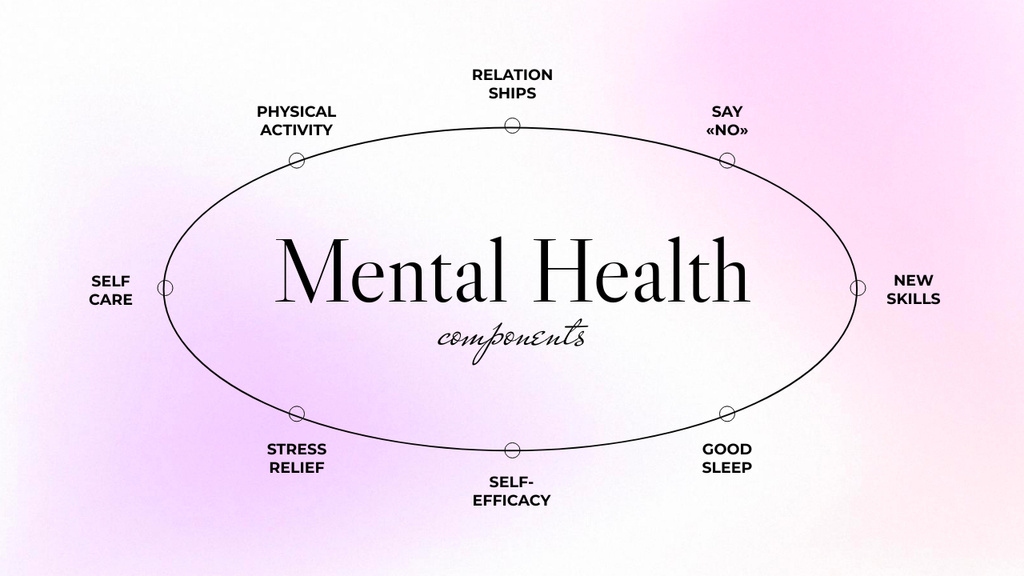
Understanding mental health involves recognizing the range of emotions and behaviors that constitute a healthy mental state, such as:

  • Emotional Well-being: The ability to manage emotions effectively and maintain a positive outlook.
  • Psychological Resilience: Coping with stress, setbacks, and life’s challenges without crumbling.
  • Healthy Relationships: Forming and maintaining supportive and meaningful connections.
  • Self-care: Prioritizing self-care activities that promote mental well-being, such as exercise, adequate sleep, and relaxation techniques.
  • Seeking Help: Recognizing when professional help is needed and being open to seeking support.

Let’s delve deeper into the key aspects of mental health:

  1. Emotional Well-being: It involves being aware of and accepting one’s feelings, managing stress, and coping with life’s challenges. Emotionally well individuals can express emotions in a healthy way and adapt to change.
    • Emotional Regulation: The ability to understand and manage emotions, preventing them from overwhelming or controlling us.
    • Self-Awareness: Recognizing and understanding one’s emotions, which helps in handling them effectively.
    • Adaptability: The capacity to adjust to different situations, accept change, and remain resilient in the face of adversity.
  2. Psychological Resilience: This is the ability to bounce back from difficult experiences. It involves developing coping mechanisms, maintaining perspective during tough times, and using resources to overcome challenges.
    • Coping Strategies: Healthy ways of dealing with stress and adversity, such as problem-solving, seeking social support, and practicing mindfulness.
    • Optimism: Maintaining a positive outlook and believing in one’s ability to navigate through challenges.
  3. Healthy Relationships: Building and maintaining supportive connections with others is crucial for mental health. Healthy relationships provide a sense of belonging, support, and security.
    • Communication: Effective communication skills are vital for expressing emotions, resolving conflicts, and building trust in relationships.
    • Boundaries: Understanding and setting healthy boundaries in relationships helps maintain emotional well-being.
  4. Self-care: Engaging in activities that promote mental and emotional well-being is essential for overall health. This includes:
    • Physical Activity: Regular exercise has proven benefits for mental health, reducing stress and improving mood.
    • Quality Sleep: Adequate sleep is crucial for cognitive function, emotional regulation, and overall well-being.
    • Mindfulness and Relaxation: Practices like meditation, deep breathing, or yoga can help manage stress and improve mental clarity.
  5. Seeking Help: Recognizing when professional support is needed is a sign of strength. Seeking help from therapists, counselors, or support groups can provide valuable guidance and support during challenging times.

Several factors contribute to the increasing recognition and concern about mental and emotional well-being in recent years:

  1. Stressful Work Environments: Work-related stress has escalated due to demanding work cultures, long hours, job insecurity, and high expectations. The constant pressure to perform can significantly impact mental health.
  2. Technological Influence: The digital age has brought about constant connectivity, blurring the lines between work and personal life. This continuous exposure to screens and social media can contribute to feelings of isolation, comparison, and anxiety.
  3. Awareness and Advocacy: There’s been a positive shift in societal attitudes toward mental health. Increased advocacy, awareness campaigns, and high-profile individuals sharing their experiences have reduced the stigma associated with mental health issues, encouraging more people to seek help.
  4. Pandemic Impact: The COVID-19 pandemic exacerbated existing mental health challenges. Isolation, uncertainty, financial strain, and grief due to loss have led to a surge in anxiety, depression, and other mental health issues worldwide.
  5. Generational and Cultural Shifts: Younger generations are more vocal about mental health concerns, advocating for more open discussions and accessible resources. This shift in cultural attitudes has led to increased recognition of mental health as an integral part of overall well-being.
  6. Changing Social Dynamics: Factors like changing family structures, increased migration, and urbanization can affect social support systems, leading to feelings of disconnection and loneliness, impacting mental health.
  7. Environmental Stressors: Issues like climate change, natural disasters, and socio-political unrest contribute to increased stress and anxiety levels globally, affecting mental well-being.

Understanding these factors can help shape interventions and policies to address mental health challenges effectively.

++++++

Mental Health Awareness / Identification Tools and Aids:– (Suggestive only)

There are various diagnostic and awareness tools available that individuals or professionals can use to evaluate or identify mental health issues and well-being. Here are some commonly used ones:

  1. Mental Health Assessments: These are self-assessment questionnaires designed to evaluate mental health status, such as the PHQ-9 (Patient Health Questionnaire-9) for depression, GAD-7 (Generalized Anxiety Disorder-7) for anxiety, or the DASS-21 (Depression, Anxiety, and Stress Scale) for overall mental health assessment.
  2. Well-being Scales: Tools like the Warwick-Edinburgh Mental Well-being Scale (WEMWBS) or the PERMA Profiler measure different dimensions of well-being, including positive affect, life satisfaction, and psychological functioning.
  3. Stress Assessment Tools: Various tools assess stress levels, such as the Perceived Stress Scale (PSS), which evaluates the degree to which situations in one’s life are appraised as stressful.
  4. Mindfulness and Meditation Apps: Mobile applications like Headspace, Calm, or Insight Timer offer guided meditations and mindfulness exercises to improve mental well-being and reduce stress.
  5. Online Mental Health Screenings: Websites like Mental Health America or the National Alliance on Mental Illness (NAMI) provide free, anonymous online screenings for various mental health conditions.
  6. Biometric Wearables: Some wearable devices track biometric data like heart rate variability, sleep patterns, and activity levels, offering insights into stress levels and overall well-being.
  7. Psychological Assessments: These are conducted by mental health professionals and include standardized tests and clinical interviews to diagnose specific mental health disorders comprehensively.

When using these tools, it’s crucial to interpret the results with care and, if necessary, seek guidance from mental health professionals for a comprehensive evaluation and appropriate interventions. Incorporating these tools into workplace / Personal wellness programs or personal health assessments can aid in early identification and support for mental health issues.

+++

Individuals play a crucial role in managing their own mental health and well-being. Here are some steps individuals can take to support their mental health:

  1. Self-awareness: Recognize and acknowledge your emotions and feelings. Understand your stressors and triggers to better manage them.
  2. Self-care: Prioritize self-care activities that promote mental well-being, such as regular exercise, adequate sleep, healthy eating, and relaxation techniques like meditation or deep breathing exercises.
  3. Healthy Boundaries: Set boundaries in personal and professional life to avoid overcommitment or burnout. Learn to say no when necessary and prioritize your mental health.
  4. Build Support Systems: Cultivate meaningful relationships and social connections. Surround yourself with supportive friends, family, or support groups that provide emotional support and understanding.
  5. Stress Management: Practice stress management techniques such as mindfulness, meditation, yoga, or engaging in hobbies and activities that bring joy and relaxation.
  6. Seeking Help: Recognize when professional support is needed and be open to seeking help from therapists, counselors, or mental health professionals. Don’t hesitate to reach out if you’re experiencing persistent feelings of sadness, anxiety, or stress.
  7. Mindfulness and Mindset: Cultivate a positive mindset and practice mindfulness. Focus on the present moment, gratitude, and positive affirmations to foster resilience.
  8. Limiting Screen Time: Be mindful of your screen time and social media usage. Set boundaries to avoid excessive exposure to digital devices, which can contribute to stress and anxiety.
  9. Lifestyle Habits: Maintain a healthy lifestyle by managing alcohol consumption, avoiding substance abuse, and practicing moderation in all aspects of life.
  10. Continuous Learning: Educate yourself about mental health. Stay informed about different mental health conditions, symptoms, and available resources for support.

Remember, taking care of your mental health is an ongoing process. It’s essential to prioritize self-care, seek help when needed, and build resilience to navigate life’s challenges effectively. Being proactive about mental well-being contributes significantly to overall health and quality of life.

++++++++++++++

Here’s a list of specific solutions and initiatives that could greatly impact and improve mental health in various settings, particularly in the workplace:

  1. Implement Mental Health Programs: Organizations can introduce comprehensive mental health programs that include access to counseling services, stress management workshops, and mental health awareness campaigns. These programs destigmatize mental health issues and encourage seeking help when needed. They can work Mental health support policy.
  2. Flexible Work Arrangements: Offering flexible work schedules or remote work options can help employees achieve a better work-life balance, reducing stress and burnout.
  3. Promote Open Communication: Encourage open discussions about mental health in the workplace. Providing safe spaces for employees to talk about their experiences can foster a supportive environment.
  4. Leadership Training: Train managers and leaders on recognizing signs of mental health issues, creating supportive environments, and effectively managing stress within their teams.
  5. Workplace Wellness Initiatives: Introduce wellness programs that focus on physical health, mindfulness, and relaxation techniques, such as yoga classes, meditation sessions, or subsidized gym memberships.
  6. Employee Assistance Programs (EAPs): Provide access to confidential counseling services and resources for employees facing personal or work-related challenges.
  7. Promote Work-Life Balance: Encourage employees to take breaks, utilize their vacation time, and disconnect from work outside of working hours.
  8. Peer Support Networks: Establish peer support groups or networks where employees can connect and support each other, fostering a sense of community and understanding.
  9. Training and Education: Conduct workshops and training sessions to educate employees about mental health, stress management, and resilience-building strategies.
  10. Access to Mental Health Resources: Ensure easy access to mental health resources, such as helplines, online self-help tools, and referrals to mental health professionals.

By incorporating these initiatives into workplace or advocating for their implementation, organiations can contribute significantly to improving mental health in professional settings.

Karthik.

11th Dec 2023 Bangalore.

+++++++++++++++++++++++++++++++++++++++++++++++

Here’s a list of references across different mediums that provide valuable insights into mental health:

Articles and Websites:

  1. National Institute of Mental Health (NIMH): Offers comprehensive information, research, and resources on various mental health topics.
  2. Mayo Clinic – Mental Health: Provides reliable information on mental health conditions, symptoms, and treatments.
  3. Psychology Today: Covers a wide range of articles written by mental health professionals on various mental health topics.
  4. The Guardian – Mental Health Section: Features articles and discussions on mental health issues and developments.

Videos and TED Talks:

  1. TED Talks on Mental Health: A collection of TED Talks by experts discussing various aspects of mental health.
  2. The School of Life YouTube Channel: Provides insightful videos on mental health, relationships, and personal development.
  3. NAMI (National Alliance on Mental Illness) YouTube Channel: Offers educational videos on mental health conditions, advocacy, and support.

Books:

  1. “Lost Connections: Uncovering the Real Causes of Depression – and the Unexpected Solutions” by Johann Hari: Explores societal factors contributing to depression and offers alternative perspectives.
  2. “The Body Keeps the Score: Brain, Mind, and Body in the Healing of Trauma” by Bessel van der Kolk: Focuses on trauma and its impact on mental health.
  3. “Maybe You Should Talk to Someone: A Therapist, HER Therapist, and Our Lives Revealed” by Lori Gottlieb: Provides insights into therapy and the human experience.
  4. “The Noonday Demon: An Atlas of Depression” by Andrew Solomon: Offers a comprehensive look at depression from personal, cultural, and scientific viewpoints.
  5. “The Happiness Hypothesis: Finding Modern Truth in Ancient Wisdom” by Jonathan Haidt: Explores the psychology of happiness and well-being.

Online Resources:

  1. Mental Health America: Offers various resources, screenings, and information on mental health.
  2. Mind – UK Mental Health Charity: Provides resources, support, and information on mental health in the UK.
  3. Headspace App: Offers guided meditations and mindfulness exercises to promote mental well-being.

EI, SI, CI for EHS Professionals- Why Matters?

#130

I tuned into Dan Goleman’s captivating talk at Google Campus through Authors@Google, where he delved into the realm of Social Intelligence (SI). Known for his books on Emotional Intelligence (EI), Goleman’s insights are notably practical. His discourse sparked thoughts on how EHS professionals can leverage his concepts, implementing them practically to foster growth in both personal and professional domains. It got me contemplating how these principles could be embraced within the EHS realm to enhance safety practices, foster stronger team dynamics, and stimulate personal and professional development within the field.

What are EI, SI and IQ etc. (EQ,SQ,IQ).

IQ (Intelligence Quotient):

  • Definition: IQ measures cognitive abilities, logical reasoning, problem-solving skills, and linguistic and mathematical capabilities.
  • Focus: Emphasizes traditional cognitive abilities, often measured through standardized tests.
  • Role at Workplace: Historically important, but doesn’t encompass emotional, social, or cultural aspects crucial for success in diverse work environments.

EI (Emotional Intelligence):

  • Definition: EI involves the ability to understand and manage emotions, both of oneself and others.
  • Focus: Centers on emotional awareness, self-regulation, empathy, motivation, and social skills.
  • Role at Workplace: Critical for effective leadership, teamwork, conflict resolution, and decision-making, enhancing overall workplace dynamics.

SI (Social Intelligence):

  • Definition: SI involves understanding social situations, navigating social dynamics, and effectively interacting with others.
  • Focus: Focuses on social awareness, facility, synchrony, influence, and cognition.
  • Role at Workplace: Facilitates effective communication, relationship-building, collaboration, and adaptability within diverse social contexts.

CI (Cultural Intelligence):

  • Definition: CI refers to the capability to function effectively in culturally diverse settings, understanding and adapting to different cultural norms.
  • Focus: Includes cultural awareness, knowledge, mindfulness, adaptation, and empathy.
  • Role at Workplace: Essential for global businesses, promotes inclusive work environments, effective communication across cultures, and fosters cultural respect and sensitivity.

Integrating these intelligences into workplace practices acknowledges the multifaceted nature of human interaction, fostering a more inclusive, empathetic, and adaptable work environment, especially pertinent in the ESH field where human behavior and understanding are pivotal for safety measures.

Components:

Here are the key components for each intelligence:

Emotional Intelligence (EI):

  1. Self-awareness: Recognizing and understanding your own emotions.
  2. Self-regulation: Managing and controlling your emotions effectively.
  3. Motivation: Channeling emotions towards specific goals.
  4. Empathy: Sensing others’ emotions and understanding their perspectives.
  5. Social skills: Interacting harmoniously with others, fostering relationships and networks.

Social Intelligence (SI):

  1. Social awareness: Sensing social dynamics and cues in various situations.
  2. Social facility: Navigating social interactions smoothly, adapting to different contexts.
  3. Synchrony: Establishing rapport and attuning with others’ emotions and behaviors.
  4. Social influence: Understanding and leveraging social situations for positive outcomes.
  5. Social cognition: Comprehending social structures, norms, and dynamics.

Cultural Intelligence (CI):

  1. Cultural awareness: Recognizing cultural differences and similarities.
  2. Cultural knowledge: Understanding the beliefs, values, and practices of different cultures.
  3. Cultural mindfulness: Being open-minded and respectful towards diverse cultures.
  4. Cultural adaptation: Adapting behaviors and communication styles in different cultural settings.
  5. Cultural empathy: Understanding and empathizing with individuals from diverse cultural backgrounds.

These components collectively contribute to a well-rounded set of skills that are pivotal in navigating the complexities of the modern workplace, especially within the ESH field.

  • Self-Awareness: Reflect on your emotions, triggers, and reactions in different situations. Consider journaling to track emotions and responses to workplace scenarios.
  • Self-Regulation: Practice techniques like mindfulness or deep breathing to manage stress and emotions. Identify strategies to stay calm and focused during high-pressure situations.
  • Empathy & Social Skills: Actively listen to colleagues and understand their perspectives. Practice empathy by acknowledging and validating others’ emotions, fostering stronger connections.

2. Cultural Intelligence (CI):

  • Cultural Learning: Engage in cultural learning experiences, such as attending cultural events, reading diverse literature, or even learning a new language. Immerse yourself in different cultural practices.
  • Observation & Adaptation: Observe and learn from colleagues from diverse backgrounds. Adapt your communication style and behaviors based on cultural nuances you observe.
  • Open-mindedness: Embrace curiosity and open-mindedness towards different cultural norms, avoiding judgment or assumptions.

3. Social Intelligence (SI):

  • Relationship Building: Actively engage in team-building activities, fostering connections and understanding team dynamics. Build rapport by showing genuine interest in colleagues’ lives and experiences.
  • Conflict Resolution: Practice resolving conflicts peacefully, considering different perspectives. Learn to navigate social situations adeptly and diplomatically.
  • Observation & Context: Pay attention to social cues and behaviors in various situations. Understand how social dynamics impact interactions and team dynamics.

Professional development courses, workshops, and coaching focusing on EI, CI, and SI can also be beneficial. Role-playing scenarios, case studies, and mentorship programs centered around these intelligences can provide practical experiences to hone these skills.

Lastly, seeking feedback from peers or supervisors can offer valuable insights into areas for improvement. Continuous self-assessment and learning will gradually enhance these critical skills essential for EHS professionals in today’s diverse workplaces.

Practical Implementation at workplace:-

Focusing on Emotional Intelligence (EI), Social Intelligence (SI), and Cultural Intelligence (CI) in the realm of workplace safety is crucial. Here’s a rundown:

  1. Enhanced Communication: EI and SI empower professionals to communicate effectively, ensuring safety protocols are understood and followed by everyone, irrespective of cultural or social differences.
  2. Conflict Resolution: Understanding emotions helps in diffusing conflicts before they escalate. CI aids in comprehending diverse perspectives, avoiding misunderstandings that might compromise safety measures.
  3. Leadership & Team Dynamics: EI assists leaders in empathizing with their team, fostering a safer and supportive environment. SI enables cohesive teamwork despite varied backgrounds, improving overall safety consciousness.
  4. Adaptability & Decision-making: CI equips ESH professionals to adapt safety procedures to different cultural norms. EI assists in making decisions rooted in empathy and understanding, prioritizing both safety and cultural context.
  5. Risk Perception: High EI aids in recognizing emotional cues related to potential risks. SI helps in understanding the social dynamics that might influence safety behaviors, fostering a proactive safety culture.

Let’s break it down further for EHS (Environment, Health, and Safety) linkage.

  1. Enhanced Communication:
    • Why it Matters: Effective communication is the backbone of safety protocols. EI enables professionals to convey safety guidelines in a way that resonates with diverse teams, considering their emotional responses and ensuring clarity.
    • Example: An EHS officer with high EI tailors safety instructions to resonate with different team members, ensuring everyone comprehends and adheres to protocols despite varying cultural backgrounds or communication styles.
  2. Conflict Resolution:
    • Why it Matters: Emotions often fuel conflicts that can jeopardize safety. Understanding emotions helps resolve issues before they escalate, while CI ensures perspectives from different cultural viewpoints are considered.
    • Example: An EHS manager mediates a disagreement between team members, utilizing EI to defuse emotions and CI to comprehend the cultural nuances influencing the conflict, thus preserving a safer work environment.
  3. Leadership & Team Dynamics:
    • Why it Matters: EI assists leaders in connecting with their team on a personal level, fostering trust and psychological safety. SI enables cohesive teamwork despite diverse backgrounds, ensuring a shared commitment to safety.
    • Example: An EHS supervisor demonstrates EI by understanding team members’ concerns about a new safety procedure. SI allows the team to collaborate effectively despite varied backgrounds, ensuring collective commitment to safety goals.
  4. Adaptability & Decision-making:
    • Why it Matters: CI enables adaptation of safety measures to align with diverse cultural norms without compromising safety. EI guides decision-making by considering the emotional impact of safety procedures within different cultural contexts.
    • Example: An EHS consultant modifies safety training methods to suit cultural preferences without compromising effectiveness, while EI ensures decisions resonate emotionally with team members across cultures.
  5. Risk Perception:
    • Why it Matters: EI helps in recognizing emotional cues that signal potential risks, while SI aids in understanding social dynamics that might influence safety behaviors.
    • Example: An EHS professional with high EI notices subtle emotional cues indicating discomfort with a safety procedure, prompting them to reassess and address the concerns proactively. Meanwhile, SI helps in understanding social behaviors that could compromise safety.

By mastering these intelligences, EHS professionals create a safer work environment by addressing not just physical hazards but also considering the emotional, social, and cultural aspects that impact safety practices.

Karthik

9th Dec 23, Bangalore.