Lives in Bangalore. HESS Professional of 35+ yrs experience. Global Exposure in 4 continents of over 22 years in implementation of Health, Environment, Safety, Sustainability. First batch of Environmental Engineers from 1985 Batch.
Qualified for implementing Lean, 6Sigma, HR best practices integrating them in to HESS as value add to business.
In the world of professional engagements, the bedrock of successful collaborations is built upon mutual respect and understanding. However, recent interactions with a renowned Indian company’s procurement team have stirred a storm of reflection regarding the nuances of respect, professionalism, and industry standards.
Last week, an eagerly anticipated discussion with the procurement team regarding our safety assessment proposal for six locations in India and overseas unraveled a distressing tone of contempt and disrespect. Mr. X (Who shall remain nameless), representing the procurement team, chose to question the rationale behind our fees, deeming them arbitrary and high and irrational. Their insistence on Rupee rates for overseas audits goes against industry norms, and their demand for an all-inclusive fee, oblivious to its implications and tax intricacies, stood in stark contradiction to our established business practices refined over 12 years and encompassing more than 90 dedicated assignments. I had no option but to end the call abruptly with an Adrenaline surge that took a while to settle down giving some anxious moments to the family.
The consolation came in the form of an immediate call from their EHS Manager, who was a witness to this fiasco, expressing deep regret and apologies post the distressing interaction. While appreciative of the gesture, it remained evident that the lack of professionalism displayed overshadowed any attempts at amends. In response, a resolute email conveying our profound disappointment was dispatched, signaling an irrevocable closure from our end regarding the assignment.
What struck a raw nerve was not solely the deviation from industry standards but the glaring lack of professionalism that marred the discourse. In stark contrast, recent collaborations with other companies, including a high-value rupee contract merely five months ago with a group entity of the same company, underscored the essence of supportive, respectful, and understanding engagements. The proposal submitted for this recent assignment of this entity, was driven by the goodwill fostered during our prior successful collaboration.
Negotiations, an integral part of forging healthy partnerships, thrive on mutual respect. Our unwavering flexibility and eagerness to negotiate, evident in our successful past endeavors, are testaments to our commitment to finding common ground. Yet, confronting a polarizing approach that dismisses established norms and demeans service providers while lacking mutual respect poses a formidable challenge.
This isn’t merely about our disappointment; it’s a clarion call for introspection. A prevalent misconception in procurement circles seems to be an assumption that service providers are out to exploit the company’s coffers. Professional conduct, however, forms the bedrock of successful partnerships. The reverberations of interactions within procurement teams transcend beyond a single proposal; they shape the very fabric of potential collaborations. I recollect my days in 1990s , (Sandoz and BASF days) when we treated suppliers as our service partners for our success and treated them as one of us.
This narrative isn’t an isolated incident but a broader narrative about professionalism, industry standards, and the essence of respectful engagements that nurture successful partnerships. It’s a heartfelt plea for a reassessment of how we approach and conduct business collaborations.
Therefore, this blogpost serves as both feedback and a catalyst for constructive contemplation. It’s a reminder that professionalism isn’t merely rhetoric but is embodied in the conduct and demeanor exhibited during discussions and negotiations.
Thank you for lending your time to this reflection. Here’s to aspiring towards a future where professionalism and mutual respect illuminate the path to prosperous collaborations.
ZERO HARM Zero Harm is a bold and aspirational concept in safety management that strives for an environment where no one suffers harm in the workplace. It represents an unwavering commitment to safeguarding the well-being of all individuals involved in an organization’s operations, from employees to contractors and visitors.
At its core, Zero Harm embodies a profound belief that all accidents, incidents, and occupational illnesses are preventable. It demands a culture of safety excellence where every person takes personal responsibility for their safety and the safety of others.
The Zero Harm program has many counterparts with a similar aim- Viz, Zero Accident, Zero Incidents Culture, Target Zero, Beyond Zero,Accident free workplace etc. They all dont serve much to foster a safe work place as an end.
This concept goes beyond mere compliance with safety regulations; it requires a fundamental shift in mindset and culture within an organization. It’s about fostering a relentless pursuit of safety excellence, continuous improvement, and the implementation of robust safety measures and protocols.
While the concept is ambitious and noble, there are debates about its practicality and interpretation. Critics argue that achieving absolute zero harm might not be feasible due to the complexity of work environments, human fallibility, and the unpredictability of certain situations.
Nonetheless, Zero Harm remains a broad guiding principle for many organizations, driving them to implement stringent safety policies, promote a proactive safety culture, and continuously strive to minimize risks and prevent incidents, with the ultimate goal of creating a workplace where everyone returns home safely, every day.
+++++
There are various safety professionals, researchers, and industry experts who have shared perspectives suggesting that implementing Zero Harm may be impractical or challenging in certain contexts. Some of these voices include:
Sidney Dekker: An author and safety scientist known for his work on human factors in safety. Dekker emphasizes the complexity of systems and human error, suggesting that aiming for Zero Harm might overlook the inevitability of human fallibility.
Todd Conklin: A safety consultant and author who advocates for a different approach to safety, focusing on learning from incidents rather than striving for zero incidents. He believes that the pursuit of zero can sometimes hinder learning and improvement.
James Reason: A pioneer in the field of human error and safety. Reason’s work highlights the “Swiss Cheese Model” of accidents, emphasizing the layers of defenses that can fail and lead to incidents despite best efforts, making absolute zero harm unattainable.
Erik Hollnagel: A researcher in the field of safety and human factors. He argues that the focus should be on resilience and adapting to unexpected situations rather than solely aiming for zero harm, as complete elimination of risks is unrealistic.
Andrew Sharman: A safety consultant and author who suggests that while striving for Zero Harm is admirable, it might be more beneficial to focus on realistic safety goals and creating a culture of continuous improvement.
These experts and thought leaders often advocate for a shift in safety paradigms, encouraging organizations to adopt approaches that prioritize learning from incidents, understanding human error, and continuously improving safety systems rather than fixating on an unattainable goal of absolute zero harm.
++++
Several factors contribute to the challenge of achieving Zero Harm in the workplace, encompassing various conditions and actions:
Human Fallibility: Human error is inherent and can’t be completely eliminated. Despite robust safety measures, individuals might make mistakes or face unforeseen circumstances.
Complex Work Environments: Industries like construction, mining, or manufacturing inherently involve high-risk activities where hazards are difficult to completely eliminate.
Unpredictable Situations: Certain situations might arise unexpectedly, posing risks that are challenging to foresee or prevent entirely.
Supply Chain Risks: External factors within the supply chain, including suppliers, subcontractors, or logistical issues, can introduce vulnerabilities beyond an organization’s direct control.
Complacency or Fatigue: Over time, employees might become complacent or fatigued, affecting their vigilance and adherence to safety protocols.
Pressure for Productivity: Demands for increased productivity might inadvertently lead to shortcuts or compromises in safety protocols.
Underreporting of Incidents: Fear of repercussions or cultural factors within an organization might lead to underreporting of incidents, hindering the accurate assessment of risks.
Limited Resources: Constraints in budget, time, or access to the latest safety technology can pose challenges in implementing comprehensive safety measures.
Changing Regulations and Standards: Adapting to evolving safety regulations and standards across different regions or industries can be demanding and may introduce compliance challenges.
Cultural and Behavioral Aspects: Varying attitudes towards safety, resistance to change, or lack of engagement can hinder efforts to achieve Zero Harm.
While aiming for Zero Harm is a noble pursuit, these factors highlight the practical challenges organizations face in eliminating all incidents, accidents, and injuries. Therefore, adopting a realistic approach that focuses on continuous improvement, risk reduction, and a strong safety culture is often advocated as a more attainable goal.
++++
Zero Harm is a profound goal in safety, aiming for an environment where no one suffers harm in the workplace. However, it’s becoming increasingly debated in safety circles due to its practicality and interpretation.
Realistic Expectations: Achieving absolute zero harm might not be feasible due to human fallibility and unpredictable situations. Despite stringent safety measures, accidents can occur.
Reporting Culture: Sometimes, the pressure to maintain a “Zero Harm” image can lead to underreporting of incidents. This undermines the accuracy of safety records and hampers the learning process from mistakes.
Complex Environments: In industries like construction or heavy manufacturing, inherent risks might make achieving zero harm extremely challenging. Some argue that it’s more realistic to aim for minimizing risks rather than absolute zero harm.
Focus on Process vs. Outcomes: Critics argue that focusing solely on the goal of zero harm might overshadow the importance of implementing robust safety processes and continuous improvement.
Psychological Impact: Striving for perfection can create undue stress on employees, impacting their mental health and work performance.
While the concept of Zero Harm is noble, some believe that a more pragmatic approach emphasizing continuous improvement, risk mitigation, and a strong safety culture might yield better results in the long term.
++++
Programs in sync with Zero Harm as effective output.
Several safety programs and approaches offer practical alternatives or supplements to the Zero Harm concept, focusing on achievable goals and continuous improvement:
Safety Excellence: Emphasizes continuous improvement in safety practices, focusing on measurable improvements rather than an absolute zero goal. It involves setting realistic safety targets and continually striving to enhance safety performance.
Behavior-Based Safety (BBS): Concentrates on understanding and modifying employee behaviors to improve safety outcomes. It involves observing behaviors, providing feedback, and implementing interventions to promote safer practices.
Total Worker Health (TWH): Integrates occupational safety and health protection with the promotion of overall worker well-being. It emphasizes a holistic approach addressing both workplace hazards and employee health concerns.
Hazard Identification and Risk Assessment (HIRA): Focuses on identifying potential hazards, evaluating associated risks, and implementing controls to mitigate these risks. It’s a proactive approach to prevent incidents before they occur.
Lean Safety: Applies principles of Lean management to safety practices, optimizing processes, reducing waste, and enhancing efficiency while prioritizing safety.
Safety Culture Development: Concentrates on cultivating a strong safety culture within an organization by fostering attitudes, beliefs, and behaviors that prioritize safety as a core value.
Targeted Safety Goals: Setting specific, measurable, achievable, relevant, and time-bound (SMART) safety goals that align with the organization’s capabilities and industry standards.
Leading Indicators Focus: Shifts the focus from lagging indicators (incidents and injuries) to leading indicators (proactive measures) to predict and prevent accidents.
These programs often complement each other and can be adapted to suit the specific needs and challenges of different industries and organizations. Implementing a combination of these approaches can foster a robust safety environment without solely fixating on the unattainable goal of Zero Harm.
+++++
Discussing specific organizations that have failed in implementing Zero Harm programs might be sensitive or challenging due to various reasons, including legal implications, reputational concerns, or lack of comprehensive public information on such cases. However, there have been instances where organizations faced challenges or criticisms regarding their Zero Harm initiatives:
Mining Industry: Some mining companies faced criticism for not achieving Zero Harm despite extensive safety initiatives. Accidents in mines, which are inherently high-risk environments, have highlighted the difficulty of achieving absolute safety despite significant efforts.
Construction Sector: Similarly, in the construction sector, several large-scale projects have struggled to maintain a perfect safety record despite rigorous safety protocols and investments in safety measures.
Manufacturing Companies: Instances within manufacturing companies have been reported where despite strong safety initiatives, accidents or incidents have occurred due to unforeseen circumstances or human errors.
It’s important to note that these instances often involve complex factors, including the nature of the industry, human behavior, operational challenges, and unforeseen events. While organizations might strive for Zero Harm, achieving absolute safety can be hindered by the inherent risks and complexities of various work environments.
Instead of focusing on organizations that “failed” in implementing Zero Harm, many experts emphasize the importance of learning from incidents, continuously improving safety practices, and fostering a culture of transparency and proactive risk management. This approach prioritizes identifying and addressing systemic issues rather than attributing failures to specific organizations.
“On this Computer Literacy Day, the significance of this technology resonates deeply as I reflect on a defining moment in 1991. It was a time when I sat in front of a 486 processor computer, eager to embark on the journey of digital learning. The objectives were clear: mastering Dbase(III) Plus for an intricate task of inventorying all fire extinguishers at the Sandoz site, and harnessing the power of WordPerfect to establish a robust digital communication chain.
The memory of that day holds immense significance as it symbolizes not just a personal initiation into the world of computing but also a pivotal step in integrating technology into the realm of Environment, Health, and Safety (EHS). Those foundational skills in database management and word processing laid the groundwork for streamlining processes, ensuring safety compliance, and fostering efficient communication within the organization.
The Dbase application wasn’t merely about data; it was about safety – meticulously cataloging crucial firefighting equipment to ensure preparedness at the Sandoz site. WordPerfect, on the other hand, transcended mere text; it established a digital conduit, facilitating seamless communication that proved pivotal in our EHS initiatives.
This reminiscence underscores the transformative power of computer literacy in revolutionizing the landscape of EHS management. Today, the realm of EHS is not just about regulations and protocols; it’s also about harnessing the potential of technology to mitigate risks, ensure compliance, and create safer environments. I went to have a Windows PC at my work desk in 1996, Home Computer in 1999, Internet late 1999, Windows Laptop 2000, and Mac for my 50th Birthday 2013. (Gifted by my son!, who later went on to become a Mac Engineer!).
++++++++++++++++++++++++++++++++++++++++++++
As we commemorate Computer Literacy Day, I’m reminded not just of personal milestones but of the immense strides the EHS field has taken, leveraging the ever-evolving world of computing to protect and enhance the well-being of individuals and environments alike.”
World Computer Literacy Day aims to promote awareness and understanding of computer skills and their importance in today’s world. It emphasizes the necessity of basic computer literacy for individuals to thrive in the modern digital era. This day encourages initiatives, programs, and efforts worldwide to provide access to computer education and technology to everyone, regardless of age, background, or location. The goal is to bridge the digital divide by empowering people with the skills and knowledge needed to use computers effectively for learning, work, communication, and problem-solving.
Integrating computer literacy into the EHS (Environment, Health, and Safety) domain offers substantial benefits to professionals in various ways:
Data Management: Proficient computer skills allow EHS professionals to manage vast amounts of data efficiently. They can analyze trends, track incidents, and identify potential risks, thereby enhancing decision-making processes.
Digital Tools for Risk Assessment: Utilizing software for risk assessment and management streamlines processes. Tools for simulations, predictive analysis, and modeling aid in identifying potential hazards, enabling proactive measures for prevention.
Enhanced Communication: Computer literacy facilitates effective communication within the team and with stakeholders. Utilizing digital platforms, emails, and collaborative software improves information dissemination, fostering a safety-conscious culture.
Regulatory Compliance: Staying updated with changing regulations is crucial. Computer literacy allows access to databases, regulatory websites, and digital resources that facilitate staying compliant with evolving EHS laws.
Training and Education: Leveraging e-learning platforms and multimedia tools supports the creation and dissemination of training modules, enhancing the education and awareness of safety protocols among employees.
Remote Monitoring and Management: Through computer skills, professionals can employ remote monitoring technologies for real-time assessment of environmental factors, allowing for quicker responses to potential threats.
Documentation and Reporting: Proficiency in word processing and data analysis tools aids in generating comprehensive reports, which are crucial for compliance audits and presenting insights to management.
Incorporating computer literacy enables EHS professionals to harness technology, streamline processes, and ultimately enhance the safety culture within organizations.
++++++++++++++++
For an EHS professional, mastering several core computer skills is pivotal for efficient operations and data management:
Data Analysis and Spreadsheet Software: Proficiency in Excel or similar spreadsheet tools is crucial. Understanding functions, data manipulation, pivot tables, and creating graphs aids in analyzing and presenting EHS data effectively.
Database Management: Familiarity with database software (e.g., Access, SQL) enables efficient storage, retrieval, and management of EHS-related data, facilitating analysis and reporting.
EHS Management Systems: Mastery of specialized EHS software and systems designed for incident reporting, compliance tracking, risk assessment, and safety management is essential. Examples include EHS software like Intelex, Enablon, or similar systems.
Geographic Information Systems (GIS): Knowledge of GIS software (e.g., ArcGIS) helps in spatial data analysis for environmental assessments, mapping hazards, and visualizing geographical risks.
Statistical Analysis Tools: Understanding statistical software (e.g., SPSS, SAS) aids in conducting in-depth analysis of EHS data, identifying patterns, trends, and correlations.
Document Management: Proficiency in document management systems (e.g., SharePoint) facilitates organizing, storing, and sharing crucial EHS documents and policies securely.
Remote Monitoring and IoT Tools: Familiarity with IoT (Internet of Things) devices and related software for remote monitoring of environmental parameters enhances real-time data collection and analysis.
Visualization Tools: Skills in using visualization software (e.g., Tableau, Power BI) help in creating insightful dashboards and visual representations of EHS data for better decision-making and reporting.
Digital Communication Platforms: Proficiency in using communication and collaboration tools like Microsoft Teams, Slack, or Zoom facilitates efficient teamwork, meetings, and information sharing.
Cybersecurity Awareness: Understanding cybersecurity basics is crucial for safeguarding sensitive EHS data from potential threats and breaches.
Here are some office tools that can significantly aid EHS professionals in work optimization, personal development, and time management:
Microsoft Excel or Google Sheets: Essential for data analysis, tracking incidents, creating reports, and managing EHS-related data. Functions, pivot tables, and graphing tools are especially useful for data manipulation and visualization.
Microsoft Word or Google Docs: Ideal for drafting policies, procedures, reports, and documentation related to EHS practices. Templates can streamline document creation.
Microsoft PowerPoint or Google Slides: Useful for creating presentations on safety training, compliance updates, or sharing EHS insights with stakeholders.
Microsoft Outlook or Gmail: Efficient email management tools for communication with teams, clients, regulatory bodies, and stakeholders. Calendar features help in scheduling meetings and reminders.
Project Management Tools (e.g., Asana, Trello, or Microsoft Teams): Facilitate task management, project tracking, and collaboration within EHS teams. Kanban boards or task lists can aid in organizing and prioritizing tasks.
Learning and Development Platforms: Access to platforms like LinkedIn Learning, Coursera, or industry-specific online courses can aid in personal development and skill enhancement in the EHS field.
Time Tracking Tools: Apps like Toggl or Clockify can help track time spent on various EHS tasks, providing insights into productivity and allowing for better time management.
Note-Taking Apps (e.g., Evernote, OneNote): Useful for jotting down ideas, meeting notes, action items, and maintaining a repository of valuable EHS-related information.
File Storage and Sharing (e.g., Microsoft OneDrive, Google Drive): Securely store and share EHS documents, policies, reports, and resources, ensuring accessibility and collaboration among team members.
PDF Editing Tools (e.g., Adobe Acrobat or online PDF editors): Enable annotation, editing, and sharing of EHS-related documents in PDF format.
Integrating these tools into daily workflows can enhance organization, efficiency, collaboration, and personal development for EHS professionals, optimizing their work and time management.
+++++++++++++++++++++++
The choice between Windows and Mac often comes down to personal preference and the specific needs of the user, including EHS professionals. Here are some considerations:
Windows:
Compatibility: Windows is widely used in many industries, including EHS. Several EHS software solutions are primarily developed for Windows, ensuring compatibility and support.
Variety and Affordability: There’s a broad range of hardware options available for Windows, catering to various budgets and performance requirements. This diversity can be beneficial for EHS professionals seeking specific hardware configurations.
Software Support: Many industry-specific tools and software applications are predominantly designed for Windows, offering a wide array of options for EHS management.
Mac:
User Interface and Design: Macs are known for their intuitive user interface and sleek design, appealing to users who prioritize aesthetics and ease of use.
Security and Reliability: macOS is often considered more secure against certain types of malware compared to Windows. It’s known for its stability and reliability.
Creativity and Multimedia: Macs are preferred by creative professionals due to their robust multimedia capabilities, which might be advantageous for creating engaging EHS training materials or presentations.
For EHS professionals, the choice between Windows and Mac may depend on factors such as software compatibility, familiarity, specific software requirements, and personal preferences in terms of user experience. It’s essential to consider the compatibility of EHS software tools and ensure they are available and fully functional on the chosen platform.
Ultimately, both Windows and Mac platforms offer tools and capabilities that can support EHS work. The decision often boils down to the user’s comfort, workflow, and the specific software needs within the EHS domain.
++++++++
Excelling in Business Accumen:
Elevating the overall business acumen of EHS (Environment, Health, and Safety) professionals through computer learning involves a strategic approach to harnessing technology for broader organizational impact:
Understanding Business Operations: EHS professionals should familiarize themselves with enterprise resource planning (ERP) systems used within their organizations. These systems offer insights into various departments’ operations, enabling a comprehensive understanding of how EHS interfaces with other business functions.
Data-Driven Decision-Making: Embrace advanced data analytics tools to extract meaningful insights from EHS-related data. Proficiency in statistical software and data visualization tools can aid in identifying trends, correlations, and predictive analytics that influence business strategies.
Financial Literacy: Learn to correlate EHS initiatives with financial outcomes. Utilize spreadsheet software for cost-benefit analyses, ROI calculations for safety programs, and understanding the financial implications of regulatory compliance.
Integration with Organizational Goals: Align EHS strategies with broader organizational objectives. Showcase how EHS practices contribute to efficiency, cost savings, and brand reputation, using data and analytics to support these claims.
Leadership and Communication Skills: Utilize digital tools for effective communication with C-suite executives. Being able to translate complex EHS data into understandable metrics and strategies for decision-makers is crucial.
Continuous Learning: Stay updated with emerging technologies relevant to both EHS and business operations. Explore online courses, webinars, and certifications in areas like IoT, AI, and cybersecurity to grasp their impact on EHS and business.
Cross-Functional Collaboration: Engage in cross-departmental collaborations leveraging project management and collaboration tools. This exposure enhances understanding of various business functions and promotes a holistic approach to problem-solving.
Strategic Planning: Leverage computer-based tools for scenario planning and risk assessment. Understanding how risks impact business continuity aids in creating robust strategies to mitigate them.
By leveraging computer learning to enhance business acumen, EHS professionals can position themselves as integral partners in driving organizational success. It involves an ongoing commitment to learning, utilizing technology effectively, and bridging the gap between EHS and broader business objectives.
++++++
Computer Litreacy is incomplete in 2023 without Mobile Apps: Here you go!
Mobile apps offer on-the-go accessibility and convenience for EHS (Environment, Health, and Safety) professionals. Here are some beneficial mobile apps across various EHS aspects:
SafetyCulture iAuditor: A versatile inspection app that allows customizable checklists for audits, inspections, and safety assessments. It enables real-time data collection, photo documentation, and report generation.
Ergonomics: Apps like Ergonomics by Parthenon Software help assess ergonomic risks in the workplace, providing guidance on ergonomically sound work setups and practices.
Chemical Safety Data Sheets (SDS/MSDS): Apps like MSDSonline Mobile provide quick access to Safety Data Sheets, aiding in identifying chemical hazards and necessary safety precautions.
Noise Measurement: SoundMeter X by Faber Acoustical is a mobile app for measuring and monitoring noise levels, essential for assessing workplace noise exposure.
Heat Stress Prevention: Heat Stress Index by CoolNet offers tools for monitoring weather conditions and calculating heat stress indexes, aiding in preventing heat-related illnesses.
Emergency Response: Apps like Emergency Response Guidebook (ERG) assist in accessing critical information during hazardous material incidents, providing guidance on response procedures.
First Aid and CPR: Apps like American Red Cross First Aid provide guidance on administering first aid and CPR in emergencies, offering step-by-step instructions.
Environmental Monitoring: Various apps like AirVisual, for air quality monitoring, or MyRadar, for weather tracking, assist in environmental monitoring and risk assessment.
Health and Wellness: Wellness apps like Headspace or Calm can help EHS professionals manage stress and promote mental well-being.
Training and E-learning: Platforms like Duolingo, Coursera, or LinkedIn Learning offer mobile apps for continuous learning in various EHS-related fields.
These mobile apps serve as valuable tools for EHS professionals, aiding in inspections, risk assessments, emergency response, training, and overall workplace safety management. Always ensure the app’s reliability, accuracy, and compatibility with organizational protocols before use.
BP chemical plant at Salt End on Humberside. This plant produces acetic acid. It is vulnerable to coastal flooding, and although sea defences were constructed some years ago, climate change driven sea level rise and increased stormy weather, leaves it vulnerable to inundation.
Failure is often perceived as a setback, a blemish on an otherwise flawless record. However, in the realm of safety management, failure can be a potent tool for progress—if we are willing to embrace it.
Cultural Shift: From Fear to Freedom: In the pursuit of a safer workplace, fostering a culture that encourages the freedom to fail is paramount. This cultural shift is not about promoting failure but rather about creating an environment where reporting failures is encouraged without fear of retribution.
Risk Assessment and Preparedness: Vulnerability analysis stands as a pivotal tool in forecasting failure. Identifying vulnerabilities within the safety framework enables proactive measures to prevent potential mishaps. It’s not just about reacting to failures but preemptively planning to mitigate their impact.
Post 9/11 world, the concept of Vulnerability Analysis to predict failures.
Following the tragic events of September 11, 2001, the United States experienced a paradigm shift in its approach to national security, which included a significant focus on critical infrastructure protection. The Department of Homeland Security (DHS) was established in response to the 9/11 attacks to coordinate efforts aimed at securing the nation against various threats, including terrorism.
One crucial aspect of DHS’s mandate was to safeguard critical infrastructure, including sectors such as transportation, energy, water, and chemical facilities, among others, from potential terrorist attacks. Vulnerability analysis became a mandatory tool post-9/11 as part of DHS initiatives for several reasons:
Focus on Infrastructure Security: The 9/11 attacks highlighted the vulnerability of critical infrastructure to terrorist threats. DHS recognized the need to identify and address weaknesses within these infrastructures to prevent similar attacks or disruptions in the future.
Risk Assessment and Mitigation: Vulnerability analysis was seen as an essential component of risk assessment and mitigation strategies. By conducting comprehensive vulnerability analyses, DHS aimed to identify weaknesses and implement measures to reduce the likelihood of successful attacks on critical infrastructure.
Legislation and Mandates: The Homeland Security Act of 2002 empowered DHS to develop and implement programs to protect critical infrastructure. The act required DHS to conduct risk assessments and establish measures to mitigate vulnerabilities across various sectors, making vulnerability analysis a mandatory part of this process.
Public-Private Partnerships: DHS worked closely with private sector entities responsible for critical infrastructure to ensure their preparedness and resilience against potential threats. Vulnerability analysis was incorporated into collaborative efforts between government agencies and private industry to enhance security measures.
Regulatory Frameworks: DHS, in collaboration with other federal agencies, developed regulations, guidelines, and frameworks that required industries to conduct vulnerability assessments and implement risk-based security measures to protect critical infrastructure.
Overall, vulnerability analysis became a mandatory tool post-9/11 as part of a concerted effort by DHS to enhance the security posture of critical infrastructure, mitigate potential risks, and fortify the nation’s defenses against evolving threats, particularly in the context of homeland security and counterterrorism measures.
Vulnerability analysis involves a systematic examination of various factors that could leave an organization, system, or process exposed to risks and potential failures. Here are the key elements typically involved in vulnerability analysis:
Asset Identification: Identifying and cataloging assets within an organization that are critical to its operations. This includes physical assets like infrastructure, equipment, and facilities, as well as intangible assets like data and information systems.
Threat Assessment: Evaluating potential threats that could exploit vulnerabilities. These threats could be natural (such as earthquakes or floods), technological (cyber-attacks or system failures), or human-induced (sabotage, errors, or accidents).
Vulnerability Identification: Analyzing weaknesses or vulnerabilities in assets or processes that could be exploited by identified threats. This includes understanding the weaknesses in security protocols, outdated technology, inadequate training, or insufficient maintenance procedures.
Risk Analysis: Assessing the likelihood and potential impact of identified threats exploiting vulnerabilities. This step involves quantifying the risk level associated with each vulnerability to prioritize mitigation efforts effectively.
Mitigation Strategies: Developing and implementing strategies to mitigate or reduce vulnerabilities. These strategies could include technological solutions, policy changes, training programs, redundancy in systems, or enhancing security measures.
Monitoring and Review: Continuous monitoring of vulnerabilities and their associated risks is crucial. Regular reviews help in identifying new vulnerabilities that might emerge due to changes in technology, regulations, or operational practices.
Response Planning: Establishing response plans to address vulnerabilities if they are exploited. This involves having protocols in place to react promptly and effectively in case a vulnerability is compromised.
Documentation and Reporting: Maintaining comprehensive documentation of vulnerability analysis findings, mitigation strategies, and their implementation. This facilitates transparent communication within the organization and aids in regulatory compliance.
Regular Updates and Adaptation: Recognizing that vulnerabilities evolve over time, it’s essential to continuously update and adapt vulnerability analysis processes to stay ahead of emerging threats and changing circumstances.
Integration with Overall Risk Management: Integrating vulnerability analysis within the broader risk management framework ensures that it aligns with the organization’s overall risk strategy and objectives.
Vulnerability analysis is an ongoing and dynamic process that requires collaboration among different departments and stakeholders within an organization to effectively identify, assess, and mitigate risks and vulnerabilities that could lead to potential failures.
Here’s a table comparing and contrasting vulnerability analysis and risk analysis:
Aspect
Vulnerability Analysis
Risk Analysis
Focus
Primarily identifies weaknesses in assets or processes
Evaluates potential risks and their impacts
Definition
Identifies specific weaknesses that could be exploited
Analyzes potential threats and their likelihood
Scope
Concentrates on vulnerabilities within the system
Encompasses broader assessment of risks
Emphasis
Focuses on specific weaknesses and their exploitation
Considers the likelihood and impact of identified risks
Factors Considered
Weaknesses in assets, processes, or security measures
Threats, likelihood of occurrence, and potential impact
Outcome
Aims to address specific vulnerabilities identified
Aims to prioritize and manage risks effectively
Preventive Measures
Mitigates specific weaknesses to reduce exploitation
Develops strategies to manage and mitigate risks
Continuous Monitoring
Ongoing monitoring of vulnerabilities for updates
Constant monitoring of risks for adjustments
Relationship to Risk
A subset of risk analysis, focusing on vulnerabilities
Forms a part of risk analysis, assessing various elements
Depth of Assessment
Specific and detailed examination of identified weaknesses
Comprehensive assessment of risks across different facets
Example
Identifying a software vulnerability in an application
Assessing the risk of data breach due to cyber threats
This comparison highlights the distinct aspects of both vulnerability analysis and risk analysis, showcasing their unique focuses and how they contribute differently to an organization’s overall risk management strategy.
Further:
Learning from Incidents: Incidents, though undesirable, offer invaluable insights. Conducting comprehensive post-incident analyses helps uncover root causes, allowing organizations to rectify underlying issues rather than merely treating symptoms.
Adaptation and Improvement:
History is replete with instances where failures have been the catalyst for innovation. From the aviation industry to healthcare, every significant advancement in safety protocols stemmed from learning and improving after failure.
Transparent Communication:
Open dialogue about failures within an organization fosters collective learning. It’s about sharing lessons learned, enabling others to avoid similar pitfalls and fostering a sense of camaraderie in the pursuit of safety.
Training and Continuous Improvement:
Continuous training programs serve as a cornerstone in minimizing risks and preventing failures. Keeping employees updated with the latest safety measures ensures preparedness in handling unforeseen circumstances.
Leadership’s Role:
Leadership sets the tone for how failures are perceived. When leaders demonstrate that failures are not punitive but instructive, it encourages a culture of honesty and accountability.
Regulatory Compliance and Innovation:
Integrating regulatory compliance into vulnerability analysis ensures adherence to standards while also encouraging innovative solutions to prevent failures.
Measuring Success:
Success in safety management is not solely about the absence of failures. It’s about how an organization learns from failures, adapts, and continually improves its safety protocols.
Application of Vulnerability Analysis in a typical Manufacturing plant (Chemical).In a chemical manufacturing facility, vulnerability analysis can be applied to various critical areas to identify weaknesses that could lead to potential risks. Here’s a list of areas where vulnerability analysis can be effectively implemented:
Equipment and Machinery: Identifying vulnerabilities in machinery, such as potential failures, outdated technology, or lack of proper maintenance, which could lead to accidents or production disruptions.
Chemical Storage and Handling: Assessing vulnerabilities in storage facilities, handling procedures, and containment systems to prevent leaks, spills, or chemical reactions that pose safety hazards.
Process Control Systems: Analyzing vulnerabilities in control systems, including software and hardware, to prevent system failures, cyber-attacks, or unauthorized access that might compromise safety protocols.
Emergency Response Procedures: Evaluating the efficacy of emergency response plans and procedures, including evacuation routes, communication systems, and personnel training, to mitigate risks during unforeseen incidents.
Safety Instrumented Systems (SIS): Assessing vulnerabilities in safety instrumented systems, such as malfunctioning sensors, software vulnerabilities, or inadequate testing, to ensure proper functioning in critical situations.
Utilities and Infrastructure: Identifying vulnerabilities in utilities like power supply, water, or air systems that could impact manufacturing processes or pose safety risks if they fail.
Chemical Processes and Reactions: Analyzing vulnerabilities in chemical processes, potential for overpressure, runaway reactions, or inadequate process control that could lead to accidents or environmental hazards.
Personnel Safety: Assessing vulnerabilities related to worker safety, including training deficiencies, inadequate personal protective equipment (PPE), ergonomic issues, or fatigue management.
Supply Chain and Logistics: Identifying vulnerabilities in the supply chain, transportation of hazardous materials, or dependencies on critical suppliers that could disrupt operations or compromise safety.
Regulatory Compliance: Analyzing vulnerabilities related to compliance with safety standards, regulations, and industry best practices to ensure adherence and avoid legal or reputational risks.
Implementing vulnerability analysis in these critical areas within a chemical manufacturing facility can significantly enhance safety protocols, minimize risks, and prevent potential failures that may have severe consequences for personnel safety, the environment, and operational continuity.
Today I complete 60 years. 60 years marks one cycle of Life as per Hindu calendar. ( I saw the same phenomenon in Korea).
I put some thoughts of life, in my Personal Blog. Link is here for you to read. Life is a mix of personal, professional, and other aspects, so good to go through.
I shall be back to regular EHS blog in a few days.
Karthik
30/11/23.
Award post leaving the job for doing my best.! (A significant memory).
I am copying my personal blog post here. This is very relevent as we have personal side, that leads to professional side. It calls for a balance as well as one is dependent on the other.
Reflecting on Life: Karthik’s 2021 Annual Review
Introduction: In the pursuit of self-improvement and growth, I’ve embarked on annual reviews for several years now. (Done in December) These reflective exercises offer profound insights into the past while charting a course for the future. Here’s a glimpse into my 2021 review. As you can see, I cover Financial, Social, Spiritual, Personal, Health aspects to name a few domains of life.
I am working on draft for 2023 review…….
Review of 2021: (I have edited the original document to take out some personal information like Names etc.)
Overall Rating: The year encompassed a spectrum of experiences, rated against various facets of life. Here’s a snapshot: (On a 10 Scale)
Health, Wellbeing: 7 Finance: 8 Happiness/Contentment: 8 Spiritual Aspect: 5 Work Life: 5 Friends: 5 Extended Family: 4 Family Commitments: 9 Relations with Lalitha: 10 Knowledge Gain/Quest: 7
What Went Well: Highlighting the triumphs:
Achievements in family milestones. (Radha Marriage, Shravn settling in to work in USA) Financial stability with the closure of home loan. Maintenance of personal health. Successful plans for the family estate.
Areas for Improvement: Acknowledging the challenges:
Coping with personal losses during family events. (Mother passing away, not being there for Radha’s marriage). Declining interest in professional pursuits. Emergence of health concerns. (Oct 2021!?) Navigating through the impact of the pandemic. (Loss of friends, Relatives).
Goals for 2022: Health Priority: Channeling efforts to overcome health issues. Family Milestones: Facilitating transitions for children’s journeys. (Son marriage?) Financial Security: Prioritizing pension plans and consistent savings. Personal Growth: Embracing a more relaxed approach to life’s uncertainties. Parents Life rites at Benares / Gaya.
Conclusion: The year 2021 was a tapestry of accomplishments and hurdles, each offering valuable lessons. As I step into 2022, I aim to navigate the upcoming chapters with resilience, focusing on what truly matters.
This annual review is not just a personal endeavor but an invitation for everyone to engage in introspection. Share your experiences and insights. Let’s embark on this journey of self-discovery and growth together.
+++++++++++++++++++++++++++++++++++++++++++++
How to go about Personal Goals and Review:
Personal Goals:-
Personal goals cover various aspects of your life and are highly individual. They can revolve around:
Personal goals are unique to you and reflect what you value and aspire to achieve in different aspects of your life. They can be short-term or long-term, big or small, as long as they contribute to your overall growth and happiness.
Annual Review:- ( I do in December, started work today!).
Doing a personal annual review is a great way to reflect and plan ahead. Here’s a quick rundown:
Set Aside Time: Dedicate uninterrupted time to reflect. It could be a day or a few hours, whatever works for you.
Review Goals: Check the goals you set for the year. Did you achieve them? If not, why? Were they realistic?
Accomplishments: List your wins, big or small. Anything that made you proud or contributed to your growth.
Challenges: What hurdles did you face? How did you tackle them? Any lessons learned?
Feedback: Seek feedback from peers, mentors, or supervisors. It gives an outside perspective.
Skills Development: What new skills did you learn? Any courses, workshops, or books?
Work-Life Balance: Assess your balance. Are you satisfied with how you managed work, family, hobbies, health?
Future Goals: Set new goals for the upcoming year. Be specific and realistic.
Action Plan: Break down these goals into actionable steps with timelines.
Celebrate: Don’t forget to celebrate your wins and learn from your setbacks.
Remember, it’s all about self-improvement. Be honest with yourself, and it’ll guide you toward a better year ahead!
Addressing ‘Documentation Fatigue’ in EHS is crucial for sustained efficiency. Having overseen EHS documentation across 45+ global sites, I’ve found that optimizing documentation involves strategic approaches. Firstly, prioritize: identify critical data for each site, streamlining documentation to focus on high-impact areas. Standardize templates across sites to reduce variation without sacrificing accuracy. Consider automation tools for routine tasks, freeing up time for higher-value EHS work. Regular reviews and updates ensure relevance without overwhelming the system. Training on best practices in documentation can empower teams to navigate the process seamlessly. Lastly, fostering a culture that values quality over quantity in documentation can shift the focus from exhaustive records to impactful, actionable data.
This post is in response to my recent visit to a facility, where EHS manager requested my inputs:-
Documentation refers to the creation, collection, organization, and maintenance of written, visual, or electronic materials that record information, processes, procedures, and activities within an organization. It serves as a means to capture and communicate various aspects of operations, compliance, and decision-making.
Difference between Documentation and Records:
Documentation: It encompasses a broader spectrum of materials that include policies, procedures, guidelines, manuals, plans, reports, forms, guidelines, and any written or electronic content that outlines processes or instructions. Documentation is dynamic and often used as a guide or reference for actions and decisions.
Records: Records are a subset of documentation. They are specific, finalized, and often immutable documents that serve as evidence of activities, transactions, decisions, or events. Records are typically more static and are maintained as evidence of compliance, performance, or legal obligations.
Different Types of Documentation:
Policies: These are high-level statements defining an organization’s principles, objectives, and guidelines for decision-making and behavior.
Procedures: Detailed step-by-step instructions outlining how specific tasks or processes should be carried out within an organization.
Guidelines: These offer recommended practices or suggested actions, allowing some flexibility while providing direction.
Forms: Templates or structured documents used to capture specific data or information, such as incident reports, inspection checklists, or training records.
Manuals: Comprehensive documents that provide in-depth information, instructions, and guidance on particular systems, processes, or equipment.
Plans: Documents outlining strategies, actions, or approaches for achieving specific goals or managing situations, such as emergency response plans or environmental management plans.
Reports: Formal documents summarizing findings, results, or outcomes of specific activities, investigations, or projects.
Each type of documentation serves a unique purpose within an organization, contributing to efficient operations, compliance, and the management of risks and responsibilities.
Documentation can indeed be overwhelming in the EHS domain. One way to optimize this is to streamline the process by focusing on essential documentation. Here are a few strategies:
Prioritize Risk-Based Approach: Identify critical risks and focus documentation efforts on mitigating those risks. This ensures documentation aligns with actual hazards.
Simplify Templates: Develop clear, concise templates for reports and records. Streamlining formats reduces confusion and saves time.
Automation Tools: Leverage technology and software to automate routine documentation processes. This not only saves time but also minimizes errors.
Regular Reviews: Conduct periodic reviews of existing documentation. Remove redundant or outdated records to maintain relevance.
Training and Awareness: Educate employees on the importance of documentation accuracy and relevance. Proper training reduces errors and ensures compliance.
Centralized System: Implement a centralized system for documentation. This allows easy access and reduces duplication of efforts.
Outsource Non-Core Documentation: Consider outsourcing non-critical documentation tasks to manage the workload effectively.
Remember, while documentation is crucial, finding the right balance between what’s necessary and what’s excessive is key to avoiding the documentation quagmire.
Let’s consider a risk-based approach to documentation in the context of workplace safety.
Scenario: Workplace Chemical Management
Identifying Critical Risks:
Chemical Exposure Risks: Identify chemicals with the highest risk of exposure based on toxicity, volume used, and frequency of use.
Emergency Response Risks: Evaluate potential incidents involving chemicals that could lead to emergencies and prioritize those with the highest severity.
Optimizing Documentation:
Documentation Focus:
Prioritize comprehensive documentation for high-risk chemicals, including safety data sheets (SDS), handling procedures, and emergency response plans.
Streamline documentation for lower-risk chemicals, focusing on key information and ensuring accessibility.
Training Emphasis:
Prioritize training programs for employees handling high-risk chemicals, including detailed documentation on safe handling practices.
Streamline training for lower-risk chemicals, emphasizing key safety measures.
Incident Reporting and Investigation:
Implement thorough documentation procedures for incidents involving high-risk chemicals, including detailed reports, investigations, and corrective actions.
Simplify documentation for minor incidents involving lower-risk chemicals, ensuring essential information is captured.
Regular Reviews:
Conduct frequent reviews of documentation related to high-risk chemicals to ensure information is up-to-date and compliant with regulations.
Periodically review documentation for lower-risk chemicals to identify any updates or improvements needed.
By focusing more intensively on documentation related to high-risk scenarios, the organization optimizes its efforts and resources. This approach ensures that critical information is readily available, reducing the likelihood of incidents and improving overall safety performance. At the same time, it prevents unnecessary administrative burden for lower-risk scenarios, allowing for a more efficient allocation of time and resources.
There are various tools available that can assist in EHS documentation and management:
Safety Management Software: Platforms like Intelex, Cority, or VelocityEHS offer comprehensive solutions for EHS documentation, incident reporting, audits, and compliance management.
Document Management Systems (DMS): Tools like SharePoint, DocuWare, or M-Files help in organizing and managing documents, ensuring version control and easy access.
Mobile Apps: Applications like iAuditor or SafetyCulture allow for on-the-go inspections, incident reporting, and documentation using mobile devices.
Environmental Management Systems (EMS): Platforms such as Enablon or Sphera provide tools for environmental compliance, sustainability reporting, and managing environmental data.
Chemical Management Software: Tools like Chemwatch or SiteHawk help in managing hazardous chemical inventory, safety data sheets (SDS), and compliance with chemical regulations.
Risk Assessment Software: Applications like ETQ Reliance or Resolver assist in conducting risk assessments, identifying hazards, and implementing controls.
Training and Compliance Tools: Systems such as SafeStart offer training modules and tools for ensuring compliance with EHS regulations.
These tools vary in their focus areas and functionalities, so selecting the right one depends on specific organizational needs and the aspects of EHS that require more streamlined documentation and management.
Optimizing EHS document management involves streamlining processes, ensuring compliance, and improving accessibility. Here’s a step-by-step guide:
Centralized System: Implement a centralized document management system or software. This allows for easy access, version control, and organization of documents.
Standardized Templates: Develop standardized templates for different types of EHS documents (policies, procedures, forms). This ensures consistency across the organization.
Version Control: Establish a clear version control system to manage document revisions. Ensure everyone works with the most updated versions to avoid confusion.
Metadata and Tagging: Use metadata and tagging systems to categorize documents. This makes searching and retrieval more efficient.
Access Control: Implement access controls to restrict document access based on roles and responsibilities. This maintains confidentiality and security.
Regular Audits: Conduct regular audits to ensure compliance with regulations and internal standards. Remove outdated or non-compliant documents.
Training and Awareness: Provide training on document management protocols to employees. Ensure everyone understands the importance of proper document handling.
Integration with Technology: Utilize technology for automation, such as using mobile apps for on-site documentation, IoT devices for data collection, and AI for data analysis.
Continuous Improvement: Encourage feedback from users regarding the usability and effectiveness of the document management system. Continuously improve based on feedback.
Compliance Tracking: Use the system to track compliance with regulatory requirements. Set reminders for document renewals, audits, and updates.
By implementing these strategies, organizations can streamline their EHS document management processes, improve compliance, enhance efficiency, and ensure that the right information is available to the right people when needed.
For smoother and seamless EHS documentation management, an effective IT system environment should encompass several key elements:
Document Management Software: Invest in a robust document management system (DMS) that allows for centralized storage, version control, and efficient retrieval of documents. Look for features like access controls, metadata tagging, and search functionalities.
Cloud-Based Infrastructure: Utilizing cloud-based storage enables easy access to documents from anywhere, anytime. It also facilitates collaboration among teams working remotely or across different locations.
Scalability and Flexibility: The IT system should be scalable to accommodate a growing volume of documents and adaptable to changes in compliance requirements or organizational needs.
Integration Capabilities: Ensure that the system can integrate with other tools or software used within the organization, such as ERP systems, EHS software, or collaboration platforms, for seamless data flow.
Security Measures: Implement robust security protocols to safeguard sensitive EHS data. This includes encryption, access controls, regular security updates, and disaster recovery plans.
Mobile Accessibility: Enable access to documents via mobile devices, allowing field personnel or remote workers to input data, access documents, and perform necessary tasks on the go.
User-Friendly Interface: The system should have an intuitive interface, making it easy for employees to navigate, upload documents, and retrieve necessary information without extensive training.
Automation and Workflow Management: Incorporate automation features for routine tasks, approvals, notifications, and reminders. Define workflows to streamline document approvals and updates.
Analytics and Reporting: Include analytics capabilities to track document usage, compliance status, and performance metrics. Generate reports to assess document management effectiveness.
Regular Maintenance and Support: Ensure a dedicated IT team or support system is in place to handle system maintenance, updates, and troubleshooting to prevent downtime or disruptions.
By establishing an IT system environment that addresses these aspects, organizations can create a smoother, more efficient, and effective EHS documentation management process.
Case Study:
Let’s consider a manufacturing facility that successfully optimized documentation in the EHS domain.
Case Study: XYZ Manufacturing Plant
Challenge:
XYZ Plant faced challenges with excessive paperwork, redundant documentation, and inefficiencies in managing EHS-related documents.
Compliance audits revealed inconsistencies, outdated documents, and difficulty in retrieving critical information.
Approach:
Centralized Document Management System: Implemented a cloud-based Document Management Software (DMS) that allowed centralized storage and easy access to EHS documents.
Standardized Templates: Developed standardized templates for EHS documents like SOPs, incident reports, safety procedures, and compliance checklists.
Streamlined Processes: Revised and streamlined documentation processes, reducing unnecessary paperwork and ensuring a more efficient workflow.
Employee Training: Conducted extensive training sessions to educate employees on the new document management system, emphasizing the importance of accurate and timely documentation.
Regular Audits and Reviews: Instituted a regular audit schedule to review and update documents, ensuring compliance with changing regulations and internal standards.
Integration with EHS Tools: Integrated the DMS with existing EHS software for seamless data exchange and real-time updates.
Results:
Reduced Paperwork: By moving to a digital system, XYZ Plant significantly reduced paperwork and printing costs.
Improved Compliance: Ensured up-to-date, standardized documents, leading to improved compliance during audits and inspections.
Enhanced Efficiency: Employees spent less time searching for documents, leading to increased productivity.
Real-Time Access: Enabled on-site and remote access to documents, facilitating quicker decision-making and faster response during incidents.
Key Takeaways:
Technology Integration: Leveraging technology for document management streamlined processes and improved accessibility.
Standardization and Training: Standardized templates and employee training were crucial in ensuring consistent and accurate documentation.
Continuous Improvement: Regular audits and reviews helped maintain the effectiveness of the document management system.
XYZ Manufacturing Plant’s success in optimizing EHS documentation was rooted in a strategic combination of technology, process refinement, and employee engagement, resulting in improved compliance, efficiency, and overall operational effectiveness.
Full disclosure: In my 53 years of actively following cricket, I’ve never been a fan of the Indian cricket team. My allegiance has long rested with the West Indies, followed by England and Australia, in that order. Over time, my engagement with cricket has waned, to the point where my recent involvement in following the game has been minimal. I didn’t catch a single ball of live TV or internet coverage throughout the 48 matches of the Cricket World Cup in 2023.
Cricket, a sport that evokes passion and pride, especially in Asia, (India included) often mirrors life in unexpected ways. The recent Cricket World Cup showcased the Indian team’s phenomenal run—victorious (# 10) in every match leading up to the final showdown against Australia. Yet, in a startling turn, the team stumbled and lost the World Cup to Australia (6 times champions). It was a Thrashing to say the least. This defeat, however, unveils intriguing parallels between sports performance and safety performance in the professional sphere.
World Cup Won by Australia.
1. Preparation and Execution: Much like the Indian team’s rigorous training, planning, and strategy sessions before each match, and execution on the field, the workplace demands thorough preparation for safety protocols. Both scenarios highlight the importance of execution; a single misstep can have profound consequences.
2. Consistency in Performance:The Indian team’s flawless record throughout the tournament mirrors the necessity of consistent adherence to safety protocols. Safety isn’t a one-time achievement—it’s a daily commitment requiring unwavering dedication.
3. Pressure and High-Stakes Situations:The pressure of a finals of World cup cricket match resonates with high-stakes situations in the workplace. Despite prior successes, maintaining safety standards during critical moments is imperative. Past achievements count to nothing on the day of reckoing.
4. Learning from Setbacks: Australia lost its first 2 matches, they learnt from their defeats to turn the tables. Post the final match defeat, the Indian team must have analyzed their performance to learn and improve. Similarly, in safety, learning from incidents or near-misses is crucial for continuous enhancement.
5. Team Collaboration and Individual Responsibility: In cricket, each team member’s contribution matters; likewise, every individual’s commitment to safety fosters a secure workplace environment for all.
6. Resilience and Adaptability Just as resilience is key in bouncing back after a defeat, adapting safety measures after an incident ensures continuous improvement and adaptability. I am sure the Indian team would do well in matches to come. (Much to my irritation!!)…..
Closing Thoughts
The parallels between cricket and safety performance reveal a profound truth: success in both realms demands unwavering dedication, constant vigilance, and a commitment to learning from both victories and setbacks.
As we celebrate sporting achievements, let’s also reflect on the lessons they offer for ensuring a safer workplace—a place where every day, each individual’s commitment adds up to a collective safety culture.
My use of COGNOS Cubes and other tools for analysis and interpretation of data so here we go!
Data analytics is the process of examining raw data to uncover patterns, correlations, trends, and insights. It involves various steps to transform data into meaningful information for decision-making. Here’s an overview of what’s involved:
Data Collection: Gathering data from multiple sources, which can be structured (like databases, spreadsheets) or unstructured (like text, images, social media posts). The quality and quantity of data greatly impact the analysis.
Data Cleaning and Preprocessing: This step involves cleaning the data to ensure accuracy and consistency. It includes handling missing values, removing duplicates, and standardizing formats.
Exploratory Data Analysis (EDA): Understanding the data by visualizing it through graphs, charts, and summary statistics. EDA helps in discovering patterns, trends, and outliers.
Data Modeling: Using statistical techniques, machine learning algorithms, or other analytical methods to uncover insights from the data. This step includes predictive modeling, clustering, classification, and more, depending on the objectives.
Interpreting Results: Analyzing the output from models to derive meaningful conclusions. It involves understanding the implications of the insights gained and their relevance to the problem or question at hand.
Visualization and Reporting: Presenting the findings in a comprehensible manner using visualizations, dashboards, or reports. This step helps stakeholders comprehend the insights easily.
Validation and Iteration: Checking the accuracy and reliability of the results through validation techniques. It may involve refining models or adjusting the analysis based on feedback.
Implementation and Action: Applying the insights gained from data analytics to make informed decisions, optimize processes, or take actions that drive positive outcomes.
Data analytics isn’t just about tools and algorithms; it’s a systematic approach to transforming data into actionable insights. It empowers organizations to make data-driven decisions, optimize performance, and gain a competitive edge.
+++++++++++++++++++++++
Data analytics in health and safety is a game-changer. Using predictive approaches helps anticipate potential risks and mitigate them proactively. Here’s an elaboration:
Data Collection: Gathering data from various sources like incident reports, safety inspections, employee feedback, environmental conditions, and more. This data could be structured (like databases) or unstructured (like text, images).
Data Processing: Analyzing and cleaning the data to ensure accuracy and consistency. This involves sorting through vast amounts of information, identifying patterns, and preparing it for analysis.
Predictive Modeling: Employing statistical techniques, machine learning algorithms, and AI to analyze historical data and identify patterns. This helps in predicting potential safety risks or incidents.
Risk Identification: Using the predictive models to foresee potential safety hazards, whether it’s in the workplace, during specific operations, or due to certain conditions. For instance, predicting equipment failure, identifying high-risk areas, or foreseeing patterns in accidents.
Preventive Strategies: Once potential risks are identified, organizations can develop proactive measures. This might include improving training programs, altering work procedures, implementing new safety protocols, or upgrading equipment to prevent accidents.
Continuous Improvement: Data analytics isn’t static; it’s a continuous process. Constantly refining models, updating data sets, and analyzing new information helps in staying ahead of emerging risks.
Performance Tracking: Monitoring the effectiveness of implemented safety measures. Analyzing the impact of changes made helps in refining strategies further.
Decision Support: Providing insights to decision-makers, enabling them to make informed choices regarding safety initiatives and resource allocation.
Predictive analytics, by harnessing the power of data, allows organizations to move from a reactive safety approach to a proactive one, minimizing accidents, enhancing workplace safety, and ultimately, saving lives.
Here’s a beginner-friendly breakdown of practical applications of data analytics in Environment, Health, and Safety (EHS):
Incident Prediction: Using historical incident data to predict potential risks and prevent accidents. For instance, analyzing past incidents to identify patterns that could lead to similar accidents in the future.
Behavioral Analysis: Analyzing employee behavior and safety habits through data collected from various sources like safety observations, near-miss reports, or even wearable technology. This helps in identifying trends and areas for improvement in safety training or protocols.
Risk Assessment: Evaluating potential hazards in the workplace by analyzing data from safety inspections, environmental monitoring, or equipment performance. Predictive models can forecast potential risks and allow for preemptive actions.
Regulatory Compliance: Utilizing data analytics to ensure compliance with safety regulations and standards. This involves tracking and analyzing data to meet regulatory requirements and avoid penalties.
Emergency Response Planning: Predictive analytics helps in simulating emergency scenarios based on historical data, aiding in better emergency preparedness and response strategies.
Resource Allocation: Optimizing resource allocation by analyzing data on incidents, hazards, and near-misses. This ensures that investments are directed to areas where they are most needed to improve safety.
Training Effectiveness: Assessing the effectiveness of safety training programs through data analysis. Identifying which training methods or modules yield better safety outcomes helps in refining training strategies.
Health Monitoring: Analyzing health data of employees to identify potential health risks or trends related to specific work environments, allowing for targeted health initiatives.
Supply Chain Safety: Using data analytics to assess risks associated with suppliers or subcontractors to ensure safety standards are met throughout the supply chain.
These applications showcase how data analytics isn’t just about numbers but about using data to understand, predict, and prevent risks in the workplace, thereby fostering a safer environment for everyone.
Prescriptive, Predictive, Descriptive Data Analytics- Interpretation and examples.
here is an elaboration on prescriptive, descriptive, and predictive analysis with simple examples for the EHS domain:
Prescriptive Analytics
Prescriptive analytics is the most advanced type of analytics and goes beyond simply describing and predicting what has happened or what is likely to happen. It uses data and analytics to recommend the best course of action to take in order to achieve a desired outcome.
Example:
A manufacturing company uses prescriptive analytics to identify the most effective interventions to reduce the risk of musculoskeletal disorders (MSDs) among its workers. The company then uses this information to develop a targeted training program for workers who are at high risk of MSDs.
Descriptive Analytics
Descriptive analytics is the most basic type of analytics and is used to summarize historical data and identify patterns and trends. It can be used to understand the root causes of accidents and injuries.
Example:
A construction company uses descriptive analytics to identify the most common types of accidents and injuries that occur on its jobsites. The company then uses this information to develop safety training programs that are tailored to the specific hazards faced by its workers.
Predictive Analytics
Predictive analytics is used to predict future events, such as accidents and injuries. It uses data and analytics to identify patterns and trends in historical data and then extrapolates those trends into the future.
Example:
A transportation company uses predictive analytics to predict which routes its drivers are most likely to have accidents on. The company then uses this information to develop targeted training programs for drivers who are at high risk of accidents.
EHS Domain
The EHS domain encompasses a wide range of activities, including:
Environmental health and safety (EHS)
Occupational health and safety (OHS)
Industrial hygiene (IH)
Product safety
Public health
All of these activities are concerned with the protection of human health and the environment. Data analytics can be used to improve health and safety in all of these areas.
Example:
A public health agency uses predictive analytics to identify communities that are at high risk of lead poisoning. The agency then uses this information to develop targeted interventions, such as providing lead testing and remediation services.
By using data analytics, organizations can identify hazards, predict incidents, and develop interventions to prevent accidents and injuries. This can help to create safer workplaces and communities for everyone.
Here are some additional benefits of using data analytics in the EHS domain:
Improved decision-making: Data analytics can help organizations make better decisions about how to allocate resources and prioritize safety initiatives.
Increased transparency: Data analytics can help organizations to track their progress on safety initiatives and to identify areas for improvement.
Reduced costs: Data analytics can help organizations to reduce the costs of accidents and injuries.
Overall, data analytics is a powerful tool that can be used to improve health and safety in the EHS domain. By using data to identify hazards, predict incidents, and develop interventions, organizations can create safer workplaces and communities for everyone.
I have never written about SAP EHS Module despite using it for EHS performance improvement in my corporate days. (2000-2012) (Both in General Safety performance, as well as product Stewardship -REACh module). So here we go!
SAP ERP (Enterprise Resource Planning) is a suite of integrated business applications designed to facilitate various functions within an organization, streamlining processes and enabling efficient data management across departments. The modules in SAP ERP cater to specific functional areas, allowing businesses to manage different aspects of their operations. Here’s an introductory overview of SAP modules and where the EHS module fits in:
Financial Accounting (FI): Manages financial transactions, general ledger, accounts payable, accounts receivable, asset accounting, and financial reporting.
Controlling (CO): Focuses on managerial and cost accounting aspects, including cost center accounting, internal orders, product costing, and profitability analysis.
Materials Management (MM): Handles procurement, inventory management, material valuation, purchase orders, and vendor management.
Sales and Distribution (SD): Covers sales processes, order management, pricing, billing, shipping, and customer management.
Production Planning (PP): Manages production processes, capacity planning, material requirements planning (MRP), and shop floor control.
Human Capital Management (HCM/HR): Deals with HR functions such as payroll, personnel administration, recruitment, talent management, and workforce planning.
Quality Management (QM): Focuses on quality control, inspection, quality planning, and managing quality certificates.
Plant Maintenance (PM): Covers maintenance planning, work orders, equipment tracking, and maintenance scheduling.
Project System (PS): Manages project-related activities, project planning, execution, monitoring, and resource allocation.
Enterprise Asset Management (EAM): Similar to PM but emphasizes asset lifecycle management, maintenance strategies, and asset tracking.
Environment, Health, and Safety (EHS): This module, which is the focus of your query, encompasses functionalities related to environmental compliance, occupational health, workplace safety, hazardous materials management, waste management, and regulatory reporting. It ensures adherence to safety standards, manages risks, and maintains compliance with environmental regulations.
The SAP EHS module integrates with other SAP modules and functions as part of an organization’s broader ERP system. It supports businesses in managing their environmental impact, ensuring workplace safety, complying with regulatory standards, and maintaining health and safety standards across various operations. Integration with other modules allows seamless data exchange and enables comprehensive management of EHS aspects within the ERP system.
Implementing and utilizing the SAP EHS (Environment, Health, and Safety) module can offer several significant benefits to an organization:
Compliance Adherence: Ensures compliance with a myriad of environmental regulations, occupational health standards, and safety protocols. This helps avoid legal issues, fines, and penalties while maintaining a positive reputation in terms of sustainability and social responsibility.
Risk Mitigation: Enables proactive identification, assessment, and mitigation of risks related to environmental impact, workplace safety, hazardous materials, and occupational health hazards. This minimizes incidents, accidents, and potential liabilities.
Streamlined Processes: Centralizes and standardizes EHS data and processes, leading to more efficient workflows, better data management, and streamlined reporting. This enables better decision-making and faster response to EHS-related issues.
Improved Safety Culture: Encourages a culture of safety within the organization by providing tools for incident management, safety training, and tracking health-related data. This fosters employee engagement in safety practices and contributes to a safer work environment.
Enhanced Productivity: By ensuring compliance, reducing incidents, and promoting safety, the EHS module indirectly contributes to improved productivity. Fewer accidents mean fewer disruptions, less downtime, and better employee morale.
Optimized Resource Management: Facilitates better management of resources, waste, and hazardous materials, leading to optimized resource usage, reduced waste generation, and improved sustainability practices.
Effective Reporting and Analytics: Provides comprehensive reporting capabilities and data analytics tools, enabling organizations to track key performance indicators, monitor trends, and make informed decisions for continuous improvement in EHS practices.
Stakeholder Confidence: Demonstrates the organization’s commitment to environmental stewardship, employee well-being, and safety, thereby enhancing stakeholder confidence, including customers, investors, regulators, and the community at large.
Regulatory Updates and Adaptability: Keeps organizations updated with evolving regulations and standards, allowing them to adapt quickly and ensure ongoing compliance, even as regulations change.
Overall, the effective utilization of the SAP EHS module aligns an organization’s EHS efforts with its operational goals, promoting a safer, more sustainable work environment while simultaneously reducing risks and ensuring compliance with regulatory requirements.
Environment, Health and Safety comprises the following SAP components:
Basic Data and Tools (EHS-BD) contains all data and functions you require for the other EH&S components at one central point. For example, you can manage specifications for various EH&S objects (substances, dangerous goods classifications, agents, waste codes, and packaging) and text modules (known as phrases), and create templates for EH&S reports. It also includes tools that allow you, for example, to enter and display language-dependent EH&S data in all possible languages in the SAP system, and to exchange data between systems.
Product Safety (EHS-SAF) contains functions required to manage hazardous substances in companies that manufacture hazardous substances. For example, you can manage and ship EH&S reports such as material safety data sheets, create labels, have the system determine them automatically, and create the composition of the specification of the relevant substance from the BOM for a material.
Hazardous Substance Management (EHS-HSM) contains functions required to manage hazardous substances in companies that use hazardous substances. For example, functions are available that make it easier for you to create the reports prescribed by the U.S. Superfund Amendments and Reauthorization Act (SARA).
With Dangerous Goods Management (EHS-DGP), you can manage dangerous goods master records, run dangerous goods checks, and create dangerous goods documents.
With Waste Management (EHS-WA), you can manage waste disposal processes, create the reports necessary for transportation and disposal of waste, and distribute the resulting costs proportionally among the cost centers in the enterprise that generated the waste.
With Occupational Health (EHS-HEA), you can plan and perform health surveillance protocols in your enterprise, and create and manage occupational health questionnaires.
With Industrial Hygiene and Safety (EHS-IHS), you can organize industrial hygiene and safety in your enterprise and manage the hazards and agents that are present. In addition, you can process events with or without injury to persons and create reports such as standard operating procedures and accident reports.
Global Label Management: Helps manage labeling requirements for products, considering various regional or global labeling standards. It streamlines label creation, approval processes, translations, and ensures compliance with labeling regulations across different markets.
To handle the SAP EHS module proficiently, EHS professionals should possess a blend of technical, IT, and general skills:
Technical Skills:
EHS Domain Knowledge: Strong understanding of environmental regulations, occupational health standards, safety protocols, and waste management practices.
Hazardous Material Expertise: Knowledge of hazardous materials, their classifications, handling procedures, and compliance requirements.
Risk Assessment and Management: Ability to assess risks, identify hazards, and implement risk management strategies within an EHS context.
Incident Management: Skills in handling incidents, conducting investigations, and implementing corrective actions.
SAP EHS Module Expertise: Proficiency in navigating and using the SAP EHS module functionalities.
Data Management: Ability to manage EHS-related data within the SAP system, including data entry, validation, and reporting.
IT Literacy: Basic understanding of IT concepts, data structures, and database management relevant to using an enterprise software like SAP.
General Skills:
Communication Skills: Effective communication to convey EHS-related information across various levels of the organization.
Analytical Thinking: Ability to analyze complex data, identify patterns, and derive insights to make informed decisions.
Problem-Solving: Strong problem-solving skills to address EHS challenges and implement solutions.
Attention to Detail: Precision and accuracy in managing data and ensuring compliance with regulations.
Collaboration: Ability to collaborate with cross-functional teams, including IT, operations, and management, to integrate EHS into organizational processes.
Continuous Learning:
Adaptability: Willingness to adapt to new technologies, updates in EHS regulations, and changes within the SAP EHS module.
Continuous Improvement: Drive for continuous learning and improvement to optimize the utilization of SAP EHS functionalities for better EHS management.
Combining technical knowledge with IT literacy and general skills such as communication and problem-solving enables EHS professionals to effectively utilize the SAP EHS module, ensuring compliance, mitigating risks, and promoting a culture of safety and sustainability within the organization.
The implementation of SAP EHS, despite its advantages, faces several challenges that contribute to its slower adoption globally:
Complexity and Customization: Implementing SAP EHS can be complex due to its customization requirements. Organizations often have unique EHS needs that demand tailored configurations, which can be time-consuming and resource-intensive.
Cost of Implementation: Implementing an SAP module, including EHS, involves significant costs related to licensing, consulting, training, and system integration. Smaller organizations or those with budget constraints may find this investment challenging.
Change Management: Implementing SAP EHS often requires changes in existing processes, workflows, and mindsets within an organization. Resistance to change or lack of support for new systems can hinder successful implementation.
Data Integration Challenges: Integrating EHS data with other modules or existing systems within an organization can be complex. Incomplete or inconsistent data across departments can pose challenges during integration.
Skill Gaps and Training: Proper training and skill development for users and administrators are essential for successful implementation. Shortage of skilled professionals who understand both EHS requirements and SAP functionalities can be a limiting factor.
Regulatory Variations: EHS regulations vary significantly across regions and industries. Adapting SAP EHS to comply with diverse and evolving regulations worldwide can pose challenges, making it less standardized across different jurisdictions.
Perceived ROI and Benefits Realization: Some organizations struggle to quantify the return on investment (ROI) or realize immediate benefits post-implementation. This perception can impact commitment to the implementation process.
Legacy Systems and Compatibility: Organizations may already have established EHS systems or legacy software that meet their basic requirements. Migrating from these systems to SAP EHS might be perceived as a complex or unnecessary step.
Vendor Selection and Support: Choosing the right SAP vendor, consultant, or partner for implementation is crucial. Inadequate vendor support or misalignment with organizational needs can lead to implementation challenges.
Scalability Concerns: Some organizations may question the scalability of SAP EHS, especially in terms of adapting to future changes in regulations or business needs.
These challenges, while not insurmountable, contribute to the slower adoption of SAP EHS globally. Overcoming these obstacles requires careful planning, stakeholder buy-in, addressing customization needs, investing in proper training, and focusing on clear benefits that align with the organization’s strategic goals.








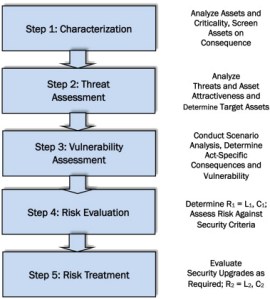




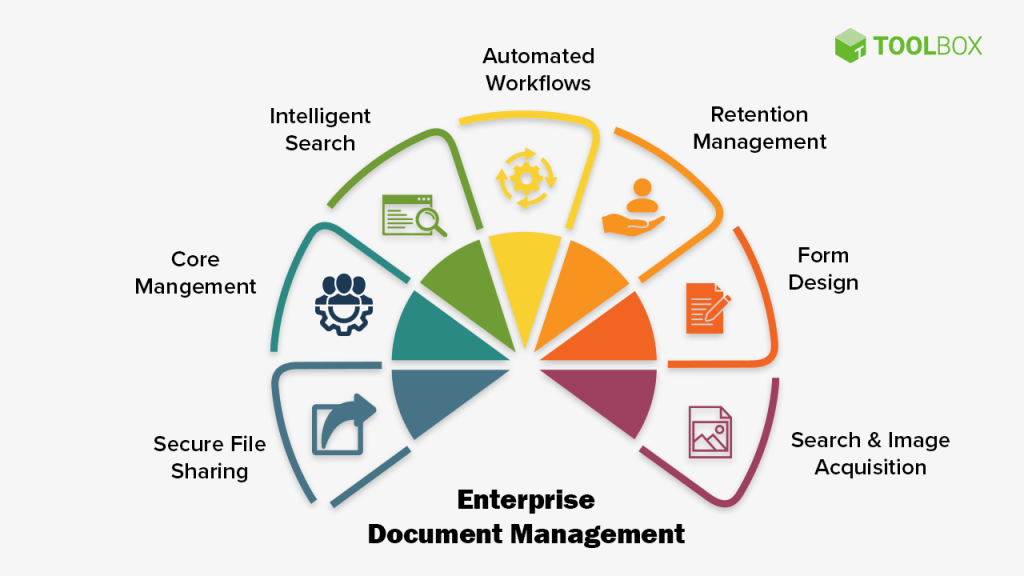
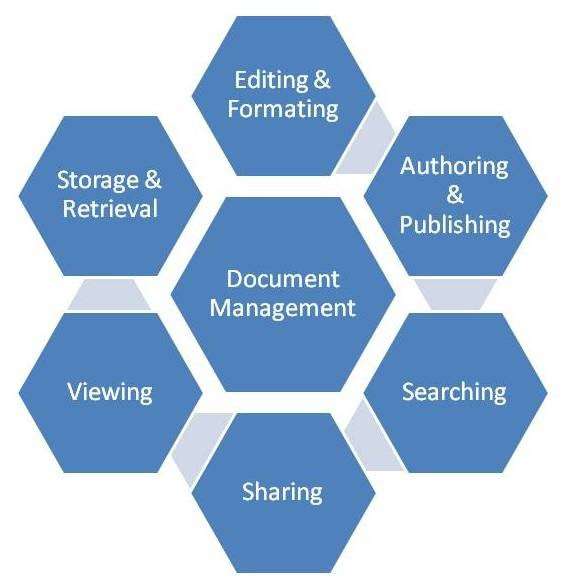






 Health, Environment, Safety, Sustainability (HESS)