Understanding and Tackling Burnout: A Global and Indian Perspective

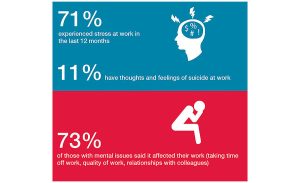
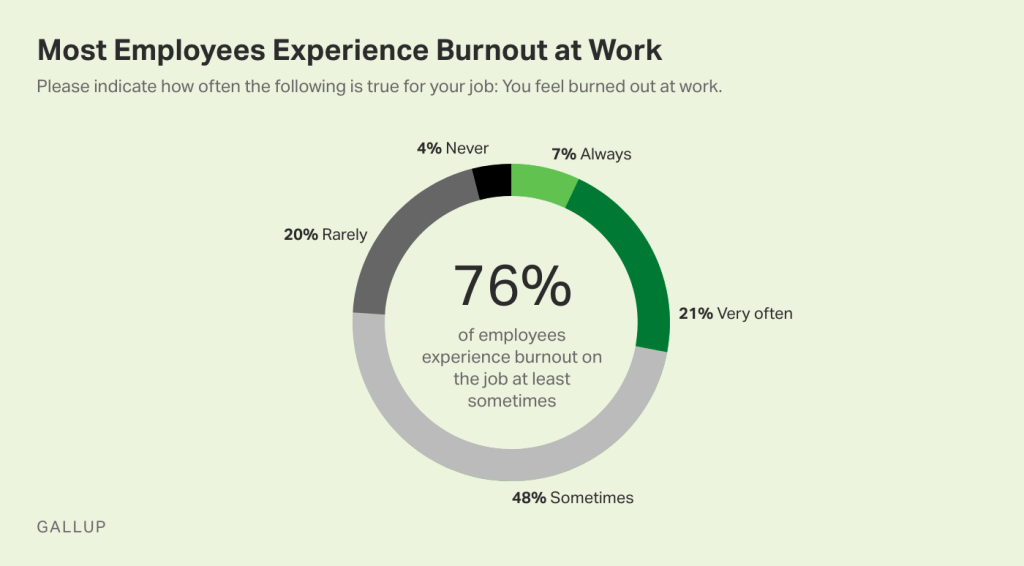
Burnout is a state of physical and emotional exhaustion often caused by prolonged periods of stress and overwork. It can have a significant impact on individuals, especially in high-pressure professions like Environment, Health, and Safety consulting/support/freelancers, besides professionals at corporate.
What is Burnout?

Is Burnout a Medical Condition?

Burnout is not classified as a specific medical condition like a disease or disorder. Instead, it’s generally considered a state of physical, emotional, and mental exhaustion brought on by chronic stress, often seen as a response to prolonged exposure to high levels of stress, particularly in the workplace.

While it’s not a medical condition in the traditional sense, the symptoms and effects of burnout can have significant physical and mental health consequences, including increased susceptibility to illnesses, anxiety, depression, and other health issues. Burnout can also impact a person’s overall quality of life and well-being.

Burnout Statistics in India

Here are some specific workplace burnout statistics in India:

  • A 2022 survey by LinkedIn found that 38% of Indian employees reported burnout signs frequently.
  • A 2021 study by the Indian Institute of Technology, Madras found that 65% of Indian IT professionals experienced burnout.
  • A 2020 survey by Indeed found that 52% of Indian employees said their workload was “unmanageable.”

These statistics suggest that workplace burnout is a common problem in India. It’s important to be aware of the signs and symptoms of burnout and to seek help if you’re experiencing them.

How it Affects Individuals

What are the Symptoms?

Common symptoms of burnout include:

  • Feeling constantly exhausted, both physically and mentally.
  • A sense of detachment from work and a growing cynicism about the job.
  • Decreased productivity and a sense of reduced accomplishment.
  • Difficulty concentrating and making decisions.
  • Increased use of substances like caffeine or alcohol.
  • Physical symptoms like headaches, stomach problems, and sleep disturbances.

How to Tackle it at the Workplace

Addressing burnout in the workplace is essential for both employees and employers. Here are some strategies:

Open Communication: Encourage employees to speak up about their workload and stress levels. Create an environment where they feel safe discussing their concerns.

Work-Life Balance: Promote a healthy work-life balance by setting clear boundaries for work hours and ensuring employees take regular breaks.

Training and Support: Provide training on stress management and resilience. Offer support through Employee Assistance Programs (EAPs) or counseling services.

Realistic Workloads: Ensure that workloads are manageable and reasonable. Avoid constant overtime or unrealistic expectations.

Recognition and Appreciation: Recognize and reward employees for their efforts. Feeling appreciated goes a long way in preventing burnout.

Flexibility: Offer flexibility in work arrangements, such as remote work or flexible schedules, when possible.

Promote Self-Care: Encourage employees to take care of their physical and mental health through exercise, meditation, and other self-care practices.

Monitor Progress: Keep an eye on employees’ workloads and stress levels. Address any signs of burnout early.

Remember that tackling burnout requires a proactive approach from both individuals and the organization. It’s crucial to foster a workplace culture that values employee well-being and mental health.

EHS Professionals – Role.

Here are some strategies on how EHS professionals can tackle and handle burnout while also supporting others:

1. Self-Care for EHS Professionals:

  • Recognize the Signs: Start by recognizing the signs of burnout in yourself. This self-awareness is crucial. If you notice these signs, it’s essential to take action.
  • Set Boundaries: Given the nature of your work, it’s easy to overextend yourself. Set clear boundaries for your work hours and workload. Avoid excessive overtime.
  • Take Regular Breaks: Ensure that you take regular breaks during the workday. This can help recharge your energy and reduce stress.
  • Physical Health: Prioritize your physical health through regular exercise and a balanced diet. Physical well-being plays a significant role in managing stress.
  • Mental Health: Practice stress management techniques, such as meditation, deep breathing, or mindfulness. Seek professional help if needed.

2. Providing Support to Colleagues and Peers:

  • Promote Open Communication: Encourage your colleagues and peers to talk about their stress and workload. Be a good listener and provide a safe space for them to express their concerns.
  • Stress Management Workshops: Organize workshops or training sessions on stress management, resilience, and well-being. Share resources and strategies that have worked for you.
  • Peer Support Groups: Create support groups within your organization where EHS professionals can share their experiences and provide mutual support.

3. Supporting Leadership:

  • Educate Leadership: Help your organization’s leadership understand the importance of EHS professionals’ well-being. Make the case for a healthy work environment and stress reduction initiatives.
  • Workplace Policies: Advocate for policies that promote a healthy work-life balance and reasonable workloads. These policies can benefit everyone in the organization.
  • Encourage Recognition: Encourage leaders to recognize and appreciate the hard work and dedication of EHS professionals. Feeling valued is a powerful tool in preventing burnout.

4. Seek External Resources:

  • Employee Assistance Programs (EAPs): Make sure your organization offers EAPs that can provide confidential counseling and support for employees dealing with burnout and stress.
  • Mental Health Services: Encourage individuals to seek professional mental health support when needed. Remove any stigma associated with seeking help.

By taking care of your own well-being and actively supporting your colleagues and leaders, you can contribute to a healthier and more sustainable work environment for EHS professionals. It’s a collective effort to prevent and address burnout in the field and ensure that safety and well-being are top priorities.

Don’t let this happen to you.

Karthik

30th October 2023, Bangalore. Images courtesy WWW.
Ethics /Moral Obligations

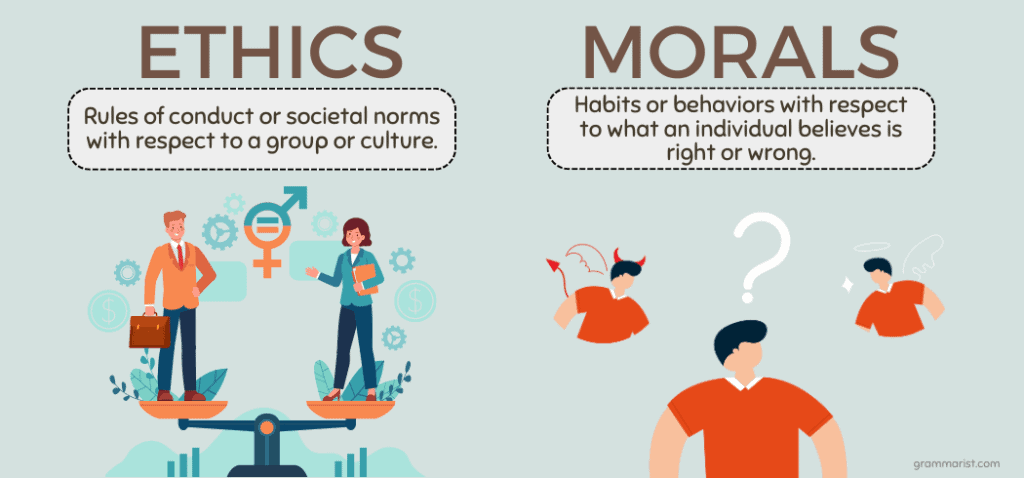
One of key challenges in these modern tough times is to keep up Ethics at work. The pressure to steer away from the moral compass can be very easy. Safety profession (EHS Professionals) are no exception. How can the safety professionals keep up these non negotiable aspect of profession and personal trait.

Here are some key points regarding the ethical and moral obligations, challenges, and testing situations for safety professionals:

Ethical and Moral Obligations:

  1. Protecting Human Lives: The foremost obligation is to protect the lives and well-being of employees and the public. This involves implementing safety protocols and standards to prevent accidents and health hazards.
  2. Compliance with Regulations: Ensuring strict adherence to safety regulations and standards, even when they might be seen as burdensome or costly. This includes keeping updated with changing regulations.
  3. Transparency and Honesty: Providing accurate information about safety issues, including reporting incidents truthfully and transparently. Misrepresenting data or hiding safety concerns is unethical.
  4. Continuous Improvement: Striving for ongoing improvement in safety practices and identifying potential risks, even if it means admitting that current practices have shortcomings.
  5. Fair Treatment: Ensuring that safety measures are applied consistently to all employees, regardless of their position or role within the organization.

Challenges:

  1. Balancing Cost and Safety: One common challenge is striking the right balance between implementing safety measures and the associated costs. This can lead to ethical dilemmas when budgets are limited.
  2. Pressure to Cut Corners: In some industries, there might be pressure to cut corners for the sake of productivity, which can put safety professionals in a difficult position.
  3. Reporting Misconduct: Reporting safety violations or non-compliance by colleagues or superiors can be challenging, as it may result in conflicts or retaliation.
  4. Conflicting Interests: Safety professionals may face situations where the company’s interests (e.g., meeting deadlines or profit margins) conflict with their obligation to ensure safety.

Testing Situations:

  1. Incident Response: When a safety incident occurs, your ethical standing will be tested in how you respond. This includes reporting accurately, conducting thorough investigations, and taking corrective actions.
  2. Whistleblowing: If you discover wrongdoing or safety violations within your organization, deciding whether to blow the whistle can be a significant ethical test. It involves balancing loyalty to your employer with the need to protect people’s safety.
  3. Prioritizing Safety over Profit: When safety measures are costly, you may face a moral dilemma regarding whether to insist on these measures or concede to cost-cutting efforts.
  4. Handling Pressure: Dealing with pressure from superiors or colleagues to compromise safety for the sake of business objectives is a recurring challenge that tests your ethical resolve.
  5. Maintaining Professional Integrity: Ensuring that your safety recommendations are based on sound science and best practices, rather than being influenced by personal biases or external pressures.

It’s important for safety professionals to continue making well-informed, ethical decisions to ensure the safety and well-being of those under their care.

Upholding ethics, moral values, and integrity as an EHS professional is crucial for maintaining trust and safety within any organization. Here are some ways to develop and maintain this mentality:

  1. Education and Training:
    • Stay updated with the latest developments in EHS regulations and ethical standards. Regular training and certifications can help reinforce your commitment to ethical conduct.
  2. Clear Code of Ethics:
    • Develop or adhere to a clear and comprehensive code of ethics that outlines the expected behavior for EHS professionals in your organization. This provides a framework for making ethical decisions.
  3. Lead by Example:
    • Demonstrate ethical behavior and integrity in your own actions. Your colleagues are more likely to follow suit when they see you consistently upholding these values.
  4. Moral Compass:
    • Develop a strong personal moral compass. Reflect on your values and principles, and let them guide your decision-making. This will help you stay true to your ethical commitments.
  5. Ethical Decision-Making Framework:
    • Create a structured decision-making process that includes ethical considerations. Ask questions like, “Is this action safe and ethical?” before making decisions.
  6. Peer Support:
    • Seek support from colleagues who share your commitment to ethics and integrity. They can provide guidance and serve as a sounding board for ethical dilemmas.
  7. Ethical Role Models:
    • Identify individuals or organizations that exemplify strong ethics and integrity in the field of EHS. Learn from their practices and apply them to your own work.
  8. Reporting Mechanisms:
    • Establish clear mechanisms for reporting ethical concerns and safety violations. Encourage open communication and provide protection for whistleblowers.
  9. Transparency:
    • Be transparent in your actions and decision-making processes. Share information about safety issues and ethical concerns with relevant stakeholders.
  10. Continuous Improvement:
    • Continually assess and improve your EHS programs and ethical standards. Acknowledge areas that need improvement and take corrective actions.
  11. Accountability:
    • Hold yourself and your team accountable for ethical lapses or safety incidents. This helps create a culture of responsibility and integrity.
  12. External Accountability:
    • Recognize the importance of external audits and regulatory bodies. Understand that external accountability can complement your internal efforts to uphold ethics and safety.
  13. Self-Reflection:
    • Regularly reflect on your own actions and decisions. Consider whether you could have made better ethical choices and use these reflections to improve.
  14. Ethical Resources:
    • Utilize resources like industry codes of ethics, professional associations, and guidelines to reinforce your ethical practices.

Remember, developing and maintaining a strong ethical and integrity mindset is an ongoing process. By consistently practicing these principles and incorporating them into your daily work, one can become a role model for ethical behavior in the field of EHS.

Here’s a list of moral and ethical values that EHS professionals should prioritize and uphold in their work:

  1. Integrity: Always act honestly and ethically, maintaining strong moral principles.
  2. Safety: Prioritize the safety and well-being of all individuals in your organization.
  3. Accountability: Take responsibility for your actions and decisions, especially in safety-related matters.
  4. Transparency: Be open and honest in your communication about safety concerns and ethical issues.
  5. Courage: Have the courage to stand up for what is right, even when it’s difficult.
  6. Honesty: Always tell the truth, especially when reporting safety incidents or compliance issues.
  7. Fairness: Treat all individuals with fairness and without discrimination.
  8. Respect: Show respect for the dignity and rights of all individuals in your workplace.
  9. Environmental Stewardship: Protect and preserve the environment in your safety practices.
  10. Compliance: Adhere to all relevant laws, regulations, and safety standards.
  11. Confidentiality: Safeguard sensitive information and maintain confidentiality when necessary.
  12. Professionalism: Uphold high professional standards in all your interactions.
  13. Continuous Improvement: Strive for ongoing improvement in safety practices and ethical behavior.
  14. Teamwork: Work collaboratively with colleagues to ensure safety and ethical standards are met.
  15. Innovation: Seek innovative solutions to safety challenges while maintaining ethical values.
  16. Empathy: Understand and consider the perspectives and needs of others, especially in safety planning.
  17. Responsibility: Take responsibility for the consequences of your actions and decisions.
  18. Environmental Responsibility: Promote sustainable and environmentally responsible practices.
  19. Quality: Ensure that safety measures are of high quality and meet the necessary standards.
  20. Community Engagement: Engage with the local community on safety and environmental matters.
  21. Whistleblower Protection: Support and protect those who report safety and ethical concerns.

This list provides a foundation for EHS professionals to understand and prioritize the social, moral, ethical values that should guide their work. It’s important to consistently uphold these values to ensure the safety and well-being of all stakeholders.

Karthik 29th Oct 2023 Bangalore.

Mental Health-A Big issue cropping Up?

This week, I was listening to a 3 hr Podcast on mental health issues and pondered about it.

Mental health has indeed gained significant prominence in recent years, and there are several reasons for this.

  1. Awareness and Stigma Reduction: One of the primary reasons for the increased focus on mental health is the efforts to reduce the stigma surrounding mental health issues. People are more open to discussing their mental health concerns, which has led to more public conversations and awareness.
  2. Global Events: Major global events, such as the COVID-19 pandemic, have had a profound impact on mental health. The stress and isolation brought about by these events have drawn attention to the importance of mental well-being.
  3. Research and Understanding: Advances in the field of psychology and neuroscience have improved our understanding of mental health. Research has highlighted the prevalence of mental health disorders and their impact on individuals and society.
  4. Economic Impact: Employers have become increasingly aware of the economic impact of mental health issues. High levels of stress, anxiety, and depression can lead to decreased productivity and increased healthcare costs. This has prompted companies to prioritize mental health initiatives.
  5. Advocacy and Celebrities: Prominent individuals and celebrities have been vocal about their struggles with mental health. Their openness has helped reduce the stigma and encouraged more people to seek help.

Now, regarding the aspects to look for in mental health:

  1. Emotional Well-being: Pay attention to your emotions and mood. Persistent feelings of sadness, anxiety, or irritability can be signs of a mental health issue.
  2. Physical Symptoms: Sometimes, mental health issues manifest as physical symptoms like headaches, sleep disturbances, or unexplained aches and pains.
  3. Social Withdrawal: If you or someone you know is withdrawing from social activities, losing interest in hobbies, or experiencing a change in social behavior, it can be a red flag.
  4. Substance Use: An increase in alcohol or drug use as a coping mechanism may indicate underlying mental health issues.
  5. Changes in Eating Habits: Significant changes in appetite or weight can be related to mental health problems.
  6. Difficulty Concentrating: Struggling to concentrate or make decisions can be a sign of issues like depression or anxiety.
  7. Relationship Problems: Frequent conflicts or changes in relationships could be related to mental health.

List of mental health risks and situations that can cause them, both in personal and workplace contexts: 

Personal Mental Health Risks:

  1. Genetics: Family history of mental health conditions can increase the risk.
  2. Trauma: Experiencing traumatic events, such as abuse, accidents, or violence, can lead to mental health issues.
  3. Chronic Illness: Managing a chronic illness can be emotionally challenging.
  4. Substance Abuse: Misuse of drugs or alcohol can worsen or lead to mental health problems.
  5. Isolation: Social isolation and lack of social support can contribute to depression and anxiety.
  6. Financial Stress: Persistent financial problems can cause significant stress.
  7. Grief and Loss: The death of a loved one or other major losses can trigger grief-related mental health issues.
  8. Personal Relationships: Difficulties in personal relationships, such as divorce or conflict, can impact mental health.
  9. Personality Traits: Certain personality traits or disorders, like perfectionism or obsessive-compulsive disorder, may increase vulnerability.
  10. Childhood Experiences: Adverse childhood experiences (ACEs) can have long-lasting effects on mental health.

Workplace Mental Health Risks:

  1. High Job Demands: Excessive workload and tight deadlines can lead to stress and burnout.
  2. Job Insecurity: Fear of job loss or instability can cause anxiety and depression.
  3. Bullying and Harassment: Workplace bullying or harassment can have severe psychological effects.
  4. Lack of Control: Limited autonomy or decision-making authority can lead to stress.
  5. Poor Leadership: Ineffective or unsupportive management can negatively impact employee well-being.
  6. Long Hours: Working extended hours and overtime can disrupt work-life balance.
  7. Unclear Expectations: Ambiguity in job roles and expectations can create stress.
  8. Shift Work: Irregular or night shift work can disrupt sleep patterns and mental health.
  9. Work-Life Imbalance: Difficulty in balancing work and personal life can lead to stress and burnout.
  10. Lack of Social Support: Limited support from colleagues and supervisors can contribute to isolation.
  11. Exposure to Trauma: Certain professions, like first responders or healthcare workers, may face traumatic situations regularly.
  12. Organizational Changes: Frequent reorganizations or layoffs can lead to job insecurity and stress.

It’s important to recognize these risk factors and take steps to address and mitigate them, both in personal and workplace settings. Early intervention, support, and open communication can help individuals and organizations promote better mental health and well-being.

Identifying mental health issues in individuals can be challenging, as symptoms vary depending on the specific condition. However, there are some common signs and symptoms that you can look for:

Changes in Behavior:

  1. Mood Swings: Rapid and extreme shifts in mood, such as going from euphoria to deep sadness.
  2. Irritability: Unexplained or excessive irritability and anger.
  3. Withdrawal: Social withdrawal, avoiding friends, family, and activities they once enjoyed.
  4. Changes in Sleep: Insomnia or oversleeping, as well as disturbances in sleep patterns.
  5. Appetite Changes: Significant changes in appetite, leading to weight gain or loss.

Emotional Signs:

  1. Persistent Sadness: Prolonged feelings of sadness, hopelessness, or emptiness.
  2. Anxiety: Excessive worry, nervousness, or fear that interferes with daily life.
  3. Panic Attacks: Sudden and intense episodes of fear or panic, often with physical symptoms.
  4. Lack of Concentration: Difficulty focusing, making decisions, or remembering things.

Physical Symptoms:

  1. Unexplained Aches and Pains: Physical complaints with no clear medical cause.
  2. Fatigue: Persistent tiredness, even after adequate rest.
  3. Changes in Energy Levels: Extreme fluctuations in energy, leading to feelings of lethargy or restlessness.

Behavioral Changes:

  1. Substance Abuse: Increased use of alcohol, drugs, or other substances as a way to cope.
  2. Self-Harm: Engaging in self-destructive behaviors, such as cutting or burning.
  3. Reckless Behavior: Engaging in risky activities without concern for consequences.

Social and Interpersonal Signs:

  1. Isolation: Avoiding social interactions and withdrawing from friends and family.
  2. Relationship Problems: Frequent conflicts or difficulties in personal relationships.
  3. Decline in Work or School Performance: Decreased productivity, absenteeism, or drop in grades.

Psychological Symptoms:

  1. Hallucinations: Hearing or seeing things that others don’t.
  2. Delusions: Holding false, irrational beliefs that are resistant to reason.
  3. Suicidal Thoughts: Expressing thoughts of self-harm or suicide.

It’s essential to note that everyone’s experience with mental health issues is unique. Not everyone will exhibit all of these symptoms, and some individuals may hide their struggles. If you notice significant and persistent changes in someone’s behavior, mood, or functioning, it’s crucial to approach them with care and offer support. Encouraging them to seek professional help from a mental health provider is often the best course of action.

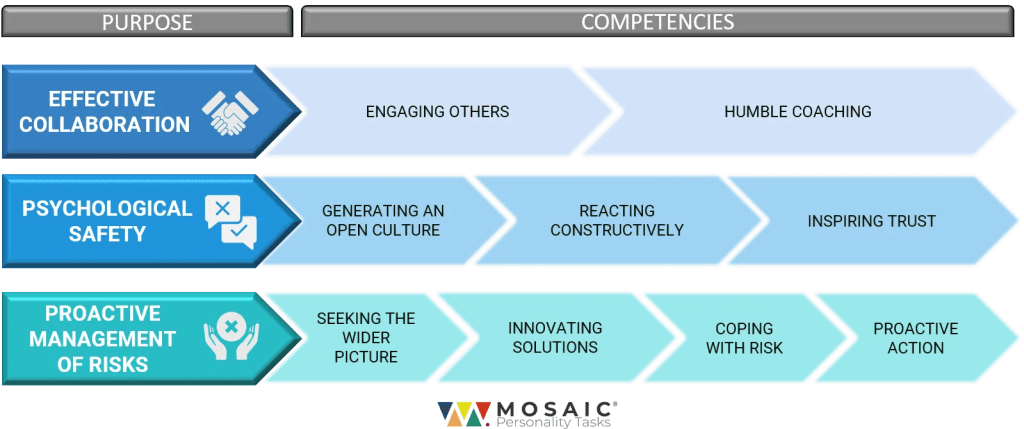
ISO 45003 is indeed a standard that provides guidance on managing psychological health and safety in the workplace. As an experienced EHS professional, you can play an active role in implementing this standard and promoting mental health in the workplace. Here’s how you can go about it:

  1. Understand ISO 45003: Start by thoroughly understanding the ISO 45003 standard. Familiarize yourself with its requirements and recommendations for managing psychological health and safety at work.
  2. Risk Assessment: Use your EHS expertise to conduct a comprehensive risk assessment of your workplace. Identify potential sources of stress, anxiety, and other mental health-related risks. This could involve factors like job demands, organizational culture, work-life balance, and social support.
  3. Mental Health Policies: Work with your organization to develop and implement policies and procedures that address mental health issues. These policies should aim to create a psychologically safe and healthy work environment.
  4. Training and Awareness: Organize training sessions and awareness programs for employees and management. Ensure that they understand the importance of mental health, recognize the signs of mental health issues, and know how to seek help.
  5. Employee Assistance Programs: Advocate for the establishment of Employee Assistance Programs (EAPs) or similar support systems. These programs can provide confidential counseling and support for employees facing mental health challenges.
  6. Communication: Promote open and honest communication within the organization. Encourage employees to discuss their mental health concerns without fear of stigma or discrimination.
  7. Monitoring and Evaluation: Implement systems to monitor and evaluate the effectiveness of your mental health initiatives. This could involve surveys, feedback mechanisms, and regular assessments.
  8. Supportive Leadership: Collaborate with management to ensure that leaders are supportive and understanding of employees’ mental health needs. Leadership plays a crucial role in setting the tone for the workplace culture.
  9. External Resources: Consider partnering with external mental health organizations or experts to enhance your organization’s mental health initiatives. They can provide valuable insights and guidance.
  10. Continuous Improvement: Mental health is an evolving field. Stay updated on the latest research and best practices. Adapt your strategies to meet the changing needs of your workforce.
  11. Promote a Work-Life Balance: Encourage and support a healthy work-life balance. This can help reduce stress and prevent burnout.
  12. Engage Employees: Involve employees in the process. Seek their input and feedback on mental health initiatives, and empower them to take an active role in supporting their own well-being.

By applying your EHS knowledge and experience, one can help create a workplace that prioritizes mental health and well-being. ISO 45003 provides a valuable framework to guide your efforts, but remember that promoting mental health is an ongoing process that requires dedication and a commitment to fostering a supportive and caring workplace culture.

If you or someone you know is experiencing these signs consistently, it’s essential to seek help from a mental health professional. The increasing awareness of mental health is a positive development, as it encourages early intervention and support for those who need it.

Positive Safety – Building a Safer Workplace.

Positive safety is an approach that fosters a culture where everyone actively identifies and mitigates hazards. It’s based on the belief that safety is an opportunity for improvement, not just a regulatory burden.

To achieve positive safety:

l.
  1. Leadership Commitment: Senior leaders must visibly prioritize safety, allocate resources, and hold employees accountable.
  2. Empower Employees: Create an environment where employees feel safe reporting concerns without fear of reprisal.
  3. Training and Development: Ensure employees are well-trained in safety procedures and continually updated.
  4. Continuous Improvement: Regularly review and enhance safety programs and procedures.

Specific actions to promote positive safety include regular safety meetings, safety observation programs, and recognizing safe behavior.

Moving to Excellence

To transition from compliance to excellence, organizations need a proactive approach:

  1. Assess Current Safety Culture: Understand your organization’s current approach to safety and employee attitudes.
  2. Identify Improvement Areas: Target areas such as leadership commitment, employee empowerment, training, and continuous improvement.
  3. Develop an Improvement Plan: Create a specific, measurable, achievable, relevant, and time-bound (SMART) plan.
  4. Implement the Plan: Put the plan into action, make changes, provide additional training, and empower employees to report hazards.
  5. Sustain Improvement: Maintain progress through continuous monitoring, regular training, and celebrating safety successes.

Positive Safety in Different Aspects

Positive safety encompasses physical, psychological, social, and emotional safety:

  • Physical Safety: Ensure safe workplaces, equipment, and procedures.
  • Psychological Safety: Create a supportive environment where employees feel safe to speak up.
  • Social Safety: Promote diversity, inclusion, and a sense of belonging.
  • Emotional Safety: Encourage empathy, understanding, and compassion.

By intertwining the eight principles of positive safety, organizations create a culture where everyone is committed to safety and values social, emotional, psychological, and physical safety.

Eight Principles of Positive Safety Culture (Moving from Pathological, Calculative, Reactive to Proactive Safety Culture).

  1. Stronger Foundation: Clear safety goals, policies, and resources for employees.
  2. Simplicity (Keep it simple, Stupid): Easy-to-understand safety programs and procedures.
  3. Data Leads to Decisions: Using data to identify and address hazards.
  4. Leadership Accumen and Vision: Demonstrating visible commitment to safety and far sightedness to see things that are not visible.
  5. Active Caring: A culture of support and open communication.
  6. Curiosity / Inquisitiveness : Openness to new safety approaches and ideas.
  7. Making a Deep Impact: Setting ambitious safety goals and tracking progress to shift situation.
  8. Celebrating Success and rewards: Recognizing and celebrating safety achievements and rewards.

Cost in Compliance vs. Currency in Excellence (As seen in Reactive Culture vs as experienced in proactive culture).

“Cost in compliance” views safety as an expense to meet regulations, while “currency in excellence” sees it as an investment with returns. The latter approach results in reduced costs, improved morale, increased productivity, a better reputation, and a competitive edge.

By shifting from a compliance-focused mindset to one that values safety as currency in excellence, organizations can create safer and more prosperous workplaces.

Image copyright: World wide Web courtesy.

Checklist for Everything? Seriously?

There is a new craze of doing everything through checklists! I wonder why?

The attachment to the checklist way of doing tasks can be attributed to several factors, some of which are as follows:

  1. Consistency and Standardization: Checklists provide a structured and consistent approach to tasks. They ensure that essential steps or items are not overlooked, which is crucial in fields like healthcare, aviation, and EHS where errors can have severe consequences.
  2. Reduced Cognitive Load: Checklists help reduce the cognitive load on individuals. They don’t need to remember every step or detail, which is especially valuable in high-stress or complex situations. This is often referred to as “cognitive offloading.”
  3. Training and Onboarding: Checklists are useful for training and onboarding new employees or professionals. They serve as a clear guide for what needs to be done, helping newcomers get up to speed quickly.
  4. Documentation and Accountability: Checklists serve as a record of what was done, which is vital for compliance, auditing, and quality control. They provide accountability by specifying who is responsible for each task.
  5. Risk Mitigation: In fields with high-risk factors, like surgery or aviation, checklists are critical for risk mitigation. They ensure that crucial safety measures are followed consistently.
  6. Efficiency: Checklists can streamline processes and make them more efficient. They are particularly valuable in tasks with many repetitive steps.
  7. Psychological Comfort: Knowing that a checklist is in place can provide a sense of security and confidence, reducing anxiety about missing important steps.

However, it’s essential to strike a balance. Overreliance on checklists, can lead to a lack of critical thinking and situational awareness. People might merely “tick the boxes” without fully understanding the context. It’s crucial to encourage professionals to use checklists as a tool but not as a replacement for their expertise and judgment. They should always be open to adapting to unexpected situations that may not be covered by a checklist.

Advantages of Using Checklists for EHS Activities:

  1. Standardization: Checklists provide a structured and standardized approach to EHS inspections, ensuring that key items are consistently covered.
  2. Documentation: They serve as a clear record of what was checked, helping in compliance reporting and auditing.
  3. Training Tool: Checklists can be valuable for training new EHS professionals or employees as they clearly outline what to look for and evaluate.
  4. Efficiency: They can help in streamlining the inspection process, making it more efficient, and reducing the chances of missing critical items.
  5. Risk Reduction: By systematically checking items, checklists can help identify potential hazards and risks, aiding in their mitigation.
  6. Accountability: Checklists can assign responsibility for specific tasks or areas, making it clear who is responsible for what.

Disadvantages of Using Checklists for EHS Activities:

  1. Overreliance: As mentioned, there’s a risk of overreliance on checklists, leading to a lack of critical thinking and situational awareness. Some inspectors may merely “tick the boxes” without fully understanding the risks.
  2. Narrow Focus: Checklists can be too prescriptive, potentially missing out on emerging risks or unique situations not covered in the list.
  3. Complexity: In complex EHS scenarios, checklists may not adequately address all the variables and nuances involved.
  4. Lack of Flexibility: They may not adapt well to changing conditions, making them less effective in dynamic environments.
  5. Time-Consuming: Elaborate checklists can be time-consuming, and this might discourage frequent inspections.
  6. Ineffectiveness in Decision-Making: Checklists are primarily for data collection, and they might not always help in making critical decisions during emergencies.

In EHS line of work, it’s crucial to strike a balance between the advantages of standardization and documentation that checklists offer and the disadvantages related to overreliance and a narrow focus. It might be helpful to complement checklists with regular training on situational awareness and critical thinking to ensure that inspectors don’t lose these essential skills.

The best mix for carrying out tasks (Audits/ Inspections/ Walkthrough) in the field of Environment, Health, and Safety (EHS) typically involves a combination of checklists, observations, and interviews. This balanced approach ensures a comprehensive assessment of EHS compliance and effectiveness. Here’s a suggested mix:

  1. Checklists: (As discussed above)
    • Advantages: Checklists provide a structured and systematic way to ensure that critical EHS elements are not overlooked.
    • When to Use: Use checklists to cover standard, routine, and well-defined EHS parameters. They are especially effective for repetitive inspections where compliance with specific regulations and best practices is essential.
  2. Observations:
    • Advantages: Direct observations allow you to see conditions and behaviors in real-time, providing insights into actual practices.
    • When to Use: Observations are best for assessing the implementation of EHS policies, procedures, and controls. They are particularly useful when there is a need to assess the effectiveness of safety measures and the overall safety culture.
  3. Interviews:
    • Advantages: Interviews facilitate communication with employees and stakeholders, allowing you to gain their perspective on EHS practices.
    • When to Use: Interviews are valuable for obtaining qualitative information, understanding employee perceptions, and identifying potential gaps in safety practices. They can be used to gather insights on safety culture and individual experiences.

Balancing the Mix:

  • Preparation: Start with checklists as they provide a structured framework. These can serve as a baseline for your tasks (inspection or audit.
  • Observations: Conduct observations to assess real-world conditions and behaviors. This is an opportunity to see if what is documented in the checklists matches what is happening in practice.
  • Interviews: Use interviews as a means to engage with employees, gather their feedback, and understand their experiences. This can help uncover issues that might not be apparent through checklists or observations alone.

Remember that the mix can vary depending on the specific EHS activity and the context. In complex or high-risk environments, you might lean more on observations and interviews to gain deeper insights. It’s important to keep the mix flexible and adaptable to the unique circumstances of each inspection or audit. Additionally, ensure that your approach aligns with the objectives of the tasks, whether it’s compliance, risk assessment, or continuous improvement.

Selling a Safety Idea, How to go about?

One of the challenge these tough days is to sell an idea to the organisation management to get an approval for impelemtnation. More so, in Safety (EHS), this is more challenging given that many leaders, now a days (For no fault of theirs) see EHS as a necessary evil. In such circumstances, how can EHS professionals work their way to sell an idea/ product/ intervention that would make the work place more productive and effective.

Let’s explore:-

List of key traits/points to consider by EHS Professionals:-

  1. Understanding of the Business: A strong grasp of the company’s operations, goals, and culture is essential. This helps tailor your presentation to align with the company’s specific needs and objectives.
  2. Data-Driven Approach: Use hard data and statistics to support your case. Show how your EHS proposal will impact the bottom line, reduce risks, and improve overall efficiency.
  3. Clear Communication: Effective communication skills are crucial. Present your ideas clearly and concisely, avoiding jargon. Use visuals, charts, and graphs to simplify complex information.
  4. Risk Assessment: Conduct a thorough risk assessment and identify potential consequences. Explain how your proposal mitigates these risks and prevents costly incidents.
  5. Regulatory Knowledge: Stay up-to-date with relevant EHS regulations and compliance standards. Highlight how your proposal ensures compliance and avoids legal issues.
  6. Cost-Benefit Analysis: Articulate the financial implications of your proposal. Discuss not just the costs but also the long-term benefits and ROI (Return on Investment).
  7. Engagement Skills: Engage your audience by explaining how the proposal aligns with the company’s values, mission, and long-term sustainability.
  8. Problem-Solving: Anticipate questions or objections and be prepared to address them. Show that you’ve thought through potential challenges and have solutions in place.
  9. Stakeholder Involvement: Demonstrate how employees at all levels will be involved in the implementation of the EHS idea. This can build buy-in from the start.
  10. Storytelling: Craft a compelling narrative to convey the importance of the EHS idea. Use real-life examples or case studies to illustrate its impact.
  11. Leadership Traits: Traits such as confidence, resilience, and determination are important. Leadership believes in those who are confident in their proposals.
  12. Adaptability: Be open to feedback and willing to adjust your proposal based on the leadership’s input. Flexibility can make your proposal more appealing.
  13. Passion and Conviction: Show your genuine passion for EHS. Leaders are more likely to support initiatives that they believe you’re deeply committed to.

Remember,when presenting, focus on the benefits of your EHS proposal not just in terms of safety, but also its broader impact on the organization. Facts, data, and clear communication will be your best friends in convincing leadership. Additionally, stay informed about the latest EHS trends and technologies, which can give your proposals an edge.

How to Judge Organisation climate to make the above aspects work:-

Understanding the culture, climate, and personalities of the leaders you need to convince to buy into a safety idea is crucial for a successful presentation. Here’s how safety professionals can gain this understanding:

1. Research and Observation:

  • Company Culture: Research the company’s culture by reading company materials, annual reports, and employee feedback. Observe how safety is currently perceived and addressed.
  • Leadership Style: Study the leadership style of key decision-makers. Are they hands-on or more hands-off? Do they value innovation, cost-cutting, or employee well-being?
  • Company Values: Understand the core values of the organization. How do they align with safety principles? If safety is one of their core values, it’s a strong point in your favor.

2. Engage in Conversations:

  • Networking: Attend company events and network with employees at all levels. This will give you insights into the company’s atmosphere and values.
  • One-on-One Meetings: If possible, schedule one-on-one meetings with leaders to understand their perspectives on safety. Ask about their experiences and concerns.

3. Tailor Your Approach:

Adapt to Their Personality: Different leaders have different personality traits. Some are data-driven, some value people skills, and others prioritize strategic thinking. Tailor your presentation to resonate with their preferences.

Speak Their Language: Use terminology and metrics that are relevant to their roles and responsibilities. For example, financial leaders may be more interested in ROI, while HR leaders may focus on employee well-being.

4. Identify Pain Points:

  • Listen Actively: When you engage with leaders, listen actively to identify their pain points. What keeps them awake at night? How can your safety proposal address these concerns?
  • Customize Solutions: Show how your safety idea can directly solve or alleviate their specific challenges. This makes your proposal more compelling.

5. Build Alliances:

  • Supporters within the Leadership: Identify potential allies among the leadership who already support your safety idea. They can help you navigate organizational politics and advocate on your behalf.

6. Demonstrate Business Impact:

  • Link Safety to Business Goals: Highlight how your safety proposal aligns with the company’s overall objectives, such as profitability, reputation, or market share.
  • Show the ROI: Use data to demonstrate the financial benefits of your safety idea. Leaders are more likely to support initiatives with a clear return on investment.

7. Continuous Engagement:

  • Stay Connected: Don’t limit your interactions to the presentation. Keep leaders informed of the progress of your safety initiatives. Share success stories and demonstrate the positive impact.

8. Anticipate Objections:

  • Prepare for Questions: Anticipate potential objections or questions that leaders may have. Be ready with well-reasoned responses to address their concerns.

Remember, building relationships and trust with leadership is a gradual process. It’s about demonstrating that your safety proposal not only ensures the well-being of employees but also aligns with the organization’s success. Being adaptable and a good communicator is key when dealing with leaders of diverse personalities and priorities.

Silent Majority–>Never Speaks Up!

Encouraging employee participation in workplace safety is a critical aspect of creating a safer work environment. The phenomenon of majority of employees remaining silent on safety issues is indeed global, and there are several reasons for it:

  1. Fear of Retaliation: Many employees fear that if they speak up about safety concerns, they may face retaliation from their superiors or colleagues. This fear can be a significant deterrent to speaking up.
  2. Lack of Confidence: Some employees may lack the confidence to voice their opinions, especially if they don’t feel they have the necessary knowledge or authority.
  3. Bystander Effect: In group settings, the diffusion of responsibility can occur. Employees may assume that someone else will report the issue, leading to a collective silence.
  4. Cultural and Hierarchical Factors: In some cultures, there is a strong respect for authority, and questioning superiors is not encouraged. Hierarchical organizations may stifle open communication.

To address these challenges and encourage employees to speak up on safety issues, organizations should take these steps:

  1. Open Communication Channels: Create multiple avenues for employees to report safety concerns, such as anonymous hotlines, suggestion boxes, or direct conversations with supervisors.
  2. Safety Training: Provide comprehensive safety training that empowers employees with knowledge about potential hazards and how to address them. This can boost their confidence in speaking up.
  3. Non-Retaliation Policies: Implement and enforce strong non-retaliation policies to assure employees that reporting safety concerns won’t have negative consequences.
  4. Safety Culture: Promote a culture of safety where everyone is responsible for identifying and mitigating hazards. Recognize and reward employees who actively participate in safety efforts.
  5. Leadership Involvement: Leaders should lead by example and actively engage with employees on safety matters. Their commitment can set the tone for the organization.
  6. Regular Feedback: Provide regular feedback to employees about the actions taken in response to their safety concerns. This demonstrates that their input is valued.
  7. Continuous Improvement: Encourage a mindset of continuous improvement, where employees are encouraged to suggest safety enhancements and process changes.

The key is to create an environment where employees feel safe, informed, and empowered to speak up about safety issues. It’s a gradual process that requires ongoing commitment from leadership and a strong safety culture throughout the organization.

How external facilitators/ safety consultants can help to overcome this situation?

The lack of a questioning attitude among employees, even at the mid-managerial level, can be a common issue in many organizations. Here are some steps that can help overcome this challenge, although it’s a long process:

  1. Cultivate a Culture of Psychological Safety: Employees should feel safe to ask questions, express concerns, or challenge existing norms without fear of retribution. Leaders play a crucial role in creating such a culture.
  2. Lead by Example: As a consultant with extensive experience, they know that leadership sets the tone. Encourage senior leaders and managers to openly question decisions, processes, and provide space for dissenting voices.
  3. Training and Development: Conduct training programs to enhance critical thinking and questioning skills. This can be part of their EHS consultancy, where they emphasize the importance of a questioning attitude in safety management.
  4. Feedback Mechanisms: Implement systems for anonymous feedback or suggestion boxes to allow employees to raise concerns without revealing their identity. Ensure these concerns are taken seriously.
  5. Reward Curiosity: Recognize and reward employees who ask insightful questions or propose innovative solutions. This reinforces the idea that questioning is valued.
  6. Communication Channels: Create open and accessible communication channels where employees can reach out to higher management. Regular town hall meetings, surveys, or one-on-one sessions can serve this purpose.
  7. Continuous Improvement: Stress the importance of continuous improvement. Encourage teams to identify areas for improvement and provide resources to address these concerns.
  8. Diversity and Inclusion: Diverse teams often bring different perspectives. Encourage diversity in hiring and ensure that all voices are heard.
  9. Time and Patience: Changing a culture takes time. Consistency in these efforts, combined with leadership commitment, will gradually foster a culture of inquiry.
  10. Measuring Progress: Regularly assess the organization’s culture regarding questioning attitudes. Use surveys and feedback to track improvements and address any setbacks.

Remember, it’s essential for both safety and overall organizational effectiveness to have a culture that values questions and critical thinking. It may be a long journey, but the benefits are worth the effort.

Work as Intended vs Done->Accident

I was going through the book “Safety I and Safety II” by Erik Hollnagal. He brings in a chart below. Tod Conklin too touches on this in his lectures. Black line is how management thinks how work happens / should happen as per SOP etc., Blue line is how work gets done by worker based on situation. 

Which lead me to ponder on the aspect!

“Work as Imagined” and “Work as Done” are concepts often discussed in the field of Environment, Health, and Safety (EHS) and are crucial for understanding the factors that can lead to accidents in the workplace.

  1. Work as Imagined (WAI): Work as Imagined represents the ideal or planned way of doing a task or job. It’s how procedures, guidelines, and safety measures are designed on paper or in theory. In WAI, everything is planned and executed perfectly, with all safety precautions in mind. This is often the result of careful planning and consideration of best practices.

  2. Work as Done (WAD): Work as Done, on the other hand, is the real-world execution of tasks by workers. It might deviate from the ideal or planned way of doing things due to various factors. WAD considers the actual, practical, and sometimes improvisational aspects of work. Workers may adapt to the situation, encounter unexpected challenges, or even take shortcuts.

Now, the connection to hazards and accidents:

Accidents often occur when there’s a mismatch between WAI and WAD. Here’s how:

  • Complacency: Workers may become complacent or overconfident, assuming that the work will proceed as planned (WAI), and neglect safety precautions when executing tasks (WAD).

  • Pressure and Time Constraints: In real-world situations, workers might face pressure to meet deadlines or cut corners to save time. This can lead to deviations from the planned safety procedures.

  • Lack of Training: Sometimes, employees may not be adequately trained or informed about the ideal way of performing tasks (WAI), leading to unsafe practices in the field (WAD).

  • Inadequate Communication: If there’s a gap in communication between planners/designers (WAI) and the workers (WAD), critical safety information may not be effectively conveyed, leading to potential hazards.

  • Unforeseen Circumstances: The real world is unpredictable. Workers may encounter unexpected situations and hazards that weren’t considered in the initial planning (WAI).

To prevent accidents, it’s essential for EHS professionals to bridge the gap between WAI and WAD. This involves regular safety training, open communication, adapting safety procedures to the real world, and constant monitoring of how work is actually being done. It’s a dynamic process aimed at ensuring that the way work is executed aligns with the intended safety measures. This can significantly reduce the risk of accidents in the workplace.

Management/ Managers are also responsible for this ?

It’s not uncommon for leaders and managers to inadvertently create procedures that make “Work as Imagined” (WAI) impractical for workers. This can lead to several issues and challenges in the workplace:

  1. Bureaucracy and Red Tape: Excessive rules and procedures can create a bureaucratic environment where workers are bogged down by paperwork and administrative tasks. This can make it difficult for them to efficiently carry out their tasks as envisioned in WAI.

  2. Lack of Flexibility: Overly rigid procedures may not account for the dynamic nature of work. Workers might find it impractical to follow a strict set of guidelines when they need to adapt to changing conditions or unforeseen challenges.

  3. Disconnect from Reality: Procedures developed by leaders and managers are often based on a conceptual understanding of the work. They may not fully consider the practical, on-the-ground realities and challenges that workers face, making WAI out of touch with WAD.

  4. Unrealistic Expectations: Leaders and managers sometimes set unrealistic expectations, such as tight timelines or workloads, which can force workers to take shortcuts or compromise on safety to meet those expectations.

  5. Complexity: Procedures that are overly complex can be impractical for workers to understand and follow. This complexity can lead to confusion and errors.

  6. Resistance and Non-compliance: When workers find procedures to be impractical, they may be more inclined to resist or even bypass them to get the job done, leading to potential safety risks.

  7. Morale and Job Satisfaction: Impractical procedures can negatively impact employee morale and job satisfaction. Workers may feel frustrated or demotivated when they believe they are being asked to do something that doesn’t make sense or is overly burdensome.

  8. Waste of Resources: When procedures are impractical, it can lead to a waste of time and resources. Workers may spend more time navigating convoluted processes rather than focusing on the task at hand.

To mitigate these issues, leaders and managers should aim for a balance between ensuring safety and operational efficiency. This can be achieved by:

  • Involving workers in the procedure development process to get their input and insights.
  • Regularly reviewing and updating procedures to ensure they reflect real-world conditions.
  • Providing adequate training to ensure that workers understand and can effectively implement the procedures.
  • Encouraging open communication so that workers can report issues or suggest improvements in the procedures.
  • Monitoring and assessing the impact of procedures on productivity and safety to make necessary adjustments.

Ultimately, the goal is to have procedures that align with both safety objectives (WAI) and the practical realities of the workplace (WAD). This can lead to a safer, more efficient, and more satisfying work environment.

+++++++

How to determine a foolproof system to allow as less a gap between Work as Imagined vs Acutally done. The following Safety Measures/ essential controls, could be worked in descending order.

Prioritizing these 24 safety measures as controls, in a descending order based on practicality and risk is a prudent approach since resources and attention need to be allocated where they will have the most significant impact. Here’s a prioritized list:

  1. Risk Assessments: Understanding and assessing risks is the foundational step for prioritizing safety measures.
  2. Training and Education: Well-trained workers are better equipped to recognize and mitigate risks.
  3. Safety Procedures: Clear procedures are essential for guiding safe work practices.
  4. Emergency Response Plan: Immediate response to emergencies can mitigate the impact of incidents.
  5. Regular Inspections: Frequent inspections help identify and address safety deficiencies.
  6. Machine Guards: Protecting against contact with moving parts is a high priority.
  7. Supervision and Oversight: Competent supervision ensures safety protocols are followed.
  8. Personal Protective Equipment (PPE): Wearing PPE when needed provides immediate protection.
  9. Fall Protection: Necessary for work at heights to prevent severe injuries.
  10. Safe Equipment: Ensuring machinery is in good working order is vital.
  11. Ventilation: Controls exposure to harmful substances like fumes and dust.
  12. Hazardous Material Handling: Safely managing hazardous materials is crucial.
  13. Electrical Safety: Ensuring electrical safety is a high-risk reduction measure.
  14. Behavior-Based Safety Programs: Promoting a safety culture is valuable for long-term risk reduction.
  15. Incident Reporting: Prompt reporting helps address emerging hazards.
  16. Environmental Controls: Protecting against environmental hazards is significant.
  17. Continuous Improvement: Ongoing improvement maintains safety effectiveness.
  18. Health and Wellness Programs: Healthy workers are generally safer workers.
  19. Compliance with Regulations: Ensuring regulatory compliance is important for risk avoidance.
  20. Safety Signage: Clear signage is valuable for communication and awareness.
  21. Safe Work Practices: Promoting safe work habits reduces the risk of incidents.
  22. Safety Committees: Involving workers in safety decisions builds a strong safety culture.
  23. Noise Control: Reducing noise-related health risks is necessary.
  24. Environmental Controls: Protecting against environmental hazards is significant.

Keep in mind that the priority order may vary based on the specific industry, workplace, and the nature of the work being conducted. It’s important to regularly assess and reassess priorities to adapt to changing circumstances and emerging risks. Additionally, some safety measures are foundational and should be addressed in parallel with more specific measures to ensure a comprehensive safety program.

Concluding Thoughts: The priority should be to align WAI with WAD as closely as possible. This alignment involves factors like clear communication, worker involvement, training, and a culture of safety. By reducing the gap between WAI and WAD, organizations can significantly enhance workplace safety. It’s not only about designing safe procedures but also ensuring that they are practical and effective in real-world situations. Safety is about balancing the best practices (WAI) with the realities of the work environment (WAD) to minimize risks and accidents.

Can Marriage Success be understood by Divorce Rates? Then Why Safety, by Accident rates?

Is it possible to understand how happy is marriage /married life is from analyzing / Understanding from Divorce rates alone? (Marie De Vos Netherlands).

is thought-provoking and aligns with the point regarding the complexity of assessing the success or happiness of a marriage based solely on divorce rates.

Marriage, like safety performance, is a multifaceted aspect of life. Divorce rates provide only a quantitative measure, showing the number of divorces, but they don’t reveal the underlying emotional, psychological, or social factors that contribute to the overall happiness or success of individual marriages.

To truly understand the quality of a marriage or the effectiveness of safety performance at a site, a more comprehensive analysis is needed, one that considers various aspects and indicators beyond a single quantitative measure. In both cases, the well-being, culture, communication, and individual experiences play vital roles in assessing the overall situation accurately.

Let us compare Married life vs Safety Performance:-

  1. Marriage Success vs. Divorce Rates:
    • Marriage success is a deeply personal and multifaceted concept. It involves emotional, psychological, and social factors. A successful marriage is one where the individuals involved are happy, satisfied, and fulfilled in their relationship.
    • Divorce rates, on the other hand, are a statistical measure of the number of divorces in a given population over a specific period. While high divorce rates might indicate some issues, they don’t provide a complete picture of individual happiness or the quality of marriages.
  2. Safety Performance vs. Accident Rates:
    • Safety performance at a workplace is similarly complex. It encompasses a range of factors, including the effectiveness of safety protocols, employee training, safety culture, and the prevention of accidents or incidents.
    • Accident rates are a quantitative measure of safety performance. They represent the number of accidents or incidents that have occurred over a specific period. However, they don’t provide a holistic view of safety performance.
  3. Why Accident Rates Alone Aren’t Sufficient:
    • Safety performance should be assessed using a broader set of indicators. This includes near misses, employee engagement in safety programs, adherence to safety procedures, and continuous improvement in safety measures.
    • A low accident rate might indicate good safety performance, but it doesn’t guarantee that the workplace is truly safe. It’s possible that accidents are being underreported, or safety measures are just meeting minimum compliance standards.
  4. The Role of Safety Culture:
    • Safety culture, similar to the emotional dynamics in a marriage, plays a vital role. A positive safety culture encourages employees to report near misses, identify hazards, and actively participate in safety initiatives.
    • Just as a harmonious and supportive relationship contributes to a successful marriage, a strong safety culture is key to a site’s safety performance.
  5. Finally:-
    • Preventive Measures: Just as a successful marriage involves preventive measures like communication and therapy to resolve issues before they lead to divorce, safety at a site requires proactive measures to prevent accidents, such as risk assessments and continuous improvement.
    • Continuous Improvement: Both marriage and site safety benefit from a commitment to continuous improvement. A couple might seek counseling to improve their relationship, while a site should continuously analyze incidents, conduct safety audits, and adapt safety procedures.

In summary, measuring the safety performance of a site solely based on accident rates is akin to assessing the success of a marriage solely by divorce rates. Both require a more comprehensive evaluation that considers various aspects, including culture, communication, and individual experiences. To gauge safety accurately, it’s essential to look beyond accident numbers and focus on the overall well-being of employees and the effectiveness of safety measures. The analogy further highlights the importance of looking beyond surface-level statistics and considering a broader range of factors to evaluate both marriage success and site safety. Both require a deep understanding of underlying issues and proactive efforts to prevent undesirable outcomes.

Karthik

18th October 2023.

Situational Leadership (EHS perspective)

I read yesterday with Dismay the Wall Street article on bp Toldeo explosion of September 2022 in which 2 employees were killed. Both were brothers. This is 3red serious incident in bp history and made me wonder about Situational leadership. The accident was a result of many leadership decisions at site level, business level and corporate level. (Details are in article which I wont go through example being outdated procedures, old equipment, poor maintenance norms, thought of selling off the refinery etc!).

Situational Leadership :-(EHS Standpoint)!

Situational Leadership, especially from a safety standpoint, is a flexible leadership approach that emphasizes adapting your leadership style to the specific situation or needs of your team members. It’s particularly relevant in the context of Environment, Health, and Safety (EHS) because different safety situations may require varying degrees of guidance and support.

Here’s a brief overview of how Situational Leadership applies to safety and how followers align with it:

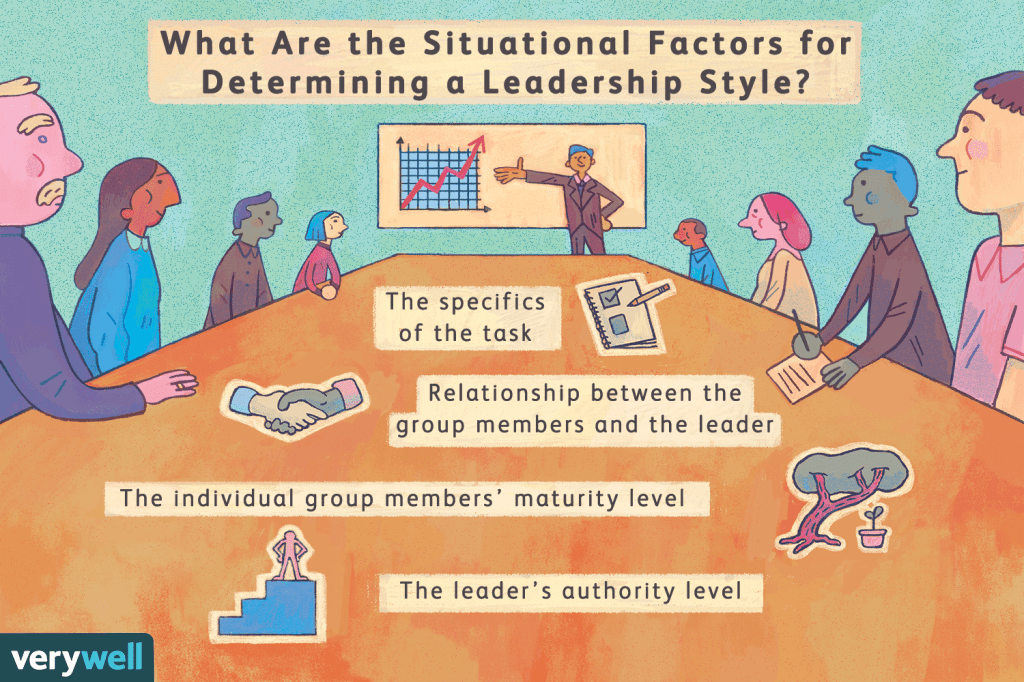
  1. Assess the Situation: In safety, leaders must first assess the situation. Is it a routine task, or is it a high-risk activity that requires strict safety measures? Understanding the safety context is crucial.
  2. Matching Leadership Styles: Based on the situation, leaders can adopt different leadership styles. This can range from being highly directive in high-risk situations, where clear safety protocols must be followed, to being more delegative when dealing with routine tasks.
  3. Aligning with Followers: Followers in the EHS field align with situational leadership by understanding that their safety leader’s approach can change based on the specific task. They must be receptive to the guidance and direction provided in high-risk scenarios and should be empowered to take more initiative when the situation allows.
  4. Clear Communication: Effective communication is key. Leaders need to clearly communicate safety expectations, procedures, and protocols to their team members. Followers should actively listen and seek clarification if needed to ensure they understand their roles in maintaining safety.
  5. Monitoring and Feedback: Situational leadership involves continuous monitoring of safety performance. Leaders should provide feedback, both positive and corrective, to followers. It’s important for followers to be open to feedback and actively work on improving safety practices.
  6. Adaptability: Both leaders and followers should be adaptable. Leaders should be ready to adjust their leadership style as the situation evolves. Followers should adapt their behavior to ensure safety is maintained effectively.

The alignment of followers with situational leadership in safety is crucial for maintaining a safe work environment. It allows for a dynamic and responsive approach to safety, ensuring that the right level of guidance and support is provided as needed, while also empowering team members to take responsibility for safety when appropriate.

Remember, the specifics of situational leadership in safety can vary depending on the industry and the unique risks associated with the tasks at hand. It’s essential for leaders to be well-versed in safety protocols and for followers to be proactive in adhering to those protocols.

Types of Situational Leaders and Followers:-

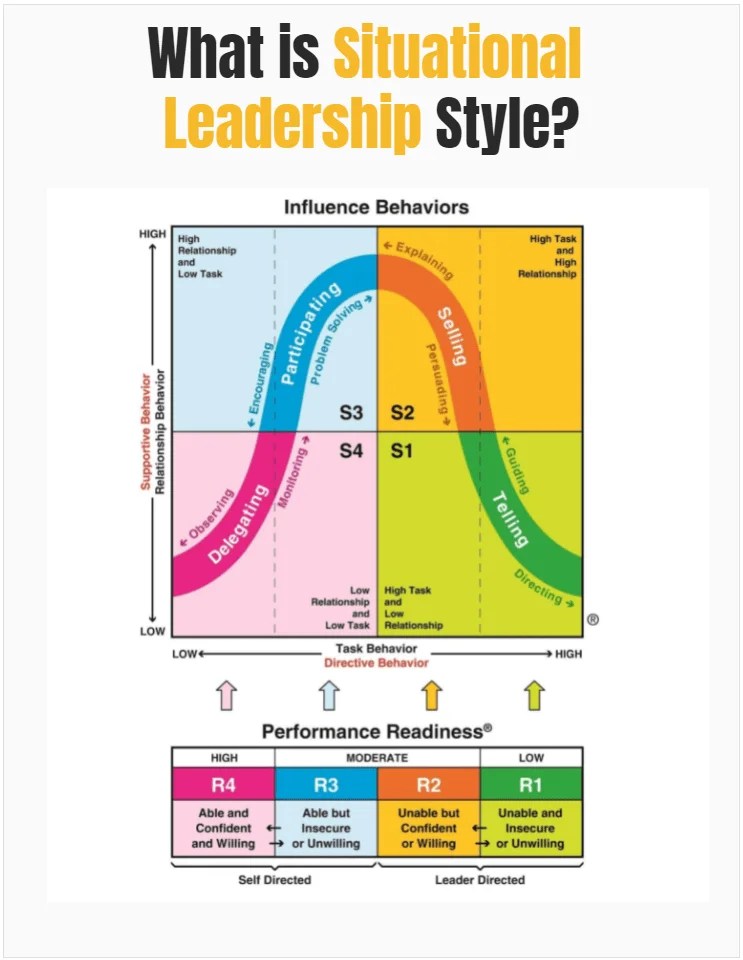
Situational leadership theory, developed by Paul Hersey and Ken Blanchard, identifies four primary types of situational leaders based on their leadership styles and the needs of their followers in a given situation. These types are often referred to as leadership styles or approaches. They are:

  1. Telling (S1 – Directing): In this style, leaders provide clear instructions, closely supervise, and make decisions for their followers. This approach is appropriate when followers are inexperienced or new to a task, and they need a high level of direction and guidance for safety and performance reasons.
  2. Selling (S2 – Coaching): Leaders using the Selling style still provide direction but also emphasize two-way communication. They explain decisions, solicit input, and offer support. This style is suitable when followers have some experience but may still require guidance and clarification.
  3. Participating (S3 – Supporting): In this style, leaders shift toward a more supportive role, focusing on listening to their followers and facilitating their decision-making. The Participating style is effective when followers are experienced and competent but may need encouragement and support.
  4. Delegating (S4 – Empowering): Leaders who use the Delegating style take a hands-off approach, allowing followers to take full responsibility for their tasks and decisions. This is appropriate when followers are highly skilled, experienced, and capable of self-management.

Remember, effective situational leadership involves regularly assessing and reassessing the situation and the readiness of followers to determine which style will be most effective at a given moment.

Followers can be classified based on their readiness and willingness to take on tasks and responsibilities. Paul Hersey and Ken Blanchard’s Situational Leadership model, which we discussed earlier, categorizes followers into four basic readiness levels. These readiness levels help leaders determine the appropriate leadership style to use. Here are the classifications of followers based on readiness:

  1. R1: Unable and Unwilling: These followers lack the knowledge, skills, and motivation for the task at hand. They are typically resistant or unenthusiastic about taking on new responsibilities. In this stage, leaders need to use a Telling (Directing) style to provide clear direction and close supervision to help followers get started.
  2. R2: Unable but Willing: Followers in this category have the motivation to tackle the task but lack the necessary knowledge and skills. They are open to guidance and support. Leaders should employ a Selling (Coaching) style, offering instruction, encouragement, and clarifications to build their competence.
  3. R3: Able but Unwilling: These followers have the skills and knowledge required for the task but may lack motivation or confidence. In this case, leaders should use a Participating (Supporting) style, engaging in two-way communication and providing support to boost their confidence and commitment.
  4. R4: Able and Willing: Followers in this category are both competent and motivated to complete the task independently. They are ready for self-directed work, and leaders should adopt a Delegating (Empowering) style, giving them the autonomy and freedom to make decisions.

Understanding where each follower falls in terms of readiness is essential for effective leadership, particularly in the context of safety. It allows leaders to tailor their approach to meet the specific needs of each individual or team, ensuring that safety is maintained while maximizing efficiency and productivity.

Remember that readiness levels are not static and can change as followers gain experience and grow in their roles. Leaders must continually assess their followers’ readiness and adapt their leadership styles accordingly.

Situational leadership can significantly contribute to the effectiveness of Health, Safety, and Environment (HSE) performance in a facility. Here’s how it achieves this:

  1. Adaptable Safety Leadership: Situational leadership recognizes that different situations within a facility may require different approaches to safety leadership. Leaders can tailor their leadership styles to the specific safety needs of each situation, ensuring that the right level of guidance and support is provided.
  2. Enhanced Safety Communication: Effective safety leadership involves clear and open communication. Situational leadership encourages leaders to actively communicate safety expectations and procedures to their team members. This transparency is crucial for maintaining a culture of safety within the facility.
  3. Improved Employee Engagement: By matching leadership styles to the readiness levels of employees, situational leadership helps in engaging and motivating employees to take ownership of safety. Employees feel more valued when their leaders adapt their approach to suit their needs, which can boost their commitment to safety.
  4. Tailored Training and Support: Leaders using situational leadership can identify which employees may need additional training or support in specific safety areas. This personalized approach can help fill gaps in knowledge and skills, reducing safety incidents.
  5. Risk Mitigation: The ability to switch between leadership styles ensures that the facility can adapt to changing safety risks. For high-risk tasks, leaders can adopt a more directive style to ensure safety protocols are strictly followed, while for routine tasks, a more delegative style can be used to empower employees.
  6. Continuous Improvement: Situational leadership promotes continuous assessment and adjustment. Leaders regularly evaluate their employees’ readiness levels and the effectiveness of their chosen leadership style. This allows for ongoing improvement in safety practices.
  7. Encouraging Proactive Safety: A situational approach to leadership empowers employees to take proactive steps to ensure safety. As employees become more capable and confident in their roles, leaders can delegate more responsibility for safety decisions to them, fostering a sense of ownership and vigilance.
  8. Flexibility in Safety Responses: In cases of safety incidents or emergencies, situational leadership enables leaders to adapt quickly and provide the necessary guidance and support. This flexibility can help minimize the impact of accidents and ensure an effective response.

In summary, situational leadership enhances HSE performance by aligning leadership styles with the readiness and needs of employees, fostering a culture of safety, and allowing for dynamic adaptability to changing safety requirements. This approach can lead to fewer incidents, improved safety awareness, and a more efficient facility-wide commitment to HSE principles.