Global EHS Performance in Manufacturing: Insights, Challenges, and Future Outlook 2025 (EU, USA, and India)

#241

My Final blog post of 2024. I am taking a break to spend quality time with son, daughter with their spouse, will be arriving for a month long vaccation from USA, this week. I will be back to blogging after 10th January 2025. I wish every one a Happy Prosperous and prodcutive -New Year 2025. 2024 was a great year for me, I am greatful. God bless.

Introduction
The evolution of Environmental, Health, and Safety (EHS) performance in manufacturing has been shaped by diverse regulatory, economic, and cultural factors. From the stringent frameworks of the EU and USA to India’s developing landscape, EHS practices reveal a mixed bag of successes, missed opportunities, and cautionary tales. As we approach 2025, uncertainties stemming from geopolitical tensions, economic slowdowns, and leadership changes demand a critical evaluation of past performance to chart a resilient future.


What Went Well

1. EU’s Progressive Regulations and Sustainability Focus
The EU maintained its leadership in EHS, driven by stringent regulations enforcement like the REACH (Registration, Evaluation, Authorisation, and Restriction of Chemicals) framework and the Green Deal. Initiatives such as circular economy adoption, net-zero emissions goals, and worker safety directives have created a culture of compliance and innovation.

  • Example: Germany’s integration of Industry 4.0 with EHS initiatives has enhanced predictive maintenance, reducing workplace accidents and emissions.
  • Key Insight: Strong enforcement, combined with incentives for green manufacturing, ensures sustained progress.

2. USA’s Balanced Approach and Technological Edge
The USA balanced regulatory demands with technological innovations. OSHA’s initiatives, combined with industry collaborations, have reduced fatality rates despite challenges like workforce shortages and supply chain pressures. AI-driven predictive analytics and IoT devices in manufacturing have enhanced hazard detection and reporting systems.

  • Example: DuPont and 3M have set benchmarks in chemical safety and employee engagement.
  • Key Insight: Integrating technology with existing EHS frameworks accelerates progress.

3. India’s Growing Awareness and Adaptation
In India, EHS awareness has significantly improved over the past decade. Campaigns like “Make in India” have brought focus to occupational safety and environmental sustainability. The adaptation of global standards (e.g., ISO 45001) by multinationals operating in India has raised the bar for domestic industries.

  • Example: The pharmaceutical and automotive sectors in Pune and Bangalore are adopting international EHS practices.
  • Key Insight: Building a compliance culture will be key to overcoming legacy challenges.

What Could Have Been Better

1. EU’s Bureaucratic Overreach
While the EU’s regulations are robust, compliance costs have burdened SMEs. The pace of legislative change often outstrips the ability of smaller firms to adapt, creating a compliance gap.

  • Impact: Small manufacturers are reluctant to innovate due to high operational costs.
  • Opportunity: Streamlining regulatory processes and providing subsidies can ensure inclusivity.

2. USA’s State-Level Variability
The decentralised regulatory framework in the USA has led to disparities in EHS enforcement. States with weaker governance lag in compliance, creating inconsistencies that impact national performance.

  • Impact: Gaps in reporting and enforcement, especially in non-unionised sectors.
  • Opportunity: Federal oversight and standardised training programs can bridge these gaps.

3. India’s Implementation Deficits
Despite better awareness, India continues to struggle with enforcement. Labour-intensive industries like textiles and construction frequently bypass safety norms due to cost and resource constraints.

  • Impact: High fatality and injury rates persist, damaging global competitiveness.
  • Opportunity: Strengthening audits, increasing penalties, and fostering worker education can improve compliance.

What Were the Disasters?

1. EU’s Energy Crisis and EHS Trade-Offs
The Ukraine war exposed Europe’s reliance on fossil fuels, (Russian Gas) causing energy shortages. Temporary rollbacks of environmental commitments—such as reopening coal plants—undermined EHS goals.

2. USA’s Manufacturing Accidents
Despite advanced systems, incidents like chemical spills and refinery fires in 2023 highlighted the limitations of current frameworks. Delayed maintenance and inadequate emergency planning were key culprits.

  • Example: A major incident at a Louisiana chemical plant resulted in fatalities and environmental damage.

3. India’s High-Profile Failures
India’s Bhiwandi fire and Vizag gas leak are stark reminders of the consequences of neglecting safety systems. These incidents eroded public trust and invited global criticism.


Future Outlook: EHS in 2025

1. Trump’s Policies and U.S. Manufacturing
When Donald Trump resumes office, a pro-business stance could prioritise deregulation, potentially impacting EHS enforcement. However, his focus on energy independence may bring innovations in clean energy manufacturing.

2. War and Geopolitical Tensions
The ongoing Ukraine war and potential conflicts in Asia will strain global supply chains. Manufacturers will need to adapt by reshoring operations and increasing resilience against disruptions, emphasising workforce safety and environmental sustainability.

3. Economic Slowdowns and Cost Pressures
Economic challenges may force manufacturers to cut corners, affecting EHS investments. Conversely, these pressures could accelerate technological adoption, such as AI-powered EHS solutions, to reduce costs while enhancing safety.

4. India’s EHS Leap
India’s focus on becoming a manufacturing hub under global scrutiny will push reforms. Increased foreign investments in green technologies and stricter compliance frameworks could transform the EHS landscape.


The Trump administration’s approach to the Occupational Safety and Health Administration (OSHA) and the Environmental Protection Agency (EPA) has been characterized by a shift towards deregulation and a focus on industry collaboration.

Occupational Safety and Health Administration (OSHA):

  • Leadership Appointment: Heather MacDougall, a former Amazon executive, is under consideration to lead OSHA. Her background suggests a potential emphasis on aligning regulatory practices with business interests.
  • Policy Direction: The administration is expected to pivot from an enforcement-centric approach to one that fosters cooperation with the business community. This includes prioritizing compliance assistance programs and expanding initiatives like the Voluntary Protection Programs.
  • Resource Allocation: Historically, the number of OSHA inspectors decreased during the previous Trump administration, leading to fewer inspections. A similar trend may continue, potentially resulting in reduced enforcement activity.

Environmental Protection Agency (EPA):

  • Leadership Appointment: Former Rep. Lee Zeldin has been nominated to lead the EPA. His selection indicates a commitment to swift deregulatory actions aimed at stimulating economic growth while maintaining environmental standards.
  • Regulatory Approach: The administration plans to continue or expand deregulatory policies from its first term, including rolling back regulations related to climate change and environmental protection. This may involve reducing the EPA’s budget and staff, thereby limiting its capacity for enforcement and scientific research.
  • State Authority: There is an anticipated shift towards granting states more control over environmental standards, potentially leading to varied enforcement across the country.

The Trump administration’s appointments and policy directions for OSHA and the EPA suggest a continued focus on deregulation, increased collaboration with industry, and a decentralization of authority to states. These changes are expected to impact the enforcement and development of health, safety, and environmental regulations.

Conclusion

The journey of EHS performance in manufacturing underscores a blend of successes, challenges, and opportunities. As 2025 looms, the focus must shift to resilience, adaptability, and innovation. For the EU, USA, and India, collaboration and shared learning can create a robust EHS culture that aligns safety, sustainability, and profitability.

Karthik

14th Dec 2024 930am.

When Business Shifts Derail (EHS) Safety: Lessons from M&A and Demergers in High-Hazard Industries

#240

In the intricate world of business dynamics, organisations often face transformative events such as mergers, acquisitions, divestitures, or demergers. While these moves may promise growth, synergy, or market competitiveness, they come with inherent risks that extend far beyond financial metrics. Among the most vulnerable pillars during such transitions is the Environmental, Health, and Safety (EHS) culture. For high-hazard industries dealing with chemicals, hazardous material transport, or significant environmental impacts, the derailment of EHS priorities can have catastrophic consequences.

The EHS Impact of Business Transitions

  1. Mergers and Acquisitions (M&A):
    When two organisations with differing EHS cultures merge, the lack of alignment on safety protocols, regulatory commitments, and operational standards can create gaps. Acquisitions often bring cultural clashes, where the acquiring company’s focus on financial goals may overshadow safety priorities.
  2. Divestitures:
    The divesting company may deprioritise EHS as the asset is prepared for sale, leading to deferred maintenance, compliance lapses, or reduced safety oversight. The buyer, meanwhile, may underestimate the safety challenges tied to the asset.
  3. Demergers:
    These transitions often lead to resource dilution, unclear responsibilities, and loss of institutional knowledge. As former colleagues become competitors, collaboration is replaced by self-preservation, further compromising EHS focus.
The EHS Culture: Fragile During Business Transitions

EHS culture thrives on consistency, commitment, and alignment. However, these qualities are severely tested during organisational upheavals. The focus on integration or separation often sidelines EHS priorities, especially when leadership fails to appreciate or commit to its strategic importance. Misalignments, cultural clashes, and resource reallocations can weaken the robust frameworks that EHS systems demand.

Key challenges during such transitions include:

  1. Misalignment of Priorities: When organisations merge, their EHS systems may operate on fundamentally different principles, creating gaps in compliance and practice.
  2. Lack of Leadership Commitment: New management teams may deprioritise EHS, viewing it as a compliance checkbox rather than a strategic necessity.
  3. Disrupted Communication: EHS teams rely on clear communication channels. Transitions can fracture these, leading to oversight of critical safety protocols.
  4. Loss of Institutional Knowledge: Departures of key EHS personnel during divestitures or demergers drain organisational expertise.
  5. Regulatory and Community Backlash: Poorly managed transitions may result in increased scrutiny from regulators and communities, further stressing operations.

Case Studies: Successes and Failures

Success Story: The Dow-DuPont Merger

In 2017, Dow Chemical and DuPont merged, creating one of the largest chemical conglomerates in the world. Recognising the potential EHS derailers, the companies:

  • Invested in Integration Planning: Both organisations conducted exhaustive reviews of their EHS systems, ensuring alignment with shared goals.
  • Appointed EHS Champions: A joint task force was created to oversee safety performance during the transition.
  • Focused on Communication: Regular updates and cross-training ensured employees were aware of new EHS standards and expectations.

The result was a relatively smooth transition, with minimal safety incidents during the integration period. The companies’ commitment to EHS was further evident when they later separated into Dow, DuPont, and Corteva, retaining strong safety systems within each entity.

Failure Story: BP’s Acquisition of Amoco

BP’s acquisition of Amoco in the late 1990s exemplifies how mismanagement of EHS during business transitions can lead to disaster. While the merger promised synergy, several factors led to EHS derailment:

  • Cultural Clashes: BP’s cost-cutting culture conflicted with Amoco’s safety-first approach.
  • Leadership Neglect: EHS was not prioritised at the executive level during integration.
  • Communication Gaps: Safety protocols were inconsistent, leading to confusion and non-compliance.

These issues culminated in several high-profile safety incidents, including the Texas City refinery explosion in 2005, which killed 15 workers and injured 180. Investigations revealed that BP’s post-merger safety culture had significantly eroded.

Broader Lessons: GE and its Demerger

General Electric’s decision to break up into three companies offers insights into managing EHS during demergers. GE’s proactive steps included:

  • Stakeholder Engagement: Communicating with employees, regulators, and communities to build trust.
  • Independent Audits: Ensuring each new entity had robust EHS systems tailored to its operational needs.
  • Retention of Talent: Efforts to retain key EHS personnel ensured continuity.

While the final outcomes are still unfolding, GE’s approach demonstrates the importance of methodical planning and relationship-building during demergers.

Failure: Bhopal Disaster Precursor

Before the catastrophic 1984 Bhopal gas tragedy, Union Carbide India Limited (UCIL) faced financial and operational challenges partly linked to divestiture pressures. The plant suffered from:

  • Deferred Maintenance: A cost-cutting measure that led to safety system failures.
  • Staffing Reductions: Critical safety oversight roles were reduced.
  • Knowledge Transfer Gaps: Senior managers were replaced without adequate knowledge sharing or continuity planning.

The disaster underscored how organisational decisions, even years before an incident, can have deadly consequences.

Other Industry Examples:
  1. Failure: Boeing-McDonnell Douglas Merger
    The cultural misalignment after the 1997 merger led to prioritisation of costs over quality, culminating in the 737 MAX crashes. Although this was not an EHS-specific issue, it highlighted the dangers of sidelining critical pillars like safety and quality during organisational transitions.
  2. Success: Hindustan Unilever-GlaxoSmithKline Merger
    Hindustan Unilever successfully integrated GlaxoSmithKline’s consumer healthcare division in 2020 by respecting the acquired company’s cultural practices, including safety standards. Transparent planning and consistent communication played key roles.

Key Takeaways for Organisations

  1. EHS Needs a Seat at the Table: EHS leaders must be involved in every stage of business transitions, from due diligence to execution.
  2. Cultural Integration is Critical: Aligning EHS values and practices across organisations prevents fractures that could lead to catastrophic failures.
  3. Communication is Non-Negotiable: Transparent and frequent communication ensures all stakeholders understand and adhere to EHS expectations.
  4. Leadership Matters: A strong, visible commitment to EHS from top management sets the tone for the organisation.
  5. Plan for the Long Term: Business transitions should account for the long-term sustainability of EHS systems, not just short-term compliance.

Personal Reflections

Having participated in acquisitions and demergers, I can attest to the energy-sapping nature of these processes. Building relationships, fostering trust, and maintaining open communication are indispensable but challenging tasks. Demergers, in particular, test one’s ability to navigate sensitive dynamics, as former colleagues may now act as competitors. Ensuring mutual respect and understanding of shared interests is crucial.

The stakes are even higher in high-hazard industries. Missteps can result in environmental damage, regulatory penalties, and loss of life. These transitions demand personal commitment, strategic foresight, and a relentless focus on safety.

Parting Thoughts…….

Business transitions are inevitable in today’s competitive landscape. However, they should not come at the expense of EHS or other critical pillars like quality and productivity. By learning from past successes and failures, organisations can better navigate these changes, ensuring that safety remains a non-negotiable priority.

What are your comments/ Thoughts?
Karthik

11/12/2024.

Breaking the Silence: Prioritising Mental Health in Workplaces and Beyond

#239

Mental Health: The Silent Crisis in Workplaces and Beyond

This morning, Lalitha went to NIMHANS, Bangalore’s premier mental health institution, accompanying a friend from outstation, seeking urgent psychological intervention. What she saw there was shocking: hundreds of people from all walks of life—rich, middle-class, and poor—desperately waiting for a chance to consult with a specalist doctor. The crowd spanned all age groups, from children as young as six to adults well into their forties and fifties.

And yet, the system stood woefully inadequate to meet the need. Appointments were unavailable for weeks. Families, often travelling from other cities, had no choice but to return home and wait for a day when they might get help. Her friend managed to get few preliminary discussions done; they may need to come again after few weeks for a final consultation with specialist. Such is the demand /supply gap.

This is not an isolated incident but a reflection of a larger crisis brewing in our society—mental health is crumbling under neglect, stigma, and systemic inadequacies.

If this is the reality in Bangalore, a city with relatively decent mental health awareness, what can we expect in smaller towns and rural areas? In India’s B- and C-grade cities, the lack of resources and awareness makes the problem even more daunting.

Mental Health at Work: An Overlooked Aspect of EHS

As an EHS professional, I’ve seen organisations focus heavily on physical safety, compliance, and environmental goals. But mental health is often relegated to a lesser priority, as though it doesn’t impact workplace safety or productivity. I was fortunate to work on some mental health issues by working on policy, guidelines, & protocols, for our European sites where it was priority even 15 years back. (USA Never cared then, India/ Asia didnt acknowledge them as issues back then as is now!).

The reality is far from this assumption. Mental health issues are a silent crisis impacting young professionals today. Stressed, anxious, and emotionally burnt out individuals cannot perform their duties safely or effectively, posing risks not only to themselves but also to their colleagues and the organisation at large.

Why Mental Health Needs to Be Prioritised in EHS
  1. Safety Impact: Mental health issues increase the risk of accidents. A stressed or distracted worker may overlook safety protocols, leading to life-threatening incidents. It can lead to workplace violence.
  2. Productivity Impact: Depression, anxiety, and burnout contribute to absenteeism, presenteeism, and reduced output.
  3. Retention Challenges: Employees with unresolved mental health issues often leave organisations, leading to high attrition rates.
  4. Cultural Decline: A workplace that ignores mental health fosters resentment, fear, and disengagement, affecting overall morale.

Understanding Mental Health Issues in Youngsters

Mental health challenges among young professionals are on the rise, driven by a mix of societal, personal, and workplace pressures.

Common Types of Mental Health Issues
  1. Anxiety Disorders: Chronic stress about job security, performance, or peer comparison leads to anxiety, which manifests as restlessness, fatigue, and concentration issues.
  2. Depression: Feelings of sadness, hopelessness, and a lack of motivation—often linked to unfulfilling jobs or strained personal lives—are prevalent.
  3. Burnout Syndrome: Overwork, unrealistic deadlines, and a lack of work-life balance contribute to physical and emotional exhaustion.
  4. Substance Abuse: Some young professionals turn to alcohol or drugs to cope, which worsens their mental health.
  5. Loneliness and Isolation: Despite being surrounded by technology, many feel disconnected due to a lack of meaningful relationships or support systems.
  6. Sleep Disorders: Stress and anxiety lead to insomnia, which further exacerbates other mental health challenges.
Why These Issues Are Increasing
  • Social Media Pressure: Unrealistic comparisons to peers and influencers create feelings of inadequacy.
  • Economic Pressures: High cost of living, debt, and job insecurity weigh heavily on youngsters.
  • Unrealistic Expectations: Society’s emphasis on ‘hustle culture’ leaves little room for rest or failure.
  • Lack of Resilience: Many young people have grown up sheltered, leaving them unprepared to face life’s inevitable challenges.

A Systems Failure and a Shameful inadequacy:-

The overwhelming crowd at NIMHANS highlights a grim reality: India lacks the infrastructure and professionals to handle this mental health crisis.

  • Shortage of Specialists: India has just 10,000 psychiatrists and even fewer psychologists for a population of over 1.4 billion.
  • Lack of Awareness: Stigma prevents many from seeking help. Families often fail to recognise the signs or dismiss them as ‘mood swings.’
  • Overburdened Facilities: Even premier institutions like NIMHANS are unable to meet the demand, leaving many to fend for themselves.

What Families Can Do for the Affected Person

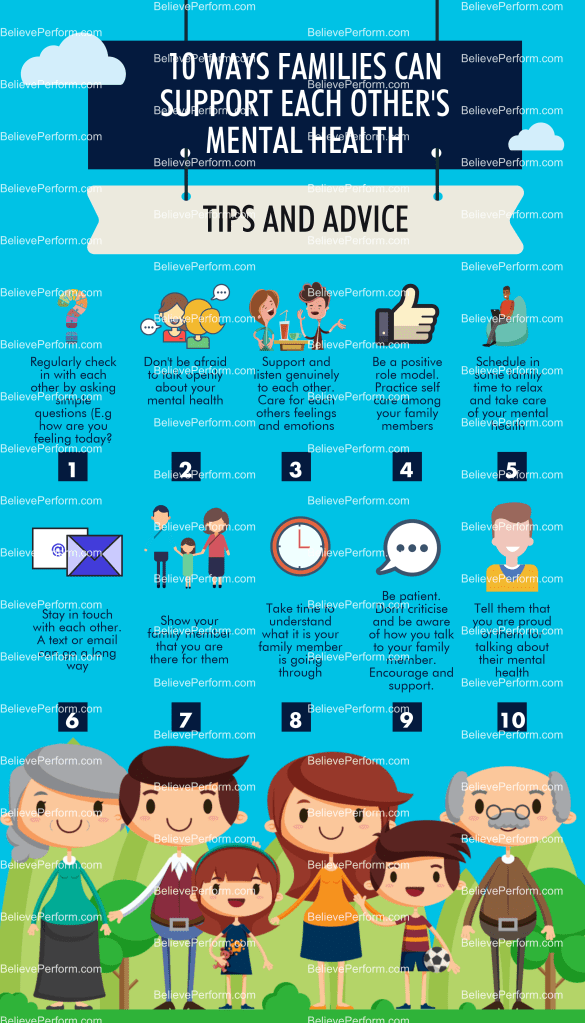
Families play a crucial role in the recovery and wellbeing of someone facing mental health challenges. Start by fostering an environment of unconditional love and support where the person feels safe to express their feelings without fear of judgment. Educate yourself about their condition to better understand their needs and struggles. Encourage professional help, such as therapy or counselling, and offer to accompany them to appointments if needed. Be patient—recovery takes time, and there may be setbacks along the way. Avoid minimising their feelings or offering unsolicited advice; instead, focus on listening actively and validating their emotions. Maintain open communication and gently check in on their progress. Practical support, like helping with daily tasks or managing medication, can also ease their burden. Most importantly, prioritise building trust and avoid pressuring them to ‘snap out of it.’ Mental health recovery is a journey best travelled with compassionate, consistent family support.

What EHS Professionals and Organisations Can Do

  1. Incorporate Mental Health into EHS Programs: Treat mental health as a critical component of safety and wellness.
  2. Offer Training: Train managers to recognise signs of stress and anxiety in their teams. Managers need to be open and receptive to listen to mental health issues/ as are parents at home.
  3. Provide Resources: Ensure employees have access to counsellors, helplines, and Employee Assistance Programs (EAPs).
  4. Foster a Supportive Culture: Create an environment where employees feel safe discussing mental health without fear of judgment or repercussions.
  5. Encourage Work-Life Balance: Discourage overworking and promote flexible schedules to reduce burnout.
  6. Educate: Organise mental health awareness sessions to break the stigma and encourage early intervention.

A Call to Action

The crisis is too big for any single stakeholder to solve. Governments, organisations, families, and communities must come together to prioritise mental health.

  • Governments: Increase funding for mental health infrastructure, train professionals, and enforce workplace mental health regulations.
  • Workplaces: Accept that mental health is a business risk and act accordingly.
  • Families and Communities: Foster supportive environments where seeking help is normalised.

Will the Looters Care?

But here lies the bitter irony. Can we trust those who plunder and exploit—at local, state, and national levels—to prioritise the mental health of the people they claim to serve? These authorities, often mired in corruption and mismanagement, seem oblivious to the ticking time bomb beneath their feet.

The truth is, mental health is no longer a private issue. It is a public emergency. The consequences of inaction will ripple through generations—broken families, a disengaged workforce, and a society incapable of compassion. If even now, the plunderers and policymakers do not act, history will remember them as architects of our collective downfall.

Parting Shot: Ignorance Is No Longer an Excuse

Mental health issues are real. They’re here. Ignoring them will lead to consequences that ripple through generations—affecting individuals, families, workplaces, and society at large.

As EHS professionals, we have a responsibility to address this. Let this blog be a wake-up call. If we do not act now, the human, social, and economic costs will be immeasurable.

Mental health isn’t just a personal issue. It’s a collective one. Let’s treat it that way.

Comments?
Karthik.

9th Dec 2024 1230am.

Risk Assessment: Misunderstood, Misapplied, and Missed Opportunities

#238

Risk Assessment: The Most Misunderstood Tool in Operations

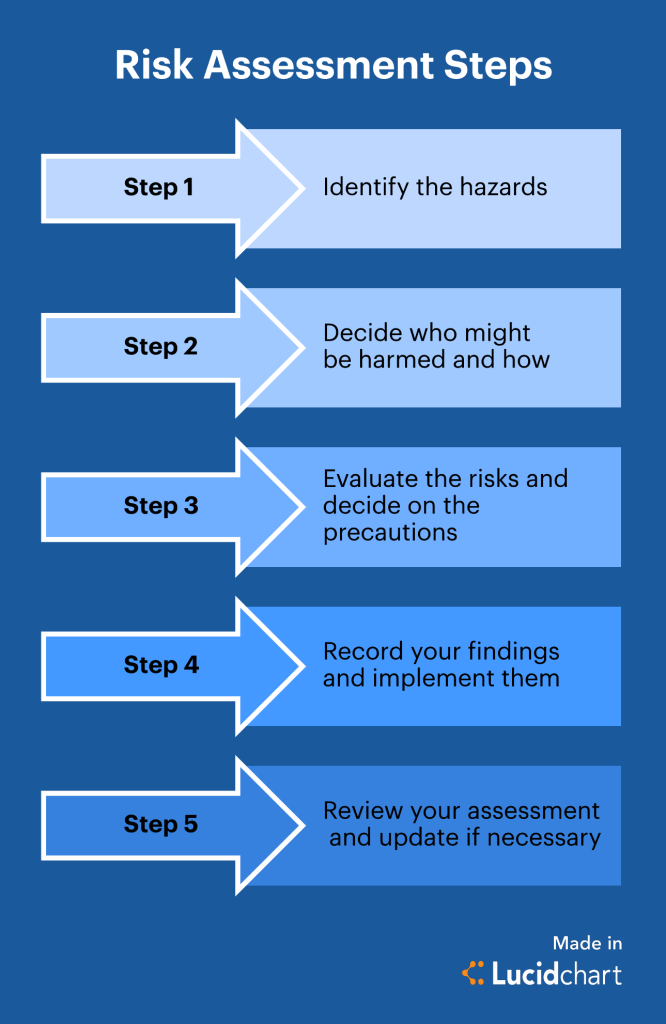
Risk assessment is a cornerstone of workplace safety, yet its implementation is riddled with misconceptions and errors. Having practised risk assessment since 1992 with tools like Zurich Hazard Analysis, much before OHSAS 18000 introduced it in 1998, I’ve observed firsthand how its purpose is often defeated. Let’s delve into some critical aspects of risk assessment and address why it remains misunderstood.


1. Risk Assessment is a Team Exercise

Effective risk assessment requires a multifunctional team comprising individuals with diverse expertise—operations, maintenance, safety, and quality, among others. Unfortunately, in the rush to check boxes, individuals often conduct these assessments solo, missing critical hazards and their implications. Collaboration isn’t just a best practice; it’s essential.


2. Cover All Scenarios: Normal, Abnormal, and Emergency

Risk assessments often focus solely on normal operations. However, abnormal and emergency scenarios—such as maintenance activities, equipment failures, or natural disasters—are equally critical. Ignoring these scenarios can result in severe gaps in hazard identification and mitigation. Also contemplate, planned /unplanned events too.


3. Hazards Must Be Assessed Individually

Combining unrelated hazards, such as fall hazards and fire hazards, into a single risk rating is meaningless and counterproductive. Each hazard must be identified and assessed independently to determine its unique risk factors and mitigation strategies.


4. Severity is Fixed; Probability is Dynamic

The severity of a hazard cannot change unless the hazard itself is eliminated, which is often impractical. This means risk reduction is largely achieved by managing probability through better controls. For instance, implementing safety interlocks or procedural safeguards can significantly lower the likelihood of an incident, even if the potential severity remains high.


5. Define Acceptable Risk Levels

Many organisations fail to define the acceptable level of risk before executing corrective actions. Risk assessment should strike a balance between safety and economics—it’s not about gold-plating safety measures. Deciding thresholds for acceptable risk ensures pragmatic and sustainable safety management.


6. Risk Assessment Guides Procedures and Checklists

A risk assessment is not an end in itself. It serves as the foundation for creating procedures to mitigate risks, which in turn inform checklists for day-to-day operations. The sequence is crucial: Risk → Procedure → Checklist. Skipping steps or reversing the process undermines its effectiveness.


7. High Risks Require Capital Investments

High-risk scenarios, such as those involving severe hazards with high probabilities, cannot be mitigated through procedures or PPE alone. They often necessitate capital investment for engineering controls or equipment upgrades. The scale of the hazard dictates the scale of the response.


8. Periodic Reviews and Updates

Risk assessments are not static documents. They need to be reviewed periodically—at least once every three years, or sooner if there’s a change in operations, a new protocol, or an incident. Stale assessments fail to account for evolving risks and controls.


9. Follow the Hierarchy of Controls

When implementing risk mitigation, the hierarchy of controls must be adhered to, starting with elimination, substitution, and engineering controls. PPE should never be the first line of defence—it’s a last resort, not a primary solution.


10. Area Owners as Risk Controllers

Risk assessments should not be fragmented across departments or functions. The area owner—the person responsible for a specific location—must control and consolidate all risk-related data. This ensures accountability and prevents critical gaps in oversight.


Examples to Illustrate Best Practices

  1. Chemical Storage Area:
    • Hazards identified: Chemical spills, fire, and inhalation risks.
    • Mitigation: Engineering controls (e.g., spill containment systems), procedural safeguards (e.g., restricted access during transfers), and PPE (respirators as a last resort).
    • Review: Annually or after incidents, such as a near-miss during chemical unloading.
  2. Height Work in Construction:
    • Hazards identified: Falls, tool drops, and scaffolding collapse.
    • Mitigation: Engineering controls (e.g., guardrails), administrative controls (e.g., training and permit systems), and PPE (e.g., fall arrest systems).
    • Review: Before each project phase or after a significant safety observation.

Closing Thoughts

Risk assessment is more than a compliance activity—it’s a foundational tool for creating safe workplaces. When misunderstood or poorly executed, it fails to protect employees and the organisation. By embracing team collaboration, focusing on individual hazards, adhering to the hierarchy of controls, and maintaining accountability, organisations can transform risk assessment into a powerful enabler of safety and efficiency.

Comments??
Karthik

7th Dec 2024 11am.

EHS Performance vs. Propaganda: Why Slogans and Puffery Triumph in the Safety Arena

#237

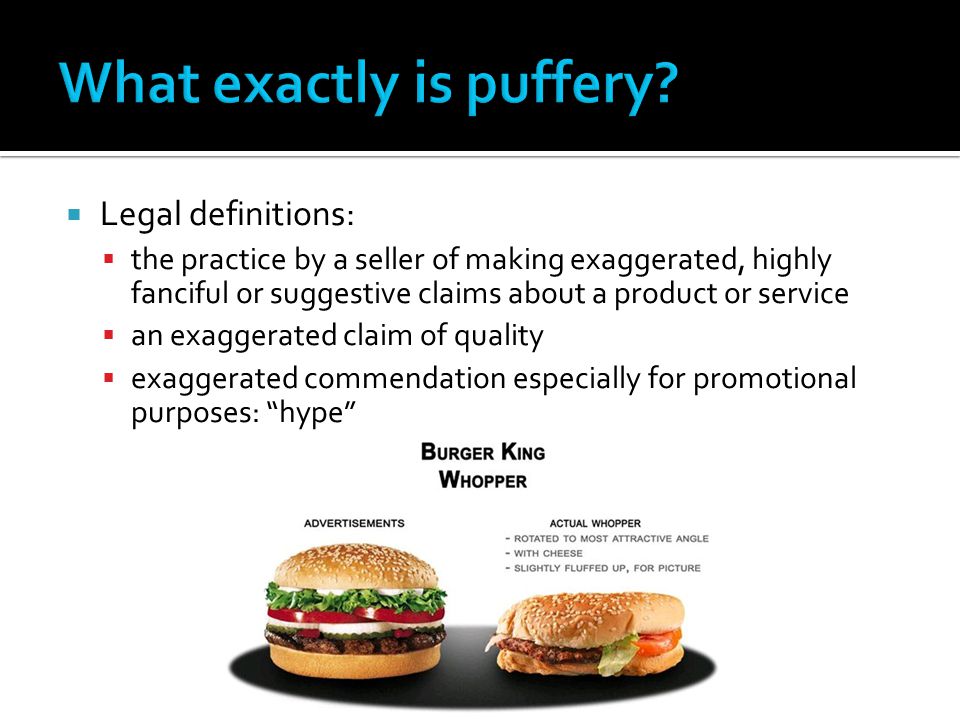
Legal definitions: the practice by a seller of making exaggerated, highly fanciful or suggestive claims about a product or service. an exaggerated claim of quality. exaggerated commendation especially for promotional purposes: hype To answer this question, we must understand the definition of puffery. Even though it is receiving more scrutiny than in the past, puffery is still considered an acceptable practice for advertisers and salespeople. This acceptance is rooted in the free market concept of caveat emptor: let the buyer beware. Meaning that the buyer bears the risk.

The EHS (Environment, Health, and Safety) domain finds itself at a crossroads where substance is increasingly being overshadowed by perception. As we mark the 40th anniversary of the Bhopal gas tragedy, it is disheartening to see that lessons from one of the world’s worst industrial disasters remain unheeded. The tragedy, driven by lax safety measures, poor planning, and systemic neglect, underscores a stark truth: slogans, propaganda, and puffery are winning the battle against genuine EHS performance.

Why Performance Takes a Backseat

1. Performance Requires Real Effort
Delivering tangible EHS outcomes is gruelling. It demands:

  • Long-term commitment: Safety isn’t a one-time initiative but an ongoing process of audits, training, and upgrades. Also it need to be seen as an investment rather than expense.
  • Meticulous planning and monitoring: Identifying risks, mitigating them, and course-correcting when needed is exhaustive work. It requires Competence, Committment and Clarity.
  • Investment in people and systems: Effective EHS demands a skilled workforce, technology, and adequate funding—all of which are often seen as cost centres rather than enablers.

In contrast, slogans and puffery are cheap, instant, and rewarding. Flashy campaigns, impressive-sounding buzzwords, and quick wins create an illusion of progress that appeals to top management, regulators, and external stakeholders alike.


2. The Age of Perception Management
The modern workplace prioritises optics over outcomes. In a world dominated by ESG (Environmental, Social, and Governance) metrics, DEI (Diversity, Equity, and Inclusion) initiatives, and woke culture, the real work often takes a backseat. These priorities, while valuable in principle, frequently overshadow operational fundamentals like safety.

Why is this happening?

  • Short Attention Spans: Leaders often judge effectiveness by how well it is marketed rather than measured. A catchy slogan or a visually appealing campaign often garners more appreciation than a detailed safety audit report.
  • The Social Media Effect: Organisations focus on creating a “green” or “safe” image that can be shared online, even if the reality on the ground tells a different story.

3. The Career Dilemma of EHS Professionals
The average tenure of an EHS professional in a single organisation is rarely more than 5 years. This transience fosters a culture where issues are masked rather than resolved. Professionals:

  • Resort to jargon, complex metrics, and perception games to survive corporate scrutiny.
  • Focus on short-term wins to secure their career progression, leaving systemic problems for their successors.
  • Avoid rocking the boat, especially in organisations where safety is perceived as a compliance checklist rather than a value-driven goal.

4. The “Easier Path” Trap
Puffery and propaganda offer an easy way out:

  • Easy to replicate: A slogan can be created in a brainstorming session; a culture of safety requires years of effort.
  • Low accountability: It’s easier to claim success through perception metrics than prove it through performance.

A Broader Malaise Across Domains
This isn’t just an EHS problem. Similar issues plague other domains like production, quality, and even finance. Glossy presentations, jargon-heavy reports, and KPI manipulation have become the norm, leaving the real work buried under layers of deception.


Solutions: Bridging the Gap Between Perception and Performance

  1. Shift the Focus to Measurable Outcomes
    Regulators and organisations need to prioritise metrics that reflect real safety performance rather than perception. For example:
  • Frequency and severity of incidents, near-misses, and safety audits.
  • Long-term trends in workplace hazards and their mitigation.
  • Employee engagement in safety training programs.

  1. Foster Accountability Across the Organisation
  • Make safety culture a shared responsibility rather than the sole burden of EHS professionals.
  • Introduce whistle-blower protections to encourage employees to report issues without fear of retaliation.
  • Ensure that leadership walks the talk by dedicating time, budget, and attention to EHS initiatives.

  1. Invest in Competence Over Optics
    EHS should be about building capabilities, not marketing campaigns. This includes:
  • Regular training for employees and management.
  • Investing in safety technology and infrastructure.
  • Creating systems that reward performance over puffery.

  1. Create a Feedback Loop
    Encourage open and honest feedback from all stakeholders, including employees, regulators, and even third-party auditors. This helps expose the gap between perception and reality.

  1. Learn from Global Best Practices
    As seen post-Bhopal, the US implemented stringent regulations like the Clean Air Act Amendments, OSHA Process Safety Management standards, and EPA’s Risk Management Plan rule. Similar regulations with teeth are desperately needed globally, particularly in India, where enforcement often lags.

Conclusion: Lessons from Bhopal
The Bhopal gas tragedy should have been a turning point, yet 40 years on, the same issues persist in India and emerging world. Slogans may win admiration, but they cannot save lives. It is time for industries, regulators, and professionals to prioritise real performance over hollow propaganda. Only then can we ensure that EHS is not a mere checkbox but a cornerstone of sustainable and ethical business practices.

Comments???
Karthik

5th Dec 2024

1030am.

Top 10 OSHA/ EPA Violations/ Citations 2024

#236

It is the End of the year to take stock of EHS performance. Most sites across the world, would have the same issue, thanks to very poor or no regulatory mechanism / inspection, things go scot free.

OSHA Citations ( Reproduced from CBIZ.com).

2024’s Top Ten OSHA Safety Violations

1. Fall Protection Infractions: A Critical Concern (6,307 citations)

For over a decade, fall protection violations have been a recurring concern. According to the Bureau of Labor and Statistics, 80% of construction fatalities result from falls. The risks associated with unstable working surfaces, improper ladder usage and neglecting fall protection measures are more than cause for alarm. They can lead to tragic accidents and serious injuries that impact workers’ lives and business operations.

Key Preventive Tips:

  • Immediately cover any holes on the floor.
  • Construct floor hole covers that can support double the weight of workers, equipment and materials.
  • Prioritize and regularly inspect and maintain fall protection systems (e.g., guardrails, nets, harnesses) to ensure they are in good working condition.
  • Use personal fall arrest systems (PFAS) when working at heights above six feet, ensuring they are correctly fitted and anchored.

2. Hazard Communication: Essential Information for Workers (2,888 citations)

Even if your team doesn’t directly handle chemicals, exposure or proximity to hazardous materials still poses risks. Maintaining a secure work environment ensures workers understand how to handle chemicals properly. Effective hazard communication allows employees to identify chemicals correctly, understand lurking dangers and take necessary safety precautions. Additionally, employees must have access to updated safety data sheets (SDS), receive label training and be informed about newly identified hazards.

Key Preventive Tips:

  • Ensure workers are informed about chemicals they might encounter or be exposed to.
  • identify the location of SDSs
  • Educate employees on the proper and improper use of workplace chemicals.
  • Train staff on the appropriate emergency spill procedures.

3. Ladder Safety: Addressing a Common Citation (2,573 citations)

While ladders are often considered a trusted safety tool, they have unfortunately become a treacherous foe. The American Academy of Orthopedic Surgeons reports each year 500,000 people are treated for ladder-related injuries with 300 of these incidents turning fatal. Many of these incidents stem from violations of basic ladder safety rules.

Key Preventive Tips:

  • Never exceed the ladder’s maximum load rating (user plus materials) and only allow one person on a ladder at a time.
  • Always maintain a centered position between the ladder rails, avoiding overreaching or leaning too far to the side while working. If necessary, descend from the ladder and reposition it.
  • Refrain from stepping on the top step, bucket shelf or attempting to climb or stand on the rear section of a stepladder.
  • Face the ladder when climbing up or down and never leave a raised ladder unattended.
  • If you feel dizzy or tired, carefully descend from the ladder.
  • Wear non-slip footwear whenever using a ladder to prevent accidents.

4. Respiratory Protection: Safeguarding Worker Health (2,470 citations)

Even the tiniest particles and contaminants can have a big impact on health, both in the short term and the long term. That’s why it’s crucial to protect from these dangers. Respirators shield employees from areas with insufficient oxygen, harmful dust, fog, smoke, mists, gases, vapors and sprays. By wearing respirators, workers can avoid potential hazards that could lead to serious consequences (e.g., cancer, lung problems, death).

Key Preventive Tips:

  • Only use certified respirators designed to protect against the specific contaminant you are working with.
  • Before using, carefully inspect respirators for signs of damage and promptly repair or replace the respirator.
  • Always ensure a proper facepiece seal to guarantee a secure seal.
  • Maintain a clean-shaven face to ensure a proper seal and avoid any interference with the respirator.
  • Keep track of your respirator to avoid inadvertently utilizing another employee’s respirator.
  • Stay updated with regular training on proper usage and maintenance of respirators and seek assistance when needed.

5. Lockout/Tagout Procedures: Preventing Machinery Accidents (2,443 citations)

Imagine the dire consequences if a machine were suddenly activated while someone was inside. Prevent such horrific accidents by actively controlling hazardous energy in machinery through lockout procedures. This involves securely locking and rendering the machine energy sources non-operational. The practice of tagout serves as a visual reminder to employees, communicating with clear warnings that the machinery shouldn’t be used. Lockout/tagout (LOTO) procedures are invaluable in ensuring energy controls stay in an off or safe position during maintenance and service work.

Key Preventive Tips:

  • Consistently secure energy control devices using assigned lock keys.
  • If you install a lock, ensure you’re the one who removes it.
  • Clearly label the locks you install with durable tags that identify them as yours.
  • Never lend or share locks, combinations or keys with anyone else.
  • Prioritize shift change safety by ensuring new workers apply their locks before removing yours.
  • Before working on any equipment, ensure that all energy is completely dissipated.
  • Verify that all LOTO devices are compatible with the specific environment in which they will be used.
  • Thoroughly test the machine or system before starting work to ensure there isn’t remaining energy that could cause harm.

6. Powered Industrial Trucks (PIT): Ensuring Safe Operation (2,248 citations)

PIT vehicles such as fork trucks, platform trucks and motorized hand trucks are invaluable for material handling. However, it’s crucial to stress that untrained and unauthorized employees should never operate them. OSHA mandates proper training and certification for PIT operators to prevent accidents and injuries.

Key Preventive Tips:

  • Maintain clear driving paths by removing any obstructions.
  • Exercise caution when approaching corners, blind spots and doorways by reducing speed.
  • Embrace defensive driving by remaining aware of your surroundings and anticipating the unexpected.
  • Avoid making turns on inclined surfaces.
  • Cross tracks diagonally and reduce speed when encountering uneven floors and surfaces.
  • Ensure all limbs and extremities remain inside the truck.
  • Always prioritize pedestrian safety by giving them the right of way.

7. Fall Protection Training: Meeting OSHA Requirements (2,050 citations)

Ensure employee safety for those at risk of falling hazards by providing comprehensive fall protection training. This program equips workers with the knowledge to identify potential fall hazards and implement appropriate measures to mitigate risks. OSHA mandates employers ensure workers understand how to use fall protection equipment property and recognize unsafe workplace conditions.

Key Preventive Tips:

  • Provide comprehensive training to all employees at risk of fall hazards.
  • Equip employees with the knowledge to identify fall hazards and implement appropriate measures to mitigate risks.
  • Offer training as needed to keep employees up to date with fall protection procedures.

8. Scaffolding Safety: Key Compliance Issues (1,873 citations)

Scaffolding, while essential for many construction projects, harbors one primary peril—falling. That’s why it’s crucial to establish proper scaffolding setup, training and procedures to comply with OSHA standards. Not only does scaffolding ensure the safety of employees but also protects innocent bystanders.

Key Preventive Tips:

  • Conduct daily inspections to identify and eliminate potential slipping hazards on all walking and working surfaces.
  • Always follow the guidance of a qualified individual when moving, dismantling or altering a scaffold.
  • Never move a scaffold with workers still on it.
  • Ensure scaffold loads remain within the specified capacity and remove equipment when not in use.
  • Stay vigilant and be aware of adverse weather conditions as high winds, rain and snow can pose risks at elevated heights.

9. Eye & Face Protection: Required Safety Measures (1,814 citations)

To comply with OSHA regulations, employers must conduct personal protective equipment (PPE) training for workers. It’s important to obtain written confirmation from each employee regarding their attendance and understanding of the training. Employers are responsible for providing and paying for OSHA-mandated PPE including the replacement for normal wear and tear.

Key Preventive Tips:

  • Equip all affected employees with appropriate eye and face protection when exposed to flying particles or other hazardous situations.
  • Provide suitable PPE to safeguard employees.
  • Ensure that the provided PPE is well-designed, properly maintained and comfortable to wear.
  • Conduct thorough training to educate employees on the proper use of PPE.

10. Machine Guarding: Protecting Employees from Hazards (1,541 citations)

Machine guards are made to shield employees who work with perilous equipment. Employers must provide this protection, keeping operators and those near the machine safe from all kinds of hazards (e.g., nip points, rotating parts, flying chips, sparks). Adhering to OSHA guidelines regarding machine guarding not only helps prevent workplace injuries but also fosters a culture of safety within the organization.

Key Preventive Tips:

  • Never adjust or remove a guard without explicit permission from a supervisor or unless the adjustment is routine and an accepted part of your job.
  • Machinery shouldn’t be operated without ensuring all guards are properly in place.
  • If guards are missing or defective, promptly notify a supervisor.
  • Power off the machine and lock and tag the main switch before detaching guards for maintenance or adjustment.
  • Avoid wearing loose clothing, jewelry or allowing long hair to be unsecured around mechanical equipment.

Importance of Coverage & Risk Management Strategies

To effectively address these violations, companies must secure appropriate insurance coverage to safeguard against employee injuries and penalties. Comprehensive insurance solutions, like general liability and workers’ compensation, can protect your organization from financial repercussions due to accidents or compliance issues.

Additionally, collaborating with risk management professionals can yield customized risk management plans designed for your industry and operational requirements. These specialists can perform risk assessments and provide insights on best practices, minimizing the likelihood of OSHA inspections and associated fines. By prioritizing strong safety protocols and comprehensive insurance, you can protect both your workforce and your finances.

EPA:-

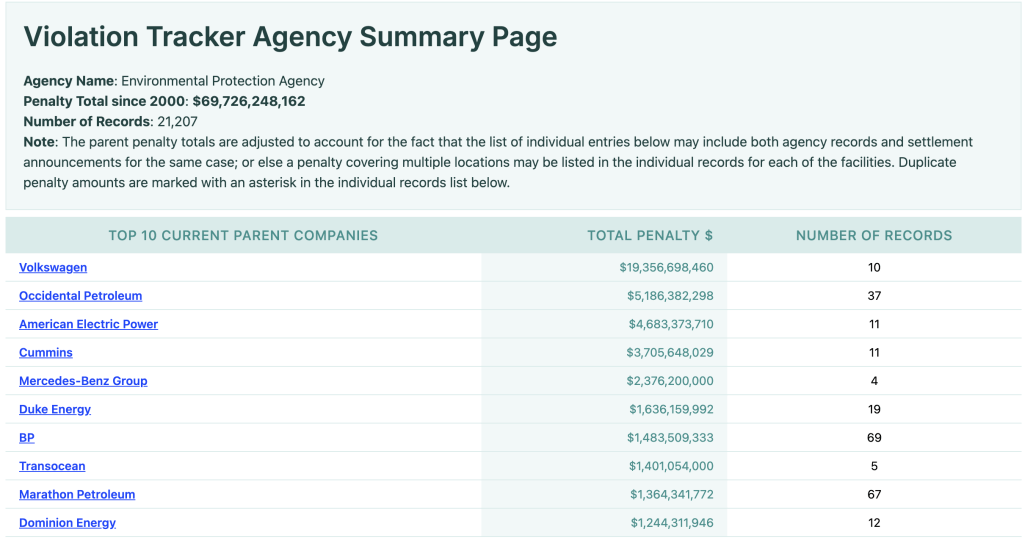
EPA has collected 69Bn $ penalty so far from year 2000. Volkswagen leads the list with 19Bn$ paid in penalty.

In 2024, the U.S. Environmental Protection Agency (EPA) identified several significant compliance violations across various industries. These cases highlight the ongoing challenges in environmental compliance and underscore the importance of stringent oversight. Here are ten notable violations from that year:

  1. Tesla’s Environmental Violations: Tesla faced scrutiny for multiple environmental infractions, including hazardous waste mismanagement and air quality permit breaches at its Fremont, California, facility. The company settled with California authorities, agreeing to pay $1.5 million and implement corrective measures.
  2. General Motors’ Excess Emissions: General Motors was penalized $145.8 million after an investigation revealed that approximately 5.9 million vehicles from the 2012-2018 model years emitted over 10% more carbon dioxide than initially reported. The settlement also required GM to forfeit significant carbon allowances and fuel economy credits.
  3. Marathon Oil’s Air Pollution Settlement: Marathon Oil agreed to a $241 million settlement for air pollution violations at facilities on North Dakota’s Fort Berthold Indian Reservation. This included a record $64.5 million penalty and $177 million allocated for environmental upgrades to reduce emissions.
  4. Philadelphia Energy Solutions Refinery Explosion: Following a 2019 explosion and fire at its Philadelphia refinery, Philadelphia Energy Solutions reached a $4.2 million settlement with the EPA in 2024. The incident was attributed to inadequate risk assessment and equipment maintenance.
  5. Illegal Emissions Control Bypass Devices: Federal prosecutors charged auto-parts dealers involved in a $74 million scheme to sell devices that allowed diesel truck drivers to deactivate emissions control systems, leading to increased pollution.
  6. Red Dog Mine Hazardous Waste Violations: The operators of Alaska’s Red Dog Mine agreed to pay over $429,794 to the EPA for hazardous waste violations occurring between October 2019 and January 2024, marking the largest violation in the mine’s history.
  7. ADCO Constructions’ Water Pollution Fine: ADCO Constructions was fined $30,000 by the New South Wales Environment Protection Authority for discharging sediment-laden water into Curl Curl Creek, threatening the habitat of the critically endangered Climbing Galaxias fish.
  8. EPA’s Action Against Denka Performance Elastomer: The EPA filed a complaint against Denka Performance Elastomer, alleging that its LaPlace, Louisiana, plant posed an imminent danger to public health due to emissions of cancer-causing chloroprene.
  9. eBay’s Environmental Violations: The U.S. Department of Justice filed a complaint against eBay for facilitating the sale of products that violated environmental laws, including illegal pesticides and devices that bypass vehicle emissions controls.
  10. Michael Hart’s Illegal Importation of Greenhouse Gases: Michael Hart was arrested for smuggling hydrofluorocarbons (HFCs) into the U.S. from Mexico without proper authorization, violating the American Innovation and Manufacturing Act of 2020.

These cases underscore the critical need for robust environmental compliance programs and vigilant enforcement to protect public health and the environment.

Penalty are money poured in to drain and affects P&L. Proactive /vigilant compliance reduces this, thus helping to bottomline.

Karthik.

27/11/24.

Silent and Invisible Hazards: Strengthening Hearing and Respiratory Protection in Indian Manufacturing

#235

Introduction:

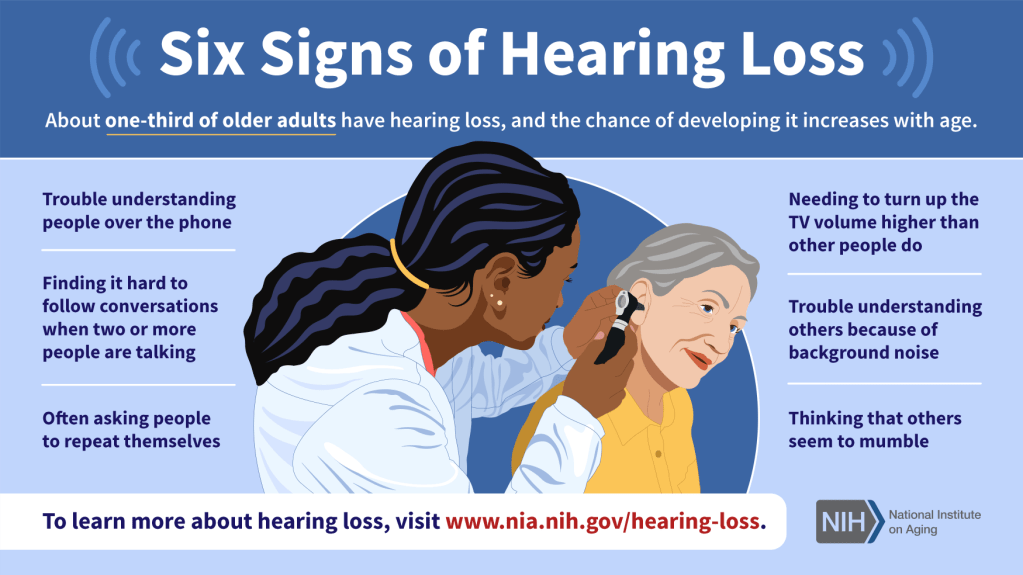
In the Indian manufacturing sector, safety programs like LOTO (Lockout/Tagout) and electrical safety often take precedence due to their immediate risk profiles. However, two chronic health issues—noise-induced hearing loss (NIHL) and respiratory illnesses caused by poor air quality—receive far less attention. Hearing protection programs and respiratory protection programs are grossly neglected, despite their potential for long-term, debilitating health impacts.

This blog highlights the need for a paradigm shift in recognising and addressing these hazards, offering practical insights for safety professionals to implement robust programs for hearing and respiratory protection.


1. Hearing Protection Program

Elements of a Comprehensive Hearing Protection Program:
  1. Noise Hazard Assessment:
    • Conduct noise surveys using sound level meters to identify high-noise areas and tasks.
    • Frequency-weighted measurements (e.g., dBA) should evaluate daily exposures against permissible limits.
  2. Regulatory Limits:
    • India: The Factories Act, 1948 and Model Rules set noise exposure limits at 90 dBA over 8 hours, but enforcement is rare.
    • Global Standards: OSHA sets limits at 85 dBA over 8 hours, while ACGIH recommends stricter thresholds.
  3. Engineering Controls:
    • Use sound barriers, mufflers, vibration damping, or noise-cancelling machinery.
    • Aim to reduce noise at the source before relying on personal protection.
  4. Administrative Controls:
    • Job rotation and limiting time in high-noise areas can reduce individual exposure.
  5. Hearing Protection Devices (HPDs):
    • Earplugs and earmuffs, selected based on Noise Reduction Ratings (NRR), must fit well and be comfortable for prolonged use.
  6. Training and Awareness:
    • Educate employees on risks of NIHL and proper use, maintenance, and storage of HPDs.
  7. Audiometric Testing:
    • Implement baseline and periodic audiometric tests to monitor workers’ hearing levels over time.
Challenges in Indian Manufacturing:
  • Lack of Awareness: Many safety professionals are not trained to identify or address noise hazards adequately.
  • Cultural Neglect: Chronic conditions like NIHL are often dismissed as “part of the job.”
  • Cost Constraints: Engineering controls and audiometry programs are seen as expensive.
  • Regulatory Gaps: Limited enforcement of noise standards and absence of penalties.
Solutions:
  • Integrate Noise Management: Make noise hazard assessments part of annual safety audits.
  • Leverage Technology: Use mobile apps and low-cost decibel meters for initial noise assessments.
  • Advocate for Stronger Regulations: Push for mandatory implementation of global standards like ACGIH’s noise exposure limits.
  • Cross-Sector Learning: Study industries with exemplary noise management practices, such as automotive and aerospace.

2. Respiratory Protection Program

Elements of a Comprehensive Respiratory Protection Program:
  1. Air Quality Monitoring:
    • Conduct regular air sampling to identify contaminants such as dust, fumes, vapours, or gases.
    • Use PM2.5/PM10 monitoring for particulate matter and gas detectors for specific hazards (e.g., silica, ammonia).
  2. Regulatory Framework:
    • India: The Factories Act lacks detailed respiratory protection guidelines.
    • Global Standards: OSHA requires respirators where contaminants exceed Permissible Exposure Limits (PELs).
  3. Respirator Selection:
    • Match respirators to the specific hazard (e.g., N95 masks for particulates, SCBA for confined spaces).
    • Ensure that all equipment is certified (e.g., ISI or NIOSH).
  4. Fit Testing:
    • Perform qualitative or quantitative fit tests to ensure respirators provide an effective seal.
  5. Maintenance and Inspection:
    • Train employees to inspect respirators for wear and replace filters regularly.
    • Establish protocols for cleaning and storing equipment.
  6. Training and Awareness:
    • Educate employees on the health risks of exposure to airborne contaminants.
    • Demonstrate proper donning, doffing, and maintenance of respirators.
  7. Medical Evaluations:
    • Workers required to wear respirators should undergo health checks to ensure fitness.
Challenges in Indian Manufacturing:
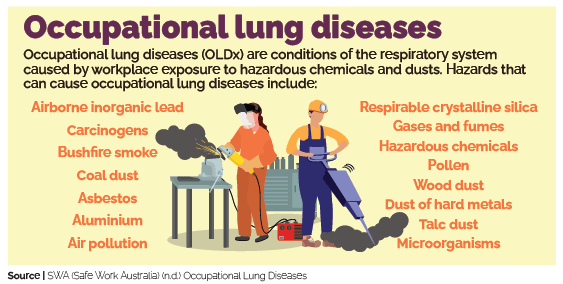
  • Low Awareness of Chronic Risks: Respiratory hazards, like silica or welding fumes, Chemical exposure, are underestimated.
  • Minimal Training: Workers often do not understand proper respirator use, leading to improper fit or non-compliance.
  • Inferior Equipment: Cheap, non-certified masks are used instead of approved respirators.
  • Lack of Data: Poor monitoring of air quality hinders hazard identification.
Solutions:
  • Adopt ISO Standards: Align respiratory programs with ISO 45001 occupational health guidelines.
  • Technology Investment: Use portable air quality monitoring devices to create exposure maps.
  • Employer Accountability: Include respiratory protection metrics in key performance indicators (KPIs) for EHS leaders.
  • Worker Engagement: Encourage worker participation in hazard identification and program development.

Best Practices for Both Programs
  1. Management Commitment:
    • Secure leadership buy-in to treat chronic health risks with the same urgency as immediate hazards.
  2. Integrate with EHS Systems:
    • Include hearing and respiratory protection in overarching EHS management systems (ISO 45001/14001).
  3. Customised Solutions:
    • Tailor programs to specific industry needs, such as cement, steel, or textiles, where hazards vary.
  4. Leverage Data Analytics:
    • Use wearable devices and IoT sensors to track real-time noise levels and air quality.
  5. Global Benchmarks:
    • Study and adopt practices from developed countries where chronic hazard programs are mature.
  6. Awareness Campaigns:
    • Celebrate initiatives like National Hearing Conservation Week or Clean Air Month to raise awareness.

Case Studies: Impact of Hearing Loss and Poor Respiratory Protection on Employees’ Lives

1. Hearing Loss Case Studies

Case Study 1: Persistent NIHL Among Factory Workers in India

  • Industry: Textile Manufacturing
  • Scenario: A group of power loom workers in Gujarat was exposed to noise levels exceeding 100 dBA for 10–12 hours daily. No hearing protection devices (HPDs) were provided, and noise-reducing measures like sound barriers were absent.
  • Impact on Employees:
    • Workers reported gradual hearing loss, starting with difficulty hearing conversations and progressing to complete hearing impairment in some cases.
    • A study revealed that over 40% of workers had moderate-to-severe Noise-Induced Hearing Loss (NIHL) by age 50.
    • Social isolation, frustration, and reduced quality of life were common consequences, leading to depression in some cases.
  • Outcome:
    • After a legal complaint by an NGO, the factory adopted engineering noise controls and distributed HPDs. However, the damage to workers’ hearing was irreversible.

Case Study 2: Construction Workers in the USA

  • Industry: Construction (Roadworks)
  • Scenario: Road construction workers were exposed to jackhammer noise exceeding 120 dBA over several years. Ear protection was provided but often neglected due to discomfort in hot weather.
  • Impact on Employees:
    • Several workers developed tinnitus (constant ringing in the ears), reducing their ability to concentrate.
    • Many were forced into early retirement due to profound hearing loss, losing pension benefits tied to tenure.
  • Outcome:
    • A local safety campaign mandated custom-fit earplugs and training sessions on the importance of consistent use. Workplace noise levels were also monitored with IoT devices.

2. Respiratory Protection Case Studies

Case Study 1: Silicosis Epidemic in Indian Stone-Cutting Workers

  • Industry: Stone Cutting and Polishing (Rajasthan)
  • Scenario: Workers in small-scale stone-cutting units were exposed to silica dust from grinding stones without respiratory protection. Employers provided cloth masks, which were ineffective against fine particulate matter.
  • Impact on Employees:
    • Many workers developed silicosis—a chronic, incurable lung disease caused by silica inhalation—by their 30s.
    • Symptoms included shortness of breath, fatigue, and chronic coughing. Several workers succumbed to the disease within a decade of diagnosis.
    • Families faced severe financial hardship due to loss of income and medical expenses.
  • Outcome:
    • Following advocacy by health organisations, some units installed wet cutting systems and provided N95 respirators. Government intervention led to compensation schemes for affected workers, but enforcement remains weak.

Case Study 2: Chemical Plant Workers in China

  • Industry: Chemical Manufacturing
  • Scenario: Workers in a paint manufacturing plant were exposed to volatile organic compounds (VOCs) and isocyanates without adequate ventilation or respiratory protection. Many relied on disposable masks, which offered no protection against toxic fumes.
  • Impact on Employees:
    • A significant number developed occupational asthma, leading to frequent absenteeism and reduced work capacity.
    • Some employees experienced acute respiratory failure and required hospitalisation. Long-term exposure led to a spike in cases of chronic obstructive pulmonary disease (COPD).
  • Outcome:
    • After an external audit highlighted the violations, the plant implemented a comprehensive respiratory protection program, including powered air-purifying respirators (PAPRs) and improved ventilation systems. Workers were retrained, but the health damage for affected employees was permanent.

3. Combined Impact of Hearing and Respiratory Hazards

Case Study: Shipbuilding Workers in South Korea

  • Industry: Shipbuilding
  • Scenario: Workers were exposed to high noise levels from welding and cutting operations while also inhaling welding fumes containing heavy metals and particulates. Personal protective equipment (PPE) compliance was low, and workplace monitoring was irregular.
  • Impact on Employees:
    • Many workers suffered combined effects of hearing loss and respiratory diseases, including COPD and lung cancer.
    • Workers struggled with communication barriers due to hearing loss, complicating emergency situations in confined spaces.
  • Outcome:
    • The company invested in advanced PPE, including noise-cancelling earmuffs and respirators designed for welding fumes. Policies were updated to mandate regular health checks, but litigation from affected employees continues.

Key Learnings from These Cases
  1. Early Detection is Crucial: Regular monitoring of noise levels and air quality could have prevented many chronic conditions.
  2. Proper PPE Selection: Generic or low-quality PPE can be as dangerous as no protection. Fit testing and suitability checks are essential.
  3. Worker Training: Many of these cases highlight a lack of awareness among workers about the hazards they face and the proper use of protective equipment.
  4. Regulatory Oversight: Weak enforcement of safety standards exacerbates workplace hazards, especially in developing countries.
  5. Long-Term Costs: Health issues lead to productivity losses, increased medical expenses, and compensation claims, costing organisations far more than prevention programs.

These case studies underscore the urgent need for prioritising hearing and respiratory protection in manufacturing industries. Employers must act proactively to prevent irreversible health damage to their workforce and align with global safety standards.

Conclusion

Hearing loss and respiratory illnesses may not grab headlines like industrial accidents, but their impact is equally devastating. For Indian manufacturing to achieve world-class safety standards, addressing these chronic hazards is not optional—it is essential. Companies must move beyond regulatory compliance and adopt proactive, best-in-class strategies to protect their workforce.

The journey begins with awareness, commitment, and action. Let us not wait until the damage is irreversible.

Karthik

23/11/24 11am.

Challenging Safety Delusion: Bridging Belief and Reality in EHS

#234

delusion. /dɪˈl(j)uːʒn/ a false belief or judgment about external reality, held despite incontrovertible evidence to the contrary, occurring especially in mental conditions.

Introduction:

Safety, like trust, is often built on beliefs—beliefs in systems, processes, and the people responsible for maintaining them. But as Dr. Robert Long aptly points out, not all beliefs are delusions, yet some can morph into delusions when they distort our perception of reality. This is particularly dangerous in the realm of Environmental, Health, and Safety (EHS), where safety delusion can lead to complacency, systemic failures, and tragic consequences.

In this blog, I aim to explore the concept of safety delusion—what it is, how it manifests, and the profound impact it can have on professionals, organisations, and safety cultures. Drawing from real-world incidents and behavioural theories, let’s uncover how to dismantle safety delusions and foster a mindset that balances belief with critical awareness.


What is Safety Delusion?

Safety delusion occurs when individuals or organisations believe they are safer than they actually are, often due to misplaced trust in systems, metrics, or their own judgement. It is a cognitive bias that creates a false sense of security, causing people to underestimate risks or overestimate the effectiveness of their safety measures.

Key Characteristics of Safety Delusion:
  1. Overreliance on Lagging Indicators: Metrics like ‘zero incidents’ or ‘low lost-time injury rates’ are celebrated while ignoring leading indicators like near misses or safety culture surveys.
  2. Blind Faith in Systems: Assuming that certifications, audits, or SOPs alone ensure safety, without periodic scrutiny or adaptation.
  3. Complacency from Success: The longer the streak of ‘no incidents,’ the stronger the belief that systems are foolproof.
  4. Resistance to Change: Leaders and employees may resist acknowledging risks, fearing reputational damage or operational disruption.

Impacts of Safety Delusion

1. On Professionals:
  • Erosion of Vigilance: Overconfidence leads to neglecting hazard identification and risk perception.
  • Cognitive Dissonance: When incidents expose gaps, professionals struggle to reconcile their misplaced trust, leading to guilt or diminished confidence.
  • Missed Learning Opportunities: Belief in infallible systems discourages post-mortem analyses or near-miss reviews.
2. On Organisations:
  • Vulnerability to Catastrophic Events: Overlooking systemic risks can lead to large-scale failures (e.g., Deepwater Horizon, DuPont La Porte).
  • Reputational Damage: Safety delusion often unravels in public, eroding stakeholder trust.
  • Financial Repercussions: Incidents resulting from ignored risks can incur heavy fines, legal suits, and operational downtime.
3. On Organisational Culture:
  • Normalisation of Deviance: Small safety violations become acceptable, leading to larger systemic failures.
  • Stifled Reporting Culture: Employees may hesitate to report risks, fearing backlash or disbelief.
  • Loss of Trust: When employees see through the delusion, it fosters cynicism and disengagement.

Case Studies: Lessons from Failures

1. Deepwater Horizon Disaster (BP):

BP’s overconfidence in their safety record overshadowed ignored risks, such as flawed well designs and cost-cutting measures. This delusion culminated in a catastrophic oil spill, exposing systemic weaknesses.

2. DuPont’s La Porte Incident:

DuPont’s historic reputation for safety masked a growing complacency in addressing systemic risks. Delays in corrective actions led to fatalities, revealing the gap between safety delusion and reality.

3. NASA Challenger Disaster:

Engineers’ warnings about faulty O-rings were dismissed due to NASA’s belief in their system’s reliability—a classic example of delusion overriding expert judgement.


Addressing Safety Delusion:

1. Start with Awareness:
  • Challenge assumptions through training and awareness programs that emphasise critical thinking and risk awareness.
  • Engage leaders and teams in open dialogues about hidden risks and blind spots.
2. Prioritise Leading Indicators:
  • Use tools like safety observation reports, near-miss tracking, and safety climate surveys.
  • Shift from measuring ‘zero incidents’ to understanding why incidents are avoided.
3. Encourage a Learning Culture:
  • Treat near misses and small incidents as opportunities for improvement.
  • Celebrate employees who report risks or suggest improvements, rather than focusing solely on spotless records.
4. Leadership by Example:
  • Leaders must demonstrate humility by admitting blind spots and committing to continuous improvement.
  • Conduct regular deep dives into safety systems to identify gaps beyond metrics.
5. Build Resilience Over Compliance:
  • Move beyond a compliance-driven approach to one that builds adaptive, intelligent safety systems.
  • Empower employees to take ownership of safety, fostering a culture of vigilance and proactive risk management.

Conclusion: Replacing Delusion with Reality

Safety delusion is not just a failure of systems but a failure of perception. By recognising the gap between belief and reality, professionals and organisations can dismantle delusions and build safer, more resilient workplaces. As Dr. Robert Long highlights, beliefs must be scrutinised, questioned, and aligned with evidence to avoid delusion.

The journey to safety excellence lies not in chasing perfect metrics but in fostering a mindset of continuous learning, critical thinking, and collective responsibility. Let’s aim to replace the illusion of safety with the substance of awareness and preparedness.

What do you think? What is your opinion?

Karthik

22/11/24 1130am.

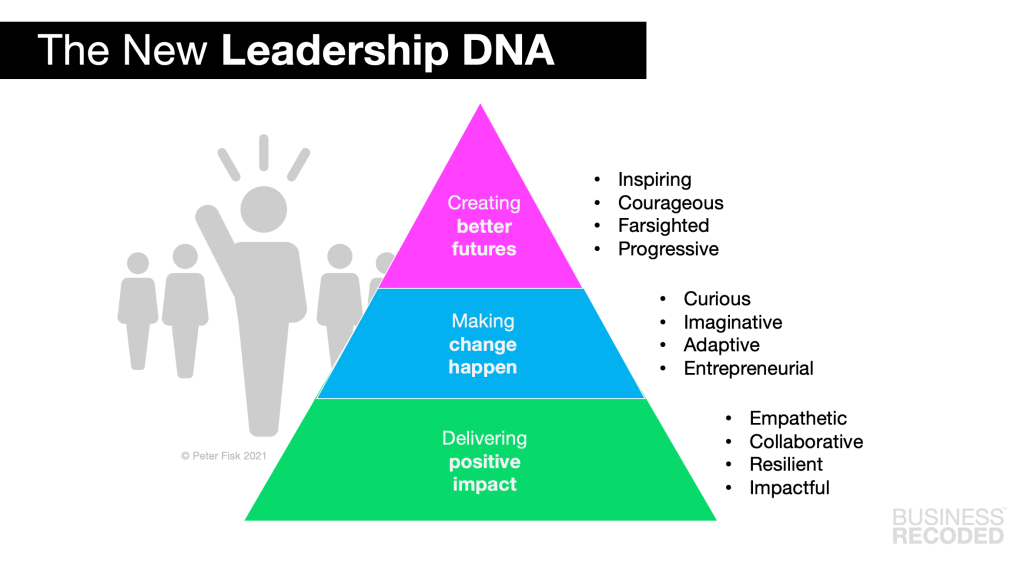
Leadership DNA: Traits to Sustain Safety, Quality, and Productivity as You Rise.

#233

As professionals climb the corporate ladder, the transition from managerial roles to leadership positions presents unique challenges, especially in the realms of safety, quality, and productivity. What worked well in lower hierarchical roles often fails to deliver the same results at higher levels. Leaders may feel the weight of expectations intensify, wondering why incidents, delays, or lapses are increasing under their watch. The root cause often lies in a shift in dynamics that requires a recalibration of traits and strategies embedded in their leadership DNA.

Here are the key traits leaders must cultivate to retain their effectiveness and ensure their teams thrive:


1. Indirect Control Through Influence

At the managerial level, direct control over tasks and outcomes is common. However, as one ascends the hierarchy, the sphere of control shifts. Leaders can no longer micromanage every detail; instead, they must rely on coordination, delegation, and motivation.

  • Coordination: Aligning cross-functional teams to work towards shared goals.
  • Delegation: Trusting capable team members with responsibilities to deliver outcomes.
  • Motivation: Creating an environment where employees feel valued and driven.

The ability to influence and guide without directly intervening becomes critical.


2. Enhanced Emotional Quotient (EQ)

Leadership at higher levels demands heightened emotional intelligence, far beyond what is typically required in managerial roles. This involves:

  • Self-awareness: Understanding personal triggers and biases that may affect decision-making.
  • Situational awareness: Reading and interpreting subtle cues from the environment and team dynamics.
  • Connecting the dots: Making informed decisions by synthesising inputs from various sources.

The ability to empathise, adapt, and navigate complex interpersonal dynamics is essential for sustained leadership success.


3. Clear and Consistent Messaging

Leaders must embrace the reality that their personal beliefs, preferences, or biases cannot overshadow organisational priorities. To create alignment and clarity, they should:

  • Establish rules, protocols, and policies that leave no room for ambiguity.
  • Foster standardised work practices to minimise variability.
  • Communicate messages in a way that inspires trust and ensures compliance across all levels of the organisation.

Consistency in messaging signals integrity and builds a strong organisational culture.


4. Dialogue and Engagement for Influence

At higher levels, success hinges on the ability to influence a broader array of stakeholders, both within and outside the organisation. Leaders should prioritise:

  • Active dialogue: Maintaining open channels of communication to understand and address team concerns.
  • Proactive engagement: Building relationships that foster mutual respect and buy-in.

Influence becomes less about authority and more about collaboration and persuasion.


5. Visible Leadership

Leaders must resist the temptation to retreat into boardrooms and offices. Being visible on the shop floor or at worksites demonstrates commitment, builds rapport, and provides firsthand insights into operations.

  • Gemba walks (visiting the place where work happens) help leaders connect with their workforce.
  • Engaging directly with employees fosters trust and creates a feedback loop for continuous improvement.

Visibility bridges the gap between leadership intent and operational reality.


Conclusion: Sustaining the Magic

Leaders who integrate these traits into their DNA ensure that their impact remains powerful as they grow in their roles. They avoid the pitfalls of losing control, alienating their teams, or facing dips in performance metrics. Leadership is not merely about strategy—it is about consistently reinforcing safety, quality, and productivity through influence, emotional intelligence, clear communication, engagement, and visibility.

When leaders embrace these principles, they not only retain the “magic” that drove their earlier successes but also establish a lasting legacy of excellence.

The Lens of Bias: How Attribution Shapes EHS Decisions

#232

In the world of Environment, Health, and Safety (EHS), consistency in interpreting and acting upon incidents is crucial. However, the human element often complicates this goal. Five individuals witnessing the same event may offer five distinct interpretations, influenced by their backgrounds, experiences, and expertise. This phenomenon, known as attribution bias, not only affects individual decisions but can also ripple across organisational safety culture.

1. What is Attribution Bias?

Attribution bias refers to the cognitive tendency to explain events or behaviours based on personal assumptions rather than objective evidence. In EHS, this means:

  • Overemphasis on personal expertise: A safety officer may attribute an incident to non-compliance with PPE requirements, while an engineer might see a process design flaw.
  • Influence of past experiences: A worker who once witnessed equipment failure might blame machinery without considering human error.
  • Cultural or experiential grounding: A team leader from a high-risk industry may interpret a near-miss more gravely than someone accustomed to less hazardous environments.

2. Why Do These Situations Exist?

Attribution bias arises from a combination of individual and systemic factors:

  • Diverse expertise and grounding: Specialists bring unique perspectives shaped by their training and roles. For example, an occupational health expert may prioritise chronic risk factors over immediate safety hazards, unlike a site supervisor.
  • Lack of a unified framework: When standard operating procedures (SOPs) or risk matrices are absent or poorly communicated, personal biases fill the void.
  • The complexity of EHS scenarios: Safety incidents often have multiple root causes. Interpreting such events through a singular lens oversimplifies the problem.

3. Overcoming Attribution Bias in EHS Implementation

To mitigate the influence of attribution bias, organisations can focus on three key areas:

a) Standardised Procedures

Establish clear and comprehensive SOPs that outline response protocols for common incidents. These should include:

  • Decision trees for incident analysis.
  • Cross-functional review mechanisms to ensure diverse perspectives.

Example:
In a petrochemical plant, a spill occurred due to valve failure. While the operations team attributed the issue to a manufacturing defect, the EHS team identified improper maintenance. A root cause analysis revealed both factors were at play. Having a standardised incident investigation protocol helped bridge these gaps and implement corrective measures.

b) Effective Training

Bias often stems from limited knowledge outside one’s domain. Cross-training employees in multiple facets of EHS fosters holistic understanding.

  • Provide training on incident analysis methodologies like Bowtie Analysis or Fishbone Diagrams.
  • Encourage participation in multidisciplinary safety drills.

Case Study:
At a construction site, fall protection measures were deemed adequate by site supervisors but criticised by auditors as inadequate for extreme weather. A joint training on environmental risk factors led to enhanced measures, improving compliance and safety outcomes.

c) Building Personal Alignment

Aligning individuals’ values and responsibilities with organisational safety goals reduces subjective interpretation. Steps include:

  • Encouraging open dialogue during incident debriefings.
  • Using behavioural safety programs to foster accountability and mutual respect.

Example:
A manufacturing unit faced repeated lockout/tagout violations. By introducing peer-to-peer feedback sessions and linking EHS compliance with performance reviews, the company saw a significant improvement in adherence and reduced incidents.

4. Reflection: Are These Issues Indicative of Larger Gaps?

Attribution bias doesn’t necessarily point to negligence but rather highlights opportunities for systemic improvement. It raises questions like:

  • Are SOPs dynamic and adaptive to real-world scenarios?
  • Is training comprehensive and inclusive of diverse roles?
  • Does the organisation’s culture support shared accountability for safety?

By addressing these gaps, organisations can reduce the variance in how incidents are perceived and ensure a unified approach to safety management.

+++++++++++

In 2024, organisations must take a proactive, adaptive, and inclusive approach to overcome attribution bias, especially in the context of rapid technological advancements, generational diversity, and evolving workplace cultures. Here are actionable strategies:


1. Embrace Cross-Generational Collaboration

Generational differences can amplify attribution bias, as younger employees might prioritise tech-driven solutions while seasoned professionals rely on experience and intuition. To align perspectives:

  • Encourage mentorship programs: Pair senior employees with younger ones to bridge the gap between experience and innovation.
  • Create multi-generational EHS teams: Diverse teams bring balanced viewpoints, fostering collaboration over conflict.
  • Foster reverse mentoring: Let tech-savvy younger employees guide older generations in adopting digital tools for safety management.

Example: In a manufacturing plant, younger employees implemented predictive maintenance using IoT sensors, which older colleagues initially resisted. A mentorship program allowed both groups to appreciate the integration of preventive insights with hands-on expertise.


2. Leverage Technology for Objective Analysis

Technological innovation in 2024 offers tools to reduce human bias and drive data-backed decision-making:

  • AI-Powered Incident Analysis: Use machine learning to analyse incident data and identify root causes objectively. AI can flag patterns and correlations that may not align with preconceived biases.
  • Digital Twins: Simulate incidents in virtual environments to test multiple hypotheses, eliminating subjective influences.
  • Wearables and IoT: Equip workers with sensors to collect real-time safety data, reducing reliance on individual interpretation during incident reviews.

Example: A construction company used VR simulations to recreate a crane accident. The analysis revealed that operator fatigue, rather than equipment malfunction, was the primary cause—contradicting initial biases from the incident review team.


3. Cultivate a Unified Safety Culture

Cultural variances within a global workforce can affect how employees interpret safety incidents. Organisations can align values and expectations through:

  • A Global EHS Charter: Develop a unified framework of safety values and protocols, adaptable to local nuances but rooted in core principles.
  • Cultural Competence Training: Train teams to recognise and respect cultural differences in risk perception and decision-making.
  • Inclusive Safety Committees: Ensure representation from all demographics, geographies, and functional roles for balanced input. Encourage Questioning attitude on discussions.

Example: In a multinational oil company, cultural training highlighted how risk tolerance differed between regions. Standardised safety protocols were revised to incorporate both stringent and flexible elements, addressing local practices while maintaining consistency.


4. Adapt Training to Generational and Technological Needs

Training must reflect the realities of 2024, appealing to diverse learning styles and technological fluency:

  • Gamified EHS Training: Engage younger employees with interactive, game-based safety modules that provide immediate feedback.
  • Scenario-Based Learning: Use augmented reality (AR) to simulate real-world EHS challenges and solutions, enhancing understanding across all age groups.
  • On-Demand Microlearning: Offer short, modular lessons accessible via mobile apps to accommodate busy schedules and differing attention spans.

Example: A logistics firm introduced AR-based forklift training, which allowed workers to practice in virtual scenarios. Feedback showed improved comprehension and fewer biases during actual incident assessments.


5. Implement Transparent Post-Incident Protocols

Post-incident reviews often become arenas for bias to creep in. To counter this:

  • Structured Investigation Frameworks: Use models like the Swiss Cheese Model or Bowtie Analysis to guide impartial evaluations.
  • Blame-Free Reporting Systems: Create an environment where employees feel safe to report incidents without fear of recrimination, reducing defensiveness and bias.
  • Cross-Functional Review Panels: Include diverse stakeholders—operations, EHS, HR, and technology teams—to ensure well-rounded post-incident analysis.

Example: A tech company introduced a digital checklist for incident investigations, requiring teams to justify conclusions with evidence. This approach minimised subjective inputs and encouraged evidence-based outcomes.


6. Encourage Personal Accountability and Self-Awareness

Bias often stems from individuals’ lack of awareness about their own perspectives. Organisations can:

  • Integrate Bias Awareness into EHS Training: Teach employees how to recognise and counteract their biases during incident reviews.
  • Foster Reflective Practices: Encourage journaling or post-incident reflection sessions for employees to critically evaluate their judgments.
  • Regular Bias Audits: Periodically review decision-making processes for patterns of bias, addressing gaps proactively.

Example: An automotive firm implemented monthly team debriefs where employees reflected on their judgments in safety scenarios. Over time, teams demonstrated greater alignment and objectivity.


7. Align EHS Goals with Organisational Vision

When employees see how safety aligns with broader organisational goals, they are more likely to prioritise collective success over personal biases:

  • Link EHS Metrics to Business Outcomes: Show how safety performance drives productivity, reputation, and cost savings.
  • Incentivise Aligned Behaviour: Recognise and reward teams for objective, unbiased decision-making.
  • Communicate a Shared Vision: Regularly reinforce the message that safety is a collective responsibility, transcending individual roles or perspectives.

Example: A pharmaceutical company tied EHS compliance to quarterly bonuses, using objective KPIs like near-miss reporting and corrective action implementation. Employees reported greater accountability and reduced bias in incident management.


Conclusion

In 2024, overcoming attribution bias in EHS requires organisations to embrace technology, foster cross-generational collaboration, and build a culture of transparency and inclusivity. By aligning diverse perspectives under a shared vision and leveraging objective tools, businesses can mitigate bias and enhance safety outcomes. The key lies in recognising that human variability, while inevitable, can be harmonised with thoughtful strategies and innovations.

Karthik

17th Nov 2024