Embrace Digitisation and AI Tools for EHS Performance Management and Personal Development

#232

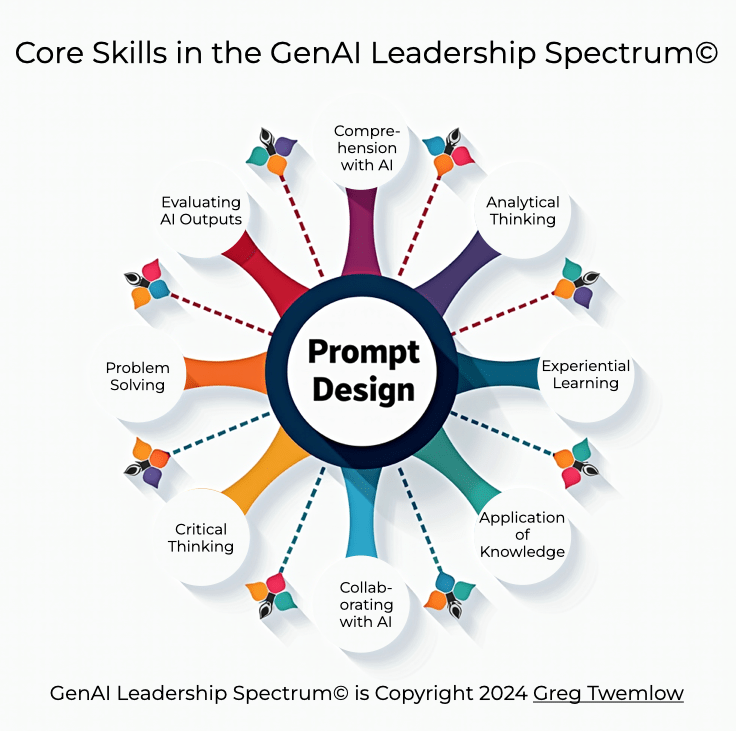
Context: I read an interesting article on 41 Skills that need AI mesh up to enhance skills. That made me thinking.

The world is rapidly shifting towards digitisation, and artificial intelligence (AI) is no longer the distant future—it’s here and evolving daily. As professionals in the Environment, Health, and Safety (EHS) domain, we must actively embrace these advancements, not only to enhance workplace safety and compliance but also for personal growth and skills development. However, many organisations and individuals still sideline these transformative tools, limiting their potential to reshape EHS practices. It’s time to explore how embracing digitisation and AI can revolutionise EHS performance management and drive personal and professional development.


The Current Landscape of EHS

Traditionally, EHS management has relied on manual processes, spreadsheets, and fragmented reporting systems. While these approaches have served their purpose, they are riddled with inefficiencies, human error, and reactive decision-making. This conventional framework is inadequate for the modern workplace, which demands agility, accuracy, and foresight.

In today’s interconnected world, hazards are more complex, regulations are more stringent, and organisations are under constant pressure to ensure compliance while optimising performance. Digitisation and AI offer a pathway to achieve these objectives more effectively.


Leveraging Digitisation in EHS

Digitisation simplifies data collection, analysis, and reporting—cornerstones of effective EHS management. Some key benefits include:

  1. Real-Time Data Monitoring: Sensors and IoT devices can monitor workplace conditions (e.g., air quality, temperature, noise) in real time, enabling proactive responses to potential hazards.
  2. Centralised Systems: Cloud-based platforms consolidate data from various locations and functions, providing a unified view of safety performance.
  3. Streamlined Compliance Management: Digital tools automate documentation and regulatory compliance tracking, reducing the burden of manual updates and audits.
  4. Incident Management: Apps and dashboards allow instant reporting and tracking of near misses, incidents, and corrective actions, ensuring timely resolution.
AI: Transforming EHS Beyond the Basics

AI enhances the power of digitisation by enabling predictive analytics, risk assessment, and decision-making support. Here’s how:

  1. Predictive Analytics for Risk Prevention: AI algorithms can analyse historical data to predict potential risks or hazards, allowing organisations to take preventive actions before incidents occur.
  2. Personalised Safety Training: AI-driven tools can tailor training programs to individual needs, improving knowledge retention and engagement.
  3. Enhanced Audits and Inspections: AI-powered drones and image recognition software can conduct thorough site inspections, identifying hazards that might be missed during manual inspections.
  4. Worker Fatigue and Behaviour Analysis: Wearables with AI can track worker fatigue levels or detect unsafe behaviours, providing real-time feedback and corrective measures.

Personal Development Through AI and Digitisation

Digitisation and AI aren’t just about organisational performance—they’re equally vital for personal growth in EHS roles:

  1. Skill Development: Online platforms powered by AI recommend courses, certifications, and learning resources tailored to individual career paths.
  2. Efficiency and Productivity: Automating repetitive tasks allows EHS professionals to focus on strategic, value-added activities, fostering creativity and problem-solving.
  3. Decision-Making Confidence: Data-backed insights from AI enhance decision-making, empowering professionals to handle complex challenges with greater assurance.
  4. Networking and Collaboration: Digital tools facilitate global collaboration, exposing individuals to diverse perspectives and best practices.

Areas Requiring AI and Digitisation in EHS

The integration of AI and digitisation into EHS can significantly enhance various processes that traditionally relied on manual intervention and subjective judgement. Here are key areas where these technologies can drive transformational change:

  1. Accident Investigation – Sharpening the Saw: AI-powered tools can enhance root cause analysis by identifying patterns in data that might otherwise be overlooked. By using machine learning algorithms, organisations can uncover systemic issues, enabling preventive measures and more effective corrective actions.
  2. Risk Assessment with Focus on Hidden Risks: Risk assessments often miss latent risks due to human biases or incomplete data. AI can analyse large datasets to identify hidden vulnerabilities and recommend targeted mitigation strategies, making risk assessments more robust and dynamic.
  3. Practical Training Modules: Virtual Reality (VR) and Augmented Reality (AR) technologies can simulate real-life scenarios, offering hands-on training in a controlled environment. AI customises training based on individual progress, ensuring a comprehensive learning experience.
  4. Corrective Action Planner, Tracker, and Closure: Digitised systems automate the planning, tracking, and closure of corrective actions. AI prioritises actions based on risk severity and ensures timely follow-ups, improving accountability and effectiveness.
  5. Legal Requirements Tracking – Corporate and Country: AI-powered platforms monitor regulatory updates in real-time, ensuring compliance with corporate and country-specific legal requirements. Automated alerts and documentation workflows simplify adherence to dynamic regulations.
  6. Industrial Hygiene (IH) and Medical Validations: Digitisation streamlines the tracking of workplace exposures and employee health data. AI identifies trends and flags potential health risks, ensuring early interventions and compliance with occupational health standards.
  7. Environmental Compliance – Air, Water, and Solid Waste: Automated systems monitor environmental parameters, integrate compliance data, and generate reports aligned with legal standards. AI can predict potential violations, enabling proactive corrective measures.
  8. Contractor EHS Management: AI tools assess contractor safety performance, monitor compliance, and flag deviations in real time. This ensures contractors adhere to organisational safety standards and regulatory requirements.
  9. Systems Audit: AI-driven audit systems enhance the accuracy and efficiency of internal and external EHS audits. They highlight non-conformities and provide actionable recommendations, ensuring continuous improvement.
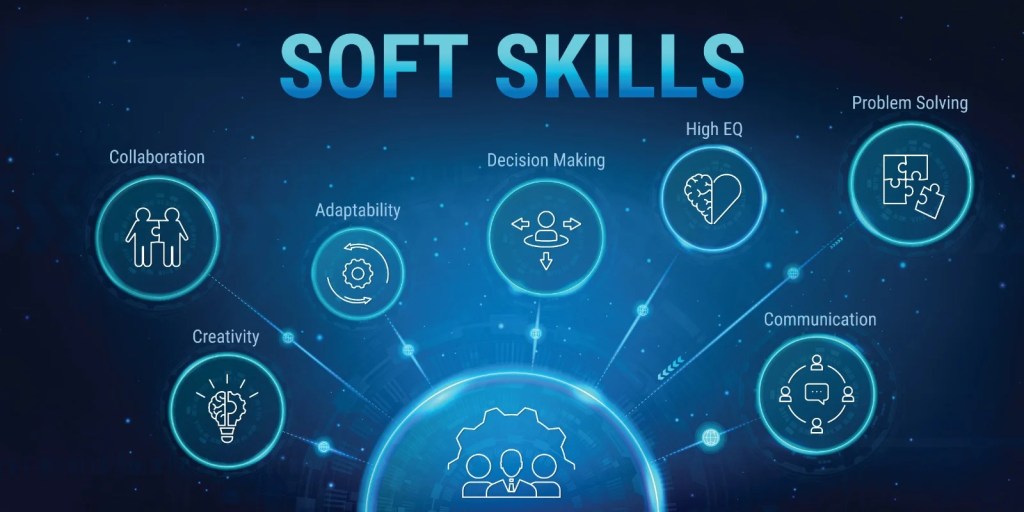
Skill Development for Subject Knowledge and Personal Growth

The rapid digitisation of EHS processes necessitates a parallel development of skills to maximise the potential of these tools. Skill development should focus on two key areas: subject knowledge and personal competencies.

  1. Subject Knowledge:
    • Technical Proficiency: Mastery of AI and digital tools specific to EHS, such as risk assessment software, data analytics platforms, and compliance management systems.
    • Data Analysis: The ability to interpret and leverage data insights to make informed decisions, improve processes, and predict risks.
    • Regulatory Knowledge: Staying updated on the latest EHS standards, regulations, and technologies to ensure compliance and drive innovation.
  2. Personal Competencies:
    • Communication Skills: Clear, concise communication of safety protocols, incident reports, and data insights to stakeholders across all levels.
    • Emotional Intelligence: Managing relationships, understanding team dynamics, and fostering a safety-first culture through empathy and leadership.
    • Adaptability: Embracing technological changes with a growth mindset and a willingness to learn continuously.

By combining these technical and personal skills, EHS professionals can position themselves as forward-thinking leaders who drive not only compliance but also innovation and cultural transformation in safety and sustainability.

The Risks of Ignoring Digitisation and AI

Failing to embrace these tools can leave organisations and professionals lagging behind. Key risks include:

  • Missed Opportunities for Risk Reduction: Without predictive insights, hazards may go unnoticed until it’s too late.
  • Increased Workload: Manual processes are time-consuming, increasing burnout and reducing overall efficiency.
  • Limited Career Growth: Professionals who don’t adapt to digital tools may struggle to remain relevant in an increasingly tech-driven field.

Steps to Embrace Digitisation and AI

  1. Start Small: Begin with simple tools like incident reporting apps or digital checklists, then gradually introduce more advanced solutions.
  2. Invest in Training: Equip your team with the skills needed to leverage digital tools effectively, including data analysis and AI literacy.
  3. Collaborate with IT Teams: Work closely with your organisation’s IT department to identify and implement suitable EHS technologies.
  4. Adopt a Growth Mindset: Stay curious and open to learning new technologies. Continuous self-improvement is key to thriving in a digitised environment.

The Future of EHS is Digital

The integration of digitisation and AI in EHS is not a question of if but when. Organisations and individuals that proactively adopt these tools will be better positioned to create safer, more efficient workplaces while driving personal and professional growth.

In a world where change is the only constant, adaptability is our greatest asset. Let us embrace digitisation and AI not as threats but as opportunities to transform EHS performance management and elevate ourselves as leaders in the field. After all, the future of safety lies in leveraging technology to predict, prevent, and perform.

What’s your perspective on digitisation and AI in EHS? Have you started your journey yet? Share your thoughts and let’s discuss how we can collectively advance the field.

Good luck

Karthik

15/11/24 130pm.

Leadership for the EHS Battlefield: Lessons from Congressman Mike Waltz’s “Hard Truths”

#230

In EHS, we’re often thrust into situations that demand decisive action, resilience, and an unwavering commitment to protect our people. Congressman Mike Waltz, a Green Beret and now a Congressman, draws from his time in war-torn regions to outline essential leadership traits in his book Hard Truths. Reading it, I was struck by how his lessons from the battlefield resonate with our own EHS battles. (Mike has been nominated this week as NATIONAL SECURITY ADVISOR to President Elect Donald Trump).

Safety incidents, unexpected challenges, and invisible hazards lie in wait, regardless of how meticulous our planning is. Just as soldiers navigate threats on the battlefield, EHS professionals confront potential crises daily, requiring strong leadership traits to forge a proactive safety culture. Here’s how Waltz’s 12 leadership qualities translate into the EHS landscape.


1. Restraint

In EHS, restraint is about careful judgment. When investigating incidents, a disciplined approach helps avoid jumping to conclusions, ensuring a thorough and unbiased analysis. Restraint helps us take corrective actions that address root causes rather than rushing into quick fixes.

2. Discipline

Discipline in EHS is the backbone of safety protocols. Rigorous adherence to safety standards, regular training, and meticulous record-keeping are essential. Discipline ensures that safety practices are sustained over time, even when things seem routine or tedious.

3. Bottom-Up Leadership

EHS thrives on input from the ground up. Encouraging employees to speak up about potential hazards and participate in safety discussions empowers them to be part of the solution. A bottom-up approach not only surfaces hidden risks but also fosters a sense of ownership across the team.

4. Adaptability

No two incidents are identical, and no safety plan can cover every scenario. Adaptability is crucial, whether it’s dealing with new regulations, unexpected equipment issues, or changing workplace dynamics. A flexible mindset allows EHS professionals to adjust and find solutions in real time.

5. Loyalty

Loyalty in EHS is commitment to your team’s safety and well-being. It’s standing by them, providing the necessary tools, training, and resources, and demonstrating that their safety is always a priority. When employees know you’re loyal to their welfare, they’re more likely to engage fully in safety initiatives.

6. Resilience

Setbacks are inevitable in EHS. Resilience is the ability to learn, adapt, and push forward after an incident or a near-miss. It’s the quality that keeps us motivated to improve systems, refine processes, and constantly evolve our approach to safety.

7. Determination

Determination fuels the relentless pursuit of zero incidents. It’s the driving force behind continuous safety improvements, even when challenges seem insurmountable. Determined EHS leaders inspire their teams to push towards ambitious safety goals, never settling for the status quo.

8. Boldness

Boldness is essential in advocating for safety, even when it’s unpopular. Speaking up about safety concerns, pushing for necessary resources, and challenging unsafe practices require courage. Bold EHS leaders are willing to make tough decisions, prioritising safety over convenience.

9. Servant Leadership

EHS is fundamentally about service to others. Servant leadership involves putting the team’s needs first, ensuring they have a safe environment to work in. It’s about listening to their concerns, addressing their fears, and building a culture where every individual feels valued and protected.

10. Truth to Power

Safety issues often stem from uncomfortable truths—overlooked risks, budget constraints, or resistance to change. An effective EHS leader speaks truth to power, addressing issues head-on, even if it means challenging higher-ups. Transparency in reporting and a commitment to integrity can prevent future incidents.

11. Persistence

Safety culture isn’t built overnight. Persistence is the key to gradually changing mindsets, reinforcing safety protocols, and embedding safety as a core value. EHS leaders must be patient yet persistent, understanding that real change happens incrementally.

12. Vigilance

The EHS landscape demands constant vigilance. Hazards evolve, new risks emerge, and the unexpected can strike at any moment. Vigilance means staying alert, continually assessing the environment, and never becoming complacent, even in seemingly safe conditions.


Leading with Purpose in EHS

Mike Waltz’s qualities remind us that effective leadership in EHS isn’t just about managing risks—it’s about cultivating a mindset that anticipates, adapts, and constantly pushes for improvement. Like soldiers on a battlefield, EHS leaders must stay prepared, lead with integrity, and inspire their teams to prioritise safety.

EHS may not be a conventional battleground, but with accidents, unknown issues, and ever-present hazards, it’s a field that demands grit, resilience, and unwavering dedication. By embracing these leadership qualities, we can lead our teams through challenges, build a culture of proactive safety, and protect what truly matters—the lives of our people.

Karthik

14th November 2024 11am.

EHS Trends for 2025: Adapting to a Rapidly Shifting EHS Landscape

#229

As we move into 2025, Environmental Health and Safety (EHS) professionals will face a year shaped by regulatory adjustments, societal demands, economic pressures, and rapid advancements in technology. The EHS field is on the brink of several transformations, from evolving workplace mental health initiatives to AI-driven safety innovations. Here are the top EHS trends likely to define 2025.

1. Increased Business Pressure Amid Political and Regulatory Shifts

Political and regulatory changes are poised to significantly impact operating margins across sectors, resulting in unprecedented business pressures. Global economic uncertainties—driven by fluctuating trade policies, inflation, and changing regulations—are pushing businesses to cut costs and increase productivity. For many organisations, this could mean reduced payouts, longer working hours, and scaled-back benefits as the norm, impacting the workforce worldwide. EHS professionals must be prepared for the potential safety implications of a workforce under pressure, as financial strain and extended hours can lead to stress, burnout, and increased accident risks. Navigating this environment will require careful monitoring of workforce health, tailored support programs, and an emphasis on safety culture to counteract the adverse effects of a leaner operating model.

2. Regulatory Shifts: The Chevron Mandate and Regulatory Flexibility

One of the major potential changes on the horizon is regulatory flexibility influenced by the Chevron mandate, which may lead to more relaxed interpretations of EHS regulations, especially in the United States. If implemented, this approach might allow organisations greater leeway in interpreting safety mandates, but it also risks creating gaps in accountability. For EHS professionals, this underscores the need for internal vigilance—companies must balance regulatory flexibility with an unwavering commitment to worker safety and environmental responsibility, adopting voluntary standards where necessary to maintain rigorous safety practices.

3. Increasing Pushback on DEI and ESG Initiatives

As diversity, equity, and inclusion (DEI) and Environmental, Social, and Governance (ESG) initiatives continue to dominate corporate agendas, they are also facing a growing backlash, more so now with Trump Administration with Elon Musk (A staunch opponent of DEI/ESG in place). This pushback often centres around perceived overreach or effectiveness. In the EHS space, this means that in 2025, organisations may see more scrutiny on whether DEI and ESG initiatives truly enhance safety and productivity or if they distract from core safety priorities. EHS professionals will likely need to streamline these initiatives, ensuring they’re practical and directly contribute to creating a safer, more inclusive work environment.

4. Workplace Mental Health as a Core EHS Concern

The mental health crisis in the workplace has gained critical attention, with burnout, stress, and anxiety all rising as workers face increasing pressures. As we enter 2025, mental health is becoming a key focus in EHS policies and practices. EHS professionals will need to incorporate mental health strategies, such as employee support programs, stress management training, and flexible work options, to address these issues proactively. Moreover, organisations are likely to start setting mental health benchmarks as part of their EHS objectives, recognising that psychological well-being is as crucial as physical safety.

5. Accelerating Technology and AI Integration in EHS

The adoption of Artificial Intelligence (AI) and technology in EHS is set to gain even more momentum in 2025. AI-driven tools are already enabling predictive analysis, real-time risk assessment, and pattern detection to prevent incidents before they happen. As technology advances, we expect to see more organisations integrating wearable devices and Internet of Things (IoT) sensors to monitor worker health, equipment performance, and environmental safety in real-time. These tools will empower EHS professionals to make faster, more informed decisions. However, the rise of these tools will also necessitate stronger data privacy protocols and caution against over-reliance on automation.

6. Expanding Focus on Supply Chain Safety and Accountability

Global supply chains have faced continuous disruptions over the past few years, and in 2025, there will be a stronger focus on ensuring safety practices extend beyond internal operations. Companies are now holding suppliers to high EHS standards, recognising that an unsafe or unsustainable supply chain can pose significant risks. This trend will require EHS professionals to establish strict criteria for supplier safety practices, including regular audits and compliance reviews, to ensure that every link in the supply chain upholds the same safety standards as the primary organisation.

7. Climate Change Adaptation and Environmental Preparedness

The pressing impacts of climate change are forcing organisations to address environmental risks proactively. In 2025, climate resilience will be a priority, with companies expected to assess and adapt their EHS policies to mitigate the effects of extreme weather events and other climate-related challenges. EHS leaders will work closely with sustainability teams to develop strategies that not only address compliance but also bolster environmental preparedness, including water conservation, emissions reduction, and waste management initiatives tailored to mitigate climate impact.

8. Upskilling the EHS Workforce for Greater Resilience

As the EHS field evolves, there’s a critical need for skill development among EHS professionals. The demand for expertise in technology, regulatory changes, and mental health awareness means that 2025 will see a stronger focus on professional development. Organisations will likely increase investments in EHS training programs, certifications, and cross-functional skill-building, creating a workforce that is agile and resilient in the face of change. By fostering a continuous learning environment, companies can ensure their EHS teams are prepared to handle emerging challenges with confidence.

Other Trends:-

Beyond the trends already outlined, a few additional factors could significantly impact EHS in 2025, each bringing unique challenges and opportunities. Here are some critical areas that could reshape EHS strategies in the coming year:

1. Evolving Cybersecurity Threats in EHS Data and Systems

With the increasing reliance on technology, EHS professionals must consider cybersecurity risks that could compromise safety systems. As more companies adopt IoT devices, wearable tech, and AI-powered platforms, the data gathered from these tools becomes a target for cyber attacks. A breach could disrupt safety-critical systems, disable safety alerts, or even compromise worker safety directly. EHS teams may need to collaborate closely with IT departments to establish strong cybersecurity protocols, ensuring that safety technology remains robust and secure.

2. Worker Shortages and Skill Gaps in EHS Roles

Global labour shortages, especially in skilled trades and specialised EHS roles, are likely to impact companies in 2025. Many industries are experiencing a shortage of qualified professionals with the skills necessary to manage advanced safety systems and meet regulatory standards. For EHS, this shortage translates into gaps in expertise that can lead to compliance challenges, slower response times, and potential increases in incident rates. To mitigate this, organisations may need to invest in targeted upskilling, cross-training existing employees, and exploring partnerships with educational institutions to build a pipeline of future EHS talent.

3. Employee Surveillance and Privacy Concerns

As companies integrate more wearable technology and remote monitoring tools to ensure safety, there’s a growing concern over employee privacy. Balancing the need for continuous monitoring with respect for privacy will become increasingly important, especially with evolving data privacy laws across various jurisdictions. EHS leaders will need to define transparent policies around data usage and storage, obtaining informed consent where necessary and ensuring that data collection doesn’t overstep into unnecessary surveillance. Respecting privacy while prioritising safety will be a delicate balance, and policies should address both workforce concerns and regulatory requirements.

4. Rise in Legal and Social Accountability for EHS Violations

Globally, there’s an upward trend in social accountability and legal consequences for EHS failures, especially in response to high-profile safety incidents. In 2025, we’re likely to see increased public and media scrutiny on EHS practices, particularly in industries with a history of safety lapses. Additionally, legal frameworks are evolving to impose stricter penalties on companies that fail to uphold safety standards, especially where negligence is evident. EHS leaders may find themselves needing to adopt more transparent, socially accountable practices, not only to protect employees but also to maintain public trust and avoid reputational damage.

5. Sustainability-Linked Financing and EHS Performance

Sustainability-linked financing, which ties loan terms to an organisation’s environmental, social, and governance (ESG) performance, is gaining traction. For companies with such financing, poor EHS performance could directly affect financing costs or access to capital. EHS professionals will need to align safety metrics and initiatives with these sustainability goals, ensuring that safety performance contributes positively to an organisation’s ESG score. In 2025, we may see EHS and finance teams working more closely, integrating safety into broader sustainability reporting and financial risk assessments.

6. Rising Expectations for Emergency Preparedness and Climate Resilience

With increasing awareness of climate-related disasters and the need for resilient operations, companies face heightened expectations around emergency preparedness. Regulatory bodies, insurers, and the public are demanding more robust plans to address not only immediate risks but also long-term resilience. In industries vulnerable to extreme weather or environmental hazards, EHS professionals will need to ensure that emergency response plans are comprehensive, tested regularly, and adaptable to a range of scenarios. Climate resilience planning will become a key aspect of EHS, requiring collaboration with risk management, sustainability, and local emergency agencies.

7. Worker Activism and Unionisation Efforts

With rising business pressures and changing workplace dynamics, we may see an increase in worker activism and unionisation efforts, particularly concerning health and safety standards. Workers across various industries are becoming more vocal about their safety and well-being, and union demands are increasingly incorporating safety metrics into contract negotiations. EHS leaders should be prepared for greater employee scrutiny on safety practices, as well as potential demands for improved safety measures, hazard pay, or transparent reporting of safety incidents.

Conclusion: Shaping a Resilient and Responsive EHS Future

As we look to 2025, EHS leaders must be prepared for a year defined by change, adaptation, and resilience. With regulatory landscapes shifting, business pressures rising, technology integration accelerating, and mental health becoming a cornerstone of safety practices, it’s crucial for EHS professionals to stay agile and proactive. By embracing these trends and fostering a forward-thinking safety culture, organisations can create safer, healthier, and more adaptable workplaces for the future.

Karthik

9th November 2024

1115am.

OSHA/ EPA Compliance- What Indian EHS professional can learn and be proactive.

#228

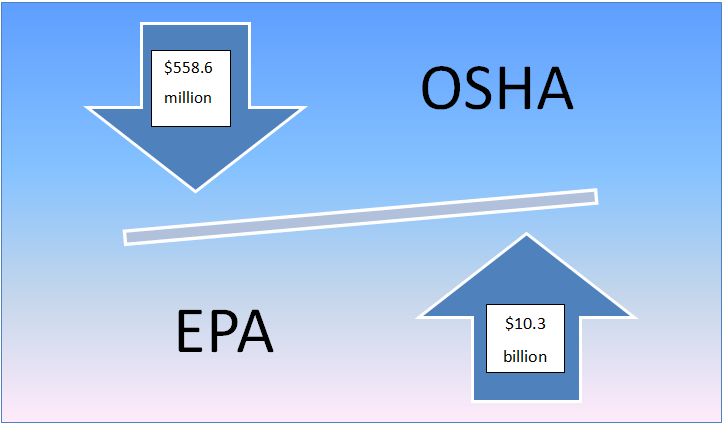
OSHA EPA Annual Budget.

With US elections (2024) beginning in a couple of hours, I thought I can touch on the Compliance aspect of Safety/ Environment that exist there.

Frequent OSHA Citations in General and Construction Industries: Root Causes and Avoidance Strategies

Occupational Safety and Health Administration (OSHA) frequently issues citations in the general and construction sectors, especially in areas prone to high-risk activities. Some of the most common citations include fall protection, hazard communication, respiratory protection, lockout/tagout, and machine guarding. Despite being well-publicised, these remain constant areas of concern, leading to financial penalties, reputational risks, and, in some cases, even civil or criminal prosecution. So, why do these violations persist?

Why OSHA Citations Happen: Key Reasons
  1. Complexity of Compliance: US OSHA regulations can be complex, making it challenging for organisations to stay fully compliant, especially in large, multi-site operations.
  2. Resource Constraints: Smaller companies or those with tight operational budgets often compromise safety due to lack of resources. Compliance may take a backseat to production pressures, a common issue in construction.
  3. Insufficient Training: Without regular, updated training, employees might fail to understand and apply safety procedures correctly.
  4. Poor Safety Culture: A safety culture focused on “reactive” rather than “proactive” measures often results in overlooked hazards.
  5. Failure to Prioritise Safety: When leadership doesn’t prioritise safety, it trickles down through the workforce, leading to compliance failures.
Strategies to Avoid OSHA Citations
  1. Conduct Regular Audits and Assessments: Proactive internal audits help identify potential violations before they escalate. Regular safety assessments provide insights into improvement areas and prevent minor issues from becoming major citations.
  2. Invest in Training and Awareness: Comprehensive and frequent training is vital. From frontline employees to supervisors, everyone should be clear on OSHA requirements and the company’s safety protocols.
  3. Strengthen Safety Culture: Leadership must visibly prioritise safety. When safety is viewed as a core company value, rather than an obligation, employees feel empowered and motivated to uphold it.
  4. Establish Clear Documentation and Reporting Systems: OSHA citations often arise from poor documentation or non-compliance with reporting standards. A structured reporting system ensures that incidents and corrective actions are well-documented and accessible.
  5. Engage with EHS Professionals: Consulting with EHS specialists for guidance and compliance checks is essential, especially when setting up safety systems in complex industries.

Organisations that prioritise these steps often see better compliance rates, which can translate into fewer citations and a safer, more productive workforce.


The Untouched Aspect of EPA Compliance: A Tough Balancing Act

In addition to OSHA, many companies in the United States must also comply with environmental standards set by the Environmental Protection Agency (EPA). The EPA is tasked with enforcing environmental laws to protect public health and the environment, but its stringent policies often lead to companies viewing it with trepidation, even earning the label of “Compliance Terrorist.”

Understanding the EPA Compliance Program

The EPA monitors a wide range of environmental aspects, from air quality to hazardous waste management, and enforces policies that require companies to minimise their environmental impact. Key areas of EPA oversight include:

  1. Air and Water Quality: Regulations here mandate limits on emissions and effluents, particularly relevant to industries with high pollution levels.
  2. Waste Management: Companies must handle, store, and dispose of waste materials in compliance with federal and state laws.
  3. Chemical Handling and Spill Prevention: This includes stringent protocols for handling hazardous materials and preventing spills, especially in industries like manufacturing and petrochemicals.
  4. Climate Action and Resource Management: This is an evolving area where EPA mandates increasingly target emissions reductions and sustainable resource use.

The EPA maintains its compliance program through routine inspections, reporting requirements, and enforcement actions. The EPA is empowered to impose penalties on companies that violate these standards, and in severe cases, it can halt operations or mandate costly remedial actions.

Challenges Faced by Companies in EPA Compliance
  1. Stringent Standards and High Penalties: Compliance often involves significant investments in technology and processes, which can be costly for companies, especially for those with limited budgets.
  2. Frequent Updates and Complexity: EPA guidelines are regularly updated to reflect the latest environmental science, but these frequent updates can make compliance a moving target.
  3. Resource-Intensive Monitoring: Companies must establish environmental monitoring systems to ensure compliance, which requires skilled personnel, technology, and operational adjustments.
  4. Balancing Production with Compliance: Compliance requirements sometimes conflict with production targets, leading to difficult trade-offs, especially in competitive industries.
EPA Compliance: The Need for a Mindset Shift

To manage EPA compliance effectively, companies must view environmental stewardship not as a regulatory burden but as an integral part of responsible corporate governance. Here are some steps they can take:

  1. Adopt an Environmental Compliance Culture: Much like safety, environmental compliance should be integrated into company values and daily operations. This shifts the approach from compliance avoidance to genuine environmental responsibility.
  2. Implement Advanced Monitoring Technologies: Automated systems can track emissions, waste disposal, and other environmental parameters in real time, helping companies stay on top of compliance requirements.
  3. Engage in Industry Partnerships: Some industries work with environmental consultants or industry groups to create compliance benchmarks and best practices, making it easier to adapt to EPA guidelines.
  4. Transparent Reporting: Establishing transparent reporting practices can build trust with regulatory agencies and even reduce penalties in cases of accidental violations.
Beyond Compliance: Building Trust with Environmental Agencies

When companies take proactive steps toward EPA compliance, they often foster stronger relationships with regulatory bodies. A collaborative approach, rather than an adversarial one, can yield benefits in terms of compliance flexibility and brand reputation. While the EPA may be viewed with scepticism, companies that successfully integrate environmental responsibility into their operations often find that it brings long-term benefits, both operationally and ethically.


Understanding the financial implications of non-compliance with OSHA and EPA regulations is crucial for industries aiming to maintain safety and environmental standards.

Average Penalties Imposed by OSHA and EPA

  • OSHA Penalties: In Fiscal Year (FY) 2022, OSHA conducted 31,820 inspections, resulting in numerous citations. The maximum penalties for violations as of January 2024 are:
    • Serious, Other-Than-Serious, and Posting Requirements: $16,131 (Rs. 10 Lacs) per violation.Failure to Abate: $16,131 per day beyond the abatement date.Willful or Repeated: $161,323 (Rs. 1 Crore) per violation.
    While specific average penalty amounts per industry are not detailed, these figures highlight the potential financial risks associated with non-compliance.
  • EPA Penalties: In FY 2023, the EPA’s enforcement actions resulted in over $704 (Rs. 5800 Crores) million in penalties, fines, and restitution, marking a 57% increase over FY 2022. Environmental Protection Agency This substantial figure underscores the EPA’s rigorous enforcement of environmental regulations.

Major Areas Leading to Significant Penalties

  • Safety Violations (OSHA):
    • Fall Protection: Consistently the most cited violation, particularly in construction, leading to severe penalties. MSC Industrial Supply
    • Hazard Communication: Failures in properly informing and training employees about hazardous materials result in significant fines.
    • Respiratory Protection: Non-compliance in providing adequate respiratory protection equipment and training incurs substantial penalties.
  • Environmental Violations (EPA):
    • Clean Air Act (CAA) Violations: Industries such as oil, chemicals, and primary metals often face hefty fines for exceeding emission limits. For instance, the primary metal industry faced average penalties of $169,858. Mapistry
    • Clean Water Act (CWA) Violations: Improper discharge of pollutants into water bodies leads to significant fines. Average settlements for CWA violations were approximately $68,472. RMA Green
    • Resource Conservation and Recovery Act (RCRA) Violations: Mismanagement of hazardous waste results in substantial penalties.

Bottomline Impact:-

Non-compliance with OSHA and EPA regulations can lead to severe financial repercussions. Industries must prioritize adherence to safety and environmental standards to mitigate these risks. Regular audits, employee training, and a proactive compliance culture are essential strategies to avoid such penalties.

Judicial Powers and Enforcement: The High Stakes of Non-Compliance with OSHA and EPA

In the United States, non-compliance with OSHA and EPA standards goes beyond financial penalties—these agencies wield substantial legal authority to enforce regulations through judicial means. This is a major differentiator compared to many countries, where regulatory enforcement may be less stringent or penalties less severe. In the US, OSHA and EPA have both the legal framework and judicial support to enforce compliance through substantial penalties, civil action, and even criminal prosecution in cases of severe negligence or deliberate misconduct.

How OSHA and EPA Are Legally Empowered
  1. Legislative Authority: OSHA and EPA are governed by federal laws that grant them the authority to set regulations, conduct inspections, and issue citations. For OSHA, this power stems from the Occupational Safety and Health Act of 1970, which allows them to enforce workplace safety standards across industries. The EPA operates under various environmental laws, including the Clean Air Act, Clean Water Act, and the Resource Conservation and Recovery Act, which establish strict requirements for environmental protection.
  2. Judicial Backing: When companies fail to comply, both OSHA and EPA can pursue legal action in federal courts to enforce penalties. For serious violations, they can refer cases to the Department of Justice (DOJ) for criminal prosecution. In cases involving severe environmental harm or gross safety violations, executives and managers may even face criminal charges, resulting in significant fines and, in rare cases, imprisonment.
  3. Authority to Halt Operations: Both OSHA and EPA can issue cease-and-desist orders, requiring companies to stop specific operations until compliance is achieved. This authority underscores the high stakes of non-compliance, as a halt in operations can have severe financial consequences for businesses.
The High Cost of Non-Compliance

Non-compliance with OSHA and EPA regulations is costly for companies in multiple ways:

  1. Financial Penalties: As mentioned earlier, OSHA violations can lead to fines of up to $161,323 per violation in cases of repeated or willful non-compliance. EPA violations are even more costly, with multi-million dollar penalties not uncommon in industries like chemicals, oil, and heavy manufacturing. Additionally, EPA violations often include costs for environmental remediation, which can far exceed the initial fine.
  2. Legal Fees and Compliance Costs: Companies facing citations must often invest in extensive legal counsel and compliance measures to avoid additional penalties. These costs can run into millions of dollars, especially for complex environmental cases that require lengthy remediation processes.
  3. Restricted Eligibility for Government Contracts: In industries where companies bid for government contracts, OSHA and EPA violations can be particularly damaging. Criminal prosecutions or severe citations may render companies ineligible to submit tenders, effectively closing the door on lucrative government contracts. This restriction can significantly impact revenue streams for companies reliant on public sector contracts, as many institutions require a clean compliance record as a prerequisite for eligibility.
OSHA Penalties as Part of Operating Budgets

It is indeed true that, in certain industries, OSHA penalties have become an expected part of operating budgets. Companies operating in high-risk sectors, such as construction, oil and gas, and manufacturing, sometimes account for these penalties as “contingent liabilities.” However, it’s essential to note that this practice isn’t sustainable and reflects a risk-tolerant approach that regulators view unfavorably. Repeated citations can lead to heightened scrutiny, higher fines, and, in extreme cases, loss of operational permits or shutdown orders.

Criminal Prosecution as a Deterrent

When OSHA or EPA violations result in severe outcomes—such as worker fatalities, toxic spills, or environmental contamination—the agencies may pursue criminal charges to set a precedent. Cases where companies knowingly disregard safety or environmental standards carry severe reputational damage, besides the loss of market opportunities due to tender ineligibility for government contracts.

The Takeaway: The Long-Term Impacts of Compliance and Non-Compliance

Companies in high-risk industries must view OSHA and EPA compliance as a critical aspect of risk management. Beyond the immediate cost of fines, non-compliance can lead to long-term financial repercussions, including lost contracts, reputational damage, and restricted business growth. By integrating safety and environmental standards as part of core business practices, organisations can reduce regulatory risk and foster a culture that values both safety and environmental stewardship—ultimately protecting both their employees and the environment.

Concluding Thoughts

For EHS professionals and business leaders, compliance with OSHA and EPA regulations isn’t just about avoiding penalties—it’s about creating a safer, more sustainable workplace. OSHA compliance ensures the health and safety of workers, while EPA compliance contributes to environmental stewardship. Adopting a proactive stance on both fronts not only helps companies avoid costly legal battles but also positions them as responsible corporate citizens in a world where safety and environmental integrity are valued more than ever.

Karthik

5/11/24. 3pm.

The Decline of the DuPont Safety Model: Why Traditional Safety Approaches Are Losing Relevance

#227

Introduction

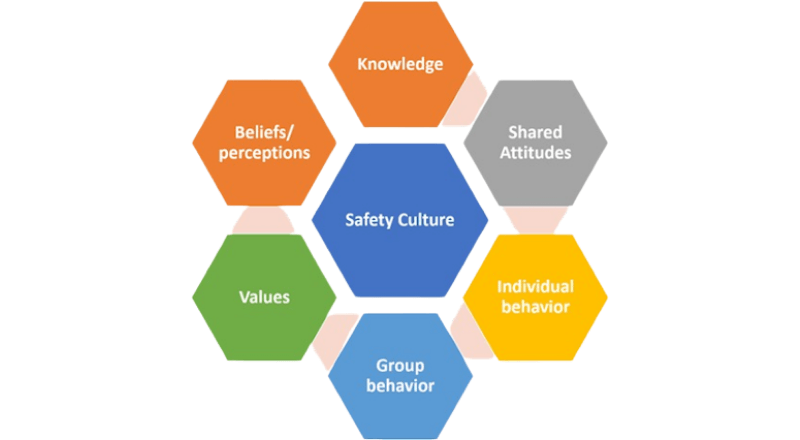
The DuPont Safety Model, once heralded as a gold standard in EHS (Environment, Health, and Safety), is now facing significant scrutiny. Initially celebrated for its Behavioural Safety and Process Safety Management (PSM) frameworks, the model’s influence is waning, with incidents at DuPont facilities highlighting the risks of symbolic safety practices over genuine commitment. This post explores why the DuPont approach, including its Zero Accident philosophy and the Bradley Curve, is losing its appeal. Furthermore, it questions the over-reliance on “safety culture” as a sole driver of EHS performance, advocating instead for a balanced approach grounded in trust, empowerment, and accountability.

1. Questioning the DuPont Safety Model: Why the Decline?

The DuPont model revolves around two main pillars: Behavioural Safety and Process Safety. Both have historically influenced EHS practices across industries, but a critical evaluation reveals some inherent weaknesses.

  • Behavioural Safety Limitations: The Behavioural Safety component places heavy responsibility on individual worker behaviour. While personal accountability is essential, this approach risks shifting blame onto workers while ignoring systemic risks. By focusing on worker “safe behaviours” without addressing underlying procedural gaps, Behavioural Safety can foster mistrust, as employees may feel they are the focal point for blame rather than active contributors to a safer system.
  • Process Safety Management (PSM): DuPont’s PSM framework was designed to standardise safety protocols, but its limitations became apparent in dynamic environments where rapid human-machine interaction is commonplace. This system can become rigid, sometimes failing to adapt to real-time safety needs.
  • Zero Accident Philosophy: DuPont’s emphasis on achieving “zero accidents” is theoretically appealing but can create a culture of underreporting. Employees and managers may feel pressured to “fudge” numbers or conceal incidents to meet unrealistic targets. Rather than improving safety, this pressure can build a façade of compliance, hiding actual risks and undermining safety integrity.

2. Case Studies of Delayed and Denied Corrective Actions at DuPont Facilities

The limitations of the DuPont approach have been starkly exposed through high-profile incidents that demonstrate a failure to respond proactively to known safety issues.

  • Belle, WV (2010): At DuPont’s Belle facility, a phosgene gas leak resulted in a worker’s tragic death. Investigations by the Chemical Safety Board (CSB) revealed that previous safety lapses, specifically concerning hazardous chemical handling, were inadequately addressed. Reports indicated that the facility’s management had been warned about safety risks, but corrective actions were delayed. This incident exposed the superficial nature of DuPont’s safety culture, where protocol appeared more important than genuine risk management.
  • La Porte, TX (2014): The fatal incident at DuPont’s La Porte facility involved a methyl mercaptan leak that killed four workers. The investigation found that equipment maintenance and safety protocols were seriously lacking. Despite prior incidents and warnings, the facility’s management failed to take preventative actions. The La Porte tragedy underscored the gap between policy and practice, with DuPont’s safety culture seemingly serving more as lip service than an operational priority.

Comparison with BP Incidents: A Broader Pattern in Safety Lip Service

Incidents like BP’s Deepwater Horizon disaster highlight similar issues, where safety measures existed in theory but were undermined by a lack of top-down commitment. BP, like DuPont, had extensive safety protocols, yet operational pressures often led to safety shortcuts. Investigations revealed that BP’s culture prioritised production over safety, reflecting a disconnect between safety policies and ground-level execution. Both DuPont and BP serve as cautionary tales of how an over-reliance on safety metrics without deep operational commitment can lead to catastrophic outcomes.

3. The Fragmentation of DuPont’s Safety Legacy

Today, DuPont’s corporate structure has split into various entities, diluting its once-cohesive approach to EHS. No single “flame holder” now exists to oversee or refine its original safety practices, raising questions about accountability and continuity. Each offshoot must independently interpret and implement safety measures, creating a fragmented approach that risks inconsistency. This loss of a central entity weakens the ability of DuPont’s legacy model to adapt and meet the challenges of modern safety requirements.

4. The Questionable Impact of Safety Culture and the Bradley Curve

  • Safety Culture as a “Hygiene Factor”: DuPont’s model presents safety culture as an organisational trait that should be cultivated top-down. However, in practice, safety culture is often more of a “hygiene factor” than a direct driver of performance. Like other management “hygiene” factors, its absence can lead to significant issues, but its presence doesn’t necessarily improve outcomes unless supported by robust safety systems. Relying on safety culture alone risks complacency, as companies may believe they are protected simply by having a “strong culture.”
  • The Bradley Curve’s Limitations: The Bradley Curve illustrates a theoretical journey from reactive to interdependent safety cultures. While visually useful, it oversimplifies the progression of safety maturity, assuming a linear journey that fails to account for real-world complexity. In practice, safety requires constant recalibration, with an ongoing balance between adaptive feedback and proactive engagement. The Bradley Curve’s top-down emphasis can lead organisations to view safety as a “destination” rather than an evolving process.

5. Building Genuine EHS Success: Trust, Empowerment, and Accountability

As an EHS professional, I’ve observed that safety success is built from the ground up, with both top management and employees equally involved in shaping a reliable, effective safety environment. Key enablers of a thriving safety culture include:

  • Trust: Safety culture is not merely a top-down directive; it requires mutual trust. Employees must feel confident that their reports and safety concerns will be addressed without fear of reprisal. Trust fosters open communication, essential for identifying and mitigating risks.
  • Empowerment: Workers should have the authority and resources to take immediate action when safety concerns arise. Empowered employees proactively address issues, creating a culture where safety is a shared responsibility rather than a management mandate.
  • Accountability: Leadership must embody commitment to safety through transparent actions rather than rhetoric. Accountability at all levels builds a cohesive safety environment where both management and the workforce are responsible for upholding and improving safety practices.

6. Moving Beyond the Traditional Safety Model

For a truly effective safety framework, organisations need to evolve beyond symbolic metrics and benchmarks. A balanced approach grounded in adaptive, trust-driven practices will outlast rigid, top-down models like the Bradley Curve. Real safety culture is nurtured through continuous engagement, where feedback and adaptability are prioritised over achieving arbitrary maturity levels.

Conclusion

The decline of the DuPont model underscores the need to rethink traditional safety approaches in favour of trust, empowerment, and accountability. Incidents at DuPont and BP illustrate the dangers of prioritising symbolic safety culture over genuine, actionable safety practices. Safety culture alone, without robust systems, is insufficient. For EHS success, organisations must shift from focusing on a “zero accident” mindset and the allure of the Bradley Curve to embracing a dynamic, participatory safety model that adapts to real-world complexities.

References for Further Reading

  1. Incident Analysis and Lessons Learned
    • U.S. Chemical Safety and Hazard Investigation Board (CSB) Reports: Detailed analyses of incidents at DuPont Belle, WV, and La Porte, TX facilities. CSB.gov
    • “DuPont: Who Lost the Legacy?” Occupational Health & Safety magazine.
  2. Trust and Accountability in Safety Culture
    • Cooper, D. (2000). Towards a Model of Safety Culture. Safety Science.
    • Hopkins, A. (2006). Studying Organisational Cultures and their Effects on Safety. Safety Science.
  3. Critiques of Maturity Models in Safety
    • Conklin, T. (2019). The 5 Principles of Human Performance: A Contemporary Approach to Workplace Safety. PreAccident Media.
    • Hudson, P. (2001). Safety Culture—Theory and Practice. Safety Science.

B Karthik

4th November 2024 1pm.

Risk vs. Chance in EHS: Building Competence, Intelligence, and Resilience

#226

Introduction: Understanding the Landscape of Risk and Chance

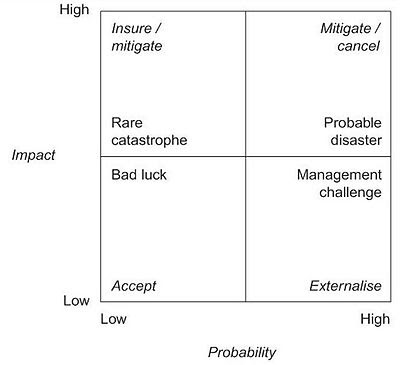
The recent cancellation of an open-field event due to a lightning threat (Todd Conklin mentioned today in his podcast) highlights an essential concept in Environmental Health and Safety (EHS): the distinction between risk and chance. Although the actual risk of lightning might have been low, the event organisers chose not to take any chances, prioritising safety over probability.

This distinction is often overlooked but is essential for EHS leaders, especially in high-stakes environments. My aim in this post is to demystify the concepts of risk and chance, examine how they impact safety decisions, and offer practical strategies for organisations to create safer, more resilient systems.

Defining Risk and Chance: A Fine Distinction

What is Risk?

Risk in EHS is the probability of an undesirable outcome, typically based on past data, incident reports, and statistical analysis. It is something we can measure, assess, and manage. Risk allows us to use data-driven insights to determine the likelihood of an event, enabling informed, proactive decisions.

What is Chance?

Chance, on the other hand, is more unpredictable and often lacks the structure of past data or consistent outcomes. It’s the wild card in safety management, the unexpected variable that may arise without warning. When we address chance, we acknowledge that even a remote possibility should sometimes be taken seriously, especially when consequences could be severe.

Why the Distinction Matters

This difference may appear subtle, but it is crucial in EHS decision-making. Risk allows us to work with probabilities, but chance highlights the rare and sometimes random. As Tod Conklin’s example shows, understanding both concepts equips organisations with the knowledge to take a “better safe than sorry” approach when needed, balancing caution and pragmatism.

Example: Consider a chemical plant facing a forecast of minor storms. The risk of a major incident may be low, but the chance of a lightning strike, though small, might lead management to temporarily halt outdoor activities. This decision is based on minimising “chance,” despite low risk, prioritising safety over statistical odds.

Risk Identification and Evaluation: Core Tools and Strategies

Structured Risk Assessments

Identifying and evaluating risk is central to proactive EHS management. Techniques like Failure Mode and Effect Analysis (FMEA), Hazard and Operability Study (HAZOP), and Job Hazard Analysis (JHA) offer structured approaches to identifying potential hazards.

These assessments help dissect complex systems, enabling organisations to understand where risks may arise and assess their likelihood and severity.

Using Historical Data and Environmental Conditions

Collecting historical data on incidents, near-misses, and environmental conditions informs risk assessments and gives context to our understanding of potential hazards. This data-driven approach allows for detailed risk profiles and helps identify less obvious threats.

Balancing Proactive and Reactive Approaches

A proactive stance in EHS recognises the unpredictable. While risk may be calculable, chance requires readiness for the unforeseen. Organisations benefit from integrating chance-based scenarios into risk assessments, building contingency plans for rare but potentially impactful events.

Examples and Standards:

  • ISO 31000 provides comprehensive guidelines on risk management, emphasising the need to address both known risks and potential unknowns.
  • ANSI/ASSP Z590.3 on Prevention Through Design (PTD) recommends embedding safety into designs to mitigate both risk and chance.

Developing Tools for Safer Systems: Moving Beyond Traditional Risk Management

Harnessing Technology and Data-Driven Insights

Modern EHS systems increasingly rely on technology. Predictive analytics, IoT sensors, and real-time data monitoring offer proactive alerts for potential risks, while data-driven insights help organisations to adapt quickly.

Example: Companies like Siemens use digital twin technology to simulate potential scenarios and manage equipment hazards virtually. Such tools help address both risk and chance by offering a controlled environment to predict possible outcomes.

Scenario-Based Training

Implementing scenario-based training, whether through virtual reality (VR) or traditional drills, enhances employees’ situational awareness. By encountering “unlikely” but high-impact scenarios in training, employees gain the experience needed to respond effectively in real-world situations.

Policy and Procedure Reviews

Routine reviews of EHS policies ensure they’re attuned not only to high-risk but also low-chance events that can have significant consequences. This review should consider whether existing protocols address both calculable risks and random variables.

Examples:

  • VR Training in Oil and Gas: Companies in high-risk industries use VR to prepare employees for low-chance, high-impact events.
  • Digital Alerts and Monitoring: Real-time data systems in sectors like mining or manufacturing create alerts when unusual patterns are detected, offering an added layer of security.
Competence Development: Building Intelligence in Risk Identification
Knowledge and Skills Training

Competence in EHS goes beyond compliance-based training. It requires employees to develop skills in hazard recognition, dynamic risk assessment, and situational awareness, preparing them to respond even when risks appear negligible.

Empowering Decision-Making Intelligence

Critical thinking in EHS is essential for employees to make judgment calls. Developing this intelligence helps employees weigh “playing safe” against “taking no chances.” Decision-making intelligence is about equipping employees with both data and discretion.

Encouraging Psychological Safety

A psychologically safe environment encourages employees to report hazards or potential issues, no matter how trivial they may appear. Cultivating this culture boosts collective intelligence, creating a safety net where both risk and chance factors are openly discussed.

Reference Standards:

  • ISO 45001 encourages active worker involvement in hazard identification, recognising the importance of workforce engagement in EHS decision-making.
  • Tod Conklin’s insights on human performance highlight the importance of learning from everyday work and “normalisation of deviance,” addressing how to curb complacency.

Fostering Resilience: Preparing for Low-Probability, High-Consequence Events

Developing Adaptive Safety Systems

EHS resilience is about adapting to both expected and unexpected changes. Resilient systems can withstand disruptions and continue functioning even in low-chance, high-impact events.

Balancing Risk Tolerance with Zero-Compromise Zones

Risk tolerance training helps employees understand when it’s safe to act and when to avoid chance altogether. Employees become familiar with “zero-compromise” scenarios, where safety is prioritised even at the cost of productivity.

Embedding Learning in Safety Culture

Building a resilient EHS culture means learning continuously, not just from failures but from daily operations. Conducting incident reviews and analyses cultivates a deeper understanding of what “could have gone wrong,” encouraging foresight.

Case Study Reference:

  • In high-stakes sectors like aviation and nuclear energy, resilient cultures operate on a “no chances taken” principle, underlining the value of resilience for both routine and exceptional events.
  • The Safety-II framework supports resilience by encouraging organisations to learn from daily successes and failures, viewing routine work as a key source of insight.

Conclusion: The Future of Risk and Chance in EHS

The distinction between risk and chance isn’t just academic; it’s a vital component of a proactive EHS strategy. By clarifying these terms and implementing robust tools, training, and resilience practices, organisations can better navigate the unpredictable.

The story of the cancelled event is a reminder that safety is about valuing life over uncertain odds. EHS leaders must recognise when to “leave nothing to chance,” even if the risk seems manageable. In doing so, they set the standard for a culture where safety isn’t just calculated but respected and prioritised.

References

  1. ISO 31000: Risk Management Guidelines.
  2. ANSI/ASSP Z590.3: Prevention Through Design (PTD).
  3. ISO 45001: Occupational Health and Safety Management.
  4. Tod Conklin’s work on human performance: Available through his talks and writings on EHS resilience and proactive risk culture.
  5. Safety-II Framework: Concepts by Erik Hollnagel on resilience engineering in safety management.

Many organisations do seem to adopt a fatalistic approach to low-probability, high-consequence (LPHC) events, often due to cost concerns or a lack of perceived relevance. Even with advanced risk assessment tools and data, incidents elsewhere are frequently dismissed as outliers rather than wake-up calls. This mindset can stem from several factors, including leadership gaps, insufficient commitment, or an overly pragmatic approach. Here are some strategies that might help shift this attitude towards a more proactive stance:

1. Foster a Leadership Culture That Values Precaution Over Cost

  • Risk Mindset at the Top: Often, the tone is set by leadership’s approach to safety. When leaders convey that safety investments are “optional” for LPHC events, it trickles down. Leadership training should emphasise that LPHC events may be unlikely but not impossible.
  • Visible Commitment: Leaders can demonstrate commitment by integrating safety into organisational values. Publicly discussing past incidents and highlighting decisions based on “no chances taken” reinforces a strong safety culture.
  • Action Step: Conduct scenario-based workshops with leaders to walk through high-consequence incidents. Let them experience the reality of what these events could entail for the organisation, employees, and community.

2. Challenge Cost-Benefit Calculations with Long-Term Implications

  • Reframe LPHC Events as Strategic Risks: High-consequence incidents should be evaluated as strategic risks, not just operational costs. A single catastrophic event can outweigh years of cost savings achieved by under-preparation.
  • Implement “What-If” Assessments: Encourage a “what-if” approach that includes direct costs (damage control, fines) and indirect costs (reputation damage, litigation) that LPHC events could entail.
  • Invest in Preventive Technologies and Resources: From structural reinforcements to training programs, make upfront investments that minimise the potential impact of such events. The upfront cost can serve as insurance against devastating future expenses.
  • Example: Oil and gas companies often invest heavily in fire suppression systems, despite fires being rare. Their experiences with incidents globally serve as a reminder of the price of underestimating low-probability events.

3. Integrate LPHC Events into Routine Safety Culture

  • Normalise LPHC in Training and Drills: Make LPHC events part of regular training to demystify them. Routine drills that incorporate these scenarios improve muscle memory and build a shared understanding of what could happen.
  • Cross-Industry Learnings: Share case studies of industries with high exposure to LPHC events, like nuclear or aviation, which take near-zero tolerance for error. Learning from other sectors can be humbling and provide tangible examples of risk management in action.
  • Reference Standard: Use ISO 45001’s clause on Emergency Preparedness and Response as a guiding framework. It promotes a robust approach to preparedness, which organisations can expand to cover LPHC events.

4. Develop Resilience by Shifting from Compliance to Curiosity

  • Encourage a Curiosity-Driven Approach: Organisations should move beyond compliance and cultivate curiosity about “what could happen.” This curiosity often leads to deeper inquiry and solutions beyond mere checkboxes.
  • Normalisation of Deviance: Often, dismissive attitudes to LPHC events occur when minor deviations from protocols become routine. Addressing this “normalisation of deviance,” as Tod Conklin suggests, means embedding vigilance into the organisational fabric. Regular discussions, audits, and reviews can help identify and address these early deviations.
  • Example: In chemical processing plants, curiosity about minute changes in chemical behaviour has led to protocols that prevent rare but severe incidents.

5. Implement Metrics That Track “Precautionary” Safety Actions

  • Precaution Index: Develop a set of metrics that track precautionary actions taken against LPHC events. This index could assess elements like emergency resource allocation, training frequency, or scenario simulations specifically aimed at LPHC incidents.
  • Scorecards and Accountability: Make these metrics part of a scorecard for EHS and operations teams, tying accountability to precautionary actions. When everyone from the leadership to ground staff is rated on precautionary steps, it incentivises a culture shift.
  • Annual LPHC Event Review: An annual “LPHC event review” could become a staple in the organisation’s risk assessment process. Review known LPHC incidents worldwide, evaluating how local practices align with or differ from best practices in mitigating those scenarios.

6. Enhance Communication Channels to Escalate LPHC Awareness

  • Incident Sharing Across Facilities: If a multinational organisation has a high-consequence incident at one facility, the information should be immediately shared with all facilities. Centralising incident reports promotes a unified approach to risk awareness and response.
  • External Benchmarking and Knowledge Sharing: Create or join inter-company networks where industries can share best practices on mitigating LPHC events. When organisations witness peers facing high-consequence events, it highlights the reality of these risks.
  • Example: In the pharmaceutical industry, consortia like the Pharmaceutical Safety Group (PSG) enable companies to share high-stakes incidents confidentially, ensuring all members can learn from such events without direct experience.

Concluding Thought: A Paradigm Shift for Proactive Safety

Addressing the “fatalistic” attitude towards LPHC events requires shifting the safety paradigm from “likely” to “possible.” This means recognising the significance of rare incidents as much as routine ones. By investing in leadership training, embedding curiosity, and using metrics to track proactive measures, organisations can align their safety culture with a commitment to act before chance becomes fate.

Let me know your comments.

Karthik

3/11/24 12Noon.

False Comfort: The Hidden Dangers in ‘Perfect’ Safety

#225

Context:- This article in ISHN got me thinking for a while!!!

Introduction

In industries where safety is paramount, achieving a state of “perfect” safety is often seen as the ultimate goal. But paradoxically, an environment that appears flawlessly secure can lull people into a dangerous comfort zone. This phenomenon—known as “false comfort”—can have severe consequences, from minor incidents to catastrophic failures. As the perception of safety grows, the likelihood of individuals and even institutions letting their guard down increases. The real question then becomes: How can we sustain a robust safety culture that looks beyond the illusion of perfection?


The Illusion of Safety and the Risks of Complacency

When safety practices are diligently followed and incident rates decline, it’s easy for a sense of overconfidence to settle in. This can lead to a “risk blind spot” where hazards are simply no longer visible. People may feel overly confident, believing that they’re shielded from all harm. This mindset, however, poses two critical risks:

  1. Individuals stop questioning the safety of their actions: They assume they’re always protected, regardless of the situation. This is particularly dangerous in extreme sports like skiing or mountain hiking, where athletes and enthusiasts often test their limits, driven by an adrenaline surge. Even in workplaces, the thrill of completing a task faster or “breaking the rules safely” can override caution.
  2. Organisations overlook unseen risks: When companies celebrate periods of zero incidents, they may inadvertently shift their focus away from proactive safety checks, relying too heavily on past achievements rather than addressing future risks.

In such cases, “Safety is in the eyes of the beholder” becomes a double-edged sword. Each person’s perception of risk differs, often based on their experience, personality, and comfort with risk, creating a subjective interpretation of what’s safe. This diversity in perception is not inherently negative, but without checks and balances, it becomes an unpredictable variable in an organisation’s safety performance.


Finding Dark Spots in a Bright Environment

As the saying goes, it’s often easier to spot bright spots in a dark environment than to see dark spots in a well-lit one. When a company’s safety culture is strong and its incident rates low, any potential gaps or dangers can become hidden in the shadows of success. But a truly resilient safety culture is one that identifies risks even when everything appears perfect.

This requires shifting from a reactive to a proactive approach, moving beyond compliance and “checkbox” safety and embracing a culture of continual vigilance. In other words, success in safety isn’t about reaching zero incidents but about continually seeking out and addressing potential vulnerabilities.


Tools and Systems to Sustain a Proactive Safety Culture

To avoid the trap of false comfort, organisations can adopt systematic approaches, processes, and tools designed to detect risks and reinforce vigilance:

  1. Scenario Planning and ‘What If’ Analysis: By regularly conducting scenario planning and “What If” analysis, organisations can assess how they might respond to potential incidents. This approach helps employees and leaders envision scenarios where things could go wrong, challenging the notion that “everything’s under control.” For example, what would happen if a piece of equipment failed unexpectedly, or if an unforeseen hazard appeared in a familiar environment?
  2. Failure Mode and Effects Analysis (FMEA): FMEA is a proactive tool that helps teams identify where processes or equipment might fail and what effects those failures could have. By systematically analysing potential points of failure, organisations can reinforce areas where their safety protocols might be weak or neglected, reducing the chances of surprises in well-established systems.
  3. Regular Safety Audits and Peer Reviews: Conducting frequent safety audits ensures that every layer of the organisation, from frontline workers to top management, remains focused on identifying blind spots. Peer reviews add a layer of transparency and objectivity, allowing team members to spot issues that may be missed by those who work closely with the systems daily.
  4. Continuous Training and Risk Awareness Programs: Education plays a significant role in maintaining vigilance. Training should focus not only on specific safety protocols but also on cultivating a mindset of continuous improvement and risk awareness. Such programs can remind employees that safety is dynamic, requiring constant attention and adjustment, regardless of past achievements.
  5. Safety Management Software and Digital Tracking: Leveraging technology to track safety metrics, incident reports, near-miss data, and inspection results can give organisations a comprehensive view of their safety health. These tools enable real-time insights and pattern recognition, making it easier to detect if any processes or areas are slipping into the comfort zone of “everything seems fine.”
  6. Encouraging a ‘Speak Up’ Culture: Creating an environment where employees feel empowered to voice concerns, even minor ones, reinforces collective accountability. When people speak up about potential risks—especially those that might seem trivial—they contribute to a culture where safety is everyone’s responsibility.

Balancing Adrenaline with Accountability in High-Risk Environments

In high-risk industries, the allure of pushing limits—whether for personal achievement or operational efficiency—can be strong. Adrenaline-driven actions are common in extreme sports and can translate into workplace behaviours where “testing boundaries” becomes a form of thrill. But institutions that nurture a strong sense of accountability can harness this energy productively.

When employees are encouraged to recognise their natural comfort with risk and to weigh it against the consequences, it shifts focus from thrill-seeking to mindful action. Building awareness through self-assessment tools, accountability exercises, and personal reflections can make individuals more conscious of their risk tolerance and encourage them to pause and assess before acting.


The Culture of ‘Always Prepared’

Ultimately, the answer to “How much safety is enough?” is that it is never truly enough. Safety must be an evolving process, rooted in a culture of vigilance, continuous improvement, and proactive management. Achievements in safety should be celebrated, but they should never be seen as a finish line. Real safety comes from the ability to remain on guard, questioning even well-established processes, and looking for the “dark spots” that might be lurking unnoticed.

For organisations, the key is to embed a culture of preparedness, embracing tools and systems that challenge comfort zones and shine light on potential risks. This is what separates a truly safe environment from one that only appears safe on the surface.


Conclusion

As industries strive to ensure safety, it’s essential to remember that safety is not a single achievement but a continuous journey. Avoiding the trap of false comfort requires both individuals and organisations to remain vigilant and proactive. Through robust systems, regular training, and a mindset of shared accountability, organisations can create an environment where safety is genuinely prioritised—not just in compliance, but as a living, breathing part of the organisational fabric.


Appendix.

Enhancing risk awareness and risk perception in a high-risk, low-probability, high-consequence (HRLP-HC) environment requires a nuanced approach that goes beyond basic safety training. In these environments, where risks may seem remote but the outcomes of any incident are potentially catastrophic, organisations must build a culture of constant vigilance, equipping individuals with both the skills and mindset needed to perceive and act upon subtle indicators of risk.

Here’s a detailed strategy to enhance risk awareness and perception in HRLP-HC settings:


1. Conducting Immersive Training Scenarios and Simulations

One of the most effective methods for improving risk perception is through realistic, immersive training that places individuals in simulated high-risk situations:

  • Scenario-based training (e.g., flight simulators in aviation, crisis simulation in chemical plants) allows personnel to experience high-consequence scenarios in a safe environment. This type of training improves their understanding of how low-probability events can quickly escalate and helps them develop intuitive responses.
  • Virtual Reality (VR) and Augmented Reality (AR) tools can replicate hazardous conditions, building the muscle memory needed to react appropriately in real situations. By feeling the pressure of these scenarios, individuals can better internalise the severity of possible consequences.

2. Reinforcing the ‘Chronic Unease’ Mindset

In HRLP-HC environments, promoting a culture of “chronic unease” is essential to counteract the complacency that can come from a record of incident-free operation:

  • Chronic unease encourages personnel to stay alert, questioning assumptions and considering “what could go wrong” even in routine tasks. This mindset involves being vigilant and never assuming that a lack of recent incidents equates to an absence of risk.
  • Leaders can foster this attitude by modelling it themselves, frequently discussing risks, encouraging curiosity, and not allowing routine or complacency to set in. Leaders who remain visibly concerned about safety set the tone for the organisation.

3. Making the Invisible Visible with Near-Miss Reporting

Encouraging near-miss reporting is critical, as near misses can be invaluable indicators of potential hazards:

  • Anonymous or open-reporting channels allow employees to report near-misses and unsafe conditions without fear of blame. This data can reveal patterns and help identify areas where perception gaps exist.
  • Organisations can track and analyse near-miss reports to detect trends, teaching personnel to recognise situations that are “almost” accidents. By analysing these events, employees develop a sharper perception of risks, helping them recognise early warning signs before they become actual incidents.

4. Visualising Risk Through Hazard Mapping

In HRLP-HC settings, it’s often challenging for individuals to visualise risks that aren’t immediately apparent. Hazard mapping and risk visualisation can make these abstract risks more tangible:

  • Dynamic risk maps (e.g., in control rooms or digital displays) that show high-risk areas, equipment with known issues, and other critical data can remind employees of hazards even in daily tasks. Regular updates to these maps, reflecting recent near-misses or inspections, reinforce the presence of risk.
  • Hazard maps in common areas and safety dashboards with real-time data can serve as constant visual reminders, reducing the tendency to ignore rare but significant risks.

5. Regular ‘Red Team’ Drills and Independent Risk Assessments

Routine, in-house assessments often overlook risks due to familiarity bias. To combat this, organisations can adopt a “Red Team” approach:

  • Red Team exercises involve an independent group tasked with finding weaknesses or blind spots in safety practices. This team challenges the status quo, testing the limits of existing safety controls and risk perceptions.
  • An independent team, whether internal or external, brings a fresh perspective and may uncover overlooked risks. By identifying vulnerabilities that may otherwise go unnoticed, these assessments improve everyone’s understanding of latent hazards.

6. Encouraging Open Discussions About Risk and Cognitive Biases

Risk perception is heavily influenced by cognitive biases, such as the optimism bias (the belief that “it won’t happen to me”) and the familiarity bias (becoming desensitised to risk in familiar settings):

  • Training sessions and workshops that specifically address cognitive biases can enhance awareness of how these biases affect decision-making. For example, employees can be encouraged to reflect on their natural tendency to downplay familiar risks or dismiss low-probability events.
  • Open discussions, particularly after near-miss incidents, allow teams to discuss how biases may have influenced their actions. When personnel learn to recognise and counteract these biases, they make more objective, safer decisions.

7. Implementing Real-Time Monitoring and Feedback Mechanisms

Technology can be a powerful tool to enhance situational awareness and provide real-time feedback to employees on their risk exposure:

  • Wearable sensors and monitoring systems (e.g., heat sensors, gas detectors) can alert personnel to potential hazards, giving them immediate feedback and prompting quick responses.
  • Data from monitoring tools can be reviewed collectively in post-task analyses, providing a concrete basis for understanding risk exposure. For instance, a high alert rate in certain zones can highlight areas where risk perception needs improvement, or where additional training is needed.

8. Rewarding Risk Awareness and Proactive Safety Behaviours

Often, risk perception can be improved by positively reinforcing behaviour that shows attentiveness to safety:

  • Establishing an incentive program that recognises employees for reporting hazards, near misses, or unsafe conditions—especially when risks are subtle or seem minor—encourages proactive risk perception.
  • Recognising individuals or teams for their vigilance not only motivates them but also raises the overall organisational awareness about safety and risk perception as an actively valued behaviour.

9. Using “What If?” and Failure Mode and Effects Analysis (FMEA) for Routine Tasks

Routine tasks, due to their repetitive nature, are particularly prone to complacency. To combat this, organisations can integrate “What If?” questioning and FMEA:

  • Routine “What If?” exercises keep employees thinking critically about every step in their tasks. These exercises ask personnel to consider unexpected scenarios and potential breakdowns, encouraging them to mentally prepare for rare, high-consequence events.
  • FMEA for routine operations helps individuals understand the cascading effects of potential failures, making them more perceptive to signs of problems before they fully materialise.

10. Instilling a Culture of Collective Vigilance and Responsibility

Finally, risk perception improves when everyone feels responsible for the safety of the team, not just themselves:

  • Collective vigilance can be fostered by integrating team-based safety discussions into daily meetings. Discussing potential risks as a group allows everyone to share their insights and sharpens the team’s perception of subtle hazards.
  • Building a strong safety culture, where everyone feels accountable for each other’s safety, reinforces an environment where no one overlooks risks simply because they’re “unlikely” or “small.”

Conclusion

In high-risk, low-probability, high-consequence environments, enhancing risk awareness and perception is essential to preventing rare but severe incidents. By using immersive training, fostering a mindset of chronic unease, leveraging technology, and embedding a culture of collective responsibility, organisations can improve their employees’ ability to detect and respond to even the most subtle hazards. This proactive approach ensures that safety remains dynamic, with risk perception constantly sharpened and reinforced, creating a resilient workplace that can effectively navigate the challenges of an HRLP-HC setting.

Karthik

1/11/24. 130pm. “Jai Karnataka”!

Should EHS Professionals Be a Fox or a Hedgehog? A Pragmatic Approach to Problem-Solving in EHS

#224

Fox and Hedgehog.

Introduction: Navigating a World of Expanding EHS Responsibilities

In today’s world, EHS (Environment, Health, and Safety) professionals face a domain that’s constantly evolving. Gone are the days when EHS primarily focused on basic compliance or checking boxes for safety protocols. Now, the scope has expanded significantly. With emerging areas like psychological safety, environmental sustainability, digital safety, and even cybersecurity, facility safety, in some cases, the role of EHS has never been more complex—or more essential.

This expansion raises an intriguing question: should EHS professionals think like foxes or hedgehogs? As the Greek philosopher Archilochus once said, “The fox knows many things, but the hedgehog knows one big thing.” Applied to EHS, this means deciding between two mindsets:

  • Foxes thrive on variety and adapt to diverse challenges by embracing multiple perspectives and strategies.
  • Hedgehogs focus deeply on mastering a single, powerful approach, building expertise that solves specific, high-stakes problems with precision.

In the modern EHS landscape, which approach works best?


1. The Fox Approach: Broad Thinking in a Complex EHS World

Why Fox-Like Thinking Matters Today

The modern EHS professional is often expected to handle a vast array of concerns—from regulatory compliance to climate change impacts to employee well-being. Foxes, with their love for diversity and flexibility, are particularly suited to handle this variety. By thinking broadly, fox-like EHS professionals can manage multiple perspectives, balance competing interests, and shift gears quickly when new risks emerge.

The Advantages of Foxes in EHS

  1. Adaptability to New Risks: Modern workplaces are far from static. Just think about the COVID-19 pandemic, which pushed health and safety considerations beyond conventional boundaries. EHS professionals had to adapt quickly, implementing new health protocols, enhancing ventilation systems, and addressing employee mental well-being. A fox-like mindset embraces this fluidity, thriving on new information to develop real-time solutions.
  2. Multi-faceted Approach to Problem Solving: For a complex issue like workplace ergonomics, a fox might explore different models, review international standards, and adapt solutions for diverse employee needs. They can tackle the physical, mental, and even environmental aspects of ergonomics rather than following a single solution rigidly.
  3. Innovation and Willingness to Challenge the Norms: Foxes are not afraid of contrarian views. They question conventional wisdom, testing different methods to find fresh solutions. For example, they might bring in ideas from Lean and Six Sigma or even tech industries to improve safety processes, thereby broadening EHS’s impact.

The Challenges Foxes Face in EHS

The flip side of fox-thinking is the risk of becoming overwhelmed by options and losing sight of actionable results. The fox’s desire to explore every angle can lead to “analysis paralysis,” where too many choices delay decision-making, especially if a fast response is needed in high-stakes scenarios.


2. The Hedgehog Approach: Mastery and Focus in High-Risk EHS Areas

Why Hedgehog-Like Thinking is Essential for Certain EHS Scenarios

While foxes provide adaptability, hedgehogs bring depth and focus. When dealing with specialised, high-stakes issues—like chemical safety protocols, confined spaces, or hazardous materials—hedgehogs excel by focusing intensely on mastering these areas. Their dedication to a singular approach builds expertise and credibility, helping them ensure safety in scenarios where even minor mistakes can have severe consequences.

The Advantages of Hedgehogs in EHS

  1. High-Level Expertise: Hedgehogs dive deep into their chosen area, developing a level of expertise that’s invaluable in EHS. Take, for instance, an EHS professional who focuses solely on fire safety. By specialising, they gain an intricate understanding of fire dynamics, suppression systems, evacuation plans, and fire code regulations, creating a safer workplace environment.
  2. Consistency and Reliability: The hedgehog’s focused approach leads to consistent, reliable strategies. This consistency builds trust among employees and management, especially in organisations where predictable safety practices are critical for compliance and employee confidence.
  3. Critical in High-Risk Environments: In sectors like oil and gas, pharmaceuticals, or manufacturing, hedgehogs are often essential. A narrow focus ensures that all safety procedures are meticulously followed, significantly reducing risks. When handling dangerous chemicals or machinery, the hedgehog approach of unwavering focus can prevent potentially disastrous accidents.

The Limitations Hedgehogs Face in EHS

However, hedgehogs sometimes suffer from tunnel vision. By focusing too intently on a single approach, they might overlook emerging risks or fail to adapt when the situation changes. For instance, a hedgehog specialising in physical safety might not notice the rising importance of mental health or cybersecurity within EHS, potentially leaving gaps in comprehensive workplace safety.


3. Foxes, Hedgehogs, and the Expanding Scope of EHS

Today’s EHS professionals are increasingly expected to address not only physical safety but also mental well-being, environmental impacts, and even digital security. Given this broadening scope, can any EHS professional afford to be purely a fox or a hedgehog?

A Balanced Approach: The Fox-Hedgehog Hybrid

In reality, successful EHS professionals often embody both qualities, adopting a hybrid approach based on situational needs:

  • When tackling new or emerging risks—such as adapting to climate change regulations or introducing workplace wellness programmes—the fox’s broad perspective is invaluable.
  • For issues requiring high-stakes, detailed expertise—like handling hazardous materials or managing emergency evacuations—a hedgehog’s depth and consistency shine.

Example in Practice: Consider an EHS manager at a manufacturing plant. For environmental compliance, they might take a hedgehog approach, deeply familiarising themselves with specific environmental regulations and processes to ensure zero environmental violations. However, when it comes to promoting a safety culture, they adopt a fox approach—testing different strategies, from digital training modules to interactive workshops, to find what resonates best with employees.


4. Real-World Application: Practical Takeaways for Today’s EHS Professionals

  1. Embrace a Dynamic Skill Set: Modern EHS professionals need to cultivate both broad and specialised skills. Training in areas like risk management, environmental sustainability, and behavioural psychology can complement traditional EHS expertise, helping professionals remain agile.
  2. Establish a Decision-Making Framework: Creating a decision framework can guide EHS teams on when to adopt a fox versus a hedgehog approach. For example, a simple matrix of “High Stakes” vs “High Complexity” can help determine the most appropriate approach for each issue.
  3. Leverage Technology for Broader Reach: Digital tools like AI and predictive analytics allow EHS professionals to operate as foxes—keeping track of trends, hazards, and compliance requirements across a vast domain. At the same time, digital solutions can enable hedgehog-like mastery by providing data-driven insights into specific risk areas.
  4. Cultivate a Results-Oriented Culture: At the heart of effective EHS practice is measurable impact. By prioritising results, EHS professionals can demonstrate their value to organisations, making the case for both a broad, adaptable approach and deep, focused expertise.

Conclusion: Building a Modern EHS Professional Identity

The question of whether to be a fox or a hedgehog doesn’t have a definitive answer. In the expanding, multifaceted world of EHS, professionals often need to be both. The best EHS practitioners are those who can adapt their approach based on the problem at hand—sometimes exploring broadly like foxes, other times focusing intensely like hedgehogs.

As EHS continues to grow in scope, blending these two mindsets can help professionals not only navigate new challenges but also achieve tangible results that protect both people and the planet. Ultimately, EHS isn’t just about solving problems; it’s about shaping a safer, healthier, and more resilient world—one well-considered step at a time.

Karthik

30th October 2024

1030am.

Process Safety Management (PSM) Incidents: Why Organisations Have a Short Memory and How It Costs Us

#223

Personal Update:- I had to undergo a Spine Surgery this week, which may keep me off, from business routine / travel, for a few weeks (Until 1st Jan 2025, is my guess!).

Process safety incidents (PSIs) have occurred with increasing frequency and severity across industries worldwide. Recent cases, such as the hydrogen sulfide release at PEMEX’s Deer Park facility and the chlorine leak at Honeywell’s Geismar plant, reflect the dangers of overlooking lessons learned from past mishaps. Despite significant advances in PSM, companies still encounter preventable failures—a result of what could be called an “organisational amnesia” in the industry. Let’s explore recent incidents and examine the patterns behind these recurring issues and what organisations can do to retain critical safety insights over time.


The Nature of Organisational Memory Loss in PSM

Organisational memory loss in process safety management refers to the phenomenon where lessons from past incidents are not retained, often resulting in similar incidents reoccurring. Studies reveal that PSM principles, when not continually reinforced, fade from practice within 3-5 years​.

This loss occurs because of:

  1. Workforce Turnover and Knowledge Gaps: With the retirement of experienced personnel, institutional knowledge is lost. In industries like petrochemicals and refining, where safety practices are complex and deeply technical, this turnover results in younger, less experienced employees handling high-risk operations without sufficient historical knowledge​.
  2. Over-reliance on Protocols without Practical Training: Many organisations rely heavily on written procedures. However, employees, especially senior operators, often ignore or skip steps they consider redundant, creating a procedure-use gap that leaves organisations vulnerable to operational mishaps.
  3. Misalignment between Boardroom and Shop Floor Priorities: Safety is often proclaimed as a top priority at executive levels, but operational decisions frequently neglect this, as evidenced by inconsistent support for PSM investments and updates in high-risk sectors​.

United States

  1. PEMEX Deer Park Refinery Hydrogen Sulfide Release (October 10, 2024): A hydrogen sulfide leak at the PEMEX Deer Park refinery in Texas resulted in two fatalities and 35 injuries. The incident occurred during maintenance on a sulfur recovery unit. Reuters
  2. BioLab Chemical Fire in Conyers, Georgia (September 29, 2024): A fire at the BioLab chemical plant led to a toxic cloud over Atlanta’s suburbs, prompting evacuations and health concerns among residents. The facility has a history of similar incidents. AP News
FILE – Smoke billows from a fire at the BioLab facility in Conyers, Ga., Sept. 29, 2024. (Ben Gray/Atlanta Journal-Constitution via AP, file)
  1. Dow Louisiana Operations Ethylene Oxide Release (July 2023): An explosion at Dow’s Glycol II plant in Plaquemine, Louisiana, released over 31,000 pounds of ethylene oxide, a known carcinogen. Subsequent explosions and fires caused additional damage. Consumer Financial Protection Bureau
    • The CSB is continuing to gather facts and analyze several key areas involved in this incident, including:
    • Emergency pressure-relief systems scenarios
    • Reactive chemical hazards
    • Reactive material emergency pressure-relief system design
    • Maintenance procedures and practices
    • Relevant facility, corporate, and industry standards
    • The CSB’s investigation of this incident is ongoing. Complete findings, analyses, and appropriate recommendations will be detailed in the CSB’s final investigation report.
  2. Honeywell Geismar Facility Hydrofluoric Acid Release (June 7, 2024): A release of highly toxic hydrofluoric acid occurred, seriously injuring a worker. This incident followed a previous release in January 2023 at the same facility. Consumer Financial Protection Bureau
  3. Royal Chemical Company Explosion in Macedonia, Ohio (May 15, 2024): An explosion at the Royal Chemical Company facility resulted in injuries and significant property damage. The cause of the explosion remains under investigation. Fox 8
  4. Archer Daniels Midland Co. Explosion in Decatur, Illinois (April 2023): An explosion at an ADM facility severely injured a worker, leading to allegations of safety negligence and a subsequent lawsuit. Reuters

International

  1. Mount Isa Sulphuric Acid Plant Leak (October 16, 2024): A gas leak at the Mount Isa Sulphuric Acid Plant in Australia resulted in 14 individuals requiring medical attention, with four hospitalized. The incident occurred during a scheduled maintenance shutdown. Courier Mail
  2. Tata Electronics Plant Fire in Hosur, India (September 28, 2024): A major fire at Tata Electronics’ iPhone component manufacturing plant disrupted production and led to medical aid for at least 10 individuals, including two hospitalizations. Reuters

These incidents underscore the critical importance of stringent process safety management practices across industries to prevent accidents and protect workers’ health and safety.

Addressing Organisational Amnesia: Key Strategies for PSM

  1. Institutionalise Learning with Incident Archives: Create a centralised database of past incidents, accessible across departments, that includes in-depth investigations, root causes, and lessons learned. This database should be used as a training tool for new and existing employees​.
  2. Routine Process Safety Audits and Scenario Simulations: Regular audits, combined with scenario-based training, ensure employees internalise protocols beyond just reading procedures. Introducing simulated exercises, especially under varying conditions like cold weather, helps embed safety culture and procedural discipline​.
  3. Operational Risk Alignment: Establish communication channels between boardroom and field operations, where safety leaders can challenge top-down directives that compromise safety, aligning organisational goals with operational realities​.
  4. Reinforcement through Digital Training and Tools: Leverage digital tools, such as interactive safety training modules and mobile-accessible protocols, to keep PSM practices fresh. These tools enable on-the-job referencing and reinforce learning by regularly prompting operators on protocol adherence​.

Conclusion: Rebuilding Organisational Memory for Safer Operations

Process safety is a continuous journey, not a destination. To prevent tragic recurrences, organisations must overcome memory decay by embedding PSM principles into every level of operation. It is not enough to declare safety as a priority—organisations must systematically capture, retain, and apply lessons from every incident. Through constant vigilance, updated training, and proactive risk management, companies can avoid the costly mistakes of the past and ensure a safer future for their operations and their people.

Karthik

27th October 2024

12Noon.

Status Quo Will Lead to Decay and Failure: Why Continuous Incremental Improvement is Essential for EHS

#222

There’s a common saying that what isn’t growing is decaying, and this couldn’t be truer when it comes to Environment, Health, and Safety (EHS) management. The workplace, with all its moving parts, is constantly evolving, and so are the risks and hazards we face. Yet, many organizations fall into the trap of maintaining the status quo. They stick to established safety protocols, thinking, “If it isn’t broken, why fix it?” But what they often miss is that the environment around them is always changing. Keeping things the same, especially when it comes to safety, leads to stagnation—and worse, potential failure.

This reflection came to me after listening to a podcast by Tod Conklin, where he stressed that stagnation in EHS practices can be deadly. It’s not just about maintaining safety; it’s about continuously improving it.

The Dangers of Status Quo in EHS

The status quo might feel like a safe harbor, but in the world of EHS, it’s a slow-moving storm. The danger comes from thinking that just because things are working well today, they will continue to do so. In fact, complacency and stagnation create conditions ripe for disaster.

1. Complacency Leading to Major Accidents One of the biggest dangers of maintaining the status quo is complacency. Organizations become comfortable with existing practices, ignoring new risks that evolve as operations change. A stark example of this is the DuPont phosgene gas leak in Belle, West Virginia, where a fatality occurred after years of neglecting safety improvements. The facility had operated the same way for years, and warnings about safety flaws were ignored because “things had always been fine.” The result? A tragedy that could have been avoided with incremental safety improvements.

2. Regulatory and Legal Backlash Regulations are constantly evolving to address new hazards and technologies. If your organization clings to outdated safety measures, it is only a matter of time before you are out of compliance. For example, many facilities in India have seen safety disasters after ignoring evolving chemical safety regulations, often leading to severe penalties, legal action, and in some cases, operational shutdowns. Failing to adapt invites failure.

3. Deterioration of Safety Culture When an organization stops pushing for better safety standards, the entire safety culture suffers. Employees start to believe that the bare minimum is enough, leading to less engagement, fewer near-miss reports, and a general lack of accountability. Safety committee meetings become mere formalities, and critical safety issues get buried under bureaucratic inertia. Over time, small hazards are allowed to persist, slowly leading to bigger problems, accidents, or worse—loss of life.

The Power of Incremental Improvement

The alternative to stagnation is simple: continuous incremental improvement. This approach isn’t about sweeping changes or disruptive transformations but small, consistent steps toward better safety outcomes.

Good Practices Get Better
When organizations focus on improving practices that already work well, they don’t just maintain the standard—they elevate it. Regular safety audits, better training sessions, and proactive risk assessments help ensure that even effective practices evolve to meet new challenges.

Preventing Small Issues from Escalating Small, neglected safety issues can snowball into major incidents if left unresolved. A minor leak in a chemical plant, when ignored because “it’s always been like this,” can turn into a catastrophic failure. One example is the Bhopal Gas Tragedy, where small design flaws and neglected safety measures led to one of the world’s worst industrial disasters. Incremental improvements—such as upgrading safety systems or regularly revisiting risk assessments—could have mitigated or even prevented the disaster.

Tools and Methods to Drive Incremental Improvement

It’s clear that standing still is not an option, but how can we foster a culture of constant improvement in EHS?

  • Routine Risk Assessments: Periodically revisiting and updating risk assessments ensures that new hazards are identified and mitigated before they become crises.
  • Regular Audits and Inspections: Performing regular safety audits—not just for compliance but for genuine improvement—helps identify gaps in existing practices.
  • Active Safety Committees: Safety committees should be revitalized with fresh perspectives and clear action items, ensuring follow-ups on every agenda point to avoid the typical “copy-paste” problem of repeating the same issues without progress.
  • Continuous Learning and Training: Employees should be constantly upskilled to handle new safety challenges, ensuring they remain proactive instead of reactive.
Accountability and Ownership: No Room for Passing the Buck

At the heart of continuous improvement is accountability. In too many cases, EHS professionals pass the responsibility for unresolved safety issues back to operations or management. However, in a truly safe workplace, ownership of safety is shared by everyone—from top management to the front-line worker.

Leaders need to take charge, showing through their actions that safety is a core value, not just a compliance checkbox. This ownership trickles down through the organization, fostering a culture where continuous improvement is part of daily practice. It’s about making EHS not a side responsibility but a central component of business operations.

Real-Life Success Stories of Incremental Improvement

One of the best examples of how incremental safety improvements can bring significant results comes from the aviation industry. Airlines have mastered the practice of tweaking and refining their safety protocols over decades, leading to a record low in aviation incidents. Each small change—whether it’s related to better crew training, upgraded cockpit technologies, or stricter maintenance protocols—has resulted in safer skies. The same mindset can be applied to EHS in manufacturing, construction, and other high-risk industries.

It’s not just organizations that can fall into the trap of maintaining the status quo—EHS professionals are equally at risk. In a demanding field like EHS, it’s easy to become complacent, sticking to familiar routines and relying on past achievements. However, just like the systems we manage, our own skills and knowledge need constant development. Otherwise, we risk career stagnation or even decline.

How to Identify You’re Stuck in a Status Quo
As an EHS professional, ask yourself the following:

  1. Are you relying on outdated methods? If you find yourself sticking to the same processes or solutions year after year without seeking new approaches, that’s a red flag. (Still using MS-Excel as a database tool).
  2. Are you avoiding learning new technologies? EHS is increasingly becoming a tech-driven field. If you haven’t updated your skillset with the latest in digital safety tools, risk assessment software, or incident reporting systems, you may be falling behind.
  3. Are your safety reports repetitive? If the insights and recommendations you provide in safety audits sound eerily similar every time, you might not be digging deep enough to uncover new risks or areas for improvement.
  4. Do you find yourself disconnected from frontline workers? If you’re not engaging regularly with employees and understanding their on-the-ground safety concerns, you’re likely missing critical input that could inform better safety practices.

Steps to Avoid Career Stagnation
Identifying the status quo in your own career is the first step, but it’s equally important to act on it. Here’s what you can do to ensure continuous growth:

  1. Embrace Lifelong Learning
    The EHS landscape is always evolving, with new hazards, regulatory requirements, and technologies emerging. Make a commitment to continuous learning, whether it’s through online courses, certifications, or industry conferences. Specializing in areas like Process Safety Management (PSM), Product Stewardship , Business Continuity Managment, Facility management, Engergy management, environmental sustainability, or digital safety systems can make you indispensable.
  2. Seek Feedback and Mentorship
    Sometimes, we can’t see our own blind spots. Regularly seek feedback from peers, supervisors, or mentors who can help identify areas where you might be getting too comfortable. A good mentor can guide you toward growth opportunities and help you step out of your comfort zone.
  3. Get Involved in Cross-Functional Projects
    Collaborating with departments outside of EHS—such as operations, HR, or quality control—can expose you to different perspectives and help you apply safety principles in new ways. This not only broadens your experience but also demonstrates your versatility as a safety professional.
  4. Push for Innovation in Your Role
    Don’t wait for management to initiate change. Take ownership by introducing innovative ideas and tools that can improve safety outcomes in your organization. Whether it’s adopting digital twins for predictive maintenance or developing new employee engagement strategies for safety training, lead the charge.
  5. Build a Strong Network
    Staying connected with other EHS professionals through industry groups, social media, or conferences can provide you with new insights and inspiration. Networking also helps you keep up with the latest industry trends and opportunities, preventing you from getting left behind.
  6. Measure Your Own Success Beyond Compliance
    Compliance with regulations is the minimum expectation in EHS. To truly grow, measure your impact by looking at how you’ve improved safety culture, reduced incidents, or introduced lasting improvements. Be proactive about tracking and celebrating these achievements.

By taking these steps, you not only avoid career stagnation but also position yourself as a forward-thinking EHS leader—one who continuously seeks to improve both professionally and within your organization.


Conclusion: The Only Way is Forward

As with safety systems, standing still in your career is dangerous. The status quo may feel comfortable, but in the fast-paced world of EHS, it’s a sure path to stagnation and missed opportunities. The good news is, through continuous learning, innovation, and self-assessment, you can not only safeguard your own career but also contribute more effectively to the safety and success of your organization. In EHS, just like in life, progress is the only option.

In the dynamic world of EHS, standing still is just as dangerous as moving backward. The status quo might seem safe for now, but it’s a breeding ground for future failure. Continuous improvement is the only way to ensure safety systems don’t just maintain but thrive. Whether it’s through proactive audits, stronger leadership ownership, or daily incremental changes, the goal is the same: progress.

Let’s remember, in EHS, there’s no finish line. What we improve today becomes the standard for tomorrow, and what we neglect today becomes tomorrow’s disaster.

My Own Career journey of learning and growing:-

1985 Passout from College.

1989 Qualficaction as Safety professional.

1992 ISO 9000 Lead auditor to support corporate QMS team for site.

1994 Process Safety Management, Goa and Basle.

1995 Environmental Management alignment to manufacturing ASCI,Hyderabad

1999 Environmental Best Practices exposure, Yokohama, Japan.

2001 ISO Lead Audior, IMS Florida USA

2003 Foregin Corrupt Practices Act trainer, Singapore.

2002 Construction Safety as per OSHA 1926 St. Louis, USA.

2002 MBA in HR.

2005 Started my own personal Blog site.(550 posts so far).

2006 Global EHS Manager to manage sunrise Prodcut Stewardship, Business Continuity, and Energy Management managers.

2006 Green Belt 6 Sigma.

2008 EHS Linkage to Operational Excellence, training, New Castle UK.

2011 Potential global Leadership grooming program at Rolle Switzerland.

2023 Insurance Regulator Advisor.

Karthik

20th October 2024, 1630 Hrs.