Embedding Mental Health and Wellness into Operational Excellence: A Roadmap for Organizations

#221

Context:- I read a HBR Article on Mental Wellness at work and why it fails more often. It is estimated that in USA, 96 Billion $ is spent, I assume similar amount in other parts of the world. Pondering on this I wrote my personal Blog this morning in a general context. This is an extension of that.
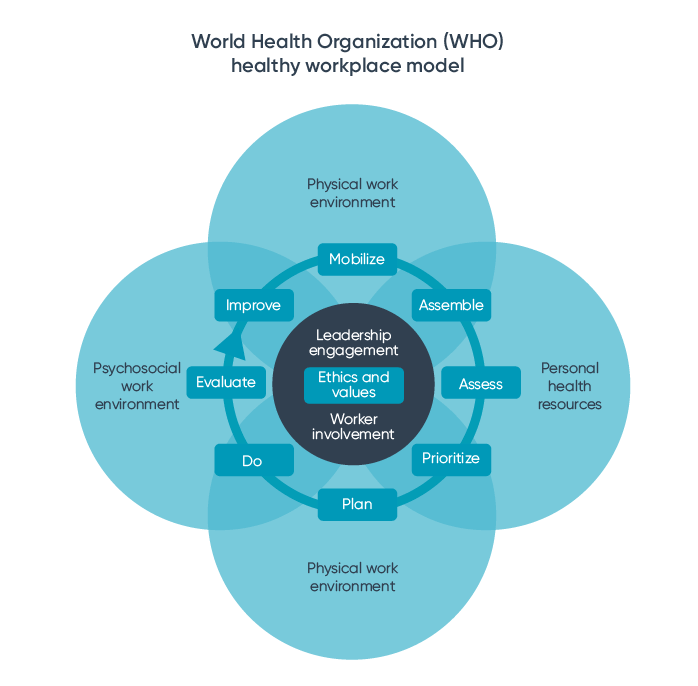
Introduction: The Business Case for Mental Health

In today’s fast-paced, high-stakes work environment, mental health challenges are no longer a silent issue. They’ve become a significant factor influencing productivity, safety, and employee retention. Unfortunately, many organizations still shy away from addressing mental health openly, often seeing it as a personal issue rather than a core business concern. This perspective needs to change.

Mental health directly impacts operational efficiency, safety performance, and the overall well-being of the workforce. Embracing employee wellness is not just a moral imperative—it’s a strategic necessity. The time has come for organizations to integrate mental health into their operational excellence frameworks, and standards like ISO 45003 provide the blueprint to do just that.

Section 1: Acknowledging the Issue: The First Step Toward Change

Before diving into technical standards and frameworks, let’s address the fundamental issue: the stigma around mental health. For too long, mental health issues have been swept under the rug in workplaces. Leadership hesitates to acknowledge them, fearing it might reflect poorly on organizational culture.

However, this silence comes at a cost. Mental health challenges can manifest in absenteeism, presenteeism, decreased productivity, and safety incidents. The first step toward meaningful change is basic acceptance—recognizing that mental health is as critical as physical health.

Case Study: The Price of Ignorance Consider the case of a multinational company that dismissed stress and anxiety as personal issues. Over time, high turnover rates and safety incidents became regular occurrences. Only when they integrated mental health into their wellness programs did they see a 20% reduction in workplace accidents and a marked improvement in employee engagement.
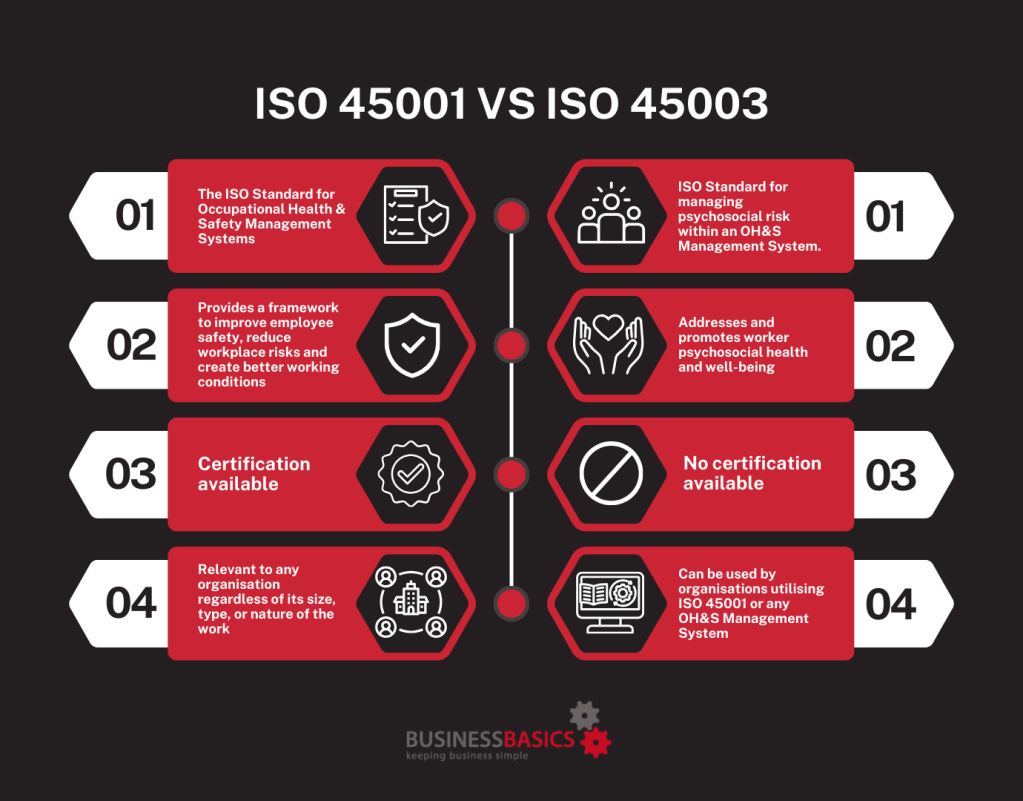
Section 2: ISO 45003 – The Blueprint for Managing Psychosocial Risks***

ISO 45003 is the first global standard that provides a structured approach to managing psychosocial risks in the workplace. Unlike traditional occupational health and safety frameworks, ISO 45003 recognizes that the mental well-being of employees is intrinsically linked to overall workplace safety.

Key Components of ISO 45003:
  1. Risk Identification: Understanding how job design, workload, and work relationships contribute to stress and burnout.
  2. Risk Mitigation: Implementing strategies to address psychosocial risks, from workload adjustments to offering flexible work schedules.
  3. Leadership and Culture: Emphasizing the role of leaders in creating an environment where mental health issues can be openly discussed and addressed.
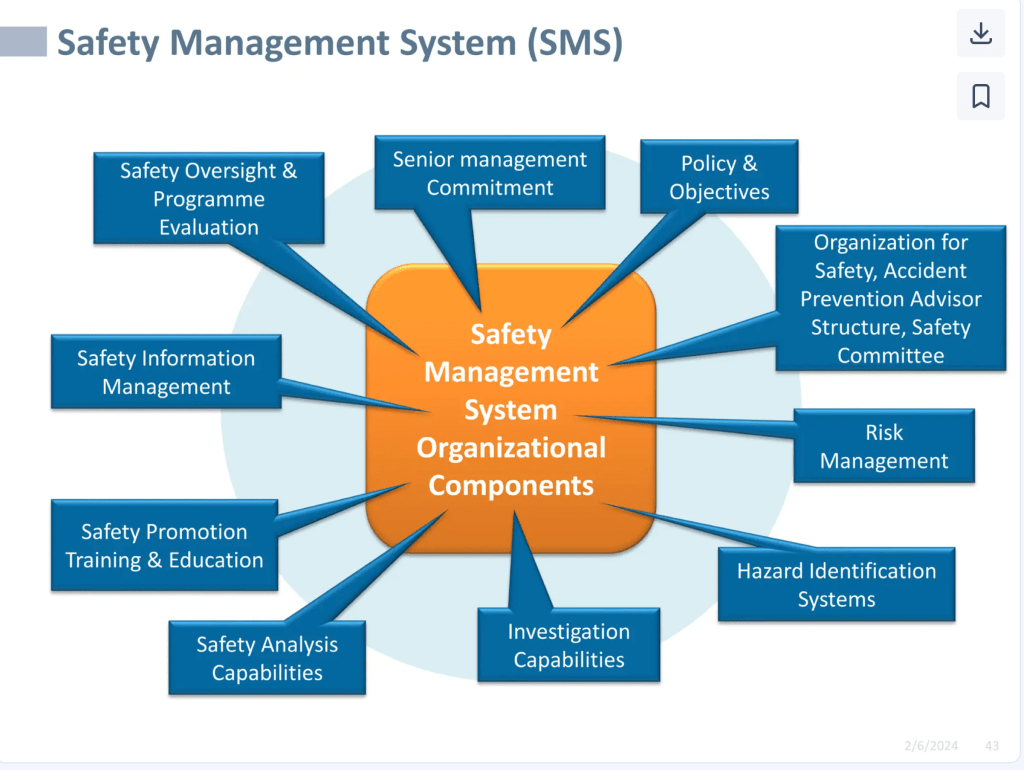
  4. Integration with ISO 45001: ISO 45003 can be integrated with existing safety management systems like ISO 45001, creating a holistic approach to managing health and safety.

Case Study: ISO 45003 in Action A global engineering firm piloted ISO 45003 in one of its high-stress operational units. By integrating mental health into its safety management system, the company reduced stress-related absenteeism by 40% and saw a significant decrease in near-miss incidents. Employees reported feeling more supported, which led to higher engagement and better overall safety performance.

Section 3: Technical Aids and Tools for Managing Mental Health

In addition to ISO 45003, organizations can utilize several technical aids to support mental health management. These tools can complement formal frameworks and provide practical, on-the-ground support for employees.

Mental Health First Aid Programs

Training employees to become mental health first responders can make a huge difference in identifying early signs of distress. Much like physical first aid, this initiative helps create a support network that can intervene before issues escalate into serious problems.

Technology-Driven Solutions

With the advent of mental wellness apps and telemedicine services, employees can access mental health support at their fingertips. Platforms like Headspace and Calm offer mindfulness training, while telemedicine options allow employees to consult professionals without leaving their workspace.

Ergonomics and Workspace Design

A poorly designed workspace can significantly contribute to stress and fatigue. Investing in ergonomic solutions, optimizing lighting, and offering quiet zones for focus and relaxation can enhance mental well-being.

Case Study: The Impact of Ergonomics on Mental Health A pharmaceutical company revamped its office layout, incorporating quiet rooms, ergonomic furniture, and natural lighting. Within six months, employee satisfaction scores improved by 30%, and reported stress levels decreased significantly. This simple redesign demonstrated how workspace influences mental health.

Section 4: Building a Wellness-Driven Organization

Addressing mental health requires more than just a few policies; it requires embedding wellness into the organization’s core values. This can only happen through top-down accountability, where leadership takes ownership of mental health initiatives and actively promotes them.

Wellness KPIs

To track the effectiveness of mental health initiatives, organizations should establish wellness KPIs, such as:

  • Absenteeism Rates
  • Employee Turnover
  • Incident Reports Linked to Mental Stress
  • Employee Engagement Scores
Training and Development

Regular mental health training for employees and management is critical. This can include stress management workshops, resilience-building sessions, and creating awareness of the resources available for support.

Case Study: Leadership Accountability in Mental Health A manufacturing giant appointed a Chief Wellness Officer to oversee the mental health and well-being of its workforce. This leadership-driven initiative resulted in a 15% reduction in safety incidents and a 25% improvement in employee retention, proving that wellness starts at the top.

Section 5: Overcoming Resistance to Mental Health Initiatives

Despite the obvious benefits, there is often resistance—both from management and employees—when it comes to implementing mental health programs. Managers may see it as an additional burden, while employees might fear being labeled as ‘weak’ for seeking help.

The Cost vs. Benefit Argument

One common objection is the perceived cost of implementing wellness programs. However, the long-term benefits far outweigh the upfront investment. Studies show that for every dollar invested in mental health initiatives, companies see a return of $4 in improved productivity, reduced absenteeism, and lower turnover rates.

Case Study: Resistance Turned into Opportunity A tech company faced significant resistance when it first introduced mental health programs, with employees fearing stigma. By launching a series of awareness campaigns and anonymous feedback loops, the company gradually gained employee trust. Within two years, mental health resources became the most used services in their wellness portfolio, contributing to a 50% reduction in absenteeism.

Conclusion: The Road Ahead

Mental health is not a temporary trend—it’s a critical aspect of workplace safety and productivity. By embracing frameworks like ISO 45003, integrating mental health into operational excellence, and fostering a culture of openness and support, organizations can make real strides in addressing psychosocial risks.

For organizations that still hesitate, the message is clear: mental wellness is not optional—it’s a business imperative. The road ahead requires commitment, accountability, and the courage to change. But the results—improved safety, higher productivity, and a healthier workforce—are well worth the journey.

+++++++++

*** Linking ISO 45003 with ISO 45001: Building a Holistic Health and Safety Management System

ISO 45003 is designed to complement ISO 45001, which is the broader Occupational Health and Safety Management System (OHSMS) standard. While ISO 45001 covers physical safety aspects such as hazards from machinery, chemicals, and ergonomics, ISO 45003 introduces a mental and psychosocial dimension to these safety considerations.

Here’s how the two standards can be seamlessly integrated:

1. Shared Framework for Risk Management

ISO 45001 and ISO 45003 both rely on risk management frameworks. ISO 45001 primarily focuses on physical risks, while ISO 45003 deals with psychosocial risks. When an organization adopts both standards, it can create a unified risk management process that addresses all workplace hazards—whether they are physical, mental, or emotional.

For example:

  • Risk Assessments: When conducting risk assessments under ISO 45001, psychosocial factors like high-pressure environments or lack of autonomy can be included, as guided by ISO 45003.
  • Risk Controls: Both standards advocate for risk controls, meaning that control measures for physical hazards can be supplemented with actions to reduce mental health stressors (e.g., workload management, flexible hours).
2. Integrated Leadership and Worker Participation

Both ISO 45001 and ISO 45003 emphasize the importance of leadership involvement and worker participation. By integrating the two, organizations can ensure that both physical and mental health are treated as key leadership responsibilities.

  • Leadership Commitment: Just as leadership needs to ensure a physically safe workplace (ISO 45001), they are equally responsible for ensuring a mentally healthy work environment (ISO 45003). Leadership accountability is essential in both cases.
  • Employee Involvement: Both standards encourage employee involvement in safety and health decisions. In the context of ISO 45003, this means consulting employees on mental health stressors, as part of the broader health and safety conversations happening under ISO 45001.
3. Combined Health and Safety Objectives

Organizations already implementing ISO 45001 can integrate mental health objectives into their overall occupational health and safety objectives. For instance:

  • Health and Safety Policies: By incorporating psychosocial risks into the organization’s safety policies, the company can present a unified front on both physical and mental health.
  • KPIs and Monitoring: Both standards stress the importance of performance monitoring. Mental health indicators—such as absenteeism, stress-related incidents, or employee satisfaction—can be tracked alongside physical health and safety metrics.
4. Common Processes for Incident Reporting and Investigation

One of the critical links between ISO 45001 and ISO 45003 is the incident reporting and investigation process. Both standards encourage a culture of transparency and accountability in reporting health and safety issues.

  • Under ISO 45001, incidents like injuries or near-misses are reported and investigated.
  • Under ISO 45003, similar mechanisms can be applied to report mental health-related incidents (e.g., workplace bullying, burnout, or stress-related issues).

By creating a single reporting system, organizations can address both physical and psychosocial incidents effectively. This allows for a holistic investigation process, where physical and mental health factors are examined as potential root causes of accidents or absenteeism.

5. Integration into the PDCA Cycle

ISO standards follow the Plan-Do-Check-Act (PDCA) cycle, and ISO 45003 can be seamlessly integrated into the PDCA approach used for ISO 45001:

  • Plan: During the planning phase, organizations can identify both physical and psychosocial risks, setting objectives for improving mental and physical safety.
  • Do: Implement controls that address both safety hazards and mental health risks. This can include physical safety training as well as mental health awareness programs.
  • Check: Monitor the effectiveness of safety measures, both physical and psychosocial, through audits, employee feedback, and incident reports.
  • Act: Take corrective actions based on insights from monitoring, addressing gaps in both physical safety and mental health support systems.
6. Training and Awareness Programs

ISO 45001 emphasizes the need for ongoing safety training for employees. With ISO 45003, this can be extended to include mental health awareness and resilience training, creating a more comprehensive training program.

For instance:

  • Physical and Mental Health Toolbox Talks: Rather than only focusing on physical hazards in safety meetings or toolbox talks, organizations can introduce mental health topics, encouraging open discussions about stress management, burnout, or workload management.

Final Thoughts on Integration

By combining ISO 45001 and ISO 45003, organizations can create a truly comprehensive health and safety management system. This integration ensures that employees’ physical and mental well-being are both addressed, leading to a safer, healthier, and more productive workplace.

The key takeaway is that managing health and safety isn’t just about preventing injuries—it’s about creating a work environment where employees can thrive both physically and mentally.

Karthik

19/10/2024, 1800 Hrs.

Revitalizing Safety Committees: From Stagnation to Strategic Influence

#220

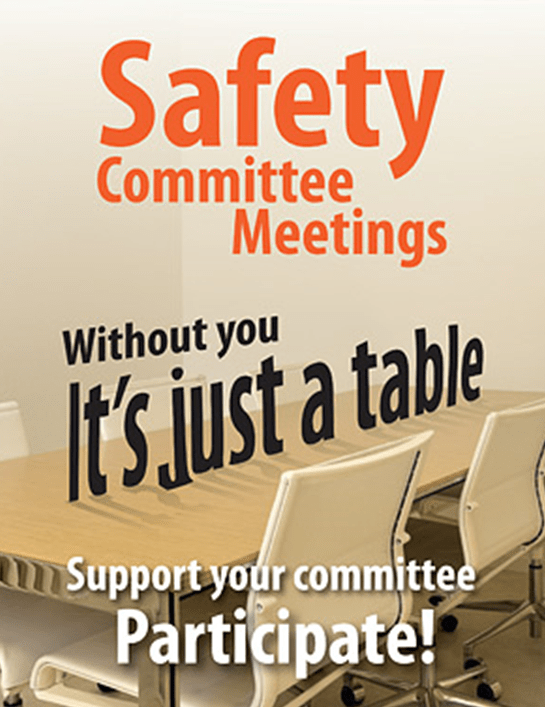
Safety committee meetings have a critical role in fostering a safe workplace, yet many organizations struggle to keep these gatherings effective and engaging. Of late, these meetings have devolved into stale, routine affairs with little purpose or direction. Without a clear agenda, follow-up, or member engagement, safety committees can lose their credibility, leaving both employees and management skeptical of their value.

Let’s break down what’s going wrong and how we can turn it around.

The Problem with Current Safety Committee Meetings

  1. Lack of Agenda: Without a predefined agenda, the meetings often meander, wasting time and achieving little. When there’s no focus, committee members may come unprepared or feel disengaged.
  2. No Follow-Up: Even when critical issues are raised, they often fall through the cracks without proper tracking. The same problems keep resurfacing, creating a sense of inefficiency and frustration among employees.
  3. Copy-Paste Minutes: Meeting minutes have become a recycled version of previous meetings, with only superficial changes. This shows a lack of accountability and progress, leaving members demotivated.
  4. Member Detachment: Safety committee members should act as liaisons between employees and management. However, in many cases, they do not engage with employees in their areas to understand real safety concerns, rendering their input less valuable and disconnected from on-the-ground issues.
  5. Lack of Basic EHS Knowledge: Many members lack a fundamental understanding of essential EHS legislation, procedures, and standards. Without this knowledge, they struggle to push meaningful safety improvements or gain management’s trust.

Trends in Safety Committees: The Bigger Picture

Globally, the trend is to move towards highly empowered safety committees that serve as genuine change agents. Companies that recognize the value of employee-led safety initiatives have begun investing in training, providing resources, and giving these committees a greater voice. However, the transition from a formality to a powerful force requires conscious effort.

Some companies have introduced:

  • Structured EHS training for committee members: Offering members in-depth knowledge of safety legislation and processes.
  • Regular feedback loops: Creating channels for employees to anonymously raise issues, which committees can then address in meetings.
  • Real-time tracking of safety issues: Using technology to record, monitor, and follow up on action items discussed.

How to Make Safety Committees Work

  1. Define a Clear Agenda
    A well-defined agenda sets the tone and direction for the meeting. Create a standing structure that includes:
    • Incident reviews Hazard identification Action item updates Legislative or regulatory updates
    Send out the agenda well in advance and assign preparatory tasks to each member. This not only ensures the meeting stays on track but also engages members in discussions relevant to their areas.
  2. Track and Close Out Actions
    Establish a robust system for tracking issues raised and actions agreed upon. Assign responsibility, set deadlines, and have follow-up mechanisms in place. During each meeting, the first order of business should be reviewing progress on action items from previous meetings.
  3. Engage with Employees
    Safety committee members must actively communicate with employees in their areas. They should hold regular, informal talks to gather concerns and ideas. When members are connected to the workforce, they become effective ambassadors for safety, and their contributions become more relevant and actionable.
  4. Empower Committee Members with Knowledge
    Equip safety committee members with the necessary knowledge of EHS regulations and standards. Organize training sessions or workshops that familiarize them with essential laws, hazard identification techniques, risk management processes, and other relevant standards. This not only increases their confidence but also ensures they are respected voices in both employee circles and management discussions.
  5. Earn Trust
    Trust is built when committee members can demonstrate tangible results. Start with small wins—issues that are easily solvable—and build momentum. Over time, as employees see real changes in safety protocols, and as management observes improved safety metrics, the committee will gain credibility.
  6. Influence Top Management
    The key to getting management’s support lies in linking safety improvements to business outcomes. Data and metrics can be powerful tools here—show how a safety investment or recommendation could reduce downtime, prevent costly incidents, or improve employee morale. Framing safety recommendations in a way that aligns with business goals is crucial for getting top-level buy-in.

Conclusion: From Stagnation to Strategic Influence

Safety committees should be more than a formality—they should be a driving force for change. By revitalizing the way these committees operate, from having clear agendas and tracking actions to empowering members with knowledge, organizations can not only enhance safety but also foster a culture of trust and accountability.

It’s time to transform safety committees from dragging, ineffective meetings into influential bodies that create real value. After all, safety isn’t just a compliance box to tick—it’s a cornerstone of operational success.

Let me know your thoughts/ comments

Karthik

18th October 2024, 5pm.

SAFETY – A noun / A verb; companies execute both poorly.

#219

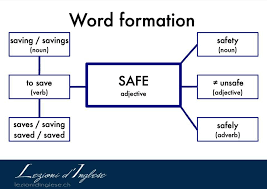
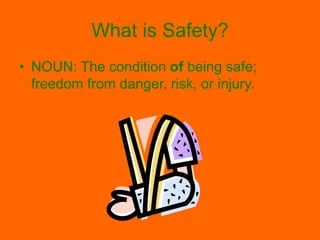
“Safety as a noun” and “safety as a verb” represent two distinct approaches or philosophies toward the concept of safety in organizations and everyday life.

Safety as a Noun

When we think of safety as a noun, it tends to be viewed as a static state or a fixed outcome. It’s often about compliance, meeting standards, or achieving certain goals. The focus is on things like policies, procedures, equipment, and regulations. It becomes a label that we assign to a condition, often considered as something to “achieve” or “maintain.”

In this approach, safety is something you have:

  • Policies: Checklists, protocols, and guidelines.
  • Compliance: Meeting industry standards and legal requirements.
  • Certifications: ISO standards, OHSAS certifications, etc.
  • Audits: Regular checks to ensure the system is functioning as intended.

Safety as a Verb

Safety as a verb, on the other hand, emphasizes action, behavior, and continuous engagement. It implies that safety is not a static state but a dynamic process that requires ongoing effort, attention, and adaptation. When safety is a verb, it becomes an integral part of daily operations, decisions, and behaviors at all levels of an organization. It drives a proactive mindset where people are continuously “doing safety” rather than simply checking off a box.

In this approach, safety is something you do:

  • Engagement: Actively involving everyone in safety discussions.
  • Behavioral Observation: Continuously observing and giving feedback to correct unsafe behaviors.
  • Continuous Improvement: Regularly updating safety practices based on lessons learned from incidents or near misses.
  • Leadership: Leading by example, influencing safety culture, and encouraging people to take ownership.

Differences and Impact

  1. Proactivity vs. Reactivity: Treating safety as a verb means anticipating risks before they become incidents, while seeing it as a noun can often lead to reactive measures after a problem has occurred.
  2. Ownership: Safety as a verb promotes individual and collective ownership where each person plays a part in the safety culture. Safety as a noun, however, can often be relegated to just the safety department or a specific group of people, removing the sense of responsibility from the larger team.
  3. Mindset Shift: Organizations that view safety as a verb tend to have a culture where safety is a core value, part of their DNA. It becomes more about the mindset and how they approach tasks. In contrast, safety as a noun can create a checkbox mentality where the focus is merely on compliance without engaging in why those practices are essential.
  4. Adaptability: When safety is a verb, it allows for flexibility and adaptability. People are more willing to change their practices to adapt to new hazards, new technologies, or changing circumstances. A noun-based approach can sometimes be rigid, slow to adapt, and less responsive to change.

Practical Examples

  • Noun-Based Approach: An organization has a safety handbook that outlines all the procedures, and employees are required to read it. Safety is treated as a set of rules to be followed.
  • Verb-Based Approach: An organization encourages daily safety meetings where team members share observations and suggestions for improvement. Here, safety is an active process driven by collaboration and real-time input from employees.

Why This Matters

Shifting from a noun-based to a verb-based approach can significantly influence the safety culture within an organization. When safety is seen as something dynamic and evolving, it becomes more about shared values and consistent behavior rather than just adhering to regulations. This transition can lead to:

  • Reduced incident rates due to a proactive approach.
  • Increased employee engagement as they feel more involved in safety efforts.
  • A more resilient culture that continuously learns from incidents and adapts accordingly.

Conclusion

The distinction between safety as a noun and as a verb is more than just semantics; it’s a fundamental shift in perspective. Moving towards safety as a verb means embedding it into the way people think, act, and make decisions daily. It transforms safety from being a state to be achieved to an ongoing action, making it a living, breathing part of organizational culture.

Adopting this approach encourages everyone to see themselves not as passive recipients of safety protocols but as active participants in creating and sustaining a safe environment.

But Companies execute both very poorly? Why!?

Many companies do indeed struggle to execute safety effectively, whether they’re attempting to approach it as a noun or a verb. The truth is, both approaches have their value, and ideally, they should work hand in hand. Yet, the inability to implement either well often leads to gaps that allow injuries, incidents, and losses to occur. Let’s dive into why this happens and why doing even one of them properly could make a huge difference.

1. Lack of Genuine Leadership Commitment

One of the most common reasons for failure in executing safety, either as a noun or a verb, is a lack of real commitment from leadership. Many organizations claim to prioritize safety, but it often exists as a buzzword or a slogan rather than a core value. Leadership may talk the talk without walking the walk, sending mixed signals to the workforce. If safety is not seen as a fundamental value at the top, it’s unlikely to be taken seriously at the ground level, regardless of how many policies (noun) or initiatives (verb) are in place.

2. Safety as a Compliance-Driven Activity

Many companies treat safety as a checkbox exercise, a compliance obligation, rather than a cultural value that protects their people. This is the classic “safety as a noun” issue. The focus is entirely on meeting regulations and avoiding fines, not on the real goal of preventing injuries and protecting lives. When safety is driven purely by external pressures rather than internal motivation, it lacks the depth required to truly engage employees and influence their behaviors.

3. Resistance to Cultural Change

Transitioning to safety as a verb means embedding it into every action, decision, and task within the organization. This requires a shift in mindset and culture, which is often met with resistance. People are generally resistant to change, especially if they believe the existing system “works well enough.” The fear of increased workload, a perceived loss of autonomy, or a lack of clear incentives to embrace this active safety role can make cultural shifts slow and painful.

4. Siloed Approach

Organizations often suffer from a lack of integration between departments when it comes to safety. Safety should be everyone’s responsibility, yet it is frequently seen as the job of the EHS department alone. This creates a siloed approach where safety as a verb isn’t fully executed because operational teams, engineering, HR, and other departments do not take ownership or collaborate. When safety is someone else’s problem, it fails to become a verb that everyone actively participates in.

5. Poor Communication and Training

Training is often seen as an event, not a continuous process. Safety procedures might be communicated once and then forgotten, or they might be too complex, making them hard to understand and apply. For safety to be treated as a verb, employees need to be continuously trained, reminded, and motivated to engage in safety practices. Without this, safety gets reduced to dusty manuals and outdated procedures that no one cares about.

6. Failure to Learn from Incidents

Incidents and near-misses are opportunities for learning, yet many companies fail to adequately analyze them or implement corrective actions. When organizations don’t investigate these events thoroughly and take meaningful action, they lose the chance to turn safety into an active, evolving process. Instead of reinforcing safety as a verb, they end up with recurring problems and complacency.

7. Insufficient Resource Allocation

Safety initiatives often fail because they are not backed by adequate resources—both in terms of budget and manpower. Treating safety as a noun may require investment in safety systems, technology, and equipment, while treating it as a verb requires skilled people who can lead initiatives and drive engagement. When organizations cut corners on either of these, they compromise their ability to achieve any real progress in safety performance.

8. Blame Culture

In a blame culture, employees are reluctant to report unsafe conditions or near-misses due to fear of repercussions. If safety is viewed only as a regulatory requirement, people will hide problems to avoid scrutiny. To treat safety as a verb, organizations need to foster a “just culture” where employees are encouraged to speak up and share their observations without fear of blame.

Why Doing Any One Well Can Make a Difference

Even if a company focuses solely on one approach—be it safety as a noun or as a verb—it can make a substantial impact. Here’s why:

  • Noun-Based Approach Done Right: Even if safety is treated as a noun, if the procedures, policies, compliance measures, and systems are well-established, enforced, and regularly audited, they can provide a solid baseline to prevent many incidents and injuries. Think of it as creating a protective shield—well-defined rules and compliance standards can catch a lot of potential hazards before they cause harm.
  • Verb-Based Approach Done Right: On the other hand, if a company drives safety as a verb, emphasizing behavior, engagement, and continuous improvement, they create a culture where safety is second nature to everyone. Even if the formal procedures are imperfect, the proactive mindset and willingness to engage with safety daily will significantly reduce risks and lead to better outcomes.

The Ideal Approach: Balancing Both

While either approach can create a safer work environment, the most effective organizations integrate both. Safety as a noun provides the structure and guidelines, and safety as a verb drives the culture and behavior. Combining a solid compliance framework with a proactive, engaged workforce creates a holistic system where safety is embedded in both the processes and the mindset of the people.

Final Thoughts

At its core, the failure to execute safety as either a noun or a verb boils down to a lack of alignment between intention and action. Even one approach done well can lead to meaningful improvements in safety outcomes. But it’s crucial that companies make safety a living, breathing part of their organizational culture, driven by leadership and owned by everyone.

Safety must move beyond the realm of box-ticking and become the daily habit that shapes actions and decisions at every level. When that happens, injuries, incidents, and losses can be reduced or even eliminated, transforming safety from a concept into a tangible reality.

Karthik

10th October 2024 1300 Hrs.

Breaking the Mold: Women’s Safety at Work, Needs a Radical Shift

#218

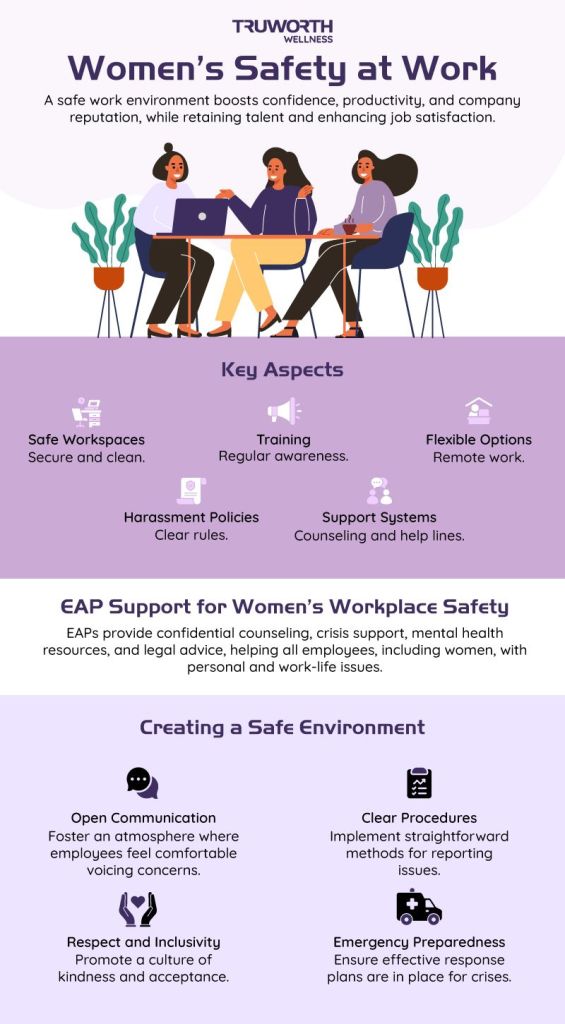
In the world of Environment, Health, and Safety (EHS), we’ve made strides in many areas, yet the conversation about safety for women in the workplace is still in its infancy. While organizations proudly claim progress in gender diversity and inclusion, the stark reality is that most safety protocols, equipment, and workplace designs remain inherently biased toward men. It’s high time that businesses and industries rethink their approach and move beyond a one-size-fits-all safety model to create safer and more inclusive work environments for women.

Safety Equipment: Made for Men, But Worn by Women

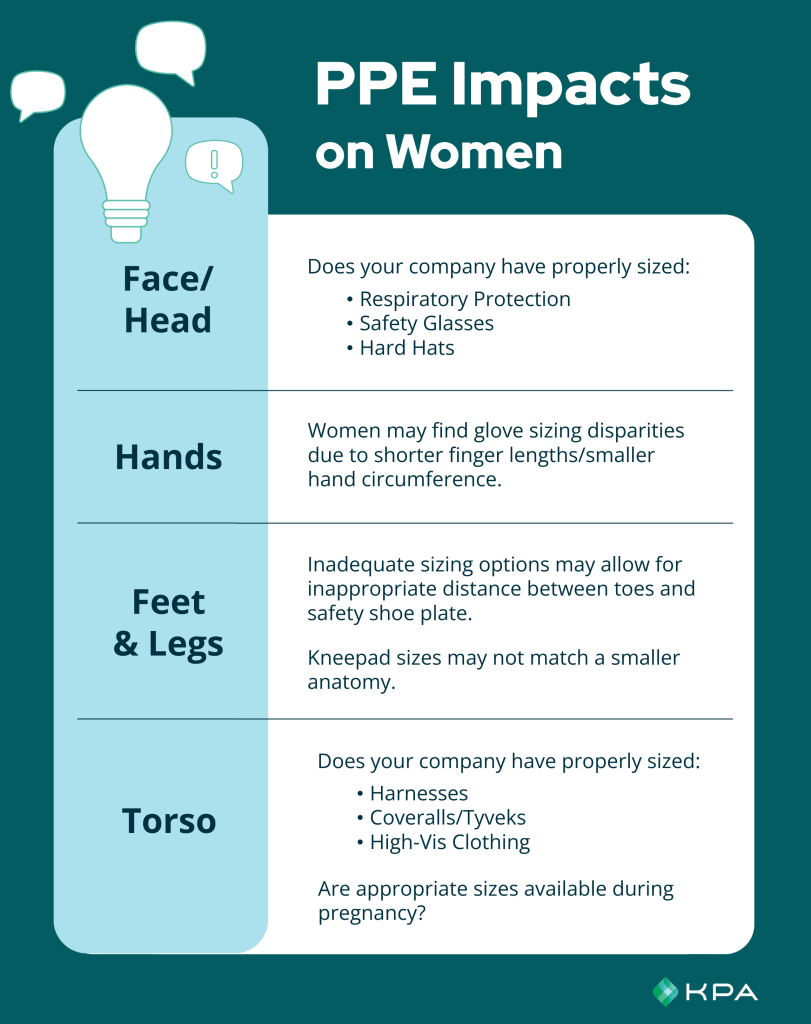
Let’s begin with the basics: safety gear. Most safety equipment like shoes, gloves, respirators, and safety glasses are predominantly designed with the male physique in mind. For instance, safety shoes that are too wide or respirators that don’t fit properly not only compromise protection but also lead to discomfort and long-term health issues. Women in manufacturing, chemical plants, or even laboratories often have to make do with what’s available, which is fundamentally unsafe.

Globally, some companies have begun designing safety gear tailored to the female body, but this change is slow and not yet widespread. The onus is on organizations to partner with equipment manufacturers to demand female-specific designs and ensure they provide protective gear that fits well, offers comfort, and provides the same level of safety as it does for men.

Workplace Design: Gender-Neutral or Gender-Neglect?

The workplace design itself often caters predominantly to men, from the height of workstations to the layout of emergency evacuation routes. Pregnant or nursing women have specific needs, yet these are often ignored when setting up manufacturing floors or service facilities. For instance, pregnant workers may find it difficult to use stairs during an evacuation, or they may not have access to private spaces for nursing.

It’s critical that engineering and design teams begin to rethink these setups from the ground up. Introducing features like adjustable-height workstations, dedicated spaces for lactating mothers, ergonomic seating, and gender-specific locker rooms or changing areas can make a significant difference in comfort and safety. In many advanced economies, including Europe and the United States, there are already regulations in place to promote such inclusive designs, but much of the rest of the world lags behind.

Risk Assessments: Are We Ignoring Half the Workforce?

One of the biggest gaps in EHS today is in the risk assessment process, which often fails to account for the unique vulnerabilities of female employees. This is particularly important when assessing exposure to chemicals and hazardous substances. Women can be more susceptible to certain toxins due to hormonal fluctuations, and these effects can be exacerbated during pregnancy or lactation. Despite this, many risk assessments do not specifically address these factors, leaving women exposed to risks that might not even be on the radar of safety professionals.

Organizations must update their risk assessment methodologies to include specific factors that affect female workers, such as hormonal impact, reproductive health, and chronic conditions that can be aggravated by chemical exposure. This step isn’t just a matter of fairness; it’s about recognizing that the health effects on women can be fundamentally different from those on men. Regulatory agencies in Europe have already started pushing for gender-specific risk evaluations, and this trend is likely to gain momentum worldwide.

Emergency Planning: Women as an Afterthought

Emergency planning for female workers is often neglected or generalized, assuming that what works for men will work for women too. Issues like relocating pregnant workers during a plant emergency or arranging transportation for female employees during late hours require specific considerations. The unfortunate reality is that these aspects are often overlooked in the chaos of incident management.

Organizations need to develop emergency response plans that explicitly consider the needs of female workers, especially in high-risk environments like chemical manufacturing or pharmaceuticals. Evacuation procedures should account for physical limitations or health conditions of female workers and ensure their safety during an emergency. Globally, some best practices include dedicated emergency evacuation procedures for pregnant women and clear guidelines for after-hours transportation arrangements for female staff.

Administrative and Policy Interventions

Beyond physical design and safety gear, organizations need to adopt a holistic approach that includes administrative policies specifically aimed at creating a female-friendly work environment. This can include:

  1. Flexible Working Hours: Allowing flexible work hours, especially for pregnant and nursing women, reduces stress and enhances productivity. It can also help them better manage work-life balance.
  2. Awareness and Training: Regular training sessions on gender-specific safety issues should be part of every organization’s safety culture. These sessions should educate not just women but all employees about the specific needs and challenges women face in the workplace.
  3. Zero Tolerance for Harassment: Safety isn’t just about physical risks; it’s also about psychological well-being. Implementing a zero-tolerance policy towards harassment and ensuring a strong reporting mechanism is essential to creating a secure workplace for women.

Global Trends and Regulatory Movements

On the regulatory front, there have been some notable developments aimed at correcting these long-standing gender biases in safety. For example, the European Union’s Directive 2002/73/EC focuses on equal treatment in the workplace, urging organizations to consider gender-specific health risks. OSHA in the United States has also highlighted the importance of gender differences in workplace safety and health programs. However, these regulations have not yet become universal standards, and many countries still have a long way to go.

India has recently made strides with policies like the Maternity Benefit (Amendment) Act, 2017, which mandates provisions for lactating mothers and extended maternity leave. However, enforcement remains a challenge, and the inclusion of these policies into practical EHS guidelines for female workers in core sectors is still inadequate.

Moving Forward: Engineering and Administrative Interventions

To truly make workplaces safer for women, organizations must invest in both engineering and administrative solutions:

  • Engineering Interventions: Design workstations and equipment that accommodate female ergonomics, ensuring they are not merely adapted but genuinely suitable for women’s physical needs.
  • Custom Safety Gear: Partner with PPE manufacturers to develop equipment designed specifically for women.
  • Inclusive Risk Assessments: Incorporate female-specific risks into all hazard assessments, including reproductive health factors and hormonal influences.
  • Emergency Planning: Develop detailed emergency evacuation procedures for female employees, with particular focus on pregnant women and those with health conditions.

Key health issues specific to women in the workplace can significantly impact operational performance, and organizations must take a proactive approach to raise awareness and address these issues. It’s not only important to educate female employees about managing these challenges but also to create a culture of understanding among all employees, including men, to foster a supportive work environment. Below are some of the key health issues that organizations should consider:

1. Menstrual Health and Related Challenges

Impact on Performance:

  • Many women experience symptoms like abdominal pain, fatigue, migraines, mood swings, and reduced concentration during menstruation.
  • These symptoms can lead to reduced productivity, increased absenteeism, and difficulty in handling physically demanding tasks.

Organizational Actions:

  • Awareness Programs: Educate all employees about menstrual health to reduce stigma and foster empathy and support.
  • Flexibility in Work Hours: Allow flexible work schedules or the option to work from home during days of severe discomfort.
  • Sanitary Facilities: Ensure access to clean and well-maintained restrooms, with provisions for sanitary products.
  • Rest Areas: Create comfortable rest areas where women can take short breaks when needed.

2. Hormonal Imbalances and Related Conditions

Impact on Performance:

  • Conditions like Polycystic Ovary Syndrome (PCOS) and thyroid disorders are common among women and can cause symptoms such as fatigue, weight gain, mood swings, and difficulty concentrating.
  • Hormonal fluctuations can impact energy levels, cognitive function, and overall well-being, affecting workplace productivity.

Organizational Actions:

  • Health Screenings: Encourage regular health check-ups that include hormonal evaluations and provide access to wellness programs.
  • Awareness Workshops: Conduct educational sessions on managing hormonal health for both women and men in the workplace.
  • Support Systems: Implement Employee Assistance Programs (EAPs) that provide counseling and support for women dealing with hormonal issues.

3. Pregnancy and Postpartum Challenges

Impact on Performance:

  • Pregnant women may face fatigue, nausea, physical discomfort, and increased stress levels, which can impact their ability to perform physically demanding or high-stress tasks.
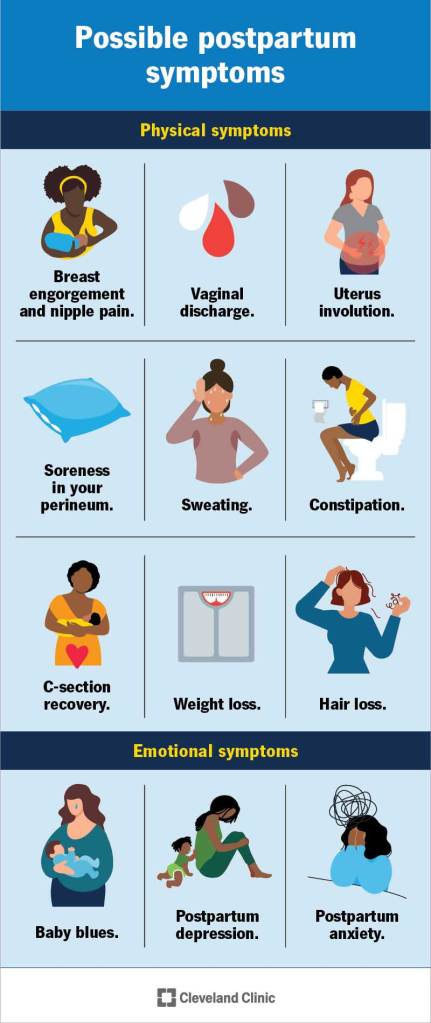
  • Postpartum challenges like postpartum depression, fatigue, and physical recovery can affect productivity and emotional well-being.

Organizational Actions:

  • Ergonomic Workplace Design: Adjust workstations and roles to accommodate pregnant employees to ensure their comfort and safety.
  • Maternity Leave Policies: Ensure that your maternity leave policies are supportive, with options for flexible reintegration into the workforce post-delivery.
  • Breastfeeding Support: Provide private spaces for breastfeeding or pumping, along with storage options for breast milk.

4. Menopause and Related Symptoms

Impact on Performance:

  • Women going through menopause may experience symptoms like hot flashes, mood swings, sleep disturbances, and difficulty concentrating.
  • These symptoms can lead to reduced cognitive performance, decreased productivity, and increased stress levels.

Organizational Actions:

  • Flexible Work Options: Offer flexible schedules or remote work options to help women manage symptoms without feeling pressured.
  • Wellness Programs: Promote lifestyle changes and wellness programs focusing on nutrition, exercise, and stress management to alleviate menopausal symptoms.
  • Mental Health Support: Encourage open discussions and provide mental health resources, such as access to counseling or therapy.

5. Mental Health and Stress Management

Impact on Performance:

  • Women often juggle multiple roles at work and home, which can lead to chronic stress, anxiety, and burnout.
  • Stress related to balancing work and family life can have a significant impact on their focus, productivity, and job satisfaction.

Organizational Actions:

  • Work-Life Balance Policies: Implement policies that promote work-life balance, such as flexible hours and paid time off for family emergencies.
  • Stress Management Training: Offer workshops on stress management techniques like mindfulness, breathing exercises, and relaxation methods.
  • Peer Support Groups: Create women-centric support groups within the organization where employees can share experiences and coping strategies.

6. Occupational Hazards Specific to Female Health

Impact on Performance:

  • Exposure to chemicals and toxins in manufacturing and industrial settings can have different impacts on women, including potential effects on reproductive health.
  • Lack of consideration for women’s health in risk assessments can lead to increased vulnerability to occupational illnesses.

Organizational Actions:

  • Customized Risk Assessments: Include gender-specific considerations in hazard assessments, especially in industries with chemical exposure.
  • Safety Equipment: Provide PPE and safety gear tailored to women’s physiology to ensure better fit and protection.
  • Training Programs: Train employees to recognize symptoms and report potential hazards that could affect women’s health.

Creating Awareness Across the Organization

  1. Comprehensive Awareness Campaigns:
    • Conduct awareness sessions that address women-specific health issues, emphasizing that these are natural, biological processes and not a sign of weakness or reduced capability.
    • Ensure that male employees are included in these sessions to foster empathy, support, and better teamwork.
  2. Encourage Open Dialogue:
    • Create a culture that encourages women to openly discuss their health concerns without fear of judgment or discrimination.
    • Promote leadership training that includes sensitivity towards female health issues to ensure that supervisors handle these matters with understanding and respect.
  3. Zero Discrimination Policy:
    • Reinforce a zero-tolerance policy for discrimination or stigma related to health conditions specific to women.
    • Ensure that performance evaluations and career growth opportunities are not negatively impacted by these natural health processes.

Conclusion: A New Paradigm of Safety for Women

As women’s participation in the workforce continues to grow, especially in fields traditionally dominated by men like chemical manufacturing and pharma formulation, our approach to their safety must evolve. It is not just about accommodating women in the workplace; it’s about actively redesigning the work environment and safety protocols to meet their needs. By adopting a more gender-conscious approach to safety, organizations can create a truly inclusive work environment that protects and empowers all employees equally.

Addressing women’s health issues in the workplace is not just a matter of creating a supportive environment; it’s a business imperative. Ignoring these issues can lead to reduced productivity, higher absenteeism, and low morale, which ultimately affect the bottom line. Organizations must move beyond traditional mindsets and create policies and practices that genuinely accommodate the needs of their female workforce.

Creating awareness about these challenges and training all employees to understand and empathize with them will go a long way in building a truly inclusive and high-performing workplace. It’s time to break the barriers and design workplaces that consider the health and well-being of all employees, ensuring that women have the same opportunities to thrive and succeed as their male counterparts.

The future of work demands a shift from gender-neutral to gender-specific safety measures, and the time to act is now. Let’s break the mold and pave the way for a safer and more inclusive workplace for women across all sectors.

Karthik

7th October 2024, 1600 Hrs.

Bridging the Gap Between Tangible Solutions and System Solutions: Why Both Matter in EHS.

#217

Personal Update:- My personal Blog (www.karthikkaraikudy.blogspot.com) is 20 years old this month. 557 posts and 225,000 views. ( I maintained Radio silence for 7 years with 0 Posts as I was busy with Twitter, later I switched back to my blog the only web platform I use. SM (Twitter, Facebook, LinkedIn) all I just dumped, more so LinkedIn is now a disaster as I call it is a facebook with Coat and Skirt!).

Now to my EHS Blog for the day. ( A very Lengthy one I must warn!).

In an email message from my archeive, (For the corrective actions closure progress) I sent to a site I supported, some time back, I wrote:

“From what I can infer, you’re doing well on the physical aspects—buying equipment, implementing engineering solutions, etc. However, it seems like there’s more struggle with system issues such as Risk Assessment work, procedure development, checklist implementation, training, communication, and follow-ups for interactions, & Communications with down the line, Metrics management. This is a common trend across many organizations, as they evolve on a journey of operational excellence (Not only safety), so don’t feel disheartened. It’s an opportunity for growth as you continue to mature in these areas.”

This message reflects something I’ve observed across many organizations, especially in manufacturing—there’s often a noticeable gap between physical safety solutions and the systematic approaches required to manage safety effectively. The purchase of new equipment or engineering controls might be prioritized, but the systems that should support these physical changes often lag behind.

Let’s break down some key symptoms, explore their root causes, and discuss actionable steps to help organizations close this gap.


Symptoms: What We See on the Ground

Organizations may excel at visible, tangible actions, such as:

  • Buying new safety equipment: From PPE to machine guards, there’s usually no hesitation when it comes to investing in physical safety improvements.
  • Engineering solutions: Installing physical barriers, improving ventilation systems, or retrofitting machines to comply with safety standards. However, these are often coupled with shortcomings in system-based safety management:
  • Inconsistent or outdated risk assessments: Often conducted only when there’s an immediate need or a regulatory requirement, and sometimes based on old templates.
  • Lack of procedural alignment with operations: Procedures are written down but not always followed or aligned with the actual tasks on the shop floor.
  • Excel-based data management: While useful, Excel files can be cumbersome, with a lack of real-time tracking or integration across departments.
  • Ad-hoc training: Employees are given training, but refreshers or more in-depth training may be inconsistent, especially when Excel sheets are used to manage training records.
  • Communication breakdowns: Safety updates and changes in procedures don’t always filter down to the shop floor workers, leading to confusion and gaps in implementation.

Root Causes: Why This Happens

The gap between physical safety solutions and systematic safety approaches typically stems from several factors:

  1. Short-Term Focus: Organizations often prioritize immediate, tangible actions like purchasing equipment because it shows quick results. System-based improvements—like updated risk assessments or enhanced communication—take more time and may not be as visible in the short term.Example: A manufacturing site may invest heavily in PPE and machine guards but neglect to update their risk assessments or ensure that employees are trained on the new equipment, simply because the equipment purchase is easier to justify.
  2. Lack of System Ownership: System issues—like risk assessments, procedure development, and training—often don’t have a single owner. Safety is treated as “everyone’s responsibility,” but without clear accountability, these tasks fall through the cracks.Example: A site installs a new conveyor system but hasn’t assigned anyone to update procedures or conduct risk assessments, leading to confusion and potential safety risks during operation.
  3. Resource Allocation: Budgets and resources often favor physical interventions over systematic improvements. System changes are seen as “softer” or less critical to immediate operations, leading to underinvestment.Example: A site spends on new fire suppression systems but continues to manage training records through Excel, resulting in missed refresher sessions and gaps in knowledge.
  4. Cultural Resistance to Change: Employees may be resistant to process changes, especially when they are asked to shift from hands-on tasks to more systematic approaches like risk assessments or checklists. This resistance is often tied to a lack of understanding about the long-term benefits of these systems.Example: A worker resists following new procedures for a welding process because they feel their traditional methods are faster, even though those methods have led to near-miss incidents.

Actions: How to Address These Issues

To close the gap between physical and system-based safety management, organizations can focus on the following actions:

  1. Make Risk Assessments Part of Daily Operations: Risk assessments should not be a once-a-year activity. Involve cross-functional teams—safety, operations, engineering—and review risks regularly, making adjustments as new equipment or processes are introduced.Example: At a chemical handling facility, create a practice where a quick risk assessment is done before any significant change in production (like adding a new chemical to the process). Use simple Excel-based forms that are easy to update but must be reviewed by a safety officer before being saved.
  2. Align Procedures with Reality: Involve shop floor employees in procedure development to ensure that what’s written is actually feasible. Procedures should be living documents, updated based on feedback, near misses, or incidents.Example: A site that produces automotive parts struggled with high scrap rates. By involving operators in the procedure review process, they identified areas where instructions didn’t match reality, leading to quick adjustments and reduced scrap.
  3. Upgrade Communication Channels: Even in a low-tech environment, regular communication is key. Set up daily or weekly toolbox talks, even if they’re managed through simple Excel lists, to ensure that safety issues are communicated effectively down the chain.Example: A site may conduct weekly safety briefings where managers go over key points from their Excel-based safety records and distribute this information verbally to ensure that everyone on the floor is updated.
  4. Use Metrics to Drive Decisions: Metrics collected in Excel shouldn’t just sit there. Use them to review performance, identify trends, and adjust training or operational priorities.Example: Track near-miss incidents in an Excel sheet and use this data during safety meetings to identify areas where additional training or procedural changes might be needed. Focus on trends rather than just raw numbers.

Why This Happens: A Natural Growing Pain

As organizations grow, it’s normal for physical solutions to be prioritized first—they’re visible, easier to implement, and have an immediate impact. However, to move toward operational excellence, it’s essential to integrate systematic safety approaches as well.

The truth is, a site can have all the equipment in the world, but if the procedures, risk assessments, and training aren’t in place, that equipment won’t be used correctly—and may even create new hazards. The journey toward operational excellence isn’t just about making physical improvements, it’s about improving the underlying systems that drive those improvements forward.


Key components, if one gets WEAK all gets decayed. Leaders own this.

The Cultural Issue: Leadership and Accountability

A key factor that contributes to this imbalance is leadership behavior, particularly from middle management up to senior leadership. Many leaders approve capital spending for physical improvements but rarely take the time to be visible on the shop floor or engage with employees. This “ivory tower” mentality—where leaders are disconnected from daily operations—leads to several missed opportunities:

  1. Lack of Emotional Intelligence: Leaders often fail to engage with their teams on a personal level. They may lack the emotional intelligence to recognize employee struggles or the interest to build relationships, which leads to a disengaged workforce.
  2. Over-Reliance on Top-Down Communication: Many leaders wait for direction from top management before taking action, rather than being self-starters. This creates a culture of dependency where nothing happens unless it’s mandated from above, stifling initiative and innovation.
  3. Visibility and Engagement Issues: Leaders who are not present on the shop floor miss crucial insights into how things are actually working. This lack of visibility means they’re unaware of small issues that could eventually escalate into bigger problems.
  4. Cultural Legacy and Inertia: In many organizations, the culture has been shaped by a legacy of hierarchical structures where decisions come from the top. When attempts are made to change this, there’s significant inertia and resistance from middle management, who are comfortable in their routine.

Symptoms of Leadership Gaps

In organizations where leadership fails to engage meaningfully, you often see the following symptoms:

  • Risk assessments become tick-box exercises: Without strong leadership oversight, risk assessments are completed as a formality rather than being a tool to manage hazards effectively.
  • Procedures become disconnected from reality: Leaders who don’t interact with employees miss the opportunity to refine procedures based on real-world feedback from the shop floor.
  • Lack of accountability for delays: When there is no clear leadership engagement, follow-up on corrective actions or safety audits can get delayed indefinitely without anyone being held accountable.
  • Low morale and disengagement: Employees who don’t see their leaders taking an interest in their work can feel undervalued and disconnected, which negatively impacts safety performance.

Actions for Leaders: How to Overcome These Issues

Here are concrete steps that leaders, especially middle managers, can take to close the gap between physical and systematic safety improvements:

  1. Be Visible on the Shop Floor
    • Leaders need to spend time walking the floor, engaging with employees, and understanding their challenges. This simple act of visibility sends a strong message that safety and operational excellence matter. It allows leaders to gather direct feedback on safety procedures and get a firsthand view of where things might be falling short.
    Example: A manufacturing leader could set aside one hour every day to conduct a “safety walk.” During this time, they can ask employees questions about the equipment, check if the safety procedures are practical, and identify any risks that may have been overlooked in formal assessments.
  2. Engage Employees on a Personal Level
    • Building relationships with employees helps improve emotional intelligence and creates a culture of trust. Leaders should show personal interest in their team members—not just in their work but also in their well-being. This builds the foundation for open communication and fosters a proactive approach to safety.
    Example: A manager who learns that an employee is struggling with balancing work and home responsibilities may adjust their workload temporarily or offer additional support, which can improve their overall performance and focus on safety.
  3. Encourage Self-Starting Efforts
    • Leaders must foster a culture of accountability and self-starting by empowering middle managers and employees to take ownership of safety initiatives, rather than waiting for direction from top management. This creates a more agile organization where safety concerns are addressed in real-time.
    Example: Instead of waiting for corporate safety audits to identify risks, encourage teams to conduct monthly internal safety reviews and empower them to address any findings immediately.
  4. Hold People Accountable
    • One of the most important roles of leadership is ensuring accountability. Leaders need to set clear expectations that employees at all levels are responsible for delivering safety results on time and within budget. Consequences for not meeting these expectations need to be communicated clearly and followed through.
    Example: If a risk assessment isn’t completed on time, there should be a clear process for addressing the delay, whether through retraining or corrective action for the individuals responsible.
  5. Top Management Must Keep an Ear to the Ground
    • Senior leaders must remain in touch with what’s happening on the ground. They need to foster an open-door policy where employees feel comfortable raising concerns directly. This prevents middle managers from filtering out key issues and ensures that the top leadership is fully aware of the operational realities.

Addressing the Legacy Issue

Cultural issues don’t change overnight, but leaders can take steps to create momentum. The following strategies can help break through the inertia that often holds organizations back:

  1. Create Small Wins: Start with smaller, easily manageable safety improvements to demonstrate the effectiveness of systematic changes. This builds confidence and encourages broader adoption.Example: Focus on one procedure improvement initiative—such as streamlining the lockout/tagout process—and show how it leads to fewer incidents and more efficient operations.
  2. Training for Emotional Intelligence: Provide leadership training that emphasizes emotional intelligence, communication, and engagement skills. This ensures leaders have the tools to connect with their teams in meaningful ways.
  3. Foster a Continuous Improvement Culture: Encourage a mindset where feedback and iteration are normal parts of the process. Leaders should expect procedures and systems to evolve based on real-world use and employee input.

Conclusion: Closing the Gap for Sustainable Success

System-based safety management might seem complex, but it doesn’t have to be. By focusing on ownership, regular reviews, and simple but effective communication, even low-tech operations can take meaningful steps toward closing the gap between physical safety solutions and systematic safety management. It’s an ongoing journey—one that leads to not only a safer workplace but a more efficient and sustainable one.

Let me know your comments?
Karthik

5th October 2024 (Boy 13 years since Steve Jobs died!-Time flies!).

“Speed of Trust”-Key in Human touch for Learning Organisations.

#216

Personal Update:- I am suffering from Back Spasm issues, and advised bed rest for a considerable time. My blog therefore will be sparodic.

In today’s fast-paced industrial world, organizations are constantly evolving. Yet, safety continues to be a major concern across industries, particularly in India, where compliance often takes precedence over proactive safety culture. However, safety is not just about ticking boxes on an Excel sheet or meeting compliance standards. It’s about creating a workplace where everyone learns, adapts, and improves continuously. This is where the concept of a learning organization comes in, with an emphasis on safety, productivity, and, importantly, the human touch with an ingradient of “TRUST”

What is a Learning Organization?

A learning organization is one that fosters a culture of continuous improvement. It encourages employees at all levels to learn from their experiences, from successes and failures alike, and to apply that learning to future tasks. In a safety context, this means an organization that doesn’t just look at accidents or near misses as isolated incidents but as opportunities to understand root causes and prevent future risks.

For example, in one of my past projects, we had a near-miss involving a chemical spill in a manufacturing unit. Instead of simply fixing the immediate issue and moving on, we brought together a team across departments—operators, engineers, safety officers—to analyze what went wrong, what gaps in communication existed, and how the system could be improved. This collaborative learning led to better communication channels and updated safety protocols, which ultimately resulted in smoother operations and higher productivity.

Continuous Learning for Safety Improvement

Learning organizations place high value on knowledge sharing and constant improvement. In the Indian industrial context, many companies rely heavily on outdated systems of incident reporting and compliance-based safety audits. While compliance is necessary, it’s not enough. To truly make a difference in safety, organizations must embrace a learning mindset.

Take the case of Tata Steel, which over the years has developed a strong safety culture by continuously investing in employee training and leadership development. Tata Steel has not only met regulatory compliance but also gone beyond by fostering a culture where every incident is a learning opportunity. Their safety records have improved dramatically over the past decade, with fewer incidents, lower absenteeism, and higher employee morale.

The Human Touch: Key to Safety Culture

One of the biggest challenges in India is making safety personal. We often see safety measures as rules imposed from the top rather than as a shared responsibility. Leaders must cultivate an environment where employees feel safe to speak up, share concerns, and learn from mistakes without fear of punishment. This is where empathy and leadership come in.

Imagine a scenario where an employee feels hesitant to report a safety issue because they fear it may result in disciplinary action. In a learning organization, leaders encourage open communication and treat every report—be it a near-miss or an unsafe practice—as valuable feedback for improvement. By showing genuine care for employee well-being, leaders can make safety a part of everyday work, not just something that happens during audits or inspections.

In my own career, I’ve seen how simple, human gestures can make a big difference. I once had a manager who would personally check on the safety of workers during shift changes. His presence, concern, and willingness to listen made employees feel valued, and they became more proactive in identifying safety hazards. It wasn’t just about protocols; it was about creating trust and making safety a human concern, not just a corporate one.

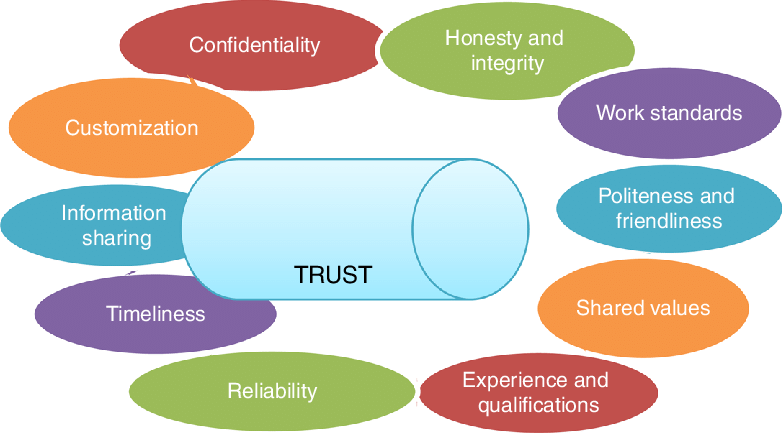
The Role of Trust in Building a Learning Organization

One of the most fundamental aspects of fostering a strong safety culture and a learning organization is trust. Without trust, even the most well-designed safety programs or learning initiatives can fall flat. In many modern workplaces, trust between employees and management is fragile or even absent. This lack of trust creates barriers, both for safety improvements and for productivity gains.

Why Trust Matters

Trust is the foundation upon which open communication, honest feedback, and shared responsibility are built. If employees don’t trust their leaders or feel that their voices won’t be heard, they are unlikely to report safety concerns, share ideas, or admit mistakes. This not only affects the safety of the workplace but also stifles learning and growth, which are essential for any organization’s long-term success.

For example, in a high-risk environment such as a manufacturing plant, workers who don’t trust that management will take their safety concerns seriously may choose not to report a potential hazard. The result? A safety issue that could have been addressed early escalates into a full-blown incident. This damages productivity, incurs costs, and can harm employees. If trust is present, employees feel empowered to speak up, knowing their concerns will be addressed without fear of retribution.

How Lack of Trust Affects Safety and Productivity

In my experience, one of the biggest challenges in the Indian industrial setting is a lack of trust between different levels of an organization. Workers often believe that management is more focused on production targets than their well-being. This disconnect creates a climate of fear rather than one of shared responsibility. If a worker feels that reporting an unsafe condition might lead to disciplinary action or being blamed for slowing down production, they’re less likely to raise the issue.

This lack of trust not only puts safety at risk but also hinders productivity. When employees don’t feel secure, they are less engaged, and disengaged employees do not perform at their best. Moreover, a lack of trust leads to poor communication, which directly impacts learning within the organization. Teams that do not trust one another tend to work in silos, preventing the sharing of knowledge and experiences that are crucial for continuous improvement.

Building Trust for a Safer, More Productive Workplace

Building trust takes time, but it is the key to a successful safety culture and a productive learning environment. Here’s how leaders can foster trust:

  1. Transparent Communication: Leaders need to be transparent with their employees, not just about safety protocols, but also about the broader goals of the organization. When employees understand the ‘why’ behind safety measures and see them as part of a larger strategy for their own well-being, they are more likely to trust management and engage with safety initiatives.
  2. Lead by Example: Trust is earned, not demanded. Leaders must demonstrate their commitment to safety by walking the talk. When employees see that their leaders are genuinely concerned about their safety and not just compliance, trust begins to build.
  3. Accountability Without Blame: In a learning organization, mistakes are opportunities for growth, not grounds for punishment. When employees trust that they won’t be blamed or reprimanded for reporting incidents or raising concerns, they are far more likely to speak up. Leaders need to create an environment where accountability is shared, and every incident is treated as a learning moment, not a blame game.
  4. Involve Employees in Decision-Making: Trust is a two-way street. By involving employees in safety decisions and problem-solving, organizations can foster a sense of ownership and responsibility. When workers are part of the solution, they are more invested in maintaining a safe workplace.
  5. Recognition and Reward: A simple yet effective way to build trust is to recognize and reward employees who demonstrate a commitment to safety and continuous learning. Recognition shows that leaders value safety as much as productivity, reinforcing the importance of trust and shared goals.
Trust as the Key to Organizational Learning

In learning organizations, trust is the glue that holds everything together. When there is trust, employees are not afraid to take risks, share ideas, or admit when they don’t know something. This openness is what fuels learning and innovation. Without trust, however, fear and rigidity take over, stifling creativity and preventing the organization from growing.

In the context of safety, trust enables employees to engage fully in safety training and initiatives, knowing that their contributions matter. It allows for open discussions about past incidents and future risks, and fosters a culture where safety is everyone’s responsibility, not just the safety department’s.

Leadership’s Role in a Learning Organization

Leaders play a crucial role in shaping a learning organization. In India, we often see a hierarchical approach to management, where safety decisions come from the top down. But in a learning organization, leadership is about fostering an environment where learning happens at every level. It’s about moving away from blame and focusing on continuous improvement.

Take the example of Mahindra & Mahindra, which has embraced a learning culture to enhance both safety and productivity. The company invests heavily in leadership training, ensuring that managers and team leaders understand the importance of safety and create open communication channels with their teams. This approach has led to not only safer working environments but also more engaged employees and improved operational efficiency.

Connecting Safety to Productivity

One of the most overlooked aspects of safety is its direct link to productivity. When employees feel safe, they work better. When safety protocols are streamlined and based on real-time learning, operations run smoother. In contrast, when safety is merely a compliance exercise, it often leads to inefficiencies, higher accident rates, and decreased morale.

I once worked with a plant in my consulting,where safety was viewed as a burden—something that slowed down work. After a safety audit revealed major gaps, we shifted focus to creating a learning-based safety culture. Over the next year, not only did accidents reduce, but productivity shot up by 20%. Workers felt more confident, downtime decreased, and the entire organization benefitted from this shift.

Practical Takeaways for Indian Organizations

  1. Promote a Learning Culture: Encourage employees to share their experiences and learn from incidents without fear of blame. Use every incident as a learning opportunity.
  2. Engage Leadership: Leaders must actively participate in safety initiatives, showing that safety is a priority from the top down. Their engagement will inspire employees to take safety seriously.
  3. Human Touch Matters: Safety is about people. Building trust and empathy within the workforce makes safety measures more relatable and effective.
  4. Invest in Continuous Training: Regularly train employees, not just on protocols but on understanding risks and the importance of safety to their own lives.
  5. Link Safety to Productivity: A safe workplace is a productive workplace. Show employees how safety contributes to smoother operations and personal well-being.

In conclusion, safety isn’t just about following rules. It’s about creating an organization that learns from every experience, fosters a culture of care, Trust, Human touch, and empathy, and ties safety directly to productivity. As we move forward in India’s industrial landscape, adopting a learning mindset with a human touch will not only enhance safety but also improve overall business performance.

God Bless.

Karthik

3rd October 2024. 1600 Hrs.

Decoding Signals: A Personal Guide to Safety Excellence for Asian Industries

#215

Context: Todd Conklin 2 minute podcast on signal. I am restricting to Asian context.

Introduction:

In my 35+ years of working across industries and consulting for various companies, one thing has remained constant—safety is not a destination; it’s a journey. But how do we, as leaders in Asia’s fast-growing industrial landscape, know if we’re on the right path? The answer lies in understanding signals—strong, weak, and subtle. But in the hustle of daily operations, how do we separate the valuable signals from the distracting noise?

In 2024, safety is no longer a standalone platform. It is a pillar intricately linked with other critical functions like Quality, Productivity, Inventory, Delivery, and Cost (QPIDC), creating a bridge to operational excellence. The signals from any one of these pillars can be the starting point to take proactive action and, at some stage, will inevitably impact the other pillars.

This is why, today, I want to walk you through how we can recognize these signals, how to filter out the noise, and what cues we should be looking for as organizations in Asia strive toward EHS maturity.


1. Understanding Signals

In many Asian cultures, safety is often viewed through a compliance lens, with leadership teams more focused on meeting standards than on proactive hazard recognition. This is why we need to be extra vigilant in spotting signals—because they are often hidden under layers of operational “success.” Let’s break down the types of signals we should be looking for:

  • Strong Signals: These are incidents that no one can ignore. In many cases, they manifest as major accidents or near-misses. For example, in one of the chemical plants I consulted in China, a series of minor leaks led to a large explosion that could have been avoided if these strong signals were acted upon earlier.
  • Weak Signals: These are the harder ones to catch, often brushed aside in the day-to-day rush. In a food manufacturing plant in India, for instance, a weak signal like an employee’s minor complaints about equipment malfunctions turned out to be a precursor to a serious machinery incident.
  • Subtle Signals: The most dangerous ones. These are the cultural or behavioral changes that often go unnoticed until it’s too late. I’ve seen this in Southeast Asia, where rising employee turnover and disengagement were early signs of a failing safety culture.

2. Differentiating Signal from Noise

In our region, we are bombarded by an overwhelming amount of information and pressure to meet production targets. The real challenge is cutting through the noise.

  • Recognizing Noise: Noise often takes the form of over-complicated safety data, unnecessary paperwork, or irrelevant KPIs. I remember working with a plant in Malaysia, where safety managers were flooded with so much compliance paperwork that they missed a series of real-life signals—delayed maintenance that eventually led to a fire.
  • Techniques to Filter Noise:
    1. Focus on leading indicators rather than trailing metrics (e.g., behavioral observations rather than just incident rates).
    2. Develop an open feedback loop with workers on the ground—sometimes the most valuable signals come from informal sources. For example, in Indonesia, a factory worker’s off-hand comment during a safety briefing about unsafe shortcuts was a key signal that management wasn’t aware of.

3. Cues to Look for:

The cultures of countries like India, Malaysia, and China come with their own unique set of challenges when it comes to recognizing signals. Here’s what I’ve observed over the years:

  • Data-Driven Cues:
    Data is an important tool, but it’s only useful if it’s applied. One of the subtle data-driven cues I saw in a plant in Thailand was an increase in equipment downtime. This might not scream “safety issue” initially, but in reality, it was a strong signal that maintenance wasn’t up to standard, putting operators at risk.
  • Behavioral Cues:
    I’ve noticed in India that workers often hesitate to speak up. If the number of safety reports coming from the floor is low, it doesn’t mean things are perfect—it could be a signal that the safety culture isn’t supportive. This is why I always recommend paying attention to silence as a potential signal of underlying issues. No NEWS IS BAD NEWS.
  • Cultural Cues:
    In Asia, where hierarchy plays a big role, junior employees often refrain from flagging problems. I saw this clearly in a Japanese-owned facility in an ASEAN nation, where the reluctance to challenge authority masked several small safety issues. By the time they became evident, it was almost too late.

4. Safety is Interlinked with All Pillars of Excellence

In today’s industrial world, safety cannot be isolated from other functions. Quality, Productivity, Inventory, Delivery, and Cost (QPIDC) are all deeply interwoven with safety. I’ve personally observed how signals from one area can trigger actions that benefit or strain the others:

  • Example 1: Quality and Safety
    A manufacturing plant in Malaysia saw a sudden drop in product quality, but the real root cause was a safety lapse—a shortcut taken on a maintenance task to speed up production, which compromised equipment. The quality signal here should have been seen as a safety signal as well.
  • Example 2: Productivity and Safety
    In India, I worked with an automotive factory where safety incidents skyrocketed after pressure to increase productivity led to skipped safety checks. The result? Delays due to accidents that not only affected safety but also impacted delivery timelines.

This interlinkage emphasizes that safety is not just about compliance—it is a fundamental part of the business. Strong signals in one pillar can lead to ripple effects in others—failing to address them early on can hurt quality, productivity, and ultimately, cost.


5. Indirect Enablers for EHS Maturity

Achieving EHS maturity isn’t just about safety checklists and protocols. From my experience, I believe indirect factors can be powerful enablers for safety excellence:

  • Leadership Involvement:
    In Singapore, I’ve seen firsthand how a CEO’s involvement in safety meetings transformed a shipping company’s culture. Leadership sets the tone—if they are engaged, it sends a strong signal across the organization.
  • Safety Culture:
    In India, I worked with a pharmaceutical company that achieved zero lost-time injuries by embedding safety into every aspect of their operations. The key was not just focusing on compliance but instilling safety as a core value—one that was celebrated during annual reviews, much like performance targets.
  • Training and Development:
    Continuous learning is critical. I often refer to a case in Thailand, where the introduction of regular safety drills, combined with leadership engagement, drastically reduced incidents within six months. The workers became more vigilant, spotting weak signals early and acting on them.
  • Leveraging Technology:
    Digital tools like predictive analytics are game changers. In one of my assignments in Taiwan, a factory implemented IoT sensors to track equipment wear and tear. This allowed them to act before failures occurred, catching what would have been weak signals in a traditional setup.

6. Real-Life Examples of Signal Recognition

Let me share a few cases from my own experience across Asia:

  • Case 1: In a Thai chemical plant, rising absenteeism wasn’t seen as a safety issue, but it was a clear signal that something was off. Further investigation revealed that workers were overworked and unsafe shortcuts were being taken. Addressing the issue early prevented a potential catastrophe.
  • Case 2: In a Japanese-owned manufacturing site in India, a rise in non-conformance reports was initially ignored. By the time it was addressed, the company was facing a significant product recall. If they had acted on the weak signal earlier, they could have prevented both financial loss and safety hazards.

Conclusion:

At the end of the day, our safety journey is one of continuous vigilance. Recognizing signals—whether strong, weak, or subtle—is essential for staying ahead of risks. As leaders, it’s our responsibility to see safety as interconnected with every other operational pillar—from Quality to Delivery. Signals from one can ripple into others, and addressing these signals early can prevent major disruptions.

Safety is the foundation of operational excellence, and the sooner we start viewing it as such, the stronger our organizations will become.

Let me know your thoughts, views?
Karthik

12Noon.

Wandering Mind!!! (EHS Global)

#214

I let my mind wander on global EHS, came with these thoughts!!

ISO Systems:-

Several updates and revisions are in progress or planned for various ISO management systems. Here’s a summary of key developments across the standards.

ISO 9001 (Quality Management):
A significant revision of ISO 9001 is expected around 2026. This revision will incorporate advances in technology, including digitization and artificial intelligence, while also focusing on ethics and customer experience. However, delays are anticipated due to challenges in the draft revision process, so the new version may not be published until 2026-2027. The current version (ISO 9001:2015) will remain in use until then.

ISO 14001 (Environmental Management):
Updates to ISO 14001 are progressing with a focus on integrating sustainability practices and aligning with global environmental goals. There’s an ongoing emphasis on climate change considerations and enhanced integration with other standards such as ISO 9001 and ISO 45001. The next revision is expected to align with future updates to ISO 9001​.

ISO 45001 (Occupational Health and Safety):
The 2023 minor update of ISO 45001 emphasizes greater integration with other ISO management systems (ISO 9001, ISO 14001) to streamline risk management. The new version also places a strong focus on leadership involvement, understanding organizational context, and fostering worker participation. These changes are expected to improve both the effectiveness of the management system and workplace safety​.

ISO 50001 (Energy Management):
ISO 50001 continues to evolve, focusing on energy efficiency and sustainability goals. It encourages organizations to align energy management with broader environmental objectives, such as reducing carbon footprints. While no major revisions have been announced recently, updates are expected to follow the broader environmental and sustainability trends influencing standards like ISO 14001.

ISO 26000 (Social Responsibility):
Though ISO 26000 is not a certifiable standard, it provides guidance on social responsibility. There have been discussions on further refining this guidance to align with the evolving landscape of corporate social responsibility (CSR), particularly around human rights, ethics, and sustainable development. No formal revision has been confirmed, but the emphasis is on staying relevant to global social responsibility trends. SA 8000 is undergoing a major revision by 2025.

These updates show a strong movement toward integration and addressing contemporary issues such as climate change, sustainability, leadership, and worker involvement across ISO standards. Organizations should prepare for these changes to ensure seamless transitions in the coming years.

In 2024, the field of Environment, Health, and Safety (EHS) is experiencing both positive trends and significant challenges globally. Here’s an overview of what’s going well, what’s impeding progress, and what we can expect heading into 2025:

What is going well in EHS (2024)?

  1. Increased focus on Sustainability and ESG (Environmental, Social, and Governance):
    • There is growing integration of sustainability into corporate EHS programs, driven by regulatory pressure, investor demands, and corporate responsibility. Many companies are aligning their EHS strategies with ESG metrics, creating more transparent and socially responsible business practices. This has led to advancements in areas like carbon emissions tracking, waste reduction, and sustainable energy use.
    • The rise of circular economy concepts and net-zero commitments are shaping how industries think about waste management, energy consumption, and resource efficiency​.
  2. Technological innovations and digitization:
    • The use of digital tools, including IoT (Internet of Things), AI-driven risk assessments, and EHS management software is transforming traditional safety practices. These technologies allow for real-time monitoring of safety conditions, better hazard detection, and more data-driven decision-making.
    • Digital twins are increasingly being explored for EHS applications, enabling more predictive safety measures by simulating potential hazards before they occur​.
  3. Greater emphasis on mental health and worker well-being:
    • EHS programs are increasingly incorporating mental health and well-being as critical components, recognizing the broader impact of work environments on employee health. Burnout and stress management are becoming key metrics in occupational health, with companies offering more comprehensive well-being programs to their employees.
  4. Global regulatory convergence:
    • There is more consistency across global EHS standards, particularly in chemical safety, process safety management, and occupational health regulations. Initiatives to streamline regulatory compliance are helping multinational companies operate more efficiently while adhering to high safety and environmental standards​.

What is impeding progress in EHS (2024)?

  1. Complexity of regulations and compliance:
    • EHS professionals are struggling with complex regulatory landscapes, especially in industries that operate in multiple jurisdictions with different environmental and safety laws. The increasing number of regulations related to sustainability, decarbonization, and worker rights can overwhelm companies, particularly small and medium-sized enterprises (SMEs).
    • In some regions, enforcement of EHS laws is inconsistent, leading to gaps in workplace safety and environmental protection.
  2. Underinvestment in EHS resources:
    • In many organizations, EHS departments continue to face underfunding and resource constraints. Companies are often caught between cost-cutting pressures and the need to invest in more robust safety and environmental programs. This can lead to lapses in compliance, insufficient staff, and poorly maintained safety equipment.
    • Despite the rise of ESG reporting, some companies still view EHS as a cost center, leading to minimal investments in proactive safety measures and technological upgrades​.
  3. Workplace safety challenges in high-risk industries:
    • Industrial sectors like manufacturing, mining, and chemical processing continue to face challenges with workplace safety, particularly around process safety management and the prevention of catastrophic accidents. There are still significant gaps in skill development, and many organizations fail to fully implement effective safety cultures, contributing to continued accidents and fatalities.

What to expect in EHS for 2025?

  1. Stricter Environmental and Safety Regulations:
    • With global focus intensifying on climate change and environmental sustainability, 2025 is likely to see more stringent regulations on emissions, waste disposal, and resource use. There will also be a stronger push for carbon neutrality and renewable energy adoption, which will require EHS departments to take on more responsibilities related to environmental compliance​.
  2. Continued growth in ESG-related EHS practices:
    • As ESG frameworks gain traction, EHS professionals will be more involved in corporate governance and sustainability reporting. Organizations will need to improve their transparency, set measurable environmental goals, and link safety performance to broader ESG initiatives.
  3. Expansion of digital solutions:
    • The trend of digitizing EHS practices is expected to grow. More companies will invest in AI-driven predictive safety tools, automated compliance systems, and data analytics platforms to improve risk management and decision-making. Expect a deeper integration of digital twins and cloud-based EHS management systems​.
  4. Rising focus on climate change adaptation:
    • EHS departments will also be tasked with managing climate-related risks, such as extreme weather events, heat stress, and supply chain disruptions. Companies will need to integrate resilience strategies into their safety and environmental programs, ensuring that they are prepared for the physical and regulatory impacts of climate change​.

In summary, the EHS field in 2024 is marked by advancements in technology, sustainability, and well-being, but continues to be challenged by regulatory complexity, underfunding, and safety issues in high-risk industries. As we move into 2025, expect greater integration of digital tools and ESG frameworks, alongside more stringent environmental and safety regulations.

My skeptic/ critical views on ESG/ DEI. ( I am never a fan of both, it is a joke!!)

It is completely easy to understand one’s skepticism about ESG (Environmental, Social, and Governance) and DEI (Diversity, Equity, and Inclusion), as many professionals in the EHS field, as well as industry insiders, share similar concerns. The rise of ESG in corporate governance has often been criticized for prioritizing optics over genuine impact. This is where the concept of greenwashing—corporations presenting themselves as environmentally responsible without meaningful actions—comes into play.

ESG: Greenwash or Value Add?
ESG frameworks, in theory, are designed to encourage companies to operate sustainably, minimize environmental impact, and maintain social and governance accountability. However, as you pointed out, there’s growing criticism, particularly from businesses and professionals who see ESG as a box-ticking exercise that doesn’t bring much real value to the bottom line or societal well-being.

Corporate Lip Service:

Many companies focus more on creating glossy ESG reports filled with impressive but vague claims rather than implementing actual, impactful changes. The heavy focus on ESG reporting has created an industry around compliance, with consultants, auditors, and agencies profiting from developing these reports, often masking real-world inaction​.
The financial sector has also played a key role, as many investors now prioritize ESG ratings. This has led some companies to manipulate metrics to ensure a favorable ESG score rather than implementing substantive changes.


Backlash and Criticism:

ESG frameworks can sometimes appear to create channels for funding regulatory compliance and bureaucratic expenses, with little regard for the actual benefit to businesses or society. This mirrors concerns over kickbacks and incentivized compliance through regulatory agencies rather than fostering real corporate accountability.


DEI: Meaningful or Tokenism?
Diversity, Equity, and Inclusion (DEI) has similarly faced criticisms, especially in more conservative and business-focused circles. While DEI advocates emphasize the importance of creating a more diverse and inclusive workplace, critics argue that it often results in tokenism, divisive policies, and more emphasis on quotas than on real merit or productivity improvements.

Superficial Changes:

Many DEI initiatives are seen as performative rather than creating genuine inclusivity. The emphasis on achieving diversity quotas sometimes disregards merit or creates tensions among employees who feel these policies unfairly advantage certain groups​.
Resistance and Political Backlash:

The backlash against DEI is particularly visible in political spheres, with many viewing it as unnecessary bureaucracy or social engineering. Conservative commentators argue that DEI focuses on symbolic gestures at the expense of real corporate performance.
In the U.S., several states have started pushing back against DEI policies, particularly in public institutions and universities, leading to discussions on whether these programs are truly beneficial​.
What Can We Expect?
As 2024 unfolds, the backlash against ESG and DEI seems to be gaining momentum, not just in the U.S. but also in parts of Europe and other developed economies. With elections and changing political landscapes, there’s a growing possibility that these frameworks will face further scrutiny or even reduction in prominence under more conservative leadership.

For 2025, we might see more companies taking a pragmatic approach, shifting from focusing on ESG and DEI as public relations exercises to incorporating these aspects where they make tangible business sense, like operational efficiency through better resource management, or building inclusive teams that demonstrably improve innovation and problem-solving capacity.

Conclusion
My Skeptic perspective on ESG and DEI is increasingly shared among certain business leaders and professionals, especially those who prioritize operational efficiency and profitability over compliance with frameworks they see as ideologically driven. The backlash is real, and the outcome of upcoming political shifts could very well lead to these frameworks being scaled back or at least reframed to align more closely with business outcomes, rather than being driven by external pressures.

It is easy to see why people like me feel impatient for these shifts, especially with Trump’s potential return to politics, which could represent a rollback on many fronts. However, while ESG and DEI may not entirely disappear, their application could change significantly to better align with business needs and reduced regulatory burdens.

Chevron Doctrine?? (Time to implment this globally; would courts have courage?)

The recent decision by the U.S. Supreme Court to potentially reconsider the Chevron doctrine is indeed significant and aligns with the growing pushback against regulatory overreach. For decades, the Chevron deference has granted U.S. federal agencies broad latitude to interpret ambiguous laws, provided their interpretations were reasonable. This principle originated from the 1984 Supreme Court case Chevron U.S.A., Inc. v. Natural Resources Defense Council, Inc., and has since been a cornerstone of administrative law.

Why the Chevron Doctrine Matters:

The Chevron doctrine effectively empowers executive agencies to shape how laws are implemented, often expanding their reach without direct Congressional oversight. Critics argue that this leads to unaccountable bureaucracies exerting too much influence over business and public policy, beyond what was originally intended by lawmakers. Supporters, on the other hand, claim it allows for efficient governance in complex regulatory landscapes, particularly in technical areas where Congress lacks expertise.

However, as you pointed out, many conservatives, libertarians, and business leaders see the doctrine as a way for agencies to overstep their authority and create rules that are burdensome or lack accountability. The doctrine has faced opposition, especially in industries like oil and gas, where Chevron allowed agencies like the EPA to set far-reaching environmental policies.

The Chevron Doctrine Under Threat:

The Supreme Court’s recent decision to hear cases that could limit or even overturn Chevron comes in the context of a broader movement to curtail the power of administrative agencies. The current conservative-leaning SCOTUS has shown skepticism toward federal overreach and appears ready to shift more power back to Congress. This would force lawmakers to be more explicit in writing legislation, reducing the interpretive freedom of agencies like the EPA, OSHA, and others, which often issue directives impacting industries such as energy, finance, and health.

Chevron and Global Regulatory Overreach:

In many countries, bureaucracies operate similarly, using ambiguous laws to expand their authority and stifle industries with excessive red tape, often for political gains. Politicians in various countries do seem hesitant to challenge these agencies, often lacking the political will or fearing backlash from activists or special interest groups.

However, the U.S. Supreme Court’s challenge to Chevron could inspire similar legal battles in other countries. Businesses and individuals frustrated with overregulation might begin to push back, seeking to limit the powers of government agencies through court challenges or political reforms.

Conclusion:

If Chevron deference is rolled back, it could mark a major shift in the balance of power between the legislative and executive branches in the U.S. and possibly beyond. By reining in the power of regulatory agencies, the Supreme Court is signaling a return to greater accountability and less administrative overreach. For those opposed to ESG and DEI frameworks, (Like me) this could also mean that some of the regulatory burdens tied to these initiatives will face stronger scrutiny in the future.

It will be interesting to see how far the backlash against unchecked regulatory power goes, both in the U.S. and globally. And while politicians might often shy away from this fight, courts like SCOTUS seem willing to challenge these entrenched agencies, possibly setting a new precedent for the role of bureaucracy in government.

Karthik

17th Sep 2024. 1700 Hrs.

Another Day, Another Chemical Leak: A Story of Irresponsibility, Neglect, and Shame……

#213

I’m beyond disgusted. Another day, another chemical leak, another explosion, another set of lives snuffed out, leaving behind grieving families and a community shaken. This time it’s in the Bombay suburbs, but we know this isn’t an isolated incident—it’s a grim pattern playing out across India. Runaway reactions, gas leaks, vapor cloud explosions, fires—each of these incidents has led to the death of workers, and 100s more have been left injured, some of them maimed for life.

And what does this all add up to? Nothing but fleeting headlines, a few weeks of inquiry, no cause ever known, (Not formally) and the same cycle of negligence continuing until the next fatal accident. There’s no accountability, no change, no shame. Life, it seems, is just another statistic in the balance sheet of these companies, where human life is cheaper than the cost of implementing proper safety measures.

The Sickening Culture of Corporate Apathy

It makes me sick to my core to see companies—irresponsible, callous entities—putting profits over safety. Time and again, safety measures are seen as ‘too expensive,’ a hurdle in achieving quarterly targets. How utterly shameful is it that businesses would rather compensate families after a worker’s death than invest in safety protocols that could prevent these fatalities in the first place? The most tragic irony here is that these so-called safety measures, though they may seem costly upfront, would save far more in terms of production time, inquiry costs, legal battles, and the loss of human capital.

What kind of society are we when we accept this? Where are the ethics, the basic decency that should make us stand up and say, “No, this is unacceptable”?

Political Interference: Another Stain on the System

Oh, and let’s not forget the ever-present political interference. God forbid any regulatory body tries to enforce the law! Local politicians jump in to shield these companies, mouthing the same tired excuses—“They are providing jobs” or “We can’t afford to shut them down.” It’s all nonsense. When did jobs become more valuable than human lives? When did it become okay to sacrifice safety at the altar of employment?

No one dares to speak up, no officer dares to challenge these corporations because the moment they do, their careers are in jeopardy. The system is designed to protect those in power and those with deep pockets, while the workers who keep these industries running are left to die.

The Inquiry Charade: Where’s the Real Accountability?

And what happens when these disasters occur? A few inquiries are opened, blame is shifted, some mid-level managers might get the axe, but the real decision-makers walk away unscathed. There is no transparency, no real consequences for those at the top. As long as the fines are small and the investigations weak, why would any company change its ways?

To make matters worse, we rarely hear about the long-term suffering of the injured—those whose lives have been shattered by these accidents. What happens to those who lose limbs, who are scarred for life? We don’t even know how many truly recover or how many are forever handicapped. They become invisible, swept under the rug as just another “cost of doing business.”

Is There Any Hope?

I wonder if there’s any hope left in this country for genuine safety reform. Can we ever break out of this cycle of death, destruction, and negligence? I want to believe that change is possible, but when incidents like these keep happening, and there is no shame, no guilt, and no accountability, what are we supposed to think?

What Needs to Change?

If there’s to be any real change, it’s going to require a complete overhaul of how we approach industrial safety in this country:

  1. Stricter Enforcement and Heavier Penalties: We need enforcement that actually hurts these companies where it counts—in their profits. Penalties need to be severe, not just a minor inconvenience. The political interference must stop. Regulatory bodies need to be independent, empowered, and fully capable of shutting down unsafe operations without fear of retribution. (Easily said than done).
  2. Community Action and Worker Rights: People can’t keep accepting these hazards as part of life. Communities and workers need to demand better conditions, better safety protocols, and real accountability from the companies that operate in their neighborhoods. Unions and worker movements have to become stronger and more vocal. (Do they have time, resource, energy to do this,in this rat race to survive amongst 1.4 Billion souls here)
  3. Public Shaming and Reputational Consequences: Companies must feel the sting of public outrage. When a company’s reputation takes a hit, it hits their bottom line. Public pressure can force changes where legal action might fail. If communities, media, and the public at large start holding these companies accountable through social shaming, they will have no choice but to take safety seriously. Even after 10 hrs as of now, the name of company or chemical leaked at Ambernath is unknown.
  4. Safety Leadership at the Top: Leaders in these organizations need to be held responsible—not just the plant managers, but the executives. There needs to be personal accountability. Safety has to become a non-negotiable business priority. We need leaders who recognize that worker safety is not just a legal requirement, but a moral one. I am not even going in to Hazardous chemical companies operating without a full time safety (EHS person) managing issues or if present only a figure head with no value add.
  5. Cultural Shift Within Industry: Finally, there has to be a fundamental cultural shift in how companies approach safety. Safety can’t be viewed as an ‘added cost’ or a compliance checkbox—it must become an integral part of the business. Workers should be empowered to speak up without fear of retaliation, and companies should foster a culture where safety is as important as profits.

Final Thoughts

I’m fed up with the endless excuses, the lack of action, and the sheer disregard for human life. How many more lives will be lost? How many more families will be destroyed? It’s time to wake up, for all stakeholders—companies, regulators, workers, and politicians. Safety is not negotiable. If we don’t change now, we are only waiting for the next tragedy to strike.

It’s not a question of if; it’s a question of when. And when it happens, the blood will be on all of our hands.

Karthik

Friday the 13th, (2024) 930am.

Update 11am

The gas began spreading after 11pm, and by 11:30pm, visibility was severely reduced, with smoke blanketing the railway tracks.

A fire brigade official at the scene said, “The gas leak originated from Nikakem in MIDC Ambernath. It spread across a 1 km area, but the situation was brought under control within two hours. There have been no injuries or hospitalisations.”

Panic ensued as smog-like conditions prevailed. Jayesh Nair, a resident of Ambernath Morivali, said, “Last night was severe; we couldn’t see outside the window and experienced continuous vomiting and eye irritation. Thankfully, the rain eventually cleared the air. However, this is a recurring issue with frequent chemical releases leading to bad smells. The Maharashtra Pollution Control Board often fails to monitor such incidents effectively.”

(9/11) Remembering Tony Bucci: A Mentor, Friend, and EHS Inspiration

#212

Tony Bucci, 9/11/2011, Arizona Grand Hotel, Phoenix, AZ.

September 11th is an eventful day in history. It’s a day that holds significance for many, but for me, it resonates on a deeply personal level. Of course, there’s the tragic memory of the 9/11 attacks on the United States—I was in Lahore, Pakistan when the world changed that day. But September 11th also marks an important milestone in my life for another reason. On this day in 2011, I had the privilege of meeting my dear friend and colleague Tony Bucci for the last time.

Tony wasn’t just a friend. He was a great EHS professional who left an indelible mark on my career. We met at the Arizona Grand Hotel, PHX, on the afternoon of September 11th, 2011, the 10th anniversary of the 9/11 attacks. He had been recovering from a major illness, but he still made the effort to meet me after attending the morning memorial (9/11) services. It was a Sunday afternoon, and as we wrapped up our conversation around 3 PM, I asked Tony to take a picture with me. He was walking towards his car, about 20 feet away, but agreed and came back for a quick photo with me. It was our last meeting. Just two weeks later, Tony passed away at the young age of 39.

A Mentor and Role Model in EHS

Tony was everything a true EHS professional should be—technically sound, highly knowledgeable, and always willing to help. When I joined Honeywell as Global HSE Manager, in 2006, Tony had already been there in Aerospace business, for a few years and was a step ahead in implementing cutting-edge EHS practices. Yet, despite his experience and expertise, he never hesitated to share his knowledge and resources with me. He saw collaboration as the key to success, not competition.

One thing I admired most about Tony was his relentless energy. He could run an 8-hour training session, engaging with participants, taking on every question and comment with the same enthusiasm from start to finish. I still carry that inspiration with me today, and it’s one of the reasons I strive to deliver long, interactive sessions without losing energy. Tony taught me that when you’re passionate about something, it shows in how you work.

His willingness to share didn’t stop at training. Whenever I needed guidance on implementing a project or initiative in one of our global locations, as a peer across Business, Tony was the first person I’d turn to. Time zones didn’t matter—despite the 11-hour (Tony was based out of Arizona) difference, he was always available for a discussion. And when he didn’t have the answers himself, Tony would point me to the right person in his vast network beyond Aerospace. His ability to connect people to the right resources was one of his greatest strengths.

Tony’s Unique Touch

It wasn’t all serious work with Tony, though. True to an Italian, He was known for his legendary pranks, especially on those who tried to mess with him. His lighthearted side was as memorable as his technical expertise. I think it’s what made him so well-liked by everyone who worked with him. He had that rare combination of professionalism and a sense of fun that made the tough work easier.

A Lasting Impact

From 2006 to 2011, Tony played a pivotal role in my professional growth. His guidance helped me implement global safety standards, and his mentorship influenced how I approach EHS challenges to this day as well as tricks of the trade on both technical and personal side. But beyond the professional, he was a true friend. Tony embodied what it meant to be a collaborative, generous professional, and I try to carry that spirit forward in my work as well as in personal life. Tony’s legacy lives on, not just in the lessons he taught me, but in the way he approached life. He made me a better EHS professional, but more importantly, he showed me how to be a good friend and colleague.

On this September 11th, as I reflect on the significant events of that day in 2011, I remember Tony and the impact he had on my life. The world may have lost a great EHS professional, but for those of us who knew him, we lost an even greater friend.

Stay in heaven, my friend, until we meet again.

Karthik

September 11, 2024 1500 Hrs.