Lives in Bangalore. HESS Professional of 35+ yrs experience. Global Exposure in 4 continents of over 22 years in implementation of Health, Environment, Safety, Sustainability. First batch of Environmental Engineers from 1985 Batch.
Qualified for implementing Lean, 6Sigma, HR best practices integrating them in to HESS as value add to business.
In recent years, the role of Environment, Health, and Safety (EHS) professionals in India has seen a gradual decline in both leadership and ownership. Once a driving force for operational safety, many EHS departments are now overwhelmed by the burdens of compliance and under-resourced teams. What used to be a proactive, engaged function now often finds itself stifled by peripheral activities such as ESG (Environmental, Social, Governance), DEI (Diversity, Equity, and Inclusion), and Sustainability besides so many trophy chasing activities. These initiatives, while important in their own right, have diverted focus from the core mission of safety and risk management, leaving EHS professionals struggling to add direct value to the business.
The Burden of Compliance and Under-Resourcing
Today, many EHS professionals are caught in a cycle of chasing massive legal mandates, filling out forms, and checking boxes—tasks that often do little to actually prevent workplace accidents or address safety risks. Moreover, EHS departments are frequently under-resourced, operating at half the capacity required to meet the demands of a safe and healthy work environment. Instead of engaging in proactive safety measures, they are bogged down in a compliance-heavy environment that drains both energy and effectiveness. Also absent in many organisations are the Safety Representatatives or safety champions who take part time ownership in their operating area and act as eyes and ears of EHS.
While initiatives like ESG and Sustainability have gained prominence, they often sideline the primary focus of EHS. In reality, these activities, though they sound progressive, can detract from the core functions of safety management, leading to a disconnect between what EHS is supposed to achieve and the actual impact on operational safety.
The Ownership Crisis in EHS
Compounding these challenges is a noticeable lack of ownership among EHS professionals. It’s troubling to see many individuals within the function becoming complacent with maintaining the status quo, rather than taking initiative. In some cases, EHS has become a “pass the parcel” exercise, where issues are handed back to those who raised them, leading to deadlock. The problem isn’t being solved; it’s simply being passed around. This is reflected in an offhand remark from an operations manager I recently interacted with, who stated, “EHS doesn’t carry the same weight as it did 20 years ago.” Sadly, this rings true across many sectors, where EHS is seen as more of a necessary tick-box exercise than a proactive driver of operational excellence.
Even worse, safety checks, which should enhance operations by mitigating risks, have unintentionally turned into roadblocks. Safety has, knowingly or unknowingly, become a derailer of business processes, with safety protocols being used as an excuse for inaction, causing productivity losses. Instead of fostering a culture of safety that supports efficiency, the focus on compliance has created an environment where EHS is viewed as an impediment rather than a partner in success.
The Decline of Technical Expertise
One of the most alarming trends within the EHS profession is the decline in technical knowledge and continuous learning. Safety is a complex discipline that requires a deep understanding of manufacturing processes, potential hazards, and risk mitigation strategies. However, the thirst for learning and the pursuit of technical excellence have been steadily declining. Since my time in 1985, Safety has grown in to IH, Environment Protection, Product Stewardship, Loss Prevention & Risk Management, Occupational Health, Facilities, Business Continuity Management, Ergonomics, Incident Management, Process Safety management, Energy Management ++. (With Respective Management systems to work) We managed all this with technical expertise around and delivered results. (No Internet / Google then, Oh yes we had great leaders to guide us and FAIL FAST was watch word!)
This lack of ongoing technical development leaves EHS professionals ill-equipped to identify new risks or engage with other departments in meaningful ways. Without technical expertise, EHS loses its ability to influence operations, reducing its impact and importance within the organization.
A Way Forward: Reinvigorating EHS Leadership and Ownership
To address these issues, a concerted effort is needed to revitalize EHS leadership in India. Here are several strategies that can help reinvigorate EHS and return it to its rightful place as a critical part of operational success:
Empowering EHS Teams: Organizations must give their EHS teams the authority and resources they need to effect real change. Compliance is important, but it should not be the sole focus. EHS professionals need to be empowered to challenge the status quo, solve problems, and implement innovative safety practices.
Streamlining Compliance Tasks: While legal mandates cannot be ignored, the heavy burden of compliance must be alleviated. Simplifying or automating administrative tasks allows EHS professionals to refocus on the areas that matter most—preventing accidents, assessing risks, and improving safety culture.
Encouraging Ownership and Accountability: EHS professionals need to take full ownership of safety issues rather than passing the responsibility back to others. This means taking initiative to resolve problems, implementing solutions, and following through to ensure safety measures are effective.
Integration with Operational Strategy: EHS must be integrated into the core operational strategy of the organization. Safety is not a standalone function; it’s deeply intertwined with productivity, quality, and efficiency. EHS professionals should work hand in hand with operations to ensure that safety becomes a competitive advantage rather than a hindrance.
Developing a Stronger Learning Culture: To combat the decline in technical knowledge, organizations need to invest in continuous learning and development for their EHS teams. Encouraging certifications, advanced training, and cross-departmental learning will ensure that EHS professionals stay at the forefront of safety management.
Cultural Change and Leadership Support: Senior leadership must visibly support and advocate for EHS as a critical business function. This cultural shift will signal to all employees that safety is more than just a compliance exercise—it’s integral to the organization’s success. Leadership must model accountability and encourage initiative within EHS teams.
Conclusion: A Call for Renewed Focus
EHS in India faces significant challenges today, but the solutions are well within reach. By empowering EHS professionals, reducing compliance overload, fostering ownership, and reinvigorating technical excellence, we can restore EHS to its rightful role as a driver of safety and operational success. However, this requires a change in mindset—both within EHS and across the broader organization.
The path forward is clear: we must shift from a compliance-heavy, reactive approach to one that emphasizes leadership, ownership, and proactive safety culture. Only then can we unlock the true potential of EHS, ensuring a safer, more productive future for organizations across India.
In the ever-evolving landscape of technology, one concept that has caught my attention recently is the “Digital Twin.” The idea that a physical entity—be it a flying airplane or even a human body—can have a virtual counterpart that mirrors its performance in real-time is nothing short of revolutionary. While this concept is already making waves in aviation and medicine, I believe it holds immense potential for the Environment, Health, and Safety (EHS) domain in the years to come.
What is a Digital Twin?
In simple terms, a Digital Twin is a real-time virtual representation of a physical object, system, or process. It collects data from sensors and uses this information to simulate, predict, and optimize performance. For instance, in aviation, Digital Twins of airplanes are created to monitor their performance during long-haul flights. These twins can predict issues related to engine wear, fuel efficiency, and even mechanical failures, allowing for proactive maintenance the moment the plane lands. This approach minimizes downtime and enhances safety by preventing problems before they occur.
How Digital Twins are Transforming Healthcare
One area where the Digital Twin concept is rapidly gaining ground is healthcare. By creating virtual models of human organs or even entire systems, doctors can simulate treatment outcomes, predict the progression of diseases, and tailor personalized medical solutions. This capability could change the way healthcare professionals manage patient safety and medical interventions, reducing the risks involved in complex procedures.
Can the Digital Twin Revolutionize EHS?
This brings us to the critical question: How can Digital Twin technology be applied in the EHS domain? The possibilities are intriguing.
Safety in Industrial Environments: Imagine creating a Digital Twin of a manufacturing plant where hazardous chemicals are handled. This twin could monitor real-time data on temperature, pressure, chemical reactions, and equipment wear, predicting potential safety hazards before they manifest. If there’s a risk of an explosion or gas leak, alerts could be generated, allowing preventive actions to be taken. It’s a proactive approach to managing safety risks, replacing the reactive methods traditionally employed.
Environmental Monitoring: In environmental management, Digital Twins could model ecosystems, water systems, or air quality in and around industrial sites. Using real-time sensor data, organizations could predict environmental impacts before they occur, whether it’s contamination, emissions, or water waste. This technology could ensure compliance with regulatory standards and help companies take corrective action long before they violate environmental laws.
Occupational Health: Digital Twins can also be applied to occupational health. By creating a digital replica of a worker’s environment and tasks, companies could simulate ergonomic risks, exposure to hazardous substances, or overexertion. Wearable sensors on employees could feed data into the system, allowing real-time adjustments to reduce fatigue, strain, or exposure levels.
Emergency Response Preparedness: Digital Twins can simulate emergency scenarios such as chemical spills, fires, or natural disasters. These virtual models would help organizations test their emergency response plans in real-time, identifying weaknesses in evacuation routes, fire suppression systems, or first-aid readiness. This can vastly improve preparedness and reduce response times, ultimately saving lives.
Overcoming Challenges
As with any technological innovation, there are challenges to implementing Digital Twins in the EHS domain. High initial costs, data privacy concerns, and the need for continuous updates from real-world systems are a few hurdles that must be addressed. However, as technology advances and costs come down, the benefits will likely outweigh the drawbacks, especially when the stakes are as high as human lives and environmental sustainability.
Conclusion: The Digital Twin as a Game Changer
The EHS domain has always relied on reactive measures—corrective actions taken after an incident occurs. Digital Twin technology can shift the focus from reaction to prevention, allowing organizations to foresee risks and mitigate them in real time. While this may sound like science fiction today, I believe that in the not-too-distant future, (Even in my lifetime) Digital Twins will become a standard tool in EHS management, much like predictive analytics has transformed fields like aviation and healthcare.
It’s an exciting time to be in the EHS profession, and I, for one, can’t wait to see how this fascinating concept will revolutionize our field.
Note: Today is normal day for family as we mourn the departed, so no Ganesh Chathurthi, Hence the Blog.
#209
In the world of safety, quality, and operations, the phrase “The map is not the terrain (Territory)” aptly captures the challenge of turning procedures into real-world action. Procedures and work instructions often represent an idealized version (Map) of how tasks should be done. However, operations on the shop floor often deviate from these ideal steps due to constraints, unforeseen circumstances, or practicality (Terrain). This is where the need for continual iteration, refinement, and validation of procedures comes into play.
Here are a few key principles and practical strategies to ensure that the gap between what is written and what is actually done narrows over time:
1. Procedures Are Models, Not Absolutes
A procedure is essentially a model, a framework outlining the expected steps in any operation. But just like any model, it is not infallible. Its real-world application often uncovers gaps or inconsistencies that need to be addressed. For example, while a safety procedure may advise employees to don personal protective equipment (PPE) before starting a task, field constraints might make it difficult to wear specific gear during particular operations. In such cases, frontline workers will innovate and adjust based on immediate needs. This highlights the importance of constant revision and review.
2. Use Real-Time Feedback for Iterative Improvement
The best procedures evolve based on user feedback and actual operational conditions. When an operator finds a safer or more efficient way to perform a task, that insight should be captured and used to refine the procedure. Incorporating lessons learned from near misses, risk assessments, and actual incidents can make procedures more resilient. A good practice is to conduct regular procedure reviews, particularly after an incident or when a deviation from the established protocol is reported.
Take, for instance, a manufacturing facility where preventive maintenance on critical equipment was documented as requiring certain tools. An actual near miss revealed that the tools specified in the procedure weren’t available in all parts of the plant. By revising the procedure to address this, future maintenance tasks were made smoother and safer.
3. Involve Frontline Workers in the Drafting Process
Procedures should not be written in isolation by engineers or management teams. The best insights often come from the workers who perform the tasks. Involving them during the drafting phase ensures that the procedure reflects actual practices and operational challenges. It’s critical to ask them, “How do you actually perform this task?” and, “What steps do you take when things go wrong?”
For example, in a quality control setting, the operators responsible for measuring the specifications of a product might have an unspoken workaround to deal with slight variations in equipment calibration. By bringing them into the conversation, you’re likely to uncover practices that should be formalized or safety gaps that need addressing.
4. Simplify Without Compromising Safety or Quality
One major pitfall is overcomplicating procedures with technical jargon or unnecessary detail. While it’s important to be thorough, it’s equally essential that the language used in work instructions is accessible to those who will follow them. Operators should be able to easily understand the steps without needing clarification. Simplicity is key without compromising the task’s safety, quality, or operational integrity.
Consider a case in engineering preventive maintenance where the original manual listed over 50 steps to troubleshoot a specific machine issue. On review, it was discovered that many steps were redundant or could be simplified, which made the revised procedure much more user-friendly while still ensuring safety and machine longevity.
5. Balance Between Written Procedures and Dynamic Decision-Making
Work environments can be unpredictable. As much as procedures strive to cover every scenario, there will always be situations that require on-the-spot judgment. The key is not to restrict the operator with rigid instructions but to provide them with a flexible framework that leaves room for discretion while maintaining safety as a non-negotiable element.
A classic example can be found in emergency response protocols. While steps are outlined in detail for evacuations or emergency shutdowns, real-life situations rarely unfold exactly as expected. Procedures should acknowledge this unpredictability, offering operators clear guiding principles while allowing them to use judgment.
6. Risk-Based Approach to Revisions
Each procedure must undergo periodic revisions based on emerging risks and changes in operational dynamics. Incidents, both minor and major, provide valuable insights into how procedures might have failed. A risk-based approach involves using actual data from operations (near misses, incidents, and audit findings) to guide how and when a procedure should be revised.
For example, in the chemical processing industry, a near-miss during solvent handling may indicate the need to revise the procedure around spill control or PPE requirements. This would be based on a real-world understanding of the chemical’s behavior, worker responses, and the specific environmental factors in play.
7. Cross-Functional Alignment for Comprehensive Coverage
Operational procedures should not only focus on safety but must encompass quality, maintenance, and process operations. The disconnect between various departments can result in isolated instructions that lack cohesion. Quality procedures, for example, might not always take into account operational challenges. By aligning cross-functional teams—operations, safety, quality, and engineering—you ensure a holistic approach where all critical aspects are covered.
In one plant setting, a misalignment between the production team and the quality assurance department led to a drop in product quality because procedures were not aligned across functions. After bringing both teams together to review the processes, procedures were restructured to accommodate quality checks during production, minimizing rework and defects.
8. Document What is Actually Done
Finally, one of the most important steps in creating effective work instructions is documenting what is actually done, not just what is planned. Often, the reality of operations diverges from theoretical steps, and this divergence should be captured accurately. During audits or safety checks, what operators are doing should be compared to the written instructions. This allows you to identify gaps and make necessary adjustments.
For example, a process operation may document the use of a specific set of tools for a task, but in practice, the operator may use different tools due to availability or efficiency. Documenting this reality helps ensure that what is written mirrors what is done on the ground.
Conclusion: A Procedure is a Living Document
A procedure is not just a one-time document but a living, breathing tool that evolves. It’s a balance between capturing the ideal operational steps and recognizing the realities on the ground. By fostering a culture of continuous improvement, involving those on the frontline, and ensuring cross-functional alignment, we can create procedures that not only ensure compliance but drive safe, efficient, and quality operations.
In essence, perfection is achieved through constant iteration, real-world experience, and learning from failures, near misses, and risk assessments. This iterative process ensures that the map, while never the terrain, becomes an accurate guide for navigating the complexities of the workplace.
It is with a heavy heart that I reflect on two recent process safety accidents in India’s hazardous chemical manufacturing sector. The loss of 20 lives, and 40 injured—many facing lifelong disabilities—is tragic beyond words. In both incidents, a solvent leak from an unattended process reaction led to an unconfined vapor cloud explosion in an Active Pharmaceutical Ingredient (API) manufacturing plant, while another disaster resulted from a fire ignited by static electricity hazards. These accidents claimed the lives of average middle-class Indians, many of whom were the sole breadwinners for their families, making this loss even more devastating.
These events, while shocking, are not isolated incidents. Accidents like these are the unfortunate result of multiple, overlapping failures in process safety management. But the core of this problem is the larger systemic breakdown in India’s regulatory framework for hazardous chemical manufacturing.
The Regulatory Gaps: Weak Laws, Poor Enforcement
India’s regulatory environment for process safety is distressingly lax. The guidelines and rules governing chemical process safety are unclear, vague, and poorly implemented. Even when the rules exist, enforcement is rare due to overburdened regulatory agencies. With an estimated 60:1 industry-to-regulator ratio, how can we expect proper oversight? Understaffed agencies can barely cope with the demands of the sector, let alone proactively address process safety violations.
Fines and penalties are too insignificant to act as a deterrent. In some cases, the financial penalties issued after a fatal incident are so minor they would barely register as a rounding error in a company’s balance sheet.
The Skills Gap: Are We Prepared?
Beyond regulations, a critical factor is the skill and competence of workers and facilities in recognizing hazards, remediating risks, and ensuring rigorous participation in operational safety protocols. Too often, facilities lack comprehensive hazard identification programs. Many employees are under-trained or inadequately educated in the risks associated with their roles.
A facility’s ability to prevent accidents isn’t just about having robust engineering controls or state-of-the-art equipment. It’s about creating a culture of safety that permeates every level of the organization—from top management to the shop floor. Middle management commitment to loss prevention is particularly critical, yet it often gets overlooked. If supervisors and plant managers do not champion a questioning attitude toward safety protocols, small hazards that could be easily addressed will evolve into catastrophic failures.
A Call for Ownership: Industry Must Step Up
Industries, from local plants to multinational corporations, must take ownership of process safety. This is not just a regulatory requirement; it’s a moral and ethical responsibility. The death of workers due to preventable accidents is unacceptable, and companies must realize that safety should never be sacrificed for profit.
Here are some key areas that need immediate attention:
Collaborative Safety Initiatives: Industries should fund and contribute to nationwide or regional chemical safety programs that are aimed at accident prevention. These programs could include technical expertise, shared best practices, and collaborative safety audits to ensure that lessons learned in one facility are applied across the sector.
Mandatory Safety Guidelines: Industry associations should work together with regulatory bodies to develop and enforce clear, mandatory guidelines. These must be implemented uniformly across regions and audited rigorously. They should be endorsed by regulators and backed with severe penalties for non-compliance.
Employee Training and Participation: A process safety culture thrives when employees are empowered and trained to identify hazards, understand operational risks, and participate in safety protocols. This isn’t just about compliance—it’s about building a workforce that prioritizes safety and takes an active role in accident prevention.
Transparency and Open-Source Hazard Data: The industry must work toward greater transparency in sharing data on process hazards. A public, open-source repository of hazards, incidents, and best practices would benefit the entire sector, allowing companies to learn from each other’s experiences. Too often, valuable lessons from tragic accidents are buried or forgotten. Sharing information could prevent similar events from happening again.
Leadership Commitment: No program can succeed without the backing of leadership. Leaders at all levels, from site managers to corporate executives, must champion process safety. This commitment must be reflected in company culture, investment in safety programs, and clear accountability structures. Strong leadership sets the tone for the entire organization, creating an environment where safety isn’t an afterthought but a fundamental part of operations.
The Path Forward
Without addressing these fundamental issues—better regulatory oversight, clear safety guidelines, improved skills and training, and leadership commitment—accidents like the ones we’ve witnessed will continue to dominate headlines for a few days, only to be forgotten until the next tragedy occurs.
We must move beyond this reactive cycle of shock, outrage, and inaction. The solution lies in proactive, collective ownership by all stakeholders, from regulatory bodies to industry leaders, workers, and technical experts. Process safety is everyone’s responsibility, and we must treat it as such—before more lives are lost. We must learn from other countries who were in similar situation decades ago, (Bhopal was 40 years ago so we never learnt lessons!). Following could be soultions.
Many countries with advanced industrial sectors have faced similar challenges with process safety but have made significant progress in preventing chemical accidents through strong regulatory frameworks, industry standards, and cultural changes. India can draw important lessons from their experiences and tailor these practices to fit its own context.
Lessons from Other Countries on Process Safety
Key Areas for India to Focus On:
Stronger Regulatory Framework: India needs a more defined and enforceable version of process safety regulations like PSM (USA) and Seveso. (EU) There should be clear mandates on hazard identification, risk assessment, and engineering safety controls.
Empowering and Training Regulators: Regulatory agencies are often understaffed and under-trained. To match the scale of the chemical industry, India should invest in building a competent and empowered regulatory body, similar to the HSE in the UK or the EPA in the U.S. This would involve increasing the workforce, equipping regulators with technical skills, and funding for safety inspections and audits.
Mandatory Safety Reporting and Public Access: Companies must submit annual safety reports detailing the potential risks of their operations and the preventive measures in place, similar to the Safety Case Regime in the UK or the Seveso Directives in Europe. This data should be publicly accessible to create transparency and hold companies accountable.
Stricter Penalties for Non-compliance: As I mentioned, penalties in India are often negligible. India can learn from the U.S. and Europe, where significant fines, shutdowns, and personal accountability (including imprisonment for negligence) act as real deterrents to safety violations.
Industry-Led Safety Initiatives: Instead of relying solely on government enforcement, the chemical industry in India should be encouraged to form self-regulating organizations that promote safety best practices. Industry-led audits and cross-company safety benchmarking could help raise safety standards across the sector.
Public Engagement and Transparency: Similar to the Seveso Directive, industries must engage the local community by offering transparency about potential risks and the measures they’re taking to mitigate them. Public trust can be built through open communication and community involvement.
Building a Safety Culture: Leadership accountability, as seen in the UK and the U.S., should be emphasized in India. This means top executives and managers must be held responsible for safety failures. A culture of safety, from the CEO down to the shop floor, is critical to preventing accidents. We never heard a CEO resigning or fired by Board for so many lost lives in India.
How does China Fare?
China’s approach to industrial safety and accident prevention, while significantly more developed than India’s in terms of regulation and enforcement, has some stark similarities, particularly in the challenges it faces. Both countries are industrial powerhouses with complex hazardous chemical manufacturing sectors, but China has made notable strides in recent years to improve its process safety management, although it still grapples with frequent accidents, similar to India. Let’s break it down:
Regulatory Landscape: China vs. India
1. China’s Strengthened Regulatory Framework
China’s regulatory approach to industrial safety, especially hazardous chemical management, has seen improvement since the 2015 Tianjin explosions that killed 173 people and highlighted severe lapses in safety oversight. Since then, China has ramped up regulations and enforcement, although challenges remain.
Work Safety Law and Regulations: China introduced stringent safety laws, including the Work Safety Law, which covers nearly every industry. For hazardous chemicals, the Regulation on the Safe Management of Hazardous Chemicals enforces strict standards for storage, transportation, and handling of chemicals, requiring comprehensive hazard identification and risk assessments.
Safety Audits and Inspections: After high-profile incidents, China introduced stricter safety audits and inspections. For example, the State Administration of Work Safety (SAWS) conducts frequent safety audits, and unannounced inspections of chemical plants have become more common post-2015.
Special Regulatory Zones: China has also started moving hazardous chemical plants to special industrial zones, far from urban areas, to reduce the impact of accidents.
However, while China has stricter regulations on paper compared to India, enforcement remains inconsistent, especially in rural and less developed areas where chemical plants may cut corners to save costs, similar to what happens in India.
India’s Regulatory Gaps: In contrast, India still struggles with a fragmented regulatory framework, weak enforcement, and poor safety audits. The lack of mandatory process safety management (PSM) systems across industries and underfunded regulatory agencies mean accidents are often dealt with reactively rather than proactively. Key Indian regulations, such as the Factories Act and the Environment (Protection) Act, are not always robustly applied, and penalties for non-compliance are too minor to deter negligent practices.
Comparison: China has made more concerted efforts post-Tianjin to tighten safety rules and increase inspections, while India’s regulatory enforcement remains largely ineffective, especially at regional levels. In practice, both countries face challenges with corruption, regulatory capture, and a lack of qualified safety inspectors, leading to gaps in actual on-ground enforcement.
2. Penalties and Accountability
China’s Approach: Post-2015, China has shown more political will to penalize offenders, including arrests of company executives and local officials after major accidents. This approach aims to hold individuals accountable, especially when negligence is evident. Penalties include severe fines, plant shutdowns, and criminal charges against responsible parties.
India’s Approach: In India, penalties are still relatively minor. Even after major accidents, criminal accountability is rare, with fines often being inconsequential compared to the scale of the damage caused. Regulatory agencies in India also face issues of corruption, understaffing, and limited training, leading to inconsistent enforcement.
Comparison: China is further ahead in imposing serious penalties and criminal accountability for major accidents, while India is still perceived as more lenient. This is a critical area where India could learn from China’s willingness to hold higher-ups responsible for safety lapses.
Cultural and Industrial Attitude Towards Safety
1. China’s Push for Industrial Safety Culture
Leadership Commitment: In recent years, China has begun emphasizing the importance of building a safety culture within industries. Large companies, especially state-owned enterprises (SOEs), have been mandated to prioritize safety with top-down directives coming from the central government. Safety culture is increasingly being woven into the industrial operations of large firms, though it remains uneven in smaller, private firms.
Use of Technology: China is increasingly relying on advanced technologies like real-time monitoring systems, drones, and AI for safety inspections and hazard detection. The government is encouraging the use of automation to minimize human error in hazardous processes.
India’s Struggles with Safety Culture: In India, building a strong safety culture is still a major challenge. Safety is often seen as an afterthought, and middle management often prioritizes production efficiency over process safety. Many plants, especially smaller ones, operate with outdated equipment, minimal safety protocols, and poor risk assessment practices.
Comparison: While China is actively pushing to improve its safety culture, India is still in the early stages. There is a stronger focus on compliance in China’s SOEs and larger corporations, whereas in India, safety awareness and cultural commitment remain inconsistent.
2. Training and Competence
China’s Efforts: China has ramped up training for workers and managers in hazardous industries. The National Emergency Management Ministry was established to handle both safety training and emergency response, combining resources from various ministries. Large-scale simulation drills and mandatory safety training sessions are becoming more common in China, especially after 2015.
India’s Challenges: In India, however, training programs are often either non-existent or underfunded. Workers in hazardous chemical industries frequently lack the knowledge to recognize and respond to potential hazards. With lower educational backgrounds and inadequate training systems, employees are ill-equipped to handle process safety, which leads to repeated accidents.
Comparison: China’s investment in safety training, especially in SOEs, is more structured compared to India’s, where training programs are often under-prioritized. India could benefit from China’s model of state-sponsored training and mandatory safety drills to improve worker competence in handling hazardous chemicals.
What India Can Learn from China:
Stricter Enforcement and Accountability: China has shown greater political will to hold individuals accountable and impose heavier penalties. India could follow this by strengthening legal consequences for negligence and ensuring regulatory bodies are empowered to take swift action against violators.
Investment in Training and Technology: India needs to invest in training programs for workers and managers, much like China’s efforts post-Tianjin. Additionally, the use of technology like real-time hazard monitoring and AI for predictive maintenance can reduce human error, a common cause of accidents.
Creating Special Industrial Zones: China’s move to relocate hazardous industries to special zones is something India could replicate. It would not only reduce the risk of urban industrial accidents but also make regulation and enforcement easier within contained areas.
Improving the Safety Culture: India must foster a stronger commitment to safety culture across industries, as China has begun to do. This includes instilling a questioning attitude, empowering middle management to champion safety, and ensuring leadership is directly accountable.
Conclusion: A Small Beginning, A Vital Step Forward
India has the potential to transform its approach to process safety in hazardous chemical manufacturing. If we truly put our heart and collective will into this mission, there’s no reason why we can’t turn the tide. It’s important to remember that no change, no matter how sweeping, begins overnight. However, the first step—a small but committed beginning—sets the course for a much-needed transformation.
Well begun is half done. Implementing stricter regulations, fostering a safety-first culture, and investing in technology and training could lead us to a future where preventable tragedies are no longer regular news headlines. Industry leaders, regulators, and workers must all join forces to make chemical safety a priority. We’ve seen examples from around the world—if China, after experiencing its own disasters, can make strides, then so can we.
The real question is—will we? Will India’s industries, its leaders, and its regulators embrace the opportunity to safeguard lives, or will we continue to react only after tragedy strikes? The choice is in our hands, and the time to act is now. India can do it, but it must be willing to begin. A small step today can pave the way for monumental change tomorrow.
Good to be back after a month, I was away due to my 27 year old neice passing away at Sohar,Oman, thus the family was in mourning. Also I was away on business travel for a week.
#207
In many organizations, the process of closing corrective actions—whether arising from audits, assessments, inspections, or stakeholder engagements—is often treated with a surprising level of casualness. This lack of rigor not only diminishes the effectiveness of the corrective actions but can also lead to catastrophic outcomes. This issue transcends departments, affecting not only Safety-EHS but also Quality, Operations, HR, and more. When corrective actions are not taken seriously, the consequences can be severe, as tragically demonstrated by the Du Pont Belle West Virginia Phosgene gas fatality, where corrective actions remained open for over a dozen years, with records and systems bypassed or checked off without proper verification.
Corrective actions are meant to be more than just a check-the-box exercise. They require careful planning, dedicated ownership, and stringent tracking to ensure they are closed effectively and on time. Unfortunately, this is where many organizations falter. The lack of a systematic approach to closing these actions often leads to recurring issues, regulatory non-compliance, and in worst-case scenarios, loss of life.
It’s frustrating how something as straightforward as closing corrective actions often gets mishandled, especially when the stakes are so high. Despite being a seemingly simple task, many sites fail miserably at it. This is especially true in contexts where a more relaxed attitude towards compliance and safety can creep in, such as in India. Here are some key reasons why this happens, and why they should serve as warning signs for any organization:
Why Do Sites Fail in Closing Corrective Actions?
Lack of Commitment: At the heart of the problem is often a lack of commitment from the individuals responsible for executing the corrective actions. When there isn’t a genuine belief in the importance of these tasks, they become easy to ignore or half-heartedly complete.
Lack of Ownership: Without clear ownership, corrective actions can fall into a gray area where everyone assumes someone else is taking care of it. This lack of accountability leads to delays, incomplete actions, or, in the worst cases, actions that are completely forgotten.
Time Pressure: In many organizations, especially those in fast-paced industries, there’s constant pressure to meet production targets, deadlines, and other immediate goals. This often results in safety and compliance tasks being pushed to the back burner. The mindset of “we’ll get to it later” can be dangerous and counterproductive.
Taking It for Granted: There’s a pervasive attitude in some places where people assume that no one is really going to check whether corrective actions have been properly closed. This assumption breeds complacency, with people checking off actions as “done” without actually completing them. This is a significant risk factor, particularly in cultures where inspection and enforcement may not be as rigorous as they should be.
Reactive Mindset: A “we’ll deal with it when something happens” attitude is alarmingly common. Instead of proactively addressing potential issues, there’s a tendency to wait for an incident to occur before taking action. This reactive approach is not only dangerous but also completely undermines the purpose of corrective actions, which is to prevent incidents in the first place.
Warning Signs to Watch For
Organizations must be vigilant about these warning signs, as they can indicate a culture that is prone to failing at corrective action closure:
Repeated Delays: If corrective actions are consistently being delayed or extended without valid reasons, it’s a clear sign that there’s a lack of priority being given to them.
Incomplete Documentation: If the evidence of closeout is often missing or incomplete, it suggests that actions are being closed in name only, without actually addressing the underlying issues.
Low Engagement from Leadership: When site leaders are not involved in validating or auditing closed corrective actions, it signals a lack of seriousness at the top, which will inevitably trickle down through the ranks.
Complacency in Compliance: If the culture of the organization leans towards “checking the box” just to satisfy external requirements, without a genuine commitment to safety and quality, this is a major red flag.
MS-Excel as tool to track progress: This is a clear present Danger as tracking tool as dates, macros can fail to work,causing havoc.
By recognizing these signs and addressing the underlying causes, organizations can strengthen their corrective action processes and ensure that they are truly effective. It’s not just about ticking off tasks; it’s about creating a safer, more compliant, and more resilient organization.
The Critical Elements of a Successful Corrective Action Plan
Clear Ownership: Every corrective action needs a designated owner. This person is responsible for ensuring the action is completed on time and to the required standard. Without clear ownership, actions often fall through the cracks, leading to incomplete or ineffective resolutions.
Defined Target Dates: Setting a realistic target date is essential. This creates a sense of urgency and helps in tracking the progress of the action. It’s important to ensure that no corrective action or its intermediate steps have a duration exceeding 60 days. Procrastination or excessively long timelines can dilute the effectiveness of the corrective action and lead to compounded issues.
Categorization of Actions: Not all corrective actions are created equal. Categorizing them can help prioritize and allocate resources appropriately:
CAT 1 (Simple to Do): Actions that are straightforward and can be closed quickly.
CAT 2 (Difficult to Do): Actions that are more complex and require additional time, resources, or expertise.
CAT 3 (Beyond Site’s Paygrade): Actions that cannot be closed at the site level due to their complexity or the need for higher-level intervention. These should be escalated to senior leaders for resolution.
Documenting Evidence of Closeout: To ensure that corrective actions are genuinely closed, there must be visual evidence and other forms of documentation within the system. This not only provides proof of closure but also serves as a reference for future audits and assessments.
Validation and Audit of Closed Actions: A key aspect often overlooked is the need to validate the effectiveness of closed corrective actions. At least 5% of closed actions should be audited or validated by site leaders / Top Leadership,to ensure they have been completed effectively and have addressed the root cause of the issue.
Horizontal Deployment: Lessons learned from corrective actions should not be confined to the site where they originated. They should be horizontally deployed across the organization to prevent similar issues from arising elsewhere. This ensures a proactive approach to risk management and enhances overall organizational resilience.
Conclusion
The process of closing corrective actions should be treated with the seriousness it deserves. It’s not just about fixing what’s broken—it’s about preventing future issues, ensuring compliance, and safeguarding the organization against potential catastrophes. By implementing a structured approach with clear ownership, realistic timelines, effective categorization, thorough documentation, and regular validation, organizations can ensure that corrective actions are not only closed but closed effectively. The stakes are too high to take this process lightly.
Context: I lost my niece yesterday at Sohar, Oman. We are grieving her passing away.
Introduction
Grieving, counseling, and trauma care are critical aspects of emotional and psychological well-being, yet they remain poorly understood and implemented in India, both in civic society and within industries. Unexpected events such as the loss of a loved one, violence, natural disasters, or industrial accidents can have a profound impact on individuals and communities. Unfortunately, the response to these emotional crises is often minimal or non-existent in the Indian context. My personal experiences over the past 15 months, during which I faced the loss of three dear ones, have highlighted the urgent need for better support systems. Thanks to my exposure during my corporate days and the insights gained from relevant literature, I was able to cope effectively. However, it is essential that organizations step up their efforts to provide the necessary emotional support to their employees.
The Current State of Grieving and Trauma Care in India
In India, there is a significant gap in understanding and addressing emotional trauma. This gap is evident both in everyday life and within professional environments. Cultural stigmas surrounding mental health and emotional expression often prevent individuals from seeking help. In industries, the focus tends to be on productivity and efficiency, with little regard for the emotional well-being of employees.
Why Organizations Need to Do More
Organizations have a responsibility to their employees that goes beyond providing a safe physical environment. They must also ensure a supportive emotional environment. When employees face traumatic events, their productivity, morale, and overall mental health can be severely affected. By addressing these issues proactively, organizations can foster a healthier, more resilient workforce.
Best Practices for Grief, Counseling, and Trauma Care in Organizations
Establishing Support Systems:
Employee Assistance Programs (EAPs): Develop comprehensive EAPs that offer counseling services, support groups, and resources for employees dealing with grief and trauma.
Peer Support Networks: Encourage the formation of peer support groups where employees can share their experiences and offer mutual support.
Training and Awareness:
Mental Health Training: Provide training for managers and HR personnel to recognize signs of emotional distress and understand how to support affected employees.
Awareness Campaigns: Conduct regular awareness campaigns to destigmatize mental health issues and promote available support services.
Access to Professional Help:
On-Site Counseling Services: Offer on-site counseling services or partnerships with mental health professionals to provide easy access to help.
Crisis Intervention: Implement crisis intervention protocols to provide immediate support in the aftermath of traumatic events.
Flexible Policies:
Bereavement Leave: Establish clear policies for bereavement leave that provide adequate time for employees to grieve and handle personal affairs.
Flexible Work Arrangements: Allow for flexible work arrangements to help employees balance their emotional recovery with professional responsibilities.
Creating a Compassionate Culture:
Empathy Training: Promote a culture of empathy and understanding within the organization through regular training and leadership initiatives.
Recognition and Support: Recognize and support employees who are going through difficult times, showing that the organization cares about their well-being.
Conclusion
Addressing grief, counseling, and trauma care is not just a moral imperative but also a strategic one for organizations. By implementing best practices and fostering a supportive culture, companies can ensure that their employees are not only physically safe but also emotionally resilient. In doing so, they create a healthier, more productive workplace and demonstrate a commitment to the holistic well-being of their workforce. It is time for Indian industries to recognize the importance of emotional support and take concrete steps to address this critical issue.
By embracing these practices, organizations can make a significant difference in the lives of their employees, helping them navigate through their toughest times with dignity and support.
+++++++
Option B: Facing Adversity, Building Resilience, and Finding Joy by Sheryl Sandberg and Adam Grant explores the journey through grief and recovery. After the sudden death of her husband, Sandberg, with the help of psychologist Adam Grant, delves into how people can build resilience in the face of adversity. Here’s a summary of the key themes and insights from the book:
Key Themes and Insights
Understanding Grief:
Sandberg shares her personal experience of losing her husband, detailing the profound sadness and disorientation that follows such a loss.
The book discusses how grief is a personal and non-linear process, with each person experiencing it differently.
Building Resilience:
Resilience is not a fixed trait but can be developed over time.
The authors emphasize the importance of personal growth through adversity, suggesting practical ways to foster resilience.
The Three P’s of Recovery:
Personalization: Recognizing that not everything that happens is a result of one’s actions.
Pervasiveness: Understanding that bad events don’t affect all aspects of life.
Permanence: Accepting that the impact of the event will not last forever.
Community and Support:
The role of family, friends, and community in providing emotional support is crucial.
Encouraging open conversations about loss and creating a supportive environment helps in the healing process.
Finding Joy and Meaning:
Despite the pain, it’s possible to find joy and meaning again.
Engaging in activities that bring fulfillment and connecting with others who have faced similar losses can aid in recovery.
Practical Advice:
The book offers practical advice on how to help those who are grieving, emphasizing the importance of presence and support rather than attempting to fix their pain.
It includes actionable strategies for navigating work and personal life after a significant loss.
Conclusion
“Option B” is a compelling exploration of grief, resilience, and recovery. It combines personal narrative with psychological insights to offer hope and practical guidance for those facing adversity. By sharing her journey and the lessons learned, Sandberg, with Grant’s expertise, provides a roadmap for finding strength and joy after life’s toughest challenges.
In the realm of Environmental, Health, and Safety (EHS), and Operational Excellence (OpEX) initiatives, effectively communicating with management is crucial to securing the necessary support for various initiatives / Programs and Projects. This often requires fluency in the specific jargon that resonates with decision-makers. Understanding and utilizing management language can bridge the gap between operational personnel and upper management, ensuring proposals are comprehended and appreciated, rather than rejected or misunderstood.
Key Management Terms and Concepts
Here are some essential terms and concepts that operational personnel need to grasp:
Capital Expenses (CapEx): Funds used to acquire, upgrade, and maintain physical assets such as property, buildings, or equipment. Justifying expenditures for improvements through CapEx is crucial. Importantly, CapEx does not affect the profit and loss account directly, which can make it more appealing to management than operational expenses.
Capital Planning: Long-term planning for significant investments and expenditures. Aligning EHS / OpEX projects with the company’s capital planning strategy is essential to secure funding. Please look ahead for 5 years of planning in your domain.
Expenditure: The action of spending funds. Differentiate between capital expenditures and operational expenditures (OpExp) to clarify how EHS / OpEx initiatives impact the budget.
Return on Investment (ROI): ROI measures the gain or loss generated by an investment relative to its cost. Demonstrating a positive ROI for projects can be a persuasive argument for approval. Try for as much lower payback period as possible.
Risk Mitigation/Risk Exposure: Risk mitigation involves taking steps to reduce adverse effects, while risk exposure is the potential for loss due to risk. EHS projects often focus on mitigating risks, which can be compelling for management concerned with liability and safety. Link Cost to Risk mitigation by a ratio, which management understands.
Payback Period: The time it takes for an investment to generate enough cash flow to recover its initial cost. A shorter payback period is often more attractive to management.
Critical Path: In project management, the critical path is the sequence of stages determining the minimum time needed for an operation. Understanding this helps in efficient project planning and execution.
Bottleneck: A point of congestion or blockage in a system. Identifying and addressing bottlenecks in processes can significantly improve efficiency.
SWOT Analysis: SWOT stands for Strengths, Weaknesses, Opportunities, and Threats. Conducting a SWOT analysis can help present a well-rounded view of an EHS project’s potential impacts. (SW—>Internal and OT—-> External)
Productivity, Safety, Quality, Inventory, Delivery Cost (PSQIDC): Critical aspects of operational design review. A thorough evaluation covering these aspects ensures comprehensive project planning and execution. Please take an integrated approach.
Additional Concepts and Tools
Total Cost of Ownership (TCO): TCO includes the purchase price of an asset plus the costs of operation. Demonstrating the TCO for initiatives can highlight long-term savings and efficiencies.
Net Present Value (NPV): NPV is the value of a series of cash flows over time, considering the time value of money. Showing a positive NPV can indicate that a project is financially viable.
Internal Rate of Return (IRR): IRR is the discount rate that makes the net present value of all cash flows from a project equal to zero. A higher IRR indicates a more profitable project.
Benchmarking: Comparing processes and performance metrics to industry bests or best practices. Benchmarking can provide a clear justification for EHS initiatives by showing how they align with or exceed industry standards.
Balanced Scorecard: A strategic planning and management system used to align business activities to the vision and strategy of the organization. Incorporating EHS and operational metrics into the balanced scorecard ensures that safety and environmental and operational concerns are part of the broader business strategy.
Key Performance Indicators (KPIs): Specific, measurable indicators used to gauge performance. Defining KPIs for all initiatives helps in tracking progress and demonstrating success to management.
Integrated Cost-Benefit Analysis: Cost benefits should be seen as an integrated approach covering PSQIDC and not in isolation. This calls for a taskforce of multifunctional teams to see operations in a comprehensive manner.
Intelligent Risk-Taking: In the absence of complete data, operational personnel should develop intelligent risk-taking skills. This involves making informed decisions based on available information, experience, and judgement. Encouraging a culture where calculated risks are taken can lead to innovation and improvement in functional best practices.
Appropriate Software Adoption: Adapting appropriate software with built-in resources is the best way to go, rather than relying on archaic checklists which have outlived their usefulness. Modern software can integrate various aspects of project management and operational tracking, providing a more cohesive and efficient workflow.
Effective Communication Strategies
Thorough Design Review: Allocate 80% of your time to a detailed design review. This includes simulating situations, identifying potential flaws, and ensuring all aspects of PSQIDC are addressed. This preparatory work allows for smoother execution within the remaining 20% of the estimated project time.
Simulations and Projections: Use simulations to project outcomes and visualize the impact of proposed initiatives. This helps management understand the practical benefits and foresee potential issues.
Deliver Bad News Quickly: Transparency is key. Communicating challenges or setbacks promptly builds trust and allows for timely intervention and support from management.
Align with Company Goals: Present all operational initiatives in a way that aligns with broader company objectives. Highlight how these projects support overall business goals, such as cost reduction, efficiency improvements, or compliance with regulations.
Overcoming the Language Barrier
Operational personnel often face challenges due to a disconnect in understanding management jargon. This can lead to frustration and resentment when proposals are rejected. Bridging this gap requires:
Training and Education: Regular training sessions on management terminology and financial concepts can empower operational personnel.
Mentorship Programs: Pairing operational staff with mentors from management can foster better understanding and communication.
Clear Documentation: Use clear, concise, and jargon-free documentation where possible, supplemented by explanations of complex terms.
Personal Experience and Endnote
With over 35 years of experience in EHS, Operations, and HR, I have found that effective project management hinges on several key practices:
Planning: Planning should always take top priority. It is essential to outline clear objectives, scope, and strategies before moving forward.
Teamwork and Interaction: Engaging with a diverse team and seeking inputs with an open mind ensures that all perspectives are considered and integrated into the project.
Budget Planning: Accurate budget estimation is crucial. Understanding the distinction between capital and operational expenses helps in making informed decisions.
Design Review and Compliance: Conduct thorough pre-design and design reviews, followed by a compliance/conformance review to align with company norms. A multifunctional taskforce is essential at this stage to assess project viability.
Execution: Ensure clear communication of responsibilities and deadlines. Effective execution relies on meticulous planning, teamwork, and ongoing communication.
By mastering management jargon, employing effective communication strategies, and adhering to these best practices, EHS and Ops professionals can better advocate for their initiatives and secure the support needed for successful project implementation. This not only improves operational outcomes but also fosters a safer and more efficient workplace.
In a recent personal email to me, HDFC Insurance emphasized the importance of disclosing mental health issues and treatments for coverage under term insurance. This marks a significant shift in the Indian context, where mental health has traditionally been a topic shrouded in stigma and silence. As a resilient individual who navigates life with a strong will, I find this development both intriguing and essential. It reflects the growing recognition of mental health as a critical aspect of overall well-being, a notion that India must urgently embrace.
Historically, India has relied on robust social support networks, with families, friends, and communities providing a safety net. However, the rapid pace of modernization and urbanization is putting pressure on these traditional support systems. The digital age, with its relentless flow of information and constant connectivity, adds another layer of stress. The increasing prevalence of mental health issues across various facets of Indian life—homes, educational institutions, and workplaces—calls for a proactive approach to address these challenges.
Understanding the Growing Mental Health Crisis
The email from HDFC Insurance hints at a broader scenario: mental health issues are becoming more prevalent across various domains of life in India. It’s essential for families, schools, and organizations to proactively address mental health challenges to prevent a crisis similar to what is seen in some Western countries, where depression and suicide rates are alarmingly high, and tolerance for work and stress is low.
Interventions to Overcome Mental Health Challenges
Awareness and Education:
Public Campaigns: Conduct awareness campaigns to educate people about mental health, reduce stigma, and encourage seeking help.
Educational Curricula: Integrate mental health education into school and college curricula to teach students about mental well-being, stress management, and coping mechanisms.
Accessible Mental Health Services:
Counseling Centers: Establish counseling and mental health support centers in schools, colleges, and workplaces.
Telehealth Services: Promote telehealth services to make mental health support accessible, especially in remote areas.
Workplace Initiatives:
Employee Assistance Programs (EAPs): Provide EAPs that offer confidential counseling and support services for employees.
Mental Health Days: Introduce mental health days as part of employee benefits to allow individuals to take time off for their mental well-being.
Community Support:
Support Groups: Form support groups within communities where individuals can share experiences and offer mutual support.
Workshops and Seminars: Organize workshops and seminars on mental health, stress management, and resilience building.
Policy and Legislation:
Mental Health Policies: Advocate for policies that protect the rights of individuals with mental health issues and ensure they receive proper care and support.
Insurance Coverage: Ensure mental health treatments are covered under health insurance policies, as HDFC Insurance is promoting.
Promoting Work-Life Balance:
Flexible Work Hours: Encourage flexible work hours and remote work options to help employees manage stress and maintain a healthy work-life balance.
Recreational Activities: Promote recreational activities and team-building exercises to reduce workplace stress.
Training and Development:
Mental Health First Aid: Train individuals in mental health first aid to recognize signs of mental distress and provide initial support until professional help is available.
Leadership Training: Train organizational leaders to recognize and address mental health issues among their teams.
Technology and Innovation:
Mental Health Apps: Develop and promote apps that provide mental health resources, self-help tools, and immediate support.
Online Therapy Platforms: Support and expand online therapy platforms that offer professional counseling services.
The Role of Families
Families play a crucial role in mental health. Encouraging open communication, understanding, and support within the family can significantly impact an individual’s mental well-being. Here are a few steps families can take:
Open Dialogue: Encourage open and honest conversations about mental health within the family.
Support Systems: Build a robust support system where family members feel safe to share their struggles.
Educate: Educate family members about mental health issues and the importance of seeking help when needed.
Educational Institutions
Schools and colleges must create an environment that promotes mental well-being:
Counseling Services: Provide access to professional counselors and mental health resources.
Stress Management Programs: Implement programs that teach students stress management techniques and resilience.
Safe Spaces: Create safe spaces where students can talk about their mental health issues without fear of judgment.
Organizations
Organizations must recognize the importance of mental health in the workplace:
Mental Health Policies: Develop and enforce policies that support mental health and well-being.
Training: Provide training for managers and employees on mental health awareness and support.
Healthy Work Environment: Foster a healthy work environment that reduces stress and promotes well-being.
Best Practices to Address Mental Health Issues
Routine Mental Health Screenings:
Implement regular mental health check-ups similar to physical health check-ups to identify issues early and provide timely intervention.
Mindfulness and Meditation Programs:
Encourage practices such as mindfulness and meditation to help individuals manage stress, improve focus, and enhance emotional regulation.
Peer Support Programs:
Establish peer support programs where individuals are trained to provide initial support and guidance to colleagues or classmates facing mental health challenges.
Inclusive Policies:
Develop and enforce inclusive policies that support mental health accommodations and create a non-discriminatory environment for individuals with mental health issues.
Holistic Wellness Programs:
Implement wellness programs that address physical, emotional, and mental health through activities like yoga, physical fitness, nutrition counseling, and mental health workshops.
Crisis Intervention Plans:
Develop comprehensive crisis intervention plans that include immediate response strategies, counseling, and long-term support for individuals in acute mental distress.
Continuous Feedback and Improvement:
Regularly seek feedback from employees, students, and community members about the effectiveness of mental health initiatives and continuously improve these programs based on the feedback.
Addressing mental health challenges requires a multifaceted approach involving families, educational institutions, organizations, and communities. By implementing these interventions and best practices, we can create a supportive environment that promotes mental well-being and helps individuals lead healthier, more fulfilling lives.
Mental health is not just an individual concern but a societal one. As we break the silence around this issue, we can build a more resilient, understanding, and compassionate society. The time to act is now, and the responsibility lies with each one of us.
I was away to Bombay on Business Travel. Boy one hell of a rainy week!! Good to be back in Bangalore. (Here too, misty rainy windy chill weather!).
Safety at work isn’t just a priority; it’s a fundamental commitment that can mean the difference between life and death. Recently, the tragic confined space fatality at an Indian company, which claimed two lives, underscored the importance of adhering to critical to life safety procedures. These procedures are not mere guidelines—they are lifelines.
In my professional corporate career, we established six procedures under what we called “Critical to Life” safety standards, also known in some circles as the Zero Fatality Program. These procedures are:
Lockout/Tagout (LOTO)
Confined Space Entry (CSE)
Electrical Safety
Working at Height
Machine Guarding
Vehicle Safety
Our approach was stringent: during self-assessments or audits, these standards were rated either 0 or 100. A score of 95 might qualify, but nothing below that was acceptable. This high standard ensured that facilities remained vigilant, knowing that any lapse could dramatically affect their performance ratings.
The Six Critical Procedures
1. Lockout/Tagout (LOTO)
LOTO procedures are vital in preventing unexpected machine start-ups or the release of hazardous energy during maintenance activities. Proper implementation involves comprehensive training and meticulous adherence to established protocols.
2. Confined Space Entry (CSE)
Confined spaces pose unique risks due to their restricted entry and exit points. Fatalities in these environments often result from asphyxiation, toxic atmospheres, or entrapment. Rigorous entry permits, (Duly validated by EHS) atmospheric testing, and emergency readiness are non-negotiable.
3. Electrical Safety
Electricity is a potent force that requires respect and caution. Electrical safety protocols must cover everything from proper insulation and grounding to the use of personal protective equipment (PPE) and regular equipment inspections. Work done by competent, qualified person is also key.
4. Working at Height
Falls remain a leading cause of workplace fatalities. Ensuring proper use of fall protection systems, thorough training, and consistent equipment checks are crucial to preventing accidents. A fall protection plan is also mandated.
5. Machine Guarding
Unguarded machines can lead to severe injuries or fatalities. Implementing and maintaining effective guarding systems protects workers from hazardous moving parts.
6. Vehicle Safety
Workplace vehicles, whether forklifts or trucks, present significant risks. Comprehensive training, strict adherence to traffic management plans, and regular vehicle maintenance are essential for preventing accidents.
Commitment to Compliance and Continuous Improvement
The implementation of these six critical procedures goes beyond mere compliance with corporate standards. It requires a deep, ongoing commitment to safety. This means engaging in detailed discussions with workmen, shopfloor personnel, and site subject matter experts in developing protocols, to ensure thorough understanding and proper execution.
Safety Behavior Observations and Inspections: Regular observations and inspections must focus on these critical procedures, ensuring that they align closely with actual practices on the ground.
Training and Assessment: Continuous training is essential, with both theoretical tests and on-the-job evaluations to ensure that personnel are well-prepared and knowledgeable.
Annual Audits and Leadership Involvement: These critical procedures must be audited for compliance every year by site leadership. Actively seeking out non-conformances and striving for continuous improvement should be the norm.
Communication and Vigilance: In safety, no news is bad news. Leaders must be proactive, looking for gaps in implementation and always pushing for better performance.
Embracing Technology for Enhanced Safety
In today’s rapidly evolving industrial landscape, technology plays a pivotal role in advancing safety standards. Recent innovations offer promising solutions to the age-old challenge of ensuring worker safety to meet these Six challenging standards.
The Role of IoT and Wearable Technology
The Internet of Things (IoT) and wearable technology have revolutionized safety management. Wearable devices can monitor workers’ vital signs, detect hazardous conditions, and send real-time alerts. For instance, smart helmets and vests can track location, detect falls, and monitor exposure to harmful gases in confined spaces.
Data Analytics and Predictive Maintenance
Data analytics enables companies to predict potential safety hazards before they occur. By analyzing trends and patterns in equipment performance, predictive maintenance can prevent machinery failures that could lead to accidents. This proactive approach not only enhances safety but also improves operational efficiency.
Augmented Reality (AR) for Training
Augmented Reality (AR) is transforming safety training by providing immersive, hands-on experiences. Workers can practice handling high-risk scenarios in a controlled environment, enhancing their preparedness and response times. AR can simulate confined space entries, working at height, and other hazardous tasks, allowing for safe practice and skill development.
AI-Driven Safety Monitoring
Artificial Intelligence (AI) is being utilized to monitor safety compliance in real-time. AI-driven systems can analyze video feeds to detect unsafe behaviors, such as improper use of PPE or unsafe machine operation, and instantly alert supervisors. This continuous monitoring helps maintain high safety standards and promptly addresses potential issues.
Case Study: The Importance of Technological Integration
A recent incident at a manufacturing facility in Asia demonstrated the lifesaving potential of technology. A worker’s wearable device detected a sudden spike in carbon monoxide levels within a confined space. The alert system triggered an immediate evacuation, preventing what could have been a fatal incident. This case underscores the critical role of integrating technology into safety protocols.
Conclusion
Safety at work is a shared responsibility that demands unwavering dedication. By focusing on these six critical procedures, we can create a safer working environment and prevent tragic incidents. The cost of non-compliance is too high—sometimes, it’s a matter of life and death. Let’s commit to making our workplaces safer for everyone, every day.
As industries evolve, so must our approach to safety. Leveraging technology can significantly enhance our ability to protect workers and prevent accidents. By integrating IoT devices, data analytics, AR training, and AI monitoring into our safety programs, we can create a safer, smarter, and more responsive workplace. Embracing these innovations is not just an option—it’s a necessity in our ongoing commitment to worker safety.
Context: This Blog comes courtesy of most Inputs from Special Forces Sniper -Tim Kennedy’s Youtube video as well as his Interview with Chris Williamson. I draw out inference based on the observations.
Background:-
The recent assassination attempt on former President Donald Trump in Butler, PA, has sparked a wave of scrutiny and analysis. As we seek to understand the root causes and systemic failures that led to this grave security breach, it is essential to approach the investigation with a clear, analytical mindset. Applying Occam’s Razor, Hanlon’s Razor, and Hitchens’s Razor provides a structured framework for dissecting the incident, focusing on the most plausible explanations, avoiding assumptions of malice, and grounding conclusions in evidence.
Occam’s Razor: Seeking the Simplest Explanation
Occam’s Razor suggests that the simplest explanation, with the fewest assumptions, is often the most accurate. In the context of the Butler incident, this means looking beyond complex or speculative theories and focusing on straightforward explanations. The operational failures observed—such as delays in communication, training deficiencies, and leadership shortcomings—point to fundamental systemic issues rather than intricate conspiracies. By applying Occam’s Razor, we streamline our investigation to address these core problems, emphasizing that systemic inefficiencies and procedural lapses are likely the primary contributors to the security breach.
Hanlon’s Razor: Avoiding Assumptions of Malice
Hanlon’s Razor advises against attributing to malice what can be explained by incompetence. While there are claims of deliberate sabotage, such as the drone survey conducted by individuals with questionable motives, it is crucial to first consider that many of the failures may be due to incompetence or inadequate systems rather than intentional wrongdoing. Operational errors, such as mismanagement of security protocols and inadequate training, are more likely to be the result of oversight and inefficiency rather than malicious intent. By applying Hanlon’s Razor, we focus on improving systems and training to address these deficiencies, rather than assuming nefarious motives.
Hitchens’s Razor: Demanding Evidence for Claims
Hitchens’s Razor emphasizes the importance of requiring evidence for any claims made. In the investigation of the Trump assassination attempt, it is vital to base our conclusions on concrete evidence rather than speculation. While allegations of deliberate acts and criminal involvement have surfaced, such as the involvement of crooks in the drone survey, these claims must be substantiated with clear, credible evidence. Prioritizing evidence-based analysis ensures that our responses and reforms are grounded in factual findings, rather than conjecture.
By applying Occam’s Razor, Hanlon’s Razor, and Hitchens’s Razor to the investigation of the Butler incident, we can navigate through the complexities of the case with a focus on the most plausible explanations, avoid jumping to conclusions about malicious intent, and ensure our conclusions are supported by evidence. This analytical approach helps us to address the root causes of the security failure effectively and develop actionable solutions to restore and enhance protective measures.
Last week’s attempted assassination of former President Donald Trump in Butler, PA, has brought to light several critical failures within protective services and the broader bureaucratic system. This analysis will explore the errors, acts of omission and commission, leadership failures, and potential deliberate acts that contributed to the incident. The failures observed highlight a troubling culture of mediocrity endorsed by top-level officials and a systemic breakdown that has led to a catastrophic failure at all levels.
1. Systemic Errors and Operational Failures
Errors in Execution:
Close Protection Team: Despite acting quickly and bravely, the close protection team ultimately served only as a human shield. Their rapid response was commendable, but it was insufficient in preventing the attack due to systemic failures in other areas.
Counter Sniper Team: A critical error occurred when a counter sniper team member failed to maintain backward pressure at the crucial moment, compromising the team’s effectiveness and the safety of the principal. (President Trump)
Local Support Teams: Misunderstandings of key security concepts such as “deadspace” and “line of sight” highlight gaps in training and knowledge among local support teams.
Communications Delay: The communications network experienced a delay of at least 86 seconds in relaying the threat, which proved to be fatal in the context of the attack.
Implications: These errors reflect deeper systemic issues that need to be addressed to prevent similar failures in the future.
2. Acts of Omissions and Commissions
Acts of Omission:
Training Deficiencies: The lack of adequate training for both operational and support teams is a significant oversight. This omission contributed to the failure to understand and act upon critical security concepts.
Resource Allocation: Inadequate staffing and resource allocation are key omissions that undermined the effectiveness of the protective measures.
Acts of Commission:
Mismanagement of Protocols: Active mismanagement of security protocols and failure to address known issues contributed to the operational breakdown.
Inadequate Response Measures: The failure to implement effective response measures during critical moments further exacerbated the situation.
Implications: Addressing these acts requires a comprehensive review of protocols, training programs, and resource allocation.
3. Leadership Failures at Every Level
Bureaucratic Failures:
Endorsement of Mediocrity: The systemic failures observed are the result of a culture of mediocrity that has been sanctioned and endorsed by upper and top-level officials in the Federal Government.
Lack of Accountability: The failure of leadership to uphold high standards and address systemic issues has trickled down, impacting the entire organization.
Implications: Leadership must be held accountable for fostering a culture that undermines operational effectiveness and for failing to address systemic issues in a timely manner.
4. Deliberate Acts and Potential Criminal Activity
Drone Surveillance by Crooks:
Criminal Activity: Recent findings suggest that the drone survey used to assess the site was conducted by individuals with malicious intent. This raises questions about potential premeditation and criminal planning.
Implications: If criminal elements were involved in planning and executing the attack, it underscores the need for heightened security measures and thorough investigations into potential breaches.
Implications: Ensuring robust security measures and conducting thorough investigations are crucial to prevent similar incidents and identify any criminal involvement.
5. Restoring Excellence in Protective Services
Addressing Systemic Failures:
Reform Training Programs: Revise and enhance training programs for all operational and support teams to ensure they understand and effectively implement critical security concepts.
Improve Resource Allocation: Address staffing and resource deficiencies to ensure that teams are well-equipped and capable of performing their roles effectively.
Enhance Communication Systems: Implement improvements in communication protocols to reduce delays and ensure timely and accurate information relay.
Leadership Accountability:
Hold Leaders Accountable: Ensure that upper-level officials are held accountable for endorsing mediocrity and failing to address systemic issues.
Foster a Culture of Excellence: Promote a culture of excellence within protective services by setting high standards and demanding performance that meets those standards.
Addressing Criminal Threats:
Investigate Criminal Activity: Conduct thorough investigations into any potential criminal involvement and ensure that security measures are in place to prevent such breaches.
Strengthen Security Measures: Implement enhanced security protocols to safeguard against future threats and prevent similar incidents.
+++++++++++++++++++++++++++++++++++++++++++++
Applying Occam’s Razor, Hanlon’s Razor, and Hitchens’s Razor to the Butler PA incident can provide a structured approach to understanding and addressing the systemic failures and operational issues. Here’s how each principle can be used to derive inferences:
1. Occam’s Razor: Simplifying the Analysis
Principle:“Entities should not be multiplied beyond necessity.” This principle suggests that the simplest explanation, with the fewest assumptions, is usually correct.
Application to the Butler PA Incident:
Simplified Explanation: The simplest explanation for the failures observed may be that they are the result of systemic issues and operational shortcomings rather than complex or conspiratorial factors.
Operational Issues: The immediate cause of the failures appears to be deficiencies in training, communication, and resource allocation, rather than elaborate or hidden agendas.
Leadership and Training: The systemic nature of the failures points to a straightforward issue of inadequate training and leadership failures, rather than a convoluted set of errors or deliberate sabotage.
Inference: The core problems likely stem from systemic deficiencies and a culture of mediocrity rather than more complex or hidden factors.
2. Hanlon’s Razor: Avoiding Assumptions of Malice
Principle:“Never attribute to malice that which can be adequately explained by incompetence.” This principle advises us not to assume malicious intent when incompetence or error can explain the situation.
Application to the Butler PA Incident:
Incompetence Over Malice: While there are suspicions of criminal activity (e.g., the drone survey by crooks), it’s important to first consider that many of the observed failures could be attributed to incompetence or systemic issues rather than deliberate malicious intent.
Operational Failures: The operational errors (e.g., delay in communications, misunderstanding of security concepts) can be primarily attributed to inadequate training and systemic failings rather than intentional sabotage.
Leadership Shortcomings: Leadership failures and the endorsement of mediocrity may be due to poor management and lack of oversight rather than intentional harm.
Inference: The failures are likely the result of incompetence and systemic issues rather than intentional malice. Focusing on addressing incompetence and improving systems should be the priority.
3. Hitchens’s Razor: Demanding Evidence for Claims
Principle:“What can be asserted without evidence can be dismissed without evidence.” This principle suggests that claims lacking evidence should not be given undue consideration.
Application to the Butler PA Incident:
Evidence-Based Analysis: Claims of deliberate sabotage (e.g., the drone survey by crooks) should be substantiated with concrete evidence before concluding that they played a significant role in the incident.
Focus on Evidence: The analysis should focus on evidence-supported issues like training deficiencies, communication failures, and leadership shortcomings. These are well-documented and can be addressed through specific reforms.
Avoid Speculation: Avoid speculating about complex conspiracies or unsubstantiated claims without clear evidence. Instead, address the documented failures and work on improving systems and procedures.
Inference: Prioritize addressing evidence-supported issues such as training and communication failures. Claims of deliberate acts should be backed by concrete evidence before being used to guide responses and reforms.



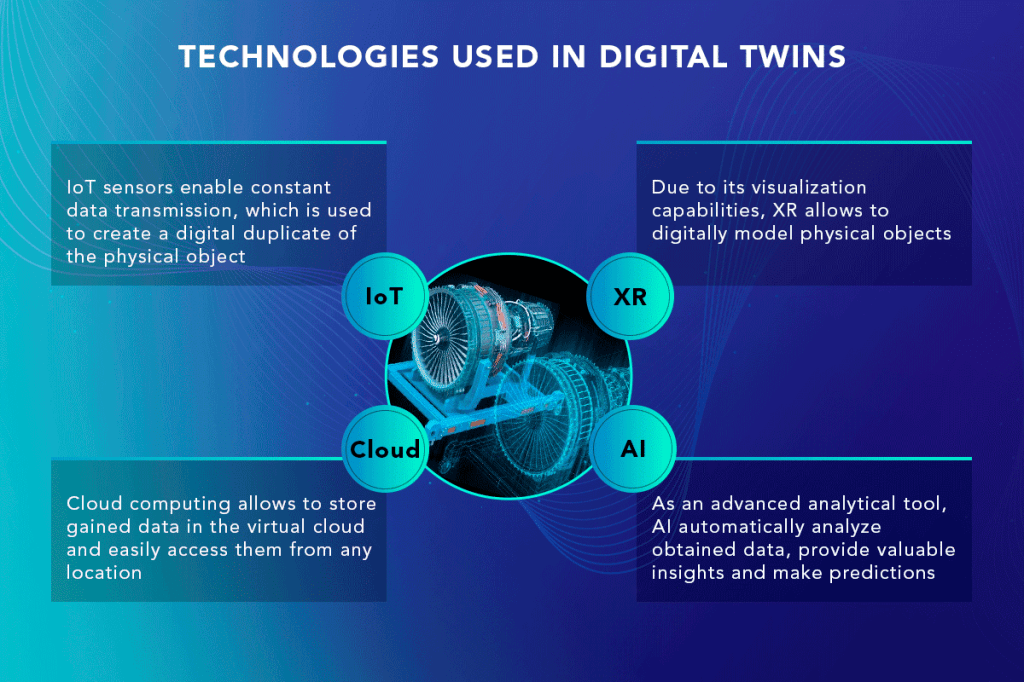
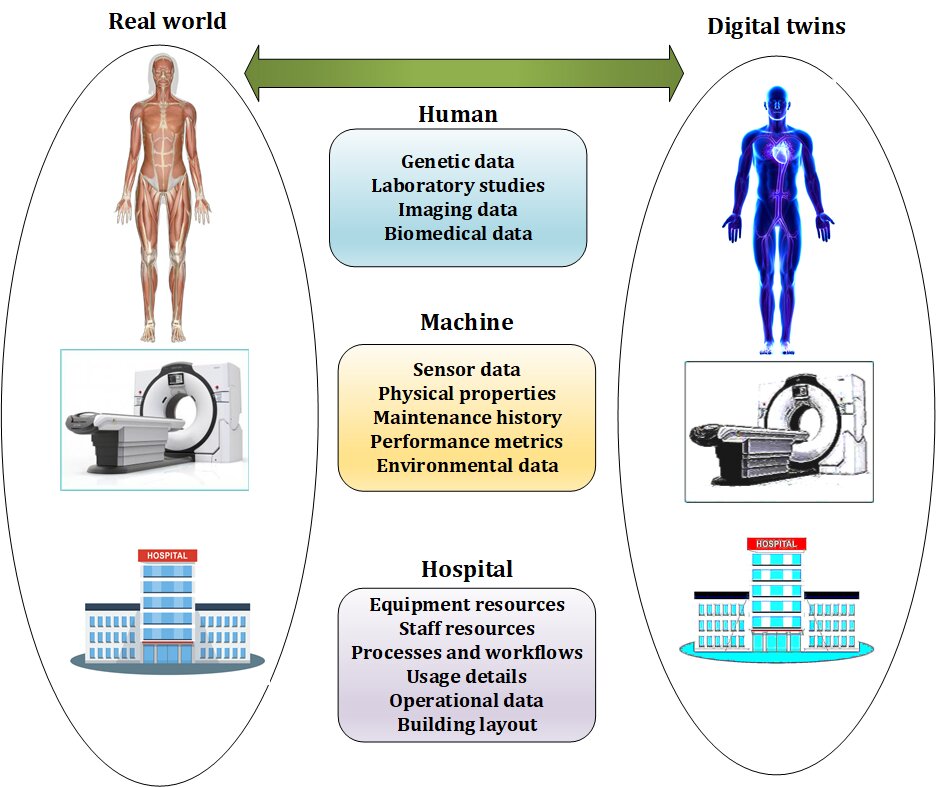
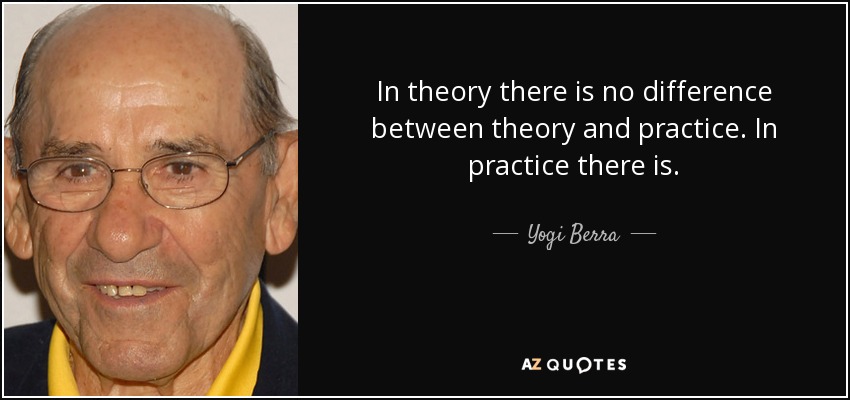

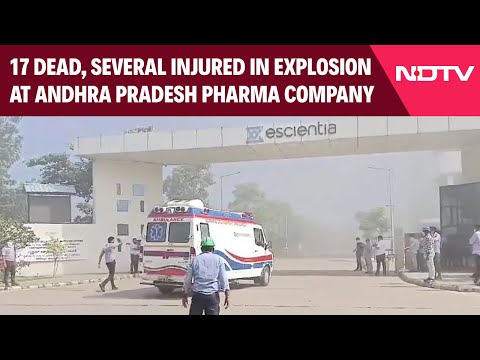
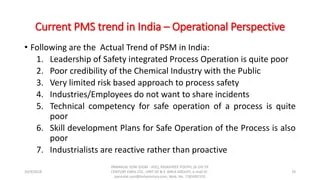


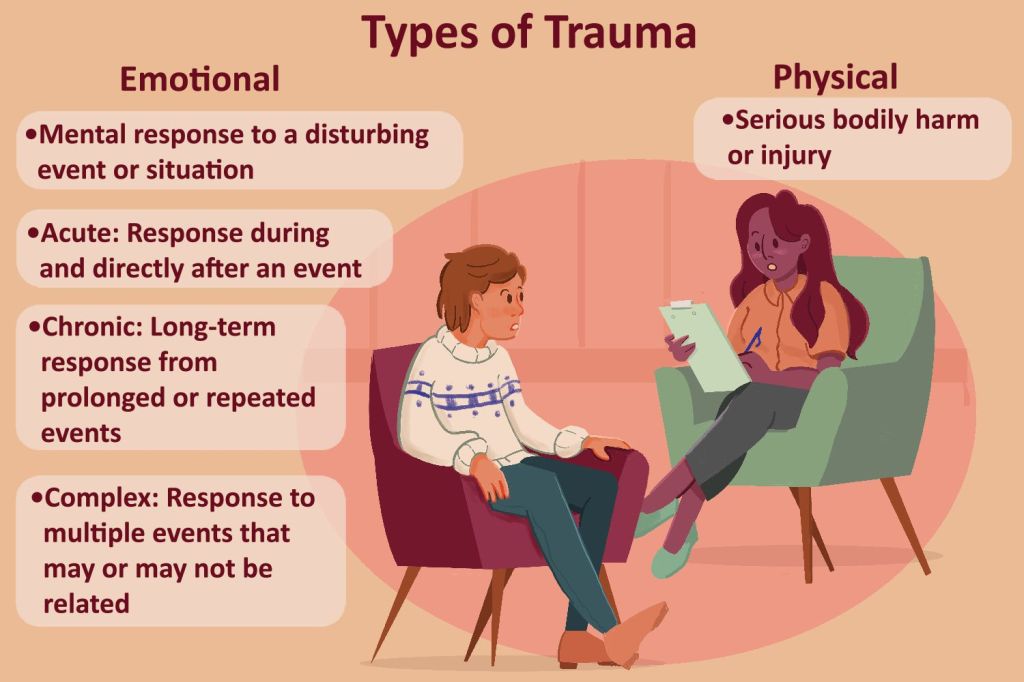


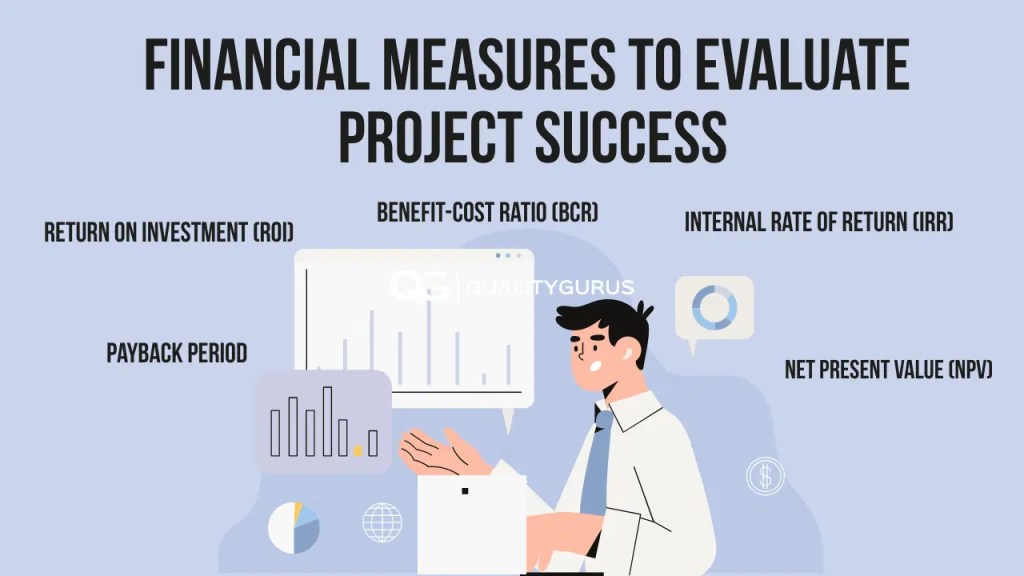
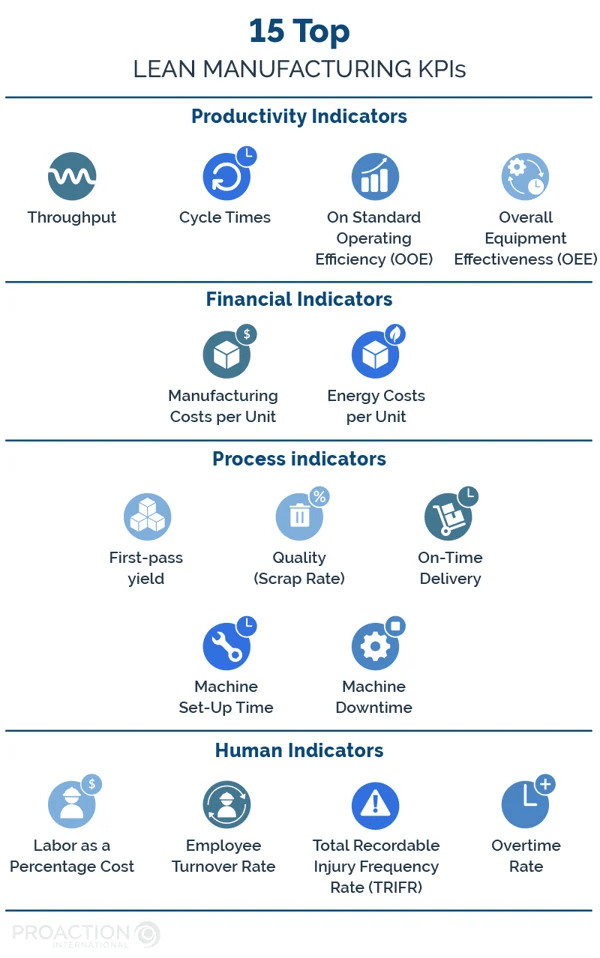








 Health, Environment, Safety, Sustainability (HESS)