Learning Report: Assassination Attempt on President, Donald J Trump in Butler, PA (July 2024)

#201

I was away on Business Travel, I am now back. What a week it was!

Iconic Image

Incident Overview

On July 13, 2024, former President Donald Trump survived an assassination attempt during a rally at the Butler County Fairgrounds. The shooter, identified as Thomas Matthew Crooks, fired multiple shots from an elevated position outside the rally venue. The attack resulted in one spectator’s death and two others critically injured. Trump sustained a graze wound to his ear but remained largely unharmed. This incident exposed several critical failures in security protocols and highlighted areas for improvement in crisis management and public safety.

Key Failures and Lessons Learned

1. Misjudged Threats
  • Failure: The Secret Service underestimated the potential threat, resulting in delayed action.
  • Lesson: All threats must be taken seriously and addressed swiftly. Regular scenario-based training can enhance personnel’s ability to recognize and respond to threats effectively.
2. Lack of Single Authority to Coordinate
  • Failure: The absence of a centralized command led to confusion and inefficiency during the crisis.
  • Lesson: Establish a single, clear authority for coordination during events to ensure quick, decisive actions and alignment among all security teams.
The Lady SS Agent, Unable to cover 6’3″ high President, She appears Dwarf, (Exposing the President to a possible second assassin).
3. Competency of Personnel
  • Failure: Gaps in the competency of some security personnel were evident.
  • Lesson: Continuous training and development programs are essential. Regular drills, updated training materials, and performance reviews can maintain high standards and ensure preparedness for high-pressure situations.
4. Time Wasted in Threat Assessment
  • Failure: Crucial time was lost in assessing the threat, allowing the shooter to act.
  • Lesson: Streamline threat assessment processes to reduce response times. Advanced technology for real-time threat detection and predefined protocols for immediate action can enhance response efficiency.
5. Proactive Event Management
  • Failure: The decision to continue the event despite the imminent threat cost valuable time.
  • Lesson: Implement proactive event management strategies, including the ability to cancel or postpone events at the first sign of a credible threat. Predefined criteria for such decisions should be communicated to all relevant personnel.
6. Effective Communication Systems
  • Failure: Reports of a shooter on the roof led to confusion and panic.
  • Lesson: Robust communication systems are needed for accurate and timely information dissemination. Training on effective use of these systems can prevent misinformation and maintain order during crises.
7. Enhanced Surveillance and Monitoring
  • Failure: The shooter accessed a vantage point without detection.
  • Lesson: Invest in advanced surveillance technology and ensure constant monitoring of key areas. Use drones, CCTV, and other monitoring equipment for early threat detection and prevention.
8. Crisis Management and Public Communication
  • Failure: Initial post-incident communication was not well-coordinated.
  • Lesson: Effective crisis management requires clear, coordinated communication strategies to manage public perception and provide accurate information. Regular updates and transparent communication can maintain public trust.
9. Multi-layered Security Measures
  • Failure: Reliance on a single line of defense proved inadequate.
  • Lesson: Implement multiple layers of security, including physical barriers, technology, and intelligence. Redundant security measures ensure that if one layer fails, others can still provide protection. (The Roof Entrance was not protected due to multi layer responsibility)
10. Post-Incident Review and Continuous Improvement
  • Failure: The incident highlighted several areas needing improvement.
  • Lesson: Conduct thorough post-incident reviews to analyze failures and develop actionable insights. Updates to protocols, training programs, and security measures should follow these reviews to prevent future incidents.

Positive Aspects and Leadership Qualities

  • Trump’s Leadership: Despite the attack, Trump displayed courage and leadership by remaining composed and showing defiant gestures as he was led off the stage. This helped to reassure the crowd and maintain calm.
  • Crowd Behavior: The crowd’s trust in the environment and lack of panic were notable. This indicates effective crowd management and the importance of maintaining a calm atmosphere during crises.

Conclusion: Capacity to Manage the Issue

The assassination attempt on Donald Trump in Butler, PA, not only exposed specific failures in threat assessment, coordination, and response but also highlighted a broader issue: the absence of sufficient capacity to manage such high-stakes situations effectively. (Safety is not absence of Incident, but presence of Capacity built in!)

Key Points Supporting This Conclusion

  1. Delayed Threat Assessment:
    • The significant delay in recognizing and responding to the shooter indicates a lack of capacity in immediate threat detection and assessment. Efficient protocols and rapid decision-making frameworks were missing, causing crucial time to be wasted.
  2. Lack of Centralized Authority:
    • The confusion and inefficiency due to the absence of a single coordinating authority underscore a structural deficiency. Effective crisis management requires a clear command structure with the capacity to make quick, decisive actions, which was evidently lacking.
  3. Training and Competency Gaps:
    • The gaps in competency among security personnel suggest inadequate training and preparedness. Continuous, rigorous training programs are necessary to build the capacity to handle such high-pressure scenarios, which were evidently insufficient in this case.
  4. Inadequate Surveillance and Monitoring:
    • The shooter’s ability to access an elevated position without detection highlights significant surveillance shortcomings. Advanced surveillance systems and constant monitoring are crucial to building a capacity to prevent such incidents, which were not effectively in place.
  5. Communication and Coordination Failures:
    • The ineffective communication systems that led to confusion among security teams and the public indicate a lack of integrated communication strategies. A robust communication infrastructure is essential to manage crises effectively, pointing to a capacity shortfall in this area.
  6. Event Management and Decision-Making:
    • The inability to make proactive decisions, such as canceling the event when the threat appeared real, reflects a lack of crisis management capacity. Clear protocols for event management in high-risk situations were not adequately established or followed.

Karthik

18th July 2024 1500 Hrs.

PS: Facts verified for accuracy with AI Tools.

The Complacency Trap: Why Too Good EHS or Operational Performance Can Be Dangerous

#200

Reaching my 200th blog post is a significant milestone, marking eight years of sharing insights and experiences in the field of Environmental Health and Safety (EHS). Throughout this journey, I’ve seen firsthand how critical it is to maintain vigilance, even when performance indicators seem very favorable. Today, I want to discuss why excellent EHS or operational performance can sometimes lead to complacency and how to guard against it.

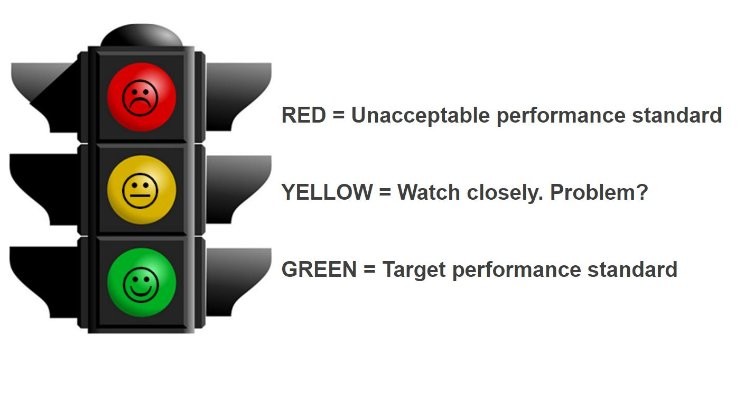
In Environmental Health and Safety (EHS) and operational excellence, green, yellow, and red indicators (Traffic Light) are commonly used in dashboards to quickly communicate the status of various metrics and key performance indicators (KPIs). Here’s what each color typically signifies:

Green Indicators

Meaning:

  • Status: Everything is running smoothly.
  • Performance: Meeting or exceeding targets.
  • Risk Level: Low risk, under control.

Implications:

  • Indicates that the processes or systems are functioning well.
  • Signals that the objectives are being met without significant issues.
  • Can sometimes lead to complacency if not regularly scrutinized for hidden problems.

Example:

  • An EHS dashboard showing zero incidents or accidents for a sustained period.
Yellow Indicators

Meaning:

  • Status: Caution or warning.
  • Performance: Slightly below target or starting to show potential issues.
  • Risk Level: Medium risk, needs attention.

Implications:

  • Suggests that there are areas requiring improvement.
  • Indicates that processes might be starting to struggle and need intervention to prevent escalation to red.
  • Calls for proactive measures to address and resolve underlying issues.

Example:

  • An increase in near-miss incidents or minor safety violations that haven’t yet resulted in accidents.
Red Indicators

Meaning:

  • Status: Critical or failing.
  • Performance: Significantly below target.
  • Risk Level: High risk, immediate action required.

Implications:

  • Signals that there are major issues or failures that need urgent attention.
  • Indicates serious problems that could lead to significant negative consequences if not addressed promptly.
  • Often requires a deep dive to understand root causes and implement corrective actions.

Example:

  • A severe accident or incident that results in injuries, fatalities, or significant operational disruption.

+++++++++++++++++++++++++++++++++++++++++++++++

1. Be Skeptical of Green Indicators

When dashboards consistently show green, it’s easy to assume everything is running smoothly. However, green indicators should not be taken at face value. In fact, prolonged periods without issues can sometimes mask underlying problems. Remember, no news for a while can be bad news. A green dashboard might indicate that issues are not being reported or detected rather than their absence.

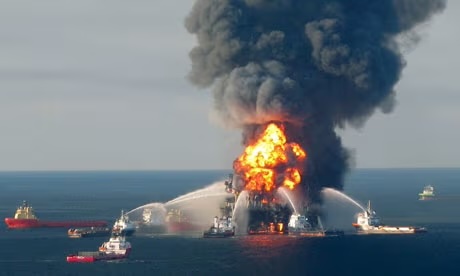
Consider the Deepwater Horizon disaster—an event that occurred when everything appeared to be green. Complacency had set in, and ironically, they were celebrating a safety milestone when the blowout happened. This tragic incident serves as a stark reminder that green indicators are not always a guarantee of safety.

Key Takeaway: Apply the philosophy of “Trust but verify.” Regularly scrutinize green indicators (With a bit of skeptiscm) by checking random aspects of the metrics in detail. Like Tim Cook and Steve Jobs, probe so deeply that your directs might struggle to answer and, as a result, you come up with ideas for improvement. This approach ensures you truly understand the situation and can offer expert guidance for improvement.

2. Dive Deep into Yellow Indicators

Yellow indicators signal caution—they suggest that processes or programs are struggling. This is where your intervention is most crucial. Rather than waiting for these indicators to turn red, proactive engagement can help address the underlying issues.

Key Takeaway: Invest time in understanding why an indicator is yellow. Work closely with the people involved to identify challenges and provide the necessary support to turn these indicators green. Success in these areas often requires collaboration, problem-solving, and resource allocation.

3. Understand and Contemplate the Red Indicators

Red indicators are clear signals that something is fundamentally wrong. However, it’s vital to approach these situations without assigning blame. Often, these issues stem from deeper problems such as managerial faults, incorrect approaches, or systemic flaws.

Key Takeaway: When facing red indicators, focus on understanding the root causes rather than blaming individuals. Conduct thorough investigations to identify the real issues, and work collaboratively to develop effective solutions. Seek expertise help. This approach not only resolves the immediate problem but also strengthens the overall EHS / Operational culture.

The Denial Mode: A Dangerous Pitfall

Many organizations celebrate their green indicators, often becoming complacent and ignoring potential risks. This complacency can lead to a state of denial, where teams are shocked and unprepared when things go wrong. In today’s age of disenchantment, disengagement, and dejection among 80% of the organisational workforce, it’s more important than ever to take green indicators with a pinch of skepticism.

Key Takeaway: Foster a culture of continuous improvement. Encourage teams to remain vigilant and proactive, even when performance appears optimal. Recognize that true safety and operational excellence require ongoing effort and attention. It is a journey, not a destination.

Real-World Reminders

The Deepwater Horizon disaster is not an isolated incident. There have been other examples where things burst out when everything appeared quiet. These events highlight the importance of maintaining a critical eye and never letting complacency take root, regardless of how green the dashboard looks.

In conclusion, while green indicators are a positive sign, they should not lead to complacency. By being skeptical, proactive, and understanding, we can ensure that EHS and operational performance remains robust and resilient. Here’s to many more years of learning, growing, and improving together.

Karthik.

12th July 2024 1130am.

Safety Credentials for Career Advancement

#199

Housekeeping:- Soon, I will be posting my 200th EHS Blog post. It has been a 7 year journey to this milestone, (with 3 years of Dormant period) hopefully many more to come?. (My personal blog of 20 years, is at #520) If you have in mind, an interesting/ challenging EHS topic you want me covered, please post in comments section or reach out to me. I shall do my best. Selected topic, the person will be rewarded with a book of their choice. I look to your response.

Introduction

As a Safety (EHS) professional about to enter my 40th year in the field, I find myself reflecting on the journey and the knowledge I’ve amassed over the decades. It struck me that despite my extensive experience, I had never written about a crucial aspect of our profession: the role of safety diplomas/ credentials in career advancement.

With a Post Graduate degree in Environmental Engineering, (1985) I joined the then-named Diploma in Industrial Safety in 1988. At the time, this diploma was a relatively new curriculum post 1984, Bhopal Gas Tragedy of 1984, and we were often sponsored by industry leaders, as the mandatory norms were set by the state governments. The course lasted a year, encompassing nine papers, projects, and a requirement of 70% attendance, giving us a 30% leeway. This foundational qualification set the stage for my career, and over the years, I’ve pursued various professional credentials in process safety, Six Sigma-Lean, ISO / HSE auditor certifications, and even a postgraduate degree in HR management to complement my Safety and Environmental expertise.

In my view, EHS is fundamentally about execution—bridging the knowing-doing gap and influencing both up and down the organizational hierarchy to achieve safety goals. Success in this field demands excellent communication, influencing, persuasion, and interactive skills. It’s about being visible where the action happens and demonstrating a high level of emotional intelligence. EHS Competence is KEY and this is where these educational credentials gives the person, a great foundation to get in to basics and work from there on.

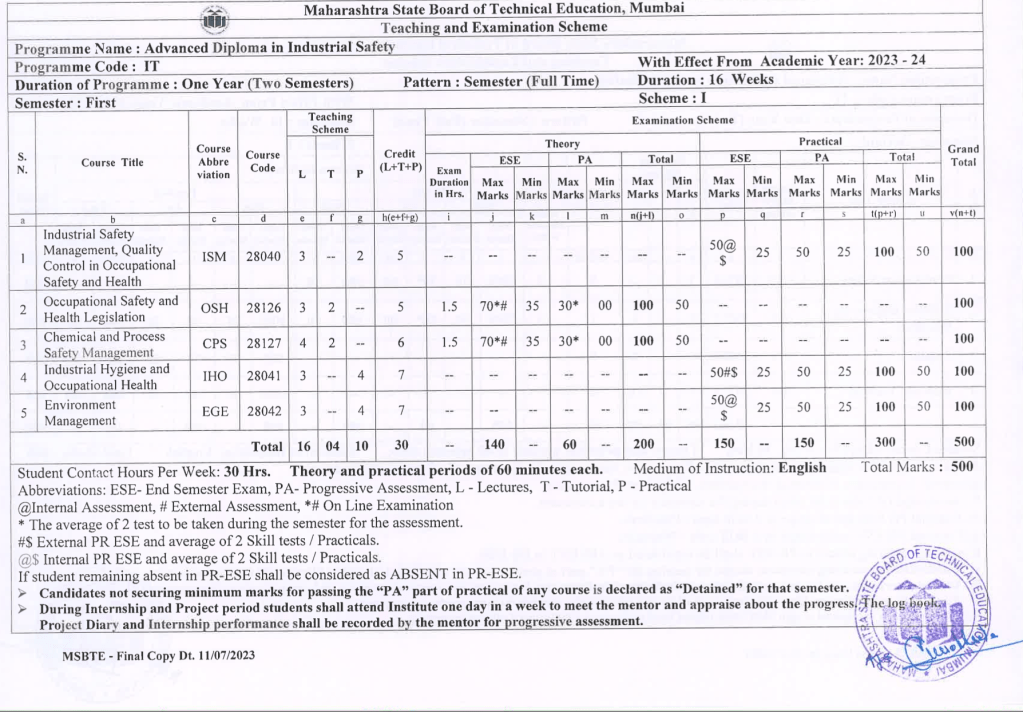
In this blog, I will delve into the merits of two significant safety diplomas: the Advanced Diploma in Industrial Safety (ADIS) approved by the Government of India, (@ state levels through the Technical education Boards) and the NEBOSH certifications. My goal is to provide insights that can help you decide which path might best suit your career aspirations and professional development.

1. Advanced Diploma in Industrial Safety (ADIS)

Overview: The Advanced Diploma in Industrial Safety (ADIS) is a highly regarded qualification in India, recognized by the Ministry of Labour and Employment. It is designed to equip professionals with in-depth knowledge of industrial safety management.

Contents:

  • Safety, Health, and Environment Management: Fundamentals of SHE management systems and practices.
  • Industrial Safety Management: Principles and practices of safety management in industrial settings.
  • Risk Management: Identifying, assessing, and controlling risks in the workplace.
  • Occupational Health: Understanding occupational health hazards and implementing control measures.
  • Safety Legislation: In-depth knowledge of Indian safety laws and regulations.
  • Fire Safety: Principles of fire safety management and emergency response.
  • Environmental Management: Environmental protection measures and sustainable practices.
  • Safety Engineering: Engineering controls and technological interventions for safety. (Electrical, Chemical, Construction Safety etc.)

Advantages:

  • Government Recognition: Being a government-approved course, ADIS holds significant credibility in the Indian job market.
  • Comprehensive Curriculum: The course covers a wide range of topics relevant to industrial safety.
  • Career Opportunities: Preferred by Indian employers, especially in the manufacturing and industrial sectors.
  • Cost-Effective: Generally more affordable compared to international certifications.
  • Local Relevance: The curriculum is tailored to Indian laws, regulations, and industry practices.

Timeline: The ADIS typically takes about 2 years to complete. This duration includes coursework, practical training, and examinations. Professionals can often balance this with their job commitments, making it a feasible option for those already working in the field.

2. NEBOSH Certifications

Overview: The National Examination Board in Occupational Safety and Health (NEBOSH) offers globally recognized certifications that cater to various levels of EHS professionals. The two main levels are the NEBOSH International General Certificate (IGC) and the NEBOSH International Diploma. Ofcourse, there is a UK specific course too. The Course has now branced out to cover many EHS disciplines, check out for your area of interest.

Contents:

  1. NEBOSH International General Certificate (IGC):
  • Management of Health and Safety: Fundamentals of health and safety management systems.
  • Controlling Workplace Hazards: Identifying and controlling physical, chemical, biological, and ergonomic hazards.
  • Health and Safety Practical Application: Applying theory to practical scenarios through a workplace assessment.
  • 2) NEBOSH International Diploma:
  • Managing Health and Safety: Advanced principles of health and safety management.
  • Hazardous Agents in the Workplace: In-depth study of chemical, physical, and biological agents.
  • Workplace and Work Equipment Safety: Safety principles related to machinery and equipment.
  • Health and Safety Risk Management: Comprehensive approach to risk assessment and management.

Advantages:

  • Global Recognition: NEBOSH qualifications are recognized worldwide, especially in the Middle East for Indians,providing an edge in international job markets. (USA has its own CSP which is a different Gorilla!).
  • Depth and Breadth: The curriculum is extensive, covering a wide array of health and safety topics.
  • Higher Salary Potential: NEBOSH-certified professionals often command higher salaries due to the rigorous training and international recognition.
  • Networking Opportunities: Access to a global network of EHS professionals.
  • Continuous Learning: NEBOSH encourages lifelong learning and continuous professional development.

Timeline:

  • NEBOSH International General Certificate (IGC): This certification typically takes about 3-6 months to complete, depending on the mode of study (full-time, part-time, or distance learning).
  • NEBOSH International Diploma: The diploma is more intensive and usually takes 12-24 months to complete. This duration includes study time, assignments, and examinations. Many professionals opt to study part-time while continuing to work.
Making the Choice: Which is Right for You?

Choosing between ADIS and NEBOSH depends on your career goals, location, and industry preferences:

  • If you aim to work primarily within India and prefer a course aligned with local regulations and industry practices, the ADIS is an excellent choice.
  • If you seek global opportunities or work for multinational companies, NEBOSH certifications offer broader recognition and career mobility.

+++++++++++++++++++++++++++++++++++++++++++++++++++++

Ensuring that you enroll in reputed institutions for both the Advanced Diploma in Industrial Safety (ADIS) and NEBOSH certifications is crucial for the value and recognition of your qualifications. Here are some guidelines and an “acid test” to help you choose the right institution:

Ensuring Reputed Institutions for ADIS and NEBOSH

1. Accreditation and Recognition
  • ADIS: Ensure that the institution is approved by the Directorate General, Factory Advice Service & Labour Institutes (DGFASLI) or the State Technical Education Board. This accreditation guarantees that the course meets the national standards set by the Government of India.
  • NEBOSH: The institution should be an accredited NEBOSH Learning Partner. You can verify this by checking the NEBOSH website for a list of accredited providers.
2. Institution’s Reputation and History
  • Look for institutions with a long history of delivering EHS education and training. Established institutions with a strong track record are more likely to offer high-quality education and support.
3. Course Curriculum and Faculty
  • Review the course curriculum to ensure it is comprehensive and up-to-date with current industry standards.
  • Check the qualifications and experience of the faculty. Instructors should have significant industry experience and relevant academic credentials.
4. Student Reviews and Testimonials
  • Search for reviews and testimonials from past students. Positive feedback on the institution’s teaching methods, faculty, and support services is a good indicator of quality.
5. Success Rates and Industry Recognition
  • Investigate the institution’s success rates in terms of student pass rates and job placements. High success rates often reflect the quality of education and training provided.
  • Check if the institution has any industry partnerships or recognition from professional EHS bodies.
6. Facilities and Resources
  • Ensure the institution offers adequate facilities and resources, such as libraries, laboratories, and online learning platforms, to support your education.

Acid Test for Reputed Institutions

Step 1: Verify Accreditation

  • ADIS: Confirm the institution’s approval from DGFASLI or the State Technical Education Board.
  • NEBOSH: Check the NEBOSH website to ensure the institution is listed as an accredited Learning Partner.

Step 2: Check Industry Partnerships

  • See if the institution has collaborations with renowned industries or professional bodies, which adds credibility.

Step 3: Review Faculty Credentials

  • Look into the faculty profiles to ensure they have relevant industry experience and academic qualifications.

Step 4: Analyze Success Metrics

  • Review student pass rates, job placement statistics, and feedback from alumni to gauge the institution’s effectiveness.

Step 5: Seek Testimonials

  • Look for detailed student testimonials and independent reviews on educational forums or social media platforms.

Step 6: Evaluate Facilities

  • If possible, visit the institution or take a virtual tour to assess the quality of facilities and learning resources available.

Conclusion

Both the Advanced Diploma in Industrial Safety and NEBOSH certifications offer valuable knowledge and skills for EHS professionals. By evaluating the contents, advantages, and timelines of each, you can determine which diploma aligns best with your career aspirations and professional needs. Investing in either qualification will undoubtedly enhance your expertise, credibility, and job prospects in the dynamic field of industrial safety.

If you need any discussions, thoughts, please feel free to reach out to me.
Good luck and God bless

Karthik.

9th July 2024. 1pm.

Understanding and Mitigating Human Error in Manufacturing

#198

Introduction: The Ubiquity of Human Error

Human error is an unavoidable aspect of life that permeates every field, from aviation and manufacturing to healthcare and daily activities. As fallible beings, humans are prone to making mistakes, whether due to cognitive limitations, environmental factors, or simple lapses in attention. Organizations must recognize that errors are an inherent part of human behavior and plan accordingly to mitigate their impacts.

In complex, high-stakes environments like manufacturing and aviation, the consequences of human error can be severe, leading to costly incidents, safety hazards, and even loss of life. However, errors are not confined to these sectors alone; they occur in all walks of life. From miscommunications in personal relationships to financial mistakes in everyday transactions, the potential for error is ever-present.

Understanding that human error is common allows organizations to adopt a proactive approach to risk management. This involves designing systems and processes that anticipate mistakes, incorporating checks and balances, and fostering a culture of continuous learning and improvement. By acknowledging the inevitability of human error and implementing robust preventive measures, organizations can enhance safety, efficiency, and overall performance, turning potential vulnerabilities into opportunities for growth and resilience.

Here are a couple of major incidents in aviation and manufacturing that occurred due to human error:

Aviation Incidents

1. Tenerife Airport Disaster (1977)
  • Overview: The Tenerife Airport disaster is the deadliest aviation accident in history, resulting in 583 fatalities. It occurred on March 27, 1977, at Los Rodeos Airport (now Tenerife North Airport) in the Canary Islands.
  • Human Error: A series of miscommunications and misunderstandings between the flight crews and air traffic control led to the collision of two Boeing 747 aircraft on the runway. Factors included:
    • Language and Radio Communication: Ambiguous language used during radio communications.
    • Misinterpretation: The KLM flight captain misunderstood air traffic control instructions and began takeoff without clearance.
    • Environmental Factors: Dense fog reduced visibility, preventing the crews from seeing each other until it was too late.
2. Air France Flight 447 (2009)
  • Overview: Air France Flight 447 crashed into the Atlantic Ocean on June 1, 2009, killing all 228 passengers and crew members on board.
  • Human Error: The primary cause was pilot error during a stall situation:
    • Failure to Correct Stall: The aircraft’s autopilot disconnected due to inconsistent airspeed readings, and the pilots failed to recognize and properly respond to the stall.
    • Lack of Coordination: Poor communication and coordination between the pilots contributed to the failure to regain control of the aircraft.
Manufacturing Incidents
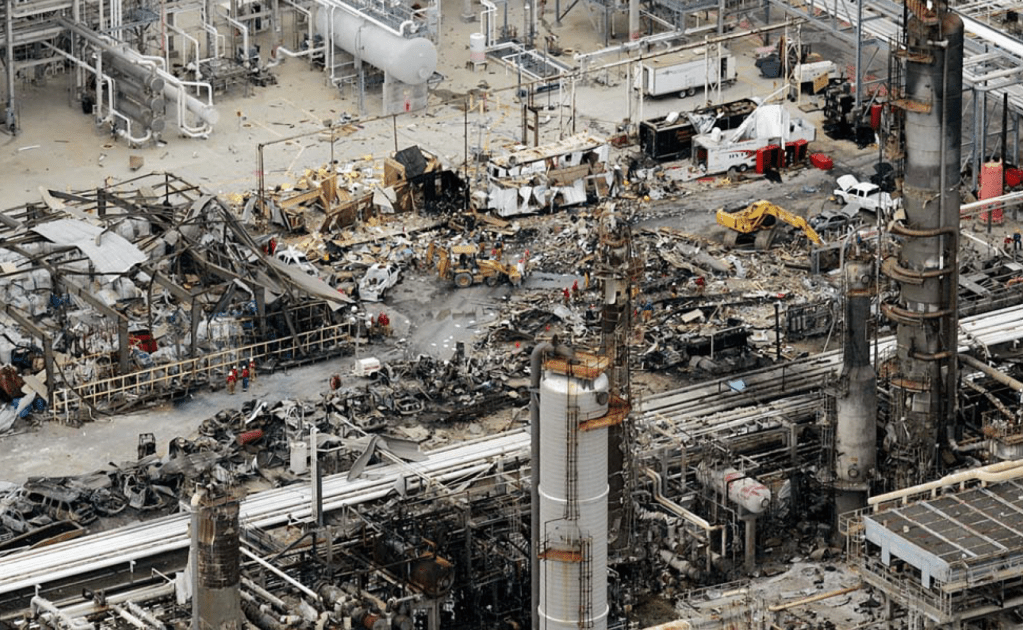
1. Texas City Refinery Explosion (2005)
  • Overview: On March 23, 2005, an explosion occurred at the BP refinery in Texas City, Texas, resulting in 15 deaths and over 170 injuries.
  • Human Error: The explosion was caused by a series of procedural lapses and human errors:
    • Inadequate Procedures: The start-up procedures were not followed correctly, leading to overfilling and overheating of a distillation tower.
    • Safety System Failures: The alarms and safety systems failed to alert the operators to the dangerous conditions in time.
    • Lack of Training: Insufficient training and inadequate understanding of the process among the operators.

These examples highlight the critical role of human factors in safety and the importance of rigorous training, clear communication, and adherence to procedures to prevent such tragic incidents. Understanding these past errors helps industries implement better safety measures and cultivate a culture of continuous improvement to mitigate risks associated with human error.

Understanding and Mitigating Human Error in Manufacturing

Human error in manufacturing can lead to significant issues, from minor quality defects to major safety incidents. Understanding the types of memory failures and errors that occur, and implementing effective interventions, is crucial for mitigating these risks and enhancing overall performance.

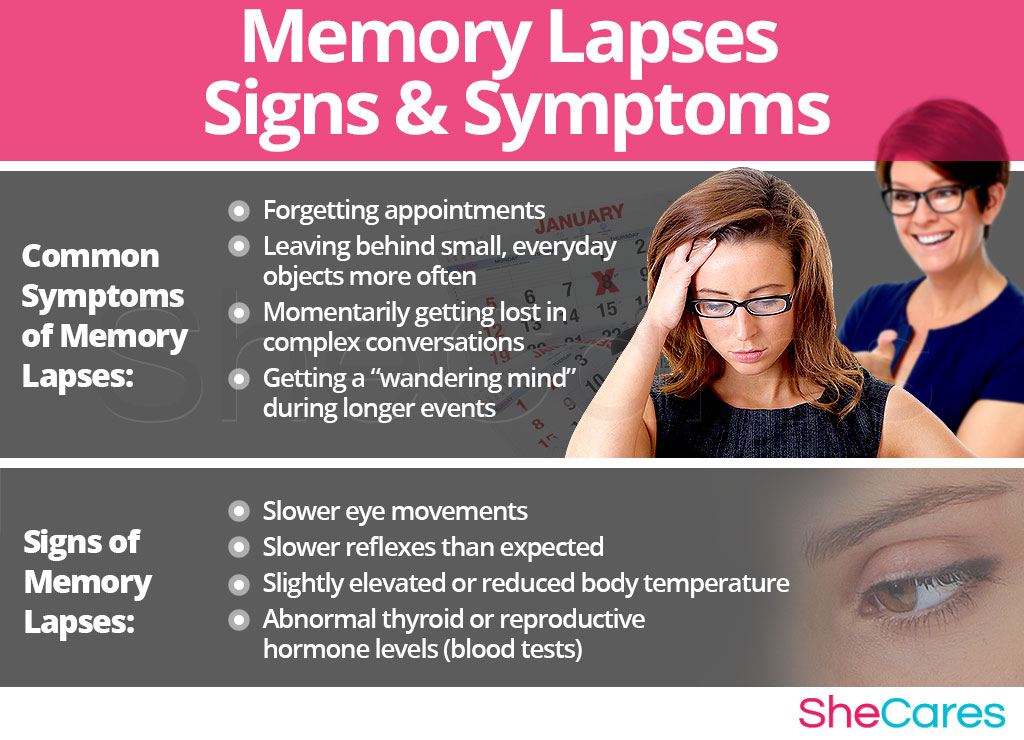
Types of Memory Failures

  1. Short-term Memory Failures: This type of failure happens when information is not retained long enough to be used. In a manufacturing context, this could lead to an operator forgetting a crucial step in a process shortly after being told about it.
  2. Long-term Memory Failures: This involves the inability to recall information that was previously known. For example, a worker may forget the proper maintenance procedures for equipment that they were trained on several months ago.
  3. Prospective Memory Failures: This refers to forgetting to perform a planned action. In manufacturing, this could mean an operator forgetting to switch off a machine after completing a task.

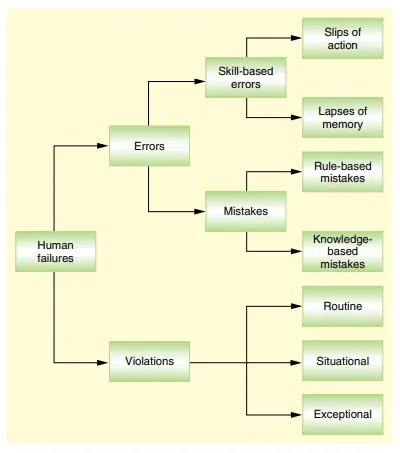
Understanding Errors and Lapses

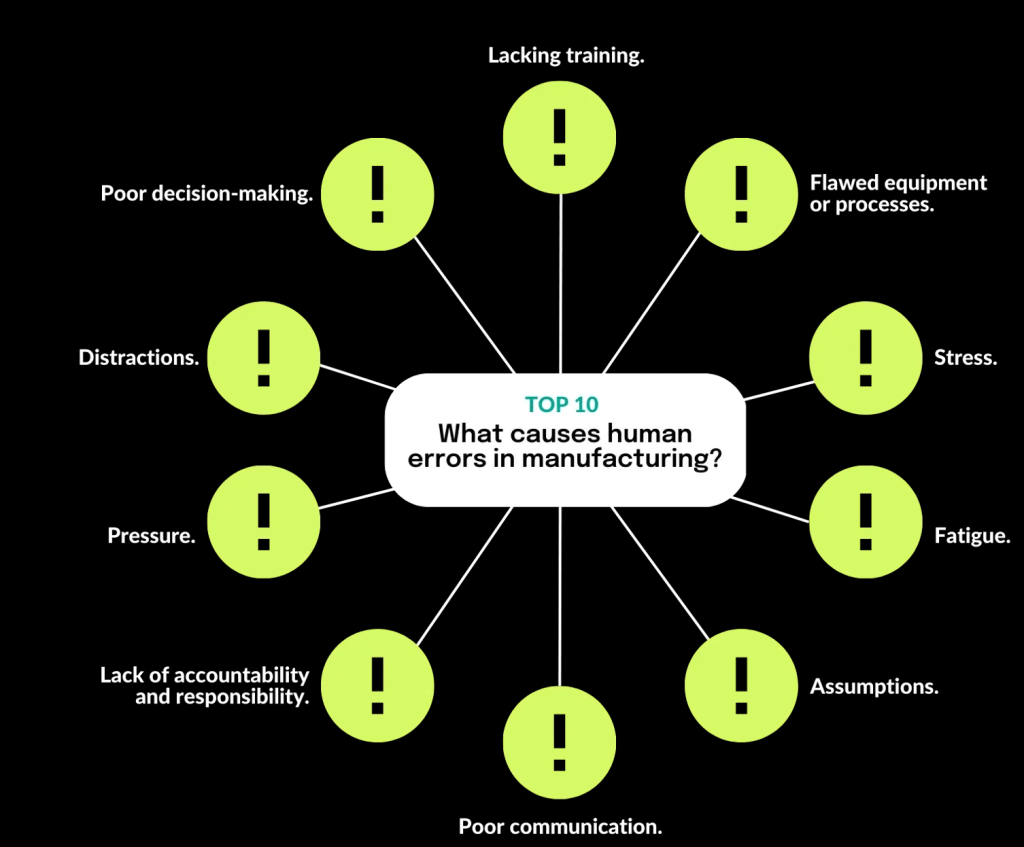
  1. Slips: These are actions that do not go as intended, often due to distractions or lapses in attention. For instance, pressing the wrong button on a control panel.
  2. Lapses: These are failures of memory, such as forgetting to complete a step in a process. Lapses are often caused by stress, fatigue, or a high workload.
  3. Mistakes: These occur when an action goes as planned but the plan itself is flawed. Mistakes are usually due to a lack of knowledge or experience, leading to incorrect decisions.
  4. Violations: These are deliberate deviations from established procedures, often due to perceived pressure to meet deadlines or other performance metrics.
Active Errors and Unintended Errors
  1. Active Errors: These errors occur at the point of interaction between humans and systems. They are usually immediately apparent and can have instant consequences. Examples include an operator accidentally pressing the wrong button or a technician misconnecting a wire. Active errors are typically the result of direct human actions.
  2. Unintended Errors: These are errors that occur without any deliberate intent to deviate from procedures. They can be the result of slips, lapses, or even external factors like poor lighting or loud noise. Unintended errors are often subtle and can go unnoticed until they cause a problem, such as a worker misreading a gauge due to fatigue.
Impact on Manufacturing Performance

Human errors can result in:

  • Quality Issues: Defective products due to incorrect processes or missed steps.
  • Safety Incidents: Accidents caused by improper use of equipment or failure to follow safety protocols.
  • Productivity Losses: Delays and downtime resulting from mistakes that need to be corrected.
  • Financial Costs: Increased costs from rework, scrap, and potential regulatory fines.
Interventions to Mitigate Human Error
  1. Technology and Systems:
    • Automation: Use automated systems to handle repetitive and complex tasks, reducing reliance on human memory and minimizing errors.
    • Error-proofing (Poka-Yoke): Implement devices and procedures that prevent errors before they occur. For example, designing equipment that only fits together one way.
  2. Training:
    • Continuous Training Programs: Regularly update training programs to reinforce proper procedures and introduce new practices.
    • Simulation-Based Training: Use simulations to create realistic scenarios where employees can practice handling unexpected situations without real-world consequences.
  3. Communication:
    • Clear Instructions: Ensure that all instructions are clear, concise, and easy to understand.
    • Feedback Loops: Establish systems where employees can provide feedback on processes and report potential issues without fear of retribution.
  4. Ownership and Accountability:
    • Empower Employees: Encourage workers to take ownership of their tasks and understand the impact of their actions on overall performance.
    • Accountability Structures: Implement systems where accountability is shared among team members, reducing the likelihood of blame-shifting.
  5. Changing the Narrative Around Mistakes:
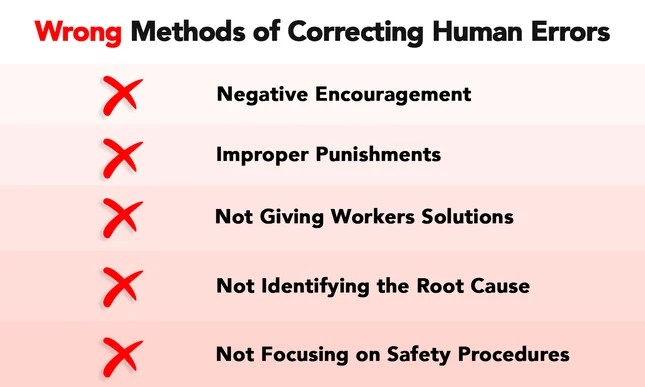
    • Learning Culture: Foster a culture where mistakes are seen as opportunities for learning and improvement rather than reasons for punishment.
    • Root Cause Analysis: Focus on identifying and addressing the root causes of errors rather than merely treating symptoms.
  6. Standard Operating Procedures (SOPs):
    • Regular Reviews: Ensure SOPs are regularly reviewed and updated to reflect current best practices and technologies.
    • Visual Aids: Use diagrams, flowcharts, and other visual aids to make SOPs more accessible and easier to follow.
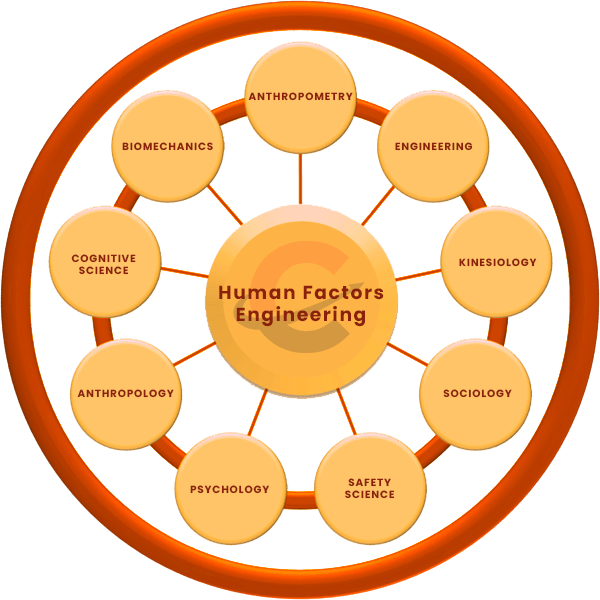
Kinesiology- Study of movement, Athropometry-measurement of human body, Anthropology – Human evolution.
Additional Interventions and Strategies
  1. Ergonomics and Human Factors Engineering:
    • Workspace Design: Ensure that workstations are designed to minimize physical strain and reduce the likelihood of errors. Proper lighting, comfortable seating, and easy access to tools can all contribute to better performance.
    • Human-Machine Interface: Design control panels and interfaces to be user-friendly, reducing the likelihood of operator errors. Clear labeling and intuitive layouts can make a significant difference.
  2. Environmental and Organizational Factors:
    • Work Environment: Maintain a clean, well-organized, and safe work environment. Reducing clutter and hazards can help employees focus better and reduce the likelihood of accidents.
    • Shift Management: Implement effective shift management practices to reduce fatigue. Consider rotating shifts and ensuring adequate rest periods to keep workers alert and focused.
  3. Psychological and Cognitive Approaches:
    • Mindfulness and Stress Reduction: Offer programs that teach stress management and mindfulness techniques. Reducing stress can improve focus and reduce errors.
    • Mental Models and Cognitive Training: Provide training that helps employees develop accurate mental models of the systems they work with. Understanding the underlying principles of equipment and processes can help in troubleshooting and error prevention.
  4. Advanced Technology Interventions:
    • Predictive Analytics and AI: Use predictive analytics to anticipate equipment failures and perform maintenance before issues arise. This can prevent errors related to equipment malfunction.
    • Artificial Intelligence: Implement AI systems to monitor processes in real-time and provide alerts or corrective actions when deviations occur.
    • Digital Tools: Use augmented reality (AR) tools to provide real-time guidance and information overlays for complex tasks. Equip workers with wearable technology that can monitor their physiological signs and alert them or supervisors if signs of fatigue or stress are detected.
  5. Cultural and Behavioral Approaches:
    • Leadership Commitment: Ensure that leadership is committed to a culture of safety and continuous improvement. Visible support from management can reinforce the importance of error prevention.
    • Behavioral Safety Programs: Implement programs that focus on safe behaviors and recognize employees for following safety protocols and reporting potential hazards.
    • Engagement and Involvement: Involve employees in safety and process improvement initiatives. Engaged employees are more likely to follow procedures and contribute to a safer workplace.
    • Peer Reviews and Support: Encourage peer reviews and support systems where workers can check each other’s work and provide constructive feedback.
  6. Continuous Improvement and Feedback Loops:
    • Data-Driven Decisions: Maintain a robust system for tracking incidents and near-misses. Analyze this data to identify trends and implement corrective actions. Use real-time monitoring systems to continuously assess processes and identify potential issues before they result in errors.
    • Learning and Adaptation: After an error occurs, conduct thorough investigations to understand what happened and why. Share these lessons across the organization to prevent recurrence. Regularly update SOPs based on feedback and new insights, ensuring that these updates are communicated clearly to all employees.

Conclusion

Understanding and mitigating human error in manufacturing is crucial for enhancing safety, efficiency, and overall performance. By recognizing the types of errors and memory failures that can occur, and implementing a range of interventions—from advanced technology and training to fostering a culture of accountability and continuous improvement—organizations can significantly reduce the risk of incidents.

Active errors and unintended errors are part of the human experience, but with the right strategies, their impact can be minimized. Emphasizing clear communication, robust standard operating procedures, ergonomic design, and psychological support creates a safer and more productive work environment. Ultimately, a proactive approach to human error not only protects workers and enhances quality but also fosters a culture where learning from mistakes leads to continuous advancement and success.

Karthik

5th July 2024. (Eve of Piper Alpha Disaster). 1500 Hrs.

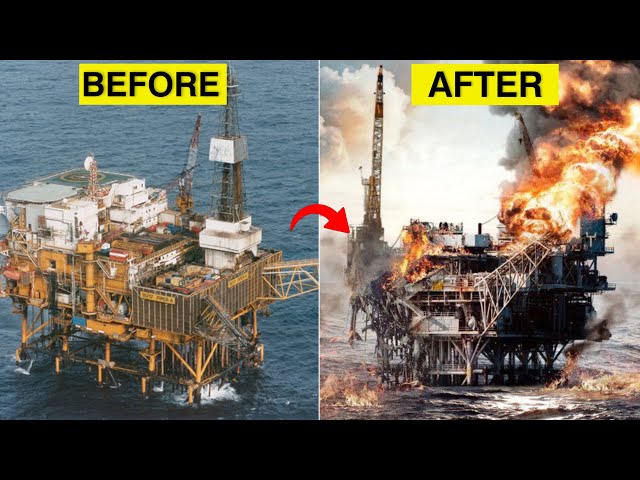
Piper Alpha Memorial.

Opened by Queen Mother.

All 167 names Inscribed.. This includes 30 names who were not so fortunate to get their casket laid on shore.

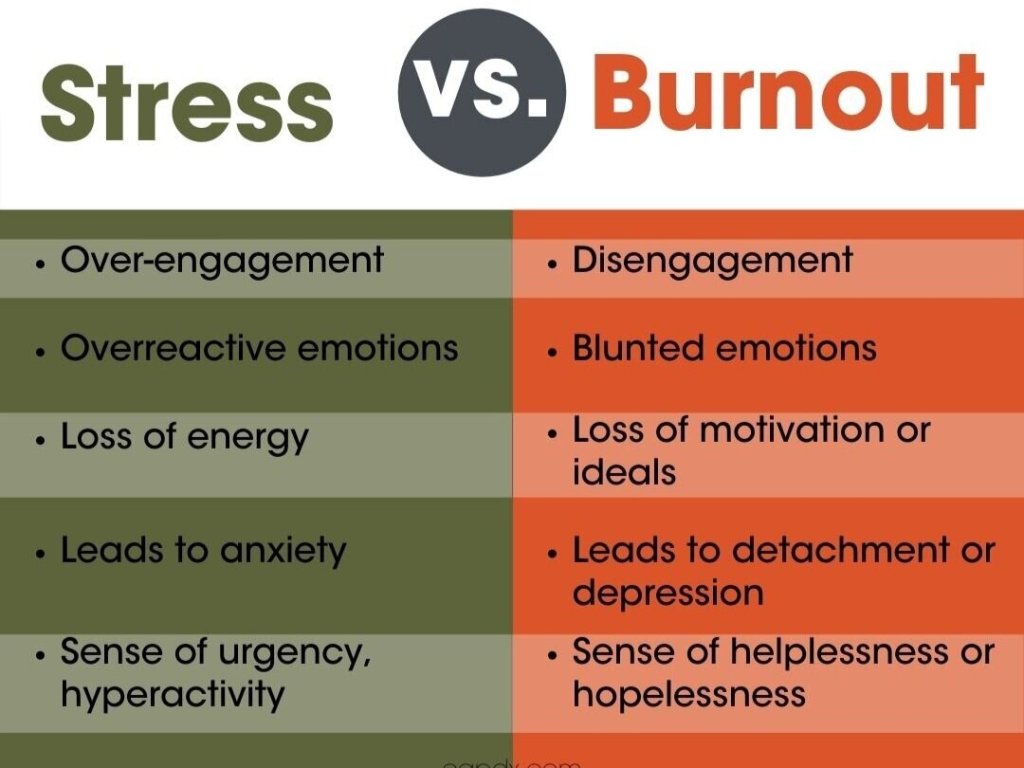
Mental Health: Addressing Stress, Mental Wellbeing, and Avoiding Burnout in Indian Manufacturing

#197

Introduction

In the fast-paced world of manufacturing, mental health often takes a backseat to productivity and deadlines. However, with increasing awareness about the importance of mental wellbeing, it is essential to address stress and burnout, especially in the Indian manufacturing sector. This post, aims to shed light on the issues faced by workers and provide practical solutions for creating a healthier work environment.

Common Stressors in Indian Manufacturing

Workload and Deadlines In Indian manufacturing, the pressure to meet production targets and tight deadlines can be overwhelming. Workers often have to deal with long hours and high expectations, leading to significant stress. This happens due to poor planning at top level, lack of proper communication from Management/ Supervisors to down the level. This leads stress at lower level at workmen/employees level.

Physical Demands Manufacturing jobs are physically demanding. Continuous standing, repetitive tasks, and heavy lifting can cause physical fatigue, which in turn impacts mental health due to inadequate rest, hostile environment (Heat, Noise, no choice Overtime of work etc.).

Shift Work Irregular working hours and night shifts are common in manufacturing. This disrupts sleep patterns and can lead to chronic stress and health issues. Overtime in a nuclear society, this can lead to mental issues.

Work Environment Factors like noise, heat, Illumination, and poor ventilation in factories can add to the stress levels of workers. Uncomfortable working conditions make it harder to stay focused and productive. Also relationship amongst workmen, fear over supervisor (Power Distance in Indian Culture) can add to mental stress.

Impact of Stress and Burnout

Health Consequences Chronic stress can lead to serious health issues such as hypertension, heart disease, and mental health disorders like anxiety and depression. In a survey by the National Institute of Mental Health and Neurosciences (NIMHANS), it was found that a significant percentage of manufacturing workers in India suffer from stress-related ailments.

Workplace Performance Stress and burnout negatively impact productivity. Workers who are mentally exhausted are less efficient, make more errors, and are more likely to be absent from work. This not only affects the individual but also the overall performance of the company.

Safety Concerns Mental fatigue can lead to increased workplace accidents. In an environment where heavy machinery and hazardous materials are common, the consequences of impaired concentration can be severe.

+++++

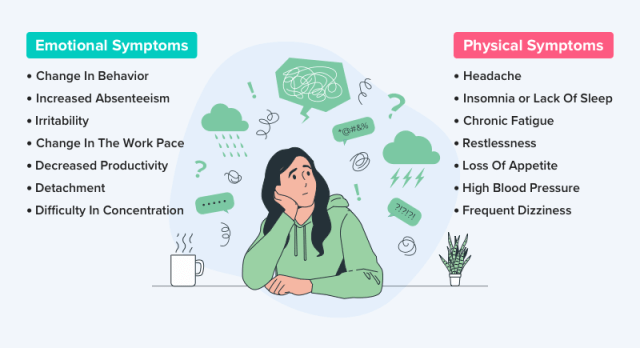
Symptoms of Stress

  1. Physical Symptoms:
    • Headaches or migraines
    • Muscle tension or pain
    • Fatigue and low energy
    • Sleep disturbances (insomnia or excessive sleeping)
    • Digestive issues (upset stomach, diarrhea, or constipation)
    • Increased heart rate or palpitations
  2. Emotional Symptoms:
    • Anxiety or feeling overwhelmed
    • Irritability or short temper
    • Mood swings
    • Feeling restless or agitated
    • Depression or sadness
  3. Behavioral Symptoms:
    • Changes in appetite (eating too much or too little)
    • Procrastination or avoidance of responsibilities
    • Increased use of alcohol, tobacco, or drugs
    • Social withdrawal
    • Nervous habits (nail-biting, pacing)

Symptoms of Burnout

  1. Physical Symptoms:
    • Chronic fatigue and exhaustion
    • Frequent illnesses due to a weakened immune system
    • Sleep problems
    • Headaches and muscle pain
  2. Emotional Symptoms:
    • Sense of failure and self-doubt
    • Feeling helpless, trapped, and defeated
    • Decreased satisfaction and sense of accomplishment
    • Detachment and feeling alone in the world
    • Loss of motivation
  3. Behavioral Symptoms:
    • Withdrawing from responsibilities
    • Isolating oneself from others
    • Procrastinating and taking longer to get things done
    • Using food, drugs, or alcohol to cope
    • Skipping work or coming in late and leaving early

Getting Treatment

For Stress:
  1. Self-Care Techniques:
    • Exercise: Regular physical activity can help reduce stress levels.
    • Healthy Diet: Eating a balanced diet can improve mood and energy levels.
    • Sleep Hygiene: Establishing a regular sleep schedule and creating a restful sleeping environment.
    • Relaxation Techniques: Practices such as deep breathing, meditation, and yoga can help manage stress.
  2. Workplace Interventions:
    • Time Management: Prioritizing tasks and setting realistic deadlines.
    • Breaks: Taking short, regular breaks to rest and recharge.
    • Work-Life Balance: Ensuring a balance between work responsibilities and personal life.
    • Support Systems: Seeking support from colleagues, supervisors, or employee assistance programs (EAPs).
  3. Professional Help:
    • Counseling or Therapy: Talking to a mental health professional can help manage stress.
    • Stress Management Programs: Participating in workshops or courses designed to teach stress management techniques.
    • Medical Consultation: Consulting a doctor if stress is leading to physical health issues.
For Burnout:
  1. Immediate Actions:
    • Take Time Off: Taking a break from work can provide much-needed rest and recovery.
    • Delegate Tasks: Sharing the workload can reduce the pressure and prevent burnout.
  2. Long-Term Strategies:
    • Identify and Address Causes: Understanding the root causes of burnout and working to address them.
    • Career Counseling: Seeking guidance on career goals and work-life balance.
    • Skill Development: Building skills to better manage workload and stress.
  3. Therapeutic Interventions:
    • Cognitive Behavioral Therapy (CBT): A type of therapy that helps identify and change negative thought patterns.
    • Mindfulness-Based Stress Reduction (MBSR): A program that uses mindfulness meditation to reduce stress and improve mental health.
    • Support Groups: Joining support groups to share experiences and strategies for dealing with burnout.
  4. Lifestyle Changes:
    • Healthy Habits: Incorporating exercise, a balanced diet, and sufficient sleep into daily routines.
    • Hobbies and Interests: Engaging in activities outside of work that bring joy and relaxation.
    • Social Connections: Maintaining strong relationships with family and friends for emotional support.

By recognizing the symptoms of stress and burnout and taking appropriate steps to address them, employees can maintain their mental health and wellbeing. Employers also play a critical role in creating a supportive environment that helps prevent these issues from arising in the first place.

+++++++

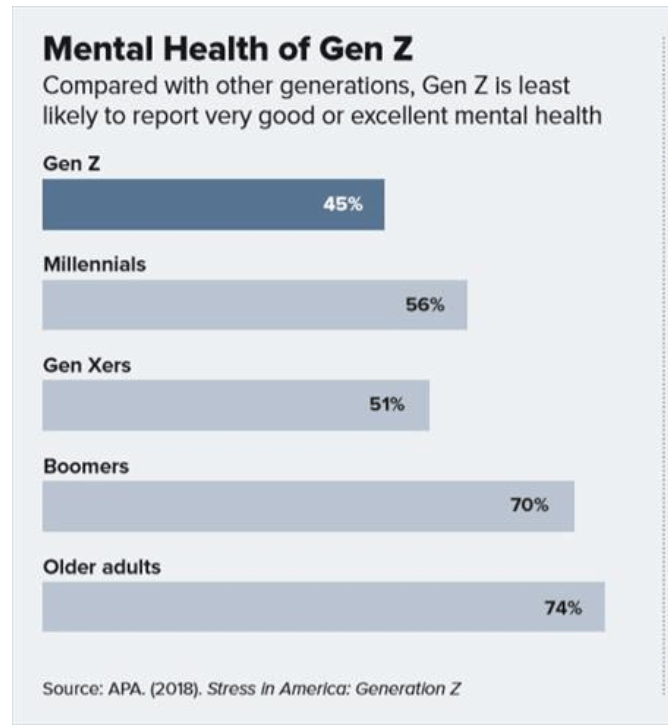
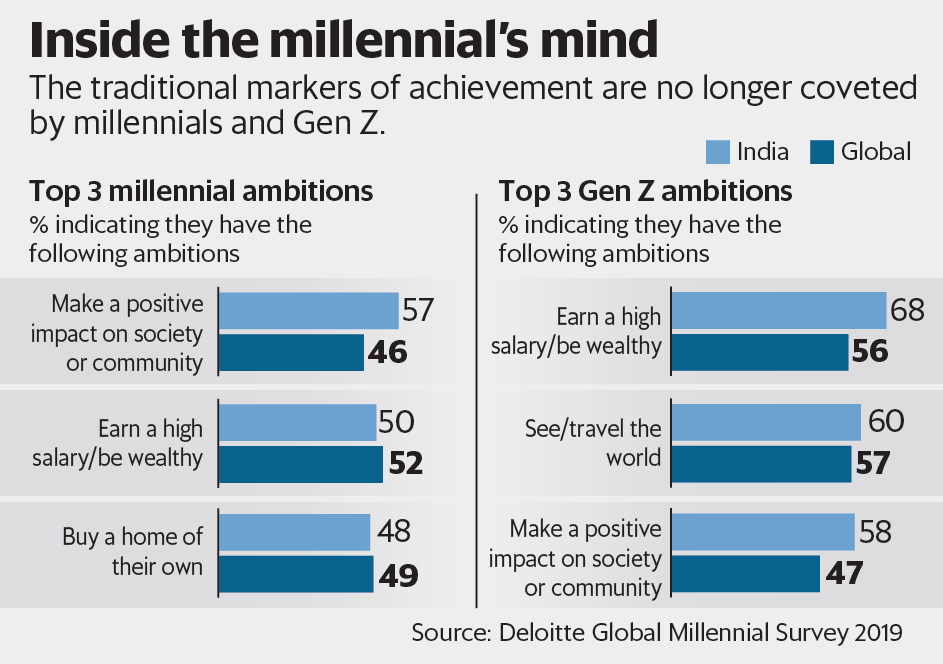
The younger generation, age ranging from their 20s to mid-40s, is increasingly prioritizing mental health and wellbeing in their professional lives. This shift in values presents both a challenge and an opportunity for the manufacturing sector, especially in a landscape where attracting and retaining talent is crucial.

1. Changing Priorities:

  • Younger workers prioritize work-life balance, mental health, and job satisfaction over traditional metrics like salary and job security. This generation is more aware of the importance of mental wellbeing and expects their employers to support it.

2. Increased Awareness:

  • The rise of social media and online platforms has led to greater awareness of mental health issues. People are more open about discussing their mental health and seeking support.

3. Cultural Shift:

  • There is a cultural shift towards valuing holistic wellbeing. Younger employees expect their workplaces to be environments where they can thrive both professionally and personally.

Consequences for the Manufacturing Sector

1. Talent Attraction:

  • Competitive Edge: Organizations that prioritize mental health are more attractive to potential employees. In a sector often perceived as low-rewarding, this can be a significant differentiator.
  • Employer Branding: Companies known for their supportive work environment and mental health initiatives will attract top talent, even in a competitive job market.

2. Talent Retention:

  • Employee Loyalty: Workers who feel their mental health is supported are more likely to stay with the company, reducing turnover rates.
  • Reduced Burnout: Proactive mental health support can prevent burnout, ensuring that employees remain productive and engaged.

3. Enhanced Productivity:

  • Motivated Workforce: Employees who feel supported are more motivated and productive. They are likely to put in more effort and be more innovative.
  • Reduced Absenteeism: Addressing mental health issues can reduce absenteeism due to stress and related health problems.

Strategies for Manufacturing Companies

1. Implement Comprehensive Mental Health Programs:

  • Employee Assistance Programs (EAPs): Provide access to counseling and mental health resources.
  • Wellness Initiatives: Offer programs that promote physical health, such as fitness challenges, yoga sessions, and healthy eating campaigns.
  • Training and Education Regular workshops and training sessions on stress management and mental health awareness can equip workers with the tools to cope with stress. Educating managers to recognize signs of burnout and intervene appropriately is also crucial.

2. Foster an Inclusive and Supportive Culture:

  • Open Communication: Encourage open discussions about mental health. Create an environment where employees feel safe to share their concerns.
  • Training for Managers: Train managers to recognize signs of stress and burnout and to provide appropriate support.

3. Promote Work-Life Balance:

  • Flexible Work Hours: Offer flexible working hours and remote work options where possible.
  • Encourage Time Off: Ensure employees take their allotted vacation days and breaks.
  • Promoting a healthy work-life balance is essential. Companies should encourage employees to take regular breaks, use their vacation days, and maintain a balance between work and personal life. Policies like flexible working hours can also help reduce stress.

4. Design an Ergonomic and Healthy Work Environment:

  • Workspace Improvements: Invest in ergonomic furniture and equipment to reduce physical strain.
  • Relaxation Spaces: Create quiet zones or relaxation areas for employees to unwind.

5. Regularly Monitor and Evaluate:

  • Surveys and Feedback: Conduct regular surveys to understand employee stress levels and mental health needs.
  • Adjust Programs: Use the feedback to continually improve mental health initiatives.
  • Open Communication Creating an environment where employees feel safe to discuss their mental health without fear of stigma is vital. Open communication channels and regular check-ins can help employees feel supported.
  • Management Support Managers should be trained to provide support to employees dealing with stress. This includes being approachable, understanding, and proactive in offering help.
  • Peer Support Encouraging peer support groups can create a sense of community and provide an additional layer of support for employees. Workers are often more comfortable discussing their issues with colleagues who understand their situation.

Case Studies and Examples

1. Tata Steel:

  • Tata Steel has been proactive in implementing mental health programs. Their initiatives include counseling services, stress management workshops, and wellness programs. Employees have reported improved mental wellbeing and job satisfaction as a result.

2. Mahindra & Mahindra:

  • Mahindra & Mahindra has introduced comprehensive wellness programs that include mental health support. They provide regular mental health workshops and have created a supportive environment that encourages open communication.

3. Godrej & Boyce:

  • Godrej & Boyce has implemented several employee wellbeing initiatives, including mental health support. Their approach focuses on holistic health, combining physical and mental wellness programs.

Resources and Further Reading

External Resources

  • NIMHANS (National Institute of Mental Health and Neurosciences): Provides various resources on mental health.
  • Mind Matters: An initiative by Tata Group focused on employee mental health and wellbeing.

Books and Articles

  • “The Joy of Work” by Bruce Daisley
  • “Dare to Lead” by Brené Brown

Conclusion

The manufacturing sector must adapt to the evolving expectations of the younger workforce regarding mental health and wellbeing. By prioritizing mental health, manufacturing companies can not only attract and retain top talent but also create a more productive, engaged, and loyal workforce. In an industry often challenged by low competition and rewards, this focus on mental health can provide a critical competitive edge. It’s time for manufacturing companies to recognize that mental health is not just a benefit, but a necessity for sustainable success.

Lessons Learned from Major Industrial Accidents

#196

Introduction

July marks the anniversary of the Piper Alpha disaster, a tragic event that forever changed the landscape of industrial safety. As we reflect on this catastrophic incident, it’s crucial to analyze major industrial accidents to extract valuable lessons that can enhance our safety practices today.

Piper Alpha Disaster: An Overview

On July 6, 1988, the Piper Alpha oil platform in the North Sea was engulfed in a devastating fire, leading to the loss of 167 lives. The incident highlighted significant flaws in safety management, emergency response, and communication systems.

Key Lessons:

  1. Permit to Work System Failures: The PTW system on Piper Alpha failed, leading to critical maintenance work being conducted without proper oversight. This emphasizes the need for strict adherence to PTW protocols to prevent unauthorized or unsafe work.
  2. Importance of Maintenance and Inspection: Inadequate maintenance and failure to address known issues can have catastrophic consequences. Regular, thorough inspections are vital.
  3. Effective Communication: Clear communication protocols between teams and shifts can prevent misunderstandings that lead to accidents.
  4. Emergency Preparedness: Comprehensive emergency response plans, regular drills, and robust safety equipment are essential.
Bombay High Platform Fire: A Case Study

On July 27, 2005, a major fire broke out on the Bombay High North oil platform off the coast of Mumbai, resulting in the death of 22 people. The fire was triggered by a collision between the platform and a support vessel.

Key Lessons:

  1. Vessel Coordination and Safety: Ensuring safe distances and proper coordination between vessels and offshore installations is critical.
  2. Fire Prevention and Control: Robust fire prevention measures and efficient fire control systems can mitigate the impact of such incidents.
  3. Evacuation Procedures: Effective and well-practiced evacuation procedures can save lives during emergencies.
Bhopal Gas Tragedy: A Case Study

The Bhopal disaster in December 1984 is one of the worst industrial accidents in history. A gas leak at the Union Carbide India Limited pesticide plant exposed over 500,000 people to toxic methyl isocyanate gas, resulting in thousands of deaths and long-term health impacts.

Key Lessons:

  1. Risk Management: Identifying and mitigating potential risks before they escalate is crucial.
  2. Community Safety: Industries must have measures in place to protect surrounding communities in case of an accident.
  3. Regulatory Compliance: Adherence to safety regulations and guidelines is non-negotiable.
Texas City Refinery Explosion

In March 2005, an explosion at the BP Texas City Refinery killed 15 workers and injured over 170. The investigation revealed lapses in safety culture and management practices.

Key Lessons:

  1. Safety Culture: Cultivating a strong safety culture within an organization can prevent accidents.
  2. Process Safety Management: Rigorous application of process safety management (PSM) principles is essential.
  3. Learning from Near Misses: Near misses and smaller incidents should be thoroughly investigated to prevent larger accidents.
Seveso Disaster

On July 10, 1976, a chemical plant in Seveso, Italy, released a toxic cloud of dioxin, contaminating the surrounding area and causing long-term health issues for the local population.

Key Lessons:

  1. Chemical Storage and Handling: Proper storage and handling of hazardous chemicals are crucial to prevent accidental releases.
  2. Emergency Response Plans: Having well-defined emergency response plans can minimize the impact of chemical releases.
  3. Environmental Monitoring: Continuous environmental monitoring helps in early detection and response to toxic releases.
T2 Laboratories Explosion

On December 19, 2007, an explosion at T2 Laboratories in Jacksonville, Florida, killed four employees and injured 14 others. The explosion was caused by a runaway chemical reaction during the production of a gasoline additive.

Key Lessons:

  1. Chemical Reaction Hazards: Understanding and controlling chemical reaction hazards is essential in preventing runaway reactions.
  2. Process Design and Safety: Robust process design and safety measures can mitigate the risks associated with chemical manufacturing.
  3. Training and Competence: Ensuring that employees are well-trained and competent in handling hazardous processes is critical.
Flixborough Disaster

On June 1, 1974, an explosion at a chemical plant in Flixborough, England, killed 28 workers and caused extensive damage. The explosion was caused by a temporary modification to a reactor system, which failed.

Key Lessons:

  1. Engineering Controls: Temporary modifications to process systems should be thoroughly evaluated and controlled.
  2. Process Integrity: Maintaining the integrity of process systems is crucial to prevent catastrophic failures.
  3. Safety Audits: Regular safety audits can identify potential weaknesses in process systems and prevent accidents.
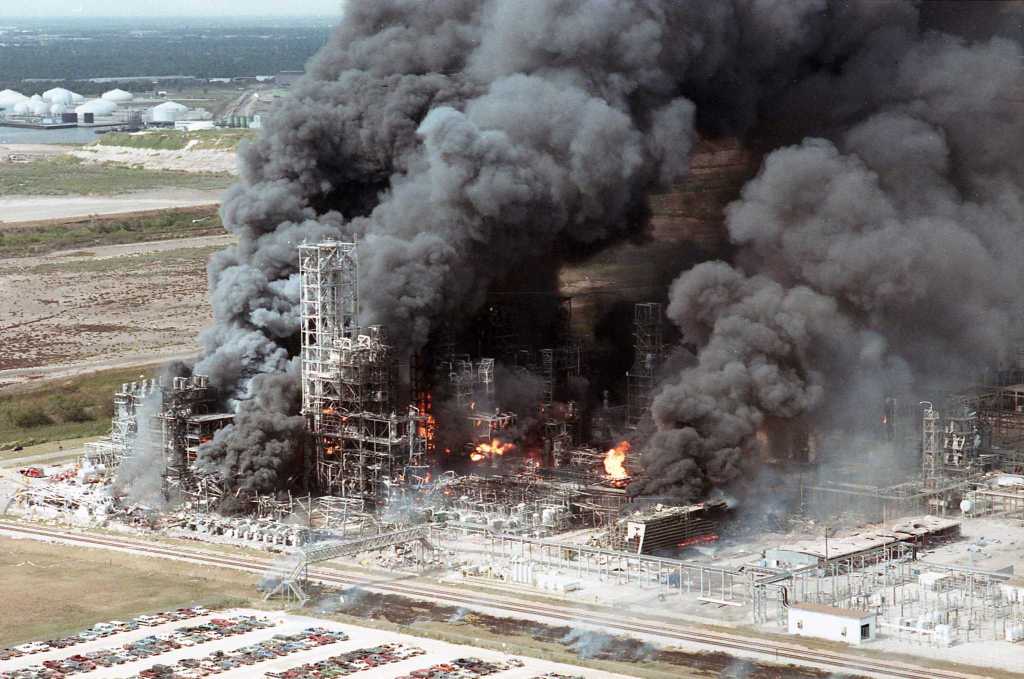
Explosion at Phillips Petroleum Co. plant in Pasadena, Oct. 23, 1989.

Phillips Petroleum Explosion of 1989

Overview

On October 23, 1989, a massive explosion and fire occurred at the Phillips Petroleum Company’s Houston Chemical Complex in Pasadena, Texas. The incident resulted in the deaths of 23 employees and injured over 300 others. The explosion caused extensive damage to the facility and highlighted significant deficiencies in process safety management.

Incident Details

The explosion at the Phillips Petroleum plant was one of the most devastating industrial accidents in U.S. history. It involved the release of a highly flammable gas mixture during routine maintenance operations, leading to a series of catastrophic explosions and fires.

Causes

The investigation into the Phillips Petroleum explosion identified several root causes and contributing factors:

  1. Inadequate Maintenance Procedures:
    • Poor Equipment Isolation: The failure to properly isolate equipment during maintenance led to the accidental release of a highly flammable gas mixture.
    • Deficient Lockout/Tagout (LOTO) Practices: Inadequate LOTO procedures allowed for the unintended release of hazardous energy.
  2. Human Error:
    • Improper Line Breaking: A worker inadvertently opened a valve that was not properly isolated, causing the release of a large volume of flammable gas.
    • Inadequate Training: Employees lacked proper training on the hazards associated with line breaking and the specific procedures for safely performing maintenance tasks.
  3. Lack of Process Safety Management:
    • Absence of Hazard Analysis: The facility did not conduct thorough hazard analyses to identify potential risks associated with maintenance activities.
    • Insufficient Safety Protocols: There were gaps in the safety protocols and procedures designed to prevent accidental releases of hazardous materials.
  4. Deficient Emergency Response Planning:
    • Delayed Response: The initial response to the explosion was delayed due to inadequate emergency planning and preparedness.
    • Lack of Coordination: There was a lack of coordination between the plant’s emergency response team and external emergency services.
  5. Design and Engineering Flaws:
    • Inadequate Ventilation: The facility’s design did not adequately address ventilation, allowing for the accumulation of flammable gases.
    • Poorly Designed Safety Systems: The safety systems in place were insufficient to detect and mitigate the release of hazardous gases.
  6. Organizational and Cultural Issues:
    • Weak Safety Culture: The overall safety culture at the plant was lacking, with insufficient emphasis on process safety and risk management.
    • Complacency: There was a degree of complacency and overconfidence in existing safety measures, leading to neglect of potential hazards.
Key Lessons

The Phillips Petroleum explosion underscored several critical lessons for process safety management:

  1. Robust Maintenance Procedures: Implementing and strictly adhering to comprehensive maintenance procedures, including effective isolation and LOTO practices, is essential.
  2. Thorough Training Programs: Providing extensive training for employees on the hazards associated with their tasks and the proper procedures for safely conducting them can prevent human errors.
  3. Comprehensive Hazard Analyses: Conducting regular and thorough hazard analyses to identify and mitigate potential risks in all operations.
  4. Effective Emergency Response Planning: Developing and practicing detailed emergency response plans to ensure rapid and coordinated responses to incidents.
  5. Strong Safety Culture: Cultivating a strong safety culture that prioritizes process safety and risk management at all organizational levels.
  6. Engineering Controls and Safety Systems: Designing facilities with robust engineering controls and safety systems to detect and mitigate hazardous releases.
Conclusion

Analyzing these major industrial accidents reveals common themes in the lessons learned. Prioritizing safety culture, rigorous maintenance, effective communication, and emergency preparedness can significantly reduce the risk of such disasters. Process Safety Management (PSM) is a key element to implement for a safe performance. As EHS professionals, it’s our duty to learn from these incidents and continually improve our safety practices.

Karthik

1st July 2024, 1330 Hrs.

Revolutionizing PPE: Smart Wearables and Their Impact on Safety

#195.

I was away on Business travel for a week, back late evening, yesterday, so the blog resumes.

1 Introduction

In the dynamic world of workplace safety, Personal Protective Equipment (PPE) has always been a critical line of defense. Traditionally, hard hats, gloves, goggles, and vests have played pivotal roles in safeguarding workers from harm. However, the advent of smart wearables is revolutionizing the PPE landscape, integrating technology to enhance safety, efficiency, and overall worker well-being. We explores the latest trends, advancements, innovations, and benefits of smart PPE.

2 Overview of PPE

Definition: Personal Protective Equipment (PPE) refers to protective gear designed to safeguard workers from hazards that can cause injuries or illnesses. PPE includes items like helmets, gloves, eye protection, high-visibility clothing, and safety footwear.

Traditional PPE: Traditional PPE has been effective in reducing workplace injuries and fatalities. Items such as hard hats, safety goggles, and gloves provide basic protection against physical, chemical, and biological hazards.

Importance: PPE is essential in preventing workplace injuries and ensuring compliance with safety regulations. It forms a critical component of occupational safety strategies across various industries.
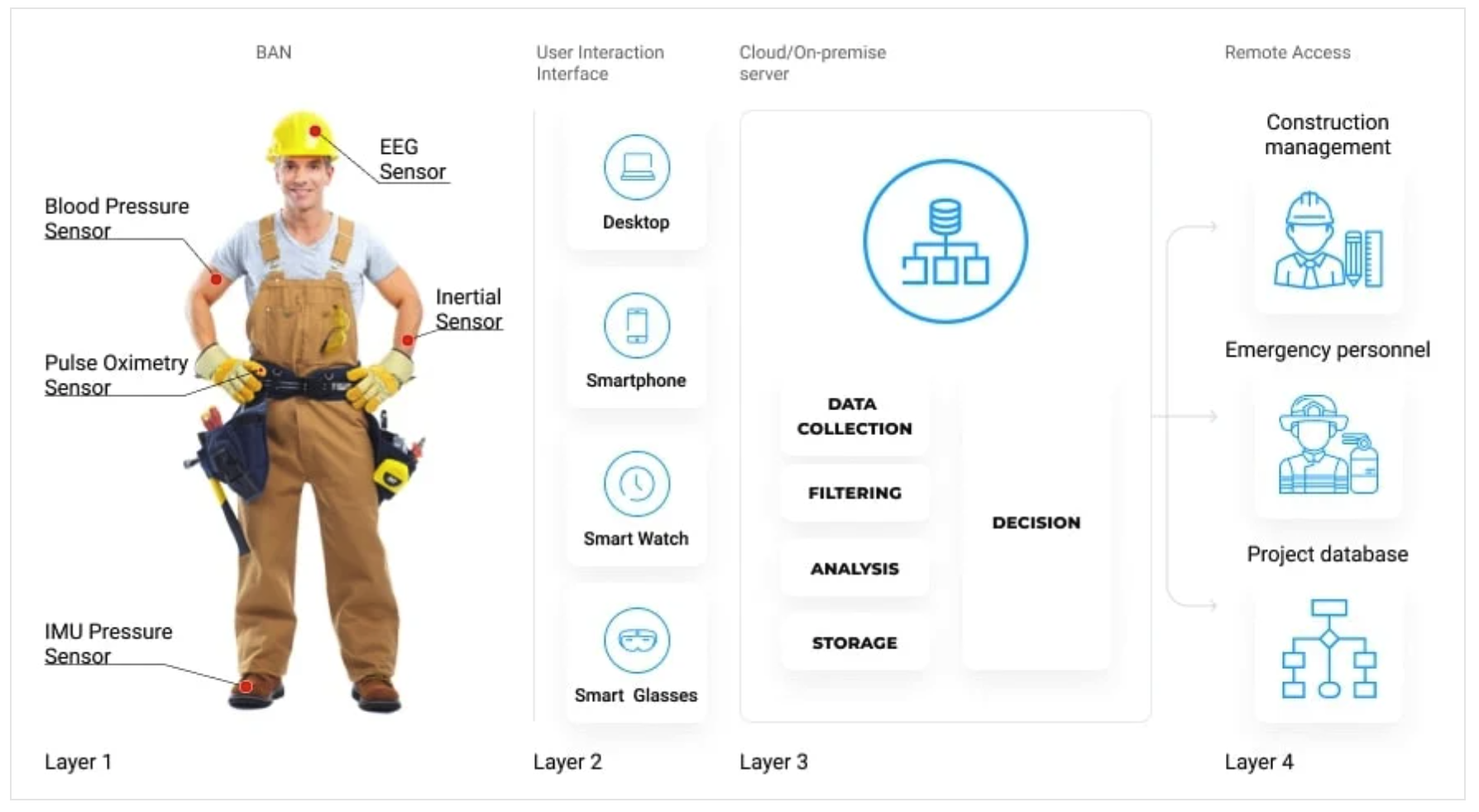
3 Evolution of PPE: From Traditional to Smart Wearables

Historical Perspective: The development of PPE has evolved significantly over the decades, from simple protective gear to more sophisticated equipment. Initially, PPE was designed primarily for physical protection without technological integration.

Technological Integration: With advancements in technology, PPE has evolved into smart wearables. These innovative devices incorporate sensors, connectivity, and data analytics, offering enhanced protection and real-time monitoring capabilities.
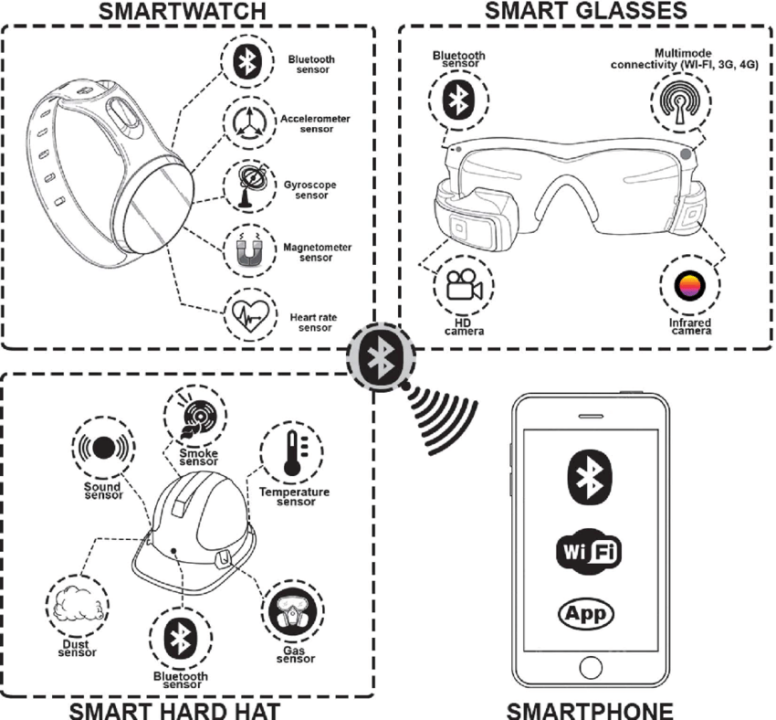
4 Latest Trends in Smart Wearables for PPE: Real Use Examples
IoT Integration

Example: Honeywell Connected Worker Honeywell’s Connected Worker solution integrates IoT-enabled smart PPE to provide real-time monitoring and data collection. Workers wear devices that track various parameters, such as exposure to toxic gases, noise levels, and heart rate. This data is transmitted to a central system where it can be analyzed and acted upon immediately. For example, if a worker’s environment reaches dangerous levels of toxic gas, an alert is sent to both the worker and the safety team, enabling quick evacuation or intervention.

Impact: This integration enhances situational awareness and decision-making by providing a constant flow of data that can be used to prevent accidents and respond to emergencies more effectively.

Biometric Sensors

Example: Kenzen Smart PPE Kenzen has developed a wearable device that monitors biometric data such as heart rate, body temperature, and hydration levels. This smart PPE is particularly useful in industries where workers are exposed to extreme heat or physically demanding tasks. For instance, construction workers wearing Kenzen devices can receive alerts when their body temperature reaches a critical threshold, prompting them to take breaks and hydrate.

Impact: By detecting signs of fatigue, stress, and other health-related issues early, biometric sensors help in preventing heat stress, dehydration, and other conditions that could lead to serious health problems or accidents.

Augmented Reality (AR)

Example: DAQRI Smart Helmet The DAQRI Smart Helmet is an AR-enabled device that provides workers with real-time information overlays. For example, a maintenance worker wearing the DAQRI helmet can see virtual instructions and diagrams superimposed on their field of view, helping them perform complex repairs more accurately. Hazard alerts and safety instructions can also be displayed directly on the helmet’s visor.

Impact: AR technology in PPE improves situational awareness and operational efficiency by delivering critical information directly to the worker’s line of sight, reducing the need to look away or consult separate manuals.

GPS and Location Tracking

Example: SolePower Smart Boots SolePower has developed smart boots with integrated GPS tracking that monitor the location and movements of workers in real-time. These boots are particularly useful in large construction sites or remote areas where workers might be at risk of getting lost or encountering hazards. In the event of an emergency, the boots can help locate and rescue workers quickly.

Impact: GPS-enabled smart PPE ensures precise tracking of worker locations, enhancing safety by enabling quick response during emergencies and improving overall workforce management.

Smart Clothing
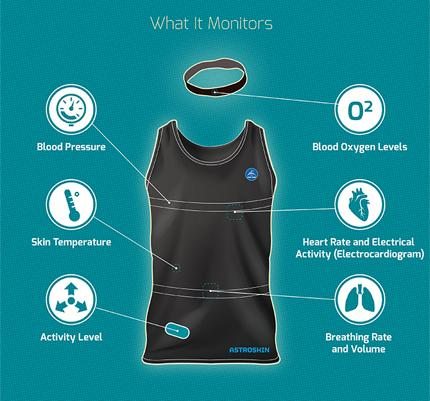
Example: Hexoskin Smart Shirts Hexoskin offers smart shirts embedded with sensors that can monitor vital signs such as heart rate, respiratory rate, and activity levels. These shirts are used in various industries, including mining and manufacturing, where workers are exposed to hazardous conditions. The sensors can detect environmental hazards like extreme temperatures or harmful chemicals and send immediate alerts to both the wearer and safety personnel.

Impact: Smart clothing provides continuous monitoring and immediate alerts, allowing for prompt action to prevent exposure to harmful conditions. This enhances worker safety by addressing potential hazards before they can cause harm.

Inference.

The integration of smart wearables in PPE is revolutionizing workplace safety by leveraging advanced technologies such as IoT, biometric sensors, AR, GPS, and smart fabrics. These innovations provide real-time data collection, enhanced situational awareness, and immediate alerts, significantly improving the safety and efficiency of workers in various industries. As these technologies continue to evolve, their impact on workplace safety will only grow, making smart PPE an essential component of modern occupational safety strategies.

5 Innovations in Different Types of Smart PPE

Smart Helmets: Equipped with AR displays, noise-cancellation features, and integrated communication systems, smart helmets enhance both safety and productivity. They provide workers with critical information without requiring them to look away from their tasks .

Smart Glasses/Goggles: These devices offer real-time data display, eye protection, and navigation assistance. They are particularly useful in complex and dynamic work environments where quick access to information is crucial .

Smart Gloves: Featuring sensors that can detect hazardous substances, ergonomic designs, and gesture controls, smart gloves provide enhanced protection and functionality. They allow workers to interact with their environment more effectively while remaining protected .

Smart Vests and Clothing: Smart vests and clothing come with sensors that monitor body temperature, heart rate, and environmental conditions. These wearables ensure that workers’ health parameters are continuously monitored, preventing accidents due to fatigue or heat stress .

Smart Boots: Smart boots are designed with features such as fall detection, pressure monitoring, and GPS tracking. These boots ensure that workers’ movements are tracked, and any abnormal activities are immediately reported .

6 Benefits of Smart Wearables in PPE

Enhanced Safety: Real-time monitoring and alerts enable immediate response to potential hazards, significantly reducing the risk of injuries and fatalities .

Increased Efficiency: Smart wearables improve workflow and communication, allowing workers to perform their tasks more efficiently and safely .

Proactive Maintenance: Predictive maintenance capabilities allow for early detection of equipment failures, ensuring that issues are addressed before they lead to accidents .

Better Compliance: Smart PPE facilitates easier tracking of safety compliance and documentation, helping organizations meet regulatory requirements .

Worker Well-being: Monitoring health parameters ensures that workers remain healthy and prevents fatigue-related accidents. This proactive approach enhances overall worker well-being and productivity .

7 Industry Examples

Construction Industry:

Case Study: Turner Construction Company

Turner Construction Company implemented smart PPE across its various construction sites to enhance safety and efficiency. Workers were equipped with smart helmets that integrated AR technology, providing real-time data overlays for safety instructions, project blueprints, and hazard alerts. This allowed workers to maintain focus on their tasks while staying informed about potential risks. GPS tracking in the helmets ensured precise location monitoring, crucial for managing large construction sites and ensuring quick response during emergencies.

Impact: Turner Construction reported a significant reduction in workplace accidents due to improved situational awareness and adherence to safety protocols. The integration of smart PPE also streamlined communication among workers and supervisors, enhancing overall project efficiency.

Oil and Gas Industry:

Case Study: BP

BP implemented smart PPE solutions in its offshore drilling operations to monitor worker health and safety in real-time. Biometric sensors embedded in clothing and helmets tracked vital signs such as heart rate, body temperature, and exposure to toxic gases. This data was transmitted to a centralized control room where safety personnel could monitor conditions and intervene when necessary. AR-enabled goggles provided workers with virtual displays of equipment status, procedural guidelines, and emergency protocols.

Impact: The adoption of smart PPE by BP led to a significant decrease in incidents related to heat stress, exposure to hazardous chemicals, and equipment malfunction. Workers reported increased confidence in their safety, contributing to higher job satisfaction and productivity.

Manufacturing Industry:

Case Study: Toyota

Toyota integrated smart PPE into its manufacturing processes to enhance worker safety and operational efficiency. Smart gloves equipped with sensors allowed workers to handle hazardous materials safely by detecting chemical leaks and monitoring environmental conditions. The gloves provided real-time feedback to workers and supervisors, enabling quick response to potential hazards. Additionally, smart vests with biometric sensors tracked workers’ physical exertion and fatigue levels, ensuring timely breaks and reducing the risk of musculoskeletal injuries.

Impact: Toyota observed a decrease in workplace injuries and illnesses among its manufacturing staff, attributed to better hazard awareness and proactive safety measures enabled by smart PPE. The implementation also contributed to smoother workflow management and improved employee morale.

Success Stories

Reduced Accident Rates:

Example: Intel Corporation

Intel Corporation implemented smart PPE across its semiconductor manufacturing facilities to address safety concerns related to chemical exposure and ergonomic risks. Smart clothing embedded with sensors monitored environmental conditions and alerted workers to potential hazards. This proactive approach significantly reduced the number of accidents related to chemical spills and ergonomic strains, ensuring a safer working environment for employees.

Improved Worker Satisfaction:

Example: Boeing

Boeing introduced smart wearables in its aircraft assembly plants to improve worker satisfaction and efficiency. AR-enabled glasses provided assembly technicians with digital overlays of assembly instructions and quality checks, reducing errors and enhancing productivity. Real-time communication through smart helmets facilitated quick troubleshooting and decision-making, leading to smoother operations and higher job satisfaction among workers.

Enhanced Operational Efficiency:

Example: General Motors (GM)

General Motors integrated smart PPE in its automotive manufacturing plants to optimize operational efficiency and ensure worker safety. GPS-enabled vests tracked the movement of assembly line workers, facilitating better workflow management and resource allocation. Biometric sensors in gloves and helmets monitored worker health and fatigue levels, prompting timely breaks and reducing production disruptions. These initiatives contributed to streamlined processes and improved overall plant performance.

Inference.

These case studies and success stories highlight the tangible benefits of smart wearables in PPE across diverse industries. From construction and oil and gas to manufacturing, organizations have successfully leveraged advanced technologies to enhance safety, reduce accidents, improve worker satisfaction, and boost operational efficiency. As smart PPE continues to evolve with innovations in IoT, biometrics, AR, and GPS technologies, its role in shaping the future of workplace safety remains pivotal.

8 Challenges and Future Directions

Challenges: Despite the benefits, adopting smart PPE comes with challenges, including high costs, integration issues, and data privacy concerns .

Future Trends: The future of smart PPE is promising, with ongoing advancements in technology expected to bring even more innovative solutions. Trends such as enhanced AI capabilities, improved sensor technology, and greater interoperability are anticipated .

Conclusion

Smart wearables are revolutionizing the PPE landscape, offering unprecedented levels of protection, efficiency, and worker well-being. As technology continues to evolve, the adoption of smart PPE will become increasingly crucial in ensuring workplace safety. Organizations are encouraged to embrace these innovations to create safer and more productive work environments.

Karthik

30th June 2024, 1pm. 


Enhancing Safety Through Lean Manufacturing Principles

#194

Introduction

In today’s competitive manufacturing landscape, ensuring workplace safety while maintaining efficiency is paramount. Lean Manufacturing, with its focus on waste reduction and process optimization, Standardisation as well as Rapid problem solving, offers a unique opportunity to enhance safety measures in the workplace. This blog explores how integrating Lean Manufacturing principles can significantly boost safety, creating a proactive and responsive work environment.

Understanding Lean Manufacturing Principles

Lean Manufacturing is a systematic approach to minimizing waste ( Resources, Time, Commodity) without sacrificing productivity. Its core principles include:

  • Value: Identifying what is valuable to the customer.
  • Value Stream: Mapping out the steps that add value.
  • Flow: Ensuring a smooth, uninterrupted workflow. (Linear Flow)
  • Pull: Producing based on demand.
  • Perfection: Continuously improving processes.

These principles aim to eliminate waste and improve efficiency, which can also lead to a safer workplace.

The Synergy Between Lean and Safety

Lean principles and safety initiatives share a common goal: creating an efficient and hazard-free environment. The concept of “Lean Safety” emphasizes the integration of Lean tools with safety measures, promoting a culture of continuous improvement in safety.

Lean Tools and Their Impact on Safety

5S (Sort, Set in Order, Shine, Standardize, Sustain)

  • Sort: Remove unnecessary items to reduce clutter.
  • Set in Order: Organize tools and materials for easy access.
  • Shine: Clean the workspace to identify and address potential hazards.
  • Standardize: Establish standards for cleanliness and organization.
  • Sustain: Maintain these standards through regular audits.

Kaizen (Continuous Improvement)

  • Involve employees in identifying safety risks and proposing improvements.
  • Small, incremental changes can significantly reduce accident rates.

Value Stream Mapping

  • Visualize the entire process to identify and eliminate potential safety hazards.

Kanban

  • Implement a pull system to avoid overproduction and reduce the risk of handling excessive inventory.

Poka-Yoke (Error Proofing)

  • Use mistake-proofing techniques to prevent human errors that could lead to accidents.

Case Studies and Real-World Examples

Consider the case of a major automotive manufacturer in India. By implementing 5S and Kaizen, they not only improved their workflow but also saw a 30% reduction in workplace accidents. Employees reported a cleaner, more organized environment, leading to fewer slip and trip incidents.

In 2010, I embarked on a Lean Six Sigma project as an EHS professional, aiming to reduce the variance between self-assessment on EHS done by sites and corporate safety audits which the site undergoes. With over 100 global sites in our supply chain, we observed that 95% of the sites had a significant variance of around 30% in their self-assessment scores, often skewed unfavorably. This was unacceptable, as sites tended to overrate their EHS performance, leading to nasty surprises during corporate audits of unacceptable low Audit scores.

To address this, my team and I developed a tool-based validation system, establishing clear guidelines, norms, and evidence requirements for site self-assessments. This approach, rooted in Lean thinking, led to the total elimination of deviations and ensured that there were no more unpleasant surprises. The successful implementation of this project underscored the power of Lean principles in driving consistent and reliable safety assessments.

Implementing Lean Safety in Your Organization

  1. Leadership Commitment: Ensure top management is committed to Lean Safety.
  2. Employee Involvement: Engage employees at all levels to foster a culture of safety.
  3. Training: Conduct regular training sessions on Lean tools and safety protocols.
  4. Sustainability: Regular audits and continuous improvement initiatives are crucial.

Measuring the Impact

To gauge the effectiveness of Lean Safety, track key performance indicators (KPIs) such as:

  • Incident rates
  • Near-miss reports
  • Employee feedback
  • Safety audit scores
  • Safety Metric Scores.

These metrics can help you assess improvements and identify areas needing further attention.

Challenges and Solutions

Common challenges in implementing Lean Safety include resistance to change and insufficient training. Overcome these by:

  • Communicating the benefits of Lean Safety clearly.
  • Providing comprehensive training and resources.
  • Encouraging feedback and suggestions from employees.
  • Matured EHS systems and committed Safety professionals.

Future Trends in Lean Safety

With Industry 4.0 and smart manufacturing on the rise, integrating advanced technologies like IoT and AI can further enhance Lean Safety. These technologies can provide real-time data, predictive analytics, and automated safety interventions, making workplaces even safer.

Conclusion

Integrating Lean Manufacturing principles with safety initiatives (Standardized work, Error Proofing) can lead to significant improvements in workplace safety. By adopting Lean Safety, organizations can create a safer, more efficient, and more productive environment. Let’s embrace this approach and work towards a safer future.

Call to Action

What has been your experience with Lean Manufacturing and safety? Share your insights and stories in the comments below. For more information on implementing Lean Safety in your organization, feel free to contact me. Let’s work together to create safer workplaces.

Regards

Karthik. 23/6/24 11am.
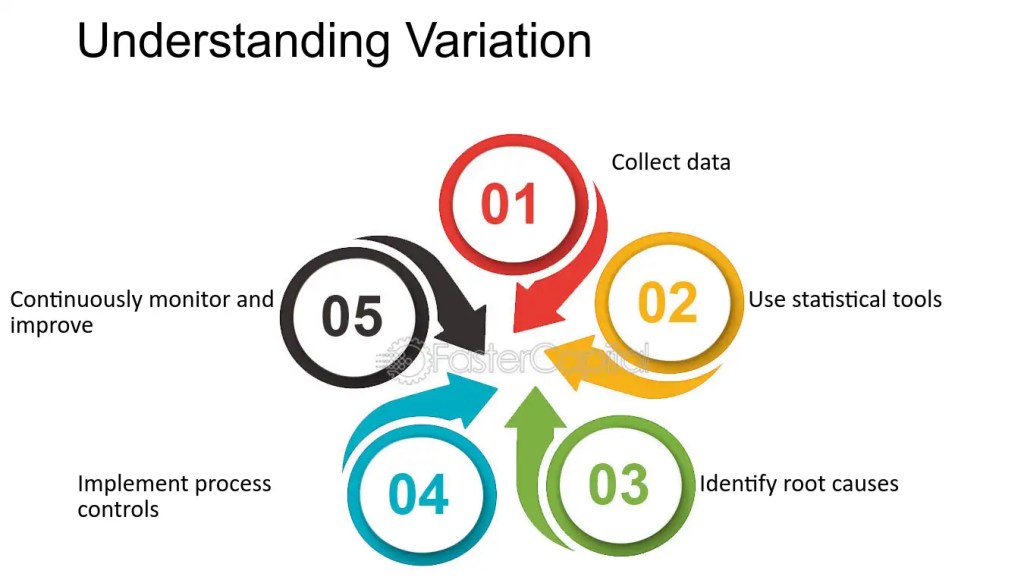
Empowering Safety Leadership in Manufacturing: Best Practices for Managers and Supervisors

#193

Introduction:

In the fast-paced and often hazardous world of manufacturing, safety leadership is paramount. Effective safety leadership not only ensures compliance with regulations but also fosters a culture where safety is a core value. Values unlike Priority, do not change over time. This is hallmark of organisations which exist for over 100 years. This culture begins with managers and supervisors who not only manage but also lead. Understanding the distinction between leadership and management, embodying key leadership traits, and empowering managers and supervisors can significantly enhance safety outcomes in any manufacturing environment.
Leader vs. Manager: Understanding the Difference

A manager focuses on processes, systems, and tasks. They ensure that daily operations run smoothly, deadlines are met, and resources are utilized efficiently. In contrast, a leader inspires, motivates, and influences their team. Leaders are visionaries who create an environment where employees feel valued, engaged, and committed to the organization’s goals.

In the context of safety, a manager might enforce safety rules and ensure compliance, while a leader will embed safety into the company culture, making it a shared value among all employees. Both roles are essential, but effective safety leadership requires blending the qualities of both a manager and a leader.

Key Leadership Traits for Safety in Manufacturing
  1. Be Visible on the Shop Floor
    Leaders must be present where the action happens. Regularly walking the shop floor allows leaders to observe safety practices firsthand, identify potential hazards, and demonstrate their commitment to safety. Visibility builds trust and shows that safety is a priority.
  2. Talk to People and Get to Know Them
    Building relationships with employees fosters open communication. By talking to team members, leaders can gain insights into their concerns and suggestions regarding safety. This rapport encourages workers to voice issues before they become incidents.
  3. Involve Workers in Decision Making
    Empowering employees to participate in safety decisions ensures that their practical knowledge is utilized. It also fosters a sense of ownership and accountability for safety practices. Collaborative decision-making leads to more effective and sustainable safety solutions.
  4. Conduct Team Meetings on the Shop Floor
    Holding safety meetings on the shop floor keeps discussions relevant and grounded in the real-world environment. These meetings should be interactive, encouraging employees to share their experiences and ideas for improving safety.
  5. Listen
    Active listening is crucial for understanding the perspectives and concerns of employees. By genuinely listening, leaders can address issues more effectively and demonstrate that they value their team’s input.
  6. Show Empathy
    Empathy involves understanding and sharing the feelings of others. In a safety context, this means recognizing the physical and emotional impact of workplace hazards and striving to minimize them. Empathetic leaders create a supportive environment where safety is a shared concern.
  7. Delegate Tasks
    Effective delegation not only improves efficiency but also empowers employees. By assigning safety responsibilities to team members, leaders foster a sense of accountability and ownership over safety practices.
  8. Coach People to Be Better
    Coaching involves guiding employees to improve their skills and behaviors. Leaders should provide continuous feedback and support to help their team enhance their safety practices and overall performance.
  9. Meet Deadlines or Communicate Delays
    Reliability is a key aspect of leadership. Meeting deadlines demonstrates commitment and efficiency. If delays occur, leaders should communicate them promptly with clear justifications. This transparency maintains trust and ensures that safety standards are not compromised.
  10. Track Metrics and Improve
    Safety leadership is data-driven. Leaders must regularly track safety metrics to identify trends, measure progress, and pinpoint areas for improvement. Continuous monitoring and analysis drive ongoing enhancements in safety performance.
  11. Reward People
    Recognizing and rewarding employees for their contributions to safety motivates them to maintain high standards. Rewards can range from formal recognition programs to simple acknowledgments of a job well done. Celebrating successes reinforces the importance of safety and encourages a proactive approach.
Empowering Managers and Supervisors

Empowerment is a cornerstone of effective safety leadership, particularly in a manufacturing environment where decisions and actions directly impact employee well-being and operational efficiency. Empowering managers and supervisors involves equipping them with the authority, resources, and confidence to make informed safety decisions and foster a proactive safety culture.

Providing Autonomy: Allow managers and supervisors to make safety-related decisions without excessive red tape. Trusting them to take appropriate actions when safety concerns arise not only speeds up response times but also boosts their confidence and sense of ownership.

Access to Resources: Provide the necessary tools, equipment, and training that managers and supervisors need to implement and maintain safety practices effectively. This includes access to the latest safety technologies, protective gear, and training programs.

Training and Development: Offer ongoing training and professional development opportunities focused on safety leadership. This could include workshops on new safety regulations, advanced safety techniques, and leadership skills tailored to the manufacturing environment.

Encouraging Initiative: Encourage managers and supervisors to take the initiative in identifying potential hazards and implementing preventative measures. Recognize and reward proactive behavior that contributes to a safer workplace.

Clear Communication Channels: Establish clear and open communication channels where managers and supervisors can share safety concerns, suggestions, and best practices. Regular meetings and feedback sessions can help ensure that their voices are heard and valued.

Support and Guidance: Senior leaders should act as mentors, offering guidance and support to managers and supervisors. This helps build their confidence and skills in safety leadership, ensuring they feel supported in their roles.

Recognition and Reward: Recognize and reward the efforts of managers and supervisors in promoting safety. This could be through formal awards, public acknowledgment, or other incentives that highlight their contributions to a safer workplace.

Empowering Employees through Managers: Empower managers and supervisors to, in turn, empower their teams. Encourage them to delegate safety responsibilities, involve employees in safety planning, and foster an environment where everyone feels accountable for safety.

Best Practices That Stand Out in Manufacturing
  1. Behavioral Safety Programs: Implementing behavioral safety programs focuses on identifying and mitigating risky behaviors before they result in accidents. Training sessions and workshops can help employees recognize and change unsafe practices.
  2. Safety Incentive Programs: Develop incentive programs that reward employees for adhering to safety protocols and contributing to a safer work environment. These programs can include financial bonuses, additional time off, or other perks that motivate safe behavior.
  3. Advanced Safety Technologies: Utilize advanced safety technologies such as wearable devices that monitor vital signs, detect hazardous conditions, and alert workers to potential dangers in real-time. Integrating IoT (Internet of Things) and AI (Artificial Intelligence) can significantly enhance safety monitoring and response.
  4. Regular Safety Audits and Inspections: Conduct frequent safety audits (Risk based) and inspections to identify potential hazards and ensure compliance with safety standards. These audits should be thorough and involve both management and employee representatives.
  5. Cross-Functional Safety Teams: Establish cross-functional safety teams that include members from different departments and levels of the organization. These teams can provide diverse perspectives and insights, leading to more comprehensive and effective safety solutions.
  6. Emergency Response Drills: Regularly conduct emergency response drills to ensure that all employees know how to react in case of an emergency. These drills should cover various scenarios, such as fires, chemical spills, and medical emergencies.
  7. Ergonomics Assessments: Perform regular ergonomics assessments to ensure that workstations and processes are designed to minimize strain and injury. Adjustments to tools, equipment, and workflows can significantly reduce the risk of musculoskeletal disorders.
  8. Employee Wellness Programs: Promote overall employee wellness through programs that address physical and mental health. Healthy employees are more alert and better able to perform their tasks safely.
  9. Clear and Consistent Communication: Maintain clear and consistent communication regarding safety policies, updates, and expectations. Use multiple channels (e.g., meetings, newsletters, digital displays) to ensure that all employees receive and understand the information.
  10. Focus on Root Cause Analysis: When incidents do occur, conduct thorough root cause analyses to identify underlying issues and prevent recurrence. This approach goes beyond addressing symptoms and focuses on eliminating the fundamental causes of safety incidents.

Conclusion

Empowering managers and supervisors with effective safety leadership skills transforms the manufacturing environment. By blending the roles of manager and leader, embodying key leadership traits, and adopting best practices, they can foster a culture of safety that protects employees and enhances productivity. Safety leadership is not just about enforcing rules; it’s about inspiring a collective commitment to a safer workplace. Through visibility, communication, involvement, and continuous improvement, leaders can create a manufacturing environment where safety is everyone’s priority.

Karthik

20th June 2024, 1430 Hrs.

Managing the Modern Indian Workforce Under age 40

#192

Strategies for Operational Leaders in Manufacturing and Supply Chain

Introduction

The Indian workforce under the age of 40, particularly those who joined after 2004, represents a significant shift in workplace dynamics and culture. These individuals, often referred to as Millennials and Gen Z, bring distinct characteristics, expectations, and values to their professional lives. As the world becomes increasingly interconnected through technology, the challenges and opportunities they face are not unique to India but resonate globally. This article explores the personal work styles, professional interactions, societal views, work-life balance, and advocacy for DEI (Diversity, Equity, and Inclusion) and mental health among this demographic. Additionally, it examines how leaders, managers, organizations, and HR departments can effectively engage and support this workforce.

Understanding the New Workforce

To manage the younger workforce effectively, operational leaders must first understand their characteristics:

  1. Technological Fluency: This generation is comfortable with technology and expects its integration into everyday work processes.
  2. Flexibility and Work-Life Balance: They value flexible work hours and the ability to balance personal and professional lives.
  3. Purpose and Engagement: They seek meaningful work and engagement, often aligning themselves with companies that have a clear purpose and values.
  4. Continuous Feedback: They thrive on regular feedback and development opportunities.
Reality in Indian workspace, I know of people not got laptop (Tool of trade) after 30 days of work.

Personal Style of Work

The younger Indian workforce values flexibility and autonomy in their work. They often prefer project-based roles over traditional, hierarchical structures. This cohort is characterized by:

  1. Tech-Savviness: Growing up in the digital age, they are adept at using technology to enhance productivity and streamline processes.
  2. Collaborative Approach: They favor teamwork and collaborative efforts over isolated tasks, leveraging diverse perspectives to achieve innovative solutions.
  3. Purpose-Driven Work: They seek meaning in their work, often aligning with organizations that have a strong sense of purpose and social responsibility.

Professional Interaction

In terms of professional interactions, the younger workforce displays:

  1. Open Communication: They appreciate transparent and open communication channels with their peers and superiors. This generation is more likely to voice their opinions and expect to be heard.
  2. Networking Skills: With strong networking capabilities, they use platforms like LinkedIn to connect with industry leaders, peers, and potential mentors.
  3. Feedback Orientation: Regular feedback and constructive criticism are crucial for their professional growth. They value continuous learning and development opportunities.

View of Society and Work

This generation’s view of society and work diverges significantly from previous generations:

  1. Work-Life Integration: Unlike the older generations who maintained a clear distinction between work and personal life, the younger workforce prefers integration. Flexible working hours and remote work options are highly valued.
  2. Social Responsibility: They are more socially conscious, often supporting environmental sustainability, social justice, and ethical business practices.
  3. Mental Health Awareness: There is a strong emphasis on mental health and well-being, with an expectation that employers will provide support and resources.

Vocal Expressions on Disagreements

  1. Advocacy for Change: They actively advocate for changes they believe in, whether it’s workplace policies, societal issues, or political matters.
  2. Utilization of Social Media: Social media platforms are a common medium for expressing their views and rallying support for causes.
  3. Demand for Inclusion: They demand inclusivity and diversity in the workplace, challenging traditional norms and practices that may be outdated or discriminatory.

Focus on DEI and Mental Health

Diversity, Equity, and Inclusion (DEI) and mental health are paramount for this generation:

  1. Inclusive Workplaces: They expect workplaces to be inclusive and diverse, reflecting a broad range of backgrounds and experiences.
  2. Support for Mental Health: They advocate for mental health support, seeking workplaces that provide resources such as counseling services, stress management programs, and a supportive environment.

Tech Savviness

Their proficiency with technology is a significant asset:

  1. Adoption of New Technologies: They are quick to adopt and adapt to new technologies, driving digital transformation within organizations.
  2. Emphasis on Continuous Learning: They engage in continuous learning to stay updated with technological advancements and industry trends.

Strategies for Effective Management

1. Embrace Technology and Innovation

Action Points:

  • Implement Modern Tools: Introduce advanced manufacturing technologies such as automation, IoT, and AI to streamline operations.
  • Training and Development: Provide training programs to enhance technological skills and ensure that both older and younger employees can work seamlessly with new technologies.

Benefits:

  • Increased efficiency and productivity.
  • Enhanced employee satisfaction by aligning with their tech-savviness.
2. Foster a Flexible Work Environment

Action Points:

  • Flexible Scheduling: Allow for flexible work hours and remote work options where possible.
  • Work-Life Integration: Promote policies that support work-life balance, such as mental health days and flexible leave policies.

Benefits:

  • Higher job satisfaction and reduced burnout.
  • Improved retention rates.
3. Create a Culture of Open Communication

Action Points:

  • Regular Check-ins: Conduct regular one-on-one meetings to provide feedback and discuss career development.
  • Transparent Communication: Maintain open lines of communication about company goals, challenges, and successes.

Benefits:

  • Better alignment with company goals.
  • Increased trust and loyalty among employees.
4. Align Work with Purpose and Values

Action Points:

  • Corporate Social Responsibility (CSR): Engage in CSR activities that resonate with the workforce’s values.
  • Purpose-Driven Projects: Assign projects that have a clear impact and contribute to the company’s mission.

Benefits:

  • Enhanced motivation and commitment.
  • Stronger connection to the company’s mission.
5. Provide Continuous Learning and Development

Action Points:

  • Skill Development Programs: Offer continuous learning opportunities through workshops, courses, and certifications.
  • Mentorship Programs: Establish mentorship programs pairing younger employees with experienced leaders.

Benefits:

  • Better skill sets and adaptability to change.
  • Increased job satisfaction and career growth.

Practical Steps for Implementation

Engage in Active Listening
  • Surveys and Feedback Forms: Regularly distribute surveys to gather insights on employee satisfaction and areas for improvement.
  • Focus Groups: Conduct focus group discussions to delve deeper into specific issues and develop targeted solutions.
Promote Inclusivity and Diversity

Fostering an inclusive and diverse workplace is crucial. Steps to achieve this include:

  • Diversity Training: Provide training on diversity, equity, and inclusion to all employees.
  • Inclusive Hiring Practices: Ensure hiring practices are unbiased and focus on diverse talent pools.
Encourage Cross-Generational Collaboration

Encouraging collaboration between different generations can bridge the gap. Strategies include:

  • Mixed-Age Teams: Create teams with a mix of younger and older employees to leverage diverse perspectives.
  • Knowledge Sharing Sessions: Organize sessions where experienced employees share their expertise and younger employees introduce new technologies and trends.

Addressing Resistance to Change

  • Leadership Training: Provide training focused on modern management practices and the benefits of a flexible, inclusive work environment.
  • Change Management Programs: Implement change management programs to ease the transition and help leaders adapt to new practices.

Indian Business Leaders and Organizations Embracing Modern Workforce Management

Several Indian business leaders and organizations have recognized the evolving needs and expectations of the younger workforce and have adopted similar strategies to manage and engage them effectively. Here are some notable examples:

1. N. Chandrasekaran, Tata Sons

N. Chandrasekaran, the Chairman of Tata Sons, has been vocal about the importance of digital transformation and innovation within the Tata Group. Under his leadership, Tata companies have increasingly adopted new technologies and flexible work practices to stay relevant and competitive.

Key Initiatives:

  • Digital Transformation: Tata Steel, under Tata Group, has implemented advanced technologies like IoT and AI to enhance efficiency and productivity.
  • Flexible Work Policies: Tata Consultancy Services (TCS) introduced the “25/25 model,” which allows 25% of the workforce to work from home by 2025.

2. Rajesh Gopinathan,Ex- TCS

Rajesh Gopinathan,Ex- CEO and Managing Director of TCS, had been a strong advocate for innovation and employee well-being. He emphasized the importance of creating a supportive work environment that fosters continuous learning and development.

Key Initiatives:

  • Continuous Learning: TCS has a robust learning and development program called TCS Elevate, which provides employees with opportunities to upskill and reskill.
  • Mental Health Support: TCS offers comprehensive mental health resources, including counseling services and wellness programs.

3. Harsh Mariwala, Marico

Harsh Mariwala, Chairman of Marico, has highlighted the importance of an inclusive culture and the need for leaders to adapt to the changing workforce dynamics. Marico focuses on building a purpose-driven and innovative work environment.

Key Initiatives:

  • Inclusive Culture: Marico fosters an inclusive workplace through diverse hiring practices and inclusive policies.
  • Employee Engagement: The company emphasizes employee engagement through initiatives that align with the workforce’s values and aspirations.

4. Anand Mahindra, Mahindra Group

Anand Mahindra, Chairman of Mahindra Group, has been a proponent of integrating technology and promoting a work-life balance. He believes in empowering employees and creating a work environment that aligns with their personal and professional goals.

Key Initiatives:

  • Technology Integration: Mahindra Group has embraced digital tools and platforms to enhance productivity and innovation.
  • Work-Life Balance: The group offers flexible working hours and remote work options to support work-life balance.

5. Infosys

Infosys, under the leadership of Salil Parekh, has been a pioneer in adopting modern work practices to meet the expectations of the younger workforce.

Key Initiatives:

  • Learning and Development: Infosys’ Lex platform provides continuous learning opportunities for employees to stay updated with the latest industry trends and technologies.
  • Diversity and Inclusion: Infosys promotes a diverse and inclusive work culture, ensuring equal opportunities for all employees.

Conclusion

The strategies discussed are indeed applicable in the Indian context and have been effectively implemented by various business leaders and organizations. These examples demonstrate that adopting modern management practices, embracing technology, fostering an inclusive culture, and prioritizing employee well-being can significantly enhance the engagement and productivity of the younger workforce in India. Understanding and addressing the needs of the younger workforce not only improves their satisfaction and productivity but also drives the overall success and innovation within the organization. Operational leaders in manufacturing and supply chain sectors must adapt to these changes to manage and engage the younger workforce effectively, ensuring sustainable growth and competitiveness.

Good luck

Karthik

18/6/24 1130am.