1. Understanding Errors and Violations: What’s the Difference?
In the world of safety and operations, human failures are often the most visible outcomes after incidents. However, not all human failures are the same. They fall into two broad categories:
Errors are unintended actions. They occur when people mean well but do the wrong thing, forget a step, or misjudge a situation.
Violations, in contrast, are deliberate deviations from a rule or procedure—but not necessarily malicious. They often stem from systemic pressures or cultural norms.
Key Distinction:
Errors = Fail to do the right thing unintentionally. Violations = Choose not to follow the rule—usually due to contextual factors, not recklessness.
2. The Types of Errors and Violations
A. Errors (Unintentional)
These are often signs of system design weaknesses or cognitive overload.
Slips of Action: Performing the wrong action due to distraction (e.g., turning the wrong valve).
Lapses of Memory: Forgetting to perform a step (e.g., skipping PPE check).
Mistakes: Doing something wrong thinking it is right, due to a knowledge gap or misjudgment.
B. Violations (Intentional, but often rationalised)
These are shaped by environment, culture, and workflow.
Unintended Violations: Belief that the rules are being followed when they are not.
Routine Violations: Rule-breaking becomes the norm—often seen when shortcuts are normalised.
Situational Violations: People can’t do the job properly and follow the rules—forcing a compromise.
Reckless Behaviour: A unique category—no thought or care for the consequences. This is rare but serious.
3. What is Recklessness?
Recklessness is not a mistake. It’s not an error. It’s not a violation influenced by pressure or context. It is a wilful disregard for safety—when someone acts with conscious indifference to known risks. These are rare but often dominate headlines and lead to overgeneralised blame.
This is where systems must be nuanced. Recklessness deserves accountability, but it should not be confused with routine or situational violations that result from poor planning, unrealistic expectations, or flawed processes.
4. The Real Message: Human Fallibility is Normal
Organisations must stop expecting error-free performance and instead build systems that anticipate and absorb errors and violations without catastrophic outcomes.
Blaming people without understanding context is lazy safety management.
“As long as we have humans at work, we will have errors and violations. The goal is not to eliminate them—but to design systems that can learn from them.”
5. Building Effective Programs: From Blame to Solutions
Here’s what effective, mature organisations can do:
A. Improve Work System Design
Simplify tasks and reduce cognitive load.
Use fail-safes, checklists, and visual cues to reduce slips and lapses.
Ensure that rules are relevant, practical, and updated.
B. Encourage Reporting Without Fear
Create a psychologically safe environment to report errors and near-misses.
Shift from “Who did it?” to “What allowed this to happen?”
Review how performance pressure, time constraints, or lack of tools push people to bypass procedures.
Involve frontline staff in writing realistic procedures.
D. Strengthen Competence and Judgement
Focus on training for decision-making under pressure, not just compliance.
Encourage reflection through case studies and team learning exercises.
Promote understanding of why rules exist—not just what they are.
E. Use Human Factors Engineering
Understand how perception, fatigue, environment, and team dynamics affect decisions.
Integrate human factors into incident investigations, audits, and risk assessments.
F. Address Organisational Culture
Leadership must walk the talk—don’t reward shortcuts with praise or promotions.
Avoid knee-jerk punishments—understand intent, capability, and situation.
Reward learning behaviours: curiosity, asking for help, admitting mistakes.
6. Final Thoughts
Errors and violations are not signs of bad people—they are signals of normal human behaviour operating in complex systems. Safety leaders must move beyond slogans and checklists to embrace learning systems that improve through feedback, trust, and transparency.
“Safety isn’t the absence of error—it’s the presence of defences, readiness, and resilience.”
In a recent column, ISHN’s Dave Johnson posed a provocative question: Do EHS professionals need to be disruptors? For some, the term “disruptor” is a badge of honor, worn proudly as a symbol of driving meaningful change in workplace safety and health. For others, it’s a label to avoid, conjuring images of chaos or conflict that clash with business priorities. As an EHS professional, I’ve always leaned into disruption—not as a bull in a china shop, but as a collaborative partner who challenges the status quo with purpose, delivering solutions that make work safer, faster, and smarter without undermining business objectives. Here’s why I believe EHS professionals should embrace the disruptor label and how we can redefine it to drive lasting impact.
The Case for Disruption in EHS
Let’s face it: safety isn’t a static field. EHS professionals operate in dynamic environments where risks evolve, regulations shift, and business pressures intensify. Accepting things at face value or sticking to “that’s how we’ve always done it” can lead to stagnation—or worse, preventable incidents. Disruption, in this context, isn’t about creating problems; it’s about identifying opportunities for improvement and acting on them. Tools like audits, risk assessments, project design reviews, training, and management reviews aren’t just compliance checkboxes—they’re levers for value creation.
For example, a well-executed risk assessment might uncover a process inefficiency that, when addressed, not only reduces injury risks but also boosts productivity. A training program tailored to frontline workers can empower them to work safer and faster, delivering a clear return on investment (ROI). By challenging outdated practices and leveraging data, analytics, and logic, EHS professionals can drive initiatives that align with business goals while prioritizing worker well-being. This is disruption with a purpose—disruption that adds value.
Collaboration, Not Confrontation
The disruptor label can be polarizing. Some see disruptive EHS professionals as threats—people who halt work, point out flaws, or create roadblocks to progress. I’ve encountered this perception firsthand, and it’s a hurdle we must overcome. The key is to approach disruption collaboratively, focusing on “what’s in it for the business.” Instead of saying, “This process is unsafe, stop it,” a great EHS professional says, “Here’s how we can make this process safer and more efficient.”
This mindset shifts the narrative. Plant heads, business leaders, and frontline workers don’t want problems—they want solutions. By engaging stakeholders early, understanding their priorities, and proposing short-term and long-term fixes, EHS professionals can turn skepticism into buy-in. For instance, during a project design review, I once suggested a minor tweak to equipment placement that reduced ergonomic risks without delaying the timeline. The result? Happier workers, lower injury rates, and a project that stayed on budget. That’s the kind of disruption that earns trust and drives results.
Overcoming the Negative Stigma
Let’s address the elephant in the room: disruption can ruffle feathers. When you challenge the status quo, you’re bound to face resistance from those comfortable with the way things are. Some may view EHS interventions as impediments, assuming safety always comes at the expense of progress. This negative perception is outdated and needs to be challenged head-on.
The solution lies in grounding our work in data, reasoning, and analytics. When we present a case for change backed by incident trends, risk data, or ROI projections, we move beyond perceptions and let the results speak for themselves. For example, an audit might reveal a recurring near-miss that, if unaddressed, could lead to a costly incident. By framing the solution in terms of cost savings and worker protection, we align safety with business success. Great EHS professionals don’t just identify problems—they solve them, and they do so in a way that makes the organization stronger.
A Contrarian View: Is Disruption Always Necessary?
While I’m a proud disruptor, it’s worth considering the other side. Not every situation calls for upheaval. In some cases, incremental improvements or reinforcing existing processes might be more effective than a full-scale challenge to the status quo. Overzealous disruption can alienate stakeholders or create unnecessary friction, especially in organizations already committed to safety. A seasoned EHS professional knows when to push boundaries and when to build on what’s working.
That said, even in stable environments, the disruptor mindset—questioning assumptions, seeking better ways, and staying open to innovation—remains essential. It’s not about tearing everything down; it’s about ensuring we’re never complacent.
Redefining the Disruptor Label
Being a disruptor in EHS isn’t about being loud or obstructive. It’s about being a catalyst for positive change. It’s about asking tough questions, leveraging tools and data to drive improvements, and collaborating with leaders and workers to achieve shared goals. It’s about showing that safety doesn’t slow progress—it accelerates it. Disruption is not a Zero Sum Game.
So, to my fellow EHS professionals: embrace the disruptor label. Wear it proudly, but wear it wisely. Let’s challenge the status quo, not for the sake of disruption, but to create workplaces where people thrive, businesses succeed, and safety is a competitive advantage. The next time someone calls you a disruptor, smile and say, “Thank you—I’m here to make things better.”
As EHS professionals, we know that managing workplace safety hinges on robust tools like General Risk Assessments, Job Safety Analysis (JSA), and Dynamic Risk Assessments. Despite their widespread use, even seasoned EHS folks sometimes mix them up or miss their nuances. In this blog, we’ll break down what these tools have in common, where they differ, their ideal applications, benefits, and shortfalls. Drawing from the documents you shared and adding some fresh perspectives, we’ll also explore how modern tools and practices are enhancing these age-old safety staples.
What’s Common Across These Tools?
At their core, General Risk Assessments, JSA, and Dynamic Risk Assessments are about identifying hazards, assessing risks, and implementing controls to keep workers safe. They all:
Use a Risk Matrix: Each tool relies on a likelihood vs. severity matrix to prioritize risks (as seen in the repeated “Risk assessment matrix”
Aim to Prevent Incidents: Whether it’s a routine task or an emergency repair, these tools exist to reduce injuries, delays, or damage.
Involve Collaboration: Frontline workers, supervisors, and safety professionals contribute insights to ensure comprehensive risk management.
Follow the Hierarchy of Controls: From elimination to PPE, controls are prioritized to mitigate risks effectively.
However, their scope, timing, and application vary significantly, making each uniquely suited to specific scenarios.
1. General Risk Assessment
What Is It?
A General Risk Assessment is a broad, systematic process to identify hazards and evaluate risks associated with workplace activities or environments. It’s typically conducted before work begins and is often applied to stable, predictable operations (e.g., daily factory processes).
Key Features
Static and Pre-Planned: Identifies known risks based on historical data or standard procedures.
Periodic Updates: Revised monthly, quarterly, or when significant changes occur.
Broad Scope: Covers entire processes, facilities, or recurring tasks.
Ideal Applications
Routine operations like assembly line work, office tasks, or warehouse activities.
Compliance with regulations requiring documented risk assessments (e.g., OSHA, ISO 45001).
Establishing baseline safety protocols for planned projects.
Benefits
Comprehensive: Captures a wide range of hazards across operations.
Proactive: Helps prevent incidents by addressing risks before work starts.
Regulatory Alignment: Meets legal and industry standards for safety documentation.
Shortfalls
Limited Flexibility: Struggles to address unforeseen risks in dynamic environments.
Outdated Information: Risks may evolve faster than periodic updates allow.
Overgeneralization: May miss task-specific hazards due to its broad focus.
2. Job Safety Analysis (JSA)
What Is It?
A Job Safety Analysis (also called Job Hazard Analysis, JHA) is a task-specific process that breaks down a job into steps, identifies hazards for each step, and determines controls. It’s conducted before a task begins and focuses on a single job or process.
Key Features
Task-Specific: Analyzes individual tasks (e.g., operating a forklift, welding).
Pre-Task Focus: Completed before work starts, often during planning or permitting.
Detailed and Structured: Lists steps, hazards, and controls in a clear format.
Ideal Applications
High-risk tasks like confined space entry, electrical work, or heavy equipment operation.
Tasks requiring a Permit to Work (PTW), where specific controls must be verified.
Training workers on safe procedures for specific jobs.
Benefits
Granular Insight: Pinpoints hazards at each step, reducing oversight.
Worker Engagement: Involves workers in identifying risks, fostering ownership.
Clear Controls: Provides actionable steps to mitigate risks.
Shortfalls
Static Nature: Doesn’t adapt well to changing conditions during task execution.
Time-Intensive: Requires detailed analysis, which can delay urgent tasks.
Scope Limitation: Focuses on one task, missing broader environmental risks.
3. Dynamic Risk Assessment
What Is It?
A Dynamic Risk Assessment, often managed via a Dynamic Risk Register, is a real-time, adaptive process for identifying and mitigating risks in non-routine, high-uncertainty operations. Unlike static tools, it evolves as conditions change (e.g., during deep excavations or emergency repairs).
Key Features
Real-Time Updates: Continuously revised (daily or hourly) as new risks emerge.
Adaptive and Collaborative: Incorporates frontline feedback and uses digital tools for rapid communication.
Emergent Risk Focus: Captures risks that couldn’t be anticipated pre-task.
Ideal Applications
Non-routine tasks like deep excavations, offshore maintenance, or emergency repairs.
Environments with unpredictable conditions (e.g., unexplored terrain, weather changes).
Projects requiring agile decision-making to address evolving risks.
Benefits
Agility: Responds quickly to new or changing risks, reducing incident likelihood.
Real-Time Collaboration: Leverages frontline observations for comprehensive risk capture.
Technology-Enabled: Digital platforms (e.g., SafetyCulture, ClickUp) enhance accessibility and updates.
Shortfalls
Resource-Intensive: Requires constant monitoring and team coordination.
Training Needs: Teams must be trained to distinguish dynamic risks from routine hazards.
Potential Overlap: Risks confusion with other tools (e.g., LMRA, JSA) if not clearly defined.
Comparing the Tools: A Quick Reference
Aspect
General Risk Assessment
Job Safety Analysis
Dynamic Risk Assessment
Scope
Broad, process-wide
Task-specific
Non-routine, emergent risks
Timing
Pre-work, periodic updates
Pre-task
Real-time, ongoing
Flexibility
Low
Low
High
Best For
Routine operations
High-risk tasks
Dynamic, uncertain tasks
Update Frequency
Monthly/quarterly
Before task
Daily/hourly
Technology Use
Moderate (spreadsheets)
Moderate (forms)
High (digital apps)
Modern Enhancements: Tools and Trends
The backbone of EHS—risk assessments, JSA, and dynamic risk management—is being transformed by technology and new practices. Here’s how:
Digital Platforms:
Tools like SafetyCulture (iAuditor), ClickUp, and Intelex enable real-time updates, photo uploads, and team notifications for Dynamic Risk Registers.
Cloud-based systems allow instant access across sites, improving communication in dynamic environments.
Mobile Apps:
Apps for JSA and risk assessments let workers log hazards on-site, reducing paperwork and delays.
Example: Gensuite offers mobile JSA templates with built-in risk matrices.
Wearable Technology:
Wearables (e.g., smart helmets, sensors) detect environmental changes (e.g., gas leaks, temperature spikes) and feed data into Dynamic Risk Registers for real-time alerts.
AI and Predictive Analytics:
AI tools analyze historical incident data to predict risks, enhancing General Risk Assessments.
Example: IBM Maximo Safety uses AI to flag potential hazards before they escalate.
Augmented Reality (AR):
AR apps visualize hazards during JSA training, helping workers understand risks in context (e.g., overlaying electrical hazards on a machine).
Human-Centric Design:
Modern EHS practices emphasize worker feedback in Dynamic Risk Assessments, fostering a culture of shared responsibility.
Training programs now focus on distinguishing dynamic vs. routine risks to avoid tool overlap.
Critiques and New Thoughts
While these tools are critical, they’re not flawless. Here are some critiques and fresh ideas:
Over-Reliance on Templates: Generic risk matrices or JSA forms can lead to “check-the-box” mentality, missing unique hazards. Solution: Customize templates per project and train teams to think critically.
Tool Confusion: As Dynamic Risk Register document notes, terms like LMRA, PTW, and JHA are often conflated with Dynamic Risk Assessments. Solution: Clear training and distinct naming conventions (e.g., “Dynamic Risk Register” vs. “Routine Risk Register”).
Digital Divide: While tech enhances efficiency, small organizations may lack access to costly platforms. Solution: Open-source tools or simple spreadsheets can bridge the gap.
New Idea – Gamification: Turn risk identification into a gamified process where workers earn points for spotting hazards. This could boost engagement in Dynamic Risk Assessments.
New Idea – Integrated Dashboards: Combine General Risk Assessments, JSA, and Dynamic Risk Registers into a single EHS dashboard for a holistic view of risks across routine and non-routine tasks.
Conclusion
General Risk Assessments, Job Safety Analysis, and Dynamic Risk Assessments are the backbone of EHS, each serving a unique purpose. General Risk Assessments set the foundation for routine operations, JSA drills down to task-specific hazards, and Dynamic Risk Assessments tackle the unpredictability of non-routine work. By understanding their commonalities, differences, and ideal applications, EHS professionals can wield them effectively. Modern tools—digital platforms, wearables, AI, and AR—are supercharging these practices, while human-centric approaches ensure worker buy-in. Let’s keep refining these tools, embracing innovation, and fostering a safety-first culture.
Hey there, safety pros! If you’re like me, you’re tired of the “tick/flick” approach—checking boxes to say you’ve “done safety” without really making a difference. Dr. Robin Long recently shared some thought-provoking questions in an email that got me thinking about what safety professionals really want. We want safety systems that work with human nature, not against it. We want to understand why people do what they do and how to make safety stick. Let’s dive into Dr. Long’s questions and explore how we can move beyond superficial compliance to create safer workplaces.
How Do Humans Make Judgments and Decisions?
Humans aren’t robots crunching data to make perfect choices. Our decisions come from a mix of quick, intuitive thinking (System 1) and slower, analytical reasoning (System 2), as Daniel Kahneman describes in Thinking, Fast and Slow. In high-pressure work environments, we lean heavily on System 1—gut instincts shaped by experience, biases, and mental shortcuts (heuristics). For example, a worker might decide a task is “safe enough” because they’ve done it before without incident, even if hazards lurk.
Safety professionals want systems that account for this. Instead of expecting flawless decision-making, we should design environments that guide intuitive choices—like clear signage, simplified procedures, or cues that make risks obvious. Training should also build experience-based intuition, so workers’ snap judgments are more likely to be safe ones.
What Is Motivation?
Motivation is the spark that drives people to act. It’s not just about rewards or punishments (extrinsic motivation) but also about feeling valued, competent, and connected to a purpose (intrinsic motivation-Autonomy, Mastery, Purpose). In safety, a worker might follow protocols because they fear discipline (extrinsic), but they’re more likely to own safety if they believe it protects their team or aligns with their values (intrinsic).
Safety pros want to tap into intrinsic motivation. This means fostering a culture where workers feel heard, where safety is a shared goal, and where they see the “why” behind rules. Recognition for safe behaviors, like a shout-out in a team meeting, can go further than a fine for non-compliance.
How Does Human Perception Work?
Perception is how we interpret the world through our senses, but it’s not a perfect camera. It’s filtered by attention, expectations, and context. A worker might miss a hazard because they’re focused on a deadline or because they’ve seen the same setup a hundred times without issue (complacency). Our brains prioritize what seems relevant and tune out the rest, which is why “inattention blindness” can make us miss obvious risks.
We want safety systems that work with perception’s quirks. High-visibility colors, audible alerts, or tactile feedback can grab attention. Regular changes to safety cues (like rotating poster designs) can prevent workers from tuning them out. It’s about making hazards impossible to ignore, even when minds are elsewhere.
Why Is Human Observation So Unreliable?
Ever played “spot the difference” and missed something glaring? Human observation is shaky because our attention is limited, and memory is reconstructive, not photographic. Fatigue, stress, or multitasking can make it worse. In safety, this means a worker might not notice a frayed cable or misremember a procedure. Even trained observers can miss critical details during inspections due to cognitive overload.
Safety professionals want to reduce reliance on human observation alone. Checklists, automation, and peer reviews can catch what one person misses. We also need to train workers to recognize their own limits—encouraging them to double-check or ask for a second set of eyes.
What’s the Best Way to Communicate Safety to Others?
Safety communication fails when it’s a lecture or a wall of text. The best approach is clear, relevant, and two-way. Use stories or real examples to make risks relatable—people remember a near-miss story better than a stats sheet. Visuals like infographics or videos cut through jargon. Most importantly, listen to workers’ concerns and ideas; they know the job’s realities better than anyone.
We want communication that builds trust and engagement. Regular safety huddles, open forums, or even anonymous feedback channels can make workers feel valued. Avoid “tick/flick” training—self-directed slides that people click through without absorbing. Face-to-face or interactive sessions are far more effective.
What’s the Correlation Between Safety Systems and Behaviors?
Safety systems (policies, procedures, Risk Assessments, training) set the stage, but behaviors bring the show to life. Strong systems can encourage safe behaviors—like clear protocols making compliance easy—but they don’t guarantee it. If workers see systems as bureaucratic or disconnected from reality, they’ll ignore them. Studies show that safety climate (how much an organization visibly prioritizes safety) strongly predicts behaviors, often more than personality traits like conscientiousness.
We want systems that align with human behavior. This means involving workers in designing procedures, ensuring management walks the talk, and providing feedback on safe actions. When systems feel practical and supportive, behaviors follow suit.
What Happens When We ‘Flood’ People with Systems?
Too many rules, checklists, or alerts can overwhelm workers, leading to “safety clutter.” Cognitive overload makes people tune out or cherry-pick what to follow, increasing errors. It’s like giving someone a 50-page manual and expecting them to memorize it—good luck! Overloaded systems also breed resentment, as workers feel micromanaged rather than trusted.
Safety pros want lean, user-friendly systems. Prioritize high-impact rules, streamline procedures, and test systems with workers to ensure they’re practical. Regular reviews can weed out redundant or outdated requirements, keeping safety focused and effective.
Why Do People Take Shortcuts?
Shortcuts happen when workers prioritize efficiency, comfort, or social norms over strict compliance. A worker might skip a safety step because it’s time-consuming, they’ve “always done it this way,” or they see peers doing the same. Perception of low risk (“it won’t happen to me”) or overconfidence also plays a role. Sometimes, systems themselves encourage shortcuts by being impractical or unclear.
We want to design systems that make the safe way the easy way. Simplify procedures, remove barriers (like hard-to-access PPE), and reinforce a culture where shortcuts aren’t normalized. Understanding why shortcuts happen—through worker feedback—helps us fix root causes.
Why Are People Non-Compliant?
Non-compliance often stems from mistrust, misunderstanding, or misalignment. Workers may not trust that rules are necessary if they see management flouting them. They might not understand complex procedures or see them as irrelevant. External pressures—like tight deadlines—can also push people to bend rules. In some cases, non-compliance is a form of rebellion against overly rigid systems.
Safety professionals want a “just culture” where errors are learning opportunities, not grounds for blame. Clear communication, practical rules, and visible leadership commitment can bridge the gap. Engaging workers in rule-making ensures buy-in, reducing resistance.
What Is Risk All About?
Risk is the chance of harm, shaped by the likelihood and severity of an event. But humans don’t assess risk like spreadsheets. We overestimate vivid, rare dangers (like a dramatic explosion) and underestimate mundane ones (like repetitive strain). Cultural and social factors also skew risk perception—workers may downplay risks if their team does.
We want to align risk perception with reality. Training should use relatable scenarios to highlight real hazards. Visual aids, like risk matrices, can make abstract risks concrete. Involving workers in risk assessments ensures their perspectives shape practical controls.
What Can We Do to Better Address the Way We Do Safety?
To move beyond “tick/flick,” we need to humanize safety. Here’s how:
Design with Humans in Mind: Simplify systems to match how people think, perceive, and act. Use nudges, like placing PPE at eye level, to make safety intuitive.
Build Trust and Engagement: Involve workers in creating rules and solving problems. A strong safety culture, where everyone feels responsible, outperforms rigid enforcement.
Focus on Learning, Not Blame: Adopt a just culture that investigates errors to improve systems, not to punish. Celebrate successes, like quick hazard reporting, to reinforce positive behaviors.
Keep Systems Lean: Regularly prune outdated or excessive rules to avoid overload. Test systems with workers to ensure they’re practical.
Communicate Smartly: Use stories, visuals, and two-way dialogue to make safety messages stick. Avoid one-size-fits-all training; tailor it to the audience.
Wrapping Up
Safety professionals want more than checkboxes—we want workplaces where safety is second nature, not a chore. By understanding human judgment, motivation, and perception, we can design systems that work with people, not against them. Let’s ditch the “tick/flick” mindset and build a safety culture that’s practical, engaging, and human-centered. What’s one step you’ll take to make safety more human in your workplace? Drop a comment—I’d love to hear your thoughts!
Inspired by Dr. Robin Long’s insightful questions on rethinking safety.
Managing Environment, Health, and Safety (EHS) isn’t just about ticking boxes or meeting compliance standards anymore. It’s about weaving safety and operational excellence into the fabric of an organization. Yet, there are 10 major concerns that keep popping up, threatening EHS effectiveness. Let’s break them down, explore why they’re happening, and suggest practical remedies to get things back on track.
1. Decline of Hands-On EHS Experts with an Integrated Approach
Why It Happens: EHS used to be a standalone function, but now it’s deeply tied to operational excellence. Many EHS pros lack the hands-on, cradle-to-grave mindset needed to align safety with operations. Some focus only on compliance, missing the bigger picture, while others lack the practical experience to connect EHS with day-to-day operations.
What Can Be Done:
Hire and Train for Integration: Recruit EHS professionals with operational experience or train existing ones to understand production processes.
Mentorship Programs: Pair younger EHS pros with seasoned operational leaders to learn the ropes.
Cross-Functional Projects: Involve EHS teams in operational excellence initiatives to build a holistic approach.
2. Low Employee Engagement and Motivation
Why It Happens: About 70% of employees see their job as a grind, not a purpose. This disengagement stems from poor workplace culture, lack of recognition, or feeling disconnected from the organization’s goals. Disengaged workers make errors, leading to safety incidents and operational hiccups.
What Can Be Done:
Build a Safety Culture: Regularly communicate how EHS contributes to everyone’s well-being and the company’s success.
Recognition Programs: Reward employees who actively participate in safety initiatives or report near-misses.
Engage Through Involvement: Involve employees in safety committees or risk assessments to give them ownership.
3. Training as a Checkbox, Not a Priority
Why It Happens: Training is often rushed or treated as a formality to meet compliance. There’s little focus on needs analysis, and consequences of deviations are rarely discussed. Ad-hoc sessions fail to address real-world challenges employees face.
What Can Be Done:
Conduct Needs Assessments: Identify specific training gaps through surveys or incident data.
Make Training Practical: Use real-life scenarios and hands-on drills to make sessions engaging and relevant.
Highlight Consequences: Show case studies of what happens when procedures aren’t followed to drive home the stakes.
4. Rising Mental Health Issues
Why It Happens: Economic pressures, social isolation, and over-reliance on digital devices have spiked mental health challenges, especially among younger workers raised in nuclear families with less human connection. Stressed or distracted employees are more prone to errors and accidents.
What Can Be Done:
Mental Health Programs: Offer counseling, stress management workshops, or employee assistance programs (EAPs).
Foster Connection: Encourage team-building activities and open communication to rebuild a sense of community.
Flexible Policies: Provide work-life balance options like flexible hours to ease stress.
5. Poor Understanding of Risk Assessments and Systems
Why It Happens: Employees often follow procedures without grasping their purpose, leading to a “just do it” mentality. This stems from complex jargon, lack of clear communication, or inadequate training on why systems exist.
What Can Be Done:
Simplify Communication: Break down risk assessments and procedures into clear, jargon-free language.
Explain the ‘Why’: Show how systems prevent incidents using real examples or visuals.
Regular Refresher Sessions: Reinforce the purpose of EHS systems through short, frequent training.
6. Rising Near-Misses and At-Risk Behaviors
Why It Happens: Near-misses, first-aid incidents, and risky behaviors are spiking, but rapid problem-solving is absent. This could be due to a lack of reporting culture, fear of blame, or no clear process to address these issues before they escalate.
What Can Be Done:
Encourage Reporting: Create a no-blame culture where near-miss reporting is rewarded.
Root Cause Analysis: Train teams to quickly analyze near-misses and implement fixes.
Track Trends: Use data to spot patterns in at-risk behaviors and target them with focused interventions.
7. Lack of Visible Felt Leadership
Why It Happens: Leaders often prioritize production over EHS, spending less time on the shop floor or engaging with teams on safety. This sends a message that EHS isn’t a priority, reducing trust and accountability.
What Can Be Done:
Walk the Floor: Leaders should regularly visit work areas, talk to employees, and observe EHS practices.
Lead by Example: Demonstrate commitment by participating in safety drills or training.
Set Clear Expectations: Make EHS a key performance indicator for all levels of leadership.
8. Weak Corrective and Preventive Actions
Why It Happens: Corrective and preventive actions are often superficial, like quick fixes that don’t address root causes. This happens due to time pressures, lack of expertise, or no follow-up to ensure actions work.
What Can Be Done:
Deep-Dive Analysis: Use tools like 5-Why or Fishbone diagrams to uncover root causes.
Assign Ownership: Ensure clear accountability for implementing and monitoring actions.
Follow-Up Audits: Regularly check if actions are effective and adjust as needed.
9. Over-Reliance on Qualifications, Not Expertise
Why It Happens: Fancy degrees and certifications don’t always translate to practical EHS expertise. Many professionals lack the field experience to tackle real issues, preferring theoretical or “suit-and-tie” approaches over getting their hands dirty.
What Can Be Done:
Value Experience: Prioritize hiring or promoting EHS pros with proven field experience.
Encourage Fieldwork: Require EHS teams to spend time on the shop floor to understand operational challenges.
Continuous Learning: Promote ongoing training in practical problem-solving over chasing credentials.
10. Production Prioritized Over Safety
Why It Happens: Despite EHS advancements, production deadlines often trump safety. This is driven by short-term financial pressures or leaders not seeing safety as a driver of long-term success.
What Can Be Done:
Align Goals: Show how safety boosts productivity by reducing downtime from incidents.
Leadership Commitment: Train leaders to balance production and safety through data-driven decisions.
Incentivize Safety: Tie bonuses or performance reviews to EHS outcomes, not just output.
Wrapping It Up
These 10 factors highlight a disconnect between EHS goals and workplace realities. The good news? Each has practical fixes that don’t require a complete overhaul. By fostering engagement, simplifying systems, and prioritizing leadership, EHS can truly become a cornerstone of operational excellence. Start small, focus on one or two areas, and build momentum. Safety isn’t just a goal—it’s the foundation of a thriving workplace.
Karthik
1/5/25 12 Noon.
PS: Shawn Galloway blog created the thinking seed.
Personal Note:- 1984-87 was worst period for Industry with such incidents. I wonder 40+ years on, have we learned lessons. Organisations have very poor memory……
Shcherbrina and Legasov in HBO Series. Legasov was Scientist who coordinated with Soviet Leadership.
As we mark the beginning of 40th year of the Chernobyl Disaster on April 26, 1986, it’s a stark reminder of what happens when safety systems, human judgment, and design integrity fail catastrophically. The explosion at Reactor No. 4 in Ukraine’s Chernobyl Nuclear Power Plant remains the worst nuclear disaster in history, with lessons that resonate deeply for environmental, health, and safety (EHS) professionals. Let’s unpack what happened, why it went so wrong, and what we can learn to prevent future tragedies. (And yeah, if you’ve seen the HBO series Chernobyl –by the way – you know how gripping this story is, even if it takes some dramatic liberties.)
Map
What Happened at Chernobyl?
On April 26, 1986, at 1:23 AM, Reactor No. 4 at the Chernobyl Nuclear Power Plant, near Pripyat, in Ukraine, in what was then the Soviet Union, exploded during a safety test gone horribly wrong. The test was meant to simulate a power outage to check if the reactor’s turbines could keep coolant pumps running until emergency generators kicked in. Sounds routine, right? It wasn’t.
A mix of operator errors, inadequate training, and a fatally flawed reactor design turned the test into a nightmare. The RBMK reactor had a critical weakness: its control rods, meant to slow the nuclear reaction, could paradoxically increase reactivity when first inserted due to a graphite tip design. When operators tried to shut down the reactor after an unexpected power surge, it backfired, triggering a steam explosion that blew the reactor’s lid off and ignited a fire in the graphite core.
The explosion released at least 5% of the reactor’s 190 metric tons of uranium into the atmosphere, spewing radioactive isotopes like iodine-131 and caesium-137. A radioactive cloud spread across Ukraine, Belarus, Russia, and Europe, contaminating millions of acres of land. Pripyat, a city of nearly 50,000 built for plant workers, wasn’t evacuated until 36 hours later, exposing residents to dangerous radiation levels.
The Soviet Response and Cover-Up
The Soviet response was a mix of heroism and secrecy. Firefighters, unaware of the radiation risk, battled blazes without proper protective gear; many, like Vasily Ignatenko (portrayed in the HBO series), died of acute radiation syndrome (ARS) within weeks. Over 600,000 “liquidators” – workers, soldiers, and miners – were drafted to clean up, often at great personal risk. Three engineers, Oleksiy Ananenko, Valeri Bezpalov, and Boris Baranov, heroically drained radioactive water from the basement to prevent a second explosion, surviving against the odds (contrary to some myths that they died).
The Soviet government, led by Boris Shcherbina’s commission, initially tried to downplay the disaster. It wasn’t until April 28, when Swedish monitoring stations detected high radiation levels and pressed for answers, that the Soviets admitted an accident had occurred. This blew the cover-up wide open, exposing systemic secrecy that delayed evacuations and endangered lives. Shcherbina, a key figure in coordinating the response, faced immense pressure and radiation exposure, though his death in 1990 isn’t conclusively linked to radiation.
Helicopters dropped 5,000 tonnes of sand, boron, and lead to smother the burning core, but much of it didn’t reach the target. By May 8, workers drained 20,000 tonnes of radioactive water, and later that year, a concrete “sarcophagus” encased the reactor, later replaced by the New Safe Confinement structure in 2016. The disaster’s cost is estimated at $700 billion USD, making it the priciest in human history.
The Human and Environmental Toll
The immediate death toll was 31, including two workers killed in the explosion and 29 from ARS, mostly firefighters and plant staff. Long-term, the United Nations estimates 4,000–5,000 premature cancer deaths, with 6,000 thyroid cancer cases in children exposed to iodine-131, though exact numbers are debated. An exclusion zone spanning 1,600 square miles remains largely uninhabited, though some wildlife has returned.
The radioactive cloud reached as far as France and Italy, with caesium-137 still lingering in some soils due to its 30-year half-life. Socially, 350,000 people were evacuated, and the psychological toll led to suicides, alcoholism, and apathy among survivors.
Why Did It Happen? Root Causes
The Chernobyl Disaster wasn’t just one mistake but a cascade of failures:
Flawed Reactor Design: The RBMK’s graphite-tipped control rods and lack of a containment dome (unlike Western reactors) made it unstable at low power and unable to contain radioactive releases.
Operator Errors and Training Gaps: Operators, under pressure from deputy chief engineer Anatoly Dyatlov, ignored safety protocols and conducted the test in unsafe conditions. They weren’t fully trained on the reactor’s quirks.
Poor Safety Culture: Soviet secrecy and a top-down culture discouraged questioning unsafe orders. The test was rushed to meet deadlines, bypassing proper oversight.
Systemic Secrecy: The Soviet Union’s obsession with concealing weaknesses delayed critical responses, from evacuation to international disclosure.
Learnings for EHS Professionals
The Chernobyl Disaster is a masterclass in what not to do in safety management. Here are key takeaways for EHS pros, inspired by the event and the HBO series’ portrayal:
Design Safety Matters: Ensure equipment and systems are inherently safe. The RBMK’s design flaws were known but ignored. Always advocate for fail-safes and robust engineering controls.
Training Is Non-Negotiable: Operators must understand equipment thoroughly. Chernobyl’s staff weren’t prepared for the reactor’s instabilities. Regular, scenario-based training can bridge this gap. Also consequences for incorrect operations must be made very clear.
Foster a Speak-Up Culture: A rigid hierarchy silenced warnings at Chernobyl. Encourage open communication where workers can flag risks without fear. Safety must trump ego or deadlines.
Plan for the Worst: The test lacked a proper risk assessment. Always conduct what-if analyses and have contingency plans for high-hazard operations.
Transparency Saves Lives: Soviet secrecy delayed evacuations and global alerts. In EHS, timely reporting of incidents, even at the cost of reputation, is critical to protect people.
Protect First Responders: Firefighters at Chernobyl had no radiation protection. Ensure emergency teams have proper PPE and hazard awareness, no matter the crisis.
The HBO series Chernobyl (check it out if you haven’t,) vividly shows these failures, from the operators’ confusion to the liquidators’ sacrifices. While it dramatizes some scenes – like the fictional Ulana Khomyuk representing many scientists – it nails the human cost and systemic flaws. The “Bridge of Death” scene, where residents watch the fire, is debated (many were likely asleep), but it underscores the danger of misinformation.
Leadership Under Fire: The Soviet Response and What It Teaches Us
If you thought the technical failures at Chernobyl were bad, the Soviet leadership’s response adds another layer of lessons for EHS pros. When Reactor No. 4 blew, the Kremlin’s first instinct was to clamp down, not open up. Mikhail Gorbachev, the Soviet leader pushing glasnost (openness), found himself caught in a system wired for secrecy. Let’s break down how the top brass handled it and what it means for safety leadership today.
The Soviet response kicked off with denial. Gorbachev and the Politburo got vague reports hours after the explosion, with some officials calling it a “small fire.” It took Sweden’s radiation alerts on April 28 to force a grudging admission of an “accident.” Gorbachev later admitted he was fed bad info, a symptom of a bureaucracy scared to tell the truth. Boris Shcherbina, sent to run the show on-site, threw everything at the crisis—helicopters dumping sand, 600,000 liquidators cleaning up, a rushed sarcophagus—but often without clear safety plans. Evacuating Pripyat took 36 hours because Moscow hesitated, fearing panic and embarrassment.
Gorbachev’s headspace was a mix of shock and frustration. He saw Chernobyl as a wake-up call, later writing it exposed the “sicknesses” of Soviet secrecy and incompetence. But he didn’t visit the site until 1989, leaning on Shcherbina and scientists like Valery Legasov to handle the mess. The leadership’s mindset—centralized control, blind faith in tech, and obsession with image—slowed evacuations, endangered liquidators, and fueled global distrust. The HBO series Chernobyl captures this tension, showing Shcherbina’s grit and Gorbachev’s distance, though it amps up the drama (no, the world wasn’t that close to total meltdown).
For EHS leaders, this is a playbook of what not to do:
Own the Truth Fast: Hiding bad news delays fixes and erodes trust. Report incidents transparently, even when it stings.
Empower Local Teams: Moscow’s grip paralyzed local officials. Give on-the-ground leaders autonomy to act swiftly in crises.
Listen to Experts: Gorbachev’s team ignored scientists’ warnings about the reactor’s flaws. Value technical input over politics or pride.
Prioritize People Over Image: The Soviets’ fear of looking weak cost lives. Put worker and community safety above reputation.
Chernobyl pushed Gorbachev toward more openness, but the damage was done. It’s a reminder, that leadership in a crisis isn’t just about action—it’s about breaking through denial, cutting red tape, and putting safety first. As EHS pros, we’ve got to lead with clarity and courage, so our “Chernobyl moment” never comes.
Looking Forward
Nearly Forty years later, Chernobyl’s exclusion zone is a haunting reminder of nuclear risks, yet it’s also a site of resilience, with nature reclaiming parts of it. For EHS professionals, it’s a call to action: prioritize safety, challenge complacency, and learn from history. As you reflect on this milestone let’s commit to building systems where “safety first” isn’t just a slogan but a way of life.
Sources: Information drawn from historical accounts, IAEA reports, and posts on X discussing Chernobyl’s causes and impacts. For a gripping dive into the human story, watch HBO’s Chernobyl.
While traveling by train to Madurai,I delved into Let’s Talk Money by Monika Halan, a book that sparked a realization: people meticulously assess risks in their professional lives but often overlook their personal finances. Inspired by Halan’s insights, this blog explores financial safety and security for individuals—a topic rarely prioritized but critical for a worry-free life. Financial safety isn’t about amassing wealth; it’s about creating a robust system that offers peace of mind, enabling readers to tackle life’s challenges with confidence. Drawing from Halan’s key principles and adding practical insights, here’s how to build a personal “money box” that ensures resilience and empowers readers to live life flawlessly.
Why Financial Safety Matters
In professional settings, risk management is second nature—think EHS protocols, project budgets, or workplace audits. Yet, personal finances often get less attention. A job loss, medical emergency, or market crash can disrupt even the most careful plans. Financial safety acts as a personal safety net, ensuring life’s uncertainties don’t derail goals. As Halan emphasizes, it’s about empowerment, not overnight riches. A secure financial foundation reduces stress, supports mental well-being, and frees individuals to focus on career, family, and personal growth.
Key Aspects of Financial Safety and Security
Below are the essential pillars of financial safety, inspired by Halan’s book and enhanced with additional strategies:
1. Emergency Fund: A Financial Lifeboat
Halan underscores the emergency fund as the cornerstone of financial safety. It’s the buffer that prevents a crisis—like job loss or a family emergency—from spiraling into disaster.
What’s Needed: Aim for 6 months to 2 years of living expenses, tailored to circumstances. Single-income households with dependents or those in their 50s should target 1-2 years’ worth. Double-income families with no dependents can start with 3 months.
Where to Keep It: Place funds in fixed deposits (FDs) with large, scheduled commercial banks (public or private) and very conservative debt funds for liquidity and safety.
Why It Matters: An emergency fund covers ongoing costs when income stops, bridging the gap until insurance payouts or new income arrives.
Pro Tip: Readers should automate monthly transfers to a dedicated emergency fund account to build it steadily without the temptation to spend.
2. Medical Insurance: A Shield Against Health Crises
Halan notes that medical emergencies are more likely than fatal events, making health insurance vital. It safeguards savings by covering hospital bills, often through cashless cards.
What’s Needed: Beyond employer coverage, secure a family floater plan. In small towns, aim for ₹3-7 lakhs; in metros with premium hospitals, target at least ₹15 lakhs. Those over 60 should add a top-up plan.
Why It Matters: Medical costs can deplete savings quickly. A personal policy ensures coverage during job transitions or retirement.
Added Insight: Readers should review their policy annually to account for new treatments and rising healthcare costs. Consider critical illness riders for extra protection.
3. Life Insurance: Securing Loved Ones’ Futures
Life insurance ensures a family’s lifestyle remains intact if the worst happens. Halan advocates for pure term insurance, steering clear of costly ULIPs or traditional plans.
What’s Needed: Choose a term plan with a sum assured of 8-10 times annual take-home income or 15-20 times annual expenses. Purchase online to avoid agent commissions.
Why It Matters: It provides a financial cushion for dependents, covering debts, education, and living costs.
Pro Tip: Readers should disclose all health conditions accurately when buying to prevent claim rejections later.
4. Controlled Debt: Borrowing Smart
Halan warns against letting debt spiral. Financial safety requires keeping borrowing in check and favoring “good” loans, like home loans, over personal loans for lifestyle expenses.
What’s Needed: Keep loans below 30% of take-home salary. Pay off credit card bills in full each month.
Why It Matters: High debt undermines saving and investing, increasing vulnerability to financial shocks.
Added Insight: For multiple loans, readers can use the snowball method—paying off smaller debts first for quick wins—or the avalanche method—tackling high-interest debts first to save money.
5. Investment Plan: Growing Wealth with Discipline
Investing isn’t about timing the market; it’s about starting immediately, as Halan emphasizes. A clear plan aligned with goals ensures money grows to meet future needs.
What’s Needed: Document near-term (1-3 years), medium-term (3-7 years), and long-term (7+ years) goals with monetary values. Invest accordingly:
Near-term: Ultra-short-term or conservative hybrid mutual funds.
Medium-term: Aggressive hybrid or diversified equity mutual funds.
Long-term: Diversified equity, multi-cap, mid-cap, or small-cap funds.
Why It Matters: Investments compound over time, outpacing inflation and building wealth for goals like retirement or education.
Pro Tip: Readers should use Systematic Investment Plans (SIPs) for mutual funds to average out market volatility and maintain discipline.
6. Asset Allocation: Balancing Risk and Reward
Halan’s “debt allocation equals your age” rule offers a straightforward guide. Younger individuals can afford more equity risk, while older ones shift toward safer debt products.
What’s Needed: At age 30, allocate 30% to debt (FDs, PPF, debt funds) and 70% to equity. At age 70, reverse to 70% debt and 30% equity. Limit gold to 5-10% via government gold bonds and own just one home.
Why It Matters: Proper allocation minimizes risk while optimizing returns over time.
Added Insight: Readers should rebalance their portfolio twice a year, selling high-performing assets and buying underperformers to maintain target allocation.
7. Retirement Planning: Securing Golden Years
Retirement is a long-term goal requiring early action. Halan suggests saving aggressively as one ages to fund 25-30 years of post-retirement life.
What’s Needed: Save 10-15% of take-home salary in one’s 20s, 30% by age 30, 40% by age 40, and 80% by age 50. Target a retirement corpus of 18-35 times annual spending by age 60.
Why It Matters: A robust retirement fund covers rising living and medical costs, ensuring independence.
Pro Tip: Readers should use equity-heavy mutual funds for retirement savings in their 20s and 30s, gradually shifting to balanced funds as retirement nears.
8. Estate Planning: Protecting Your Legacy
Halan highlights the importance of a will, regardless of age. Unclaimed assets are a significant issue in India, and a clear plan prevents family disputes.
What’s Needed: Draft a valid will detailing all assets and beneficiaries. Inform family of its existence and location.
Why It Matters: A will ensures assets are distributed as intended, easing the transition for loved ones.
Added Insight: Readers should consider a digital will for online assets like bank accounts, mutual funds, or crypto, with clear access instructions.
9. Behavioral Discipline: Mastering Fear and Greed
Financial safety depends on controlling impulses. Halan cautions against chasing get-rich-quick schemes or panicking during market dips.
What’s Needed: Stick to the investment plan, avoid speculative manias (like bitcoin or real estate bubbles), and continue SIPs through market downturns.
Added Insight: Readers can use a trusted financial advisor or robo-advisor to stay objective during turbulent times.
10. Continuous Review: Keeping the Money Box Current
Life evolves—jobs, family, and economic conditions shift. Halan recommends reviewing financial plans twice a year to stay aligned.
What’s Needed: Set review dates (e.g., tied to festivals or birthdays) to rebalance the portfolio and adjust for personal changes.
Why It Matters: Regular reviews keep the money box relevant, supporting evolving goals.
Pro Tip: Readers can use budgeting apps or spreadsheets to track income, expenses, and investments for a clear financial overview.
Applying EHS Mindset to Personal Finances
Professionals in EHS excel at assessing workplace risks, but few apply this rigor to personal finances. Here’s how to adopt an EHS-inspired approach:
Identify Risks: Job loss, medical emergencies, market crashes, or unexpected liabilities.
Mitigate: Build emergency funds, insure against health and life risks, and diversify investments.
Monitor: Track net worth, review insurance coverage, and adjust investments as needed.
This structured approach, rarely used for personal finances, transforms planning from a vague concern into a proactive strategy, mirroring how EHS assessments ensure workplace safety.
The Peace of Financial Safety
Financial safety isn’t about being the wealthiest—it’s about control and resilience. As Halan notes, empowerment comes from knowing money works for, not against, you. A well-funded emergency reserve, adequate insurance, disciplined investments, and a clear estate plan create a buffer against life’s unpredictability. This peace of mind enhances performance at work, strengthens relationships, and fuels personal passions without financial stress looming.
Call to Action
Readers are encouraged to channel their EHS expertise into a personal financial risk assessment today. Here’s how to start:
Calculate an Emergency Fund: List 6 months’ expenses and open a dedicated FD or debt fund.
Review Insurance: Confirm a family floater and term plan meet current needs.
Draft an Investment Plan: Set one near-term and one long-term goal, and start an SIP.
Write a Will: Use a lawyer or online platform to document assets and wishes.
Schedule Reviews: Mark two dates in 2025 to revisit the money box.
Financial safety is the bedrock of a fulfilling life. By building a resilient money box, readers can unlock confidence and freedom to thrive in every aspect of their journey.
This week marks 55 years since the dramatic Apollo 13 mission, a testament to human resilience and ingenuity. In April 1970, (11-17th) an oxygen tank explosion 200,000 miles from Earth turned a lunar landing mission into a life-or-death struggle. Under the leadership of Gene Kranz, then 37 and now 91, NASA’s Mission Control team in Houston worked relentlessly to bring astronauts Jim Lovell, Jack Swigert, and Fred Haise safely home. For Indian safety professionals, the Apollo 13 rescue offers timeless lessons in managing high-stakes, unfamiliar crises under extreme stress. Drawing from leadership, communication, trust, accountability, team effort, technical excellence, a positive outlook, and the “Failure is not an option” mindset, here’s how these principles apply to workplace safety in India’s diverse and dynamic industries.
Famous Phrase:- (Synonymous with life/death; life changing situations in one’s life!). “Tom Hanks as Jim Lovell”
Leadership: Steering Through the Storm
Gene Kranz exemplified calm, decisive leadership. When the explosion crippled the spacecraft, he didn’t panic. Instead, he rallied his team with clarity and focus, famously stating, “Let’s work the problem, people. Let’s not make things worse by guessing.” For safety professionals in India—whether in construction, manufacturing, or chemical plants—leadership in a crisis means staying composed, setting clear priorities, and guiding teams through chaos. Imagine a factory fire or a chemical spill: a leader must assess risks, delegate tasks, and maintain morale, much like Kranz did. Strong leaders inspire confidence, ensuring workers follow safety protocols even under pressure.
Communication: Clarity Saves Lives
Apollo 13’s survival hinged on precise, transparent communication. Mission Control and the astronauts exchanged critical data despite limited power and failing systems. Missteps could have been fatal. In Indian workplaces, where multilingual teams and complex machinery are common, clear communication is vital during emergencies. Safety professionals must ensure instructions are simple, jargon-free, and accessible—whether it’s evacuating a site or handling hazardous materials. Regular drills and multilingual safety signage, tailored to India’s diverse workforce, can bridge gaps and prevent confusion in high-stress scenarios.
Trust: The Foundation of Teamwork
Kranz trusted his engineers, and the astronauts trusted Mission Control. This mutual reliance enabled swift decision-making. In India’s safety context, trust is critical when seconds count—say, during a scaffolding collapse or a gas leak. Safety professionals must foster trust through consistent training, open dialogue, and respecting workers’ expertise. When workers trust their leaders and each other, they’re more likely to report hazards, follow protocols, and collaborate in crises. Building trust also means valuing every team member, from supervisors to daily-wage laborers, ensuring no one feels sidelined.
Accountability: Owning the Outcome
Every NASA team member took responsibility for their role, from devising carbon dioxide filters to calculating re-entry trajectories. Kranz held himself accountable for the mission’s success, driving his team to do the same. For Indian safety professionals, accountability means owning safety outcomes, whether it’s ensuring compliance with regulations like the Factories Act, 1948, or investigating near-misses. In a crisis, like a machinery breakdown endangering workers, accountability drives quick, ethical decisions—prioritizing lives over blame games or cost-cutting.
Team Effort: Unity in Adversity
Apollo 13’s rescue was a collective triumph. Engineers, scientists, and astronauts collaborated across disciplines, improvising solutions like using duct tape and spare parts to scrub carbon dioxide. In India, where teamwork is a cultural strength, safety professionals can harness this spirit. During a crisis—say, a power plant failure—cross-functional teams (maintenance, operations, and safety officers) must unite, pooling skills to mitigate risks. Encouraging a “we’re in this together” mindset ensures no one works in isolation, amplifying the response’s effectiveness.
Technical Excellence: Precision Under Pressure ( In the age of Slide Rule, Books!).
NASA’s team relied on deep technical knowledge, rigorously testing solutions in simulators before implementation. For Indian safety professionals, technical excellence is non-negotiable, especially in high-risk sectors like oil and gas or pharmaceuticals. Familiarity with equipment, adherence to standards like ISO 45001, and staying updated on technologies (e.g., IoT for real-time hazard monitoring) are crucial. In a crisis, precise knowledge—like knowing how to shut down a leaking valve—prevents escalation. Continuous training and certifications keep teams sharp, even in unfamiliar situations.
Positive Outlook: Hope Fuels Solutions
Despite grim odds, Kranz’s team maintained a can-do attitude, focusing on solutions rather than despair. This positivity was contagious, keeping morale high. In India, where safety challenges can feel overwhelming due to resource constraints or regulatory gaps, a positive outlook is transformative. Safety professionals can inspire teams by celebrating small wins—like successful evacuations or hazard mitigations—and framing crises as solvable challenges. A hopeful mindset encourages creative problem-solving, whether it’s improvising with limited resources or rallying workers during a monsoon-related flood.
“Failure is Not an Option” Mindset
Kranz’s famous mantra, “Failure is not an option,” encapsulated NASA’s refusal to give up. For Indian safety professionals, this mindset translates to an unwavering commitment to worker safety, no matter the odds. Whether facing a mine collapse or a radiation leak, the goal is clear: bring everyone home safely. This resolve pushes professionals to innovate, collaborate, and persevere, even when solutions seem out of reach. It’s about instilling a culture where safety is sacred, and every life matters.
Applying Apollo 13’s Lessons in India
India’s safety landscape—from bustling factories in Gujarat to offshore rigs in the Arabian Sea—demands resilience and adaptability. Apollo 13 teaches us that crises are unpredictable, but preparation and mindset make the difference. Safety professionals can:
Conduct scenario-based drills to simulate unfamiliar emergencies, building muscle memory for crises.
Invest in leadership training to equip supervisors with decision-making skills under stress.
Leverage technology, like drones for site inspections or AI for predictive maintenance, to stay ahead of risks.
Promote a safety-first culture, where workers feel empowered to voice concerns without fear.
Learn from past incidents, like the 2020 Vizag gas leak, to refine crisis response strategies.
Conclusion
The Apollo 13 mission, 55 years ago this week, wasn’t just a triumph of engineering; it was a masterclass in safety leadership under duress. For Indian safety professionals, its lessons resonate deeply. By embracing leadership, clear communication, trust, accountability, teamwork, technical excellence, positivity, and a “Failure is not an option” mindset, you can navigate the toughest crises—ensuring every worker returns home safely. Let’s honor Gene Kranz and his team by making safety our mission, no matter the challenge.
Note to myself on my Journal. First person Account.
Introduction Picture this: It’s a busy morning on the shop floor, machines humming, workers hustling. Someone spots a frayed cord near a workstation and hesitates—will speaking up cause a fuss? Then, a teammate asks, “Hey, should we check that out?” That simple question catches a hazard before it becomes a headline. That’s the kind of EHS culture we’re aiming for—one where safety isn’t just a poster on the wall but a living, breathing part of the team’s DNA.
Karthik, your manufacturing site has a unique setup: a long legacy with old habits, low EHS maturity, and limited skills, but a leadership and workforce buzzing with ambition and engagement. That’s a goldmine of potential. This blog post shares practical, hands-on steps to channel that energy into a thriving Environment, Health, and Safety (EHS) culture. We’ll focus on five pillars—1) open communication, 2) visible leadership, 3) empowering questions, 4)seeking help, and 5) learning from feedback—alongside simple strategies to make safety stick. Ready to transform your plant? Let’s dive in.
Section 1: The Foundation of EHS Culture in Manufacturing In a manufacturing plant, EHS isn’t a nice-to-have—it’s the backbone of keeping people safe and the business humming. Your site faces real risks: heavy machinery, chemicals, or cluttered walkways can turn a small oversight into a big problem. Low maturity means safety habits aren’t second nature yet, and low skills mean workers need clear guidance, not jargon-filled manuals. But here’s the game-changer: your team’s motivation and leadership’s drive. They’re eager to shine, and that’s half the battle won.
Building an EHS culture beats compliance every time. Compliance is checking boxes; culture is everyone owning safety daily. It’s about turning ambition into action—making workers proud to spot hazards and leaders excited to fix them. To get there, we need practical steps that stick, communication that flows, and visibility that proves EHS matters. Let’s break it down into five actionable steps, starting with the glue that holds it all together: communication.
Section 2: Step 1 – Communicate Openly: No News Is Bad News Silence is the enemy of EHS culture. If workers don’t hear about safety—wins, incidents, or plans—they’ll think it’s not a priority. Worse, rumors fill the void, eroding trust. In a low-maturity site, clear communication is the bridge between confusion and confidence. Your motivated team wants to know what’s up, and your leaders need to keep them in the loop—not just hear directives but pass them on.
Here’s how to make it happen:
Short huddles: Kick off shifts with 5-minute EHS updates. Share a win (“We fixed two trip hazards this week!”) or a focus (“Watch for loose guards today”). Keep it simple for low-skill workers.
Managers as conduits: Train supervisors to relay messages to their crews and bring concerns back up. Example: A foreman hears about a slippery floor and escalates it, leading to a quick fix.
Visual updates: Post “EHS News” on boards or screens—think “Days without injury: 10” or a photo of a cleared walkway. It’s a constant reminder.
Open channels: Set up a suggestion box or hotline for workers to share ideas anonymously if trust is shaky. Respond to every input, even just to say, “We’re on it.”
Take this real story: At one plant, workers whispered about a recent spill, assuming it was hushed up. The manager caught wind and addressed it head-on in the next huddle: “Here’s what happened, here’s our fix. Got ideas to prevent it?” That openness killed rumors and got workers talking. Communication isn’t just talking—it’s listening and acting, Karthik.
Section 3: Step 2 – Lead Visibly: EHS Is a Contact Sport EHS lives on the shop floor, not in a binder. In manufacturing, where risks are physical and immediate, leaders need to be seen where the action is. Your ambitious leadership team has a chance to shine by showing up, engaging, and proving safety’s priority. Visibility builds trust, especially in a legacy site where workers might doubt change. EHS is a contact sport—get in the game.
Try these:
Daily walks: Have leaders stroll the floor, not just during audits. Stop to chat—ask, “How’s this machine running safely?” Example: A manager spots a loose bolt and calls maintenance on the spot.
Get hands-on: Join EHS tasks, like testing alarms or cleaning spills. Example: A director helps reset a machine guard, showing it’s everyone’s job.
Engage workers: During walks, ask, “What’s the toughest safety challenge here?” Act fast on answers. Example: A worker flags cluttered aisles; it’s cleared by lunch.
Show fixes: Mark resolved hazards with signs like “Fixed: Trip Hazard, 4/15.” It proves EHS is alive.
One site saw a shift when the plant manager started daily walks, noticing a frayed cord workers had ignored. He worked with the team to replace it, and word spread: “Safety’s real now.” Visibility, Karthik, turns skeptics into believers and keeps your team’s energy high.
Section 4: Step 3 – Empower Through Questions and Help-Seeking Questions and asking for help aren’t weaknesses—they’re superpowers. In a low-skill environment, workers might fear looking “dumb,” especially with legacy pride at play. But your motivated team’s curiosity is a goldmine. Encouraging questions uncovers risks, and normalizing help-seeking builds competence. These habits turn ambition into progress.
Here’s the playbook:
Question-friendly vibe: Start meetings with, “What’s unclear about safety today?” Reward questions with a nod or small prize. Example: “Thanks for asking about PPE fit / Tools, SOPs—let’s check it.”
“Ask Away” sessions: Hold short forums where workers can raise EHS concerns, no judgment. Example: A newbie asks about chemical storage, sparking a team demo.
Buddy systems: Pair workers with mentors who welcome questions. Example: “Not sure about lockout-tagout? Ask me anytime.”
Celebrate help: Praise workers who seek clarification. Example: “Shout-out to Anil for asking about that valve—it saved us a mess.”
At one factory, a worker noticed a weird smell but stayed quiet until the supervisor asked, “Anything odd today?” The question prompted a gas leak check—crisis averted. Karthik, questions and help-seeking aren’t just tools; they’re the spark for a learning culture.
Section 5: Step 4 – Learn from Feedback and Peers: Maturity in Action EHS culture thrives when everyone’s voice counts. In a legacy site, hierarchies can stifle input, but your engaged team is ready to break that mold. Seeking feedback and learning from peers—especially those below you—shows maturity and uncovers blind spots. It’s how low-maturity teams grow into safety leaders.
Get started with these:
Feedback loops: After a drill, ask, “What worked? What didn’t?” Use answers visibly. Example: A worker suggests better signs for exits; they’re up next week.
Safety chats: Host casual talks where workers and managers brainstorm fixes. Example: A line worker teaches a manager about a machine’s quirk, improving checks.
EHS Champions: Pick frontline workers to share tips with peers. Example: A veteran shows how to spot worn PPE, boosting team awareness.
Reward humility: Praise leaders who act on worker input. Example: “Kudos to Meena for using her team’s idea on spill kits—it’s now standard.”
One site turned a corner when a junior worker flagged dim lighting during a chat. Management fixed it and credited him site-wide. That’s maturity, Karthik—listening to the shop floor and learning together.
Section 6: Step 5 – Simplify and Integrate EHS Daily Low-maturity teams need EHS to feel simple and part of the job, not a chore. Your motivated crew will embrace safety if it’s clear, routine, and rewarding. Communication and visibility make it stick, turning small steps into lasting habits.
Here’s how:
Visual aids: Post one-page guides (e.g., “Top 5 Machine Safety Rules”) with pictures for low-skill workers.
Daily briefs: Start shifts with 2-minute safety talks. Example: “Today, double-check guards before starting.”
SOP integration: Add EHS checks to every job setup. Example: A checklist with “Inspect PPE, Tools” before tasks.
Small wins: Track progress on a scoreboard (e.g., “Zero spills this month”). Celebrate with coffee breaks or shout-outs.
One plant put up a safety scoreboard, and teams started competing to keep it green. It wasn’t just numbers—it was pride. Karthik, simple systems keep EHS alive every day.
Conclusion Conclusion: Closing Thoughts from the Trenches Building an EHS culture in your manufacturing site isn’t about fancy policies—it’s about people. Open communication kills silence. Visible leaders prove safety matters. Questions and help-seeking spark progress. Feedback and peer learning show maturity. Simple routines make it stick. Your ambitious team and leadership have the fire to make this happen. Start small: try a shop floor walk tomorrow or a quick safety huddle.
Let me share a few “steel cage death match” moments from my journey, Karthik, to show it’s doable. Back in 1996, I joined at a low-maturity site, (Move to South India) hammering out EHS protocols through engineering upgrades and procedures. My boss had my back, and the team’s engagement was electric—we laid the groundwork for a safety-first mindset. In 2000, I joined an acquired site with a rough safety record—not their fault, just neglected. Hired to turn it around, we leaned on leadership commitment, budgets, and a motivated crew. Using OHSAS 18001 as a guide, we rolled out engineering controls, ownership, engagement, and training. The team’s fire to learn was unreal, and it paid off: that site snagged global safety awards five out of the next six years. Later,2006, I aligned with corporate to drive EHS excellence across 45 sites in 23 countries. We built mature management systems beyond ISOs, tying safety to operational excellence with metrics and phase-gate rigor leading to Silver status at that time. Leadership support was key, and in three years, many sites were stars. (Reaching Silver requires 6 Phase gate exits).
The lesson? It’s practical and possible with commitment, engagement, and a “we can do this” attitude. Shove doubt aside—sometimes leadership has to draw a line, like George Bush post-9/11: “You’re with us or against us.” Your team’s got the spirit, Karthik. Unleash it, and your plant will be a safety beacon others envy. Go make it happen.
Introduction It’s no secret that the landscape of workplace safety and environmental health has evolved dramatically over the past 30 years. Back then, safety initiatives were championed by passionate leaders and implemented by teams committed to long-term excellence. Today, however, a mix of short attention spans, fragmented leadership, cultural missteps, technological reluctance, and a changing social fabric has created a perfect storm where EHS initiatives struggle to deliver meaningful change. In this post, I’ll explore why the modern workplace is less conducive to safety improvements and what can be done to reverse this trend.
1. The Generational Chasm: Bite-Sized Attention and Information Overload
Modern employees, especially the younger cohorts, have grown up in a world of rapid-fire information and fleeting digital interactions. Their attention spans, often measured in mere seconds, are a natural by-product of constant connectivity. This isn’t a failing on their part—it’s a reflection of our era. However, the traditional methods of conveying critical EHS information, such as lengthy sessions and dense manuals, simply don’t cut it anymore. We need to innovate our communication methods, embracing microlearning and mobile-friendly formats that deliver safety messages in an instant.
Counter Perspective: There’s a flip side. Today’s workforce is also more receptive to feedback and inclusive narratives. When safety is framed as a purpose-driven mission—protecting lives and ensuring well-being—it can capture the imagination of even the most distracted minds.
2. Leadership Drift: The Demise of Long-Term Vision
In many organisations, leadership has shifted its focus to short-term metrics and immediate returns. The traditional “begin with the end in mind” mentality has been replaced by the pressure to deliver quarterly results. EHS, with its long-term payoff, is often sidelined unless a crisis forces its spotlight. Leaders find themselves caught between endless dashboards and the urgent demands of ESG and DEI initiatives, leaving little room for the enduring commitment that safety truly requires.
Counter Perspective: It’s important to note that in some progressive companies, leaders recognise that robust safety practices are the foundation of operational excellence. When CEOs and senior managers model safety as part of their core strategy, the culture shifts—even if slowly. The challenge is to scale this mindset across all levels.
3. Culture Confusion: Trust, Empowerment, and Accountability on the Backburner
True safety culture isn’t built on policies alone; it is nurtured through trust, empowerment, and accountability. Unfortunately, today’s corporate culture often prioritises flashy software and quick fixes over these intangible yet critical elements. Leaders tend to rely on digital tools to measure performance, mistakenly equating them with true cultural change. When the ‘soft’ elements of mentorship, active listening, and continuous engagement are neglected, safety initiatives become mere checkboxes rather than a way of life.
Counter Perspective: The COVID-19 pandemic has sparked a renewed focus on mental health and psychological safety. This presents a significant opportunity for organisations to integrate well-being with safety practices, creating a more holistic approach that benefits everyone.
4. Technology’s Illusion: SAP Modules Versus the Ubiquity of Excel
Despite the surge in technological advancements, many organisations remain stuck in the past when it comes to EHS software. It’s not uncommon to find companies investing heavily in ERP systems like SAP yet underutilising their EHS modules—often defaulting to old-school tools like Microsoft Excel. This resistance to modernising safety management is as much about cultural inertia as it is about the technology itself. EHS professionals need to not only demand better tools but also champion solutions that are user-friendly and tailored to the nuances of safety management.
Counter Perspective: There’s a valid reason behind some of this reluctance. Poorly designed safety tech can become more of a hindrance than a help. The true path forward lies in developing empathetic technology solutions that enhance, rather than complicate, everyday safety practices.
5. The EHS Professional: From Change Agents to Boardroom Spectators
Many EHS professionals today seem content with merely securing a seat at the leadership table. While having a voice in strategic discussions is important, it is not enough. There’s a growing trend where EHS experts focus more on climbing the corporate ladder than on engaging with the people who form the backbone of organisational safety. This detachment results in a gap between leadership and the workforce, where vital safety messages are diluted or lost altogether.
Counter Perspective: This is not a condemnation of all EHS professionals. The field is evolving, and some are successfully re-skilling to become effective communicators and change agents. The challenge remains to ensure that all professionals in the domain prioritise engagement over mere positional power.
6. The Social Dimension: Eroded Community and Mediocrity in Performance
Modern work environments are shaped by the pressures of the nuclear family, mental health struggles, and the constant comparisons facilitated by social media. These factors contribute to a task-focused rather than a community-focused approach. When the social fabric of the workplace is weakened, efforts to nurture a safety culture falter. In a climate where mediocre performance is tolerated because “there are bigger worries,” safety becomes a secondary concern—a casualty of broader societal challenges.
Counter Perspective: There is a growing recognition of the importance of community and well-being in the workplace. Organisations that invest in building supportive, inclusive environments often find that enhanced employee morale leads to better safety outcomes. This suggests that with the right focus, even the social challenges of today can be turned into an opportunity for cultural reinvention.
Conclusion The reality is stark—implementing effective EHS initiatives in 2025 is an uphill battle. The combination of a rapidly shifting generational mindset, disengaged leadership, misinterpreted cultural dynamics, and the technological gap has created a scenario where safety is often seen as an optional extra rather than a core value. Yet, this is not the end of the road. The counter perspectives indicate that there is potential for change if organisations can bridge the gap between old and new ways of working. As EHS professionals, we must adapt, re-skill, and reignite our passion for creating safe, healthy, and engaged workplaces. The future of EHS may be uncertain, but it remains in our hands—if we dare to lead the change.
Comments? Thoughts? Karthik
31/3/25.
I will be away on travel until 12/4/25, so expect a lull…






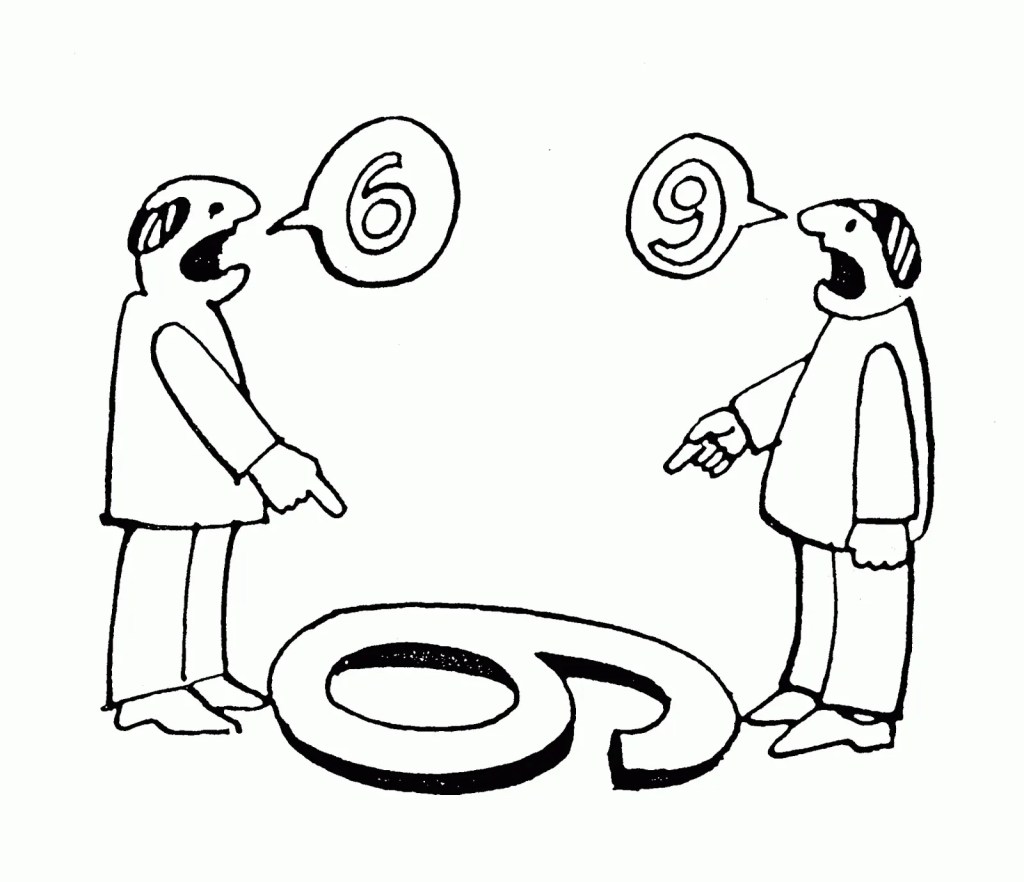






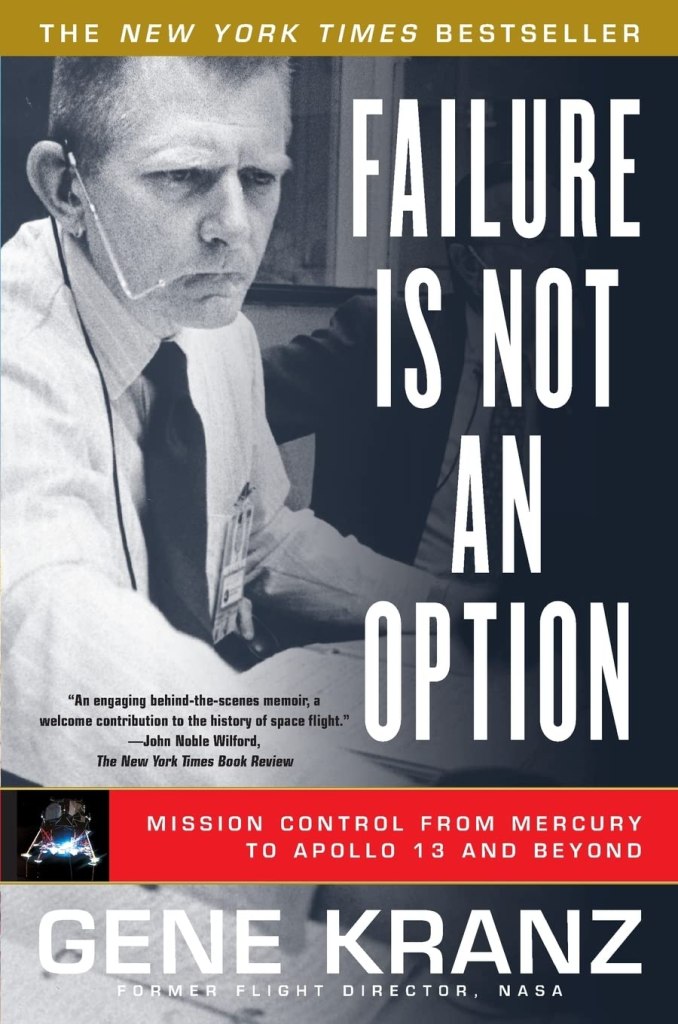
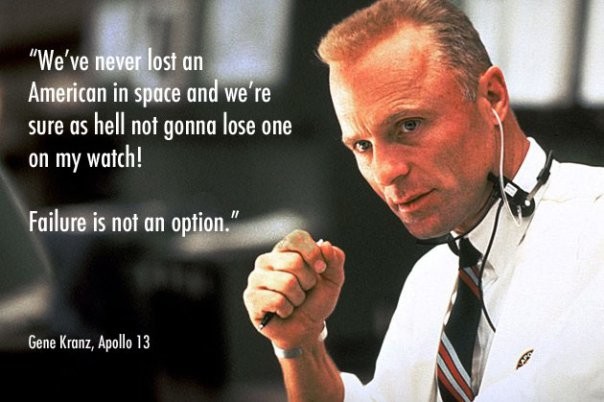

 Health, Environment, Safety, Sustainability (HESS)