I completed 38 years of professional life this week. I thought I could reflect on my journey as a safety professional.
+ves:-
The profession has got its depth and width beyond one can imagine. General Safety, Operational Safety, Environment, Product Stewardship, Loss Prevention, Business Continuity, Facility Management, and Ergonomics are today part of the safety professional domain. I include Process Safety Management (PSM) under the operational safety domain. I would add “Sustainability” too, though this is a joke in many of the implementation aspect.
The Technology/ knowledge domain/ sofware, tools, PPE are beyond imagination. The availability to procure them in a moment’s notice is unimaginable 40 years back.
Safety Implementation has become part of operational strategy/ Operational excellence linked to Productivity, Quality, Inventory, Delivery, Cost in High Performance organisations. No Longer safety as stand alone platform works.
Metrics, Metrics, Metrics, so many parameters to measure from softwares and work a Traffic Light dashboard of Green, Yellow, and Red.
Negatives:–
Safety Professionals still have not realized their potential, they may times focus only on Legal compliance and are drowned in it. So many times, they are becoming follow-up managers chasing operating licenses/ permits etc disappearing for days from facilities chasing regulatory authorities. Organizations are also not utilizing the potential of safety professionals. The less said about the Legal profession that support this, the better!
Many Line Managers feel Safety implementation is the Safety Manager’s responsibility.
So what Safety Professionals can do to improve their performance, How can they be visible, contribute meaningfully, and also learn and Grow in their profession?
Domain Expertise a must in the following areas:-
Risk Assessment and Hazard Identification
Developing and Implementing Policies
Training and Education
Incident Investigation
Regulatory Compliance
Audits and Inspections
Emergency Preparedness
Management Systems Expertise.
Communication and Collaboration-Leading Meetings
Data Analysis and Reporting
Implementing Corrective Actions- Tracking too.
Continuous Improvement
In terms of skills, a Safety Professional should possess the following:
Technical Knowledge: Strong understanding of regulations, standards, and best practices specific to their industry.
Analytical Skills: The ability to assess risks, analyse incidents, and make data-driven decisions.
Communication Skills: Effective communication to convey safety protocols and collaborate with diverse teams.
Problem-Solving: Quick thinking to address emergencies and find solutions to safety challenges.
Attention to Detail: Ensuring all safety measures are correctly implemented and monitored.
Leadership: Leading safety initiatives and motivating others to prioritize safety.
Adaptability: Being open to changes and staying updated with industry developments.
Interpersonal Skills: Building relationships and fostering a safety-conscious culture.
People Skills: Empathy, Active Listening
Project Management: Organizing and managing safety projects and initiatives.
Conflict Resolution: Resolving conflicts related to safety concerns effectively.
Training and Education: Developing and delivering effective training programs.
Ethical and Legal Understanding: Awareness of ethical considerations and legal obligations related to safety.
50 years on from establishing the Safety profession as a role globally, safety professionals face challenges. Line Management and many organizations feel that Implementing Safety (HSE) is a Safety Professional responsibility. Many meetings start with a 2-minute safety topic and safety being ticked off let’s move to other businesses!! How Safety professionals can get a seat at the table in such a situation as well as contribute and be recognised for a credible safety performance?
Here are steps you can take to shift this perception:
**1. Understand Their Perspective: Start by understanding why line management holds this perception. Identify their concerns, misconceptions, and any barriers that might be preventing them from fully engaging in safety implementation.
**2. Effective Communication: Clearly communicate the shared responsibility of safety. Emphasize that safety is a collective effort that requires involvement from all levels of the organization. Regularly communicate the benefits of a strong safety culture, including improved productivity, reduced costs, and enhanced reputation.
**3. Align with Business Goals: Demonstrate how a strong safety culture aligns with the organization’s overall goals. Highlight the impact of safety on operational efficiency, employee morale, and the bottom line. Show that safety isn’t just a regulatory requirement but also a strategic advantage.
**4. Education and Training: Provide training sessions for line managers and management to increase their understanding of safety principles, regulations, and best practices. This can help them appreciate the complexity of safety issues and their role in addressing them.
**5. Empowerment and Ownership: Empower line managers to take ownership of safety within their respective departments. Encourage them to identify hazards, implement controls, and champion safety initiatives specific to their areas.
**6. Incorporate Safety into KPIs: Link safety performance to key performance indicators (KPIs) that are regularly monitored and evaluated. When safety becomes a measurable aspect of performance, it underscores its importance to the organization.
**7. Leading by Example: Executive leaders and upper management should visibly demonstrate their commitment to safety. When leaders prioritize safety, it sets a strong example for others to follow.
**8. Collaborative Approach: Work closely with line managers to develop safety strategies that align with their departmental goals. Collaborative decision-making fosters a sense of ownership and encourages active participation.
**9. Recognition and Incentives: Recognize and reward departments and individuals for their contributions to safety. Positive reinforcement reinforces the idea that safety is everyone’s responsibility.
**10. Open Feedback Loop: Create a feedback mechanism where line managers can share their insights and concerns about safety implementation. Listen to their feedback and address any challenges they face.
**11. Cultural Change Initiatives: Engage in initiatives that drive cultural change, such as safety committees, cross-functional teams, and employee involvement programs. These initiatives create a sense of community ownership of safety.
**12. Continuous Improvement: Regularly review and assess safety processes. Show the management that safety isn’t a one-time effort but an ongoing process of improvement.
**13. Data-Driven Insights: Present data and statistics that highlight the impact of safety efforts on operational performance. Use real-life examples to demonstrate how safety practices have positively affected the organization.
Remember, changing perceptions takes time and consistent effort. It’s about gradually influencing the mindset and behaviors of managers and leaders to view safety as an integral part of their roles and responsibilities. By effectively communicating, collaborating, and aligning safety efforts with overall business objectives, you can foster a culture where safety is embraced at all levels of the organization.
I leave with an Image (Without me) that is displayed near my work desk at home for the past 17 years. This is a significant catalyst for my professional success. Everything I do, I link to these one-of-the-line items.
One of the topics I wanted to cover in my blog over a long time but kept missing for whatever reason is the topic. Over the past several decades, especially in an Indian context where EHS regulations /ownership with respect to Mergers and Acquisitions is non-existent or not even being made aware at any level of organization. The target companies that are merged/ acquired have to struggle to meet the EHS expectations/norms of the new parent organization. The parent company,(Mostly another Indian company) conveniently forgets to allocate resources post deal is inked, no person at CEO/ CXO level is made accountable for EHS expectations, and are rarely taken to task for failing to meet the requirements.
This CXO person would have passed the buck to four levels down the chain of command and the poor guy at plant / Supply chain level would run pillar to post getting frustrated and losing sleep to get things done with his one leg and hand-tied. After some year or so, EHS professionals are called to bring in EHS strengthening / improvements add insult to the old target companies’ injury by pointing out things that are not in place. I am getting sick of this story being Rinse/ Repeat, and thought I should write a blog post on this.
So here we go on What is EHS Alignment Contract:-
An EHS (Environmental, Health, and Safety) Alignment contract is a legal agreement or a set of contractual terms used during a merger and acquisition (M&A) process when one company is acquiring another.
This contract focuses specifically on ensuring that the Environmental, Health, and Safety practices and standards of the target company align with those of the acquiring company. The goal is to manage potential risks, liabilities, and compliance issues related to environmental and safety matters as part of the M&A transaction.
The EHS Alignment contract outlines various aspects of environmental, health, and safety considerations to ensure a smooth transition and integration of the target company’s operations into the acquiring company’s framework. It can include provisions related to:
Environmental & Safety Compliance: Ensuring that the target company adheres to all applicable laws, regulations, and permits.
Health and Safety Policies: Assessing the target company’s health and safety policies and procedures to determine their compatibility with the acquiring company’s standards.
Site Assessments: Conducting site assessments to identify any potential environmental liabilities, contamination, or safety hazards.
Remediation Plans: If any environmental issues are identified, outlining plans for remediation and clean-up to bring the target company’s sites into compliance.
Employee Training: Ensuring that the target company’s employees are trained in the acquiring company’s safety protocols and policies.
Risk Management: Identifying and mitigating risks associated with the target company’s operations that could have an impact on the acquiring company’s EHS performance.
Integration Strategy: Detailing how the target company’s EHS processes will be integrated into the acquiring company’s EHS management system.
Communication Plans: Outlining how EHS-related information will be communicated to employees, stakeholders, and regulatory agencies during and after the integration process.
Reporting Requirements: Defining reporting mechanisms for incidents, accidents, near misses, and environmental releases.
Liabilities and Indemnities: Specifying how liabilities related to EHS matters will be handled, including any indemnification clauses.
Compliance Audits: Addressing how compliance audits and ongoing monitoring of EHS practices will be conducted post-acquisition.
The EHS Alignment contract is a critical component of M&A due diligence, as it helps the acquiring company assess and manage potential risks and liabilities associated with environmental and safety matters. It also outlines a roadmap for integrating EHS practices, policies, and standards to ensure a consistent and safe working environment across the newly merged entities. The contract’s specific terms and content can vary based on the industries involved, the complexity of operations, and the relevant regulatory requirements. Legal and regulatory experts, as well as EHS professionals, are usually involved in drafting and negotiating these contracts to ensure compliance
Today after 22 years, I took an exam. (Last one was in 2001 for my MBA entrance which I completed in 2003 in HR). Today is for the Insurance Advisor as approved by the Government of India under the Insurance Regulatory and Development Authority of India institution which is the governing body for all Insurance activities in India.
I took the exam for Life and Non-Life insurance advisory aspects. This will give me a chance to advise folks on the need for insurance. (I was motivated a lot by DAN PINK’s BOOK- TO SELL IS HUMAN).
I was able to complete the Online exam (50 questions of Multiple choice) in half of 1 hr duration. I secured 74%. Oh yes, the last 30 min before entering the exam hall at 330pm, was the same as a 20-year-old with a bit of nervousness and walking to the washroom one last time !!! hahahhah!!! (The intensity to do well triggers the Bladder, I guess!!!)
I look forward to stepping on this path come 2024 as a diversified career opportunity.
Coincidentally, today 14th August 1985, was the day I passed out my Master’s degree. The telegram came from my Professor that I passed and requested me to come and collect my mark sheets!. Also, the fun fact is I never got an official Master’s Degree from University as I had a job in the next few weeks and landed in Bombay as an Environmental Operating chemist, to set up labs and move on, and no one cared about my master’s degree those days. My subject knowledge and provisional certificate which came by post was good enough for companies. (Unthinkable now!)….
In the realm of modern manufacturing, the pursuit of excellence extends beyond production quotas and profit margins. The integration of Environmental, Health, and Safety (EHS) practices has become imperative, fostering a culture of well-being and sustainability. I try to delve into the world of EHS metrics, explore the concept of leading and lagging indicators, and provide real-world examples of their implementation in manufacturing facilities as well as tie up Metrics to the Balance Score Card for the EHS Metrics for a holistic approach to EHS implementation.
Metrics and Indicators: Metrics and indicators are terms often used in various fields, including business, finance, and performance measurement. While they are related, they have distinct meanings and serve different purposes.
Metrics: A metric is a quantitative measurement or standard used to assess, track, and evaluate a specific aspect of performance or a particular process. Metrics provide objective data that can be analysed to gauge progress, efficiency, quality, or any other measurable attribute. Metrics are typically numerical in nature and help organizations understand how well they are meeting their goals or objectives.
For example, in the context of EHS (Environmental, Health, and Safety), some metrics could include:
Total energy consumption per unit of production. Number of workplace injuries in a given period. Amount of waste generated per MT product manufactured
Indicators: An indicator, on the other hand, is a specific value or piece of information that serves as a signal or sign of a larger trend, condition, or performance level. Indicators are often used to convey complex information in a more understandable and easily interpretable manner. They provide insight into a situation or phenomenon, allowing decision-makers to make informed judgments.
In the EHS context, indicators might include:
Leading Indicator: The percentage of employees who completed safety training. Lagging Indicator: The number of lost workdays due to workplace injuries.
Environmental, Health, and Safety Metrics: EHS metrics serve as the compass guiding manufacturing facilities toward a safer and more sustainable future. These metrics encapsulate a wide array of parameters, from tracking energy consumption to monitoring air quality and ensuring worker safety. Let’s take a look at some key EHS metrics:
Energy Consumption: Tracking energy usage per unit of production can highlight inefficiencies and drive efforts to reduce energy consumption. A reduction in energy consumption not only benefits the environment but also leads to cost savings.
Waste Generation and Recycling Rates: Calculating the amount of waste generated and the percentage that is recycled showcases a facility’s commitment to minimizing its environmental footprint.
Lost Time Injury Rate (LTIR): This lagging indicator quantifies the number of work-related injuries resulting in lost workdays. A lower LTIR indicates a safer work environment.
Near-Miss Reporting: Leading indicators like near-miss reports provide insights into potential hazards that can be addressed before an incident occurs. Encouraging employees to report near-misses fosters a proactive safety culture.
Leading and Lagging Indicators in Manufacturing: Understanding the distinction between leading and lagging indicators is vital for a well-rounded EHS strategy. While lagging indicators offer retrospective insights, leading indicators empower proactive decision-making. Here’s how they work together:
Lagging Indicators: Consider a manufacturing facility that experienced a series of chemical spills over the past year. By analysing historical data, the facility can identify trends and develop targeted interventions to prevent future spills.
Incident Severity Rate (Lagging Indicator): After a machinery malfunction led to an injury, the facility investigates the incident’s severity rate – the number of days affected employees spend away from work. This lagging indicator prompts corrective action to prevent future incidents.
Total Recordable Incident Rate (TRIR): TRIR calculates the number of work-related injuries and illnesses per a certain number of hours worked, providing insight into overall safety performance.
Lost Workdays Case Rate (LWCR): LWCR measures the number of workdays lost due to injuries or illnesses, indicating the severity of incidents and their impact on productivity.
Occupational Illness Rate: This metric quantifies the number of confirmed occupational illnesses within a given time frame, shedding light on long-term health risks.
Environmental Compliance Violations: Tracking instances of environmental non-compliance, such as spills or emissions exceeding permitted levels, highlights potential environmental risks.
Downtime Due to Safety Incidents: Measuring the amount of production downtime resulting from safety incidents reveals the financial impact of inadequate safety measures.
Number of Injuries by Type: Analyzing the specific types of injuries (e.g., slips, trips, falls) can help target preventive measures and safety training.
Severity of Injuries: Tracking the severity of injuries (minor, moderate, severe) provides insight into the impact of incidents on employees’ well-being.
Leading Indicator Examples: Imagine a manufacturing plant implementing regular safety training sessions for its employees. As employees become better educated about potential hazards, the frequency of safety incidents may decrease, leading to improved lagging indicators over time.
Training Completion (Leading Indicator): A manufacturing company introduces mandatory safety training modules for all employees. An increase in the percentage of completed training indicates a proactive approach to safety.
Percentage of PPE Compliance (Leading Indicator): Monitoring the consistent use of personal protective equipment (PPE) by workers can serve as a leading indicator of a strong safety culture.
Emergency Response Time (Leading Indicator): By tracking the time taken to respond to emergency situations (e.g., chemical leaks or fires), a manufacturing plant can continuously refine its emergency protocols.
Near-Miss Reporting Rate: The frequency at which employees report near-miss incidents or potential hazards can indicate a proactive safety culture and a focus on prevention.
Safety Training Hours: Monitoring the number of hours employees spend in safety training sessions demonstrates a commitment to educating the workforce about potential risks.
Safety Observation Cards: Encouraging employees to regularly submit safety observation cards helps identify at-risk behaviors or conditions, allowing for timely corrective actions.
Safety Committee Activities: Tracking the number of safety committee meetings and the implementation of their recommendations indicates active involvement in safety improvement initiatives.
Hazard Identification and Risk Assessment (HIRA) Frequency: Regularly conducting HIRAs to identify and assess workplace hazards demonstrates a systematic approach to risk management.
Ergonomics Assessments: Conducting ergonomic assessments and implementing ergonomic solutions based on the assessment findings can lead to reduced workplace injuries.
Participation in Safety Drills: The level of employee participation and engagement in safety drills, such as fire drills or emergency evacuation drills, indicates preparedness for real emergencies.
Here are additional leading indicators for various aspects of EHS, including energy, occupational health, sustainability, and audits:
Energy:
Energy Efficiency Projects Implemented: Tracking the number and impact of energy-saving initiatives, such as lighting upgrades, equipment optimization, and process improvements, demonstrates a commitment to energy efficiency.
Energy Consumption Trend Analysis: Regularly analyzing energy consumption data to identify patterns, anomalies, and potential areas for optimization can lead to proactive energy management.
Renewable Energy Adoption: Monitoring the proportion of renewable energy sources (solar, wind, etc.) in the overall energy mix indicates progress towards sustainable energy practices.
Real-time Energy Monitoring: Implementing real-time energy monitoring systems to track energy use across different production lines or shifts allows for timely adjustments and energy savings.
Occupational Health:
Employee Health and Wellness Programs Participation: The level of engagement in health and wellness programs, such as fitness activities, ergonomic workshops, and stress management seminars, reflects a focus on employee well-being.
Ergonomic Improvements Implemented: Tracking the implementation of ergonomic recommendations and solutions from assessments can lead to reduced workplace injuries and improved employee comfort.
Health Check-Up Completion Rate: Encouraging regular health check-ups for employees and monitoring the percentage of participation helps detect health issues early and supports preventive healthcare.
Personal Protective Equipment (PPE) Compliance: Regularly assessing the proper use and availability of PPE indicates a commitment to maintaining a safe work environment.
Sustainability:
Waste Reduction Initiatives: Measuring the number and impact of waste reduction projects, such as recycling programs or waste minimization efforts, demonstrates progress toward sustainability goals.
Carbon Footprint Reduction Targets: Tracking progress toward reducing the facility’s carbon footprint through measures like energy efficiency and emission reduction initiatives showcases commitment to environmental sustainability.
Supplier Sustainability Assessments: Regularly evaluating the sustainability practices of suppliers and partners ensures alignment with your organization’s environmental goals.
Water Usage Optimization: Monitoring water consumption and implementing strategies to reduce water usage, such as process improvements and leak detection, contributes to water conservation.
Audits and Compliance:
Audit Completion Rate: Tracking the frequency and completion of internal and external audits demonstrates diligence in evaluating EHS practices and regulatory compliance.
Corrective Action Timeliness: Monitoring the time taken to address findings from audits and inspections reflects the organization’s responsiveness to identified issues.
Training on Regulatory Changes: Ensuring employees receive training on new regulations or compliance requirements demonstrates proactive efforts to stay up-to-date with changing EHS standards.
Continuous Improvement Initiatives: Tracking the implementation and effectiveness of improvement actions resulting from audit findings showcases a commitment to ongoing enhancement of EHS practices.
Process Safety:
Here are some examples of process safety leading indicators:
Near-Miss Reporting Rate: The frequency of reporting near-miss incidents or close calls can indicate an active reporting culture and highlight potential hazards before they result in actual incidents.
Process Hazard Analysis (PHA) Completion Rate: Tracking the timely completion of PHAs, such as Hazard and Operability Studies (HAZOP) or What-If Analysis, ensures that potential hazards are thoroughly evaluated.
Management of Change (MOC) Review Cycle Time: Monitoring the time taken to review and approve changes to processes, equipment, or procedures helps ensure thorough evaluation before implementation.
Emergency Response Drills Participation: Regular participation and engagement in emergency response drills and simulations demonstrate preparedness for process safety incidents.
Process Safety Training Hours: Measuring the amount of time employees spend on process safety training reflects the organization’s commitment to educating the workforce about potential risks.
Safety Culture Surveys: Conducting periodic surveys to assess employees’ perceptions of process safety culture can help identify areas for improvement and track cultural shifts.
Mechanical Integrity Audit Results: Tracking the outcomes of audits focused on equipment integrity and maintenance practices provides insights into potential vulnerabilities.
Process Safety Leading KPIs: Developing specific Key Performance Indicators (KPIs) related to process safety, such as “percentage of critical equipment inspected,” provides targeted insights into process safety performance.
Process Safety Committee Activities: Monitoring the frequency and effectiveness of process safety committee meetings and their recommendations indicates active involvement in process safety improvement.
Operational Readiness Checks: Verifying that safety-critical systems and safeguards are functioning as intended before starting a new process or after maintenance helps ensure safe operations.
EHS Balance Scorecard:
An EHS (Environmental, Health, and Safety) Balanced Scorecard is a strategic management tool that provides a comprehensive and balanced view of an organization’s performance in the areas of environmental, health, and safety and its compliance. It integrates key performance indicators (KPIs) from various aspects of EHS management to measure progress, align actions with strategic objectives, and drive continuous improvement. The EHS Balanced Scorecard is derived from the concept of the balanced scorecard, which was originally developed by Kaplan and Norton to assess overall organizational performance.
The EHS Balanced Scorecard typically includes a combination of leading and lagging indicators that reflect different dimensions of EHS management. Here’s how it ties into EHS metrics:
Financial Perspective: This perspective involves quantifying the financial impact of EHS initiatives. Metrics here could include cost savings from energy efficiency projects, reduction in insurance premiums due to improved safety records, or savings from waste reduction and recycling efforts. While EHS may not have direct financial gains in the short term, it can lead to cost savings, avoidance of fines, and improved brand reputation in the long run. Metrics here might include:
Cost of Compliance: Measures expenses related to ensuring compliance with EHS regulations. Risk Avoidance: Quantifies the financial impact of avoiding EHS-related incidents.
Customer Perspective: While the primary focus of EHS is internal, customer perspectives can still apply. For instance, metrics might involve customer satisfaction with the organization’s commitment to sustainability, transparency about environmental impact, or health and safety practices when products are used. EHS practices can enhance a company’s reputation and attractiveness to environmentally conscious customers. Metrics in this perspective could include:
Environmental Product Attributes: Measures the incorporation of environmentally friendly features into products. Customer Satisfaction with Sustainability Practices: Gauges customer perceptions of the company’s commitment to EHS.
Internal Processes Perspective: This perspective centers on the organization’s internal EHS processes. Metrics could include the percentage of employees trained in safety procedures, the frequency of safety audits, and the efficiency of waste management and disposal processes. This perspective focuses on the internal processes that directly impact EHS performance. Metrics could encompass:
Incident Response Time: Measures how quickly the company responds to incidents or near-misses. Hazard Identification Rate: Tracks the frequency of hazards identified and addressed.
Learning and Growth Perspective: In the context of EHS, this perspective focuses on the development of the workforce and the organization’s capacity for improvement. Metrics might involve the number of employees engaged in EHS committees, the level of employee participation in safety drills, and the rate of adoption of new safety technologies.
The EHS Balanced Scorecard enables organizations to:
Measure Holistic Performance: By including a mix of leading and lagging indicators, the scorecard provides a comprehensive view of EHS performance, ensuring that improvements in one area do not come at the expense of others.
Align with Strategy: The scorecard helps align EHS initiatives with the organization’s overall strategic objectives. For instance, if a company aims to reduce its carbon footprint as part of its sustainability strategy, the EHS Balanced Scorecard could track metrics related to energy consumption, emissions reduction, and waste reduction.
Drive Accountability: By setting specific targets for each perspective and tracking progress over time, the EHS Balanced Scorecard promotes accountability among different departments and levels of the organization.
Facilitate Communication: The scorecard serves as a communication tool, allowing stakeholders to understand the organization’s EHS efforts at a glance and fostering transparency.
Support Decision-Making: The data collected through the scorecard can inform data-driven decision-making, enabling organizations to allocate resources effectively and prioritize initiatives based on their impact.
Ultimately, the EHS Balanced Scorecard provides a structured approach to managing EHS performance, fostering a culture of continuous improvement, and ensuring that environmental, health, and safety considerations are integrated into the core of the organization’s operations. Incorporating the EHS Balanced Scorecard into an organization’s management approach ensures that EHS objectives are not isolated but are integrated into the broader strategic framework. By aligning EHS metrics with each perspective, organizations can better understand the interplay between EHS efforts and overall organizational success. This holistic approach fosters a culture of continuous improvement, accountability, and sustainability throughout the organization.
Whenever you sit or ready to board an aircraft, (especially in night time) many times one would see the Captain or first officer taking a torch and go around for quick 5 min walk to do a key check before push back. This is one example of Leadership walkthough covering aircraft essentials for them to satisfy that things are in order one final time, post all checks. This is just to make sure that systems are all good to go before the aircraft takes flight.
Leadership walkthroughs in an overarching manufacturing operations context encompass more than just safety considerations. Here’s an analysis of the strengths and weaknesses of leadership walkthroughs in such a context:
Strengths:
Operational Visibility: Leadership walkthroughs provide leaders with first-hand insights into daily manufacturing operations. This visibility enables them to understand processes, identify bottlenecks, and make informed decisions to enhance efficiency.
Process Improvement: By engaging directly with employees on the shop floor, leaders can gather valuable input and ideas for process improvement. This collaborative approach can lead to innovative solutions and streamlined workflows
Employee Engagement: Walkthroughs demonstrate leadership’s commitment to engaging with the workforce. This engagement fosters a sense of belonging and value among employees, which can positively impact morale and motivation.
Communication Enhancement: Walkthroughs facilitate direct communication between leadership and employees. This open dialogue can lead to improved communication channels throughout the organization, reducing misunderstandings and promoting transparency.
Cultural Alignment: Leadership walkthroughs play a role in aligning organizational culture with operational objectives. When leaders actively participate in operations, it reinforces the importance of organizational values and goals.
Quick Decision-Making: On-the-spot observations and interactions enable leaders to make timely decisions, address issues promptly, and adapt to changing circumstances.
Weaknesses:
Limited Time: Manufacturing leaders often have busy schedules, which can lead to rushed walkthroughs that might not adequately cover all aspects of operations.
Surface-Level Understanding: Leaders might not possess in-depth knowledge of all manufacturing processes, potentially leading to overlooking certain operational nuances or challenges.
Unrepresentative Snapshot: Leadership walkthroughs provide a snapshot of operations during specific times, which might not reflect the full complexity and variability of manufacturing processes.
Intimidation Factor: Employees might feel intimidated or reluctant to share candid feedback during walkthroughs, especially if they perceive potential consequences for voicing concerns.
Influence on Routine: The presence of leadership during walkthroughs could potentially disrupt the natural flow of operations or lead employees to alter their behavior, affecting the authenticity of observations.
Overemphasis on Immediate Concerns: Focusing solely on immediate operational concerns during walkthroughs might lead to neglecting long-term strategic considerations or systemic issues.
Resource Allocation: Walkthroughs demand time and resources, which might compete with other strategic initiatives or responsibilities that leaders have. Also, much of the decision-making arising out of the walkthrough may be beyond the scope, and authority of the local leadership team leading to delay nonaction and thus no closure of items.
Incorporating leadership walkthroughs into manufacturing operations offers substantial benefits in terms of visibility, engagement, communication, and decision-making. However, challenges such as time constraints, limited expertise, and potential intimidation should be carefully managed to maximize the effectiveness of walkthroughs. A balanced approach that combines regular engagement, active listening, and a commitment to continuous improvement can help mitigate these weaknesses and leverage the strengths of leadership walkthroughs in the broader context of manufacturing operations.
Safety Walk:- A Glimpse into Safety Leadership
In the dynamic landscape of Indian manufacturing, ensuring the safety and well-being of employees is of paramount importance. A crucial tool that has emerged as a game-changer in this regard is the concept of leadership walkthroughs. These walkthroughs go beyond traditional inspections, placing leadership at the forefront of EHS (Environment, Health, and Safety) initiatives.
Decoding Leadership Walkthroughs in Manufacturing
At its core, a leadership walkthrough involves senior management and supervisors actively engaging with the shop floor to observe operations, interact with workers, and identify potential hazards or compliance gaps. This personalized approach sets the stage for a culture of safety and accountability.
The Power of EHS-Focused Leadership Walkthroughs
Benefits
Early Hazard Identification: Leadership walkthroughs enable the timely identification of safety hazards, mitigating risks before they escalate into accidents or incidents. Engagement and Empowerment: Direct interactions between leadership and workers foster a sense of ownership and empowerment, leading to increased safety consciousness. Proactive Safety Culture: Regular walkthroughs create a proactive safety culture where every employee is invested in EHS, resulting in a reduction in workplace incidents.
Crafting a Successful EHS-Focused Leadership Walkthrough Strategy
Prioritizing Hazards: Given the diversity of manufacturing processes in India, focus on high-risk areas such as chemical handling, machine operation, and ergonomic considerations.
Cultural Sensitivity: Address language and cultural barriers by ensuring effective communication and understanding during walkthroughs.
Regulatory Compliance: Align walkthrough objectives with local EHS regulations to ensure legal adherence and avoid penalties.
Manufacturing Success Stories
Realizing EHS Excellence:
Automotive Industry: A leading Indian automotive manufacturer implemented regular leadership walkthroughs, resulting in a significant drop in workplace accidents and a notable improvement in safety compliance. The company used the concept of “GEMBA walk” (Go and see!).
Textile Sector: By incorporating EHS checkpoints into walkthroughs, a textile mill witnessed reduced instances of respiratory issues among workers and enhanced air quality measures.
Navigating Challenges and Implementing Best Practices
Overcoming Hurdles:
Resistance to Change: Address resistance by highlighting the benefits of walkthroughs and fostering open dialogue with employees.
Resource Constraints: Maximize the impact of walkthroughs by integrating them into existing processes, leveraging available resources efficiently.
Conclusion: Leading the Way to Safer Horizons
In India’s bustling manufacturing sector, safety isn’t just a responsibility—it’s a promise to our workforce. EHS-focused leadership walkthroughs empower organizations to fulfill this promise by creating safer, healthier, and more compliant workplaces. As leaders step onto the shop floor, they pave the path for a culture that embraces safety as a core value, shaping a brighter future for both employees and the industry at large.
Call to Action: Embarking on an EHS Journey
Ready to embark on the EHS journey? Begin by integrating leadership walkthroughs into your manufacturing processes. Empower your leaders, engage your workforce, and witness the transformation as safety takes center stage in your organization.
Remember, the success of EHS-focused leadership walkthroughs lies not just in their execution, but in their integration into the fabric of the organization’s values and practices. Management / Top leadership commitment to safety will not only protect your workforce but also drive your manufacturing enterprise toward sustainable growth and excellence.
In the heart of a bustling manufacturing facility, where raw materials are transformed into the products that shape our world, safety takes centre stage. The clatter of machines, the hum of conveyor belts, and the synchronized movements of skilled workers come together to create an intricate dance of production. But amidst this symphony of industry, one truth stands tall: safety is not an individual effort; it’s a team sport.
Imagine walking through a high-risk manufacturing environment. Giant machines roar as they shape metal and mould plastics. Conveyor belts carry heavy loads from station to station, and technicians monitor intricate processes, ensuring precision down to the smallest detail. In this intricate dance of machinery and human expertise, the stakes are high, and the potential for accidents is even higher.
In the heart of every bustling manufacturing facility lies a symphony of machinery, chemical processes, and skilled professionals working in harmony to produce the products we rely on daily. However, amid the hum of activity, there is a paramount concern that cannot be overlooked: safety. As we delve into the intricate dance of operations within a high-risk manufacturing environment, it becomes evident that safety is not an individual responsibility but a collective effort – a team sport, where each member plays a crucial role in ensuring a secure and thriving workplace.
In such an environment, the concept of “safety is a team sport” becomes more than just words; it’s a guiding principle that can mean the difference between a smooth production cycle and a devastating mishap.
Here’s how this narrative unfolds:
Leading by Example: Leadership sets the tone for the entire team. Supervisors, managers, and executives must champion safety as a core value, demonstrating through their actions that the well-being of every team member is paramount. When leadership consistently values and prioritizes safety, it sends a clear message that adherence to safety protocols is non-negotiable.
The Domino Effect of Safety: Imagine a line of dominos, each representing a person in the manufacturing process. A misstep by one person can trigger a cascade of consequences affecting not only that individual but the entire team. In a high-risk environment, a lapse in safety can lead to accidents, injuries, and even fatalities. To prevent this domino effect, each team member must recognize their part in maintaining a secure atmosphere.
Unified Vision of Safety: At the core of a safe manufacturing environment is a unified vision that is embraced by every member of the team. Safety isn’t just about adhering to guidelines; it’s about fostering a mindset that values each individual’s well-being. Every person, from the top executives to the newest recruit, must share the belief that safety is non-negotiable.
Communication:– In a high-risk manufacturing environment, Communication between different departments is essential. Regular and open communication channels ensure that everyone is on the same page regarding potential hazards, ongoing operations, and necessary precautions. From the engineers designing the machinery to the operators working with it on the floor, each person contributes to the intricate safety network. Regular communication, clear protocols, and a culture of open dialogue empower everyone to voice concerns, propose improvements, and share insights that can lead to safer processes.
Cross-functional collaboration brings diverse perspectives to the table, leading to comprehensive safety strategies that leave no stone unturned. In the complex web of a manufacturing environment, information gaps can be perilous. Effective collaboration through interactions, and exchange of ideas forms the bridge that connects different departments, shifts, and levels of hierarchy. Through regular safety meetings, training sessions, and sharing of best practices, team members can stay informed about potential hazards and learn how to mitigate risks effectively. A culture of communication and collaboration ensures that critical safety information doesn’t remain confined to a single corner of the facility but permeates every nook and cranny.
Training and Education: Safety isn’t instinctual; it’s a skill that must be honed through rigorous training and continuous education. Each team member should be equipped with the knowledge and skills to identify risks, respond to emergencies, and make informed decisions that prioritize safety without compromising productivity. In a high-risk manufacturing environment, expertise is a precious resource. Proper training equips team members with the skills and knowledge they need to navigate potential dangers confidently. Regular workshops, hands-on simulations, and continuous learning opportunities not only empower individuals but also foster a sense of ownership over safety. Each person becomes a guardian of their own well-being and that of their colleagues.
Watchful Eyes: In the whirlwind of activity, having vigilant eyes on the production floor is paramount. Designating safety officers or monitors who keep a watchful eye for any deviations from safety protocols can act as a critical line of defence against potential accidents.
Empowerment and Responsibility: When every individual feels empowered to raise safety concerns, a culture of responsibility takes root. Encouraging employees to voice their observations, near-misses, and potential hazards creates an environment where prevention takes precedence overreaction.
Continuous Improvement: The pursuit of safety is never-ending. Regular reviews, risk assessments, and analysis of incidents lead to a cycle of continuous improvement. The team learns from past experiences, fine-tunes protocols, and adopts new technologies to stay ahead of emerging risks.
Celebrating Safety Successes: Just as achievements in production are celebrated, so too should safety milestones. Recognizing individuals and teams for their commitment to safety reinforces the message that safety is valued and appreciated.
Conclusion: As we conclude our exploration of safety as a team sport in a high-risk manufacturing environment, we’re reminded of the intricate dance that unfolds daily on the production floor. Every individual, from the machine operator to the safety officer, plays a vital role in maintaining a secure and thriving workplace. Just as a symphony requires each instrument to create a harmonious melody, so too does a manufacturing facility require the coordinated efforts of every team member to achieve a safe and successful operation. In this collective endeavour, safety is not just a goal; it is a shared responsibility, an unbreakable bond that binds us together as we navigate the challenges of a high-risk manufacturing world.
In the grand theatre of high-risk manufacturing, safety is the conductor that orchestrates the harmony between man and machine. It’s the bond that unites colleagues in a shared commitment to protect one another. The narrative of “safety is a team sport” reminds us that even amidst complex machinery and formidable challenges, a united team can navigate the most treacherous paths, ensuring that everyone returns home unharmed and proud of their contribution to a safer world.
I am shocked and devastated to know that my Safety colleague, and a very good friend, Paritosh V of Clariant India, Hyderabad, passed away due to Massive Cardiac Arrest on Friday, 4th Aug 2023 at Hyderabad. I am still coming to terms with this reeling news which reached me, 2 hrs back.
Paritosh was 43. He leaves behind his wife, 2 young daughters as well as his father.
Paritosh interacted with me on a day-in and day-out basis for 9 months for significant improvements at the Clariant, Bonthapally site, (I was there 20 days a month to support) during 2017-18. He had since moved to the Energy and Sustainability aspects of the site (Being an Electrical Engineering graduate!).
My ever-lasting memory of him will be that most of our conversations were always in Gujarati, a language he was very fluent in (He being motherless from a very young age, was brought up by Gujarati neighbors in his hometown, Adilabad near Nizamabad, Andhra Pradesh!)
Paritosh spoke to me a few weeks back when I was in the USA and he was to come back on certain aspects. That call will now never come.
Strange is god’s way. Wonder how fragile life is!
May God give ATHMA SHANTI to his Soul and courage to the family to bear this irreparable/irreplaceable loss!!
Psychology is the scientific study of human behavior and mental processes. It seeks to understand and explain how individuals think, feel, and act, both individually and in social contexts. Psychology encompasses a wide range of subfields and areas of study, including cognitive psychology, developmental psychology, social psychology, clinical psychology, and industrial-organizational psychology, among others.
Psychological safety is the employee’s belief that he will not be punished or humiliated for speaking up with his thoughts, ideas, questions, concerns, or mistakes. At work, it’s a shared expectation held by members of a team that teammates will not embarrass, reject, or punish them for sharing ideas, taking risks, or asking for feedback.
Psychological safety at work also doesn’t mean that everybody is nice to each other. It means that people feel free to “brainstorm out loud,” freely express half-finished thoughts, (No idea is a stupid idea) openly challenge the status quo, share candid feedback, and work through disagreements together — knowing that leaders value honesty, candour, and truth-telling, and that team members will have each other’s backs.
In the context of psychology and workplace safety, SCARF is an acronym that represents a model developed by neuroscientist and leadership expert David Rock. The SCARF model describes five social domains that can significantly impact an individual’s behavior and responses in social situations, including those related to safety. The five domains are:
Status (S): Status refers to an individual’s perception of their relative importance and social standing within a group or organization. In the context of safety, a person’s status can influence their willingness to speak up about safety concerns, follow safety protocols, or take advice from others. For instance, employees with a lower perceived status might be hesitant to challenge the safety decisions of higher-ranking individuals, leading to potential safety risks.
Certainty (C): Certainty relates to an individual’s need for predictability and a sense of control over their environment. When employees feel uncertain about safety procedures, protocols, or the potential risks in their work environment, it can lead to anxiety and decreased safety compliance. Providing clear and consistent safety guidelines and communication can help improve the sense of certainty and foster a safer workplace.
Autonomy (A): Autonomy refers to the extent to which individuals have control over their own actions and decisions. In a safety context, employees who have a sense of autonomy and control over their work processes are more likely to take ownership of safety and make safer decisions. Empowering employees to have a say in safety measures can enhance their commitment to safety.
Relatedness (R): Relatedness reflects the sense of connection, belonging, and positive relationships with others. Employees who feel supported, respected, and valued by their colleagues and supervisors are more likely to cooperate on safety efforts and report safety concerns without fear of negative consequences. A positive safety culture that emphasizes teamwork and support can strengthen the sense of relatedness.
Fairness (F): Fairness pertains to perceptions of equity and justice in how resources, rewards, and punishments are distributed. In the context of safety, employees are more likely to engage in safety practices if they perceive that safety rules are applied fairly and consistently across the organization. Fair treatment fosters trust and encourages a commitment to safety
The SCARF model helps leaders and safety professionals understand the psychological needs and triggers that can influence individual and group behavior related to workplace safety. By addressing these domains, organizations can create a safer and more supportive work environment that encourages positive safety behaviors and reduces the risk of accidents and incidents.
Role of Psycological Safety at Workplace: The psychology of safety plays a crucial role in safety performance and the overall safety situation at the workplace for several reasons:
Leadership and Supervision: Safety psychology highlights the critical role of leadership and supervision in promoting safety. Understanding how leaders influence employee behavior and attitudes toward safety enables organizations to develop strong safety leadership and ensure safety is a top priority.
Human Behavior and Decision-Making: Workplace safety is significantly influenced by human behavior and decision-making. Understanding the psychological factors that drive behavior can help identify potential risks, improve safety practices, and reduce the likelihood of accidents.
Human-Centric Approach: Manufacturing work environments involve various tasks and processes carried out by human workers. Safety psychology recognizes that human behavior, cognition, and emotions significantly influence safety outcomes. By understanding these factors, organizations can implement measures to improve safety behaviors and reduce the likelihood of accidents.
Accident Prevention: Safety psychology helps identify potential hazards and risks associated with human actions and decision-making. By addressing the psychological aspects of safety, organizations can implement targeted interventions to prevent accidents and incidents.
Risk Perception: Employees’ perceptions of risks and hazards can vary based on individual experiences, knowledge, and cognitive biases. The psychology of safety helps in understanding how different individuals perceive and assess risks, allowing organizations to tailor safety communication and training accordingly.
Safety Culture: Psychology plays a central role in shaping safety culture within an organization. A positive safety culture fosters a collective commitment to safety, encourages safe behaviors, and empowers employees to take an active role in identifying and mitigating safety risks. Safety psychology emphasizes the importance of fostering a safety-oriented mindset among employees and management. It encourages open communication, active participation, and a collective commitment to safety at all levels of the organization.
Motivation and Engagement: Motivated and engaged employees are more likely to follow safety protocols and actively contribute to a safe work environment. The psychology of safety helps in designing motivation strategies and incentives that promote safe behaviors.
Training: Understanding how people learn and retain information allows organizations to develop effective safety training programs. By incorporating principles of psychology, safety training can be engaging, memorable, and impactful,. Safety training programs based on safety psychology principles are more effective in driving behavior change. Understanding how people learn, retain information, and apply knowledge allows organizations to design engaging and impactful safety training sessions.
Compliance: Employees may not always follow safety rules and procedures due to various psychological factors, such as perceived inconvenience or pressure to meet production targets. Safety psychology can inform the design of safety protocols and incentives to encourage better compliance and adherence to safety guidelines.
Error Management: Human errors are inevitable, but understanding the psychological aspects behind errors can lead to better error management systems. Employees should feel comfortable reporting errors without fear of punishment, allowing organizations to learn from mistakes and improve safety measures. Human errors are also very common in manufacturing processes. Safety psychology focuses on error management strategies, such as designing processes to reduce the likelihood of errors, providing feedback to employees, and implementing systems to detect and correct errors before they escalate into accidents.
Communication and Feedback: Effective safety communication relies on understanding how people process information and respond to feedback. Clear, constructive, and non-punitive feedback can encourage continuous improvement in safety performance.
Stress and Fatigue Management: The psychology of safety helps in recognizing the impact of stress and fatigue on employee performance and safety. Strategies for managing these factors can reduce the risk of accidents caused by impaired judgment or reduced alertness.: In a manufacturing setting, employees may face physically and mentally demanding tasks, leading to stress and fatigue. It also helps in recognizing the impact of these factors on safety performance and guides the development of strategies to manage stress and fatigue to reduce the risk of accidents.
Peer Influence and Teamwork: People are influenced by their peers, and team dynamics can affect safety behaviors. Positive peer influence and teamwork can reinforce safe practices and create a supportive safety culture.
Employee Well-Being: A focus on the psychology of safety emphasizes the well-being of employees, both physically and psychologically. Employees who feel valued and supported are more likely to prioritize safety and take care of themselves and their colleagues.
Continuous Improvement: Safety psychology supports a culture of continuous improvement in safety performance. By analyzing safety-related incidents and near-miss events from a psychological perspective, organizations can identify root causes and implement corrective actions to prevent recurrence.
Measuring Safety Psycology at workplace:
Safety psychology can be measured, both directly and indirectly. Measuring safety psychology helps organizations assess the psychological factors that influence safety behaviors, attitudes, and perceptions in the workplace. By identifying strengths and areas for improvement, organizations can develop targeted interventions to enhance safety performance and cultivate a safer work environment. Some indicators and metrics used to measure safety psychology are:
Safety Climate Surveys: Safety climate surveys are direct measures that assess employees’ perceptions of safety-related aspects of the work environment, such as the organization’s commitment to safety, communication about safety, and the effectiveness of safety training programs.
Safety Culture Assessments: Safety culture assessments involve a more comprehensive evaluation of the organization’s safety culture, including shared values, beliefs, and behaviors related to safety.
Safety Perception Surveys: These surveys capture employees’ perceptions of safety risks, safety practices, and management’s commitment to safety.
Safety Leadership Assessments: Safety leadership assessments gauge the effectiveness of leaders in promoting safety, providing support, and fostering a positive safety culture.
Incident Reporting and Near-Miss Reporting: Tracking the number and types of incidents reported and near-miss events can indirectly measure safety psychology. A culture that encourages reporting without fear of punishment indicates a positive safety climate.
Safety Training Evaluations: Assessing the effectiveness of safety training programs through participant feedback and knowledge retention tests provides insights into the impact of training on safety attitudes and behaviors.
Employee Engagement Surveys: Employee engagement surveys can include questions related to safety engagement, which indirectly measures the level of employee involvement and commitment to safety.
Psychological Safety Index: (PSI) Developing a psychological safety index that considers factors like trust, communication, and openness in reporting safety concerns can provide an overall measure of safety psychology.
Behavioral Observations: Directly observing employee behavior in the workplace to evaluate compliance with safety protocols and adherence to safe work practices provides insights into safety psychology.
Safety Performance Indicators: Safety performance metrics, such as the number of accidents, injuries, and near-miss events, can indirectly reflect the effectiveness of safety psychology in the organization.
Employee Surveys: Employee surveys that include questions about safety attitudes, perceptions, and motivations can yield valuable data on safety psychology.
It is essential to use a combination of direct and indirect measures to obtain a comprehensive understanding of safety psychology in the workplace. Regular assessments and data analysis help organizations identify trends, areas for improvement, and opportunities to enhance safety culture and performance.
How Leaders and Management can play an active role:
Leaders and management play a critical role in fostering safety psychology and creating a positive safety culture in the workplace. Here are some ways leaders can contribute to promoting safety psychology:
Lead by Example: Leaders should demonstrate a strong commitment to safety by consistently following safety protocols and best practices. When employees see their leaders valuing and prioritizing safety, they are more likely to do the same.
Communication and Engagement: Open and effective communication about safety is essential. Leaders should regularly communicate safety messages, provide updates on safety performance, and encourage employees to share safety concerns and ideas. Actively seek out for Not so Good News.
Empowerment and Autonomy: Encourage employee involvement in safety initiatives and decision-making. Giving employees a sense of autonomy and ownership in safety processes fosters a feeling of responsibility and commitment to safety.
Provide Resources and Training: Ensure that employees have the necessary resources, tools, and training to perform their jobs safely. Invest in safety training and continuous education to enhance safety knowledge and skills.
Recognize and Reward Safety Efforts: Acknowledge and reward employees who demonstrate exceptional safety behavior and go above and beyond to ensure a safe work environment. Positive reinforcement reinforces the importance of safety.
Establish Safety Goals: Set clear safety goals and expectations for the organization and individual teams. Monitor progress toward these goals and celebrate achievements.
Create a Learning Culture: Encourage a learning culture where employees are encouraged to report near-miss incidents and mistakes without fear of retribution. Use these incidents as learning opportunities to improve safety.
Support Psychological Safety: Create an environment where employees feel psychologically safe to raise safety concerns, ask questions, and offer suggestions without fear of negative consequences.
Safety Training for Supervisors: Provide specific safety training for supervisors and managers to equip them with the skills to lead and support safety efforts effectively.
Continuous Improvement: Continuously review safety practices and seek feedback from employees to identify areas for improvement. Make necessary changes based on feedback and lessons learned.
Investigate Incidents Thoroughly: When incidents occur, conduct thorough investigations to understand root causes and prevent recurrence. Use incident investigations like 5 WHY, 5 M, as opportunities for learning and improvement.
Promote Peer Support: Encourage employees to support and hold each other accountable for safety. Positive peer influence can be a powerful driver of safe behaviors.
Monitor Safety Performance: Regularly monitor safety performance metrics and indicators. Use the data to identify trends, patterns, and areas that require attention.
Conclusion: In summary, the psychology of safety recognizes that safety is not just about implementing rules and procedures but also about understanding human behavior, cognition, and emotions in the context of safety. By taking a human-centric approach, organizations can create a safer workplace that addresses the needs and motivations of their employees, resulting in improved safety performance and overall well-being.
Images from WWW open source for illustration. (Copyright acknowledged)
This is a key aspect that must be a top priority for organisations in 2023 and beyond. Gone are the days when EHS (Environmental, Health and Safety) was seen as stand alone platform with its own resources and budget. Companies in the growth phase (more like 1990s, when Money was growing on trees) were willing to look the other way and complay with EHS to keep their places incident free and thus avoiding reputational risks. No longer!!
The 2008 financial crisis lead to deep efforts to cut budgets, and most affected were Training, Travel and non essential spending that are not directly linked to Regulatory compliance in EHS Domain. That prompted organisations to dwell deep to link business enablers like Quality, Safety (EHS) to the main oeprational platform and every aspect of spending/ budgets were linked to Operational excellence. The Business operating systems like “TOYOTA Production System” became the norm putting Safety, Quality, Productivity, Inventory, Delivery and Cost as enabler and company must work on an integrated approach to acheive this as part of business operating system.
I was fortunate to work on a similar business system from 2006-12 at Honeywell, where EHS was integrated as a business enabler. The path to operational excellence was linked to EHS being one of the pillars and without a strong EHS pillar, excellence and thus achieving higher quality, productivity, delivery, lower delivery, and cost is not sustainable.
So how does Company go about it!
Integrating Environmental, Health, and Safety (EHS) improvements with operations aspects like Quality, productivity, and cost can be highly beneficial for an organization. Here are some strategies to play an active role in achieving these improvements:
Establish Cross-Functional Collaboration: Work closely with operations, quality, Engineering, Projects and finance teams to create a collaborative approach to address EHS issues. Identify shared goals and potential synergies between EHS and other departments.
Develop Key Performance Indicators (KPIs): Define measurable KPIs that link EHS performance to quality, productivity, and cost metrics. For example, track the number of safety incidents correlated with production output or the cost savings achieved through waste reduction initiatives.
Risk Assessments and Root Cause Analysis: Conduct comprehensive risk assessments and root cause analyses to identify EHS-related risks that may impact quality, productivity, or cost. Addressing these root causes can prevent future incidents and improve operational efficiency. All EHS capital budgets must be linked to reduction # in Risk rating due to implementation of such measures.
Continuous Improvement Initiatives: Encourage and participate in continuous improvement programs, such as Lean, Six Sigma, or Total Quality Management, and Total Preventive/ Predictive Maintenance, with a focus on integrating EHS improvements.
Training and Awareness Programs: Promote EHS training and awareness programs among employees, emphasizing the link between EHS practices and overall operational performance. Educate employees about how safe and healthy work practices can positively impact productivity and product quality.
Incorporate EHS into Standard Operating Procedures (SOPs): Ensure that EHS considerations are integrated into SOPs and work instructions. For example, include EHS checkpoints in production processes or equipment maintenance routines. Engage employees in SOP development, ask for their inputs. They would always come with a better soultions to issues as they are at work place 24*7.
Incentive Programs: Support the development of incentive programs that recognize and reward employees for demonstrating exemplary EHS practices while contributing to quality and productivity targets.
Life Cycle Assessment (LCA) and Environmental Impact Reduction: Analyze the environmental impact of products and processes through LCA to identify areas for improvement. This may lead to resource optimization, waste reduction, and cost savings. Look at any waste as a Non Productive resource and see how it can be minimized.
Green Procurement Practices: Work with procurement teams to consider EHS criteria when selecting suppliers and materials. Environmentally friendly and sustainable practices may lead to cost savings and improved product quality. Engage Supply Chain in your EHS efforts to include suppliers and contractors. Collaborate with them to ensure their practices align with your organization’s EHS standards, which can help reduce risks and improve overall quality.
Technology Adoption: Advocate for the implementation of advanced technologies and automation that can enhance safety, improve productivity, and reduce operational costs. Look for cycle time reduction that can eliminate time, space, materials etc.
Benchmarking and Best Practices: Stay informed about industry best practices and benchmarks related to EHS, quality, productivity, and cost. Adopting successful strategies from other organizations can provide valuable insights.
Communicate Success Stories: Share success stories and case studies that highlight the positive impact of EHS improvements on quality, productivity, and cost. Effective communication can foster support and engagement from all stakeholders.
By actively linking EHS improvements to operations aspects, you can drive positive change throughout the organization, create a safer and healthier work environment, improve product quality, enhance productivity, and reduce operational costs, leading to sustainable and responsible growth.
As can be seen such efforts can be extended to beyond 4 walls of factory in to supplier side. This leads to business benefits in lower cost, reliable supplier, besides non-interruption at the supplier end due to EHS incidents. Yes, these process/ mind set change are long drawn process and can take anywhere between 4-6 years of active engagement of cross funcational team with a great leadership Vigil.
Introduction:In the fast-paced world of manufacturing and supply chain management, safety is paramount. As India’s industrial landscape evolves and matures over the past 75 years, it witnesses a diverse workforce comprising different generations, each bringing unique perspectives to the table. I try to explore the significance of safety programs in Indian manufacturing and supply chain sites and how bridging the generational gap is crucial for their successful implementation.
I am writing this blog post based on my experience of 11 years as a consultant visiting more than 75 Supply chain/ MFG facilities in India, when I see sites struggle and try one fit all approaches for every employee/ worker at the site. I must confess, the sites are not learning much on this effort much to my disappointment.
Understanding the Generational Differences:
India’s workforce consists of Baby Boomers, Gen X, Millennials, and Gen Z, each with distinct traits and attitudes toward work. Understanding these generational differences is the first step toward fostering a harmonious and safe work environment.
When working at manufacturing sites, it’s essential to understand the genetic traits of different generations to foster better communication, collaboration, and overall work environment. While individual characteristics may vary, here are some general traits of each generation that can be considered:
Baby Boomers (born roughly between 1946 and 1964):
Experience: Baby Boomers often have extensive experience and knowledge gained over their careers.
Work Ethic: They are known for their strong work ethic and dedication to their jobs.
Respect for Authority: Baby Boomers typically value authority and hierarchical structures.
Communication: They may prefer face-to-face or phone communication over digital methods.
Generation X (born roughly between 1965 and 1980):
Independent: Gen Xers are known for their independence and self-reliance.
Adaptability: They are adaptable to change and may have experienced significant workplace shifts.
Work-Life Balance: Generation X often values work-life balance and seeks flexibility in their roles.
Technological Competence: While not digital natives, they have adapted well to technology.
Millennials (Generation Y) (born roughly between 1981 and 1996):
Tech-Savvy: Millennials grew up in the digital age and are highly proficient in technology.
Purpose-Driven: They seek meaningful work and value a sense of purpose in their roles.
Collaboration: Millennials prefer collaborative and inclusive work environments.
Work-Life Integration: They often blur the lines between work and personal life.
Generation Z (born roughly between 1997 and 2012):
Digital Natives: Gen Z individuals have never known a world without the internet and smartphones.
Entrepreneurial Spirit: They are known for their entrepreneurial mindset and innovative ideas.
Diversity and Inclusivity: Generation Z values diversity and inclusivity in the workplace.
Instant Gratification: They may seek quick feedback and recognition for their efforts.
Understanding the behavioural patterns of various generations can provide insights into how they approach work, communication, and interactions in general. While it’s important to remember that individual differences can outweigh generational ones, here are some general behavioral patterns commonly associated with each generation:
Baby Boomers (born roughly between 1946 and 1964): (They would exit the scenario soon)
Loyalty: Baby Boomers tend to stay with one employer for longer periods and exhibit strong loyalty to their organizations.
Respect for Hierarchy: They generally respect authority and prefer clear hierarchies in the workplace.
Patience: Baby Boomers may display patience and perseverance in achieving long-term goals.
Face-to-Face Communication: They often prefer in-person or phone communication over digital channels.
Generation X (born roughly between 1965 and 1980):
Independence: Gen Xers value individual autonomy and are often self-reliant in their work.
Adaptability: They are known for their ability to adapt to changes and navigate through uncertainty.
Work-Life Balance: Generation X seeks a healthy balance between their professional and personal lives.
Direct Communication: They prefer straightforward and transparent communication.
Millennials (Generation Y) (born roughly between 1981 and 1996):
Tech-Savvy: Millennials are highly proficient with technology and rely on digital tools for various tasks.
Collaboration: They excel in teamwork and seek opportunities to collaborate with colleagues.
Desire for Purpose: Millennials look for meaningful work and want to make a positive impact.
Feedback-Oriented: They appreciate regular feedback and continuous learning opportunities.
Generation Z (born roughly between 1997 and 2012):
Digital Natives: Gen Z individuals have grown up in a digitally connected world and are quick to adopt new technologies.
Entrepreneurial Spirit: They often display an entrepreneurial mindset and seek opportunities for creativity and innovation.
Multitasking: Generation Z is skilled at multitasking and managing various activities simultaneously.
Desire for Diversity: They value diversity and inclusivity, both in the workplace and society.
It’s essential to approach these behavioural patterns with flexibility and open-mindedness. While trends can be observed within each generation, individuals may deviate significantly from these general patterns. Avoiding stereotypes and embracing the unique qualities of each person fosters a more inclusive and understanding work environment.
As a site leader or a functional team member, recognizing these broad behavioral patterns can help in tailoring communication, management approaches, and team-building activities to suit the preferences and strengths of individuals from different generations. Building upon shared values and finding common ground can lead to a harmonious and productive work atmosphere that benefits everyone involved.
Addressing Generational Stereotypes:
While generational stereotypes exist, it is essential to recognize that not all individuals conform to them. Stereotyping can create barriers to effective communication and collaboration. Emphasizing the uniqueness of each worker helps in building mutual respect and trust.
Communication Strategies:
Effective communication lies at the heart of any successful safety program. Indian manufacturing workplaces often encompass a mix of traditional and modern communication preferences. While older generations may prefer in-person interactions, younger workers may be more inclined towards digital platforms. Striking a balance and adopting a multi-channel approach can ensure that safety messages reach everyone effectively.
Involving Older Generations:
Indian workplaces often benefit from the wisdom and experience of Baby Boomers and Gen X workers. Involving them in safety programs allows for the transfer of valuable knowledge to younger workers. Encouraging mentorship and recognition of their expertise fosters a culture of collaboration and solidarity.
Engaging Younger Generations:
Millennials and Gen Z workers are tech-savvy and open to innovation. Indian industries can leverage this by incorporating technology in safety training and protocols. Interactive mobile apps, virtual reality simulations, and online modules can make safety training more engaging and relatable for younger workers.
Demonstrating the Benefits of Safety Programs:
Indian manufacturing and supply chain sites can have numerous success stories resulting from effective safety programs. Reduced accidents, increased productivity, and improved worker satisfaction are just some of the benefits that can be achieved by tailoring such engagement that works for generations. Sharing such success stories within organizations, groups, communities, and associations of industries, can inspire workers from all generations to actively participate in safety initiatives.
Fostering a Safety Culture:
Building a safety-centric culture requires collective efforts from all generations. Safety should be integrated into the company’s values and operations, emphasizing that every worker plays a vital role in maintaining a safe work environment. Encouraging safety reporting and proactive hazard identification further strengthens the safety culture. It is essential that such exercise must be bottom driven too with inputs from employees/workmen who are at the centre of actions. They should be participating as active team members for Risk Assessment, Procedural development, Safety inspections and Assessments, and Safety talk/training as a collaborative approach. The younger generation with their tech-savvy aspects would gladly volunteer such efforts.
Tailoring Safety Training / Communications/ Consultation:
India’s diverse workforce necessitates customized safety training. Considering varying learning styles and preferences, offering a mix of training formats, including workshops and e-learning modules, ensures that all workers can benefit from the training. As ISO 45001 emphasizes on communication and consultations, engage with various generations for their input in the way they prefer. With digital foot print being so vast, organizations can embrace this key aspect of safety performance improvement effortlessly.
Encouraging Feedback and Suggestions:
Indian workers have valuable insights to contribute. Encouraging open feedback and suggestions regarding safety improvements empowers workers and demonstrates that their opinions are valued. Implementing feasible suggestions fosters a sense of ownership and commitment toward safety. Develop metrics and give feedback on how their feedback and suggestions have worked. A safety dashboard (Visual Management) can help on this key aspect.
Recognizing and Celebrating Safety Success:
Acknowledging safety milestones and achievements motivates workers to maintain high safety standards. Indian companies can celebrate safety successes through employee recognition programs, rewards, and appreciation events, encouraging continuous commitment to safety.
Conclusion: As India’s manufacturing and supply chain industries evolve, bridging the generational gap becomes integral to successful safety programs. Embracing the diversity of perspectives and experiences across generations leads to a safer and more productive work environment. By nurturing a safety-centric culture and adopting tailored strategies, Indian organizations can pave the way for a brighter, accident-free future in their workplaces. Together, let us prioritize safety and work towards making India’s industrial landscape safer for everyone.
PS: Images are acknowledged for due ownership taken from www.







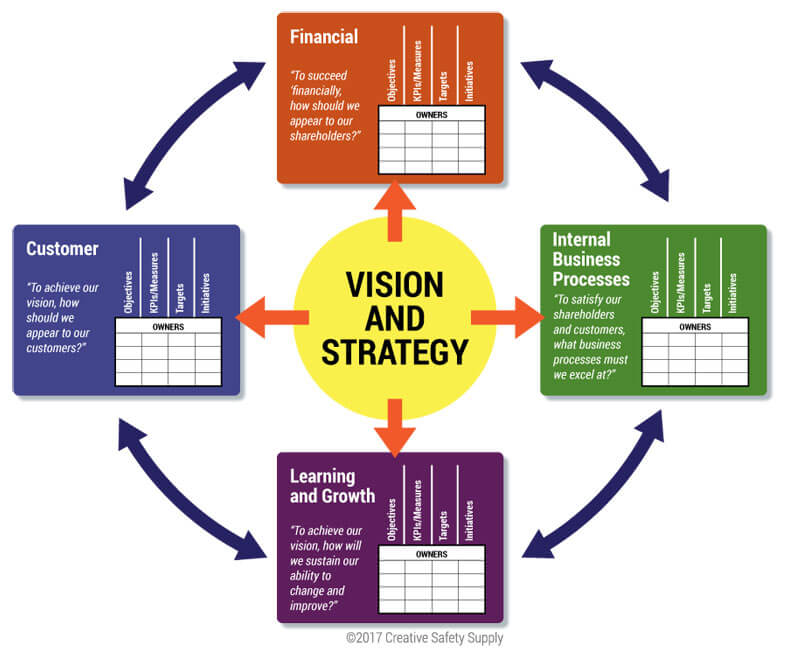



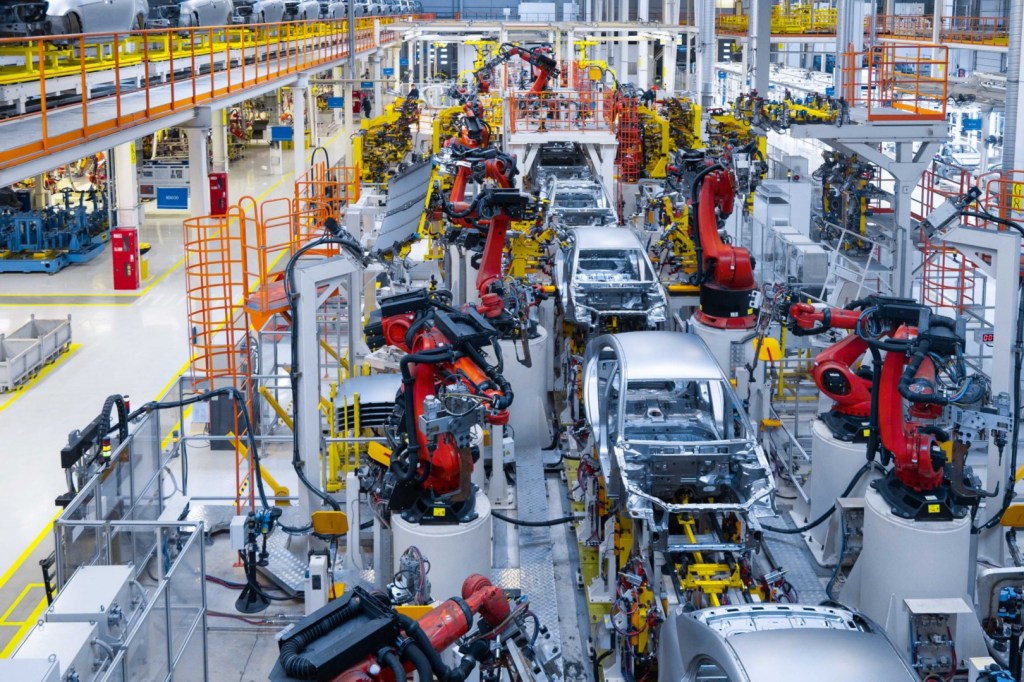
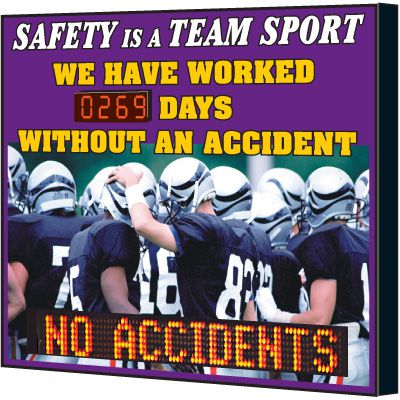
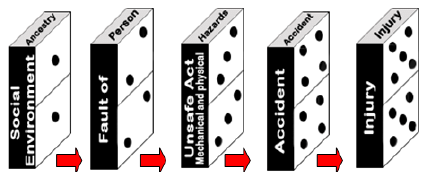
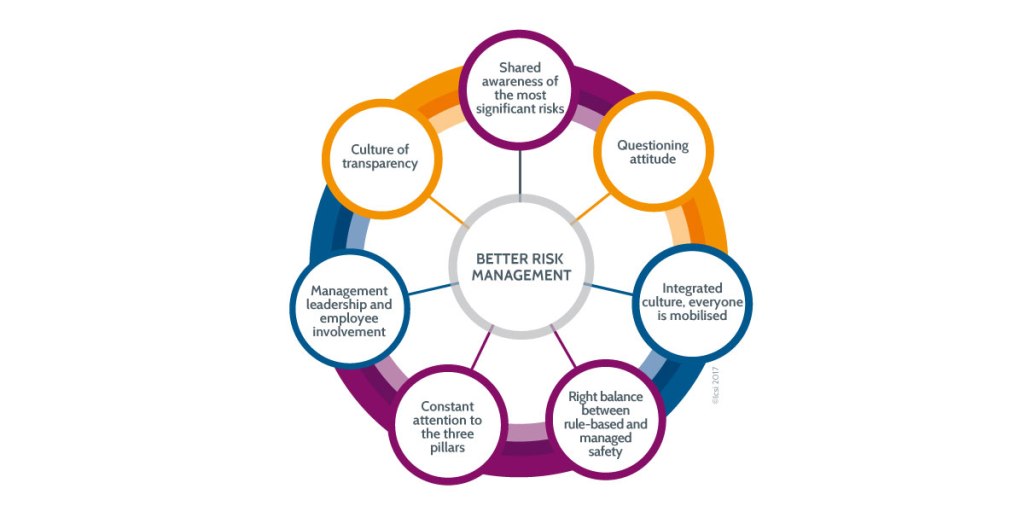
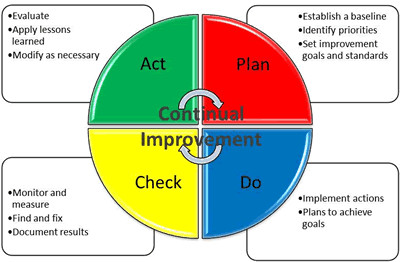
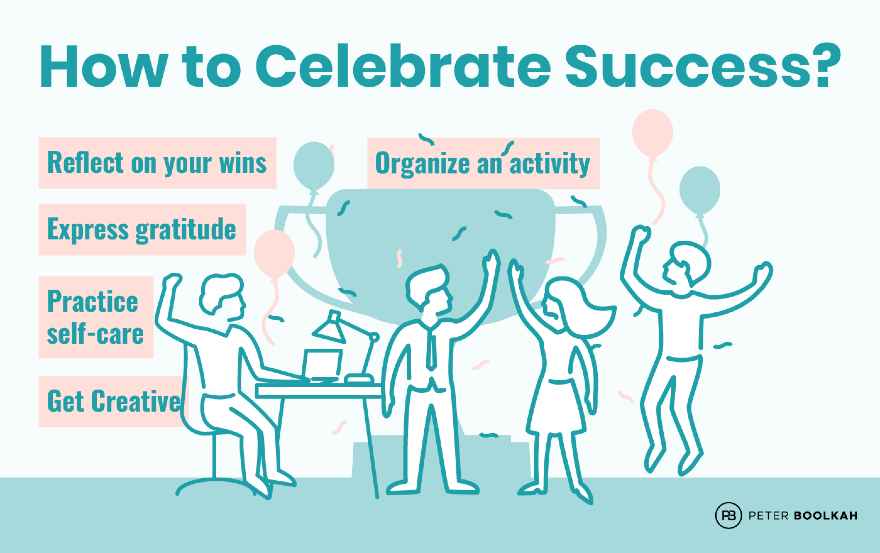



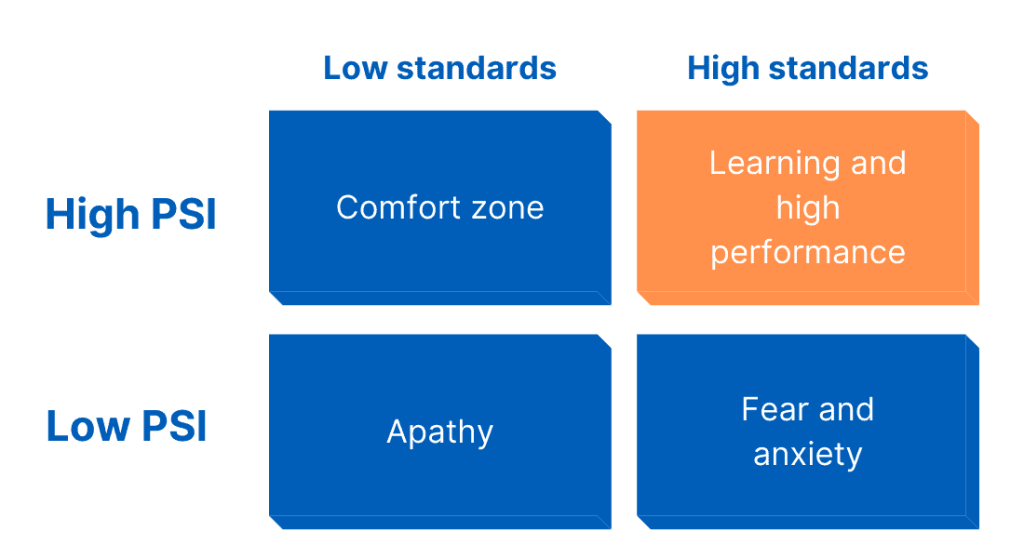
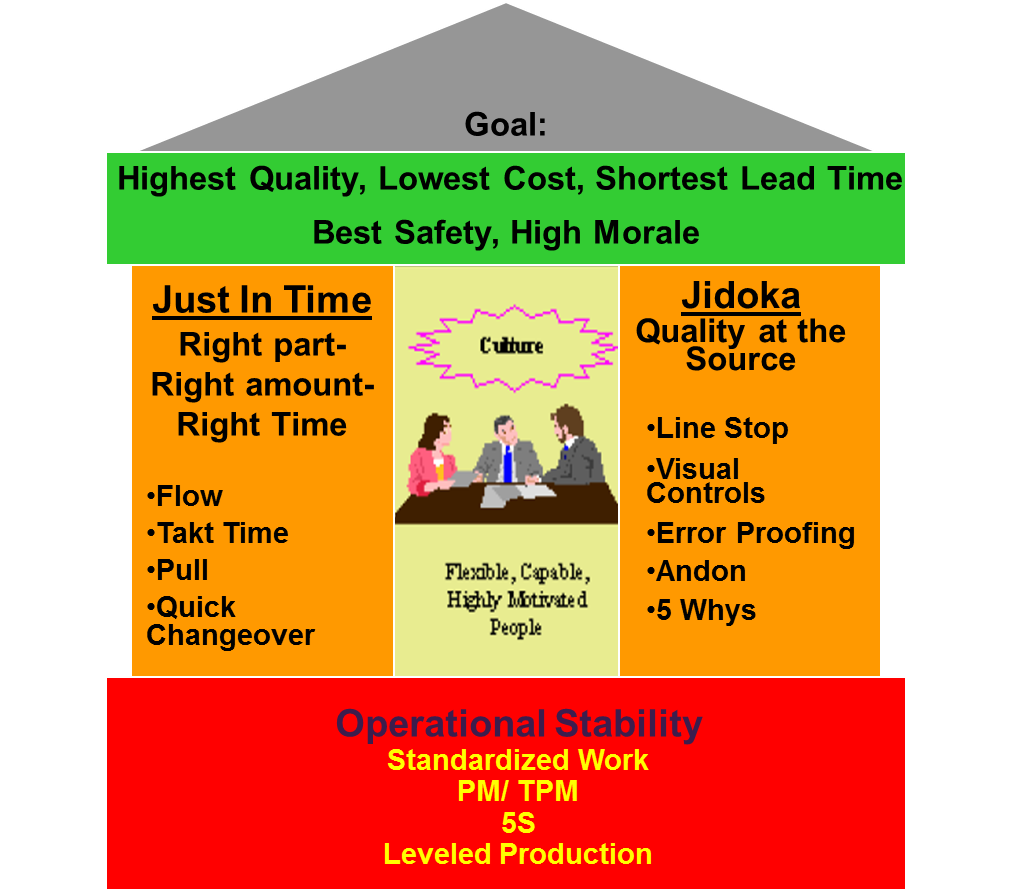
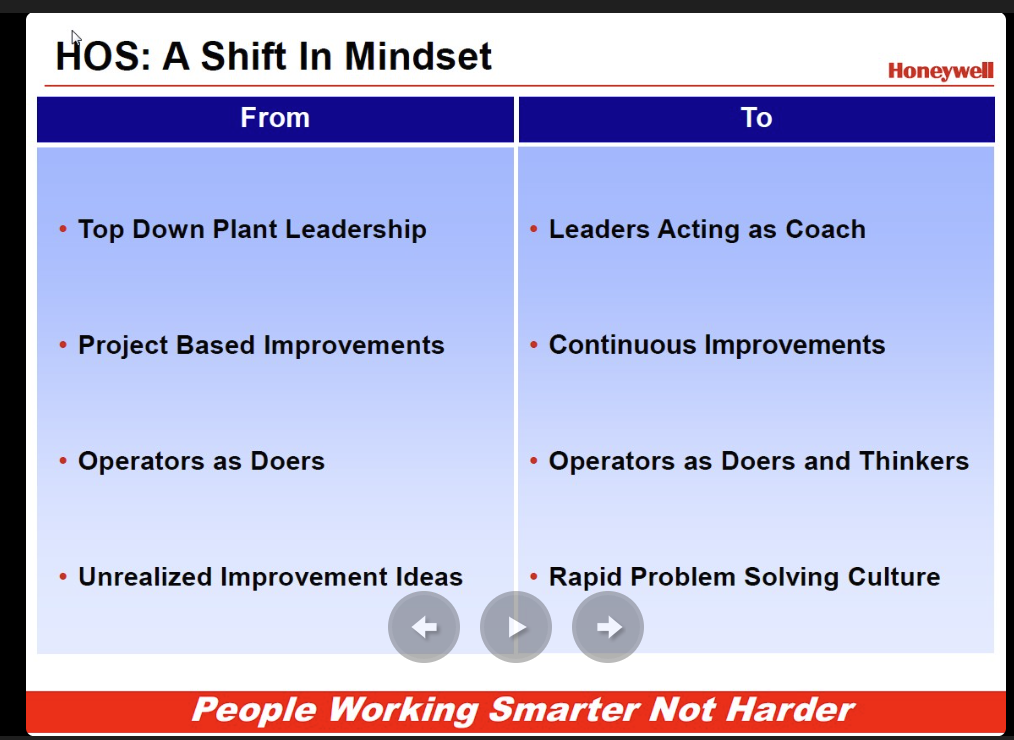
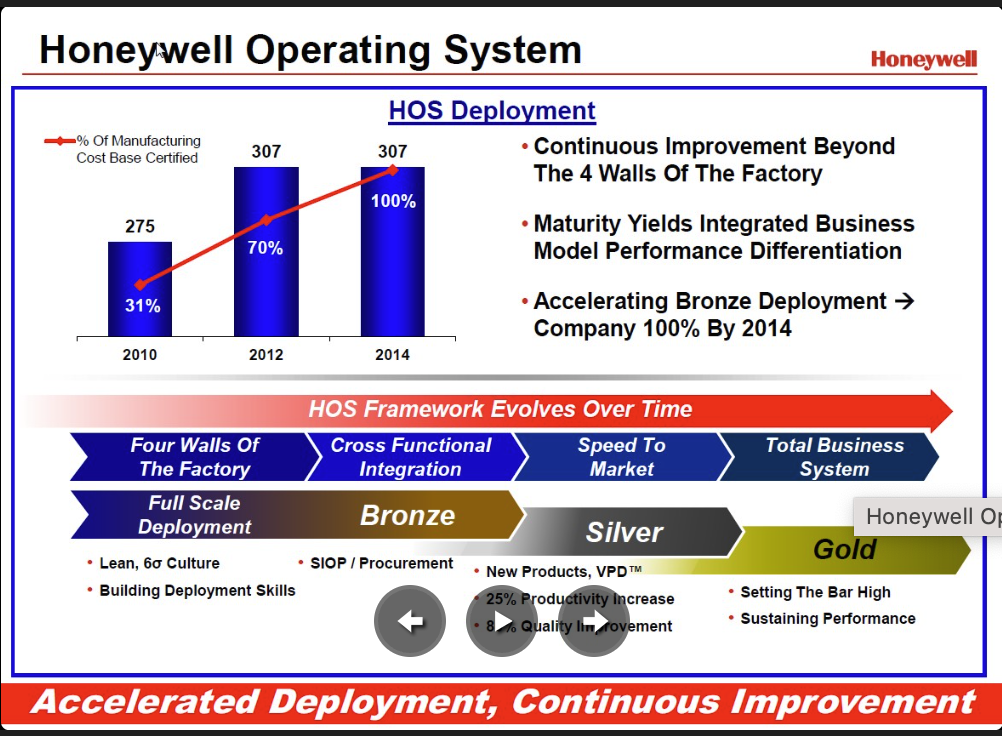

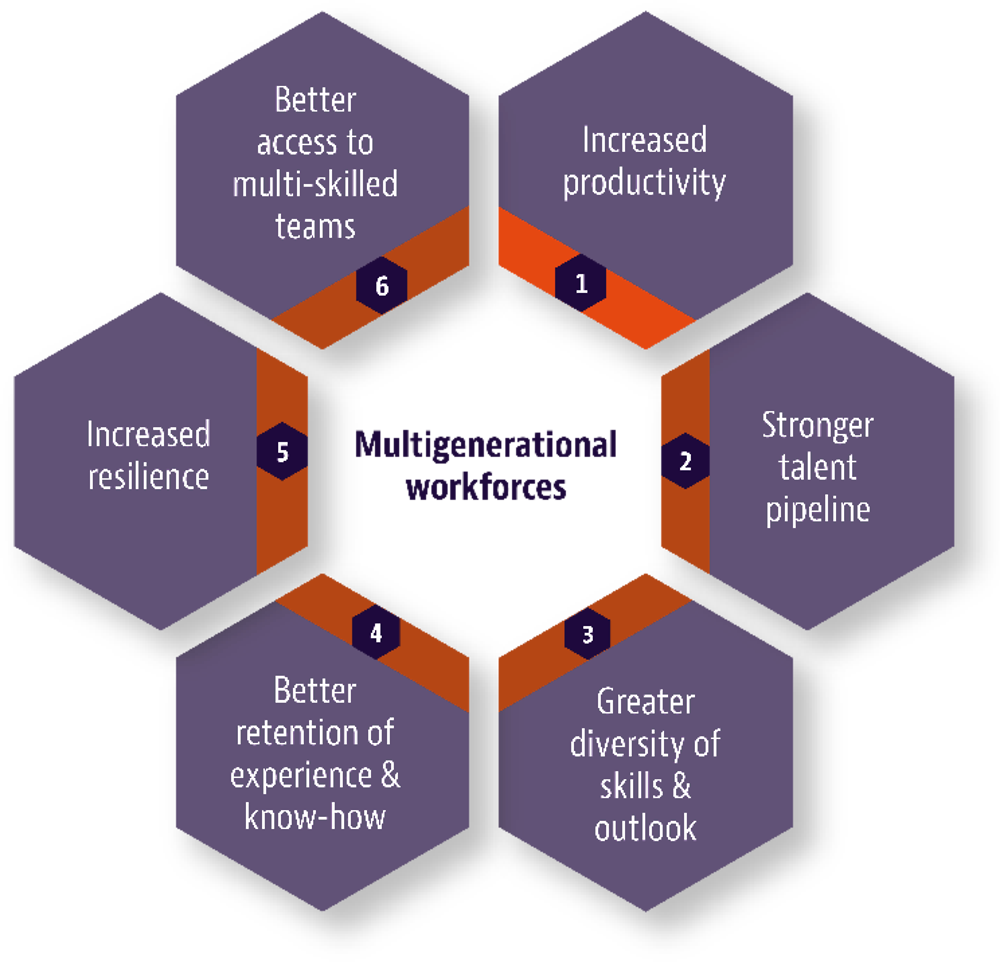
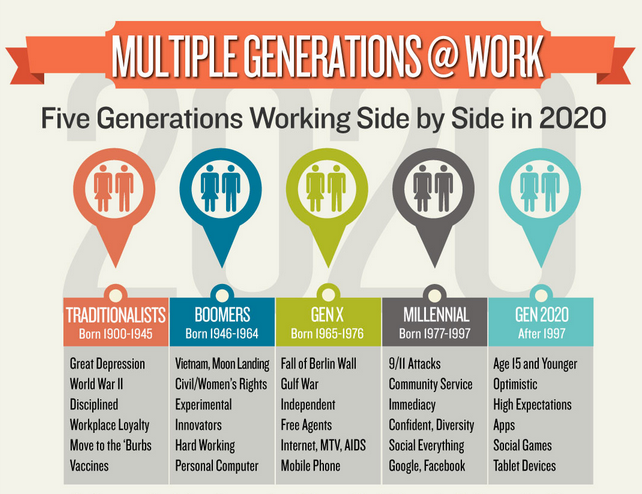

 Health, Environment, Safety, Sustainability (HESS)