

#130
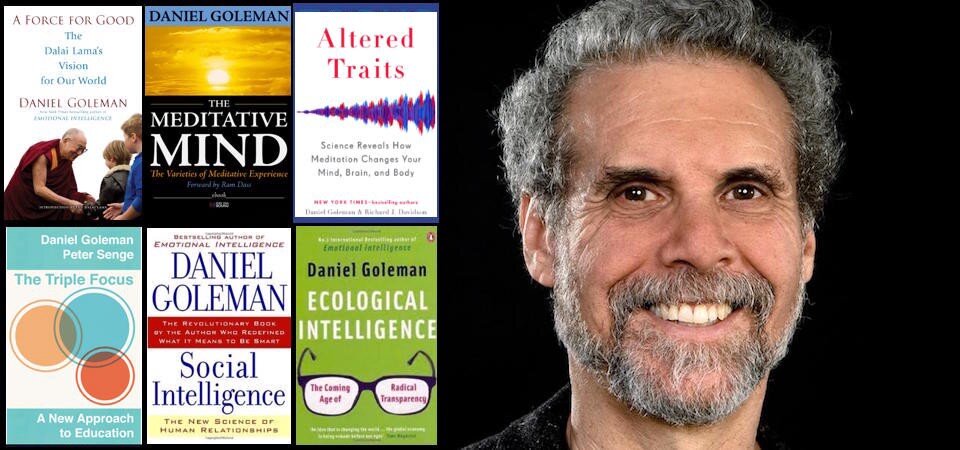
I tuned into Dan Goleman’s captivating talk at Google Campus through Authors@Google, where he delved into the realm of Social Intelligence (SI). Known for his books on Emotional Intelligence (EI), Goleman’s insights are notably practical. His discourse sparked thoughts on how EHS professionals can leverage his concepts, implementing them practically to foster growth in both personal and professional domains. It got me contemplating how these principles could be embraced within the EHS realm to enhance safety practices, foster stronger team dynamics, and stimulate personal and professional development within the field.
What are EI, SI and IQ etc. (EQ,SQ,IQ).

IQ (Intelligence Quotient):
- Definition: IQ measures cognitive abilities, logical reasoning, problem-solving skills, and linguistic and mathematical capabilities.
- Focus: Emphasizes traditional cognitive abilities, often measured through standardized tests.
- Role at Workplace: Historically important, but doesn’t encompass emotional, social, or cultural aspects crucial for success in diverse work environments.
EI (Emotional Intelligence):
- Definition: EI involves the ability to understand and manage emotions, both of oneself and others.
- Focus: Centers on emotional awareness, self-regulation, empathy, motivation, and social skills.
- Role at Workplace: Critical for effective leadership, teamwork, conflict resolution, and decision-making, enhancing overall workplace dynamics.
SI (Social Intelligence):
- Definition: SI involves understanding social situations, navigating social dynamics, and effectively interacting with others.
- Focus: Focuses on social awareness, facility, synchrony, influence, and cognition.
- Role at Workplace: Facilitates effective communication, relationship-building, collaboration, and adaptability within diverse social contexts.
CI (Cultural Intelligence):
- Definition: CI refers to the capability to function effectively in culturally diverse settings, understanding and adapting to different cultural norms.
- Focus: Includes cultural awareness, knowledge, mindfulness, adaptation, and empathy.
- Role at Workplace: Essential for global businesses, promotes inclusive work environments, effective communication across cultures, and fosters cultural respect and sensitivity.
Integrating these intelligences into workplace practices acknowledges the multifaceted nature of human interaction, fostering a more inclusive, empathetic, and adaptable work environment, especially pertinent in the ESH field where human behavior and understanding are pivotal for safety measures.
Components:
Here are the key components for each intelligence:

Emotional Intelligence (EI):
- Self-awareness: Recognizing and understanding your own emotions.
- Self-regulation: Managing and controlling your emotions effectively.
- Motivation: Channeling emotions towards specific goals.
- Empathy: Sensing others’ emotions and understanding their perspectives.
- Social skills: Interacting harmoniously with others, fostering relationships and networks.
Social Intelligence (SI):
- Social awareness: Sensing social dynamics and cues in various situations.
- Social facility: Navigating social interactions smoothly, adapting to different contexts.
- Synchrony: Establishing rapport and attuning with others’ emotions and behaviors.
- Social influence: Understanding and leveraging social situations for positive outcomes.
- Social cognition: Comprehending social structures, norms, and dynamics.
Cultural Intelligence (CI):
- Cultural awareness: Recognizing cultural differences and similarities.
- Cultural knowledge: Understanding the beliefs, values, and practices of different cultures.
- Cultural mindfulness: Being open-minded and respectful towards diverse cultures.
- Cultural adaptation: Adapting behaviors and communication styles in different cultural settings.
- Cultural empathy: Understanding and empathizing with individuals from diverse cultural backgrounds.
These components collectively contribute to a well-rounded set of skills that are pivotal in navigating the complexities of the modern workplace, especially within the ESH field.
Developing CI, EI, and SI skills involves deliberate practice and self-awareness. Here’s how EHS professionals can cultivate these skills:
1. Emotional Intelligence (EI):
- Self-Awareness: Reflect on your emotions, triggers, and reactions in different situations. Consider journaling to track emotions and responses to workplace scenarios.
- Self-Regulation: Practice techniques like mindfulness or deep breathing to manage stress and emotions. Identify strategies to stay calm and focused during high-pressure situations.
- Empathy & Social Skills: Actively listen to colleagues and understand their perspectives. Practice empathy by acknowledging and validating others’ emotions, fostering stronger connections.
2. Cultural Intelligence (CI):
- Cultural Learning: Engage in cultural learning experiences, such as attending cultural events, reading diverse literature, or even learning a new language. Immerse yourself in different cultural practices.
- Observation & Adaptation: Observe and learn from colleagues from diverse backgrounds. Adapt your communication style and behaviors based on cultural nuances you observe.
- Open-mindedness: Embrace curiosity and open-mindedness towards different cultural norms, avoiding judgment or assumptions.
3. Social Intelligence (SI):
- Relationship Building: Actively engage in team-building activities, fostering connections and understanding team dynamics. Build rapport by showing genuine interest in colleagues’ lives and experiences.
- Conflict Resolution: Practice resolving conflicts peacefully, considering different perspectives. Learn to navigate social situations adeptly and diplomatically.
- Observation & Context: Pay attention to social cues and behaviors in various situations. Understand how social dynamics impact interactions and team dynamics.
Professional development courses, workshops, and coaching focusing on EI, CI, and SI can also be beneficial. Role-playing scenarios, case studies, and mentorship programs centered around these intelligences can provide practical experiences to hone these skills.
Lastly, seeking feedback from peers or supervisors can offer valuable insights into areas for improvement. Continuous self-assessment and learning will gradually enhance these critical skills essential for EHS professionals in today’s diverse workplaces.
Practical Implementation at workplace:-
Focusing on Emotional Intelligence (EI), Social Intelligence (SI), and Cultural Intelligence (CI) in the realm of workplace safety is crucial. Here’s a rundown:
- Enhanced Communication: EI and SI empower professionals to communicate effectively, ensuring safety protocols are understood and followed by everyone, irrespective of cultural or social differences.
- Conflict Resolution: Understanding emotions helps in diffusing conflicts before they escalate. CI aids in comprehending diverse perspectives, avoiding misunderstandings that might compromise safety measures.
- Leadership & Team Dynamics: EI assists leaders in empathizing with their team, fostering a safer and supportive environment. SI enables cohesive teamwork despite varied backgrounds, improving overall safety consciousness.
- Adaptability & Decision-making: CI equips ESH professionals to adapt safety procedures to different cultural norms. EI assists in making decisions rooted in empathy and understanding, prioritizing both safety and cultural context.
- Risk Perception: High EI aids in recognizing emotional cues related to potential risks. SI helps in understanding the social dynamics that might influence safety behaviors, fostering a proactive safety culture.
Let’s break it down further for EHS (Environment, Health, and Safety) linkage.
- Enhanced Communication:
- Why it Matters: Effective communication is the backbone of safety protocols. EI enables professionals to convey safety guidelines in a way that resonates with diverse teams, considering their emotional responses and ensuring clarity.
- Example: An EHS officer with high EI tailors safety instructions to resonate with different team members, ensuring everyone comprehends and adheres to protocols despite varying cultural backgrounds or communication styles.
- Conflict Resolution:
- Why it Matters: Emotions often fuel conflicts that can jeopardize safety. Understanding emotions helps resolve issues before they escalate, while CI ensures perspectives from different cultural viewpoints are considered.
- Example: An EHS manager mediates a disagreement between team members, utilizing EI to defuse emotions and CI to comprehend the cultural nuances influencing the conflict, thus preserving a safer work environment.
- Leadership & Team Dynamics:
- Why it Matters: EI assists leaders in connecting with their team on a personal level, fostering trust and psychological safety. SI enables cohesive teamwork despite diverse backgrounds, ensuring a shared commitment to safety.
- Example: An EHS supervisor demonstrates EI by understanding team members’ concerns about a new safety procedure. SI allows the team to collaborate effectively despite varied backgrounds, ensuring collective commitment to safety goals.
- Adaptability & Decision-making:
- Why it Matters: CI enables adaptation of safety measures to align with diverse cultural norms without compromising safety. EI guides decision-making by considering the emotional impact of safety procedures within different cultural contexts.
- Example: An EHS consultant modifies safety training methods to suit cultural preferences without compromising effectiveness, while EI ensures decisions resonate emotionally with team members across cultures.
- Risk Perception:
- Why it Matters: EI helps in recognizing emotional cues that signal potential risks, while SI aids in understanding social dynamics that might influence safety behaviors.
- Example: An EHS professional with high EI notices subtle emotional cues indicating discomfort with a safety procedure, prompting them to reassess and address the concerns proactively. Meanwhile, SI helps in understanding social behaviors that could compromise safety.
By mastering these intelligences, EHS professionals create a safer work environment by addressing not just physical hazards but also considering the emotional, social, and cultural aspects that impact safety practices.
Karthik
9th Dec 23, Bangalore.
 Health, Environment, Safety, Sustainability (HESS)