

The COVID-19 pandemic has brought mental health concerns to the forefront, commanding attention globally. Issues related to mental well-being have permeated both personal lives and workspaces. Unlike earlier times when discussing mental health concerns was considered taboo, there’s now a noticeable shift toward openness in addressing these issues.
Personally, I have always perceived myself as resilient against mental health challenges. However, recent events, including my battle with COVID-19(Jan 2022) and a subsequent bout of pneumonia in September 2023, have left me feeling unexpectedly vulnerable. Recent experiences of few situations, have prompted me to take a significant pause and reevaluate my own mental well-being, a departure from my usual gutsy approach.
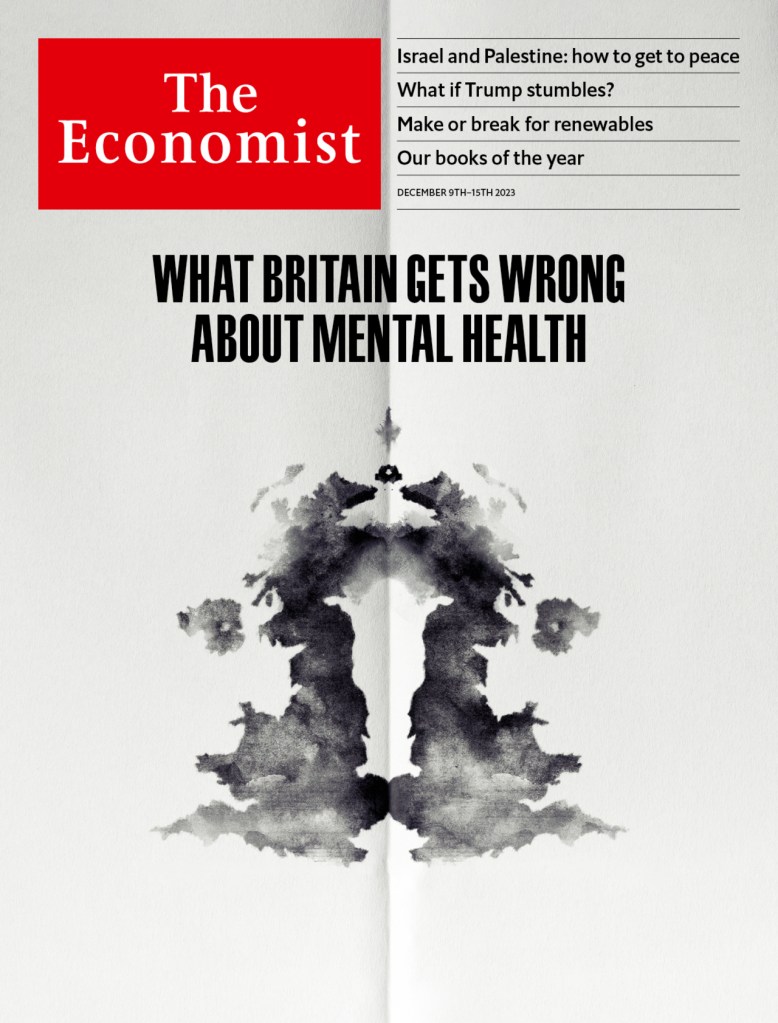
Therefore, I’ve chosen to delve into the topic of Mental Health and well being for this blog post. Coincidentally, this week’s issue of The Economist UK Edition features Mental Health as its cover story, emphasizing the growing recognition of this critical issue in the UK and beyond. I have kept this blog post very generic (Non EHS)!!
What is Mental Health and Well Being:-
Mental health encompasses our emotional, psychological, and social well-being. It affects how we think, feel, and act, influencing how we handle stress, relate to others, and make choices. It’s crucial because:
- Overall Well-being: Mental health is fundamental to our overall well-being, impacting how we navigate life, handle stress, and make decisions.
- Productivity: A positive mental state contributes to productivity and effectiveness in both personal and professional aspects of life.
- Relationships: It influences how we form relationships, communicate, and interact with others, both at work and in personal life.
- Physical Health: Mental health isn’t isolated; it’s intertwined with physical health. Poor mental health can affect physical health and vice versa.
- Quality of Life: Good mental health is essential for enjoying life, coping with challenges, and realizing our potential.


++++++++++++++++++++++++
Understanding mental health involves recognizing the range of emotions and behaviors that constitute a healthy mental state, such as:
- Emotional Well-being: The ability to manage emotions effectively and maintain a positive outlook.
- Psychological Resilience: Coping with stress, setbacks, and life’s challenges without crumbling.
- Healthy Relationships: Forming and maintaining supportive and meaningful connections.
- Self-care: Prioritizing self-care activities that promote mental well-being, such as exercise, adequate sleep, and relaxation techniques.
- Seeking Help: Recognizing when professional help is needed and being open to seeking support.
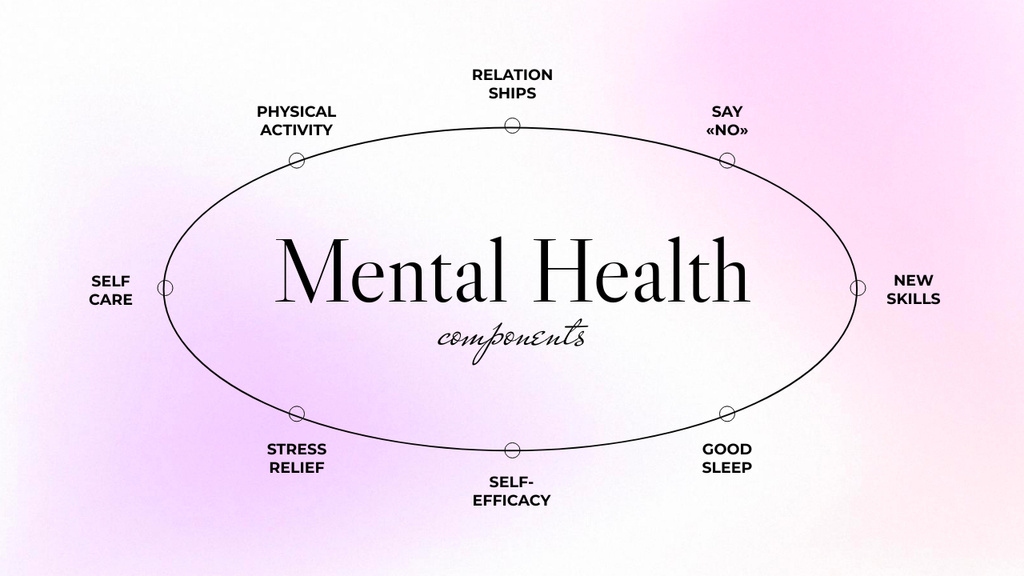
Let’s delve deeper into the key aspects of mental health:
- Emotional Well-being: It involves being aware of and accepting one’s feelings, managing stress, and coping with life’s challenges. Emotionally well individuals can express emotions in a healthy way and adapt to change.
- Emotional Regulation: The ability to understand and manage emotions, preventing them from overwhelming or controlling us.
- Self-Awareness: Recognizing and understanding one’s emotions, which helps in handling them effectively.
- Adaptability: The capacity to adjust to different situations, accept change, and remain resilient in the face of adversity.
- Psychological Resilience: This is the ability to bounce back from difficult experiences. It involves developing coping mechanisms, maintaining perspective during tough times, and using resources to overcome challenges.
- Coping Strategies: Healthy ways of dealing with stress and adversity, such as problem-solving, seeking social support, and practicing mindfulness.
- Optimism: Maintaining a positive outlook and believing in one’s ability to navigate through challenges.
- Healthy Relationships: Building and maintaining supportive connections with others is crucial for mental health. Healthy relationships provide a sense of belonging, support, and security.
- Communication: Effective communication skills are vital for expressing emotions, resolving conflicts, and building trust in relationships.
- Boundaries: Understanding and setting healthy boundaries in relationships helps maintain emotional well-being.
- Self-care: Engaging in activities that promote mental and emotional well-being is essential for overall health. This includes:
- Physical Activity: Regular exercise has proven benefits for mental health, reducing stress and improving mood.
- Quality Sleep: Adequate sleep is crucial for cognitive function, emotional regulation, and overall well-being.
- Mindfulness and Relaxation: Practices like meditation, deep breathing, or yoga can help manage stress and improve mental clarity.
- Seeking Help: Recognizing when professional support is needed is a sign of strength. Seeking help from therapists, counselors, or support groups can provide valuable guidance and support during challenging times.
Several factors contribute to the increasing recognition and concern about mental and emotional well-being in recent years:
- Stressful Work Environments: Work-related stress has escalated due to demanding work cultures, long hours, job insecurity, and high expectations. The constant pressure to perform can significantly impact mental health.
- Technological Influence: The digital age has brought about constant connectivity, blurring the lines between work and personal life. This continuous exposure to screens and social media can contribute to feelings of isolation, comparison, and anxiety.
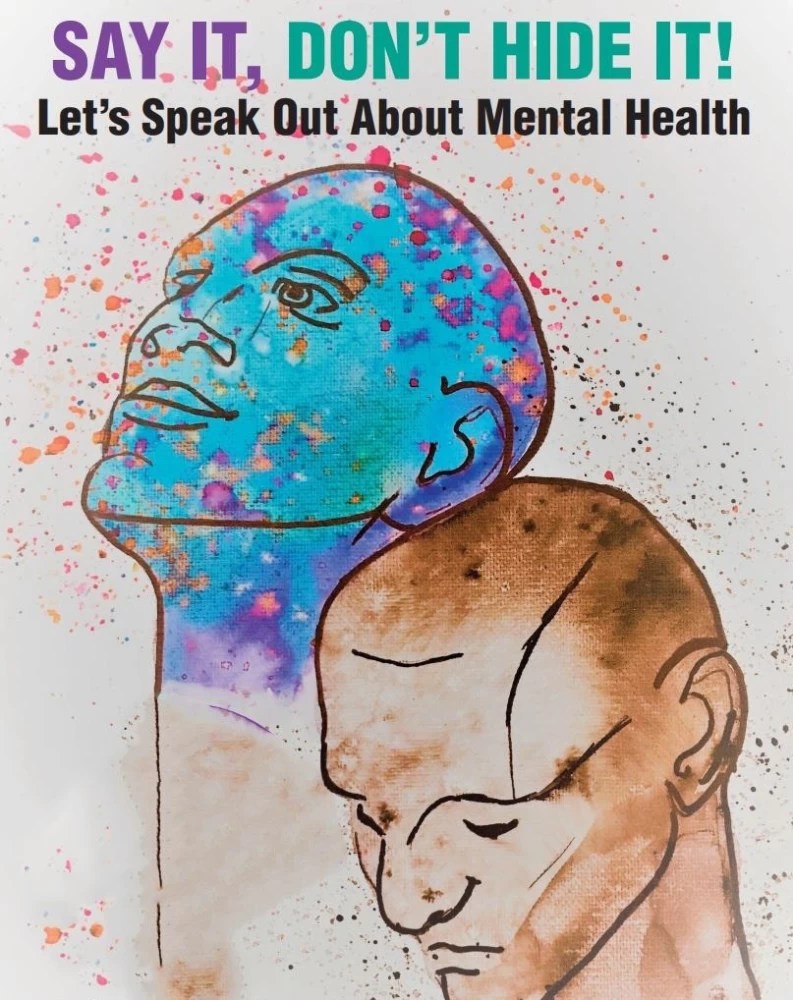
- Awareness and Advocacy: There’s been a positive shift in societal attitudes toward mental health. Increased advocacy, awareness campaigns, and high-profile individuals sharing their experiences have reduced the stigma associated with mental health issues, encouraging more people to seek help.
- Pandemic Impact: The COVID-19 pandemic exacerbated existing mental health challenges. Isolation, uncertainty, financial strain, and grief due to loss have led to a surge in anxiety, depression, and other mental health issues worldwide.
- Generational and Cultural Shifts: Younger generations are more vocal about mental health concerns, advocating for more open discussions and accessible resources. This shift in cultural attitudes has led to increased recognition of mental health as an integral part of overall well-being.
- Changing Social Dynamics: Factors like changing family structures, increased migration, and urbanization can affect social support systems, leading to feelings of disconnection and loneliness, impacting mental health.
- Environmental Stressors: Issues like climate change, natural disasters, and socio-political unrest contribute to increased stress and anxiety levels globally, affecting mental well-being.
Understanding these factors can help shape interventions and policies to address mental health challenges effectively.
++++++
Mental Health Awareness / Identification Tools and Aids:– (Suggestive only)
There are various diagnostic and awareness tools available that individuals or professionals can use to evaluate or identify mental health issues and well-being. Here are some commonly used ones:
- Mental Health Assessments: These are self-assessment questionnaires designed to evaluate mental health status, such as the PHQ-9 (Patient Health Questionnaire-9) for depression, GAD-7 (Generalized Anxiety Disorder-7) for anxiety, or the DASS-21 (Depression, Anxiety, and Stress Scale) for overall mental health assessment.
- Well-being Scales: Tools like the Warwick-Edinburgh Mental Well-being Scale (WEMWBS) or the PERMA Profiler measure different dimensions of well-being, including positive affect, life satisfaction, and psychological functioning.
- Stress Assessment Tools: Various tools assess stress levels, such as the Perceived Stress Scale (PSS), which evaluates the degree to which situations in one’s life are appraised as stressful.
- Mindfulness and Meditation Apps: Mobile applications like Headspace, Calm, or Insight Timer offer guided meditations and mindfulness exercises to improve mental well-being and reduce stress.
- Online Mental Health Screenings: Websites like Mental Health America or the National Alliance on Mental Illness (NAMI) provide free, anonymous online screenings for various mental health conditions.
- Biometric Wearables: Some wearable devices track biometric data like heart rate variability, sleep patterns, and activity levels, offering insights into stress levels and overall well-being.
- Psychological Assessments: These are conducted by mental health professionals and include standardized tests and clinical interviews to diagnose specific mental health disorders comprehensively.
When using these tools, it’s crucial to interpret the results with care and, if necessary, seek guidance from mental health professionals for a comprehensive evaluation and appropriate interventions. Incorporating these tools into workplace / Personal wellness programs or personal health assessments can aid in early identification and support for mental health issues.
+++
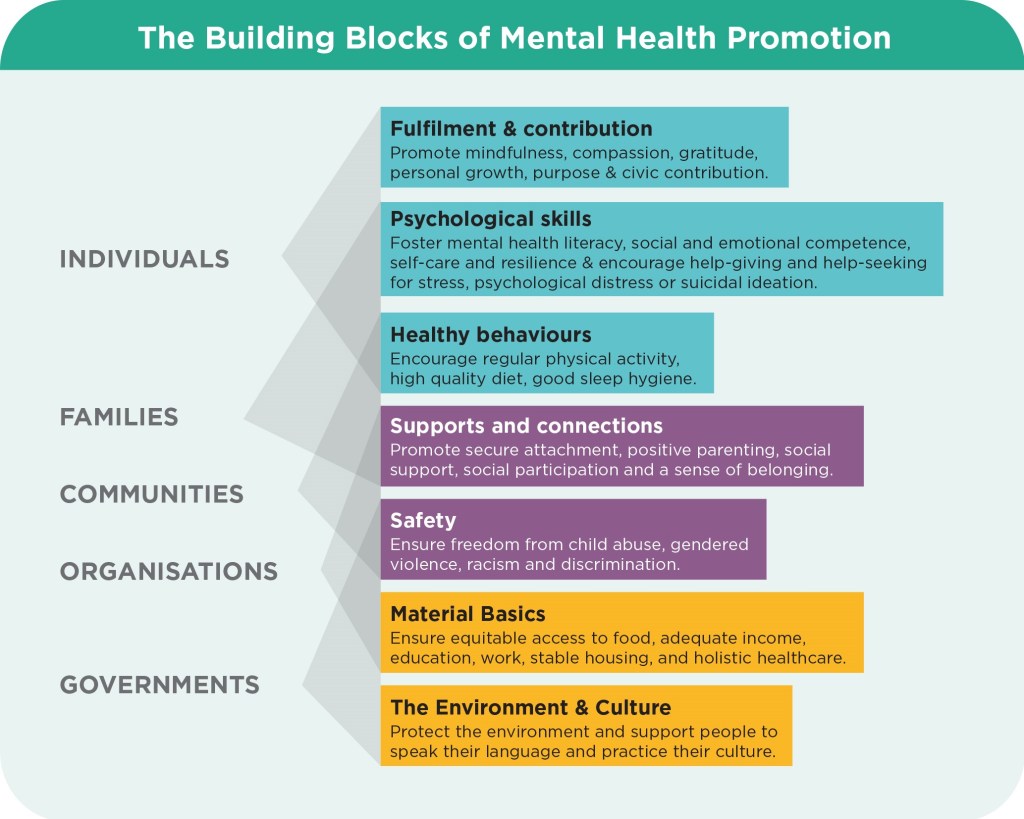
Individuals play a crucial role in managing their own mental health and well-being. Here are some steps individuals can take to support their mental health:
- Self-awareness: Recognize and acknowledge your emotions and feelings. Understand your stressors and triggers to better manage them.
- Self-care: Prioritize self-care activities that promote mental well-being, such as regular exercise, adequate sleep, healthy eating, and relaxation techniques like meditation or deep breathing exercises.
- Healthy Boundaries: Set boundaries in personal and professional life to avoid overcommitment or burnout. Learn to say no when necessary and prioritize your mental health.
- Build Support Systems: Cultivate meaningful relationships and social connections. Surround yourself with supportive friends, family, or support groups that provide emotional support and understanding.
- Stress Management: Practice stress management techniques such as mindfulness, meditation, yoga, or engaging in hobbies and activities that bring joy and relaxation.
- Seeking Help: Recognize when professional support is needed and be open to seeking help from therapists, counselors, or mental health professionals. Don’t hesitate to reach out if you’re experiencing persistent feelings of sadness, anxiety, or stress.
- Mindfulness and Mindset: Cultivate a positive mindset and practice mindfulness. Focus on the present moment, gratitude, and positive affirmations to foster resilience.
- Limiting Screen Time: Be mindful of your screen time and social media usage. Set boundaries to avoid excessive exposure to digital devices, which can contribute to stress and anxiety.
- Lifestyle Habits: Maintain a healthy lifestyle by managing alcohol consumption, avoiding substance abuse, and practicing moderation in all aspects of life.
- Continuous Learning: Educate yourself about mental health. Stay informed about different mental health conditions, symptoms, and available resources for support.
Remember, taking care of your mental health is an ongoing process. It’s essential to prioritize self-care, seek help when needed, and build resilience to navigate life’s challenges effectively. Being proactive about mental well-being contributes significantly to overall health and quality of life.
++++++++++++++

Here’s a list of specific solutions and initiatives that could greatly impact and improve mental health in various settings, particularly in the workplace:
- Implement Mental Health Programs: Organizations can introduce comprehensive mental health programs that include access to counseling services, stress management workshops, and mental health awareness campaigns. These programs destigmatize mental health issues and encourage seeking help when needed. They can work Mental health support policy.
- Flexible Work Arrangements: Offering flexible work schedules or remote work options can help employees achieve a better work-life balance, reducing stress and burnout.
- Promote Open Communication: Encourage open discussions about mental health in the workplace. Providing safe spaces for employees to talk about their experiences can foster a supportive environment.
- Leadership Training: Train managers and leaders on recognizing signs of mental health issues, creating supportive environments, and effectively managing stress within their teams.
- Workplace Wellness Initiatives: Introduce wellness programs that focus on physical health, mindfulness, and relaxation techniques, such as yoga classes, meditation sessions, or subsidized gym memberships.
- Employee Assistance Programs (EAPs): Provide access to confidential counseling services and resources for employees facing personal or work-related challenges.
- Promote Work-Life Balance: Encourage employees to take breaks, utilize their vacation time, and disconnect from work outside of working hours.
- Peer Support Networks: Establish peer support groups or networks where employees can connect and support each other, fostering a sense of community and understanding.
- Training and Education: Conduct workshops and training sessions to educate employees about mental health, stress management, and resilience-building strategies.
- Access to Mental Health Resources: Ensure easy access to mental health resources, such as helplines, online self-help tools, and referrals to mental health professionals.
By incorporating these initiatives into workplace or advocating for their implementation, organiations can contribute significantly to improving mental health in professional settings.
Karthik.
11th Dec 2023 Bangalore.
+++++++++++++++++++++++++++++++++++++++++++++++
Here’s a list of references across different mediums that provide valuable insights into mental health:

Articles and Websites:
- National Institute of Mental Health (NIMH): Offers comprehensive information, research, and resources on various mental health topics.
- Mayo Clinic – Mental Health: Provides reliable information on mental health conditions, symptoms, and treatments.
- Psychology Today: Covers a wide range of articles written by mental health professionals on various mental health topics.
- The Guardian – Mental Health Section: Features articles and discussions on mental health issues and developments.
Videos and TED Talks:
- TED Talks on Mental Health: A collection of TED Talks by experts discussing various aspects of mental health.
- The School of Life YouTube Channel: Provides insightful videos on mental health, relationships, and personal development.
- NAMI (National Alliance on Mental Illness) YouTube Channel: Offers educational videos on mental health conditions, advocacy, and support.
Books:
- “Lost Connections: Uncovering the Real Causes of Depression – and the Unexpected Solutions” by Johann Hari: Explores societal factors contributing to depression and offers alternative perspectives.
- “The Body Keeps the Score: Brain, Mind, and Body in the Healing of Trauma” by Bessel van der Kolk: Focuses on trauma and its impact on mental health.
- “Maybe You Should Talk to Someone: A Therapist, HER Therapist, and Our Lives Revealed” by Lori Gottlieb: Provides insights into therapy and the human experience.
- “The Noonday Demon: An Atlas of Depression” by Andrew Solomon: Offers a comprehensive look at depression from personal, cultural, and scientific viewpoints.
- “The Happiness Hypothesis: Finding Modern Truth in Ancient Wisdom” by Jonathan Haidt: Explores the psychology of happiness and well-being.
Online Resources:
- Mental Health America: Offers various resources, screenings, and information on mental health.
- Mind – UK Mental Health Charity: Provides resources, support, and information on mental health in the UK.
- Headspace App: Offers guided meditations and mindfulness exercises to promote mental well-being.
 Health, Environment, Safety, Sustainability (HESS)