Mental Health- Revisit.

#147

I have written a few blog posts on this topic. It appears that the issue of mental health issue needs addressing than previously thought.

Navigating the Unseen Challenges: Mental Health in Manufacturing

Greetings,! Today, let’s delve into a topic often shrouded in silence within the echoing halls of manufacturing plants — mental health. In the dynamic world of manufacturing in India, where the rhythmic hum of machinery often drowns out underlying issues, it’s time to shine a spotlight on a critical aspect often overlooked – the well-being of our workforce.
As an Environment, Health, and Safety professional with a keen eye for the intricacies of workplace dynamics, I’ve witnessed the resilience of the manufacturing industry. However, behind the clinking of gears and the whirring of assembly lines, there exists a realm of challenges that are poorly understood and seldom discussed — the mental health of our workforce.

In this blog post, we embark on a journey to unravel the complexities surrounding mental health in the manufacturing sector, especially in the Indian context. We’ll navigate through the fog of misconceptions, aiming to raise awareness and spark conversations that are long overdue.

Join me as we explore the stressors unique to the manufacturing environment, the impact on productivity, and the cultural nuances that contribute to a collective silence on mental health. Let’s not only identify the gaps but also seek solutions, drawing inspiration from global best practices and evaluating the effectiveness of existing support systems.

As we step into the realm of mental health in manufacturing, let’s foster an environment where understanding and compassion take precedence. It’s time to break the silence and pave the way for a healthier, more resilient workforce in the heart of India’s manufacturing prowess.

India’s manufacturing sector is a powerhouse, churning out goods and propelling the country’s economic growth. But behind the gleaming statistics lies a hidden cost: the toll on the mental health of the millions who power this engine. In the face of long hours, high-pressure deadlines, and repetitive tasks, the seeds of stress, anxiety, and even depression are sown. Let’s delve into the specific stressors plaguing the Indian manufacturing environment and explore the mental health challenges they pose.

1. The Clock’s Cruel Grip: Long working hours, often exceeding 12 hours, are a common reality in many Indian factories. This relentless march against the clock leaves little room for personal life, leisure, or precious sleep. The constant pressure to meet quotas and deadlines fuels a chronic state of anxiety, leading to burnout and exhaustion.

2. Deadline Demons: The mantra of “fast and efficient” often translates to tight deadlines and high-pressure work environments. This leaves little room for error, pushing workers to the edge of their capabilities. The fear of failure and reprimands hangs heavy, creating a toxic cocktail of stress and anxiety that can manifest in physical ailments and emotional breakdowns.

3. Monotony’s Mind-Numbing Maze: Repetitive tasks, often involving the same motions for hours on end, can be soul-crushing. The lack of mental stimulation and creative freedom leads to boredom, disengagement, and a sense of purposelessness. This can manifest as depression, low motivation, and a feeling of being trapped in a cycle of endless repetition.

4. The Heat is On: India’s scorching summers can create an unbearably hot and humid working environment in factories, especially those lacking proper ventilation. This physical discomfort adds another layer of stress, exacerbating fatigue and hindering productivity. The constant battle against the heat can drain energy and lower morale, further impacting mental well-being.

5. The Invisible Hierarchy: Power dynamics and hierarchical structures within factories can create a culture of fear and intimidation. The pressure to please superiors and avoid reprimands can lead to anxiety and a suppressed sense of self-worth. This can be particularly detrimental for women and lower-wage workers, who may face additional challenges like discrimination and harassment.

The Cost of Silence: Ignoring these stressors comes at a heavy price. Mental health challenges in the manufacturing sector can lead to increased absenteeism, decreased productivity, and higher accident rates. It can also have a ripple effect, impacting workers’ families and communities.

A Call to Action: Recognizing the mental health burden on India’s manufacturing workforce is crucial. Companies must actively promote healthy work environments by:

  • Implementing flexible work schedules and breaks.
  • Providing training and support for managing stress and anxiety.
  • Creating open communication channels for voicing concerns and seeking help.
  • Investing in ergonomic improvements and temperature control measures.
  • Building a culture of respect and inclusivity.

By addressing these stressors and prioritizing mental well-being, India’s manufacturing sector can truly flourish, not just in terms of economic output, but also in terms of its human capital. Let’s make sure the engine of growth doesn’t run on the fuel of mental health neglect.

+++

The lack of awareness about mental health among workmen is a critical issue with cascading consequences not just for individuals, but for organizations and their safety measures too. Here are some points to expand on your existing blog post:

Lack of Awareness:

  • Stigma and Stereotypes: The “tough guy” stereotype and fear of judgment often prevent workmen from acknowledging their own mental health struggles or seeking help.
  • Limited Knowledge: Many workmen may not understand the signs and symptoms of common mental health issues, leaving them feeling confused and isolated.
  • Language Barrier: Access to information and resources on mental health in local languages may be limited, further hindering awareness and understanding.

Impact on Individuals:

  • Productivity Decline: Untreated mental health issues can lead to decreased concentration, increased absenteeism, and reduced motivation, impacting work performance and overall productivity.
  • Safety Concerns: Stress, anxiety, and depression can impair judgment and decision-making, potentially increasing the risk of accidents and injuries on the job.
  • Personal Consequences: Ignoring mental health needs can have a domino effect, affecting relationships, personal well-being, and overall quality of life.

Organizational Impact:

  • Financial Losses: Decreased productivity, higher absenteeism, and increased accident rates can significantly impact a company’s bottom line.
  • Employee Turnover: Poor mental health support can lead to a decrease in employee morale and loyalty, resulting in higher turnover rates and difficulty retaining skilled workers.
  • Negative Company Image: Ignoring employee mental health can damage a company’s reputation and make it less attractive to potential employees and customers.

Solutions and Awareness Strategies:

  • Mental Health Education: Provide workshops and training programs to educate workmen about common mental health issues, signs and symptoms, and available resources.
  • Destigmatization Efforts: Promote open conversations about mental health, fostering a culture of acceptance and understanding in the workplace.
  • Employee Assistance Programs (EAPs): Implement confidential EAPs that provide access to mental health professionals and support services.
  • Peer Support Groups: Create peer support groups where workmen can connect with others who understand their experiences, reducing feelings of isolation and providing additional support.
  • Mental Health Champions: Train designated individuals to act as mental health advocates within the workplace, providing information and support to their peers.

Remember, addressing mental health in the workplace is not just about being compassionate, it’s about creating a safer, more productive, and ultimately more successful environment for everyone involved. By raising awareness, promoting open communication, and providing accessible support, we can break the stigma and ensure that India’s manufacturing workforce can thrive both physically and mentally.

++++++

Global examples:

While the stigma surrounding mental health in the workplace is still present, several global manufacturers are blazing a trail by prioritizing their employees’ well-being. Here are some inspiring examples of best practices from around the world:

Johnson & Johnson:

  • Healthy Mind program: This comprehensive initiative includes confidential mental health services, stress management workshops, and financial assistance programs.
  • Workplace risk analysis: J&J regularly assesses work environments and practices to identify potential stressors and implement preventive measures.
  • Manager training: Managers are equipped with skills to recognize signs of mental distress and support their employees effectively.

Unilever:

  • Mindful Moments: This global program offers guided meditations and relaxation exercises accessible to all employees.
  • Employee Assistance Program (EAP): Unilever’s EAP provides confidential counseling and support services for employees and their families.
  • Championing openness: Unilever encourages open conversations about mental health through campaigns and employee storytelling.

Union Pacific Railroad:

  • “Healthy Mind, Healthy Body” program: This program offers a range of initiatives, including stress management tools, mindfulness training, and access to mental health professionals.
  • Resiliency training: Union Pacific equips employees with coping skills to navigate challenging situations and build emotional resilience.
  • Peer support network: A network of trained volunteer employees provides confidential support and guidance to their colleagues.

RK Machinery:

  • Flexible work arrangements: Offering flexible work schedules and remote work options helps employees manage stress and maintain a healthy work-life balance.
  • Workplace wellness programs: Regular yoga classes, fitness challenges, and healthy eating initiatives promote overall well-being.
  • Culture of inclusivity: RK fosters a supportive and open environment where employees feel comfortable discussing mental health concerns.

Barry-Wehmiller Companies:

  • “We Care” program: This comprehensive program provides access to mental health resources, confidential counseling, and financial support for employees facing difficult times.
  • Employee Resource Groups (ERGs): ERGs focused on mental health provide a safe space for peer support and sharing experiences.
  • Leadership commitment: Barry-Wehmiller’s leadership actively promotes mental health awareness and prioritizes employee well-being.

These are just a few examples, and the landscape of mental health support in manufacturing is constantly evolving. Global companies are leading the way by:

  • Investing in evidence-based programs and resources.
  • Creating a culture of openness and acceptance.
  • Empowering employees to take control of their mental health.
  • Training managers and supervisors to support their teams.
  • Measuring the impact of their initiatives and making continuous improvements.

By following these best practices and destigmatizing mental health conversations, global manufacturers can create healthier, happier, and more productive workplaces for everyone.

Indian Scenario:

While the global examples are great to learn from, let’s bring it closer to home and see how Indian companies are also stepping up to support their employees’ mental health. Here are a few inspiring examples:

1. Tata Consultancy Services (TCS):

  • TCS Cares: This comprehensive program offers a range of resources, including confidential counseling sessions, self-help tools, peer support groups, and mental health awareness workshops.
  • mPower Mind: This mobile app provides access to mental health information, self-assessment tools, and emergency contacts for immediate support.
  • Focus on manager training: TCS trains managers to identify signs of mental distress and effectively support their team members.

TCS Cares logo

2. Mahindra & Mahindra:

  • “Mind Matters” program: This program offers confidential counseling services, stress management workshops, and financial assistance for employees facing mental health challenges.
  • Pulse surveys: Mahindra regularly conducts anonymous surveys to assess employee well-being and identify areas for improvement.
  • Employee wellness initiatives: The company organizes yoga classes, meditation sessions, and other activities to promote overall mental and physical health.

3. Wipro:

  • “Happiness Quotient” program: This program focuses on building resilience and emotional well-being through workshops, coaching sessions, and access to mental health professionals.
  • Mental health awareness campaigns: Wipro regularly organizes campaigns to destigmatize mental health and encourage open conversations.
  • Partnerships with NGOs: Wipro collaborates with NGOs to provide mental health services to its employees and their families.

4. Infosys:

  • “Infosys Springboard” program: This program provides access to confidential counseling services, stress management workshops, and financial assistance for employees facing mental health challenges.
  • “Mindful Me” app: This app offers guided meditations, relaxation exercises, and mental health resources to help employees manage stress and anxiety.
  • Culture of open communication: Infosys encourages employees to openly discuss mental health concerns with their managers and colleagues.

Infosys Springboard logo

These are just a few examples, and the Indian corporate landscape is increasingly recognizing the importance of mental health support. By following these best practices and creating a culture of openness and acceptance, Indian companies can create healthier, happier, and more productive workplaces for their employees.

Remember, prioritizing mental health is not just a cost-effective investment in employee well-being, but also a crucial step towards building a more sustainable and inclusive future for Indian businesses.

Stigma- A deep dive:
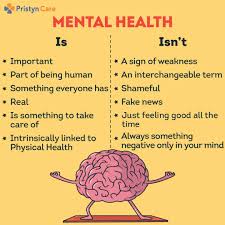
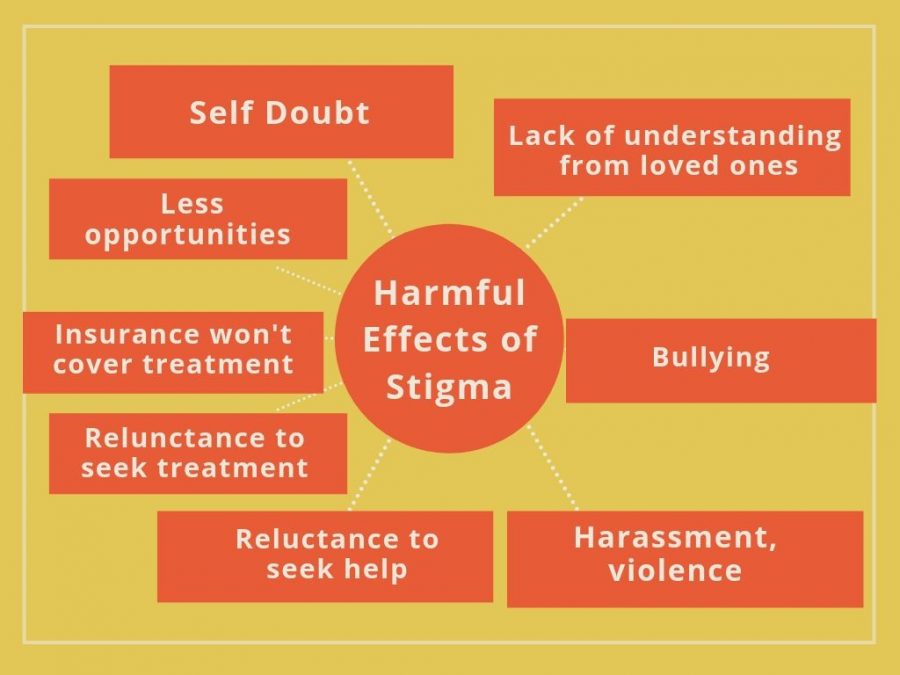
While Indian companies like TCS, Mahindra, and Infosys are taking impressive strides in supporting employee mental health, a formidable double barrier persists – the intertwined web of stigma and cultural factors that discourage open discussions and seeking help. Let’s delve into these complex issues:

Stigma:

  • Shame and fear of judgment: In Indian culture, mental illness is often associated with weakness, lack of character, or even possession by evil spirits. This fear of societal stigma and ostracization discourages open discussions and seeking help.
  • “Tough guy” mentality: The stereotype of the strong, stoic worker prevails, particularly in male-dominated environments like manufacturing. This pressure to remain emotionally impervious makes admitting vulnerability, even in private, incredibly difficult.
  • Confidentiality concerns: Concerns about confidentiality within factories and communities can be high. Fear of gossip or repercussions from superiors can dissuade employees from accessing mental health resources, even if available.

Cultural Factors:

  • Lack of awareness and understanding: Limited knowledge about mental health conditions and their symptoms often leads to misinterpretation and fear. Many perceive them as temporary emotional fluctuations or personal failings, not legitimate medical issues.
  • Traditional beliefs and remedies: Reliance on traditional healers and faith-based practices for mental health concerns is widespread. While these approaches may offer comfort, they can also delay or obstruct seeking professional help for serious conditions.
  • Family pressure and social stigma: Familistic cultures can heighten concerns about bringing shame to the family through acknowledging mental illness. This pressure to maintain a positive family image can prevent individuals from seeking necessary support.
  • Language barriers: Access to mental health resources in local languages and dialects is often limited, further disadvantaging a sizeable portion of the workforce.
Breaking the Double Barrier:

Combating these intertwined challenges requires a multi-pronged approach:

  • Destigmatization campaigns: Normalizing conversations about mental health through awareness programs, workshops, and employee testimonials.
  • Culturally sensitive education: Providing information about mental health conditions and available resources in local languages and formats.
  • Training for managers and supervisors: Equipping them to identify signs of distress, encourage open communication, and offer support while respecting cultural sensitivities.
  • Confidentiality and anonymity: Ensuring complete confidentiality for accessing mental health resources and building trust through privacy protocols.
  • Promoting holistic well-being: Encouraging healthy work-life balance, stress management techniques, and physical activity alongside mental health awareness.
  • Collaboration with local communities: Partnering with traditional healers and faith-based organizations to bridge the gap and promote evidence-based care.

Remember, addressing mental health in the Indian manufacturing sector requires a nuanced understanding of both the global best practices and the unique cultural context. By dismantling the double barrier of stigma and cultural factors, we can create an environment where seeking help for mental health becomes not a source of shame, but a path to well-being, productivity, and a brighter future for everyone.

Conclusion: Charting a New Course for Mental Well-being in Manufacturing

In drawing the curtains on our exploration of mental health in the manufacturing sector, it’s evident that we stand at the threshold of a transformative journey. The echoes of the shop floor, once solely filled with the sounds of production, now resonate with the imperative call for change — a change in how we perceive and address the mental well-being of our workforce.

As we reflect on the unique stressors, the dearth of awareness, and the silent struggles within our manufacturing plants, it becomes clear that the time for action is now. The productivity of our industry, the heart of our nation’s economic prowess, is intricately linked to the mental resilience of those who power it.

This blog post serves not only as an eye-opener but as a call to arms. Let us break the shackles of stigma, fostering an environment where conversations about mental health are as commonplace as discussions about production targets. It’s a call for organizations to invest not only in machinery but in the holistic well-being of their most valuable asset — their workforce.

As we navigate the uncharted waters of mental health in manufacturing, let’s draw inspiration from global best practices, adapt policies to the Indian context, and create workplaces that prioritize not just output but the health and happiness of every individual contributing to the production line.

I invite you, to share your thoughts, experiences, and suggestions. Let this be a collective effort, a dialogue that propels us toward a future where mental well-being is an integral part of the manufacturing narrative.

Thank you for joining me on this insightful journey. Together, let’s forge a path toward a more compassionate, resilient, and mentally healthy manufacturing landscape in India.

Karthik

17th Jan 2024.

PS: I shall take about 10 days off, see you later in the month.

EHS Dashboard.

An EHS (Environment, Health, and Safety) dashboard serves several crucial purposes:

  1. Visibility and Transparency: It provides a clear, visual representation of EHS performance across an organization, offering stakeholders a comprehensive view of safety and environmental aspects.
  2. Decision-Making Support: Helps in making informed decisions by presenting real-time and historical data, enabling quick responses to emerging risks and trends.
  3. Risk Management: Identifies potential hazards, trends in incidents, and areas of non-compliance, allowing for proactive risk mitigation strategies.
  4. Compliance Monitoring: Tracks adherence to regulatory requirements, ensuring that the organization meets legal obligations in terms of safety and environmental regulations.
  5. Continuous Improvement: Allows for the monitoring of progress towards EHS goals and targets, facilitating continuous improvement initiatives.
  6. Communication and Accountability: Serves as a communication tool, fostering accountability among stakeholders by showcasing responsibilities and performance against set objectives.
  7. Resource Allocation: Helps in allocating resources effectively by highlighting areas needing immediate attention or investment.
  8. Engagement and Culture: Encourages a culture of safety and environmental awareness by engaging employees at all levels through data-driven insights and encouraging participation in improvement initiatives.

Overall, an EHS dashboard acts as a strategic tool, aligning EHS efforts with broader organizational goals, enhancing performance, and ensuring a safer, healthier work environment while supporting sustainable practices.

Creating an effective EHS dashboard involves a few key ingredients:

  1. Key Performance Indicators (KPIs): Select relevant metrics like incident rates, near-miss reports, compliance status, training completion, etc. Tailor these to suit different levels:
    • Executive Level: Focus on high-level trends, compliance status, and overall performance summaries.
    • Managerial Level: Drill down into specific areas—department-wise incidents, training needs, or process compliance.
    • Operational Level: Real-time data, incidents, safety checks, and actionable insights for immediate response.
  2. Data Visualization: Use graphs, charts, and infographics for easy comprehension. Pie charts for incident types, trend lines for safety performance, and bar graphs for compliance rates are helpful.
  3. Trends and Analysis: Highlight trends over time to identify patterns, areas of improvement, or potential risks. (Data Analytics)
  4. User-Friendly Interface: Ensure it’s intuitive and user-friendly, allowing stakeholders to navigate and extract relevant information easily.
  5. Customization: Enable customization based on user roles or preferences. Executives might prefer an overview, while managers may need specifics.
  6. Real-Time Updates: Where feasible, integrate systems to provide real-time updates for immediate action.
  7. Ecosystems: (Please move away from MS-EXCEL)
    • Technological Integration: Link with existing EHS management systems for data input and extraction.
    • Training & Awareness: Integrate a section for training schedules, completion rates, and upcoming sessions.
    • Feedback Mechanism: Include a platform for incident reporting and feedback from employees.
    • Risk Assessment Tools: Incorporate tools for risk assessment, allowing for dynamic adjustments in safety protocols.

Remember, the dashboard should align with the company’s EHS goals, be adaptable, and evolve with changing needs. Tailoring information presentation to suit different levels ensures its relevance and effectiveness.

Here are some key metrics typically included in an EHS dashboard:

  1. Incident Rates: Number of incidents, including injuries, illnesses, near misses, and fatalities. % Investigations completed. 
  2. Safety Compliance: Percentage compliance with safety regulations and standards.
  3. Training Completion: Percentage of employees who have completed required safety training.
  4. Risk Assessments: Number and status of conducted risk assessments.
  5. Corrective Action Closure: % of items closed on time, with due verifications % corrective actions open. (> 180 Days, > 365 days).
  6. Audits and Inspections: Number and status of completed audits/inspections. Conditions Monitoring.
  7. Safety Culture Surveys: Leadership Engagement, Communication etc.
  8. Safety Observations: Number of safety observations made by employees. (% Safe Behaviours)
  9. Near Miss Reporting: Number and trends in near-miss incidents reported.
  10. Emergency Preparedness: Status of emergency response plans and drills.
  11. Environmental Metrics: Such as waste generation, emissions, energy consumption, etc. (ESG–> PL see below)
  12. Worker Participation: Employee engagement in safety programs and initiatives.

These metrics help in tracking the overall EHS performance, identifying areas for improvement, and ensuring compliance with regulations and safety standards.

+++++

Integrating sustainability and ESG (Environmental, Social, and Governance) metrics into an EHS dashboard is becoming increasingly vital for comprehensive corporate reporting and responsible business practices. Here are some key metrics related to sustainability and ESG that could be included:

  1. Environmental Metrics:
    1. Carbon Footprint: Greenhouse gas emissions (Scope 1, 2, and 3).
    2. Energy Consumption: Total energy used or energy consumption per unit of output.
    3. Water Usage: Total water consumption or water usage per unit of output.
    4. Waste Generation: Total waste generated or waste-to-production ratio.
    5. Biodiversity Impact: Measures to protect or enhance biodiversity.
  2. Social Metrics:
    1. Diversity and Inclusion: Employee demographics, diversity ratios, and inclusion initiatives.
    2. Community Engagement: Contributions to local communities, philanthropic activities, volunteering hours, etc.
    3. Labor Practices: Employee welfare, health and safety provisions, fair labor practices, etc.
    4. Human Rights: Policies and adherence to human rights principles within the company and supply chain.
  3. Governance Metrics:
    1. Board Diversity: Diversity metrics among the board of directors.
    2. Ethical Business Practices: Measures to ensure transparency, anti-corruption, and ethical conduct.
    3. Risk Management: Assessment and management of ESG-related risks.
    4. Compliance and Ethics: Adherence to laws, regulations, and ethical standards.

Integrating these metrics into the EHS dashboard aligns sustainability efforts with core business operations, allowing stakeholders to monitor, track progress, and communicate the company’s commitment to responsible business practices.

+++++

Difference between EHS DashBoard and EHS Balance Score Card.

Both the EHS Dashboard and EHS Balanced Scorecard are tools used in the realm of Environment, Health, and Safety (EHS) management, but they serve different purposes and offer distinct perspectives:

Similarities:

  1. Performance Measurement: Both tools involve measuring and monitoring key performance indicators (KPIs) related to EHS aspects within an organization.
  2. Strategic Alignment: They aim to align EHS goals and activities with the overall organizational strategy, ensuring that EHS initiatives support the company’s broader objectives.

Differences:

  1. Focus:
    • EHS Dashboard: Primarily focuses on providing a visual representation of real-time or historical EHS data and performance metrics. It offers a snapshot view of current performance across various EHS parameters.
    • EHS Balanced Scorecard: Takes a more strategic approach by integrating EHS metrics into a broader framework that aligns EHS objectives with the organization’s overall balanced scorecard, including financial, customer, internal processes, and learning/growth perspectives.
  2. Scope:
    • EHS Dashboard: Typically concentrates on EHS-specific metrics such as incident rates, compliance status, training completion, etc., offering a detailed view of EHS performance.
    • EHS Balanced Scorecard: Incorporates EHS metrics as part of a comprehensive balanced scorecard approach, ensuring that EHS objectives are integrated into the overall organizational strategy and performance metrics.
  3. Usage:
    • EHS Dashboard: Used for real-time monitoring, immediate decision-making, and day-to-day management of EHS activities and performance.
    • EHS Balanced Scorecard: More strategic and long-term in nature, used for strategic planning, setting long-term goals, and aligning EHS initiatives with the broader organizational vision.

While both tools are valuable in managing EHS aspects, the dashboard focuses on detailed performance metrics and immediate monitoring, whereas the balanced scorecard integrates EHS objectives into the broader organizational strategy, considering long-term goals and alignment with other business perspectives.

++++++

Here are some key axioms or guiding principles for designing an effective EHS dashboard:

  1. Single Source of Truth: Ensure that the dashboard consolidates data from various sources into one unified platform, creating a single reliable source for EHS information.
  2. Minimize Manual Efforts: Automate data collection and reporting processes as much as possible to reduce human error and save time, allowing personnel to focus on analysis and action rather than data entry.
  3. Accuracy and Reliability: Emphasize data accuracy and reliability by implementing quality checks and validation processes to ensure the information presented is trustworthy.
  4. Customization for Target Audience: Tailor the dashboard to suit different stakeholders’ needs and preferences, presenting information relevant to executives, managers, operational staff, and specific business functions.
  5. Real-Time Updates: Where feasible, enable real-time or near-real-time data updates to provide timely insights and support quick decision-making.
  6. Visual Clarity and Simplicity: Use intuitive and visually appealing representations (graphs, charts, etc.) to convey complex data effectively, ensuring easy comprehension across all levels of the organization.
  7. Actionable Insights: Focus on providing actionable insights rather than overwhelming data, enabling users to identify trends, prioritize actions, and drive improvements.
  8. Alignment with Objectives: Align the dashboard metrics with the organization’s EHS objectives and broader business goals to demonstrate how EHS performance contributes to overall success.

By adhering to these axioms, an EHS dashboard becomes a powerful tool for driving informed decision-making, fostering a culture of safety, and supporting continuous improvement in EHS performance within the organization.

++++++++

Several software platforms specialize in hosting EHS dashboards, offering user-friendly interfaces and comprehensive features. Here are some major platforms known for their EHS dashboard capabilities:

  1. Enablon: Provides a robust EHS management software with customizable dashboards for tracking incidents, audits, compliance, and more.
  2. Intelex: Offers EHSQ (Environment, Health, Safety, and Quality) management solutions with configurable dashboards for monitoring performance, compliance, and risks.
  3. Cority (formerly Medgate): Provides EHS software with dashboards focusing on incident management, safety observations, compliance, and occupational health.
  4. SAP EHS Management: Part of SAP’s suite, it offers modules for environmental compliance, safety, and risk management with dashboard functionalities.
  5. VelocityEHS: Offers a cloud-based EHS software with customizable dashboards for incident management, audits, compliance, and risk assessment.
  6. EcoOnline: Provides EHS software solutions with dashboards for managing risks, incidents, audits, and compliance.
  7. SafetyCulture iAuditor: Focuses on mobile-based inspections and audits with dashboard capabilities for real-time insights and corrective actions.
  8. Gensuite: Offers EHS management software with customizable dashboards for tracking compliance, incidents, audits, and risk management.

When selecting a software platform, it’s essential to consider factors like ease of use, scalability, integration capabilities with existing systems, customization options, data security, and the ability to generate actionable insights from the dashboard. Assessing specific organizational needs and aligning them with the platform’s features is crucial for effective use.

Summary:-

Key Must haves for an Effective EHS Dashboard:

  1. Accurate, Timely, Complete Data.
  2. Meets all end users needs for interpreations / actions.
  3. Metrics that drive to action and align to traffic Light (Red, Yellow, Green- Actions/ Non Actions / Good to go).
  4. Visual Management. 
  5. Keep it as Simple as Possible. 

Karthik

12/12/23. 11am.

Mental Health & Well Being:- A new Monkey on the back!

The COVID-19 pandemic has brought mental health concerns to the forefront, commanding attention globally. Issues related to mental well-being have permeated both personal lives and workspaces. Unlike earlier times when discussing mental health concerns was considered taboo, there’s now a noticeable shift toward openness in addressing these issues.

Personally, I have always perceived myself as resilient against mental health challenges. However, recent events, including my battle with COVID-19(Jan 2022) and a subsequent bout of pneumonia in September 2023, have left me feeling unexpectedly vulnerable. Recent experiences of few situations, have prompted me to take a significant pause and reevaluate my own mental well-being, a departure from my usual gutsy approach.

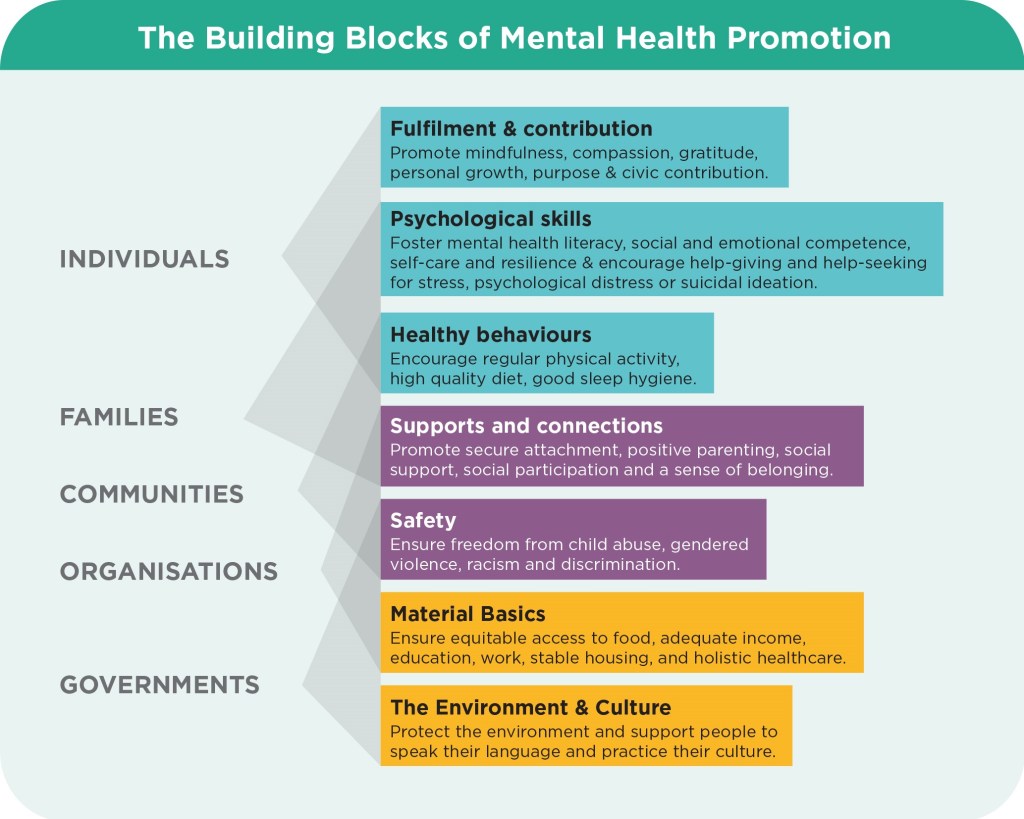
  1. Overall Well-being: Mental health is fundamental to our overall well-being, impacting how we navigate life, handle stress, and make decisions.
  2. Productivity: A positive mental state contributes to productivity and effectiveness in both personal and professional aspects of life.
  3. Relationships: It influences how we form relationships, communicate, and interact with others, both at work and in personal life.
  4. Physical Health: Mental health isn’t isolated; it’s intertwined with physical health. Poor mental health can affect physical health and vice versa.
  5. Quality of Life: Good mental health is essential for enjoying life, coping with challenges, and realizing our potential.

++++++++++++++++++++++++

Understanding mental health involves recognizing the range of emotions and behaviors that constitute a healthy mental state, such as:

  • Emotional Well-being: The ability to manage emotions effectively and maintain a positive outlook.
  • Psychological Resilience: Coping with stress, setbacks, and life’s challenges without crumbling.
  • Healthy Relationships: Forming and maintaining supportive and meaningful connections.
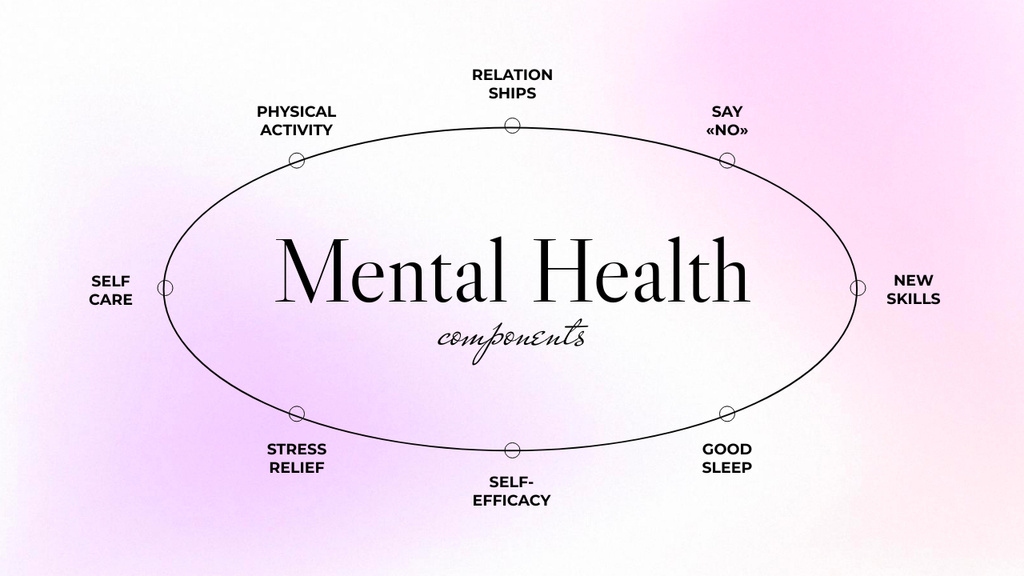
  • Self-care: Prioritizing self-care activities that promote mental well-being, such as exercise, adequate sleep, and relaxation techniques.
  • Seeking Help: Recognizing when professional help is needed and being open to seeking support.

Let’s delve deeper into the key aspects of mental health:

  1. Emotional Well-being: It involves being aware of and accepting one’s feelings, managing stress, and coping with life’s challenges. Emotionally well individuals can express emotions in a healthy way and adapt to change.
    • Emotional Regulation: The ability to understand and manage emotions, preventing them from overwhelming or controlling us.
    • Self-Awareness: Recognizing and understanding one’s emotions, which helps in handling them effectively.
    • Adaptability: The capacity to adjust to different situations, accept change, and remain resilient in the face of adversity.
  2. Psychological Resilience: This is the ability to bounce back from difficult experiences. It involves developing coping mechanisms, maintaining perspective during tough times, and using resources to overcome challenges.
    • Coping Strategies: Healthy ways of dealing with stress and adversity, such as problem-solving, seeking social support, and practicing mindfulness.
    • Optimism: Maintaining a positive outlook and believing in one’s ability to navigate through challenges.
  3. Healthy Relationships: Building and maintaining supportive connections with others is crucial for mental health. Healthy relationships provide a sense of belonging, support, and security.
    • Communication: Effective communication skills are vital for expressing emotions, resolving conflicts, and building trust in relationships.
    • Boundaries: Understanding and setting healthy boundaries in relationships helps maintain emotional well-being.
  4. Self-care: Engaging in activities that promote mental and emotional well-being is essential for overall health. This includes:
    • Physical Activity: Regular exercise has proven benefits for mental health, reducing stress and improving mood.
    • Quality Sleep: Adequate sleep is crucial for cognitive function, emotional regulation, and overall well-being.
    • Mindfulness and Relaxation: Practices like meditation, deep breathing, or yoga can help manage stress and improve mental clarity.
  5. Seeking Help: Recognizing when professional support is needed is a sign of strength. Seeking help from therapists, counselors, or support groups can provide valuable guidance and support during challenging times.

Several factors contribute to the increasing recognition and concern about mental and emotional well-being in recent years:

  1. Stressful Work Environments: Work-related stress has escalated due to demanding work cultures, long hours, job insecurity, and high expectations. The constant pressure to perform can significantly impact mental health.
  2. Technological Influence: The digital age has brought about constant connectivity, blurring the lines between work and personal life. This continuous exposure to screens and social media can contribute to feelings of isolation, comparison, and anxiety.
  3. Awareness and Advocacy: There’s been a positive shift in societal attitudes toward mental health. Increased advocacy, awareness campaigns, and high-profile individuals sharing their experiences have reduced the stigma associated with mental health issues, encouraging more people to seek help.
  4. Pandemic Impact: The COVID-19 pandemic exacerbated existing mental health challenges. Isolation, uncertainty, financial strain, and grief due to loss have led to a surge in anxiety, depression, and other mental health issues worldwide.
  5. Generational and Cultural Shifts: Younger generations are more vocal about mental health concerns, advocating for more open discussions and accessible resources. This shift in cultural attitudes has led to increased recognition of mental health as an integral part of overall well-being.
  6. Changing Social Dynamics: Factors like changing family structures, increased migration, and urbanization can affect social support systems, leading to feelings of disconnection and loneliness, impacting mental health.
  7. Environmental Stressors: Issues like climate change, natural disasters, and socio-political unrest contribute to increased stress and anxiety levels globally, affecting mental well-being.

Understanding these factors can help shape interventions and policies to address mental health challenges effectively.

++++++

Mental Health Awareness / Identification Tools and Aids:– (Suggestive only)

There are various diagnostic and awareness tools available that individuals or professionals can use to evaluate or identify mental health issues and well-being. Here are some commonly used ones:

  1. Mental Health Assessments: These are self-assessment questionnaires designed to evaluate mental health status, such as the PHQ-9 (Patient Health Questionnaire-9) for depression, GAD-7 (Generalized Anxiety Disorder-7) for anxiety, or the DASS-21 (Depression, Anxiety, and Stress Scale) for overall mental health assessment.
  2. Well-being Scales: Tools like the Warwick-Edinburgh Mental Well-being Scale (WEMWBS) or the PERMA Profiler measure different dimensions of well-being, including positive affect, life satisfaction, and psychological functioning.
  3. Stress Assessment Tools: Various tools assess stress levels, such as the Perceived Stress Scale (PSS), which evaluates the degree to which situations in one’s life are appraised as stressful.
  4. Mindfulness and Meditation Apps: Mobile applications like Headspace, Calm, or Insight Timer offer guided meditations and mindfulness exercises to improve mental well-being and reduce stress.
  5. Online Mental Health Screenings: Websites like Mental Health America or the National Alliance on Mental Illness (NAMI) provide free, anonymous online screenings for various mental health conditions.
  6. Biometric Wearables: Some wearable devices track biometric data like heart rate variability, sleep patterns, and activity levels, offering insights into stress levels and overall well-being.
  7. Psychological Assessments: These are conducted by mental health professionals and include standardized tests and clinical interviews to diagnose specific mental health disorders comprehensively.

When using these tools, it’s crucial to interpret the results with care and, if necessary, seek guidance from mental health professionals for a comprehensive evaluation and appropriate interventions. Incorporating these tools into workplace / Personal wellness programs or personal health assessments can aid in early identification and support for mental health issues.

+++

Individuals play a crucial role in managing their own mental health and well-being. Here are some steps individuals can take to support their mental health:

  1. Self-awareness: Recognize and acknowledge your emotions and feelings. Understand your stressors and triggers to better manage them.
  2. Self-care: Prioritize self-care activities that promote mental well-being, such as regular exercise, adequate sleep, healthy eating, and relaxation techniques like meditation or deep breathing exercises.
  3. Healthy Boundaries: Set boundaries in personal and professional life to avoid overcommitment or burnout. Learn to say no when necessary and prioritize your mental health.
  4. Build Support Systems: Cultivate meaningful relationships and social connections. Surround yourself with supportive friends, family, or support groups that provide emotional support and understanding.
  5. Stress Management: Practice stress management techniques such as mindfulness, meditation, yoga, or engaging in hobbies and activities that bring joy and relaxation.
  6. Seeking Help: Recognize when professional support is needed and be open to seeking help from therapists, counselors, or mental health professionals. Don’t hesitate to reach out if you’re experiencing persistent feelings of sadness, anxiety, or stress.
  7. Mindfulness and Mindset: Cultivate a positive mindset and practice mindfulness. Focus on the present moment, gratitude, and positive affirmations to foster resilience.
  8. Limiting Screen Time: Be mindful of your screen time and social media usage. Set boundaries to avoid excessive exposure to digital devices, which can contribute to stress and anxiety.
  9. Lifestyle Habits: Maintain a healthy lifestyle by managing alcohol consumption, avoiding substance abuse, and practicing moderation in all aspects of life.
  10. Continuous Learning: Educate yourself about mental health. Stay informed about different mental health conditions, symptoms, and available resources for support.

Remember, taking care of your mental health is an ongoing process. It’s essential to prioritize self-care, seek help when needed, and build resilience to navigate life’s challenges effectively. Being proactive about mental well-being contributes significantly to overall health and quality of life.

++++++++++++++

Here’s a list of specific solutions and initiatives that could greatly impact and improve mental health in various settings, particularly in the workplace:

  1. Implement Mental Health Programs: Organizations can introduce comprehensive mental health programs that include access to counseling services, stress management workshops, and mental health awareness campaigns. These programs destigmatize mental health issues and encourage seeking help when needed. They can work Mental health support policy.
  2. Flexible Work Arrangements: Offering flexible work schedules or remote work options can help employees achieve a better work-life balance, reducing stress and burnout.
  3. Promote Open Communication: Encourage open discussions about mental health in the workplace. Providing safe spaces for employees to talk about their experiences can foster a supportive environment.
  4. Leadership Training: Train managers and leaders on recognizing signs of mental health issues, creating supportive environments, and effectively managing stress within their teams.
  5. Workplace Wellness Initiatives: Introduce wellness programs that focus on physical health, mindfulness, and relaxation techniques, such as yoga classes, meditation sessions, or subsidized gym memberships.
  6. Employee Assistance Programs (EAPs): Provide access to confidential counseling services and resources for employees facing personal or work-related challenges.
  7. Promote Work-Life Balance: Encourage employees to take breaks, utilize their vacation time, and disconnect from work outside of working hours.
  8. Peer Support Networks: Establish peer support groups or networks where employees can connect and support each other, fostering a sense of community and understanding.
  9. Training and Education: Conduct workshops and training sessions to educate employees about mental health, stress management, and resilience-building strategies.
  10. Access to Mental Health Resources: Ensure easy access to mental health resources, such as helplines, online self-help tools, and referrals to mental health professionals.

By incorporating these initiatives into workplace or advocating for their implementation, organiations can contribute significantly to improving mental health in professional settings.

Karthik.

11th Dec 2023 Bangalore.

+++++++++++++++++++++++++++++++++++++++++++++++

Here’s a list of references across different mediums that provide valuable insights into mental health:

Articles and Websites:

  1. National Institute of Mental Health (NIMH): Offers comprehensive information, research, and resources on various mental health topics.
  2. Mayo Clinic – Mental Health: Provides reliable information on mental health conditions, symptoms, and treatments.
  3. Psychology Today: Covers a wide range of articles written by mental health professionals on various mental health topics.
  4. The Guardian – Mental Health Section: Features articles and discussions on mental health issues and developments.

Videos and TED Talks:

  1. TED Talks on Mental Health: A collection of TED Talks by experts discussing various aspects of mental health.
  2. The School of Life YouTube Channel: Provides insightful videos on mental health, relationships, and personal development.
  3. NAMI (National Alliance on Mental Illness) YouTube Channel: Offers educational videos on mental health conditions, advocacy, and support.

Books:

  1. “Lost Connections: Uncovering the Real Causes of Depression – and the Unexpected Solutions” by Johann Hari: Explores societal factors contributing to depression and offers alternative perspectives.
  2. “The Body Keeps the Score: Brain, Mind, and Body in the Healing of Trauma” by Bessel van der Kolk: Focuses on trauma and its impact on mental health.
  3. “Maybe You Should Talk to Someone: A Therapist, HER Therapist, and Our Lives Revealed” by Lori Gottlieb: Provides insights into therapy and the human experience.
  4. “The Noonday Demon: An Atlas of Depression” by Andrew Solomon: Offers a comprehensive look at depression from personal, cultural, and scientific viewpoints.
  5. “The Happiness Hypothesis: Finding Modern Truth in Ancient Wisdom” by Jonathan Haidt: Explores the psychology of happiness and well-being.

Online Resources:

  1. Mental Health America: Offers various resources, screenings, and information on mental health.
  2. Mind – UK Mental Health Charity: Provides resources, support, and information on mental health in the UK.
  3. Headspace App: Offers guided meditations and mindfulness exercises to promote mental well-being.