
“Speed of Trust”-Key in Human touch for Learning Organisations.

#216

Personal Update:- I am suffering from Back Spasm issues, and advised bed rest for a considerable time. My blog therefore will be sparodic.

In today’s fast-paced industrial world, organizations are constantly evolving. Yet, safety continues to be a major concern across industries, particularly in India, where compliance often takes precedence over proactive safety culture. However, safety is not just about ticking boxes on an Excel sheet or meeting compliance standards. It’s about creating a workplace where everyone learns, adapts, and improves continuously. This is where the concept of a learning organization comes in, with an emphasis on safety, productivity, and, importantly, the human touch with an ingradient of “TRUST”

What is a Learning Organization?

A learning organization is one that fosters a culture of continuous improvement. It encourages employees at all levels to learn from their experiences, from successes and failures alike, and to apply that learning to future tasks. In a safety context, this means an organization that doesn’t just look at accidents or near misses as isolated incidents but as opportunities to understand root causes and prevent future risks.

For example, in one of my past projects, we had a near-miss involving a chemical spill in a manufacturing unit. Instead of simply fixing the immediate issue and moving on, we brought together a team across departments—operators, engineers, safety officers—to analyze what went wrong, what gaps in communication existed, and how the system could be improved. This collaborative learning led to better communication channels and updated safety protocols, which ultimately resulted in smoother operations and higher productivity.

Continuous Learning for Safety Improvement

Learning organizations place high value on knowledge sharing and constant improvement. In the Indian industrial context, many companies rely heavily on outdated systems of incident reporting and compliance-based safety audits. While compliance is necessary, it’s not enough. To truly make a difference in safety, organizations must embrace a learning mindset.

Take the case of Tata Steel, which over the years has developed a strong safety culture by continuously investing in employee training and leadership development. Tata Steel has not only met regulatory compliance but also gone beyond by fostering a culture where every incident is a learning opportunity. Their safety records have improved dramatically over the past decade, with fewer incidents, lower absenteeism, and higher employee morale.

The Human Touch: Key to Safety Culture

One of the biggest challenges in India is making safety personal. We often see safety measures as rules imposed from the top rather than as a shared responsibility. Leaders must cultivate an environment where employees feel safe to speak up, share concerns, and learn from mistakes without fear of punishment. This is where empathy and leadership come in.

Imagine a scenario where an employee feels hesitant to report a safety issue because they fear it may result in disciplinary action. In a learning organization, leaders encourage open communication and treat every report—be it a near-miss or an unsafe practice—as valuable feedback for improvement. By showing genuine care for employee well-being, leaders can make safety a part of everyday work, not just something that happens during audits or inspections.

In my own career, I’ve seen how simple, human gestures can make a big difference. I once had a manager who would personally check on the safety of workers during shift changes. His presence, concern, and willingness to listen made employees feel valued, and they became more proactive in identifying safety hazards. It wasn’t just about protocols; it was about creating trust and making safety a human concern, not just a corporate one.
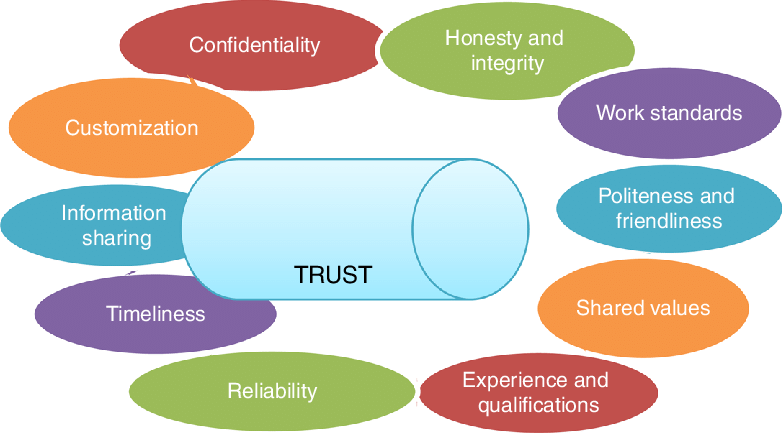
The Role of Trust in Building a Learning Organization

One of the most fundamental aspects of fostering a strong safety culture and a learning organization is trust. Without trust, even the most well-designed safety programs or learning initiatives can fall flat. In many modern workplaces, trust between employees and management is fragile or even absent. This lack of trust creates barriers, both for safety improvements and for productivity gains.

Why Trust Matters

Trust is the foundation upon which open communication, honest feedback, and shared responsibility are built. If employees don’t trust their leaders or feel that their voices won’t be heard, they are unlikely to report safety concerns, share ideas, or admit mistakes. This not only affects the safety of the workplace but also stifles learning and growth, which are essential for any organization’s long-term success.

For example, in a high-risk environment such as a manufacturing plant, workers who don’t trust that management will take their safety concerns seriously may choose not to report a potential hazard. The result? A safety issue that could have been addressed early escalates into a full-blown incident. This damages productivity, incurs costs, and can harm employees. If trust is present, employees feel empowered to speak up, knowing their concerns will be addressed without fear of retribution.

How Lack of Trust Affects Safety and Productivity

In my experience, one of the biggest challenges in the Indian industrial setting is a lack of trust between different levels of an organization. Workers often believe that management is more focused on production targets than their well-being. This disconnect creates a climate of fear rather than one of shared responsibility. If a worker feels that reporting an unsafe condition might lead to disciplinary action or being blamed for slowing down production, they’re less likely to raise the issue.

This lack of trust not only puts safety at risk but also hinders productivity. When employees don’t feel secure, they are less engaged, and disengaged employees do not perform at their best. Moreover, a lack of trust leads to poor communication, which directly impacts learning within the organization. Teams that do not trust one another tend to work in silos, preventing the sharing of knowledge and experiences that are crucial for continuous improvement.

Building Trust for a Safer, More Productive Workplace

Building trust takes time, but it is the key to a successful safety culture and a productive learning environment. Here’s how leaders can foster trust:

  1. Transparent Communication: Leaders need to be transparent with their employees, not just about safety protocols, but also about the broader goals of the organization. When employees understand the ‘why’ behind safety measures and see them as part of a larger strategy for their own well-being, they are more likely to trust management and engage with safety initiatives.
  2. Lead by Example: Trust is earned, not demanded. Leaders must demonstrate their commitment to safety by walking the talk. When employees see that their leaders are genuinely concerned about their safety and not just compliance, trust begins to build.
  3. Accountability Without Blame: In a learning organization, mistakes are opportunities for growth, not grounds for punishment. When employees trust that they won’t be blamed or reprimanded for reporting incidents or raising concerns, they are far more likely to speak up. Leaders need to create an environment where accountability is shared, and every incident is treated as a learning moment, not a blame game.
  4. Involve Employees in Decision-Making: Trust is a two-way street. By involving employees in safety decisions and problem-solving, organizations can foster a sense of ownership and responsibility. When workers are part of the solution, they are more invested in maintaining a safe workplace.
  5. Recognition and Reward: A simple yet effective way to build trust is to recognize and reward employees who demonstrate a commitment to safety and continuous learning. Recognition shows that leaders value safety as much as productivity, reinforcing the importance of trust and shared goals.
Trust as the Key to Organizational Learning

In learning organizations, trust is the glue that holds everything together. When there is trust, employees are not afraid to take risks, share ideas, or admit when they don’t know something. This openness is what fuels learning and innovation. Without trust, however, fear and rigidity take over, stifling creativity and preventing the organization from growing.

In the context of safety, trust enables employees to engage fully in safety training and initiatives, knowing that their contributions matter. It allows for open discussions about past incidents and future risks, and fosters a culture where safety is everyone’s responsibility, not just the safety department’s.

Leadership’s Role in a Learning Organization

Leaders play a crucial role in shaping a learning organization. In India, we often see a hierarchical approach to management, where safety decisions come from the top down. But in a learning organization, leadership is about fostering an environment where learning happens at every level. It’s about moving away from blame and focusing on continuous improvement.

Take the example of Mahindra & Mahindra, which has embraced a learning culture to enhance both safety and productivity. The company invests heavily in leadership training, ensuring that managers and team leaders understand the importance of safety and create open communication channels with their teams. This approach has led to not only safer working environments but also more engaged employees and improved operational efficiency.

Connecting Safety to Productivity

One of the most overlooked aspects of safety is its direct link to productivity. When employees feel safe, they work better. When safety protocols are streamlined and based on real-time learning, operations run smoother. In contrast, when safety is merely a compliance exercise, it often leads to inefficiencies, higher accident rates, and decreased morale.

I once worked with a plant in my consulting,where safety was viewed as a burden—something that slowed down work. After a safety audit revealed major gaps, we shifted focus to creating a learning-based safety culture. Over the next year, not only did accidents reduce, but productivity shot up by 20%. Workers felt more confident, downtime decreased, and the entire organization benefitted from this shift.

Practical Takeaways for Indian Organizations

  1. Promote a Learning Culture: Encourage employees to share their experiences and learn from incidents without fear of blame. Use every incident as a learning opportunity.
  2. Engage Leadership: Leaders must actively participate in safety initiatives, showing that safety is a priority from the top down. Their engagement will inspire employees to take safety seriously.
  3. Human Touch Matters: Safety is about people. Building trust and empathy within the workforce makes safety measures more relatable and effective.
  4. Invest in Continuous Training: Regularly train employees, not just on protocols but on understanding risks and the importance of safety to their own lives.
  5. Link Safety to Productivity: A safe workplace is a productive workplace. Show employees how safety contributes to smoother operations and personal well-being.

In conclusion, safety isn’t just about following rules. It’s about creating an organization that learns from every experience, fosters a culture of care, Trust, Human touch, and empathy, and ties safety directly to productivity. As we move forward in India’s industrial landscape, adopting a learning mindset with a human touch will not only enhance safety but also improve overall business performance.

God Bless.

Karthik

3rd October 2024. 1600 Hrs.

Elevating EHS Professionals: Mastering Soft Skills in a Tech-Driven Era

I read with interest an article in Harvard Busienss Review, “How to Improve your Soft skills as a remote worker”. I felt EHS professionals need to improve their Soft Skills in this modern age of AI/Tech despite not being a remote worker for they focus too much on Technical Skills.

Introduction:

In today’s fast-evolving landscape, the realm of Environment, Health, and Safety (EHS) is undergoing a profound transformation. Technological advancements and the rise of artificial intelligence have revolutionized how we approach safety and sustainability. However, alongside technical expertise, there’s an increasing demand for EHS professionals to cultivate and demonstrate refined soft skills.

The Shift in EHS Expectations:

Traditionally, the EHS domain relied heavily on technical prowess. However, the script is changing. Organizations now expect behavioral traits and interpersonal skills to accompany technical acumen. This paradigm shift necessitates a reevaluation of the skills essential for success in our field.

The Crucial Need for Soft Skills:

Technical skills undoubtedly remain a cornerstone, but they are no longer the sole determinants of success. Today’s EHS professionals must also possess robust soft skills to effectively communicate, collaborate, and adapt in a dynamic environment.

Key Soft Skills for Modern EHS Professionals:

  1. Communication and Collaboration: Effective communication with stakeholders and the ability to collaborate across multidisciplinary teams are paramount in driving impactful EHS initiatives.
  2. Adaptability and Resilience: The capacity to adapt to technological advancements and resiliently navigate complexities is indispensable.
  3. Leadership and Decision-making: EHS professionals are increasingly playing leadership roles, making critical decisions that influence organizational strategies and safety culture.
  4. Empathy and Stakeholder Engagement: Empathy fosters meaningful engagement with employees and communities, ensuring that EHS initiatives resonate with diverse stakeholders.

Strategies to Develop Soft Skills:

To bolster soft skills, consider:

  • Investing in comprehensive training programs focusing on communication, leadership, and emotional intelligence.
  • Encouraging cross-functional collaborations and exposure to diverse projects.
  • Seeking mentorship or coaching tailored to enhance specific soft skills.

Embracing a Holistic Approach:

Success in the modern EHS landscape necessitates a holistic approach. While technical expertise forms the foundation, the fortification of soft skills creates a more resilient and impactful EHS professional.

Conclusion:

In this era of transformative technology, EHS professionals stand at the nexus of innovation and responsibility. As the landscape evolves, the integration of robust soft skills with technical proficiency becomes the linchpin for success. It’s incumbent upon us to continuously hone our abilities, evolving as versatile and adept professionals poised to navigate the ever-changing EHS terrain.

Call to Action:

Share your experiences or strategies for honing soft skills in the EHS domain. Let’s engage in discussions to further explore and refine the importance of soft skills in our professional journey.

Communication Skills:

  1. Verbal Communication: How effectively do you express yourself verbally?
  2. Listening Skills: Are you attentive and responsive when others speak?
  3. Non-verbal Communication: Assess body language and gestures during interactions.
  4. Clarity and Conciseness: Can you convey information clearly and succinctly?
  5. Adaptability in Communication: How well do you tailor your communication to different audiences?

Interpersonal Skills:

  1. Empathy: Can you understand and relate to others’ emotions and perspectives?
  2. Conflict Resolution: Assess your ability to resolve conflicts and handle disagreements.
  3. Networking: How skilled are you at building and maintaining professional relationships?
  4. Collaboration: Evaluate your effectiveness in working within teams.

Emotional Intelligence:

  1. Self-awareness: How well do you understand your own emotions and behaviors?
  2. Self-regulation: Can you manage and control your emotions in different situations?
  3. Motivation: Assess your drive, determination, and resilience in achieving goals.
  4. Empathy and Social Skills: Evaluate your ability to understand and navigate social dynamics.

Leadership Skills:

  1. Decision-making: Assess the quality and timeliness of your decisions.
  2. Delegation: How effectively do you assign tasks and responsibilities?
  3. Inspiration and Influence: Evaluate your ability to motivate and influence others.
  4. Conflict Management: Assess your approach to handling conflicts within a team or organization.

Adaptability and Flexibility:

  1. Open-mindedness: How receptive are you to new ideas and change?
  2. Problem-solving: Assess your approach to addressing challenges and finding solutions.
  3. Resilience: How do you handle setbacks and adapt to unforeseen circumstances?
  4. Learning Agility: Evaluate how quickly you can learn and apply new information or skills.

Time Management and Organization:

  1. Prioritization: How well do you prioritize tasks and manage your time?
  2. Planning and Goal Setting: Assess your ability to set and achieve short-term and long-term goals.
  3. Organization: How well do you manage your workload and resources?
  4. Adherence to Deadlines: Evaluate your consistency in meeting deadlines.

Assessing these areas can provide insights into your strengths and areas for improvement. You might consider seeking feedback from peers or using self-assessment tools to further evaluate your soft skills.

Karthik

9th Jan 24. 1300 Hrs.

Humane Approach- Leadeship Traits.

#137

Tom Hanks, (as and in Sully – Miracle on Hudson).
  1. Emphasis on Compliance: Companies prioritize meeting regulatory requirements, leading to a focus on implementing systems and processes to ensure compliance rather than emphasizing the human aspect of safety.
  2. Technocentric Mindset: Rapid technological advancements might lead to over-reliance on technology to mitigate risks, sometimes overshadowing the importance of human behavior and decision-making in safety.
  3. Complexity and Efficiency: Systems and processes offer a streamlined way to manage safety efficiently, especially in large organizations. However, this might inadvertently downplay the human element.

To address this imbalance and reintroduce the humane approach:

  1. Leadership Emphasis: Leaders should actively advocate for a balanced approach that integrates systems with a strong emphasis on human-centric safety measures.
  2. Training and Awareness: Conduct training sessions that highlight the importance of human behavior in safety. Educate employees on how their actions and decisions directly impact safety outcomes.
  3. Inclusive Decision-making: Involve employees in safety-related decision-making processes. Encourage their input on improving safety systems while also considering their insights on the human side of safety.
  4. Culture Shift: Foster a culture that values and celebrates human-centric safety. Recognize and reward behaviors that prioritize human well-being and actively contribute to a safer workplace.
  5. Evaluation and Adaptation: Continuously evaluate the effectiveness of safety systems while considering their impact on people. Adapt systems and processes to align better with human behavior and needs.
  6. Communication Strategy: Emphasize the importance of open communication and active reporting of safety concerns. Create avenues where employees feel comfortable discussing safety issues.

By promoting a culture that balances technical systems with a strong focus on the human aspect of safety, industries can ensure a more comprehensive approach that values the well-being and contributions of individuals within the organization. This shift requires a concerted effort from leadership, employees, and the organizational culture as a whole.

++++++++++++++

Humanizing safety involves shifting the focus from merely implementing programs and systems to genuinely valuing and prioritizing the well-being, perspectives, and contributions of individuals within the organization. Here’s how leaders can foster a more human-centric approach to safety:

  1. Empower and Involve People: Instead of just rolling out programs, involve employees in the creation and improvement of safety measures. Seek their input, listen to their concerns, and empower them to actively participate in shaping safety protocols.
  2. Cultivate Trust and Open Communication: Build a culture where employees feel comfortable reporting safety concerns without fear of retribution. Encourage open discussions about safety, actively listen to feedback, and take necessary actions.
  3. Focus on Behavioral Safety: Understand that human behavior plays a significant role in safety. Instead of solely relying on systems and processes, emphasize behaviors that contribute positively to safety. Encourage safe practices through coaching, training, and positive reinforcement.
  4. Recognize and Value Contributions: Acknowledge and appreciate contributions to safety initiatives. Celebrate successes, whether big or small, and highlight individuals or teams who exemplify a commitment to safety.
  5. Develop Personal Connections: Leaders should take the time to connect with employees on a personal level. Show genuine care and interest in their well-being, which reinforces the idea that safety isn’t just a set of rules but a shared commitment to each other’s safety.
  1. Integrate Human Factors into Systems: While systems and processes are vital, ensure they account for human factors. Design processes that consider human limitations, behaviors, and responses.
  2. Constant Evaluation and Adaptation: Regularly evaluate the effectiveness of safety programs and systems by considering their impact on people. Adapt and modify these systems based on feedback and evolving needs.
  3. Balance Technical and Human Aspects: Emphasize that while technical systems are crucial, they work best when complemented by a culture that values human well-being, communication, and active participation in safety practices.

By emphasizing the human element alongside technical systems, leaders can create a safety culture that is not just about compliance but also about caring for and respecting the people who are integral to the safety of the organization.

+++++++

Safety leadership encompasses various facets, especially when emphasizing humanistic aspects. Here are seven essential traits:

  1. Empathy: A safety leader should genuinely understand and relate to the challenges, concerns, and experiences of their team members. Empathy fosters a culture of care and support.
  2. Communication Skills: Clear and effective communication is crucial. A safety leader should be able to articulate safety protocols, concerns, and initiatives in a way that resonates with everyone, irrespective of their role or background.
  3. Trustworthiness: Building trust is foundational. Employees should trust the leader’s guidance, decisions, and commitment to their well-being and safety.
  4. Respect and Dignity: Respecting individuals at all levels within the organization is key. A leader should uphold dignity, acknowledging everyone’s contributions and perspectives.
  5. Adaptability and Open-mindedness: In a dynamic environment, a safety leader must adapt to changes, new information, and evolving safety standards. Being open-minded to new ideas and feedback is crucial.
  6. Problem-Solving Skills: Ability to analyze complex situations, identify risks, and proactively find solutions is imperative. Encouraging a culture of reporting incidents without fear of reprisal is part of this trait.
  7. Commitment to Continuous Improvement: Prioritizing ongoing improvement in safety measures, training, and overall safety culture is fundamental. This involves seeking ways to enhance safety protocols and strategies regularly. Complementary traits could include:
  8. Courage: A safety leader needs the courage to make tough decisions, prioritize safety over convenience, and challenge the status quo if necessary.
  9. Patience: Changing a safety culture takes time. Patience allows for gradual but sustainable improvements.
  10. Innovation: Encouraging innovation in safety measures leads to more effective and practical solutions to safety challenges. By integrating these traits, safety leaders can create a more comprehensive and effective safety culture that prioritizes both technical safety measures and the human aspects of well-being.

Strategising Humane Aspect:-


  1. Lead by Example:
    Safety leaders should embody these traits themselves. Their actions, words, and decisions should reflect empathy, respect, and commitment to safety.
  2. Training and Education: Conduct regular training sessions emphasizing not only technical safety aspects but also the humanistic elements. Use case studies or scenarios that highlight the importance of empathy, communication, and problem-solving in safety.
  3. Communication Strategies: Develop effective communication channels that encourage open dialogue, feedback, and reporting of safety concerns. This fosters a culture of trust and respect.
  4. Recognize and Reward: Acknowledge and celebrate safety-conscious behaviors. This could be through awards, public recognition, or other forms of appreciation that reinforce the desired traits.
  5. Collaboration and Inclusivity: Involve employees in safety initiatives. Encourage diverse perspectives and ideas. This fosters a sense of ownership and collective responsibility towards safety.
  6. Continuous Improvement: Regularly assess safety protocols and systems. Involve employees in finding gaps and improving safety measures, encouraging a culture of continuous learning.
  1. Active Participation: Engage in safety meetings, training sessions, and discussions. Share concerns, ideas, and experiences related to safety. Actively participate in safety-related activities or committees if available.
  2. Reporting and Communication: Don’t hesitate to report hazards, near misses, or unsafe conditions promptly. Effective communication ensures potential risks are addressed before they escalate.
  3. Supportive Culture: Foster a culture of safety by encouraging peers to follow safety protocols. Be supportive and remind others about safety measures without judgment or criticism.
  4. Personal Responsibility: Take responsibility for personal safety as well as the safety of colleagues. This includes following safety procedures, using protective equipment, and being mindful of potential hazards.
  5. Continuous Learning: Stay updated on safety protocols and procedures. Attend training sessions, ask questions, and seek clarification on safety guidelines if needed.
  6. Feedback and Improvement: Provide constructive feedback on existing safety measures. Suggest improvements or changes that could enhance safety in the workplace.

It’s essential to recognize that sometimes employees might not reach out due to various reasons such as fear of reprisal, lack of confidence, or feeling disconnected from safety initiatives. Leaders and organizations need to create an environment that encourages and values employee participation in safety efforts. This includes:

  1. Open Communication Channels: Ensure there are clear and easily accessible channels for reporting safety concerns. Make it known that reporting hazards or incidents won’t result in punitive actions.
  2. Training and Support: Offer regular training on safety protocols and provide support for employees to understand and implement these measures effectively.
  3. Recognition and Involvement: Recognize and appreciate employees who actively contribute to safety. Involve employees in safety-related decision-making processes, seeking their input and ideas.
  4. Leadership Example: Leaders should lead by example, demonstrating a commitment to safety and encouraging employees to do the same.

When both employees and leadership actively participate in humanizing safety, it creates a collaborative environment where safety is not just a set of rules but a shared responsibility and value that everyone upholds.

Let me know your thoughts.

Karthik

7th Jan 2024.

PS: Thanks to Dr Rob Long Blog post which triggered my thoughts, where he tries his best for Humanising Safety in every aspect thus keeping human being at center of action.

New Year Safety Message.

#134

Happy new year 2024 to all EHS professionals. (It is still 2023 in some parts of the world!).

Dear EHS Partners,

As we stand on the brink of a brand new year, let’s pause to acknowledge the journey we’ve embraced together. Throughout the trials and triumphs, our commitment to safeguarding lives and nurturing secure workplaces has been our guiding force.

In the past year, we’ve navigated challenges with resilience, adapting and innovating to reinforce our dedication to EHS (Environment, Health, and Safety). Amid uncertainties, your unwavering commitment to safety has been nothing short of remarkable.

As safety professionals, we understand that our roles extend far beyond enforcing rules; we are stewards of well-being, partners to the business. Embracing a risk-based approach, we recognize that safety isn’t a standalone function—it’s woven into the very fabric of our organizational success.

May this year present opportunities to deepen our partnership with the business, demonstrating that safety isn’t a hindrance but a catalyst for sustainable success. Let’s champion safety culture as equal stakeholders, shaping workplaces where safety is ingrained in every decision and action.

Remember, each proactive measure, each risk mitigated, is a step towards fortifying not just safety but the very foundation of our organizational resilience.

Wishing you and your loved ones a year brimming with prosperity, collaboration, and a shared vision of safety as an integral part of our business success.

Let’s embark on this year, embracing a unified approach where safety and business walk hand-in-hand towards excellence.

Warm regards,

Karthik

Bangalore.1.1.24.

Why Organisations take the failure path knowing fully well it is not the right path!

Organizations often act against their own best interests, knowingly heading towards failure. There are several psychological and systemic reasons behind this paradox:

  1. Cognitive Biases: Humans are prone to biases like confirmation bias (seeking information that confirms existing beliefs) or optimism bias (underestimating risks). Decision-makers within organizations might fall victim to these biases, leading them to believe their actions are justified despite contrary evidence.
  2. Groupthink and Culture: Organizational cultures can foster groupthink, where dissenting opinions are discouraged. This conformity can blind decision-makers to alternative viewpoints, leading to actions that go against best practices.
  3. Incentives and Metrics: Metrics or incentives often prioritize short-term gains over long-term sustainability. Employees might chase these immediate rewards, disregarding potential long-term consequences.
  4. Hierarchy and Communication: Hierarchical structures can hinder open communication. Lower-level employees might spot potential issues, but the hierarchical setup might discourage them from voicing concerns to higher-ups.
  5. Pressure and Fear of Change: Fear of change or disruptive ideas can push organizations to stick to familiar, albeit flawed, methods. Change might be seen as risky, leading to inertia in adopting better practices.
  6. Overconfidence and Hubris: Decision-makers might overestimate their capabilities or believe they’re immune to failure due to past successes, leading to risky decisions.

These factors intertwine, creating a complex web that steers organizations towards actions that contradict their best interests. Addressing these underlying causes involves fostering a culture of open communication, challenging biases, aligning incentives with long-term goals, and encouraging a healthy acceptance of change and constructive criticism. Understanding these dynamics can help organizations navigate away from self-destructive paths.

“Nine Factors of Failure.” Here they are:

  1. Complexity: The more complex a system, the higher the likelihood of errors or failures.
  2. Interconnectedness: Systems within an organization are interconnected. A failure in one area can have cascading effects on others.
  3. Goals and Values: Misaligned goals and values can lead to decisions that compromise safety and ethics.
  4. Failure to Learn: Organizations that don’t learn from past mistakes are prone to repeating them.
  5. Production Pressures: When production deadlines or targets take precedence over safety, it can lead to compromises.
  6. Complacency: Long periods of success can breed complacency, leading to overlooking potential risks.
  7. Complexity of Work: Some tasks or processes might be inherently complex, increasing the chance of errors or failures.
  8. Requisite Variety: When the variety of risks is not adequately matched with the variety of defenses, failures can occur.
  9. Lack of Resilience: Organizations that lack resilience struggle to recover from failures effectively.

Each factor contributes uniquely to the potential for failure and needs to be addressed systematically.

Diving Deep in to Todd Conklin’s perspective he lists 9 key domain which leads to delibrate failures knowing fully well that it is not a right path. He talks about below in his podcast, We can observe:

  1. Ignorance of Present Danger: Sometimes, individuals or organizations fail to perceive imminent risks due to a lack of awareness or a misplaced sense of security, ultimately leading to disaster.
  2. Sense of Immunity: There’s this belief that failure won’t affect them personally or the organization they belong to, creating a false sense of invincibility that blinds them to potential risks.
  3. Impulsive Behavior: Rushing into decisions without considering potential dangers due to the adrenaline rush or pressure can lead to overlooking critical warning signs.
  4. Fear of Bad News: A culture that penalizes messengers of bad news discourages open communication about potential failures, perpetuating a culture of silence and ignorance.
  5. Overreliance on Gut Feeling: Trusting intuition over rational analysis, as Daniel Kahneman describes, might lead to decisions based on biases or incomplete information, disregarding potential risks.
  6. Selective Memory and Optimism: Forgetting past failures or being overly optimistic about outcomes can lead to the repetition of history, with organizations falling into the same pitfalls.
  7. Lack of Accountability: When actions lack consequences, even negative practices become normalized, perpetuating a cycle of failure without repercussions.
  8. Normalization of Mediocrity: Defending the status quo without recognizing its flaws prevents progress and improvement, leading to stagnation and potential failure.
  9. Avoidance of Disruption: Fear of standing out or causing disruption leads to failures being overlooked or deliberately accepted as part of the norm, rather than addressing them.

Immunizing organizations against deliberate failures involves a multifaceted approach targeting culture, processes, and mindset. Here are actionable steps:

  1. Promote a Culture of Openness: Encourage open communication where bad news can be shared without fear of repercussions. Leaders should actively listen and appreciate honesty.
  2. Encourage Constructive Dissent: Create platforms for employees to voice concerns or alternative viewpoints without judgment. Embrace diversity of thought to identify blind spots.
  3. Focus on Learning from Failures: Foster a culture that views failures as learning opportunities. Analyze failures systematically to extract lessons and prevent their recurrence.
  4. Establish Clear Accountability: Ensure that individuals and teams are accountable for their actions. Consequences for negligence or ethical breaches should be clear and consistent.
  5. Prioritize Long-Term Goals: Align incentives and metrics with long-term sustainability rather than short-term gains. Ensure that safety and ethical considerations aren’t sacrificed for immediate benefits.
  6. Enhance Risk Perception: Educate employees about risk perception and provide tools to assess risks objectively. This helps in making informed decisions.
  7. Continuous Improvement: Implement mechanisms for continuous improvement. Regularly review and update processes, incorporating best practices and innovative solutions.
  8. Leadership Commitment: Leaders must lead by example, displaying a commitment to safety, ethical practices, and continuous improvement. Their actions set the tone for the entire organization.
  9. Invest in Training and Development: Equip employees with the skills and knowledge needed to identify, prevent, and manage risks effectively.
  10. Challenge the Status Quo: Encourage a healthy skepticism toward norms. Encourage employees to question existing practices and propose better alternatives.

By integrating these strategies into the organizational fabric, companies can fortify themselves against deliberate failures. It’s about nurturing a culture of transparency, accountability, and continuous improvement that prioritizes long-term success over short-term gains.

Karthik

Bangalore 18/12/23.

EI, SI, CI for EHS Professionals- Why Matters?

#130

I tuned into Dan Goleman’s captivating talk at Google Campus through Authors@Google, where he delved into the realm of Social Intelligence (SI). Known for his books on Emotional Intelligence (EI), Goleman’s insights are notably practical. His discourse sparked thoughts on how EHS professionals can leverage his concepts, implementing them practically to foster growth in both personal and professional domains. It got me contemplating how these principles could be embraced within the EHS realm to enhance safety practices, foster stronger team dynamics, and stimulate personal and professional development within the field.

What are EI, SI and IQ etc. (EQ,SQ,IQ).

IQ (Intelligence Quotient):

  • Definition: IQ measures cognitive abilities, logical reasoning, problem-solving skills, and linguistic and mathematical capabilities.
  • Focus: Emphasizes traditional cognitive abilities, often measured through standardized tests.
  • Role at Workplace: Historically important, but doesn’t encompass emotional, social, or cultural aspects crucial for success in diverse work environments.

EI (Emotional Intelligence):

  • Definition: EI involves the ability to understand and manage emotions, both of oneself and others.
  • Focus: Centers on emotional awareness, self-regulation, empathy, motivation, and social skills.
  • Role at Workplace: Critical for effective leadership, teamwork, conflict resolution, and decision-making, enhancing overall workplace dynamics.

SI (Social Intelligence):

  • Definition: SI involves understanding social situations, navigating social dynamics, and effectively interacting with others.
  • Focus: Focuses on social awareness, facility, synchrony, influence, and cognition.
  • Role at Workplace: Facilitates effective communication, relationship-building, collaboration, and adaptability within diverse social contexts.

CI (Cultural Intelligence):

  • Definition: CI refers to the capability to function effectively in culturally diverse settings, understanding and adapting to different cultural norms.
  • Focus: Includes cultural awareness, knowledge, mindfulness, adaptation, and empathy.
  • Role at Workplace: Essential for global businesses, promotes inclusive work environments, effective communication across cultures, and fosters cultural respect and sensitivity.

Integrating these intelligences into workplace practices acknowledges the multifaceted nature of human interaction, fostering a more inclusive, empathetic, and adaptable work environment, especially pertinent in the ESH field where human behavior and understanding are pivotal for safety measures.

Components:

Here are the key components for each intelligence:

Emotional Intelligence (EI):

  1. Self-awareness: Recognizing and understanding your own emotions.
  2. Self-regulation: Managing and controlling your emotions effectively.
  3. Motivation: Channeling emotions towards specific goals.
  4. Empathy: Sensing others’ emotions and understanding their perspectives.
  5. Social skills: Interacting harmoniously with others, fostering relationships and networks.

Social Intelligence (SI):

  1. Social awareness: Sensing social dynamics and cues in various situations.
  2. Social facility: Navigating social interactions smoothly, adapting to different contexts.
  3. Synchrony: Establishing rapport and attuning with others’ emotions and behaviors.
  4. Social influence: Understanding and leveraging social situations for positive outcomes.
  5. Social cognition: Comprehending social structures, norms, and dynamics.

Cultural Intelligence (CI):

  1. Cultural awareness: Recognizing cultural differences and similarities.
  2. Cultural knowledge: Understanding the beliefs, values, and practices of different cultures.
  3. Cultural mindfulness: Being open-minded and respectful towards diverse cultures.
  4. Cultural adaptation: Adapting behaviors and communication styles in different cultural settings.
  5. Cultural empathy: Understanding and empathizing with individuals from diverse cultural backgrounds.

These components collectively contribute to a well-rounded set of skills that are pivotal in navigating the complexities of the modern workplace, especially within the ESH field.

  • Self-Awareness: Reflect on your emotions, triggers, and reactions in different situations. Consider journaling to track emotions and responses to workplace scenarios.
  • Self-Regulation: Practice techniques like mindfulness or deep breathing to manage stress and emotions. Identify strategies to stay calm and focused during high-pressure situations.
  • Empathy & Social Skills: Actively listen to colleagues and understand their perspectives. Practice empathy by acknowledging and validating others’ emotions, fostering stronger connections.

2. Cultural Intelligence (CI):

  • Cultural Learning: Engage in cultural learning experiences, such as attending cultural events, reading diverse literature, or even learning a new language. Immerse yourself in different cultural practices.
  • Observation & Adaptation: Observe and learn from colleagues from diverse backgrounds. Adapt your communication style and behaviors based on cultural nuances you observe.
  • Open-mindedness: Embrace curiosity and open-mindedness towards different cultural norms, avoiding judgment or assumptions.

3. Social Intelligence (SI):

  • Relationship Building: Actively engage in team-building activities, fostering connections and understanding team dynamics. Build rapport by showing genuine interest in colleagues’ lives and experiences.
  • Conflict Resolution: Practice resolving conflicts peacefully, considering different perspectives. Learn to navigate social situations adeptly and diplomatically.
  • Observation & Context: Pay attention to social cues and behaviors in various situations. Understand how social dynamics impact interactions and team dynamics.

Professional development courses, workshops, and coaching focusing on EI, CI, and SI can also be beneficial. Role-playing scenarios, case studies, and mentorship programs centered around these intelligences can provide practical experiences to hone these skills.

Lastly, seeking feedback from peers or supervisors can offer valuable insights into areas for improvement. Continuous self-assessment and learning will gradually enhance these critical skills essential for EHS professionals in today’s diverse workplaces.

Practical Implementation at workplace:-

Focusing on Emotional Intelligence (EI), Social Intelligence (SI), and Cultural Intelligence (CI) in the realm of workplace safety is crucial. Here’s a rundown:

  1. Enhanced Communication: EI and SI empower professionals to communicate effectively, ensuring safety protocols are understood and followed by everyone, irrespective of cultural or social differences.
  2. Conflict Resolution: Understanding emotions helps in diffusing conflicts before they escalate. CI aids in comprehending diverse perspectives, avoiding misunderstandings that might compromise safety measures.
  3. Leadership & Team Dynamics: EI assists leaders in empathizing with their team, fostering a safer and supportive environment. SI enables cohesive teamwork despite varied backgrounds, improving overall safety consciousness.
  4. Adaptability & Decision-making: CI equips ESH professionals to adapt safety procedures to different cultural norms. EI assists in making decisions rooted in empathy and understanding, prioritizing both safety and cultural context.
  5. Risk Perception: High EI aids in recognizing emotional cues related to potential risks. SI helps in understanding the social dynamics that might influence safety behaviors, fostering a proactive safety culture.

Let’s break it down further for EHS (Environment, Health, and Safety) linkage.

  1. Enhanced Communication:
    • Why it Matters: Effective communication is the backbone of safety protocols. EI enables professionals to convey safety guidelines in a way that resonates with diverse teams, considering their emotional responses and ensuring clarity.
    • Example: An EHS officer with high EI tailors safety instructions to resonate with different team members, ensuring everyone comprehends and adheres to protocols despite varying cultural backgrounds or communication styles.
  2. Conflict Resolution:
    • Why it Matters: Emotions often fuel conflicts that can jeopardize safety. Understanding emotions helps resolve issues before they escalate, while CI ensures perspectives from different cultural viewpoints are considered.
    • Example: An EHS manager mediates a disagreement between team members, utilizing EI to defuse emotions and CI to comprehend the cultural nuances influencing the conflict, thus preserving a safer work environment.
  3. Leadership & Team Dynamics:
    • Why it Matters: EI assists leaders in connecting with their team on a personal level, fostering trust and psychological safety. SI enables cohesive teamwork despite diverse backgrounds, ensuring a shared commitment to safety.
    • Example: An EHS supervisor demonstrates EI by understanding team members’ concerns about a new safety procedure. SI allows the team to collaborate effectively despite varied backgrounds, ensuring collective commitment to safety goals.
  4. Adaptability & Decision-making:
    • Why it Matters: CI enables adaptation of safety measures to align with diverse cultural norms without compromising safety. EI guides decision-making by considering the emotional impact of safety procedures within different cultural contexts.
    • Example: An EHS consultant modifies safety training methods to suit cultural preferences without compromising effectiveness, while EI ensures decisions resonate emotionally with team members across cultures.
  5. Risk Perception:
    • Why it Matters: EI helps in recognizing emotional cues that signal potential risks, while SI aids in understanding social dynamics that might influence safety behaviors.
    • Example: An EHS professional with high EI notices subtle emotional cues indicating discomfort with a safety procedure, prompting them to reassess and address the concerns proactively. Meanwhile, SI helps in understanding social behaviors that could compromise safety.

By mastering these intelligences, EHS professionals create a safer work environment by addressing not just physical hazards but also considering the emotional, social, and cultural aspects that impact safety practices.

Karthik

9th Dec 23, Bangalore.