
“Speed of Trust”-Key in Human touch for Learning Organisations.

#216

Personal Update:- I am suffering from Back Spasm issues, and advised bed rest for a considerable time. My blog therefore will be sparodic.

In today’s fast-paced industrial world, organizations are constantly evolving. Yet, safety continues to be a major concern across industries, particularly in India, where compliance often takes precedence over proactive safety culture. However, safety is not just about ticking boxes on an Excel sheet or meeting compliance standards. It’s about creating a workplace where everyone learns, adapts, and improves continuously. This is where the concept of a learning organization comes in, with an emphasis on safety, productivity, and, importantly, the human touch with an ingradient of “TRUST”

What is a Learning Organization?

A learning organization is one that fosters a culture of continuous improvement. It encourages employees at all levels to learn from their experiences, from successes and failures alike, and to apply that learning to future tasks. In a safety context, this means an organization that doesn’t just look at accidents or near misses as isolated incidents but as opportunities to understand root causes and prevent future risks.

For example, in one of my past projects, we had a near-miss involving a chemical spill in a manufacturing unit. Instead of simply fixing the immediate issue and moving on, we brought together a team across departments—operators, engineers, safety officers—to analyze what went wrong, what gaps in communication existed, and how the system could be improved. This collaborative learning led to better communication channels and updated safety protocols, which ultimately resulted in smoother operations and higher productivity.

Continuous Learning for Safety Improvement

Learning organizations place high value on knowledge sharing and constant improvement. In the Indian industrial context, many companies rely heavily on outdated systems of incident reporting and compliance-based safety audits. While compliance is necessary, it’s not enough. To truly make a difference in safety, organizations must embrace a learning mindset.

Take the case of Tata Steel, which over the years has developed a strong safety culture by continuously investing in employee training and leadership development. Tata Steel has not only met regulatory compliance but also gone beyond by fostering a culture where every incident is a learning opportunity. Their safety records have improved dramatically over the past decade, with fewer incidents, lower absenteeism, and higher employee morale.

The Human Touch: Key to Safety Culture

One of the biggest challenges in India is making safety personal. We often see safety measures as rules imposed from the top rather than as a shared responsibility. Leaders must cultivate an environment where employees feel safe to speak up, share concerns, and learn from mistakes without fear of punishment. This is where empathy and leadership come in.

Imagine a scenario where an employee feels hesitant to report a safety issue because they fear it may result in disciplinary action. In a learning organization, leaders encourage open communication and treat every report—be it a near-miss or an unsafe practice—as valuable feedback for improvement. By showing genuine care for employee well-being, leaders can make safety a part of everyday work, not just something that happens during audits or inspections.

In my own career, I’ve seen how simple, human gestures can make a big difference. I once had a manager who would personally check on the safety of workers during shift changes. His presence, concern, and willingness to listen made employees feel valued, and they became more proactive in identifying safety hazards. It wasn’t just about protocols; it was about creating trust and making safety a human concern, not just a corporate one.
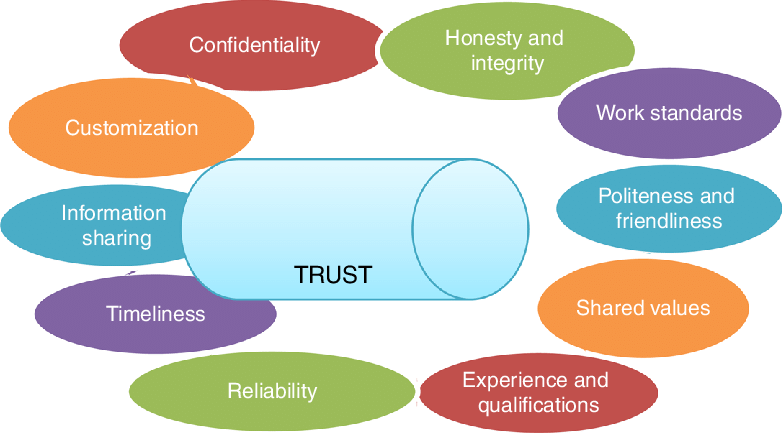
The Role of Trust in Building a Learning Organization

One of the most fundamental aspects of fostering a strong safety culture and a learning organization is trust. Without trust, even the most well-designed safety programs or learning initiatives can fall flat. In many modern workplaces, trust between employees and management is fragile or even absent. This lack of trust creates barriers, both for safety improvements and for productivity gains.

Why Trust Matters

Trust is the foundation upon which open communication, honest feedback, and shared responsibility are built. If employees don’t trust their leaders or feel that their voices won’t be heard, they are unlikely to report safety concerns, share ideas, or admit mistakes. This not only affects the safety of the workplace but also stifles learning and growth, which are essential for any organization’s long-term success.

For example, in a high-risk environment such as a manufacturing plant, workers who don’t trust that management will take their safety concerns seriously may choose not to report a potential hazard. The result? A safety issue that could have been addressed early escalates into a full-blown incident. This damages productivity, incurs costs, and can harm employees. If trust is present, employees feel empowered to speak up, knowing their concerns will be addressed without fear of retribution.

How Lack of Trust Affects Safety and Productivity

In my experience, one of the biggest challenges in the Indian industrial setting is a lack of trust between different levels of an organization. Workers often believe that management is more focused on production targets than their well-being. This disconnect creates a climate of fear rather than one of shared responsibility. If a worker feels that reporting an unsafe condition might lead to disciplinary action or being blamed for slowing down production, they’re less likely to raise the issue.

This lack of trust not only puts safety at risk but also hinders productivity. When employees don’t feel secure, they are less engaged, and disengaged employees do not perform at their best. Moreover, a lack of trust leads to poor communication, which directly impacts learning within the organization. Teams that do not trust one another tend to work in silos, preventing the sharing of knowledge and experiences that are crucial for continuous improvement.

Building Trust for a Safer, More Productive Workplace

Building trust takes time, but it is the key to a successful safety culture and a productive learning environment. Here’s how leaders can foster trust:

  1. Transparent Communication: Leaders need to be transparent with their employees, not just about safety protocols, but also about the broader goals of the organization. When employees understand the ‘why’ behind safety measures and see them as part of a larger strategy for their own well-being, they are more likely to trust management and engage with safety initiatives.
  2. Lead by Example: Trust is earned, not demanded. Leaders must demonstrate their commitment to safety by walking the talk. When employees see that their leaders are genuinely concerned about their safety and not just compliance, trust begins to build.
  3. Accountability Without Blame: In a learning organization, mistakes are opportunities for growth, not grounds for punishment. When employees trust that they won’t be blamed or reprimanded for reporting incidents or raising concerns, they are far more likely to speak up. Leaders need to create an environment where accountability is shared, and every incident is treated as a learning moment, not a blame game.
  4. Involve Employees in Decision-Making: Trust is a two-way street. By involving employees in safety decisions and problem-solving, organizations can foster a sense of ownership and responsibility. When workers are part of the solution, they are more invested in maintaining a safe workplace.
  5. Recognition and Reward: A simple yet effective way to build trust is to recognize and reward employees who demonstrate a commitment to safety and continuous learning. Recognition shows that leaders value safety as much as productivity, reinforcing the importance of trust and shared goals.
Trust as the Key to Organizational Learning

In learning organizations, trust is the glue that holds everything together. When there is trust, employees are not afraid to take risks, share ideas, or admit when they don’t know something. This openness is what fuels learning and innovation. Without trust, however, fear and rigidity take over, stifling creativity and preventing the organization from growing.

In the context of safety, trust enables employees to engage fully in safety training and initiatives, knowing that their contributions matter. It allows for open discussions about past incidents and future risks, and fosters a culture where safety is everyone’s responsibility, not just the safety department’s.

Leadership’s Role in a Learning Organization

Leaders play a crucial role in shaping a learning organization. In India, we often see a hierarchical approach to management, where safety decisions come from the top down. But in a learning organization, leadership is about fostering an environment where learning happens at every level. It’s about moving away from blame and focusing on continuous improvement.

Take the example of Mahindra & Mahindra, which has embraced a learning culture to enhance both safety and productivity. The company invests heavily in leadership training, ensuring that managers and team leaders understand the importance of safety and create open communication channels with their teams. This approach has led to not only safer working environments but also more engaged employees and improved operational efficiency.

Connecting Safety to Productivity

One of the most overlooked aspects of safety is its direct link to productivity. When employees feel safe, they work better. When safety protocols are streamlined and based on real-time learning, operations run smoother. In contrast, when safety is merely a compliance exercise, it often leads to inefficiencies, higher accident rates, and decreased morale.

I once worked with a plant in my consulting,where safety was viewed as a burden—something that slowed down work. After a safety audit revealed major gaps, we shifted focus to creating a learning-based safety culture. Over the next year, not only did accidents reduce, but productivity shot up by 20%. Workers felt more confident, downtime decreased, and the entire organization benefitted from this shift.

Practical Takeaways for Indian Organizations

  1. Promote a Learning Culture: Encourage employees to share their experiences and learn from incidents without fear of blame. Use every incident as a learning opportunity.
  2. Engage Leadership: Leaders must actively participate in safety initiatives, showing that safety is a priority from the top down. Their engagement will inspire employees to take safety seriously.
  3. Human Touch Matters: Safety is about people. Building trust and empathy within the workforce makes safety measures more relatable and effective.
  4. Invest in Continuous Training: Regularly train employees, not just on protocols but on understanding risks and the importance of safety to their own lives.
  5. Link Safety to Productivity: A safe workplace is a productive workplace. Show employees how safety contributes to smoother operations and personal well-being.

In conclusion, safety isn’t just about following rules. It’s about creating an organization that learns from every experience, fosters a culture of care, Trust, Human touch, and empathy, and ties safety directly to productivity. As we move forward in India’s industrial landscape, adopting a learning mindset with a human touch will not only enhance safety but also improve overall business performance.

God Bless.

Karthik

3rd October 2024. 1600 Hrs.

Everything Works, Until It Doesn’t.

As I set out on my morning walk, my faithful companion wasn’t just the rising sun or the cool 14Cel. Bangalore breeze—it was Todd Conklin’s 3 minute podcast echoing through my Airpods. In those fleeting moments, amidst the serenity of nature, one thought struck a chord and lingered: “Everything works until it doesn’t.”

Those five simple words, articulated by Conklin in his concise yet profound podcast, encapsulated a truth that resonated deeply with my ethos as an advocate for safety and wellbeing in workplaces. As an EHS professional with years of experience navigating the intricate landscape of safety protocols and risk management, this principle isn’t just a concept—it’s a guiding light.

This principle reverberates beyond the industrial realm—it mirrors the fabric of our daily lives. In a world where routines seem reliable and systems appear foolproof, it’s all too easy to slip into a state of complacency. But as Conklin’s succinct insight highlighted, the veneer of reliability can shatter in an instant.

In my journey as a safety consultant and a fervent believer in proactive risk mitigation, I’ve encountered instances where seemingly infallible safety measures encountered unforeseen vulnerabilities. Each scenario, each challenge, reinforces the undeniable truth embedded in Conklin’s words.

Join me in this exploration—a journey that transcends the boundaries of workplace safety to touch upon the very essence of preparedness in our homes, communities, and personal lives. Together, let’s delve into the depth of this principle and unravel its implications on safety, seeking insights to fortify our commitment to proactive risk management.

Let’s delve into workplace situations and personal scenarios where this holds good:

Workplace Situations:

Emergency Response Plan: Consider an office emergency response plan. Everything seems well-organized until an actual emergency occurs, revealing gaps in evacuation procedures or inadequate emergency supplies.

Equipment Maintenance: A manufacturing unit’s machines might seem reliable until a critical piece of equipment fails unexpectedly due to lack of regular maintenance.

Software Security: An organization might have robust cybersecurity protocols, yet a new software vulnerability emerges, highlighting the need for continuous updates and monitoring.

Personal Scenarios:

Home Security System: Your home security system might function flawlessly until a power outage exposes vulnerabilities in backup systems or connectivity issues.

Vehicle Maintenance: A well-maintained car might suddenly encounter a breakdown due to a part failure, emphasizing the need for regular servicing despite apparent reliability.

Health and Wellness: Personal health routines can also reflect this principle. Following a healthy lifestyle might seem foolproof until stress or unforeseen health issues challenge your immunity or well-being.

In both spheres, the idea remains constant: what appears seamless can unravel unexpectedly, necessitating preparedness and continuous improvement to mitigate potential risks.

Now focsuing to workspace:

This is a powerful principle and certainly relevant to workplace safety. The core idea is acknowledging that systems and processes might seem flawless until they encounter a failure. To extend this,in maintaining safe conditions at work:

  1. Constant Vigilance: Acknowledge that even well-established safety protocols can fail. Regularly assess, update, and improve safety measures. What works today might not be foolproof tomorrow.
  2. Adaptability and Learning: Encourage a culture where teams are proactive in identifying potential weaknesses in safety systems. Promote reporting near-misses or potential hazards to continuously learn and evolve safety practices.
  3. Scenario Planning: Anticipate potential failure points. Conduct risk assessments, scenario planning, and stress testing to identify weak spots and strengthen safety measures accordingly.
  4. Training and Awareness: Ensure that all employees are well-trained and aware of safety protocols. Continuous training programs can reinforce safety measures and help prevent complacency.
  5. Regular Audits and Reviews: Implement regular audits and reviews of safety protocols. These should be thorough and critical, aiming to spot even the smallest potential for failure.
  6. Feedback Loop: Foster an environment where feedback is welcomed and acted upon. Employees at the ground level often have valuable insights into potential safety risks that may be overlooked.
  7. Technological Integration: Embrace technological advancements for safety. Tools like sensors, AI-driven monitoring, and data analytics can detect and prevent potential safety issues.

Remember, in the realm of safety, the mantra should be: “Everything works until it doesn’t, and it’s our responsibility to anticipate when that might happen and prevent it.”

How organisations can stay on top of this aspect! (Appicable to every business domain) Learning from Incidents as a post mortem to improve performance.


  1. Root Cause Analysis:
    Delve into incidents where safety measures failed unexpectedly. Explore how conducting thorough root cause analyses revealed underlying factors that led to the breakdown, emphasizing the importance of looking beyond the surface. Use 5 Why Methods with 6M (Man, Machine, Method, Measure, Mileu, Material) as tool. Learn and Implement preventive measures.
  2. Human Factors: Discuss the role of human error or complacency in instances where safety systems faltered. Highlighting the need for robust training, awareness, and a proactive safety culture to mitigate human-related risks.
  3. Complexity and Interconnectedness: Explore how systems become vulnerable due to their intricate nature. Showcase examples where an unexpected failure in one part of a system cascaded into larger safety issues, emphasizing the importance of understanding interconnectedness. (Challenger, Columbia, Chernobyl).
  4. Risk Mitigation Strategies: Offer insights into effective risk mitigation strategies. Discuss proactive measures like scenario planning, regular audits, continuous improvement, and the integration of technological advancements in safety protocols.
  5. Culture of Continuous Improvement: Highlight the significance of fostering a culture that values continuous improvement. Share success stories where organizations embraced a mindset of learning from failures to strengthen their safety measures. (Amazon Firephone, SpaceX Early launch failures, Toyota Recalls 2009)
  6. Adaptability and Preparedness: Discuss the necessity of being adaptive and prepared for unforeseen circumstances. Illustrate scenarios where adaptability and preparedness prevented potential safety hazards from escalating. (Ford Pinto 1970s, Improper Risk Assessment for safety concerns, and then corrections!).
  7. Personal Accountability: Stress the importance of personal accountability in ensuring safety. Encourage individuals at all levels to take responsibility for their actions and be vigilant in upholding safety protocols.

By exploring these facets in-depth, organisations can get comprehensive insights into why and how “everything works until it doesn’t” and work solutions.

Conclusion:

In the tapestry of safety and risk management, the thread of “everything works until it doesn’t” weaves a narrative that transcends mere caution—it speaks to the essence of preparedness and resilience. As we traverse through the complexities of workplaces and personal spheres, this principle stands as a sentinel, reminding us that vigilance, adaptability, and a culture of continuous improvement are the bedrock of safety. Each failure, each unforeseen challenge, is an opportunity not just to recover but to fortify our defenses. Let us embrace this truth not with fear but with a resolve to evolve, to learn, and to persist in our commitment to ensuring safety, both in the hallowed halls of industries and within the sanctuaries of our homes. For it is not the inevitability of failure that defines us, but our response to it—our unwavering dedication to making safety a steadfast companion on our journey through work and life.

Karthik

4th Jan 2024.

Why Organisations take the failure path knowing fully well it is not the right path!

Organizations often act against their own best interests, knowingly heading towards failure. There are several psychological and systemic reasons behind this paradox:

  1. Cognitive Biases: Humans are prone to biases like confirmation bias (seeking information that confirms existing beliefs) or optimism bias (underestimating risks). Decision-makers within organizations might fall victim to these biases, leading them to believe their actions are justified despite contrary evidence.
  2. Groupthink and Culture: Organizational cultures can foster groupthink, where dissenting opinions are discouraged. This conformity can blind decision-makers to alternative viewpoints, leading to actions that go against best practices.
  3. Incentives and Metrics: Metrics or incentives often prioritize short-term gains over long-term sustainability. Employees might chase these immediate rewards, disregarding potential long-term consequences.
  4. Hierarchy and Communication: Hierarchical structures can hinder open communication. Lower-level employees might spot potential issues, but the hierarchical setup might discourage them from voicing concerns to higher-ups.
  5. Pressure and Fear of Change: Fear of change or disruptive ideas can push organizations to stick to familiar, albeit flawed, methods. Change might be seen as risky, leading to inertia in adopting better practices.
  6. Overconfidence and Hubris: Decision-makers might overestimate their capabilities or believe they’re immune to failure due to past successes, leading to risky decisions.

These factors intertwine, creating a complex web that steers organizations towards actions that contradict their best interests. Addressing these underlying causes involves fostering a culture of open communication, challenging biases, aligning incentives with long-term goals, and encouraging a healthy acceptance of change and constructive criticism. Understanding these dynamics can help organizations navigate away from self-destructive paths.

“Nine Factors of Failure.” Here they are:

  1. Complexity: The more complex a system, the higher the likelihood of errors or failures.
  2. Interconnectedness: Systems within an organization are interconnected. A failure in one area can have cascading effects on others.
  3. Goals and Values: Misaligned goals and values can lead to decisions that compromise safety and ethics.
  4. Failure to Learn: Organizations that don’t learn from past mistakes are prone to repeating them.
  5. Production Pressures: When production deadlines or targets take precedence over safety, it can lead to compromises.
  6. Complacency: Long periods of success can breed complacency, leading to overlooking potential risks.
  7. Complexity of Work: Some tasks or processes might be inherently complex, increasing the chance of errors or failures.
  8. Requisite Variety: When the variety of risks is not adequately matched with the variety of defenses, failures can occur.
  9. Lack of Resilience: Organizations that lack resilience struggle to recover from failures effectively.

Each factor contributes uniquely to the potential for failure and needs to be addressed systematically.

Diving Deep in to Todd Conklin’s perspective he lists 9 key domain which leads to delibrate failures knowing fully well that it is not a right path. He talks about below in his podcast, We can observe:

  1. Ignorance of Present Danger: Sometimes, individuals or organizations fail to perceive imminent risks due to a lack of awareness or a misplaced sense of security, ultimately leading to disaster.
  2. Sense of Immunity: There’s this belief that failure won’t affect them personally or the organization they belong to, creating a false sense of invincibility that blinds them to potential risks.
  3. Impulsive Behavior: Rushing into decisions without considering potential dangers due to the adrenaline rush or pressure can lead to overlooking critical warning signs.
  4. Fear of Bad News: A culture that penalizes messengers of bad news discourages open communication about potential failures, perpetuating a culture of silence and ignorance.
  5. Overreliance on Gut Feeling: Trusting intuition over rational analysis, as Daniel Kahneman describes, might lead to decisions based on biases or incomplete information, disregarding potential risks.
  6. Selective Memory and Optimism: Forgetting past failures or being overly optimistic about outcomes can lead to the repetition of history, with organizations falling into the same pitfalls.
  7. Lack of Accountability: When actions lack consequences, even negative practices become normalized, perpetuating a cycle of failure without repercussions.
  8. Normalization of Mediocrity: Defending the status quo without recognizing its flaws prevents progress and improvement, leading to stagnation and potential failure.
  9. Avoidance of Disruption: Fear of standing out or causing disruption leads to failures being overlooked or deliberately accepted as part of the norm, rather than addressing them.

Immunizing organizations against deliberate failures involves a multifaceted approach targeting culture, processes, and mindset. Here are actionable steps:

  1. Promote a Culture of Openness: Encourage open communication where bad news can be shared without fear of repercussions. Leaders should actively listen and appreciate honesty.
  2. Encourage Constructive Dissent: Create platforms for employees to voice concerns or alternative viewpoints without judgment. Embrace diversity of thought to identify blind spots.
  3. Focus on Learning from Failures: Foster a culture that views failures as learning opportunities. Analyze failures systematically to extract lessons and prevent their recurrence.
  4. Establish Clear Accountability: Ensure that individuals and teams are accountable for their actions. Consequences for negligence or ethical breaches should be clear and consistent.
  5. Prioritize Long-Term Goals: Align incentives and metrics with long-term sustainability rather than short-term gains. Ensure that safety and ethical considerations aren’t sacrificed for immediate benefits.
  6. Enhance Risk Perception: Educate employees about risk perception and provide tools to assess risks objectively. This helps in making informed decisions.
  7. Continuous Improvement: Implement mechanisms for continuous improvement. Regularly review and update processes, incorporating best practices and innovative solutions.
  8. Leadership Commitment: Leaders must lead by example, displaying a commitment to safety, ethical practices, and continuous improvement. Their actions set the tone for the entire organization.
  9. Invest in Training and Development: Equip employees with the skills and knowledge needed to identify, prevent, and manage risks effectively.
  10. Challenge the Status Quo: Encourage a healthy skepticism toward norms. Encourage employees to question existing practices and propose better alternatives.

By integrating these strategies into the organizational fabric, companies can fortify themselves against deliberate failures. It’s about nurturing a culture of transparency, accountability, and continuous improvement that prioritizes long-term success over short-term gains.

Karthik

Bangalore 18/12/23.