
“Speed of Trust”-Key in Human touch for Learning Organisations.

#216

Personal Update:- I am suffering from Back Spasm issues, and advised bed rest for a considerable time. My blog therefore will be sparodic.

In today’s fast-paced industrial world, organizations are constantly evolving. Yet, safety continues to be a major concern across industries, particularly in India, where compliance often takes precedence over proactive safety culture. However, safety is not just about ticking boxes on an Excel sheet or meeting compliance standards. It’s about creating a workplace where everyone learns, adapts, and improves continuously. This is where the concept of a learning organization comes in, with an emphasis on safety, productivity, and, importantly, the human touch with an ingradient of “TRUST”

What is a Learning Organization?

A learning organization is one that fosters a culture of continuous improvement. It encourages employees at all levels to learn from their experiences, from successes and failures alike, and to apply that learning to future tasks. In a safety context, this means an organization that doesn’t just look at accidents or near misses as isolated incidents but as opportunities to understand root causes and prevent future risks.

For example, in one of my past projects, we had a near-miss involving a chemical spill in a manufacturing unit. Instead of simply fixing the immediate issue and moving on, we brought together a team across departments—operators, engineers, safety officers—to analyze what went wrong, what gaps in communication existed, and how the system could be improved. This collaborative learning led to better communication channels and updated safety protocols, which ultimately resulted in smoother operations and higher productivity.

Continuous Learning for Safety Improvement

Learning organizations place high value on knowledge sharing and constant improvement. In the Indian industrial context, many companies rely heavily on outdated systems of incident reporting and compliance-based safety audits. While compliance is necessary, it’s not enough. To truly make a difference in safety, organizations must embrace a learning mindset.

Take the case of Tata Steel, which over the years has developed a strong safety culture by continuously investing in employee training and leadership development. Tata Steel has not only met regulatory compliance but also gone beyond by fostering a culture where every incident is a learning opportunity. Their safety records have improved dramatically over the past decade, with fewer incidents, lower absenteeism, and higher employee morale.

The Human Touch: Key to Safety Culture

One of the biggest challenges in India is making safety personal. We often see safety measures as rules imposed from the top rather than as a shared responsibility. Leaders must cultivate an environment where employees feel safe to speak up, share concerns, and learn from mistakes without fear of punishment. This is where empathy and leadership come in.

Imagine a scenario where an employee feels hesitant to report a safety issue because they fear it may result in disciplinary action. In a learning organization, leaders encourage open communication and treat every report—be it a near-miss or an unsafe practice—as valuable feedback for improvement. By showing genuine care for employee well-being, leaders can make safety a part of everyday work, not just something that happens during audits or inspections.

In my own career, I’ve seen how simple, human gestures can make a big difference. I once had a manager who would personally check on the safety of workers during shift changes. His presence, concern, and willingness to listen made employees feel valued, and they became more proactive in identifying safety hazards. It wasn’t just about protocols; it was about creating trust and making safety a human concern, not just a corporate one.
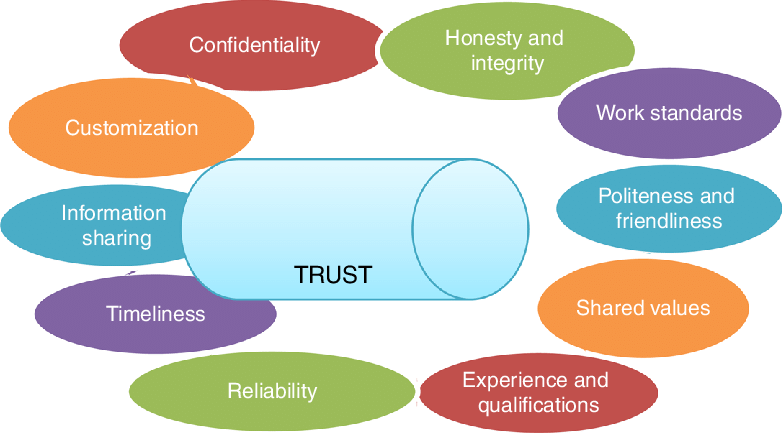
The Role of Trust in Building a Learning Organization

One of the most fundamental aspects of fostering a strong safety culture and a learning organization is trust. Without trust, even the most well-designed safety programs or learning initiatives can fall flat. In many modern workplaces, trust between employees and management is fragile or even absent. This lack of trust creates barriers, both for safety improvements and for productivity gains.

Why Trust Matters

Trust is the foundation upon which open communication, honest feedback, and shared responsibility are built. If employees don’t trust their leaders or feel that their voices won’t be heard, they are unlikely to report safety concerns, share ideas, or admit mistakes. This not only affects the safety of the workplace but also stifles learning and growth, which are essential for any organization’s long-term success.

For example, in a high-risk environment such as a manufacturing plant, workers who don’t trust that management will take their safety concerns seriously may choose not to report a potential hazard. The result? A safety issue that could have been addressed early escalates into a full-blown incident. This damages productivity, incurs costs, and can harm employees. If trust is present, employees feel empowered to speak up, knowing their concerns will be addressed without fear of retribution.

How Lack of Trust Affects Safety and Productivity

In my experience, one of the biggest challenges in the Indian industrial setting is a lack of trust between different levels of an organization. Workers often believe that management is more focused on production targets than their well-being. This disconnect creates a climate of fear rather than one of shared responsibility. If a worker feels that reporting an unsafe condition might lead to disciplinary action or being blamed for slowing down production, they’re less likely to raise the issue.

This lack of trust not only puts safety at risk but also hinders productivity. When employees don’t feel secure, they are less engaged, and disengaged employees do not perform at their best. Moreover, a lack of trust leads to poor communication, which directly impacts learning within the organization. Teams that do not trust one another tend to work in silos, preventing the sharing of knowledge and experiences that are crucial for continuous improvement.

Building Trust for a Safer, More Productive Workplace

Building trust takes time, but it is the key to a successful safety culture and a productive learning environment. Here’s how leaders can foster trust:

  1. Transparent Communication: Leaders need to be transparent with their employees, not just about safety protocols, but also about the broader goals of the organization. When employees understand the ‘why’ behind safety measures and see them as part of a larger strategy for their own well-being, they are more likely to trust management and engage with safety initiatives.
  2. Lead by Example: Trust is earned, not demanded. Leaders must demonstrate their commitment to safety by walking the talk. When employees see that their leaders are genuinely concerned about their safety and not just compliance, trust begins to build.
  3. Accountability Without Blame: In a learning organization, mistakes are opportunities for growth, not grounds for punishment. When employees trust that they won’t be blamed or reprimanded for reporting incidents or raising concerns, they are far more likely to speak up. Leaders need to create an environment where accountability is shared, and every incident is treated as a learning moment, not a blame game.
  4. Involve Employees in Decision-Making: Trust is a two-way street. By involving employees in safety decisions and problem-solving, organizations can foster a sense of ownership and responsibility. When workers are part of the solution, they are more invested in maintaining a safe workplace.
  5. Recognition and Reward: A simple yet effective way to build trust is to recognize and reward employees who demonstrate a commitment to safety and continuous learning. Recognition shows that leaders value safety as much as productivity, reinforcing the importance of trust and shared goals.
Trust as the Key to Organizational Learning

In learning organizations, trust is the glue that holds everything together. When there is trust, employees are not afraid to take risks, share ideas, or admit when they don’t know something. This openness is what fuels learning and innovation. Without trust, however, fear and rigidity take over, stifling creativity and preventing the organization from growing.

In the context of safety, trust enables employees to engage fully in safety training and initiatives, knowing that their contributions matter. It allows for open discussions about past incidents and future risks, and fosters a culture where safety is everyone’s responsibility, not just the safety department’s.

Leadership’s Role in a Learning Organization

Leaders play a crucial role in shaping a learning organization. In India, we often see a hierarchical approach to management, where safety decisions come from the top down. But in a learning organization, leadership is about fostering an environment where learning happens at every level. It’s about moving away from blame and focusing on continuous improvement.

Take the example of Mahindra & Mahindra, which has embraced a learning culture to enhance both safety and productivity. The company invests heavily in leadership training, ensuring that managers and team leaders understand the importance of safety and create open communication channels with their teams. This approach has led to not only safer working environments but also more engaged employees and improved operational efficiency.

Connecting Safety to Productivity

One of the most overlooked aspects of safety is its direct link to productivity. When employees feel safe, they work better. When safety protocols are streamlined and based on real-time learning, operations run smoother. In contrast, when safety is merely a compliance exercise, it often leads to inefficiencies, higher accident rates, and decreased morale.

I once worked with a plant in my consulting,where safety was viewed as a burden—something that slowed down work. After a safety audit revealed major gaps, we shifted focus to creating a learning-based safety culture. Over the next year, not only did accidents reduce, but productivity shot up by 20%. Workers felt more confident, downtime decreased, and the entire organization benefitted from this shift.

Practical Takeaways for Indian Organizations

  1. Promote a Learning Culture: Encourage employees to share their experiences and learn from incidents without fear of blame. Use every incident as a learning opportunity.
  2. Engage Leadership: Leaders must actively participate in safety initiatives, showing that safety is a priority from the top down. Their engagement will inspire employees to take safety seriously.
  3. Human Touch Matters: Safety is about people. Building trust and empathy within the workforce makes safety measures more relatable and effective.
  4. Invest in Continuous Training: Regularly train employees, not just on protocols but on understanding risks and the importance of safety to their own lives.
  5. Link Safety to Productivity: A safe workplace is a productive workplace. Show employees how safety contributes to smoother operations and personal well-being.

In conclusion, safety isn’t just about following rules. It’s about creating an organization that learns from every experience, fosters a culture of care, Trust, Human touch, and empathy, and ties safety directly to productivity. As we move forward in India’s industrial landscape, adopting a learning mindset with a human touch will not only enhance safety but also improve overall business performance.

God Bless.

Karthik

3rd October 2024. 1600 Hrs.

Miracle on Hudson-15 years On!(No Luck)

“Miracle on the Hudson: Commending Courage, Response Excellence, and Investigative Validation in 208 Seconds”

Summary:The Miracle on the Hudson was caused by a bird strike shortly after takeoff from New York City’s LaGuardia Airport. The aircraft, US Airways Flight 1549, collided with a flock of Canada geese, resulting in both engines losing power. With limited altitude of 2800 Feet, and facing the prospect of engine failure, Captain Chesley “Sully” Sullenberger made the quick and critical decision to perform an emergency landing on the Hudson River. His swift actions, along with the professionalism of the crew and the response from first responders, ultimately averted a potential disaster, showcasing the importance of skilled pilots and effective emergency procedures in the face of unforeseen challenges. All 155 passengers and crew, were rescued and Sully was the last one to come out of the aircraft.

Introduction: Fifteen years ago,on 15th January 2009, ( It is now 2200Hrs ,15th Jan in San Francisco CA) on this chilly January afternoon, the world witnessed a miracle in the skies. US Airways Flight 1549, under the capable hands of Captain Chesley “Sully” Sullenberger and First Officer Jeffrey Skiles, made an emergency landing on the Hudson River. As we reflect on this event, it’s crucial to commend the extraordinary efforts of the crew, the swift response from the first responders, and the investigative validation that Captain Sullenberger indeed made the right decisions in a mere 208 seconds. US Airways Flight 1549 was scheduled to fly from New York City’s LaGuardia Airport (LGA) to Charlotte Douglas International Airport (CLT) in North Carolina. The flight had a total of 155 people on board, including 150 passengers and 5 crew members. The aircraft, an Airbus A320, encountered a bird strike shortly after takeoff, leading to the emergency landing on the Hudson River.

Appreciating the Crew: In the face of a potential disaster, Captain Sullenberger and First Officer Skiles showcased unparalleled skill and composure. Their decisive actions in executing an emergency landing on water demonstrated the culmination of rigorous training and unwavering commitment to passenger safety. This incident highlights the critical role competent and well-trained crews play in ensuring the best possible outcomes in emergency situations.

Evacuation Excellence: The evacuation that followed was nothing short of remarkable. In a mere four minutes, passengers and crew were safely evacuated from the partially submerged aircraft. This swift and efficient evacuation, despite the frigid conditions, owes much to the crew’s preparedness and the coordinated efforts of everyone involved. It underscores the importance of regular emergency drills and the need for passengers to be familiar with evacuation procedures.

First Responders’ Heroic Efforts: The first responders, including rescue boats, ferries, and emergency services, from New York and New Jersey, played a pivotal role in ensuring a rapid and organized evacuation. Their response within minutes of the emergency landing showcased the importance of a well-coordinated and highly responsive emergency services system. The cold January waters didn’t deter their dedication to the safety of those on board, and their efforts undoubtedly saved lives.

Investigative Validation: The subsequent investigations into the Miracle on the Hudson incident not only confirmed the crew’s actions were appropriate but also highlighted the right decisions made by Captain Sullenberger in a mere 210 seconds. The rarity of direct engagement with the captain and first officer by investigative authorities underscores the unique circumstances of this incident. The thorough analysis by aviation experts and regulatory authorities underscored that the emergency landing in the Hudson River was the only viable option given the circumstances. This validation not only reaffirms the crew’s competence but also contributes to the continuous improvement of safety standards in aviation.

Legacy in Safety: The Miracle on the Hudson left an indelible mark on aviation safety. Post-incident investigations led to valuable insights, contributing to improvements in safety protocols and emergency response strategies. The incident serves as a constant reminder of the need for continuous improvement and adaptation of safety measures in the aviation industry.

Conclusion: As we commemorate the 15th anniversary of the Miracle on the Hudson, let us express our heartfelt gratitude to Captain Sullenberger, First Officer Skiles, and the entire crew for their exceptional professionalism in those critical 210 seconds. Equally, our deepest appreciation goes to the first responders who demonstrated courage and efficiency in the face of adversity. Their collective efforts on that fateful day, coupled with investigative validation, serve as a testament to the importance of preparedness, training, and coordinated response in ensuring the safety of individuals in the face of unforeseen challenges.

The Miracle on the Hudson incident led to several key recommendations and learnings in the aviation industry. Some of the notable ones include:

  1. Enhanced Bird Strike Mitigation:
    • Recommendations focused on improving bird strike mitigation strategies, including enhanced bird radar systems and wildlife management around airports.
  2. Pilot Training for Emergency Scenarios:
    • Emphasis on pilot training for emergency scenarios, ensuring that flight crews are well-prepared to handle unexpected situations, such as engine failures due to bird strikes.
  3. Improvements in Aircraft Design:
    • The incident prompted a closer examination of aircraft design and engine capabilities to withstand bird strikes, leading to potential improvements in design and materials. Both Engines were completly damaged beyond repair with vanes shattered.
  4. Cockpit Resource Management:
    • Recognition of the importance of effective cockpit resource management and communication among the flight crew during high-stress situations, emphasizing teamwork and decision-making.
  5. Water Evacuation Procedures:
    • Review and enhancement of water evacuation procedures, taking into account the unique challenges posed by emergency landings on water, especially in cold conditions.
  6. First Responder Coordination:
    • Acknowledgment of the critical role played by first responders and recommendations for continued coordination and training to ensure rapid and effective responses in emergency situations.
  7. Post-Incident Mental Health Support:
    • Recognition of the potential psychological impact on the flight crew and passengers, leading to recommendations for post-incident mental health support and counseling.
  8. Communication and Collaboration with Regulatory Authorities:
    • Encouragement for effective communication and collaboration between airline operators, pilots, and regulatory authorities to share insights and implement safety improvements.

These recommendations and learnings contributed to ongoing efforts to enhance aviation safety standards, emergency response procedures, and the overall resilience of the industry to unforeseen challenges.

+++++++

Captain Chesley “Sully” Sullenberger and his crew received numerous honors and recognitions for their bravery and exceptional handling of the Miracle on the Hudson incident. Some notable accolades include:

Air Force Academy Superintendent Lt. Gen. John F. Regni presents the 2009 Col. James Jabara award to 1973 graduate and classmate Chesley “Sully” Sullenberger during a parade held in his honor April 15. Assisting is William “T” Thompson, chief executive officer for the Association of Graduates. Capt. Sullenberger received the award for displaying extraordinary Airmanship in hazardous conditions by landing the crippled U.S. Airways Flight 1549 in the Hudson River Jan. 15. (U.S. Air Force photo/ Mike Kaplan)
  1. The Master’s Medal from the Guild of Air Pilots and Air Navigators:
    • Captain Sullenberger was awarded The Master’s Medal, the highest award given by the Guild of Air Pilots and Air Navigators, in recognition of his exceptional piloting skills.
  2. The French Legion of Honour:
    • The French government awarded Captain Sullenberger and First Officer Jeffrey Skiles the Legion of Honour, one of France’s highest decorations, for their outstanding airmanship and saving all on board.
  3. The Top Honor from the Air Line Pilots Association International (ALPA):
    • Captain Sullenberger received ALPA’s highest honor, the Superior Airmanship Award, in acknowledgment of his extraordinary skill and leadership during the emergency landing.
  4. The American Spirit Award:
    • The American Red Cross honored Captain Sullenberger and his crew with the American Spirit Award for their courage and commitment to saving lives.
  5. Keys to the Cities:
    • Various cities, including New York and Charlotte, awarded Captain Sullenberger and his crew with keys to the cities as a symbolic gesture of appreciation.
  6. Congressional Recognition:
    • Captain Sullenberger and the crew were recognized by the United States Congress for their heroic actions in a joint resolution that commended their professionalism and life-saving efforts.

Karthik

16th Jan 2024.

1145am.

PS: Can we Get Serious???? Clip from Movie. (These investigations can make you wish you rather died in crash!!)….! ”Cactus is airsign code for US Airways”

Simulation of actual Incident (Cockpit Voice Recorder)

2 of 2

Safety Culture- Performance Indicators

An EHS colleague reached out to me on Safety Culture Performance Indicator. Hence this post.

Why Safety Culture is Important element? Why Safety Culture Performance indicator Matter?

Safety culture is paramount for several reasons, and having effective safety culture performance indicators serves as a crucial enabler in advancing safety performance. Here’s a breakdown:

Importance of Safety Culture:

  1. Employee Well-being:
    • Ensures the physical and mental well-being of employees by promoting a safe work environment.
  2. Organizational Reputation:
    • A strong safety culture enhances the organization’s reputation and credibility, attracting talent and business partners.
  3. Legal Compliance:
    • Fosters compliance with safety regulations and standards, mitigating legal risks and potential liabilities.
  4. Productivity and Efficiency:
    • Reduces accidents and disruptions, leading to improved productivity and operational efficiency.
  5. Cost Reduction:
    • Minimizes costs associated with accidents, injuries, and potential lawsuits.
  6. Employee Engagement:
    • Boosts employee morale and engagement by demonstrating that their safety is a top priority.

Role of Safety Culture Performance Indicators:

  1. Measuring Progress:
    • Indicators offer tangible metrics to measure the organization’s progress in building and sustaining a strong safety culture.
  2. Identifying Weaknesses:
    • Highlight areas that need improvement, enabling targeted interventions.
  3. Leadership Visibility:
    • Provides leadership with visible and quantifiable data on safety initiatives, facilitating informed decision-making.
  4. Employee Awareness:
    • Raises awareness among employees about the importance of safety and their role in its success.
  5. Continuous Improvement:
    • Acts as a tool for continuous improvement, allowing organizations to adapt and enhance safety practices over time.
  6. Accountability:
    • Creates accountability by setting clear expectations and standards, with indicators serving as measurable benchmarks.
  7. Demonstrating Commitment:
    • Publicly displays the organization’s commitment to safety, both internally and externally.
  8. Risk Mitigation:
    • Enables proactive identification and mitigation of potential risks before they escalate into incidents.
  9. Cultural Transformation:
    • Supports the cultural transformation needed for sustained safety excellence.
  10. Benchmarking and Best Practices:
    • Facilitates benchmarking against industry standards and the adoption of best practices.
  11. Feedback Loop:
    • Establishes a feedback loop, encouraging continuous communication between management and employees regarding safety performance.

In essence, safety culture performance indicators serve as a compass, guiding organizations in their journey toward a safer and healthier workplace. By regularly assessing these indicators, organizations can gauge the effectiveness of their safety culture initiatives, address weaknesses, and continually enhance their safety performance.

Key Safety Culture Indicators (Not an Exhaustive List). Please note Indicators can be both Qualitative and Quantitative (Metric). Please refer to my post on Indicators and Metric for an explanation.


  1. Leadership Commitment
    • Indicator: Presence of a clear safety vision and mission statement.
    • Indicator: Leadership participation in safety initiatives.
    • Indicator: Allocation of resources for safety programs.
  2. Employee Involvement
    • Indicator: Employee participation in safety committees or meetings.
    • Indicator: Number of safety suggestions or observations submitted by employees.
    • Indicator: Participation in safety training programs.
  3. Communication Effectiveness
    • Indicator: Regularity and clarity of safety communications.
    • Indicator: Openness of communication channels for reporting safety concerns.
    • Indicator: Utilization of multiple communication channels (meetings, posters, emails) for safety messages.
  4. Safety Training and Competence
    • Indicator: Percentage of employees who have completed required safety training.
    • Indicator: Competency assessments for critical safety tasks.
    • Indicator: Frequency of safety refresher courses.
  5. Incident Reporting and Investigation
    • Indicator: Timeliness of incident reporting.
    • Indicator: Thoroughness of incident investigations.
    • Indicator: Implementation of corrective actions following incidents.
  6. Safety Perception Surveys
    • Indicator: Regular administration of safety perception surveys.
    • Indicator: Trends in survey responses over time.
    • Indicator: Action plans based on survey feedback.
  7. Near-Miss Reporting
    • Indicator: Number of near-miss reports.
    • Indicator: Analysis of near-miss trends.
    • Indicator: Implementation of preventive measures based on near-miss data.
  8. Safety Compliance
    • Indicator: Compliance with safety regulations and standards.
    • Indicator: Results of internal and external safety audits.
    • Indicator: Number of safety violations or non-compliance instances.
  9. Continuous Improvement Initiatives
    • Indicator: Number of implemented improvements from employee suggestions.
    • Indicator: Participation in continuous improvement programs.
    • Indicator: Regular review and update of safety policies and procedures.
  10. Benchmarking Against Industry Standards
    • Indicator: Comparison of safety performance with industry benchmarks.
    • Indicator: Participation in industry safety benchmarking programs.
    • Indicator: Recognition or awards received for safety achievements.

Here’s a laundry list of safety culture indicators across various categories:

Organization and Leadership:

  1. Safety Mission and Values:
    • Presence of a documented safety mission and values statement.
  2. Policy Development:
    • Existence of comprehensive safety policies and procedures.
  3. Resource Allocation:
    • Allocation of budget and resources specifically for safety initiatives.
  4. Safety Committees:
    • Formation and active participation of safety committees.
  5. Management Engagement:
    • Demonstrated commitment of top management to safety.

Performance Metrics:

  1. Incident Rate:
    • Frequency and severity of reported incidents.
  2. Near-Miss Reporting:
    • Number and quality of reported near-miss incidents.
  3. Lost Time Injury Rate:
    • Frequency and duration of injuries leading to lost work time.
  4. Safety Observations:
    • Regularity of safety observations and feedback.

Communication:

  1. Safety Communication:
    • Clarity and frequency of safety communications.
  2. Two-Way Communication:
    • Openness and effectiveness of communication channels.

Training and Competence:

  1. Training Completion Rates:
    • Percentage of employees completing required safety training.
  2. Competency Assessments:
    • Regular assessments of employees’ competency in safety tasks.

Accountability and Recognition:

  1. Accountability Measures:
    • Implementation of consequences for safety violations.
  2. Recognition Programs:
    • Existence of programs recognizing safety achievements.

Trust and Empowerment:

  1. Trust in Reporting:
    • Employee trust in the confidentiality of reporting incidents.
  2. Empowerment Programs:
    • Initiatives empowering employees to take an active role in safety.

Continuous Improvement:

  1. Continuous Improvement Initiatives:
    • Number and impact of implemented improvements.
  2. Feedback Mechanisms:
    • Systems in place for employees to provide continuous feedback.

Benchmarking and Industry Recognition:

  1. Benchmarking Participation:
    • Involvement in industry benchmarking programs.
  2. Recognition and Awards:
    • Receipt of industry recognition or safety awards.

Organizational Learning:

  1. Incident Investigation Effectiveness:
    • Thoroughness and quality of incident investigations.
  2. Adaptation of Best Practices:
    • Implementation of best practices from the industry.

Employee Well-being:

  1. Well-being Programs:
    • Existence and effectiveness of programs promoting overall employee well-being.
  2. Work-Life Balance:
    • Policies supporting a healthy work-life balance.

Karthik

15th Jan 2023.

Humane Approach- Leadeship Traits.

#137

Tom Hanks, (as and in Sully – Miracle on Hudson).
  1. Emphasis on Compliance: Companies prioritize meeting regulatory requirements, leading to a focus on implementing systems and processes to ensure compliance rather than emphasizing the human aspect of safety.
  2. Technocentric Mindset: Rapid technological advancements might lead to over-reliance on technology to mitigate risks, sometimes overshadowing the importance of human behavior and decision-making in safety.
  3. Complexity and Efficiency: Systems and processes offer a streamlined way to manage safety efficiently, especially in large organizations. However, this might inadvertently downplay the human element.

To address this imbalance and reintroduce the humane approach:

  1. Leadership Emphasis: Leaders should actively advocate for a balanced approach that integrates systems with a strong emphasis on human-centric safety measures.
  2. Training and Awareness: Conduct training sessions that highlight the importance of human behavior in safety. Educate employees on how their actions and decisions directly impact safety outcomes.
  3. Inclusive Decision-making: Involve employees in safety-related decision-making processes. Encourage their input on improving safety systems while also considering their insights on the human side of safety.
  4. Culture Shift: Foster a culture that values and celebrates human-centric safety. Recognize and reward behaviors that prioritize human well-being and actively contribute to a safer workplace.
  5. Evaluation and Adaptation: Continuously evaluate the effectiveness of safety systems while considering their impact on people. Adapt systems and processes to align better with human behavior and needs.
  6. Communication Strategy: Emphasize the importance of open communication and active reporting of safety concerns. Create avenues where employees feel comfortable discussing safety issues.

By promoting a culture that balances technical systems with a strong focus on the human aspect of safety, industries can ensure a more comprehensive approach that values the well-being and contributions of individuals within the organization. This shift requires a concerted effort from leadership, employees, and the organizational culture as a whole.

++++++++++++++

Humanizing safety involves shifting the focus from merely implementing programs and systems to genuinely valuing and prioritizing the well-being, perspectives, and contributions of individuals within the organization. Here’s how leaders can foster a more human-centric approach to safety:

  1. Empower and Involve People: Instead of just rolling out programs, involve employees in the creation and improvement of safety measures. Seek their input, listen to their concerns, and empower them to actively participate in shaping safety protocols.
  2. Cultivate Trust and Open Communication: Build a culture where employees feel comfortable reporting safety concerns without fear of retribution. Encourage open discussions about safety, actively listen to feedback, and take necessary actions.
  3. Focus on Behavioral Safety: Understand that human behavior plays a significant role in safety. Instead of solely relying on systems and processes, emphasize behaviors that contribute positively to safety. Encourage safe practices through coaching, training, and positive reinforcement.
  4. Recognize and Value Contributions: Acknowledge and appreciate contributions to safety initiatives. Celebrate successes, whether big or small, and highlight individuals or teams who exemplify a commitment to safety.
  5. Develop Personal Connections: Leaders should take the time to connect with employees on a personal level. Show genuine care and interest in their well-being, which reinforces the idea that safety isn’t just a set of rules but a shared commitment to each other’s safety.
  1. Integrate Human Factors into Systems: While systems and processes are vital, ensure they account for human factors. Design processes that consider human limitations, behaviors, and responses.
  2. Constant Evaluation and Adaptation: Regularly evaluate the effectiveness of safety programs and systems by considering their impact on people. Adapt and modify these systems based on feedback and evolving needs.
  3. Balance Technical and Human Aspects: Emphasize that while technical systems are crucial, they work best when complemented by a culture that values human well-being, communication, and active participation in safety practices.

By emphasizing the human element alongside technical systems, leaders can create a safety culture that is not just about compliance but also about caring for and respecting the people who are integral to the safety of the organization.

+++++++

Safety leadership encompasses various facets, especially when emphasizing humanistic aspects. Here are seven essential traits:

  1. Empathy: A safety leader should genuinely understand and relate to the challenges, concerns, and experiences of their team members. Empathy fosters a culture of care and support.
  2. Communication Skills: Clear and effective communication is crucial. A safety leader should be able to articulate safety protocols, concerns, and initiatives in a way that resonates with everyone, irrespective of their role or background.
  3. Trustworthiness: Building trust is foundational. Employees should trust the leader’s guidance, decisions, and commitment to their well-being and safety.
  4. Respect and Dignity: Respecting individuals at all levels within the organization is key. A leader should uphold dignity, acknowledging everyone’s contributions and perspectives.
  5. Adaptability and Open-mindedness: In a dynamic environment, a safety leader must adapt to changes, new information, and evolving safety standards. Being open-minded to new ideas and feedback is crucial.
  6. Problem-Solving Skills: Ability to analyze complex situations, identify risks, and proactively find solutions is imperative. Encouraging a culture of reporting incidents without fear of reprisal is part of this trait.
  7. Commitment to Continuous Improvement: Prioritizing ongoing improvement in safety measures, training, and overall safety culture is fundamental. This involves seeking ways to enhance safety protocols and strategies regularly. Complementary traits could include:
  8. Courage: A safety leader needs the courage to make tough decisions, prioritize safety over convenience, and challenge the status quo if necessary.
  9. Patience: Changing a safety culture takes time. Patience allows for gradual but sustainable improvements.
  10. Innovation: Encouraging innovation in safety measures leads to more effective and practical solutions to safety challenges. By integrating these traits, safety leaders can create a more comprehensive and effective safety culture that prioritizes both technical safety measures and the human aspects of well-being.

Strategising Humane Aspect:-


  1. Lead by Example:
    Safety leaders should embody these traits themselves. Their actions, words, and decisions should reflect empathy, respect, and commitment to safety.
  2. Training and Education: Conduct regular training sessions emphasizing not only technical safety aspects but also the humanistic elements. Use case studies or scenarios that highlight the importance of empathy, communication, and problem-solving in safety.
  3. Communication Strategies: Develop effective communication channels that encourage open dialogue, feedback, and reporting of safety concerns. This fosters a culture of trust and respect.
  4. Recognize and Reward: Acknowledge and celebrate safety-conscious behaviors. This could be through awards, public recognition, or other forms of appreciation that reinforce the desired traits.
  5. Collaboration and Inclusivity: Involve employees in safety initiatives. Encourage diverse perspectives and ideas. This fosters a sense of ownership and collective responsibility towards safety.
  6. Continuous Improvement: Regularly assess safety protocols and systems. Involve employees in finding gaps and improving safety measures, encouraging a culture of continuous learning.
  1. Active Participation: Engage in safety meetings, training sessions, and discussions. Share concerns, ideas, and experiences related to safety. Actively participate in safety-related activities or committees if available.
  2. Reporting and Communication: Don’t hesitate to report hazards, near misses, or unsafe conditions promptly. Effective communication ensures potential risks are addressed before they escalate.
  3. Supportive Culture: Foster a culture of safety by encouraging peers to follow safety protocols. Be supportive and remind others about safety measures without judgment or criticism.
  4. Personal Responsibility: Take responsibility for personal safety as well as the safety of colleagues. This includes following safety procedures, using protective equipment, and being mindful of potential hazards.
  5. Continuous Learning: Stay updated on safety protocols and procedures. Attend training sessions, ask questions, and seek clarification on safety guidelines if needed.
  6. Feedback and Improvement: Provide constructive feedback on existing safety measures. Suggest improvements or changes that could enhance safety in the workplace.

It’s essential to recognize that sometimes employees might not reach out due to various reasons such as fear of reprisal, lack of confidence, or feeling disconnected from safety initiatives. Leaders and organizations need to create an environment that encourages and values employee participation in safety efforts. This includes:

  1. Open Communication Channels: Ensure there are clear and easily accessible channels for reporting safety concerns. Make it known that reporting hazards or incidents won’t result in punitive actions.
  2. Training and Support: Offer regular training on safety protocols and provide support for employees to understand and implement these measures effectively.
  3. Recognition and Involvement: Recognize and appreciate employees who actively contribute to safety. Involve employees in safety-related decision-making processes, seeking their input and ideas.
  4. Leadership Example: Leaders should lead by example, demonstrating a commitment to safety and encouraging employees to do the same.

When both employees and leadership actively participate in humanizing safety, it creates a collaborative environment where safety is not just a set of rules but a shared responsibility and value that everyone upholds.

Let me know your thoughts.

Karthik

7th Jan 2024.

PS: Thanks to Dr Rob Long Blog post which triggered my thoughts, where he tries his best for Humanising Safety in every aspect thus keeping human being at center of action.

Everything Works, Until It Doesn’t.

As I set out on my morning walk, my faithful companion wasn’t just the rising sun or the cool 14Cel. Bangalore breeze—it was Todd Conklin’s 3 minute podcast echoing through my Airpods. In those fleeting moments, amidst the serenity of nature, one thought struck a chord and lingered: “Everything works until it doesn’t.”

Those five simple words, articulated by Conklin in his concise yet profound podcast, encapsulated a truth that resonated deeply with my ethos as an advocate for safety and wellbeing in workplaces. As an EHS professional with years of experience navigating the intricate landscape of safety protocols and risk management, this principle isn’t just a concept—it’s a guiding light.

This principle reverberates beyond the industrial realm—it mirrors the fabric of our daily lives. In a world where routines seem reliable and systems appear foolproof, it’s all too easy to slip into a state of complacency. But as Conklin’s succinct insight highlighted, the veneer of reliability can shatter in an instant.

In my journey as a safety consultant and a fervent believer in proactive risk mitigation, I’ve encountered instances where seemingly infallible safety measures encountered unforeseen vulnerabilities. Each scenario, each challenge, reinforces the undeniable truth embedded in Conklin’s words.

Join me in this exploration—a journey that transcends the boundaries of workplace safety to touch upon the very essence of preparedness in our homes, communities, and personal lives. Together, let’s delve into the depth of this principle and unravel its implications on safety, seeking insights to fortify our commitment to proactive risk management.

Let’s delve into workplace situations and personal scenarios where this holds good:

Workplace Situations:

Emergency Response Plan: Consider an office emergency response plan. Everything seems well-organized until an actual emergency occurs, revealing gaps in evacuation procedures or inadequate emergency supplies.

Equipment Maintenance: A manufacturing unit’s machines might seem reliable until a critical piece of equipment fails unexpectedly due to lack of regular maintenance.

Software Security: An organization might have robust cybersecurity protocols, yet a new software vulnerability emerges, highlighting the need for continuous updates and monitoring.

Personal Scenarios:

Home Security System: Your home security system might function flawlessly until a power outage exposes vulnerabilities in backup systems or connectivity issues.

Vehicle Maintenance: A well-maintained car might suddenly encounter a breakdown due to a part failure, emphasizing the need for regular servicing despite apparent reliability.

Health and Wellness: Personal health routines can also reflect this principle. Following a healthy lifestyle might seem foolproof until stress or unforeseen health issues challenge your immunity or well-being.

In both spheres, the idea remains constant: what appears seamless can unravel unexpectedly, necessitating preparedness and continuous improvement to mitigate potential risks.

Now focsuing to workspace:

This is a powerful principle and certainly relevant to workplace safety. The core idea is acknowledging that systems and processes might seem flawless until they encounter a failure. To extend this,in maintaining safe conditions at work:

  1. Constant Vigilance: Acknowledge that even well-established safety protocols can fail. Regularly assess, update, and improve safety measures. What works today might not be foolproof tomorrow.
  2. Adaptability and Learning: Encourage a culture where teams are proactive in identifying potential weaknesses in safety systems. Promote reporting near-misses or potential hazards to continuously learn and evolve safety practices.
  3. Scenario Planning: Anticipate potential failure points. Conduct risk assessments, scenario planning, and stress testing to identify weak spots and strengthen safety measures accordingly.
  4. Training and Awareness: Ensure that all employees are well-trained and aware of safety protocols. Continuous training programs can reinforce safety measures and help prevent complacency.
  5. Regular Audits and Reviews: Implement regular audits and reviews of safety protocols. These should be thorough and critical, aiming to spot even the smallest potential for failure.
  6. Feedback Loop: Foster an environment where feedback is welcomed and acted upon. Employees at the ground level often have valuable insights into potential safety risks that may be overlooked.
  7. Technological Integration: Embrace technological advancements for safety. Tools like sensors, AI-driven monitoring, and data analytics can detect and prevent potential safety issues.

Remember, in the realm of safety, the mantra should be: “Everything works until it doesn’t, and it’s our responsibility to anticipate when that might happen and prevent it.”

How organisations can stay on top of this aspect! (Appicable to every business domain) Learning from Incidents as a post mortem to improve performance.


  1. Root Cause Analysis:
    Delve into incidents where safety measures failed unexpectedly. Explore how conducting thorough root cause analyses revealed underlying factors that led to the breakdown, emphasizing the importance of looking beyond the surface. Use 5 Why Methods with 6M (Man, Machine, Method, Measure, Mileu, Material) as tool. Learn and Implement preventive measures.
  2. Human Factors: Discuss the role of human error or complacency in instances where safety systems faltered. Highlighting the need for robust training, awareness, and a proactive safety culture to mitigate human-related risks.
  3. Complexity and Interconnectedness: Explore how systems become vulnerable due to their intricate nature. Showcase examples where an unexpected failure in one part of a system cascaded into larger safety issues, emphasizing the importance of understanding interconnectedness. (Challenger, Columbia, Chernobyl).
  4. Risk Mitigation Strategies: Offer insights into effective risk mitigation strategies. Discuss proactive measures like scenario planning, regular audits, continuous improvement, and the integration of technological advancements in safety protocols.
  5. Culture of Continuous Improvement: Highlight the significance of fostering a culture that values continuous improvement. Share success stories where organizations embraced a mindset of learning from failures to strengthen their safety measures. (Amazon Firephone, SpaceX Early launch failures, Toyota Recalls 2009)
  6. Adaptability and Preparedness: Discuss the necessity of being adaptive and prepared for unforeseen circumstances. Illustrate scenarios where adaptability and preparedness prevented potential safety hazards from escalating. (Ford Pinto 1970s, Improper Risk Assessment for safety concerns, and then corrections!).
  7. Personal Accountability: Stress the importance of personal accountability in ensuring safety. Encourage individuals at all levels to take responsibility for their actions and be vigilant in upholding safety protocols.

By exploring these facets in-depth, organisations can get comprehensive insights into why and how “everything works until it doesn’t” and work solutions.

Conclusion:

In the tapestry of safety and risk management, the thread of “everything works until it doesn’t” weaves a narrative that transcends mere caution—it speaks to the essence of preparedness and resilience. As we traverse through the complexities of workplaces and personal spheres, this principle stands as a sentinel, reminding us that vigilance, adaptability, and a culture of continuous improvement are the bedrock of safety. Each failure, each unforeseen challenge, is an opportunity not just to recover but to fortify our defenses. Let us embrace this truth not with fear but with a resolve to evolve, to learn, and to persist in our commitment to ensuring safety, both in the hallowed halls of industries and within the sanctuaries of our homes. For it is not the inevitability of failure that defines us, but our response to it—our unwavering dedication to making safety a steadfast companion on our journey through work and life.

Karthik

4th Jan 2024.

Permit to (Hell) Work.

#122

“Navigating Complexity: Simplifying Permit-to-Work for Enhanced Safety”

Introduction: Navigating the intricate web of safety procedures often feels like maneuvering through a labyrinth. In the realm of workplace safety, one pivotal system aimed at safeguarding lives and minimizing risks is the Permit-to-Work (PTW). At its core, PTW serves as a guardian, meticulously orchestrating safety measures for high-risk activities. However, within this system, a paradox often arises: the noble intent of safety can become entangled in the web of complexities.

In this blog post, we delve into the critical realm of PTW systems. We’ll explore their fundamental components, their purpose in risk management, and the fine balance between effectiveness and complexity. More importantly, we’ll unravel the challenges posed by the interlinking of multiple permits for a single task—a complication that often dilutes the very essence of safety protocols.

Join us on this journey as we dissect the intricacies of PTW systems, identifying the hurdles that blur the lines between safety efficacy and operational intricacies. We’ll unearth solutions, advocate for simplicity without compromising safety standards, and champion a culture that values efficiency without sacrificing security. It’s time to navigate the labyrinth of PTW systems, seeking clarity amidst complexity for a safer, more streamlined approach to workplace safety.

A Permit-to-Work (PTW) system is a formal written system used to control and manage hazardous work activities. It’s designed to ensure that specific tasks or operations are conducted safely by providing a structured process for authorization, risk assessment, and control measures before work commences. PTW systems are crucial in high-risk industries like construction, manufacturing, and oil and gas, where certain tasks pose significant safety hazards. It is to be noted that permit to work involves Inter departmental / functional sign off. Tasks done within one function / Area/ Department are covered under Standard Operating Procedure / Work Instructions. 

Examples of Permit-to-Work systems include: (Not Exhaustive)

  • Hot work permits for activities involving welding, cutting, or open flames in potentially flammable environments.
  • Confined space entry permits for accessing enclosed spaces with limited entry and exit points, where hazardous atmospheres or physical hazards may be present.
  • Cold work permits for tasks that don’t involve heat or fire but still carry risks, such as maintenance or cleaning activities. 

The importance of a PTW system lies in its ability to:

  • Identify and assess potential risks associated with specific tasks.
  • Implement necessary controls and precautions to mitigate these risks.
  • Authorize only trained and authorized personnel to carry out the task after adhering to safety protocols.
  • Ensure clear communication among teams involved in the work process.

The consequences of not applying a PTW system can be severe:

  • Increased risk of accidents, injuries, or fatalities due to inadequate hazard assessment and control measures.
  • Potential damage to property or the environment.
  • Legal and financial repercussions for non-compliance with safety regulations.

Notorious incidents related to the absence or failure of a PTW system include:

  • Piper Alpha Oil Rig Disaster (1988): Lack of a comprehensive PTW system contributed to an explosion and fire that led to the loss of 167 lives.
  • Texas City Refinery Explosion (2005): Inadequate PTW procedures were among the factors contributing to an explosion resulting in 15 fatalities and numerous injuries.

These incidents highlight the critical importance of a robust Permit-to-Work system in preventing accidents, protecting lives, and ensuring a safer work environment in high-risk industries.

Key components of a Permit-to-Work (PTW) system typically Include:-

  1. Authorization Process: Clear identification of who is authorized to issue, approve, and implement permits, outlining their roles and responsibilities.

  2. Risk Assessment: Detailed evaluation of potential hazards associated with the task or work area. Identification of control measures to mitigate risks, including isolation procedures and emergency protocols.

  3. Permit Document: A standardized permit document specifying the details of the task, location, duration, and authorized personnel. Clear instructions on the required safety measures and controls to be followed.  

  4. Communication and Coordination: Effective communication among all involved parties, including supervisors, workers, and permit issuers. Coordination between different departments or contractors working in the same area to ensure a unified approach to safety.

  5. Training and Competency Requirements: Requirements for training and competency levels of personnel involved in executing the task. Ensuring that authorized individuals have the necessary skills and knowledge to conduct the work safely.

  6. Review and Approval Process: Procedures for review, approval, and periodic reassessment of permits to ensure ongoing compliance with safety standards. Clearly defined steps for permit closure or cancellation once the task is completed.

  7. Monitoring and Compliance: Regular monitoring of the work area to ensure adherence to permit conditions and safety measures. Compliance checks to confirm that the task is being executed according to the permit specifications.

  8. Emergency Procedures: Clearly outlined emergency response procedures in case of unexpected situations or incidents. Communication channels and escalation procedures for addressing emergencies promptly.

  9. Record-Keeping and Documentation: Documentation of all permit-related information, including risk assessments, approvals, and any changes made during the task execution. Maintaining comprehensive records for auditing, review, and future reference.

These components collectively form a robust Permit-to-Work system, ensuring that hazardous tasks are carried out with strict adherence to safety protocols, minimizing risks to personnel and the workplace environment.

In the realm of Permit-to-Work (PTW) systems, the delicate balance between simplicity and complexity presents a significant challenge, particularly in large, complex operational sites. Let’s delve deeper into this dichotomy and the challenges faced in implementing PTW in such environments:

Simplicity vs. Complexity:

Simplicity: A simple PTW system is intuitive, user-friendly, and easy to navigate. It focuses on essential safety measures without unnecessary intricacies. Simplicity ensures:

  • Clear and concise procedures that are easily understood by all involved.
  • Efficient execution of tasks without excessive paperwork or convoluted processes.
  • Enhanced compliance as users find it easier to follow straightforward protocols.

Complexity: A complex PTW system can arise due to multifaceted operations, interlinked tasks, or layered safety protocols. It poses challenges such as:

  • Overlapping or redundant permit requirements for single tasks, creating confusion and administrative burdens.
  • Lengthy approval processes that delay work commencement, impacting operational efficiency.
  • Difficulty in maintaining a holistic view of safety measures due to numerous interdependencies among permits.

Challenges in Implementation at Large, Complex Sites:

  1. Interlinked Operations: In a complex operational setup, tasks often overlap or require multiple permits, leading to complexities in permit coordination and management.

  2. Communication and Coordination: Ensuring effective communication among various departments, contractors, and personnel involved in interconnected tasks is challenging. Coordinating permit requirements among different teams or shifts adds layers of complexity.

  3. Compliance and Oversight: Monitoring and ensuring compliance across a vast and diverse operational landscape is daunting, leading to potential gaps or inconsistencies.

  4. Training and Awareness: Training a large workforce on PTW procedures, especially when roles and tasks are varied, demands substantial effort and resources.

  5. Adaptability and Change Management: Implementing changes or updates to the PTW system across a large, established site requires robust change management strategies to ensure seamless adaptation.

Overcoming Challenges:

Overcoming Challenges:

  • Simplify Procedures: Streamline permit requirements and procedures to eliminate unnecessary complexities.
  • Enhance Communication: Implement effective communication channels to ensure clarity and coordination among all stakeholders.
  • Training and Awareness Programs: Invest in comprehensive training initiatives to educate and engage a diverse workforce.
  • Continuous Improvement: Encourage feedback mechanisms and regular reviews to refine and optimize PTW procedures.

Successfully navigating the complexity of a large, intricate operational site requires a balance between ensuring safety protocols and simplifying PTW processes for smoother execution and heightened efficiency.

Linking Risk Assessment and Permit-to-Work (PTW) systems is essential for enhancing safety protocols and streamlining procedures. Here’s how this linkage can help streamline PTW procedures and formats:

  1. Identifying Hazards: Risk assessments help in identifying potential hazards associated with specific tasks or work areas. This information informs the PTW system, ensuring that permits include necessary controls and precautions to mitigate identified risks.

  2. Tailored Permit Requirements: Risk assessment outcomes guide the formulation of PTW requirements tailored to the identified hazards. Permits are customized based on risk severity, specifying necessary safety measures and controls.

  3. Clearer Permit Conditions: Risk assessment findings provide clarity on the conditions to be included in permits. Permit formats incorporate specific risk-related instructions, ensuring comprehensive guidance for safe task execution.

  4. Risk-Based Authorization: Based on risk assessments, PTW systems can incorporate authorization levels aligned with the assessed risks. High-risk tasks may require additional authorization or stringent approval processes.

  5. Communication of Risk Controls: PTW documents become a means of effectively communicating risk controls to workers executing the task. They outline specific safety measures and precautions needed, enhancing awareness and compliance.

  6. Continuous Improvement: Feedback from risk assessments can contribute to continuous improvement of PTW procedures. Incorporating lessons learned from risk assessments into PTW systems allows for ongoing refinement.

  7. Standardized Risk-Based PTW Formats: Aligning risk assessments with PTW formats standardizes the inclusion of risk-related elements in permit documentation. This ensures consistency and completeness across different permits, irrespective of task complexities.

  8. Enhanced Monitoring and Review: Linking risk assessments enables better monitoring of risk controls during task execution. PTW systems can include provisions for regular review based on updated risk assessments, ensuring the adequacy of controls.

By integrating risk assessment outcomes into the PTW system, organizations can create a more robust safety framework. This alignment not only improves the accuracy and relevance of permit conditions but also enhances overall safety measures by focusing on identified hazards and their effective management during task execution.

Integrated permit :- Integrating permits for tasks involving cold work, hot work, and elevated work at height requires a holistic approach to encompass all safety aspects without duplicating efforts. Here’s a systematic approach to creating an integrated permit for such tasks:

Integrated Permit-to-Work Approach:

  1. Task Segmentation: Identify and segment the task into distinct phases or sections, considering cold work, hot work, and elevated work aspects separately.

  2. Comprehensive Risk Assessment: Conduct a comprehensive risk assessment covering all facets of the task, considering cold work, hot work, and elevated work hazards individually and collectively.

  3. Task-Specific Controls and Measures: Determine task-specific safety controls and measures for each phase, considering the risks associated with cold work (e.g., maintenance), hot work (e.g., welding), and elevated work (e.g., working at heights).

  4. Integrated Permit Document: Create an integrated permit document that encompasses all safety controls, authorizations, and task details for the entire task, covering cold work, hot work, and elevated work.

  5. Segmented Permit Sections: Divide the integrated permit into sections or segments, allocating specific areas for cold work, hot work, and elevated work, with delineated responsibilities and safety measures for each.

  6. Authorization Levels and Responsibilities: Clearly define authorization levels for each phase within the integrated permit, ensuring that designated individuals oversee and approve relevant sections of the task.

  7. Communication and Collaboration: Foster collaboration and communication among teams involved in different aspects of the task to ensure alignment with safety protocols and permit requirements.

  8. Real-Time Monitoring and Compliance Checks: Implement real-time monitoring and compliance checks during task execution, ensuring adherence to permit conditions for each segment, whether it’s cold work, hot work, or work at height.

  9. Regular Review and Adaptation: Conduct periodic reviews and adaptations of the integrated permit to incorporate changes in task requirements, safety measures, or operational conditions.

Example Controls for Each Aspect:

  • Cold Work: Include isolation procedures, equipment de-energization, and atmospheric testing measures.
  • Hot Work: Specify fire prevention measures, hot work permits, and fire watch requirements.
  • Elevated Work: Outline fall protection systems, safety harnesses, guardrails, and safe access procedures for working at heights.

Integrating permits for tasks involving various work aspects ensures a comprehensive approach to safety, minimizing duplication, and ensuring all risks are adequately addressed within a cohesive permit-to-work system.

In conclusion, Permit-to-Work systems serve as critical tools for managing unplanned, unscheduled, and non-routine tasks effectively. These permits act as trigger points, guiding us through the safe completion of work by providing structured protocols and safety measures.

When implemented effectively, Permit-to-Work systems offer several advantages:

  1. Structured Approach: They provide a systematic and structured approach to managing high-risk tasks, ensuring that necessary safety measures are in place before work commences.
  2. Risk Mitigation: Permits act as safety roadmaps, identifying potential hazards and outlining specific controls and precautions to mitigate risks.
  3. Clear Communication: They facilitate clear communication among teams, ensuring everyone involved understands their roles, responsibilities, and safety requirements.
  4. Controlled Work Environment: Permits help create a controlled work environment, preventing unauthorized work and minimizing the likelihood of accidents or incidents.
  5. Emergency Preparedness: They incorporate emergency response procedures, ensuring workers are equipped to handle unforeseen situations effectively.
  6. Continuous Improvement: Permit systems allow for ongoing assessment and refinement, fostering a culture of continuous improvement in safety practices.

By serving as guiding documents, permits act as proactive measures, prompting the identification of potential safety challenges before they arise, ultimately ensuring tasks are completed safely and efficiently.

Karthik

Bangalore, Chirstmas Eve 2023.