Lives in Bangalore. HESS Professional of 35+ yrs experience. Global Exposure in 4 continents of over 22 years in implementation of Health, Environment, Safety, Sustainability. First batch of Environmental Engineers from 1985 Batch.
Qualified for implementing Lean, 6Sigma, HR best practices integrating them in to HESS as value add to business.
Introduction: Bridging the Gap Through Skill Development
In today’s competitive job market, Indian organizations face a significant challenge: a staggering 70% of graduates emerging from educational institutions are deemed unemployable. This alarming statistic reflects a broader issue with the current educational framework, which often leaves students lacking in critical areas such as attitude, behavior, knowledge, and essential skill sets. Consequently, organizations are frequently left with “no choice” but to hire employees who may be technically employable but require substantial development to become effective contributors.
In this context, developing and molding such employees to achieve results while keeping them motivated to learn and grow is a monumental task. This is where a robust skill development program comes into play, proving to be more vital than simply relying on knowledge, talent, or adherence to rules. Skill development goes beyond these foundations, equipping employees with the practical abilities necessary to perform their tasks safely and efficiently.
Implementing a comprehensive skill development program is not only crucial for enhancing safety and productivity but also serves as a potent employee retention strategy. Employees who are given the opportunity to develop their skills feel valued and are more likely to remain loyal to their organization. However, the challenge lies in devising and executing a coherent skill development strategy that involves input from all stakeholders, including managers and leaders at various levels within the organization.
Such a strategy demands a commitment to go above and beyond traditional approaches. It requires a concerted effort to identify skill gaps, provide targeted training, and foster a culture of continuous learning and improvement. Leaders must champion this initiative, demonstrating their dedication to employee growth and safety through consistent support and investment in skill development programs.
Why Skills Matter at Work to Achieve Performance
In the realm of Environment, Health, and Safety (EHS), and Operations, achieving top-notch performance is paramount. While talent, knowledge, and adherence to rules form the essential foundation of effective safety practices,Operational norms, it is skills that enable workers to execute tasks error-free and incident-free as well as for productivity.
The Difference Between Talent, Knowledge, and Skills
Talent refers to the natural aptitude or ability that a person possesses. While talent can provide an edge, it is not always sufficient for ensuring safety.
Knowledge encompasses the theoretical understanding of safety procedures, guidelines, and regulations. It is crucial for knowing what needs to be done and why it is important.
Skills are the practical application of talent and knowledge. Skills are developed through training, practice, and experience, and they enable workers to perform tasks competently and safely.
In essence, while talent and knowledge provide the necessary framework, it is the development and application of skills that ensure tasks are performed correctly and safely.
Essential Skill Sets for Employees to Anticipate and Mitigate Potential Issues in the Workplace
To achieve a high level of productivity and safety, employees must develop specific skill sets that enable them to anticipate potential problems, recognize what has not yet occurred but could, and apply these insights effectively. Here are the key skill sets required for such proactive thinking:
1. Analytical Skills
Importance: Analytical skills allow employees to evaluate information critically and identify potential risks before they materialize.
How to Develop:
Engage in problem-solving exercises.
Take courses in critical thinking and data analysis.
Regularly review and analyze past incidents to understand their causes and prevent future occurrences.
2. Situational Awareness
Importance: Being aware of the environment and potential hazards at all times helps in anticipating and mitigating risks.
How to Develop:
Participate in safety drills and simulations.
Practice mindfulness and observational techniques.
Use checklists and standard operating procedures to remain vigilant.
3. Risk Assessment Skills
Importance: The ability to assess risks accurately helps in prioritizing actions to prevent incidents.
How to Develop:
Undergo training in risk assessment methodologies such as HAZOP (Hazard and Operability Study) and FMEA (Failure Mode and Effects Analysis).
Participate in risk assessment workshops.
Work on real-life scenarios and case studies to apply risk assessment principles.
4. Problem-Solving Skills
Importance: Effective problem-solving skills enable employees to address potential issues quickly and efficiently.
How to Develop:
Engage in regular problem-solving and brainstorming sessions.
Learn various problem-solving frameworks like the PDCA (Plan-Do-Check-Act) cycle.
Practice solving hypothetical scenarios related to safety and productivity.
5. Communication Skills
Importance: Clear and effective communication is essential for reporting potential risks and coordinating preventive measures.
How to Develop:
Participate in communication skills training.
Practice active listening and clear, concise speaking.
Engage in team-building exercises to improve collaborative communication.
6. Technical Skills
Importance: Technical proficiency ensures that employees can handle equipment and processes correctly, reducing the risk of errors.
How to Develop:
Regularly update technical training and certifications.
Stay informed about the latest technological advancements in the industry.
Engage in hands-on practice and simulation-based learning.
7. Decision-Making Skills
Importance: The ability to make quick, informed decisions is crucial in preventing small issues from escalating into major problems.
How to Develop:
Learn decision-making techniques and frameworks.
Practice decision-making under pressure through simulations and drills.
Reflect on past decisions to understand their outcomes and improve future choices.
8. Attention to Detail
Importance: Being meticulous helps in identifying minor issues that could lead to significant problems if overlooked.
How to Develop:
Engage in tasks that require high precision and focus.
Use checklists and standard procedures to ensure thoroughness.
Practice quality control exercises to enhance attention to detail.
9. Continuous Learning and Adaptability
Importance: The ability to learn from past incidents and adapt to new information and techniques is vital for ongoing improvement in safety and productivity.
How to Develop:
Foster a culture of continuous improvement and lifelong learning.
Attend workshops, seminars, and training programs regularly.
Encourage knowledge sharing and feedback within teams.
How Skills Can Be Acquired
Acquiring skills is a systematic process that involves:
Training Programs: Structured training sessions, both theoretical and practical, tailored to the specific needs of the job.
On-the-Job Experience: Practical exposure to real-world situations under supervision to apply learned concepts.
Mentorship: Guidance from experienced workers to impart practical insights and techniques.
Continuous Learning: Ongoing education and skill enhancement to keep up with new technologies and methods.
Simulation and Drills: Regular drills and simulation exercises to prepare for emergency scenarios and improve response skills.
What Employees Need to Do
Engage in Training: Actively participate in all training programs and seek additional learning opportunities.
Practice Vigilance: Consistently apply safety skills and be alert to potential hazards.
Communicate: Report safety concerns and near-misses promptly and clearly.
Seek Feedback: Regularly ask for feedback to improve skills and performance.
Stay Updated: Keep abreast of new safety practices and technologies.
What Leaders and Organizations Can Do
For Leaders:
Promote a Safety Culture: Lead by example and foster an environment where safety is a core value.
Provide Resources: Ensure employees have access to necessary training, tools, and PPE.
Encourage Reporting: Create a non-punitive environment where employees feel comfortable reporting hazards and incidents.
Recognize and Reward: Acknowledge and reward safe practices and skill development efforts.
For Organizations:
Develop Comprehensive Training Programs: Implement regular and comprehensive training programs that cover all aspects of safety.
Invest in Technology: Utilize technology for training, monitoring, and improving safety practices.
Create a Skill Development Plan: Establish a clear path for skill acquisition and career development related to safety.
Evaluate and Improve: Regularly assess the effectiveness of training programs and make necessary improvements.
Embracing Skill Enhancement to Get Work Done
Organizations must recognize that skill enhancement is an ongoing process. By investing in continuous training and development, fostering a culture that values safety, and providing the necessary resources and support, organizations can significantly enhance safety performance. Leaders must champion this approach, ensuring that employees at all levels are equipped with the skills needed to perform their tasks safely and effectively.
Note:- As a man who never liked visiting hotels or restaurants since childhood, (Mom was an awesome Delhi Lady with food magic),+I was fortunate to have my bachelor needs at work (since 22) taken care of by a cook in a guest house at Gujarat, (descendants of Nala Maharaj of Rajasthan). This meant that I was never tempted to go out for hotel food. Additionally, my wife Lalitha (From 1991) knew that the way to a man’s heart is through his stomach, making hotel hopping irrelevant for us. Business travel posed its own challenges, but from 1985 to 2012, corporate policies allowed me to choose the best of the best, across the world, ensuring good quality, hygienic food was never an issue.
Given this background, I am amazed to see the current craze for eating out and the potential health consequences it brings. The poor standards in many food establishments can lead to harmful situations, raising concerns about the overall food safety in our country. This growing trend of dining out, despite the evident risks, calls for a closer examination and a shift towards healthier and safer eating practices.
Please note, that I am a great cook and I prepare full 3 course meals on Saturdays and Sundays for the Lunch at least 80% of the year.
+++++++
In recent years, the spotlight on health foods has intensified globally, with people becoming increasingly conscious about what they consume. However, a distressing trend has emerged in India – the stark reality of unhygienic conditions in many hotels and restaurants. Recent raids by government food agencies have uncovered a disturbing array of issues: expired food products, fungal growth, insect-infested kitchens, rotten vegetables, and staff with questionable health conditions preparing and serving food.
In a densely populated country like India, enforcing food safety regulations can be challenging. Many of these regulations are outdated and difficult to implement effectively. Despite this, the craze for eating out remains unabated. One can’t help but wonder: do people really care about the conditions in which their food is prepared, or is the allure of eating out driven by the perception that it is cheaper than cooking at home?
This perception is particularly prevalent amidst the current cost of living crisis and soaring inflation rates. Many believe that dining out or ordering in is more economical than buying groceries and cooking meals at home. However, this notion often overlooks the hidden costs – the potential health risks associated with consuming food prepared in unsanitary conditions.
Moreover, the shift towards nuclear families has added time pressure, making cooking at home seem less feasible. But is this truly the case? Isn’t it possible for men to contribute more to home cooking, even if it’s basic? Sharing household responsibilities could alleviate some of the time constraints, making home-cooked meals a more viable option.
While the downside of processed and ultra-processed foods – contributing to heart conditions, obesity, and other health issues – is widely acknowledged, the broader implications of eating out are often ignored. (I have written before on this topic) It’s time for Indians to realize that frequently dining out or ordering online food is not a healthy option. The impact on health can be significant, and it’s crucial to address this issue head-on.
As a society, we need to start asking critical questions about our dietary choices and how they affect our health. Are we prioritizing convenience and cost over quality and safety? How can we ensure that the food we consume is prepared in a hygienic environment? These are questions that need to be addressed to manage our health better.
Ultimately, making informed choices about where and what we eat can lead to better health outcomes. Emphasizing the importance of home-cooked meals, even in small ways, and demanding higher standards of hygiene in food establishments are steps in the right direction. By doing so, we can safeguard our health and well-being in the long run.
Practical Solutions?
Educational Campaigns
Public awareness is key to tackling this issue. Government and non-profit organizations need to step up their efforts to educate the public about the risks of eating out and the benefits of home-cooked meals. This can be achieved through workshops, social media campaigns, and collaborations with local communities to spread the message effectively. Educating consumers about food safety can empower them to make better choices and demand higher standards from food establishments.
Role of Technology
Technology can play a pivotal role in improving food safety. Apps that rate restaurants based on hygiene standards or digital platforms providing transparent information about food sources and preparation practices can help consumers make informed decisions. Encouraging the development and use of such technology can create a more accountable and transparent food industry.
Government Action and Policy Changes
Stricter enforcement of food safety regulations and updated policies reflecting modern standards are crucial. Regular inspections, higher penalties for violations, and support for small businesses to comply with these standards can create a safer food environment. Advocating for these changes can put pressure on authorities to prioritize food safety and hygiene.
Consumer Responsibility
Consumers also have a role to play in this issue. Being vigilant about where they choose to eat, checking hygiene ratings, reading reviews, and choosing reputable establishments are steps everyone can take. Personal responsibility in food choices can drive demand for better standards and practices in the food industry.
Impact of Foodborne Illnesses
The impact of foodborne illnesses in India is significant. Providing statistics or case studies on hospitalizations, economic costs, and long-term health consequences can underscore the severity of the issue. For instance, the World Health Organization reports that foodborne diseases can lead to serious health problems, including hospitalization and even death in severe cases. Highlighting these risks can make the issue more tangible for readers.
Nutritional Aspect
There is also a nutritional disparity between home-cooked meals and restaurant food. Home-cooked meals often have better nutritional value and fewer additives, contributing to overall better health. Emphasizing the nutritional benefits of cooking at home can encourage more people to prioritize it over dining out.
Success Stories and Solutions
Sharing success stories of communities or businesses that have made significant improvements in food safety and hygiene can provide inspiration and practical solutions. Highlighting innovative practices and models that have worked can serve as a roadmap for others to follow. For example, showcasing a restaurant that has won awards for its hygiene standards can set a benchmark for others.
Cultural Factors
Cultural factors play a significant role in eating habits. Discussing how traditional practices and modern lifestyle changes intersect and how they can be balanced for better health outcomes can provide a deeper understanding of the issue. Exploring ways to integrate healthy eating into cultural norms can help in making sustainable changes.
Support Systems
Support systems can make a big difference for busy individuals and nuclear families. Community kitchens, meal prep services, or cooking classes that emphasize quick and healthy recipes can help people incorporate home cooking into their lives. Providing these resources can alleviate some of the pressures and make home cooking more accessible.
Conclusion
Ultimately, making informed choices about where and what we eat can lead to better health outcomes. Emphasizing the importance of home-cooked meals, even in small ways, and demanding higher standards of hygiene in food establishments are steps in the right direction. By doing so, we can safeguard our health and well-being in the long run.
By addressing these additional points, we can create a more comprehensive and multi-faceted discussion about the importance of food safety and the benefits of home-cooked meals in India.
I’ve recently come across some unsettling trends in the compensation and recognition of EHS professionals in India, and I believe it’s high time we addressed these issues head-on. As a fellow EHS consultant, with around 40 years of experience in the field, it pains me to see the current state of affairs. Let’s dive into the current landscape, the underlying issues, and potential paths forward.
The Alarming State of Compensation
First and foremost, it’s disheartening to see job postings offering a meager salary of Rs 15,000 per month (approximately $180 USD) in a metro, for qualified safety professionals. To put things in perspective, these are individuals who have not only undergone rigorous training but also possess a minimum of two years of work experience before they can even qualify for government-recognized courses. A driver of car rental earns as much and ofcourse, he is tipped better.
Looking at the broader picture, even professionals with around 10 years of experience are being offered salaries in the range of Rs 10 lakh per annum ($12,000 USD) is pitttance. This is starkly contrasting with the compensation trends two decades ago, where the starting salary was around Rs 3 lakh (300,000) per annum, with a 10% annual increment. By those standards, a professional with 10 years of experience back then would earn approximately Rs 13 lakh per annum ($30,000 USD considering the exchange rates of that time).
The Issue of Undervaluation
Why are EHS professionals underselling themselves? This question has multiple layers:
Proliferation of Subpar Training Institutes: There’s been a mushrooming of institutes offering substandard diploma courses in safety. These “fly-by-night” institutions churn out inadequately trained professionals who dilute the value of the profession. Anything goes attitude sets in.
Skills and Competence: It’s not just about having a degree or certification. The profession demands a blend of hard and soft skills, competence, and a strong conviction to enforce safety standards. The quality of training and the professionals’ commitment to continuous learning seem to have dwindled.
Bargaining Power: It appears that EHS professionals have lost their bargaining power. This could be due to a lack of unity in the profession or a general undervaluation by the management. EHS professionals also do not endear themselves by the approach of “Catching people doing Wrong”. The perception even amongst colleagues on competence of EHS person is average or below average to support them in most cases.
Management Perception: There’s a troubling perception among some management circles that EHS professionals are a necessary nuisance rather than valuable assets. This attitude needs a significant shift. I am coming across cases after cases where management do not even provide tools of trade like a good office space to sit and work (Shared with another person) and a laptop to carry out work is not provided even after weeks of joining with the expectation that the person would work for data mining etc.
The Accountability Paradox
One of the most ironic aspects of our profession is that, despite the lack of empowerment, EHS professionals are often held accountable—even criminally—for incidents that occur. This paradoxical situation further demotivates professionals and diminishes the profession’s appeal to potential new entrants.
The Way Forward
Given the challenges EHS professionals face today, we must adopt a multifaceted approach to elevate the profession and ensure fair recognition and compensation. Here are some key strategies:
Intelligent Risk-Taking: The EHS profession involves dealing with many unknowns. Approaching these challenges with intelligent risk-taking, using the right tools, competence, and consulting, can make a significant difference. This approach not only addresses immediate issues but also demonstrates your problem-solving abilities and proactive mindset.
Strengthening Training Standards: There should be a concerted effort to regulate and standardize EHS training programs. Only accredited institutions with proven track records should be allowed to offer certifications.
Continuous Professional Development: EHS professionals need to commit to lifelong learning. Keeping up with global standards, technological advancements, and best practices is crucial.
Building a Stronger Community: EHS professionals should unite and form stronger networks. Professional associations can play a significant role in advocating for better compensation and working conditions.
Raising Awareness Among Management: It’s essential to educate management on the critical role EHS professionals play in ensuring not just regulatory compliance but also the overall well-being of employees and the organization’s long-term sustainability.
Empowerment and Accountability: There needs to be a balance between accountability and empowerment. EHS professionals should be given the authority and resources to implement necessary changes effectively.
Good Leadership and Mentorship: Finding a good leader to mentor you on all aspects of business and skills can be invaluable. A mentor can provide guidance, support, and insight into navigating the complexities of the profession.
Building Your Personal Brand: Develop your personal brand by honing your skillsets, personality, competence, and networking abilities. A strong personal brand can set you apart and open doors to better opportunities and recognition.
Delivering Results: Ultimately, you are judged by the results you deliver. It’s essential to meet and exceed expectations consistently. Excuses won’t hold; results are what count in proving your worth and value to an organization.
Conclusion
The road ahead is challenging, but not insurmountable. As EHS professionals, it’s our responsibility to elevate the standards of our profession. By addressing the root causes of the current situation and advocating for fair compensation and recognition, getting tools of the trade to carry on work, we can ensure that the profession not only survives but thrives.
I welcome your thoughts, experiences, and suggestions on this crucial issue. Together, we can make a difference.
In recent times, we have witnessed a significant backlash against woke ideologies, Environmental, Social, and Governance (ESG) initiatives, and stringent climate change policies in the corporate world. This shift is not only evident in the withdrawal of funds from ESG investments but also in the declining performance of ESG portfolios. Investors and shareholders are increasingly resisting the portrayal of fossil fuel / capital intensive industries as inherently evil and are questioning the rush to embrace green initiatives without solid, achievable plans.
The Financial Repercussions
This week, several ESG investors withdrew their funds, citing concerns over the practical implementation and long-term viability of ESG strategies. The performance of ESG portfolios has nosedived, reflecting a growing skepticism about the financial returns of such investments. Corporations that once championed green initiatives are now facing resistance from their investors and shareholders, who demand more realistic and financially sound strategies. This backlash underscores the need for a balanced approach that considers both environmental sustainability and economic feasibility.
Political Shifts and Their Impact
The recent European Parliament elections have shown a strong performance by right-of-center parties, which are well-known for their skepticism towards climate change policies. This political shift is likely to pull back on climate change initiatives that are seen as impractical, unreasonable, and costly to the average person. The new political landscape in Europe suggests a more cautious approach to green policies, prioritizing economic stability over aggressive climate goals.
The Realities of Green Energy
The global realization that green energy solutions, such as battery-powered vehicles, are not as perfect as initially portrayed is gaining traction. While electric vehicles are celebrated for their low emissions, the high maintenance costs and extended turnaround times compared to conventional vehicles are significant drawbacks. The practicality of green energy solutions is being questioned, highlighting the need for innovation and improvement in this sector before widespread adoption can be truly beneficial.
The Anti-Woke Movement
The anti-woke agenda is gaining momentum, with companies beginning to roll back on Diversity, Equity, and Inclusion (DEI) initiatives, as well as policies related to racial and gender affirmations. High-profile figures like Elon Musk and Vivek Ramaswamy have become vocal critics of these strategies, advocating for a return to merit-based practices and calling out the perceived hypocrisy of woke culture. This shift signals a move away from what many see as anti-growth strategies promoted by the left and elite circles.
A Long Road Ahead
The process of dismantling these initiatives is undoubtedly long and fraught with challenges. There will be setbacks and resistance along the way, but the momentum is unmistakable. Personally, I have always been skeptical of ESG, woke ideologies, and extreme climate change initiatives. These programs often appear to be more about virtue signaling and financial gain for a select few than about genuine progress and improvement. While there is a kernel of value in these initiatives—perhaps 10% that truly benefits society—the majority are seen as impractical and, at times, corrupt.
Hypocrisy and Practicality
The irony is hard to miss: those who most fervently promote these initiatives are often the same individuals who violate their principles. They preach sustainability but practice opulence, advocate for equality but live in exclusive enclaves. The backlash we are witnessing is, in part, a reaction to this blatant hypocrisy.
In conclusion, the corporate world’s pushback against woke ideologies, ESG initiatives, and stringent climate change policies reflects a broader societal shift towards practicality and economic realism. While some aspects of these initiatives are beneficial and worth retaining, the current trend suggests a reevaluation and recalibration are necessary. As we move forward, it is crucial to strike a balance that genuinely promotes sustainability and inclusivity without compromising on economic growth and practical feasibility.
Empowering Employees to Raise EHS Concerns: Addressing Fears and Building Competence
In many organizations, employees hesitate to raise environmental, health, and safety (EHS) or other personal / operational concerns due to fear of reprimand or feeling insulted. This hesitation can compromise workplace safety and hinder a proactive safety / organisation culture. As EHS professionals, it is imperative to address these fears and build a supportive environment where safety & other concerns can be freely expressed and adequately addressed in the modern operations where Safety is interlinked very much to operational success.
1. Overcoming Fear of Reprimand
The fear of reprimand is a significant barrier that prevents employees from voicing their safety concerns. Organizations can take several steps to alleviate this fear:
Establish a No-Reprisal Policy: Clearly communicate that employees will not face negative consequences for reporting issues. This policy should be documented, widely shared, and consistently enforced.
Anonymous Reporting Mechanisms: Implement anonymous reporting systems such as hotlines or suggestion boxes. This allows employees to raise concerns without fear of identification or retaliation.
Positive Reinforcement: Recognize and reward employees who report safety concerns. Positive reinforcement can shift the perception from fear to proactive engagement in safety.
2. Addressing Fear of Insult or Put-Down
Feeling insulted or put down for raising concerns can deter employees from contributing to operational /safety discussions. To mitigate this:
Training in Respectful Communication: Train leaders and supervisors in effective and respectful communication. Emphasize the importance of listening without judgment and acknowledging concerns sincerely.
Encouraging Open Dialogue: Create regular forums or safety meetings where employees can freely discuss EHS issues. Encourage a culture of mutual respect and open dialogue.
Empathy and Understanding: Leaders should show empathy and understanding when addressing concerns. Recognize the courage it takes to speak up and validate the employee’s perspective.
3. Building Trust in Leaders.
Employees often place significant trust in their leaders and the EHS department to ensure a safe working environment. However, this trust can be undermined if these individuals lack competence or soft skills and stands exposed. Here’s how organizations can strengthen this trust:
Competence Development: Ensure that leaders and EHS professionals are well-trained in both technical and soft skills. Continuous professional development should be a priority, including courses on communication, leadership, and conflict resolution.
Visible Leadership: Leaders should be visible and actively involved in safety initiatives. Regular walk-throughs, participation in safety meetings, and hands-on involvement in addressing issues can build trust.
Responsive EHS Teams: EHS departments should be responsive and approachable. Timely and effective responses to safety concerns demonstrate competence and commitment to employee well-being.
4. Elevating Performance
To be seen as a beacon of safety wisdom and knowledge, all leaders must elevate their performance and establish as a part of reliable support system:
Proactive Engagement: Move from a reactive to a proactive approach in safety management. Conduct regular risk assessments, safety audits, and preventive measures, Identify operational issues, to identify and mitigate potential hazards before they become issues.
Continuous Improvement: Foster a culture of continuous improvement within the department. Regularly review and update safety protocols, incorporate feedback, and stay abreast of industry best practices and regulatory changes.
Effective Communication: Communicate safety policies, procedures, and changes clearly and effectively. Use multiple channels such as emails, newsletters, and training sessions to ensure everyone is informed.
Supportive Approach: Ensure that the EHS team is seen as a partner rather than an enforcer by active coordination. Provide guidance and support to help employees work safely without feeling hindered or policed. Emphasize that the goal is to facilitate safe work, not to stop work.
Enhancing EHS / Operational Performance via Visible Leadership and Measurable Goals
In the realm of EHS, leadership plays a pivotal role in fostering a culture of safety and productivity. Safety and productivity are indeed contact sports, requiring active and visible engagement from leaders. By setting specific, measurable performance goals for safety and maintaining regular, personal communication with supervisors, leaders can significantly impact both safety outcomes and overall employee morale besides improved Productivity.
1. Visible Leadership on the Shopfloor
Leaders who are consistently present on the shopfloor demonstrate their commitment to safety and productivity. This visibility is crucial for several reasons:
Direct Engagement: Being on the shopfloor allows leaders to engage directly with employees, understand their concerns, and address issues in real time. This hands-on approach builds trust and shows that safety is a priority.
Immediate Issue Resolution: Visible leaders can identify and rectify safety hazards quickly, preventing potential accidents and ensuring continuous productivity.
Leading by Example: When leaders actively participate in safety protocols and practices, they set a powerful example for the rest of the organization, reinforcing the importance of safety.
2. Measurable Performance Goals for Safety
Leaders should have clear, specific, and measurable performance goals for safety, which they are held accountable for. This accountability drives continuous improvement and ensures that safety remains a top priority. These goals might include:
Reduction in Incident Rates: Setting targets for reducing the number of workplace incidents and tracking progress regularly.
Training and Compliance: Goals related to the completion of safety training programs and adherence to safety regulations.
Audit and Inspection Results: Regular safety audits and inspections with measurable improvement targets in identified areas.
3. Regular One-on-One Communication
Regular, personal communication between leaders and their supervisors is essential for understanding both professional and personal challenges. This communication fosters a supportive environment where supervisors feel valued and heard.
Personal Check-Ins: Scheduling regular one-on-one meetings to discuss not only work-related issues but also personal challenges. This holistic approach helps in addressing any factors that might affect performance and morale.
Feedback Loops: Encouraging open dialogue where supervisors can provide feedback about the safety practices and suggest improvements. This participative approach ensures that safety protocols are practical and effective.
4. Balancing Results and Employee Well-Being
While leaders are often focused on delivering results within budget and on time, they must also prioritize employee retention and morale. Effective leaders balance these priorities by:
Supporting Employee Development: Providing opportunities for training and career growth, which not only enhance skills but also improve job satisfaction and retention.
Recognizing Achievements: Celebrating safety milestones and individual contributions to foster a positive work environment and high morale.
Maintaining a Safe Work Environment: Ensuring that safety standards are met not only protects employees but also enhances productivity by minimizing downtime due to accidents.
Conclusion
Creating a workplace where employees feel comfortable raising EHS concerns is essential for fostering a robust safety culture. By addressing fears of reprimand and insult, building trust in leaders and EHS departments, and elevating the performance of EHS teams, organizations can ensure that safety is a shared responsibility and a collective priority. Safety and productivity, being contact sports, require active engagement and hands-on leadership. By focusing on specific, measurable safety goals and balancing the demands of results with the well-being of employees, leaders can create a safe, productive, and positive workplace. The EHS department, in turn, becomes a beacon of support and wisdom, ensuring that work never stops and safety always comes first.
I reproduce an email message sent to the plant managers with whom I interact on regular basis.
Introduction
Dear Plant Managers,
In our ongoing efforts to enhance safety and operational efficiency, it’s critical to understand the nature of the systems we work with daily. Systems can be categorized as simple, complicated, or complex. Recognizing the differences between these types is essential for implementing effective control measures to prevent incidents and process excursions.
Simple Systems
Characteristics:
Predictable and Repeatable: Simple systems operate in a straightforward manner, with clear cause-and-effect relationships.
Easily Managed: Procedures are often well-documented, and outcomes are consistent.
Example:
Valve Operation: Opening and closing a valve to control the flow of a liquid. The procedure is well-defined, and the results are predictable.
Control Measures:
Standard Operating Procedures (SOPs): Clear, written instructions for operations.
Training and Competency: Regular training sessions to ensure all operators are proficient in the tasks.
Routine Inspections: Regular checks to ensure the equipment is functioning correctly.
Complicated Systems
Characteristics:
Multiple Components: These systems involve several interconnected parts, each of which may be simple but together create complexity.
Expertise Required: Requires specialized knowledge to understand and manage.
Example:
Distillation Column Operation: Involves controlling various parameters such as temperature, pressure, and feed composition to separate chemical components.
Control Measures:
Detailed Documentation: Comprehensive manuals and documentation for all procedures and troubleshooting steps.
Expert Training: Specialized training for operators and engineers to handle specific tasks.
Preventive Maintenance: Regular maintenance schedules to ensure all components are in optimal condition.
Complex Systems
Characteristics:
Dynamic and Unpredictable: These systems have many interacting elements and can behave in unpredictable ways.
Non-linear Relationships: Small changes can have disproportionate effects on the outcome.
Example:
Chemical Reaction in a Reactor: Involving multiple reagents and reaction pathways, where slight variations in conditions can lead to different products or even hazardous situations.
Control Measures:
Real-Time Monitoring: Advanced sensors and monitoring systems to provide real-time data on system performance.
Automated Controls: Automation to quickly adjust parameters and maintain stability.
Risk Assessments: Regular risk assessments and scenario planning to anticipate and mitigate potential issues.
Highly Complex Systems and Human Reliability
Challenges:
Unreliability of Human Operators: In highly complex systems, the potential for human error increases due to the intricate nature of the system and the cognitive load on operators.
Example:
Nuclear Power Plant Operations: Managing a nuclear reactor requires precise control and understanding of numerous variables, with significant consequences for any errors.
Control Measures:
Fail-Safe Mechanisms: Design systems to default to a safe state in case of failure.
Redundancy: Implement redundant systems to provide backups in case of primary system failure.
Human-Machine Interfaces (HMIs): Develop intuitive and user-friendly interfaces to reduce the cognitive load on operators.
Simulation Training: Use advanced simulators for training operators in handling various scenarios, including emergencies.
Conclusion
Understanding the nature of the systems we manage is crucial for ensuring safety and efficiency. By recognizing whether a system is simple, complicated, or complex, we can implement the appropriate control measures to mitigate risks and prevent incidents. In highly complex systems, it’s particularly important to design processes that protect the system from human errors, ensuring robust and reliable operations.
++++++++++++++++++++
Why Engineering Controls Followed by Management Systems Implementation is the Best Approach to Reduce Incidents
Introduction
Ensuring the safety and efficiency of our operations is paramount. One effective strategy is prioritizing engineering controls, followed by robust management systems implementation, with people intervention as the last line of defense. This hierarchy of controls approach is essential for reducing incidents and maintaining process stability.
Hierarchy of Controls Explained
The hierarchy of controls is a systematic approach to minimizing or eliminating hazards. It ranks control measures by their effectiveness, from the most effective (engineering controls) to the least (administrative controls and personal protective equipment). Here’s why this approach is crucial:
1. Engineering Controls
Definition: Engineering controls involve designing or modifying equipment and processes to reduce exposure to hazards.
Why They Are Effective:
Inherent Safety: Engineering controls eliminate or reduce hazards at the source, offering a permanent solution.
Reliability: These controls do not rely on human intervention, which can be prone to error.
Consistency: They provide consistent protection without requiring user compliance.
Examples:
Guarding Machinery: Installing physical barriers to protect operators from moving parts.
Ventilation Systems: Using exhaust systems to remove harmful vapors or dust from the work environment.
Automation: Implementing automated systems to handle dangerous tasks, reducing human exposure to risks.
2. Management Systems
Definition: Management systems involve structured frameworks and procedures to ensure safety and efficiency.
Why They Are Effective:
Organizational Control: Management systems provide a structured approach to managing risks and ensuring compliance with safety standards.
Continuous Improvement: They include mechanisms for continuous monitoring, review, and improvement of safety practices.
Accountability: These systems assign clear responsibilities and accountability for safety, ensuring everyone knows their role in maintaining a safe workplace.
Examples:
Safety Management Systems (SMS): A comprehensive framework that integrates safety into all aspects of operations, including risk assessment, incident reporting, and training.
Quality Management Systems (QMS): Ensuring processes are followed correctly and consistently to maintain product and operational quality.
Environmental Management Systems (EMS): Managing environmental risks and ensuring compliance with environmental regulations.
3. People Intervention
Definition: People intervention involves actions taken by individuals, often relying on training, adherence to procedures, and the use of personal protective equipment (PPE).
Why They Are Less Effective:
Human Error: People can make mistakes, especially under stress or when tired, leading to potential safety incidents.
Inconsistency: Reliance on individuals to follow procedures perfectly every time can lead to variability and gaps in safety.
Behavioral Factors: Attitudes, motivations, and perceptions can affect how well safety procedures are followed.
Examples:
Training Programs: Regular training sessions to ensure workers understand and follow safety procedures.
Personal Protective Equipment (PPE): Providing and requiring the use of safety gear like helmets, gloves, and eye protection.
Safety Protocols: Implementing detailed safety protocols that workers must follow.
Why Engineering Controls and Management Systems Are Superior
Long-Term Effectiveness:
Engineering controls offer permanent solutions that do not degrade over time, while management systems ensure ongoing adherence to safety practices.
Reduced Reliance on Human Behavior:
By minimizing the need for human intervention, we reduce the likelihood of errors and variability in safety performance.
Sustainability:
Engineering controls and management systems are designed to integrate seamlessly into operations, ensuring sustained safety improvements.
Cost Efficiency:
While initial investments in engineering controls and management systems may be higher, they often result in long-term savings by preventing incidents and reducing downtime.
Conclusion
Prioritizing engineering controls, followed by implementing robust management systems, is the most effective strategy for reducing incidents and ensuring process safety. This approach minimizes the reliance on human intervention, providing a more reliable and sustainable solution to managing hazards. By adhering to this hierarchy of controls, we can create a safer, more efficient workplace.
Theme: This blog will explore the limitations of audits in uncovering major violations and ethical lapses. It will discuss the different types of audits (safety, finance, ethics, HR, operations) and how their focus on compliance can sometimes miss the bigger picture. We’ll delve into real-world examples like the Bhopal disaster to illustrate this point, and propose alternative approaches to strengthen organizational risk management.
Introduction
Imagine a world where every corporate scandal, safety violation, and financial collapse could have been prevented. According to a study by the Association of Certified Fraud Examiners, organizations lose an estimated 5% of their revenue to fraud each year, often undetected until it’s too late. This stark statistic highlights a crucial issue: why do audits frequently miss these critical red flags?
Audits are designed to ensure compliance and identify potential risks across various domains, including safety, finance, ethics, human resources, and operations. Yet, time and again, we witness catastrophic events and major violations that slip through the cracks, despite extensive auditing.
+++++++++
The Compliance Charade: Unveiling the True Focus of Audits
At first glance, audits appear to be the vigilant watchdogs of corporate integrity, meticulously scrutinizing every aspect of organizational operations to ensure compliance with regulations and internal controls. However, beneath this facade lies a stark reality: auditors are not investigators, but rather guardians of compliance, often constrained by the information provided by the very entities they are meant to scrutinize.
Audits: Guardians of Compliance
The primary mission of audits is clear-cut: to assess whether organizations adhere to established regulations, internal policies, and industry standards. Whether it’s ensuring workplace safety protocols are followed, financial transactions are accurately recorded, or ethical guidelines are upheld, audits play a vital role in maintaining order and accountability within corporate environments.
Auditors: Bound by Documentation
Auditors, though equipped with expertise and experience, are not detectives tasked with uncovering hidden truths. Instead, they rely heavily on the documentation and data provided by the organization under review. This reliance on provided information forms the cornerstone of audits, shaping the depth and breadth of their assessments.
The Limitations of Documentation
While documentation serves as the bedrock of audits, its reliability is not guaranteed. Organizations may present sanitized or incomplete records, obscuring potential red flags from auditors’ view. Moreover, audits are often conducted within predefined scopes, leaving certain areas unchecked or underexamined.
Auditors as Compliance Gatekeepers
In essence, auditors act as gatekeepers of compliance, diligently reviewing the documentation presented to them within the confines of their designated scope. While they possess the expertise to identify irregularities and deviations, their role is not to delve deep into investigative inquiries but rather to assess adherence to prescribed standards.
++++++++
The Auditor’s Argument: Defending the Role and Scope of Audits
Auditors often find themselves at the forefront of scrutiny, defending their practices and methodologies in the face of criticism and skepticism. One common refrain echoes loudly: “We are not lawyers. Compliance is the responsibility of organizations. We are not investigators.” Let’s unpack this argument and explore the rationale behind it.
Compliance: A Corporate Imperative
At its core, the argument posits that ensuring compliance with laws, regulations, and internal controls is fundamentally the responsibility of organizations themselves. Auditors contend that their role is not to act as enforcers or legal experts, but rather to assess and verify the organization’s adherence to established standards.
Auditors vs. Investigators
Drawing a clear distinction, auditors assert that their primary function is not to conduct investigative inquiries akin to law enforcement agencies. While investigators delve deep into uncovering wrongdoing and gathering evidence, auditors operate within a framework of predefined procedures and standards.
Reliance on Organizational Oversight
Auditors emphasize their reliance on the internal controls and documentation provided by organizations. They argue that their assessments are based on the information made available to them, and they cannot be held accountable for information that is withheld or misrepresented.
The Scope of Audits
Furthermore, auditors stress the importance of understanding the limitations of audits. While they possess expertise in identifying irregularities and deviations, audits are often conducted within predefined scopes and timelines, leaving certain areas unexplored or underexamined.
+++++++
Types of Audits and Their Shortcomings: Unveiling the Blind Spots
Audits serve as essential tools for assessing compliance and mitigating risks across various domains within organizations. However, despite their importance, different types of audits possess inherent shortcomings that can leave critical issues unaddressed. Let’s delve into the limitations of safety audits, financial audits, HR audits, and operations audits, shedding light on the blind spots they may fail to uncover.
Safety Audits: Overlooking Cultural Dynamics
Safety audits are designed to evaluate adherence to safety protocols and identify potential hazards in the workplace. However, they may fall short in capturing underlying cultural issues that prioritize production over safety. In environments where productivity reigns supreme, employees may feel pressured to cut corners or bypass safety measures to meet deadlines, leading to increased accident rates. Safety audits, focused primarily on procedural compliance, may fail to detect these cultural dynamics, leaving organizations vulnerable to preventable accidents and injuries.
Financial Audits: Limited to Surface-Level Assessments
Financial audits primarily focus on reviewing financial statements and ensuring compliance with accounting standards. While they provide valuable insights into an organization’s financial health, they may overlook intentional manipulation or ethical lapses in financial dealings. Sophisticated fraud schemes, such as creative accounting techniques or collusion among stakeholders, can go undetected without thorough investigative inquiries. Financial audits, constrained by their scope and reliance on provided information, may miss these red flags, exposing organizations to financial risks and reputational damage.
HR Audits: Blind to Hidden Workplace Dynamics
HR audits aim to assess compliance with employment laws and internal HR policies, focusing on aspects such as recruitment, training, and performance management. However, they may fail to uncover discriminatory practices or a toxic work environment that isn’t readily apparent from employee files. Subtle forms of discrimination, biased decision-making, or pervasive workplace culture issues may go unnoticed, perpetuating systemic inequalities and eroding employee morale. HR audits, constrained by their reliance on documented processes, may overlook these hidden workplace dynamics, hindering efforts to foster a diverse and inclusive organizational culture.
Operations Audits: Missing Ethical and Environmental Concerns
Operations audits are conducted to evaluate the efficiency and effectiveness of operational processes within organizations. While they aim to identify areas for improvement and cost-saving opportunities, they may miss ethical sourcing practices or environmental concerns hidden within routine procedures. Supply chain complexities, subcontractor relationships, and global sourcing practices can introduce risks related to labor rights violations, environmental degradation, or unethical business practices. Operations audits, focused on performance metrics and operational efficiency, may fail to delve deep enough to uncover these hidden risks, leaving organizations exposed to ethical and reputational challenges.
Summary: Addressing the Blind Spots
While audits play a crucial role in maintaining compliance and mitigating risks, they are not immune to shortcomings. Safety audits, financial audits, HR audits, and operations audits each possess inherent limitations that can leave critical issues unaddressed. To overcome these blind spots, organizations must adopt a holistic approach to auditing, incorporating qualitative assessments, cultural evaluations, and proactive risk management strategies. By recognizing the complexities of organizational dynamics and embracing a culture of transparency and accountability, organizations can enhance the effectiveness of audits and safeguard against potential risks and liabilities.
+++++
Organizational Culture and Auditor Independence: Navigating Complex Dynamics
Organizational culture plays a pivotal role in shaping the effectiveness and integrity of audits. The influence of corporate culture extends far beyond surface-level policies and procedures, permeating every aspect of organizational behavior and decision-making. Let’s explore how corporate culture can impact auditor independence and objectivity, shedding light on the complexities that auditors face in navigating these dynamics.
Influence of Corporate Culture
A Culture of Silence: In organizations where whistleblowing is discouraged or met with retaliation, critical issues may remain concealed beneath a veneer of secrecy. Employees, fearing repercussions, may hesitate to report violations or raise concerns, perpetuating a culture of silence that shields wrongdoing from scrutiny.
Profit Over Compliance: When profit becomes the primary driver of decision-making, ethical considerations and compliance obligations may take a backseat. In pursuit of financial gains, organizations may prioritize short-term gains over long-term sustainability, risking ethical lapses and regulatory violations.
Auditor Resistance: Auditors operating within such environments may encounter resistance or pushback when attempting to uncover potential violations. Stakeholders, driven by profit motives or vested interests, may seek to downplay or dismiss audit findings that threaten organizational objectives or reputations.
Independence and Objectivity
Compromised Independence: The independence of auditors is paramount to ensuring impartial assessments and unbiased reporting. However, when auditors are hired directly by the organizations they are auditing, conflicts of interest can arise, compromising their independence. The fear of jeopardizing future contracts or straining client relationships may influence auditors to temper their findings or soften their conclusions.
Biased Reporting: In cases where conflicts of interest exist, auditors may succumb to pressure to produce reports that favor the audited entity. Biased reporting undermines the credibility of audits and erodes trust in their findings, ultimately diminishing their effectiveness as mechanisms for accountability.
Navigating Complex Dynamics
In navigating the complex dynamics of organizational culture and auditor independence, vigilance and integrity are paramount. Auditors must remain steadfast in their commitment to upholding professional standards and ethical principles, even in the face of adversity. Organizations, likewise, must cultivate cultures of transparency and accountability, fostering environments where auditors can operate with independence and objectivity.
By promoting a culture that values integrity over expediency and accountability over profit, organizations can fortify the foundations of corporate governance and enhance the efficacy of audits as instruments for risk mitigation and compliance assurance. Ultimately, the symbiotic relationship between organizational culture and auditor independence underscores the critical importance of fostering ethical leadership and cultivating a culture of integrity at every level of the organization.
+++++++
Case Studies of Missed Red Flags in Audits: Lessons Learned
The Bhopal Gas Tragedy
Preventable Catastrophe: The Bhopal Gas Tragedy stands as a grim reminder of the catastrophic consequences of overlooked safety violations and inadequate risk management practices. Post-incident analyses revealed a litany of safety lapses, including poorly maintained equipment, inadequate emergency response protocols, and insufficient employee training.
Auditor Oversight: Shockingly, these critical issues were not identified or addressed in previous audits, highlighting significant shortcomings in the auditing process. Auditors, focused primarily on procedural compliance, failed to recognize the systemic deficiencies that ultimately led to one of the world’s worst industrial disasters.
Financial Collapses: Enron and Lehman Brothers
Illusion of Stability: The collapse of Enron and Lehman Brothers shook the financial world to its core, exposing the inherent vulnerabilities of even the most seemingly robust institutions. Despite undergoing extensive financial audits, both companies engaged in fraudulent practices and deceptive accounting techniques to mask their true financial health.
Auditor Blind Spots: Financial audits, primarily focused on reviewing financial statements and ensuring compliance with accounting standards, failed to uncover the deliberate manipulation and ethical lapses that precipitated these collapses. Auditors, constrained by their reliance on provided information and predetermined procedures, overlooked red flags that foreshadowed impending disaster.
Ethical Violations in Tech Companies
Tech Giants Under Scrutiny: Major tech companies have come under fire in recent years for a litany of ethical violations, including data privacy breaches and unethical labor practices. Despite undergoing HR and ethics audits, these companies have been accused of disregarding employee rights, fostering toxic work environments, and prioritizing profit over ethical considerations.
Auditing Blindness: HR and ethics audits, focused on assessing compliance with employment laws and internal policies, may fail to detect subtle forms of discrimination, biased decision-making, or pervasive workplace culture issues. Auditors, confined to reviewing documented processes, may overlook the nuanced dynamics that contribute to ethical lapses and employee discontent.
++++++++
The Argument for Enhanced Auditing Practices: A Call for Evolution
In today’s dynamic and interconnected business landscape, traditional auditing practices may fall short in identifying emerging risks and preventing potential crises. To adapt to this evolving environment, auditors advocate for enhanced auditing practices that prioritize integration, proactive risk assessment, technological innovation, and continuous learning. Let’s delve deeper into each aspect, supported by relevant examples that highlight the need for change.
Integrated Auditing Approach
Example: Financial Impact on Safety Protocols Consider a manufacturing company where financial decisions, such as budget cuts or resource reallocations, directly impact safety protocols. A traditional audit may focus solely on financial statements or safety procedures in isolation, overlooking the interconnectedness between the two domains. An integrated auditing approach would recognize the implications of financial decisions on safety practices, prompting auditors to assess the potential risks and mitigate them proactively.
Proactive Risk Assessment
Example: Supply Chain Vulnerabilities In an era of global supply chains and geopolitical uncertainties, organizations face heightened risks related to supplier integrity, geopolitical instability, and natural disasters. Instead of solely relying on compliance checks, auditors should employ proactive risk assessment techniques to identify vulnerabilities before they escalate into crises. For instance, by conducting scenario analysis and stress testing, auditors can anticipate supply chain disruptions and develop contingency plans to mitigate their impact.
Leveraging Technology
Example: Data Analytics for Fraud Detection The exponential growth of data presents both challenges and opportunities for auditors. Traditional audit methods may struggle to analyze vast datasets and detect patterns indicative of fraud or misconduct. By leveraging advanced technologies such as data analytics, AI, and machine learning, auditors can sift through massive volumes of data, identify anomalies, and uncover potential red flags. For example, using predictive analytics, auditors can detect irregularities in financial transactions or employee behavior that may indicate fraudulent activities.
Harnessing the Power of Data: Data analytics can provide invaluable insights into potential risks and vulnerabilities within an organization. By analyzing large datasets from various sources, including financial transactions, operational metrics, and employee behavior, organizations can identify patterns indicative of potential red flags and take proactive measures to mitigate risks.
Example: A retail company utilizes data analytics to identify patterns of fraudulent transactions or suspicious customer behavior. By analyzing sales data and customer interactions in real-time, the organization can flag potential instances of fraud and take immediate action to prevent losses.
Enhanced Training and Continuous Learning
Example: Regulatory Changes in Healthcare The regulatory landscape is constantly evolving, with new laws, standards, and compliance requirements being introduced regularly. Auditors must receive ongoing training to stay updated on these changes and adapt their auditing practices accordingly. For instance, in the healthcare sector, auditors must stay abreast of changes in healthcare regulations, privacy laws, and reimbursement policies to ensure compliance and mitigate risks of non-compliance penalties or legal liabilities.
+++++++++
Beyond the Checklist: Strengthening Risk Management for Risk-Based Auditing
In the realm of risk-based auditing, traditional approaches often fall short in identifying and addressing emerging risks and potential violations. To enhance risk management practices and effectively identify red flags, violations, and non-compliance, organizations can adopt alternative approaches that prioritize fostering a speak-up culture, leveraging data-driven risk assessments, (Covered above) and embracing continuous improvement and proactive measures.
Encouraging a Speak-Up Culture
Fostering Transparency and Trust: Cultivating a speak-up culture is essential for empowering employees to report concerns or potential violations without fear of retaliation. Organizations must demonstrate a commitment to transparency, actively listen to employee feedback, and ensure confidentiality and protection for whistleblowers.
Example: A manufacturing company establishes anonymous reporting channels and conducts regular employee engagement surveys to gauge perceptions of safety and compliance. By actively encouraging open communication and addressing concerns promptly and impartially, the organization fosters a culture of accountability and integrity.
Continuous Improvement and Proactive Measures
Iterative Risk Management Processes: Effective risk management requires ongoing assessment and proactive implementation of preventative controls. Organizations must continually evaluate their risk landscape, identify emerging threats, and implement measures to mitigate risks before they escalate into crises.
Example: A healthcare provider conducts regular risk assessments to identify potential vulnerabilities in patient data security and compliance with healthcare regulations. By proactively implementing encryption protocols, access controls, and employee training programs, the organization strengthens its data security posture and reduces the risk of data breaches.
In the realm of risk management, audits serve as invaluable tools for assessing compliance and mitigating risks. However, it’s crucial to recognize that audits alone are not foolproof and may have limitations in identifying emerging risks, red flags, and potential violations. To effectively manage risks and promote organizational integrity, a multi-pronged approach is essential, one that goes beyond mere compliance and embraces proactive measures to address ethical concerns and foster a culture of accountability.
While audits provide a structured framework for assessing compliance with regulations and internal controls, they must be complemented by alternative approaches that prioritize transparency, data-driven insights, and continuous improvement. Fostering a speak-up culture empowers employees to report concerns without fear of retaliation, while leveraging data analytics enables organizations to identify potential red flags and areas of heightened risk. Additionally, embracing continuous improvement and proactive measures ensures that risks are identified and addressed before they escalate into crises.
As organizations navigate the complexities of risk management, it’s imperative to prioritize ethical behavior alongside adherence to established regulations. By fostering a culture of integrity, transparency, and accountability, organizations can strengthen their resilience and safeguard against risks that threaten their reputation and long-term success.
Call to Action: Prioritize Ethical Behavior in Risk Management
I urge organizations to embrace a holistic approach to risk management, one that transcends traditional audit practices and encompasses a commitment to ethical behavior. Let us prioritize integrity and transparency in our actions, empower employees to speak up against wrongdoing, and proactively address risks that may compromise our values and principles. Together, let us forge a path towards a future where ethical conduct is not only a regulatory requirement but a fundamental aspect of organizational culture.
Karthik
23/5/24 1pm.
Here’s a list of famous red flags missed by audits across various domains:
Safety:
Dupont Incidents (La Porte, TX): Audits failed to address safety lapses and inadequate risk management practices at Dupont’s La Porte, Texas facility, where multiple incidents, including a deadly methyl mercaptan release in 2014, highlighted longstanding safety deficiencies.
Deepwater Horizon Oil Spill (2010): Audits overlooked safety lapses and equipment failures on the Deepwater Horizon drilling rig, resulting in the largest marine oil spill in history.
Belle, West Virginia Phosgene Gas Fatality: In 2010, an employee at the now Chemours plant in Belle, West Virginia, died after exposure to phosgene gas, highlighting serious safety lapses and inadequate risk management practices. Audits failed to identify and address the potential hazards associated with the handling of hazardous chemicals, leading to tragic consequences.
Financial:
Enron Collapse (2001): Auditors failed to detect fraudulent accounting practices and off-balance-sheet liabilities, leading to the collapse of Enron, one of the largest corporate bankruptcies in history.
WorldCom Accounting Scandal (2002): Audits missed accounting irregularities and inflated earnings at telecommunications giant WorldCom, resulting in one of the largest accounting scandals in U.S. history.
Social/Ethical:
Wells Fargo Fake Accounts Scandal (2016): Audits failed to uncover the widespread practice of opening unauthorized accounts at Wells Fargo, highlighting ethical lapses in the banking industry.
Rana Plaza Collapse (2013): Audits overlooked unsafe working conditions in garment factories, leading to the collapse of the Rana Plaza building in Bangladesh and the deaths of over 1,100 workers.
Supply Chain:
Nike Sweatshop Controversy: Audits failed to address labor abuses and poor working conditions in Nike’s overseas factories, sparking a public outcry and damaging the company’s reputation.
Foxconn Suicides: Audits missed warning signs of poor labor conditions at Foxconn factories in China, where a series of worker suicides occurred, drawing attention to supply chain labor practices in the technology industry.
Health:
Theranos Scandal: Audits overlooked fraudulent practices at Theranos, a healthcare technology company, which claimed to have developed revolutionary blood testing technology but was found to have misled investors and regulators about the capabilities of its products.
Tobacco Industry Deception: Audits failed to uncover the tobacco industry’s decades-long campaign of deception regarding the health risks of smoking, highlighting the need for greater scrutiny of health-related claims in corporate practices.
These examples illustrate the critical importance of thorough audits and the potential consequences of overlooking red flags in various domains.
Safety in the workplace has often been viewed through the lens of risk avoidance – a noble pursuit indeed, but one that may fall short in the face of today’s dynamic and evolving challenges. In our quest for safety, it’s imperative to broaden our perspective and redefine what it truly means to be safe.
Beyond merely avoiding risks, safety encompasses a proactive approach that involves building resilience, fostering preparedness, and cultivating a culture of vigilance. At its core lies the concept of capacity building – the process of equipping individuals and organizations with the knowledge, skills, and resources needed to effectively manage risks and respond to incidents.
Moreover, safety hinges on the implementation of adequate controls – measures that not only mitigate risks but also enhance our ability to anticipate, adapt, and recover from unforeseen events. It’s about striking a balance between risk reduction and operational efficiency, recognizing that complete risk elimination may not always be feasible or practical.
In this blogpost, we’ll delve into the multifaceted nature of safety, exploring the pivotal role of capacity building and adequate controls in safeguarding workplaces and promoting well-being. From identifying and assessing risks to fostering a culture of continuous improvement, we’ll navigate the complexities of modern safety practices and glean insights from real-world examples.
Understanding Safety in the Modern Workplace:
In today’s rapidly evolving work environments, the concept of safety has undergone a significant transformation. Gone are the days when safety was solely equated with the absence of accidents or injuries.While mitigating risks remains a fundamental aspect, modern safety practices recognize the need for a more nuanced approach that adapts to the complexities of contemporary workplaces.
The modern workplace is characterized by dynamic changes, including technological advancements, globalization, and shifting demographics. These changes bring about new challenges and risks that cannot be addressed through traditional risk avoidance strategies alone. As such, safety professionals and organizations must adopt a proactive and adaptable mindset to effectively navigate these challenges.
One of the limitations of solely focusing on risk elimination is its narrow scope and potential for unintended consequences. While eliminating risks may seem ideal, it’s often impractical, if not impossible, especially in industries where inherent hazards are inherent to operations.Moreover, a singular focus on risk elimination may lead to complacency or an over-reliance on control measures, potentially overlooking emerging risks or systemic issues.
By embracing a broader perspective of safety, which includes capacity building and proactive controls, organizations can better equip themselves to address the complexities of the modern workplace. Capacity building involves investing in the knowledge, skills, and resources of employees to enable them to identify, assess, and manage risks effectively. This proactive approach not only enhances safety but also fosters a culture of continuous improvement and innovation.
Furthermore, implementing adequate controls goes beyond mere risk reduction. It involves a comprehensive approach that considers factors such as hierarchy of controls, risk prioritization, and the integration of safety into all aspects of organizational operations. By focusing on building resilience and adaptability, organizations can better withstand unforeseen events and emerge stronger from crises.
Capacity Building: The Foundation of Effective Safety
In the context of Environment, Health, and Safety (EHS), capacity building refers to the process of enhancing the knowledge, skills, abilities, and resources of individuals and organizations to effectively identify, assess, and manage risks, as well as to respond to incidents in a proactive and efficient manner.
At its core, capacity building recognizes that safety is not a static state but rather a dynamic process that requires ongoing investment in human capital and organizational infrastructure. It encompasses a wide range of activities aimed at strengthening the EHS capabilities of personnel at all levels, from frontline workers to senior management.
Continuous learning plays a central role in capacity building. It involves staying abreast of the latest developments, regulations, best practices, and emerging risks in the field of EHS. Through regular training programs, workshops, seminars, and certifications, employees can acquire new skills and knowledge to perform their roles more effectively and safely.
Training is another critical component of capacity building. It provides employees with the necessary competencies to recognize hazards, follow safety protocols, use protective equipment, and respond appropriately to emergencies. By investing in targeted training initiatives tailored to the specific needs of different job roles and functions, organizations can empower their workforce to contribute to a safer work environment.
Skill development is equally essential in building EHS capacity. This involves not only acquiring technical skills related to hazard identification, risk assessment, and incident investigation but also developing soft skills such as communication, teamwork, problem-solving, and leadership. These skills are essential for fostering a safety culture where employees are actively engaged in promoting and maintaining safe work practices.
The significance of continuous learning, training, and skill development cannot be overstated in the realm of EHS. By investing in capacity-building initiatives, organizations not only enhance their ability to prevent accidents and injuries but also improve operational efficiency, reduce costs, and safeguard their reputation. Ultimately, capacity building serves as the foundation for effective safety management, empowering individuals and organizations to adapt and thrive in an ever-changing work environment.
Identifying and Assessing Risks:
In diverse workplace settings, identifying and assessing risks is a crucial step in effective safety management. It involves systematically identifying potential hazards, evaluating their likelihood and potential consequences, and implementing measures to control or mitigate them. Here, we’ll discuss methodologies for risk identification and assessment, emphasizing proactive risk management strategies.
Hazard Identification:
Conduct regular workplace inspections and walkthroughs to identify potential hazards, such as physical, chemical, biological, ergonomic, and psychosocial hazards.
Engage employees at all levels in hazard identification through safety committees, suggestion programs, and reporting mechanisms.
Utilize tools such as job hazard analysis (JHA), process hazard analysis (PHA), and safety audits to systematically identify and prioritize hazards.
Risk Assessment:
Once hazards are identified, assess the associated risks by considering factors such as severity, likelihood, and exposure.
Use qualitative, semi-quantitative, or quantitative risk assessment methods based on the nature of the hazard and available data.
Apply risk assessment matrices or scoring systems to prioritize risks and determine appropriate control measures.
Proactive Risk Management Strategies:
Adopt a proactive approach to risk management by anticipating and addressing potential hazards before they lead to incidents or injuries.
Implement engineering controls, administrative controls, and personal protective equipment (PPE) to mitigate identified risks.
Promote the hierarchy of controls, prioritizing elimination or substitution of hazards over administrative or PPE controls.
Integrate risk management into decision-making processes, including design, procurement, and change management.
Foster a culture of risk awareness and accountability, encouraging employees to actively participate in risk identification, assessment, and mitigation efforts.
Continuous Improvement:
Regularly review and update risk assessments to account for changes in workplace conditions, processes, or regulations.
Analyze near misses, incidents, and lessons learned to identify underlying root causes and prevent recurrence.
Encourage feedback and collaboration among stakeholders to identify emerging risks and implement proactive measures.
Mitigating identified risks involves implementing appropriate control measures to reduce the likelihood or severity of potential incidents. Let’s explore various control measures and discuss the hierarchy of controls and their application.
Hierarchy of Controls:
The hierarchy of controls provides a systematic approach to selecting the most effective control measures. It prioritizes controls based on their ability to eliminate or minimize hazards. The hierarchy typically includes five levels: a. Elimination: Remove the hazard from the workplace entirely, such as automating processes or substituting hazardous materials. b. Substitution: Replace the hazard with a less hazardous alternative, such as using safer chemicals or materials. c. Engineering Controls: Implement physical changes to the workplace or processes to isolate workers from hazards, such as installing machine guards or ventilation systems. d. Administrative Controls: Change work practices or policies to reduce exposure to hazards, such as implementing safety procedures or training programs. e. Personal Protective Equipment (PPE): Provide protective gear to workers to minimize exposure to hazards, such as safety goggles, respirators, or gloves.
Application of Control Measures:
Depending on the nature of the hazard and the feasibility of control measures, organizations may implement a combination of controls from different levels of the hierarchy.
For example, in a manufacturing facility with machinery hazards, engineering controls like machine guards can be supplemented with administrative controls such as regular maintenance and training on safe operating procedures. Personal protective equipment like safety glasses and gloves can serve as additional layers of protection.
Crisis Preparedness and Response:
Preparedness for crisis situations is paramount to effectively manage emergencies and minimize their impact on personnel, operations, and the environment. Let’s highlight the importance of preparedness and the need for robust response protocols and emergency drills.
Importance of Preparedness:
Crises, whether natural disasters, technological failures, or human-made incidents, can occur unexpectedly and escalate rapidly. Preparedness ensures that organizations are equipped to respond swiftly and effectively to mitigate the consequences.
By anticipating potential crises, identifying vulnerabilities, and developing proactive response plans, organizations can enhance their resilience and reduce the likelihood of catastrophic outcomes.
Robust Response Protocols:
Establish clear and comprehensive response protocols that outline roles, responsibilities, and actions to be taken during different types of emergencies.
Define communication channels and escalation procedures to ensure timely dissemination of information and coordination among stakeholders.
Conduct risk assessments and scenario-based planning to anticipate various crisis scenarios and tailor response strategies accordingly.
Emergency Drills:
Regularly conduct emergency drills and exercises to test response capabilities, identify areas for improvement, and familiarize personnel with emergency procedures.
Include simulations of different crisis scenarios, such as fires, chemical spills, or medical emergencies, to enhance preparedness and response readiness.
Evaluate drill outcomes and lessons learned to refine response protocols, enhance coordination, and address gaps in preparedness.
Building a Safety Culture:
Organizational culture plays a pivotal role in promoting safety within the workplace. Let’s delve into its significance and explore strategies for fostering a safety-conscious work environment.
Role of Organizational Culture:
Organizational culture encompasses shared beliefs, values, attitudes, and behaviors that shape how individuals and groups interact within the workplace.
A strong safety culture prioritizes safety as a core value and integrates safety considerations into all aspects of organizational operations.
Positive safety cultures empower employees to actively participate in safety initiatives, speak up about hazards or concerns, and hold themselves and others accountable for safe behaviors.
Strategies for Fostering a Safety-Conscious Work Environment:
Leadership Commitment: Senior leaders should demonstrate visible and unwavering commitment to safety, setting the tone for the entire organization.
Employee Involvement: Involve employees in safety decision-making processes, encourage open communication, and recognize and reward safety contributions.
Training and Education: Provide comprehensive safety training to employees at all levels, emphasizing their roles and responsibilities in maintaining a safe work environment.
Continuous Improvement: Encourage a culture of continuous improvement by soliciting feedback, conducting safety audits, and implementing corrective actions to address identified weaknesses.
Safety Integration: Integrate safety considerations into all aspects of organizational planning, design, procurement, and operations to ensure that safety is prioritized at every stage.
Measuring Safety Success:
Evaluating the effectiveness of safety programs requires the use of relevant metrics and indicators. Let’s explore metrics for assessing safety performance and discuss the concept of leading and lagging indicators.
Metrics and Indicators for Evaluating Safety Programs:
Injury and Illness Rates: Measure the frequency and severity of workplace injuries, illnesses, and near misses to gauge overall safety performance.
Compliance Rates: Monitor adherence to safety regulations, policies, and procedures to ensure regulatory compliance and identify areas for improvement.
Safety Culture Surveys: Conduct surveys or assessments to measure employee perceptions, attitudes, and behaviors related to safety culture.
Training Completion Rates: Track the completion of safety training programs to ensure that employees are adequately trained to perform their jobs safely.
Hazard Identification and Corrective Actions: Monitor the identification of hazards, implementation of control measures, and closure of corrective actions to address safety deficiencies.
Leading and Lagging Indicators:
Lagging Indicators: Lagging indicators measure past safety performance based on historical data, such as injury rates, incident frequency, and lost-time accidents. While useful for assessing outcomes, lagging indicators are reactive and reflect events that have already occurred.
Leading Indicators: Leading indicators are proactive measures that predict future safety performance and identify opportunities for intervention. Examples include safety training completion rates, near-miss reporting frequency, safety inspections, and employee engagement in safety activities. Leading indicators provide early warning signs of potential safety issues and allow organizations to take preventive actions before incidents occur.
By leveraging relevant metrics and indicators, organizations can assess the effectiveness of their safety programs, identify areas for improvement, and proactively address safety risks to create a safer work environment for all employees.
Continuous Improvement and Adaptation:
Emphasizing the need for ongoing evaluation and adaptation of safety initiatives is crucial for maintaining relevance and effectiveness in the ever-evolving landscape of workplace safety. Let’s explore why this is essential and discuss strategies for fostering a culture of continuous improvement.
Importance of Ongoing Evaluation and Adaptation:
Workplace environments, technologies, regulations, and workforce demographics are constantly evolving, leading to new safety challenges and opportunities.
Ongoing evaluation allows organizations to assess the effectiveness of current safety initiatives, identify areas for improvement, and adapt strategies to address emerging risks or changing circumstances.
Adaptation ensures that safety programs remain responsive, agile, and aligned with organizational goals, priorities, and industry best practices.
Strategies for Fostering a Culture of Continuous Improvement:
Leadership Support: Foster a culture of continuous improvement by securing visible and active support from senior leaders who champion safety as a core organizational value.
Employee Engagement: Involve employees at all levels in the evaluation and improvement of safety initiatives, encouraging their input, feedback, and suggestions for improvement.
Data-Driven Decision Making: Utilize data analytics, incident reports, near-miss investigations, and trend analyses to identify patterns, root causes, and opportunities for improvement.
Regular Reviews and Audits: Conduct regular reviews, audits, and assessments of safety performance, programs, and procedures to identify strengths, weaknesses, and areas for enhancement.
Benchmarking and Best Practices Sharing: Benchmark safety performance against industry standards and peer organizations, and actively seek out and share best practices and lessons learned.
Continuous Training and Education: Provide ongoing training and education to employees on new hazards, technologies, regulations, and safety practices to ensure they remain informed and prepared.
Innovation and Experimentation: Encourage innovation and experimentation by piloting new safety initiatives, technologies, or processes and evaluating their effectiveness before wider implementation.
Feedback Mechanisms: Establish formal and informal feedback mechanisms, such as suggestion programs, safety committees, and open-door policies, to solicit input from employees and stakeholders.
Celebrate Successes and Learn from Failures: Recognize and celebrate successes and achievements in safety performance, while also learning from failures and near-misses to prevent recurrence and drive continuous improvement.
By adopting these strategies and fostering a culture of continuous improvement, organizations can adapt to changing circumstances, enhance safety performance, and create a safer and healthier work environment for all employees.
Let’s explore some global case studies that highlight the benefits of capacity building and adequate controls in promoting workplace safety:
BP’s Deepwater Horizon Oil Spill (2010):
The Deepwater Horizon oil spill in the Gulf of Mexico serves as a tragic example of the consequences of inadequate controls and a lack of capacity building in the oil and gas industry.
The incident, which resulted in the loss of 11 lives and extensive environmental damage, was attributed to a combination of human error, equipment failures, and a failure to adequately assess and mitigate risks.
BP’s response to the disaster highlighted the importance of investing in capacity building, robust safety protocols, and risk management processes to prevent similar incidents in the future.
Toyota’s Quality Control Issues (2009-2010):
Toyota’s recall of millions of vehicles worldwide due to unintended acceleration and other quality control issues serves as a cautionary tale for the automotive industry.
The recalls were attributed to design flaws, manufacturing defects, and a lack of effective controls and oversight throughout the supply chain.
Toyota’s subsequent efforts to improve quality control, enhance supplier relationships, and invest in employee training underscored the importance of continuous improvement and proactive risk management in maintaining product safety and customer trust.
Rana Plaza Factory Collapse (2013):
The collapse of the Rana Plaza garment factory in Bangladesh, which resulted in the deaths of over 1,100 workers, highlighted the human cost of inadequate safety controls and oversight in the global supply chain.
The incident exposed widespread issues related to building safety, worker rights, and regulatory enforcement in the garment industry.
In response, industry stakeholders, including major retailers and manufacturers, implemented initiatives to improve factory safety standards, conduct inspections, and provide capacity-building support to suppliers and workers.
Tesla’s Workplace Safety Improvements:
Tesla’s journey to improve workplace safety in its manufacturing facilities offers a positive example of the benefits of proactive risk management and capacity building.
The company faced scrutiny over high injury rates and workplace safety violations at its factories, prompting efforts to prioritize safety, invest in training and ergonomics, and implement new safety protocols and technologies.
Tesla’s commitment to safety improvements resulted in significant reductions in injury rates and improved employee morale, demonstrating the positive impact of strong leadership, employee engagement, and continuous improvement in promoting workplace safety.
These case studies illustrate the importance of capacity building, adequate controls, and proactive risk management in ensuring workplace safety and preventing incidents with far-reaching consequences. They also highlight the valuable lessons learned from past failures and the potential for positive change through ongoing commitment to safety improvement.
In the fast-paced world of modern work, personal productivity stands as the cornerstone of professional success. It’s the fuel that drives efficiency, effectiveness, and ultimately, achievement. Yet, achieving and maintaining peak productivity isn’t just about ticking off tasks on a to-do list—it’s a multi-faceted endeavor that requires a holistic approach.
At its core, personal productivity is the art of managing one’s time, energy, and resources to accomplish tasks and goals effectively. It’s about striking the delicate balance between quantity and quality, between output and well-being. But beyond the conventional understanding of productivity lies a deeper, more comprehensive perspective—one that takes into account not only the tangible aspects of work but also the intangible aspects of human experience.
Enter the holistic approach to productivity—a paradigm that transcends traditional notions of efficiency and time management to encompass the entirety of the professional experience. This approach recognizes that true productivity isn’t achieved through sheer willpower or relentless hustle alone. Instead, it acknowledges the interconnectedness of various factors—physical, mental, emotional, and even spiritual—that influence our ability to perform at our best.
In embracing a holistic approach, we shift our focus from merely “getting things done” to cultivating sustainable habits and practices that nurture our overall well-being. It’s about recognizing that productivity is not a sprint but a marathon—a journey that requires us to pay equal attention to our minds, bodies, and souls.
We’ll explore the various dimensions of personal productivity, delving into topics such as calendar management, task prioritization, the use of technology, time and energy management, stress reduction, and more. By taking a holistic view, we’ll uncover strategies and techniques that empower professionals to enhance their performance not just in the workplace, but in all aspects of life.
So, join me on this journey as we embark on a quest to unlock the secrets of personal productivity and unleash our full potential in the pursuit of professional excellence.
Calendar Management:
Effective calendar management is the linchpin of personal productivity, serving as a roadmap for navigating the complexities of our professional and personal lives. It’s not merely about jotting down appointments and meetings; it’s about harnessing the power of time to achieve our goals and priorities.
Importance: Imagine a scenario where a project deadline is looming, but crucial tasks are scattered across different days or buried under a mountain of irrelevant meetings. This lack of organization can lead to missed deadlines, increased stress, and a sense of overwhelm. Conversely, with effective calendar management, we can create a clear, structured framework that ensures tasks are tackled in a timely manner, priorities are aligned, and deadlines are met.
For example, let’s consider a sales executive who has multiple client meetings, prospect calls, and follow-ups to handle in a given week. Without a well-maintained calendar, they might find themselves double-booked, forgetting important appointments, or struggling to allocate time for crucial sales activities. However, by diligently scheduling and blocking out specific time slots for each task, they can optimize their productivity, minimize conflicts, and stay on top of their game.
Tips for Organizing and Prioritizing Tasks:
Time Blocking: Allocate dedicated time blocks for different types of activities, such as project work, meetings, email management, and breaks. This helps create a sense of focus and prevents distractions from derailing your workflow.Example: Designate the morning hours for deep work on high-priority projects, reserve afternoons for meetings and collaborative tasks, and set aside time for personal tasks or self-care activities in the evenings.
Prioritize Tasks: Use color-coded labels or categories to distinguish between urgent, important, and non-urgent tasks on your calendar. This allows you to visually prioritize your activities and allocate time accordingly.Example: Assign a red label to critical deadlines or time-sensitive tasks, yellow for important but not urgent tasks, and green for non-urgent activities or routines.
Utilizing Calendar Tools and Applications: In today’s digital age, there is no shortage of calendar tools and applications designed to streamline and enhance our productivity. From traditional calendar apps like Google Calendar and Microsoft Outlook to more advanced project management platforms like Asana and Trello, these tools offer a plethora of features to help us manage our time more effectively.
Case Study: Consider a project manager who oversees multiple teams and complex deliverables. By leveraging project management software with integrated calendar functionality, they can create project timelines, assign tasks to team members, and track progress in real-time. This not only ensures clarity and accountability but also enables seamless coordination and communication among team members.
In conclusion, effective calendar management is not just about keeping track of appointments—it’s about optimizing our time, prioritizing tasks, and leveraging technology to work smarter, not harder. By implementing the tips and strategies outlined above, professionals can take control of their schedules, enhance their productivity, and achieve greater success in their endeavors.
Task Management:
Task management is the cornerstone of personal productivity, serving as the foundation upon which successful projects and initiatives are built. It encompasses the process of organizing, prioritizing, and executing tasks in a systematic and efficient manner to achieve desired outcomes. Let’s explore its critical importance and effective strategies, supplemented by real-world case studies.
Importance: Imagine a scenario where a team is tasked with launching a new product within a tight deadline. Without effective task management, there’s a risk of crucial tasks slipping through the cracks, leading to delays, cost overruns, and potentially, the failure of the project. Conversely, with robust task management practices in place, teams can stay aligned, focused, and proactive, ensuring that every task is completed on time and to the desired quality standard.
In a manufacturing environment, personal productivity enhancement through effective task management is vital for individual employees to contribute efficiently to overall production goals. Here are examples of how task management techniques can be applied:
Daily Work Plan:
Task: Creating a daily work plan to prioritize and organize tasks for the day.
Example: A production line operator in a manufacturing plant starts each day by reviewing the production schedule and identifying tasks to be completed, such as machine setups, material preparation, and quality checks. They use a simple checklist or digital task management tool to list tasks, prioritize them based on urgency and importance, and track progress throughout the day.
Time Blocking:
Task: Allocating specific time blocks for different tasks to maintain focus and productivity.
Example: A maintenance technician in a manufacturing facility uses time-blocking techniques to allocate dedicated time slots for equipment inspections, repairs, and preventive maintenance tasks. They schedule routine maintenance activities during off-peak production hours to minimize disruption to operations and maximize productivity.
Batch Processing:
Task: Grouping similar tasks together and processing them in batches to improve efficiency.
Example: A machine operator in a manufacturing plant responsible for packaging finished goods adopts batch processing techniques to streamline their workflow. Instead of packaging items one by one, they batch similar products together and package them in larger quantities, reducing setup times and increasing throughput.
Visual Management:
Task: Using visual cues and tools to organize tasks and monitor progress.
Example: A warehouse supervisor in a manufacturing facility implements visual management techniques such as kanban boards or task boards to track the status of orders and inventory movement. They use color-coded cards or digital boards to represent different tasks, allowing team members to quickly identify priorities, track progress, and communicate effectively.
Continuous Improvement:
Task: Regularly reviewing and optimizing task management processes to identify opportunities for improvement.
Example: A production team leader in a manufacturing plant conducts regular meetings with team members to review performance metrics, identify bottlenecks, and brainstorm solutions for process improvement. They encourage employees to suggest ideas for streamlining tasks, reducing waste, and enhancing productivity, fostering a culture of continuous improvement.
These examples demonstrate how task management techniques can be tailored to the specific needs and responsibilities of individuals working in a manufacturing environment, enabling them to enhance their personal productivity and contribute effectively to overall operational success.
Utilizing Technology in 2024:
In today’s digital age, leveraging technology is essential for optimizing workflows, increasing efficiency, and staying competitive in the manufacturing industry. With advancements in computing power, connectivity, and software capabilities, manufacturers have access to a wide array of tools and applications designed to streamline operations and enhance productivity. Let’s explore how technology can be utilized effectively, along with examples of productivity apps and software, and tips for seamless integration into daily routines.
Leveraging Technology for Streamlined Workflows:
Automation and Robotics: Implementing automation and robotics technologies to automate repetitive tasks, increase production throughput, and improve accuracy.
Example: A manufacturing plant installs robotic arms for assembly tasks, reducing cycle times and minimizing errors compared to manual assembly processes.
Internet of Things (IoT): Harnessing IoT devices and sensors to monitor equipment performance, track inventory levels, and gather real-time data for predictive maintenance and process optimization.
Example: Sensors embedded in production machinery collect data on temperature, pressure, and vibration, enabling proactive maintenance to prevent equipment failures and downtime.
Cloud Computing: Utilizing cloud-based platforms and services for data storage, collaboration, and software-as-a-service (SaaS) applications to access tools and resources from anywhere with an internet connection.
Example: A manufacturing company adopts cloud-based ERP (Enterprise Resource Planning) software to manage inventory, orders, and production scheduling, providing real-time visibility into operations for better decision-making.
Introduction to Productivity Apps and Software for Different Purposes:
Project Management: Using project management software to plan, track, and coordinate tasks and resources for manufacturing projects.
Example: Trello, Asana, or Microsoft Project for creating project timelines, assigning tasks, and monitoring progress across teams.
Communication and Collaboration: Leveraging communication tools and collaboration platforms to facilitate real-time communication and document sharing among team members.
Example: Slack, Microsoft Teams, or Google Workspace for instant messaging, video conferencing, and collaborative document editing.
Time Management: Employing time tracking and task management apps to prioritize tasks, set deadlines, and track time spent on different activities.
Example: Toggl, Todoist, or RescueTime for tracking work hours, managing tasks, and analyzing productivity trends.
Tips for Integrating Technology Seamlessly into Daily Routines:
Training and Education: Receive training and ongoing support to familiarize with new technologies and ensure effective utilization.
Start Small: Begin with pilot projects or small-scale implementations to test technology solutions before scaling up to larger deployments.
Customization and Integration: Customize software solutions to meet specific business needs and integrate them with existing systems for seamless data exchange and workflow automation.
By embracing technology and adopting the right tools and applications, manufacturers can streamline workflows, increase productivity, and gain a competitive edge in today’s rapidly evolving market landscape.
Time and Energy Management:
Understanding the Difference: Time management focuses on how we allocate and prioritize our time to accomplish tasks and achieve goals. It’s about being efficient and effective in our use of time, minimizing distractions, and maximizing productivity. On the other hand, energy management revolves around managing our physical, mental, and emotional energy levels to sustain focus, creativity, and motivation throughout the day. It’s about recognizing that our energy is finite and fluctuates, and leveraging strategies to optimize and replenish it as needed.
Techniques for Optimizing Energy Levels:
Strategic Breaks: Take regular breaks throughout the day to rest and recharge. Short breaks between tasks can help prevent burnout and maintain energy levels.Example: A software developer incorporates the Pomodoro Technique, taking short breaks every 25 minutes of focused work to stretch, hydrate, and rejuvenate before diving back into the next task.
Power Naps: Incorporate short power naps during the day to combat fatigue and enhance alertness and cognitive function.Example: A nurse working night shifts takes a 20-minute power nap during their break to replenish energy levels and stay alert during demanding patient care duties.
Balancing Workload with Personal Energy Levels:
Task Prioritization: Align high-energy tasks requiring focus and creativity with times of the day when energy levels are at their peak.Example: A marketing manager schedules brainstorming sessions and creative strategy planning in the morning when their energy and cognitive function are highest, reserving routine administrative tasks for the afternoon slump.
Energy-Boosting Activities: Incorporate activities that replenish and boost energy levels throughout the day, such as exercise, mindfulness practices, and healthy nutrition.Example: A factory worker takes a brisk walk during their lunch break to get some fresh air, increase blood flow, and rejuvenate both body and mind for the afternoon shift.
Mental and Emotional Well-being:
Importance of Mental and Emotional Health in Productivity: Maintaining mental and emotional well-being is essential for sustaining high levels of productivity, creativity, and resilience in the workplace. When individuals are mentally and emotionally healthy, they experience greater focus, motivation, and job satisfaction, leading to improved performance and overall organizational success.
Strategies for Managing Stress and Anxiety in the Workplace:
Stress Awareness: Recognize and acknowledge signs of stress and anxiety, such as increased irritability, difficulty concentrating, and physical symptoms like headaches or muscle tension.Example: A project manager attends stress management workshops and practices self-awareness techniques to identify triggers and early warning signs of stress, proactively implementing coping strategies before it escalates.
Stress Reduction Techniques: Incorporate stress reduction techniques into daily routines, such as deep breathing exercises, meditation, and progressive muscle relaxation.Example: An HR professional practices mindfulness meditation for 10 minutes each morning before starting work, cultivating a sense of calmness and mental clarity to navigate the demands of the workday with greater resilience.
Incorporating Mindfulness and Resilience-Building Practices:
Mindfulness Meditation: Cultivate mindfulness through regular meditation practice, fostering present-moment awareness, acceptance, and non-judgmental observation of thoughts and emotions.Example: A sales executive attends weekly mindfulness sessions offered by the company, learning techniques to manage stress, improve focus, and enhance emotional regulation in high-pressure sales situations.
Resilience Training: Participate in resilience-building workshops and training programs to develop skills for bouncing back from setbacks, adapting to change, and thriving in challenging environments.Example: An IT professional participates in resilience training sessions to enhance their ability to cope with project setbacks, technical challenges, and tight deadlines, fostering a positive and resilient mindset for navigating the dynamic IT landscape.
By prioritizing mental and emotional well-being, individuals can cultivate a healthy and supportive work environment, fostering creativity, collaboration, and organizational success.
Stress Management in a Manufacturing Professional Perspective:
Identifying Sources of Stress in the Professional Environment:
Production Deadlines: Tight production deadlines and quotas can create immense pressure on manufacturing professionals to meet targets, leading to stress and anxiety.Example: A production manager in a manufacturing plant faces stress due to the pressure to meet monthly production targets while ensuring quality standards and minimizing downtime.
Equipment Failures: Unexpected breakdowns or malfunctions of machinery and equipment can disrupt production schedules and increase stress levels for maintenance staff and production workers.Example: A maintenance technician experiences stress when a critical machine breaks down unexpectedly, requiring immediate troubleshooting and repair to minimize production delays.
Coping Mechanisms and Relaxation Techniques to Alleviate Stress:
Deep Breathing Exercises: Practicing deep breathing exercises can help reduce stress and promote relaxation by calming the nervous system and lowering cortisol levels.Example: A machine operator takes a few minutes during breaks to practice deep breathing exercises, inhaling deeply through the nose and exhaling slowly through the mouth to release tension and reset their mindset.
Progressive Muscle Relaxation: Progressive muscle relaxation involves tensing and relaxing different muscle groups in the body to promote physical and mental relaxation.Example: A production line worker practices progressive muscle relaxation techniques during lunch breaks, systematically tensing and relaxing muscles from head to toe to release built-up tension and stress from repetitive tasks.
Establishing Healthy Boundaries and Self-care Routines:
Setting Realistic Expectations: Setting realistic expectations and boundaries regarding workload and responsibilities can help prevent burnout and manage stress levels.Example: A shift supervisor communicates with upper management about realistic production targets and resource constraints, advocating for achievable goals that prioritize employee well-being and safety.
Prioritizing Self-care: Prioritizing self-care activities such as exercise, hobbies, and socializing outside of work can help manufacturing professionals recharge and replenish their energy reserves.Example: A quality control inspector engages in regular exercise routines and hobbies such as gardening or painting after work to unwind and decompress from the stresses of the job, fostering a healthy work-life balance.
Case Study: A manufacturing engineer working in a high-pressure automotive assembly plant experiences chronic stress due to tight project deadlines, demanding production schedules, and technical challenges. To cope with stress, the engineer implements a holistic approach to stress management, including regular exercise, mindfulness meditation, and seeking support from colleagues and mentors. By prioritizing self-care and implementing stress reduction techniques, the engineer improves resilience, enhances job satisfaction, and maintains peak performance in a challenging manufacturing environment.
Stress management is essential for maintaining well-being and productivity in the manufacturing industry. By identifying sources of stress, implementing coping mechanisms and relaxation techniques, and establishing healthy boundaries and self-care routines, manufacturing professionals can effectively manage stress and thrive in their professional roles.
++++
In conclusion,
We’ve explored the holistic approach to personal productivity, delving into various aspects such as time and energy management, mental and emotional well-being, and stress management in the context of the manufacturing industry. Here are the key takeaways:
Balancing Time and Energy: Effective time and energy management are essential for sustaining productivity and well-being. By prioritizing tasks, optimizing energy levels, and integrating relaxation techniques, professionals can achieve a harmonious balance between productivity and personal wellness.
Addressing Stress: Stress is inevitable in the manufacturing environment, but it can be managed effectively. By identifying sources of stress, implementing coping mechanisms, and establishing healthy boundaries, professionals can mitigate its impact and thrive amidst challenges.
Prioritizing Well-being: Mental and emotional well-being is paramount for sustained performance and job satisfaction. Prioritizing self-care, setting realistic expectations, and fostering a supportive work environment are crucial for maintaining overall well-being.
Continuous Improvement: Personal productivity is a journey of continuous improvement. Professionals are encouraged to experiment with different strategies, seek feedback, and adapt their approach to find what works best for them.
In closing, I encourage professionals in the manufacturing industry to prioritize their personal productivity and well-being. By implementing the strategies discussed and embracing a holistic approach, you can enhance your performance, resilience, and satisfaction in your professional endeavors. Remember, investing in yourself is not only beneficial for your career but also for your overall quality of life. Here’s to a future of productivity, balance, and fulfillment in the manufacturing sector.
100 Feet tall, Hoarding fell due to heavy Wind on to a petrol Bunk, killing 16 people taking shelter.
Introduction: Have you ever pondered over the uncanny timing of life’s events? Sometimes, without warning, circumstances unfold in a way that catches us off guard, placing us precariously in harm’s way. It’s a phenomenon often described as being in the wrong place at the wrong time—a concept underscored by recent tragic incidents that have shaken communities and sparked conversations about the fragility of life.
Consider the heart-wrenching events that unfolded in Bombay on a fateful day when the city welcomed the onset of the monsoon season. What began as a routine day quickly escalated into a nightmare when a towering hoarding succumbed to the relentless force of wind and rain, crashing down onto a petrol bunk below. The catastrophic collapse of the hoarding triggered a chain reaction, causing the roof of the petrol bunk to cave in, trapping unsuspecting individuals seeking shelter from the inclement weather. In the blink of an eye, 16 lives were lost, 100 Injured, families shattered, and a city left grappling with the aftermath of a preventable tragedy.
Similarly, cast your mind back to the haunting images of the Baltimore bridge collapse—an event etched in the annals of history as a stark reminder of the catastrophic consequences of structural failure. What began as a routine commute for many turned into a harrowing ordeal when a section of the bridge gave way, sending vehicles plummeting into the abyss below. Lives were lost, survivors left grappling with trauma, and a community thrust into mourning—a stark testament to the devastating impact of being in the wrong place at the wrong time.
These incidents serve as poignant reminders of the unpredictable nature of life and the imperative of proactive preparation and awareness in safeguarding ourselves against unforeseen dangers. In a world where uncertainty looms large and the line between safety and peril can blur in an instant, the onus falls upon us to equip ourselves with the knowledge, tools, and mindset needed to navigate life’s uncertainties with vigilance and resilience.
Join as we delve deeper into the concept of being in the wrong place at the wrong time, explore the lessons gleaned from recent tragedies, and chart a course towards a safer, more prepared future. Let’s embark on this journey together, empowered by the understanding that proactive measures and heightened awareness can serve as our steadfast companions in the face of life’s unpredictable twists and turns.
++++
Understanding the Risks:
In our journey through life, we often encounter situations where the unexpected lurks around every corner, presenting potential dangers that can catch us off guard. From the wrath of nature to the frailties of human-made structures and the volatility of societal unrest, the risks we face are as diverse as they are unpredictable. As they say, Prepare for the worst, Hope for the best.
Natural Disasters:
Picture a serene coastal town basking in the warmth of a summer’s day, only to be rudely awakened by the deafening roar of an approaching hurricane. Natural disasters, such as hurricanes, earthquakes, floods, and wildfires, are formidable forces of nature that can wreak havoc on communities with little warning. Those caught in the path of such calamities may find themselves grappling with life-threatening situations, from rapidly rising floodwaters to the relentless fury of wind and fire.
Structural Failures:
Imagine navigating bustling city streets, surrounded by towering skyscrapers that seem to defy gravity, only to have your sense of security shattered by the ominous creaking of metal and concrete. Structural failures, whether due to poor maintenance, design flaws, or unforeseen circumstances like extreme weather, pose a significant risk to public safety. From collapsed buildings and bridges to crumbling infrastructure, the consequences of structural failures can be catastrophic, claiming lives and leaving behind a trail of devastation.
Civil Unrest:
Envision a bustling city square teeming with life, where the air crackles with tension and discontent simmers beneath the surface. Civil unrest, characterized by protests, riots, and social upheaval, can escalate rapidly, plunging communities into chaos and uncertainty. Those caught in the midst of such volatile situations may find themselves facing violence, looting, and the indiscriminate effects of crowd dynamics gone awry.
Consequences of Being Unprepared:
The consequences of being unprepared in the face of such risks can be dire, with potentially life-altering outcomes that extend far beyond the immediate aftermath of an incident. Individuals who neglect to heed the warning signs or take proactive measures to safeguard themselves may find themselves facing imminent danger, unable to escape the clutches of disaster.
From being trapped in a flood-ravaged neighborhood without an evacuation plan to finding oneself stranded atop a crumbling building amidst an earthquake, the perils of being ill-prepared are manifold. Lives may be lost, injuries sustained, and livelihoods shattered, leaving behind a wake of devastation that could have been mitigated with foresight and preparation.
Importance of Preventive Measures:
In a world fraught with uncertainty, the importance of preventive measures cannot be overstated. It’s about cultivating a mindset of situational awareness, conducting thorough risk assessments, and embracing the principles of preparedness championed by the scouting movement. By honing our ability to recognize potential hazards, listen to our gut instincts, and take decisive action in the face of danger, we empower ourselves to navigate life’s uncertainties with resilience and fortitude.
In the next section, we’ll delve deeper into proactive measures that individuals can take to mitigate risks and safeguard themselves against unforeseen dangers. Join me as we explore the tools, techniques, and mindset needed to navigate life’s unpredictable twists and turns with confidence and poise.
Situations:-
Let’s dive into practical examples from a common man’s perspective on proactive measures they can take to enhance their safety and preparedness:
Stay Informed: Imagine you’re planning a weekend getaway with your family. Before hitting the road, take a moment to check the local news and weather forecasts for your destination. Are there any road closures due to construction or severe weather? Being aware of potential hazards ahead of time can help you adjust your plans and ensure a smoother journey.
Plan Your Routes: When commuting to work or running errands, take a few extra minutes to plan your routes carefully. Are there any areas known for heavy traffic congestion or high crime rates? By choosing safer routes and avoiding potential trouble spots, you can minimize the risk of encountering dangerous situations while on the move.
Trust Your Instincts: As you go about your day, pay attention to your intuition. If something feels off or you sense a potential threat, trust your instincts and take action. Whether it’s crossing the street to avoid a group of rowdy individuals or choosing to exit a crowded subway car, listening to your gut can often lead to safer outcomes.
Be Vigilant: Stay vigilant and aware of your surroundings at all times. Whether you’re walking down a dimly lit street or waiting for a train at a busy station, keep an eye out for any suspicious behavior or potential dangers. By staying alert, you can react quickly to emerging threats and protect yourself and those around you.
Practice Situational Awareness: Practice situational awareness by actively scanning your environment and assessing potential risks. Are there any obstacles blocking your path? Are there emergency exits nearby in case of an evacuation? By remaining mindful of your surroundings, you can better prepare yourself to respond effectively in emergency situations.
Know Emergency Procedures: Familiarize yourself with essential emergency procedures for various scenarios, such as fires, medical emergencies, or natural disasters. Do you know the evacuation routes in your workplace or the location of the nearest emergency shelter in your neighborhood? Being prepared and knowing what to do in emergencies can save precious time and lives.
Carry Essential Items: Keep essential items with you at all times, such as a first aid kit, flashlight, water bottle, and emergency contact information. These items can prove invaluable in various emergency situations, allowing you to address minor injuries or stay hydrated while awaiting assistance.
Stay Connected: Maintain communication with friends, family, or coworkers, especially when traveling or exploring unfamiliar areas. Share your whereabouts and expected return time, and encourage others to do the same. In case of an emergency, having a network of contacts can provide support and assistance when needed most.
Seek Training: Consider seeking training in relevant skills for handling emergencies, such as CPR, first aid, or self-defense. Many community organizations offer affordable courses that can equip you with the knowledge and confidence to respond effectively in crisis situations.
Trust Authorities: In times of crisis, trust the guidance of authorities and emergency responders. If instructed to evacuate or take specific actions, follow their directives promptly and calmly. Authorities are trained to handle emergencies and can provide valuable assistance and support to ensure your safety.
By incorporating these proactive measures into your daily life, you can enhance your safety and preparedness, empowering yourself to navigate life’s uncertainties with confidence and resilience. Remember, safety is a shared responsibility, and by taking steps to protect yourself, you contribute to creating a safer and more secure community for all.
Learning from Incidents for Prevention:
Example 1: Lightning Strikes: In regions prone to frequent lightning storms, incidents of lightning strikes can pose significant risks to public safety. By studying past incidents, researchers and safety experts can identify common patterns and risk factors associated with lightning-related injuries and fatalities. This knowledge can inform the development of preventive measures, such as installing lightning rods on buildings, educating the public about lightning safety practices, and implementing early warning systems to alert individuals to impending storms. By proactively addressing the risks associated with lightning strikes, communities can reduce the likelihood of injuries and save lives.
Example 2: Hurricanes and Floods: Hurricanes and floods are natural disasters that can have devastating consequences for communities, particularly in coastal and low-lying areas. By analyzing past incidents of hurricanes and floods, city planners, emergency responders, and policymakers can identify vulnerable areas and prioritize investments in infrastructure improvements, such as flood barriers, stormwater management systems, and emergency evacuation routes. Additionally, public education campaigns can raise awareness about hurricane preparedness and flood safety measures, empowering residents to take proactive steps to protect themselves and their property during extreme weather events.
Civic Unity and Protests for Action:
In developing countries like India, where civic infrastructure may be inadequate and governance systems may be plagued by corruption and inefficiency, civic unity and protests can play a vital role in driving action and advocating for change.
Example 1: Community Response to Civic Accidents: In the aftermath of a civic accident, such as a building collapse or a bridge collapse, affected communities often come together to demand accountability from government authorities and push for reforms to prevent similar incidents in the future. Through grassroots organizing, public demonstrations, and advocacy efforts, communities can pressure policymakers to prioritize investments in infrastructure maintenance, enforce building codes and safety regulations, and strengthen oversight mechanisms to prevent corruption and ensure accountability.
Example 2: Advocacy for Environmental Protection: In the face of environmental threats such as pollution, deforestation, and habitat destruction, civic unity and protests can mobilize public support for environmental conservation and sustainability initiatives. By raising awareness about the impacts of environmental degradation on public health, livelihoods, and biodiversity, grassroots movements can build momentum for policy changes, corporate accountability measures, and community-based conservation efforts aimed at protecting natural resources and mitigating climate change.
Learning from past incidents is essential for preventing future accidents and disasters, particularly in the realm of civic infrastructure and environmental management. By studying past incidents, identifying risk factors, and implementing preventive measures, communities can enhance their resilience and reduce their vulnerability to civic accidents. Additionally, civic unity and protests can empower citizens to demand accountability, advocate for change, and drive action in challenging civic environments characterized by corruption and ineptitude.
Conclusion:
It’s crucial to address the importance of being prepared and taking preventive measures to avoid tragic incidents.
Incidents like the one in Bombay, where a hoarding collapsed due to heavy rain and wind, resulting in casualties, fall under the category of structural failures and natural disasters. These incidents are often unpredictable but can be mitigated with proper planning and preventive measures.
One key aspect is proactive risk assessment. Municipalities, Administration and individuals should regularly assess the structural integrity of buildings, hoardings, bridges, and other infrastructure to identify potential hazards before they escalate into disasters. This includes thorough inspections, maintenance, and adherence to safety regulations be in their home, environment around them. They should escalate issues without waiting for authorities to wait to take action. Practice situational awareness. (look for threats, dangers, also your Gut!)
Secondly, environmental monitoring plays a crucial role. Weather conditions like heavy rain and strong winds can significantly impact the stability of structures. Having real-time monitoring systems in place to track weather patterns and potential threats can help in making timely decisions such as evacuating an area or reinforcing structures.
Emergency preparedness is another essential aspect. Establishing clear evacuation procedures, conducting regular drills, and ensuring that people know how to respond in emergencies can save lives. Additionally, providing training on basic first aid and rescue techniques equips individuals to take immediate action in crisis situations.
Collaboration between stakeholders is key. Local authorities, businesses, and communities need to work together to address potential risks and develop comprehensive emergency response plans. This includes communication channels to disseminate alerts and instructions swiftly during emergencies.
However, despite our best efforts, there’s always an element of uncertainty. While we can’t control every variable, we can certainly minimize risks and maximize preparedness. It’s not about leaving things to fate but rather taking proactive steps to mitigate risks and ensure the safety of ourselves and others.
Please share your experience of being at the wrong place at the wrong time? What did you do?


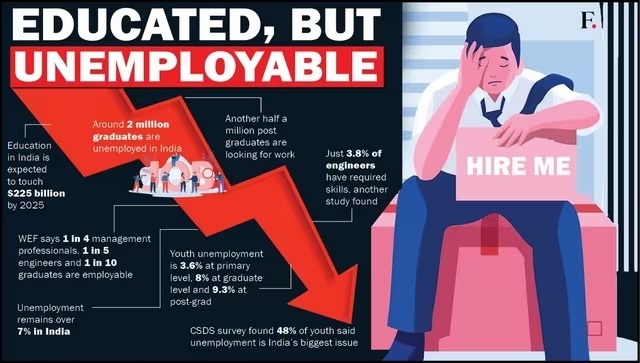
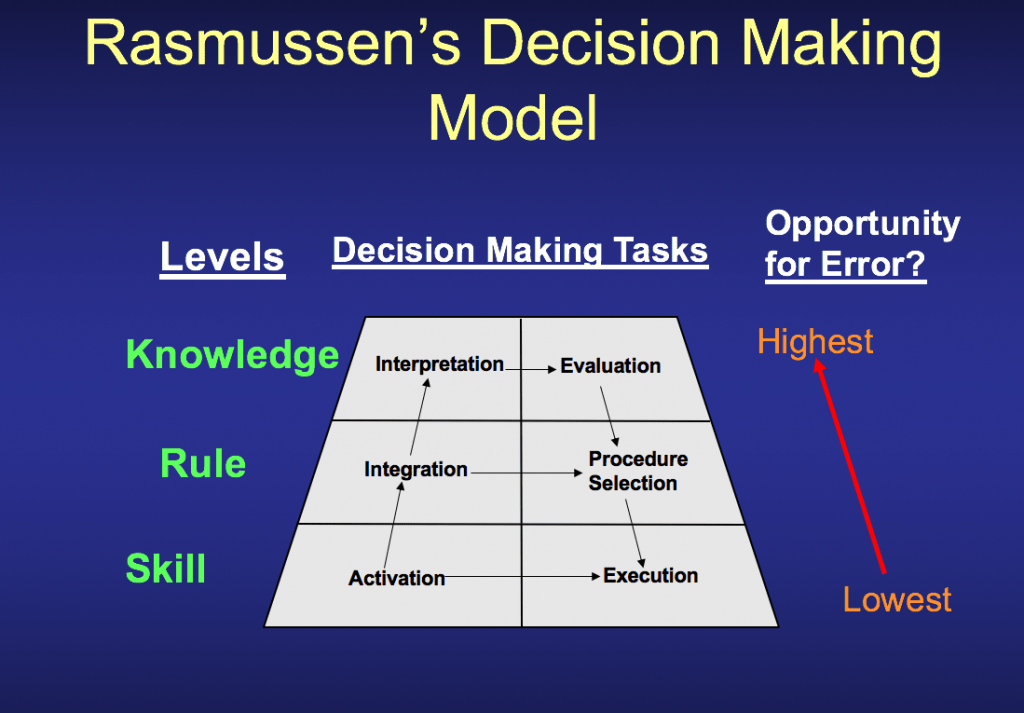
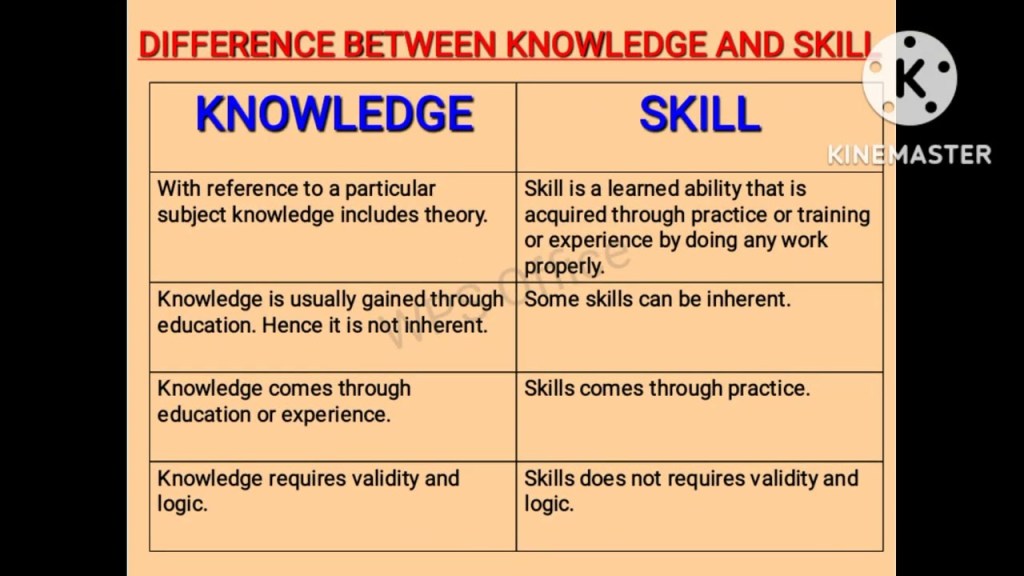
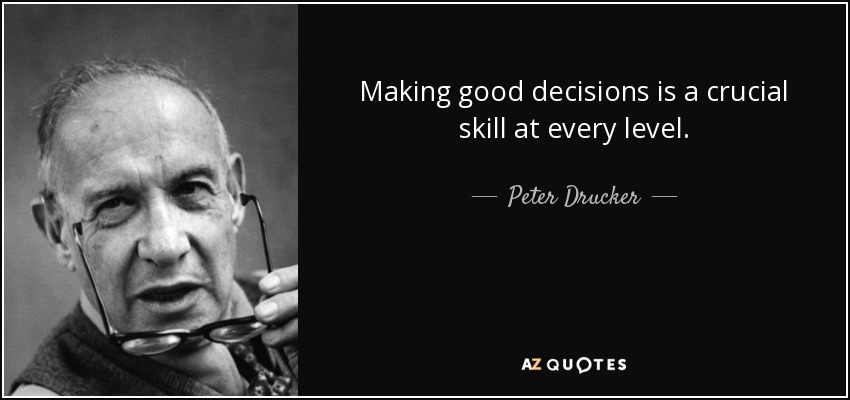


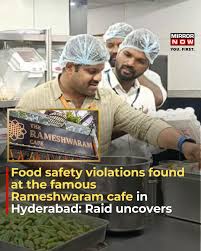

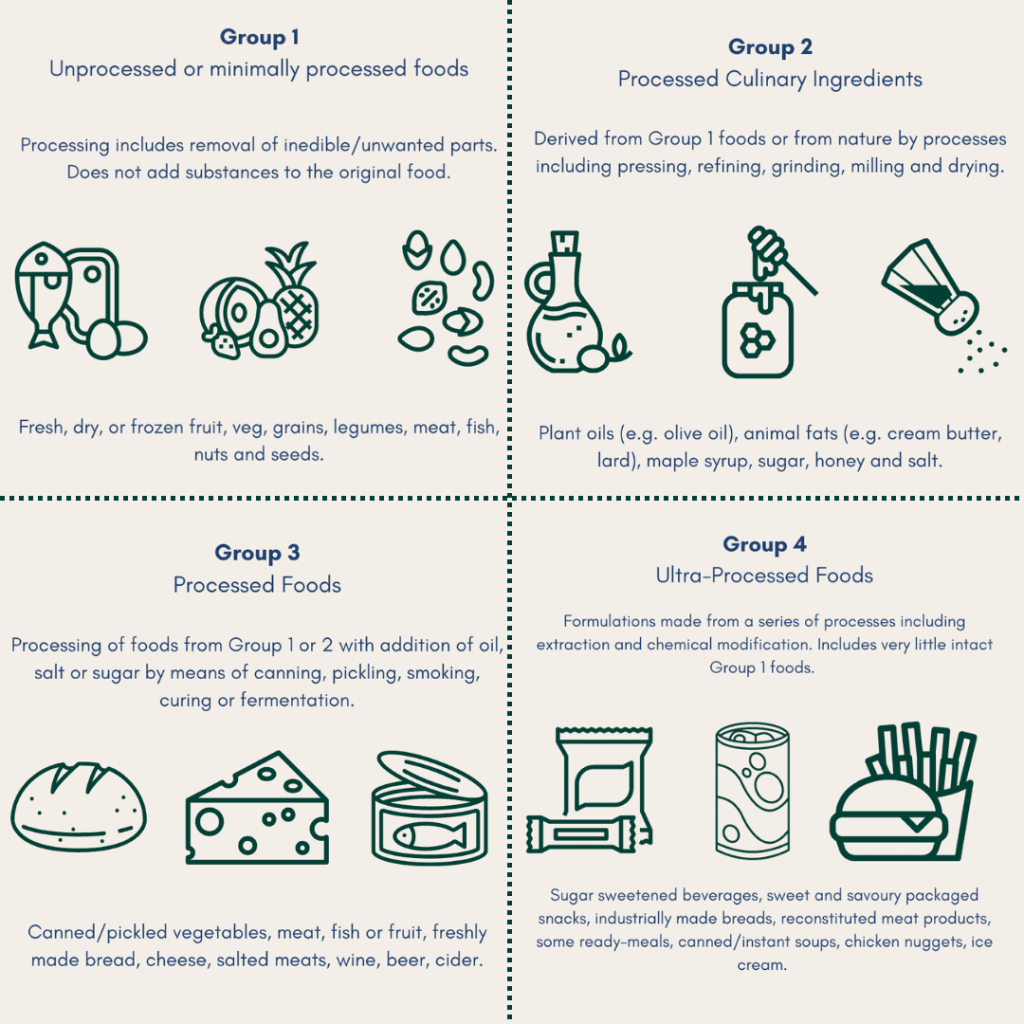









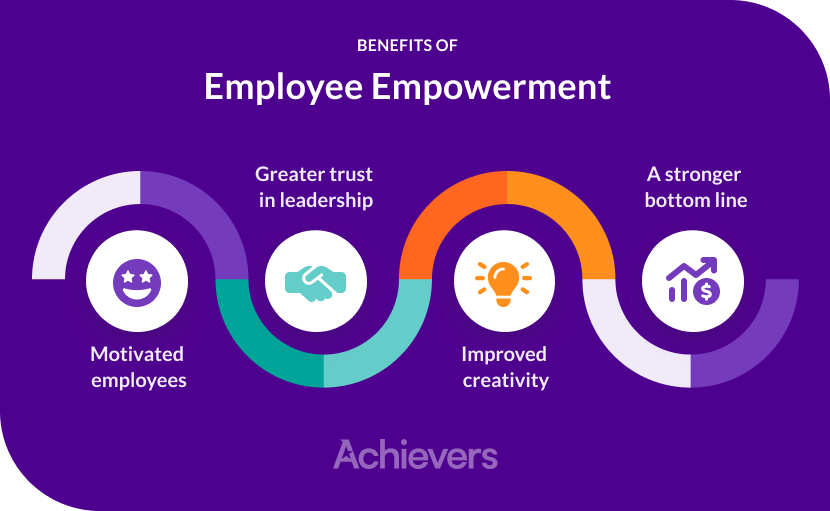


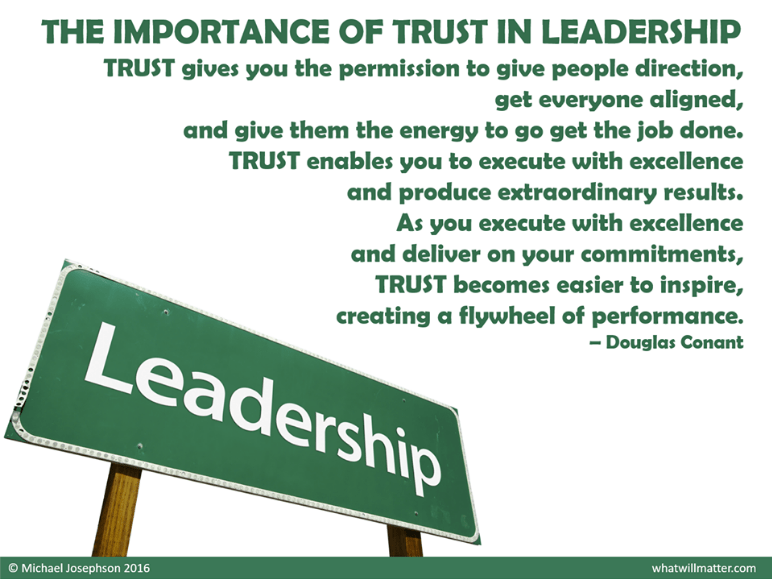
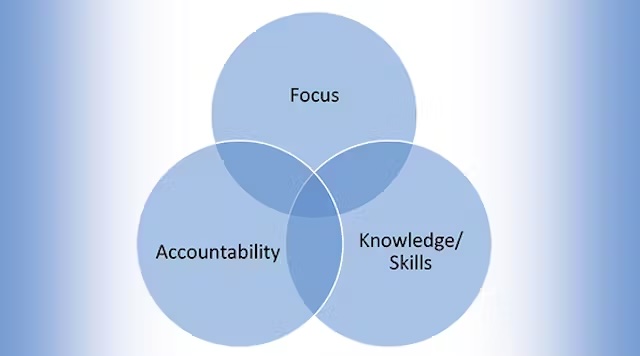
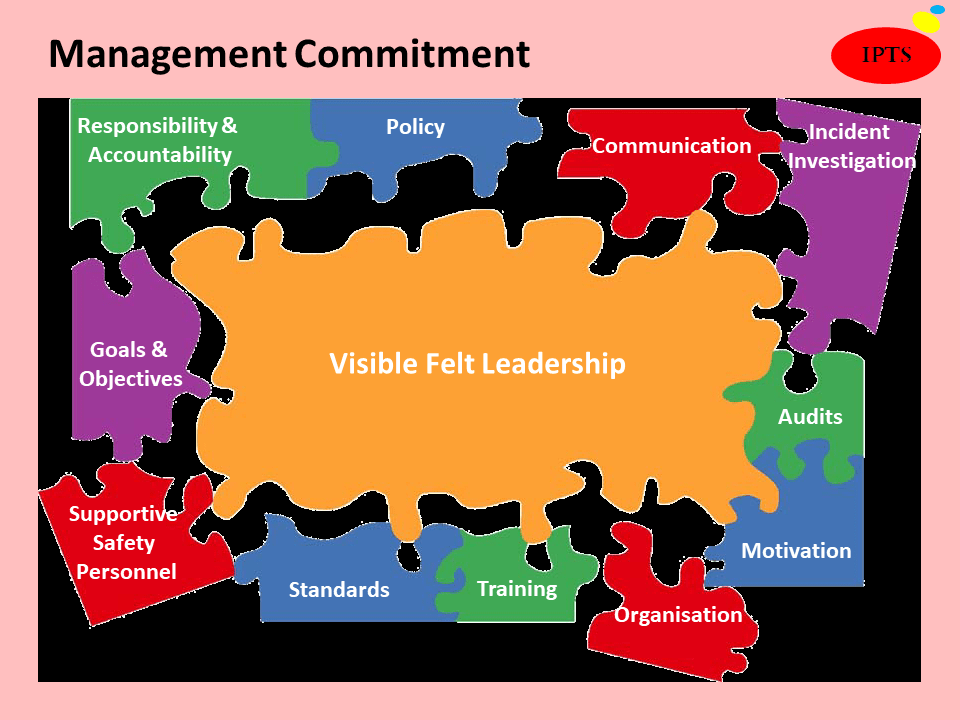
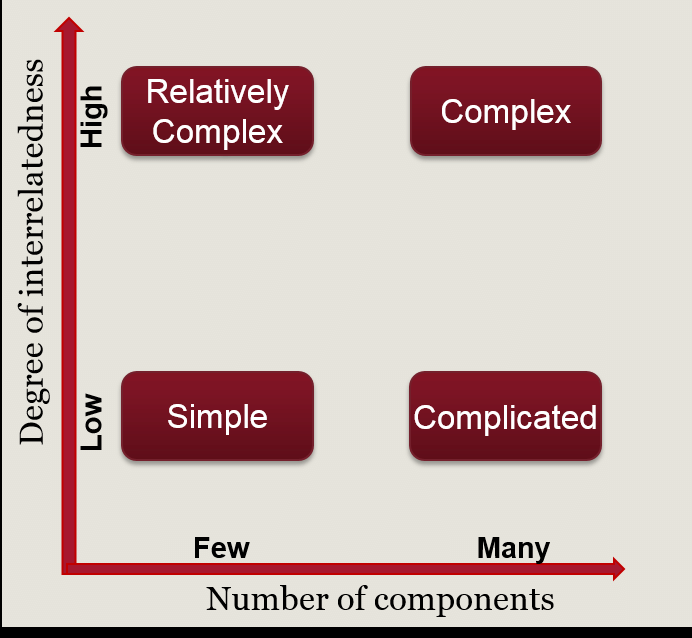
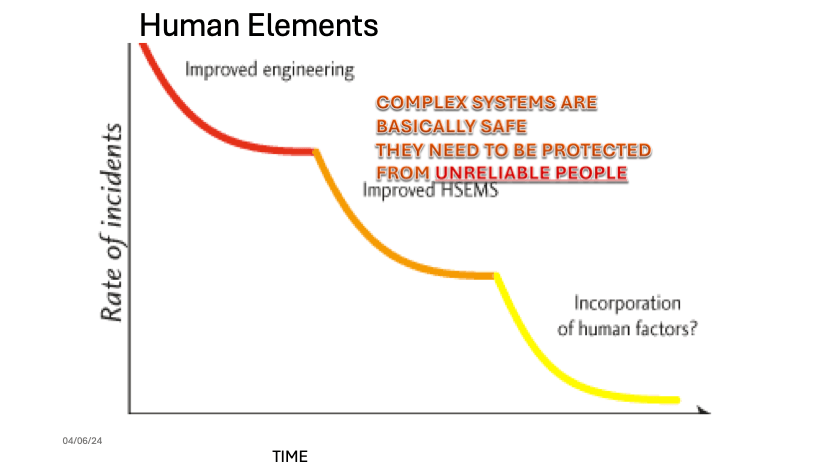
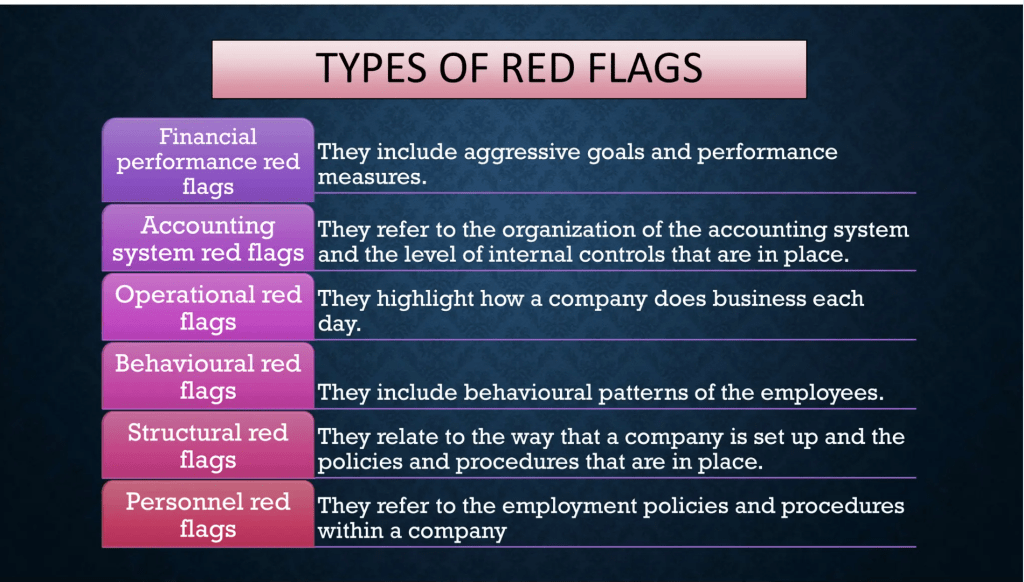
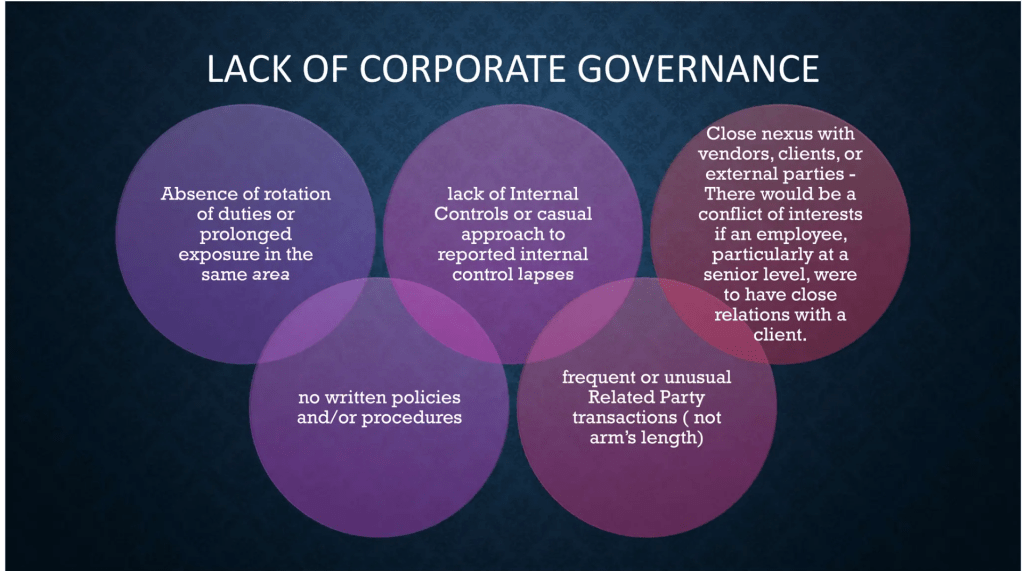


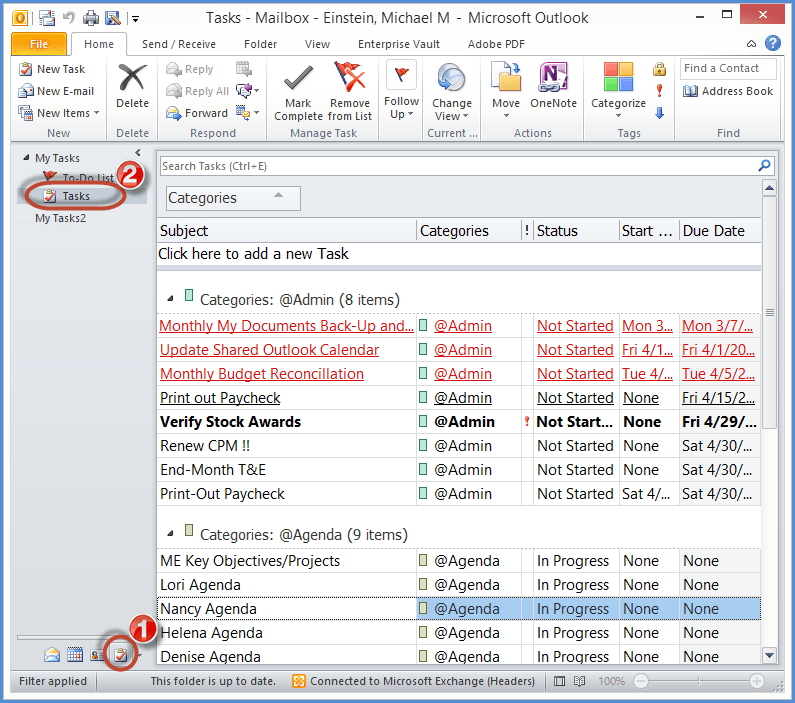

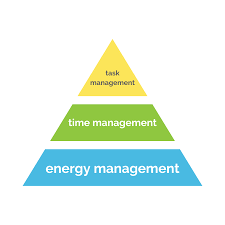



 Health, Environment, Safety, Sustainability (HESS)