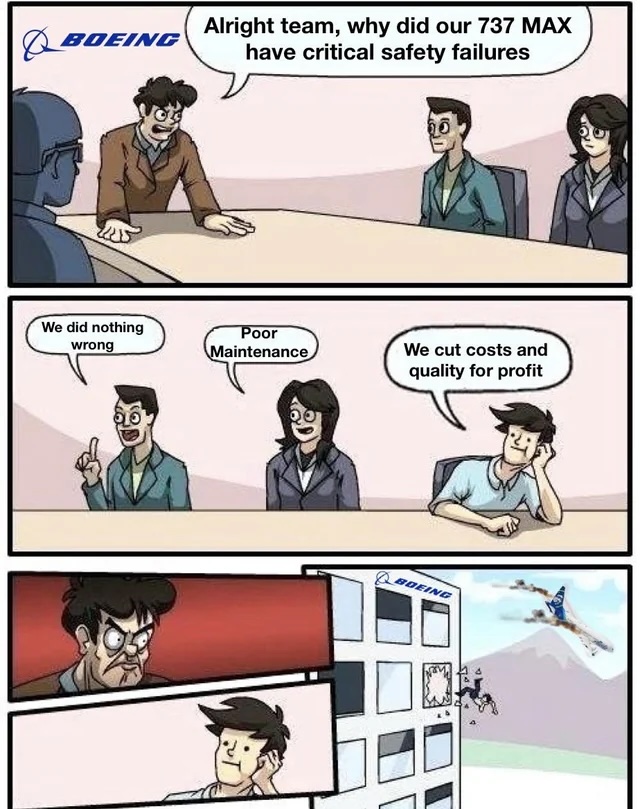

Unsinkable Ship-Gone in Minutes.

#171

Context:-Today marks 112th Anniversary of Sinking of Titanic- The Unsinkable ship on its maiden voyage. It took the life of one of the most richest man of the world at that time besides many. The experience of Titanic disaster can teach us lessons on Safety Culture Change and initiatives that organisation can undertake for Safety performance improvement including Engineering, Project and Leadership lessons.

The sinking of the Titanic is one of the most infamous maritime disasters in history. The Titanic was a British passenger liner that set sail on its maiden voyage from Southampton, England, to New York City, USA, on April 10, 1912. It was celebrated as the largest and most luxurious ship of its time, billed as “unsinkable” due to its advanced design and safety features.

On the night of April 14, 1912, the Titanic struck an iceberg in the North Atlantic Ocean, about 400 miles south of Newfoundland, Canada. The impact caused significant damage to the ship’s hull, leading to flooding in multiple compartments. Despite efforts to contain the flooding and evacuate passengers, the Titanic sank in the early hours of April 15, 1912. The ship’s inadequate number of lifeboats exacerbated the tragedy, resulting in the loss of over 1,500 lives.
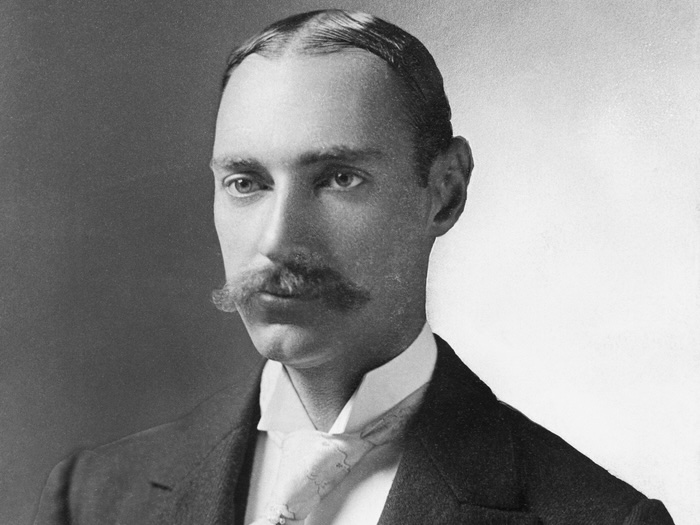
John Jacob Astor- Business Tycoon, Feared Drowned at 47.

The Titanic’s passengers and crew included people from various social classes, ranging from wealthy businessmen and celebrities to immigrants seeking a new life in America. The disaster captured global attention and sparked widespread outrage over the inadequate safety measures and the hubris surrounding the ship’s construction. In the aftermath of the tragedy, inquiries were conducted in the United States and the United Kingdom to investigate the circumstances leading to the sinking and to recommend improvements in maritime safety regulations.

Edward Smith – Captain of Titanic. 61.

The sinking of the Titanic remains a poignant reminder of the consequences of overconfidence, inadequate safety measures, and the human cost of technological hubris. It continues to fascinate and haunt people’s imaginations more than a century later, serving as a cautionary tale for future generations.

What all went wrong at Titanic:- (What lesson can be learnt!)

Safety Preparedness:-The Titanic’s tragic example underscores the critical importance of safety preparedness. Despite its reputation as unsinkable, the ship’s lack of sufficient lifeboats proved disastrous, costing many lives. This stark oversight serves as a poignant reminder for organizations to never underestimate the importance of robust safety protocols.

Lesson: Regularly review and update safety protocols to ensure they are comprehensive and adequate for all potential scenarios. Organizations must prioritize safety preparedness, identifying and addressing any gaps or weaknesses in their systems. By doing so, they can better protect the well-being of their employees, customers, and stakeholders, ultimately mitigating the risk of catastrophic events.

In addition to the insufficient number of lifeboats, several other factors contributed to the lack of safety preparedness aboard the Titanic:

  1. Training and Drills: There was a lack of comprehensive safety training for the crew and passengers. Many crew members were unfamiliar with emergency procedures, and there were few opportunities for drills to practice evacuation protocols. This lack of preparedness hindered the response efforts when the disaster occurred.
  2. Communication: The Titanic’s communication systems were outdated, and there were inconsistencies in relaying distress signals to other ships in the area. This communication breakdown delayed the arrival of rescue ships, exacerbating the loss of life.
  3. Complacency: The ship’s reputation as unsinkable fostered a sense of complacency among passengers and crew. Many people ignored safety protocols or dismissed the seriousness of the situation until it was too late. This complacency prevented timely evacuation and contributed to the high casualty count.
  4. Design Flaws: Despite being hailed as technologically advanced, the Titanic had design flaws that compromised its safety. For example, the bulkheads (watertight compartments) did not extend high enough to contain flooding in the event of a breach, allowing water to spill over into adjacent compartments and hasten the ship’s sinking.
  5. Resource Allocation: The Titanic prioritized luxury and aesthetics over safety features, such as additional lifeboats. Limited resources were allocated to safety measures, reflecting a misguided belief in the ship’s invincibility.

Other Factors which Lead to the key failures:

  1. Culture of Complacency : The Titanic’s crew and passengers were lulled into a false sense of security by the ship’s reputation and luxurious amenities. Lesson: Complacency breeds disaster. Organizations must actively combat complacency by fostering a culture of vigilance, where every individual feels empowered to raise safety concerns and take proactive measures to mitigate risks.
  2. Organizational Hubris: The Titanic’s owners and builders were so confident in the ship’s design and technology that they overlooked potential vulnerabilities, such as the lack of a double hull or watertight compartments. Lesson: Overconfidence can blind us to potential weaknesses. Organizations must encourage humility and open-mindedness, welcoming feedback and continuously striving to improve processes and systems.
  3. Emergency Response: The response to the Titanic’s distress signals was marred by miscommunication and delays, leading to further loss of life. The Wireless operators gave priority to Passenger messages rather than keeping tab on incoming warnings on icebergs. Lesson: Effective crisis management requires clear communication channels, well-defined protocols, and rapid decision-making. Organizations should regularly conduct drills and simulations to prepare for emergencies and ensure all stakeholders know their roles and responsibilities.
  4. Continuous Improvement: The sinking of the Titanic sparked significant advancements in maritime safety regulations and technology. Lesson: Tragedies can serve as catalysts for positive change. Organizations should embrace a culture of continuous improvement, using past failures as learning opportunities to drive innovation and enhance safety measures.

Reflecting on the Titanic disaster reminds us that no organization is immune to failure. By embracing a proactive approach to safety, fostering a culture of vigilance, acknowledging limitations, prioritizing effective communication, and committing to ongoing improvement, we can honor the legacy of those lost aboard the Titanic and strive to prevent similar tragedies in the future.

+++++

In 2024, organizations can implement several lessons learned from the Titanic disaster to enhance their safety preparedness and mitigate risks:

  1. Comprehensive Safety Assessments: Regularly conduct comprehensive safety assessments to identify potential hazards and vulnerabilities within the organization. This includes evaluating infrastructure, equipment, procedures, and human factors that may impact safety.
  2. Investment in Training and Drills: Prioritize safety training for employees at all levels and conduct regular drills to ensure everyone is familiar with emergency procedures. Encourage a culture of proactive safety awareness and empower employees to raise concerns and take appropriate action.
  3. Utilization of Technology: Embrace technological advancements to enhance safety measures, such as improved communication systems, real-time monitoring of hazards, and predictive analytics to identify potential risks before they escalate.
  4. Risk Management Strategies: Develop robust risk management strategies that consider a wide range of potential scenarios, including natural disasters, cyber threats, and health emergencies. Implement contingency plans and allocate resources accordingly to mitigate risks effectively.
  5. Transparency and Accountability: Foster a culture of transparency and accountability where safety concerns are openly discussed, and feedback is actively encouraged. Ensure clear lines of communication and establish mechanisms for reporting and addressing safety issues promptly.
  6. Continuous Improvement: Embrace a mindset of continuous improvement, where safety protocols are regularly reviewed, updated, and refined based on lessons learned from past incidents and emerging best practices.

The Titanic disaster offers several valuable engineering, project management, and leadership lessons:

  1. Engineering Lessons:
    • Design Validation: Ensure thorough validation of engineering designs and systems to identify potential vulnerabilities and weaknesses. The Titanic’s design flaws, such as inadequate bulkhead height, underscore the importance of rigorous testing and analysis.
    • Redundancy and Resilience: Incorporate redundancy and resilience into engineering systems to mitigate the impact of failures. The Titanic lacked sufficient backup systems, contributing to its rapid sinking. Implementing redundant safety features can enhance overall system reliability.
    • Material Selection and Quality Control: Prioritize material selection and stringent quality control measures during construction to ensure structural integrity and durability. Any compromise in material quality, as seen in the Titanic’s construction, can have catastrophic consequences.
  2. Project Management Lessons:
    • Risk Management: Implement comprehensive risk management strategies to identify, assess, and mitigate project risks effectively. The Titanic’s failure to anticipate and address potential hazards highlights the importance of proactive risk management.
    • Schedule and Budget Management: Maintain strict adherence to project schedules and budgets while prioritizing safety and quality. The Titanic’s rushed construction schedule and cost-cutting measures compromised safety standards, leading to disastrous outcomes.
    • Stakeholder Communication: Foster open and transparent communication with stakeholders throughout the project lifecycle. Effective communication can help manage expectations, address concerns, and ensure alignment on project objectives and priorities.
  3. Leadership Lessons:
    • Safety Culture: Cultivate a safety-first culture where leaders prioritize the well-being of their team members above all else. The Titanic’s leadership failed to instill a culture of safety, contributing to the loss of lives.
    • Decision-Making Under Pressure: Develop strong decision-making skills, particularly under pressure or during crisis situations. Leaders must remain calm, assess risks objectively, and make informed decisions to navigate challenges effectively.
    • Accountability and Responsibility: Hold individuals and teams accountable for their actions and decisions. Leaders must take ownership of their responsibilities and ensure accountability throughout the organization to prevent failures like those witnessed with the Titanic.

By implementing these lessons from the Titanic disaster, organizations can strengthen their safety preparedness, minimize the likelihood of catastrophic events, and better protect the well-being of their employees, customers, and stakeholders.

Karthik 15/4/24 1130am.

Fear- Career Derailer.

#170

Fear is a primal emotion triggered by the perception of danger, threat, or uncertainty. It serves as a survival mechanism, alerting us to potential harm and preparing us to respond appropriately. In the context of career development, fear can have significant implications.

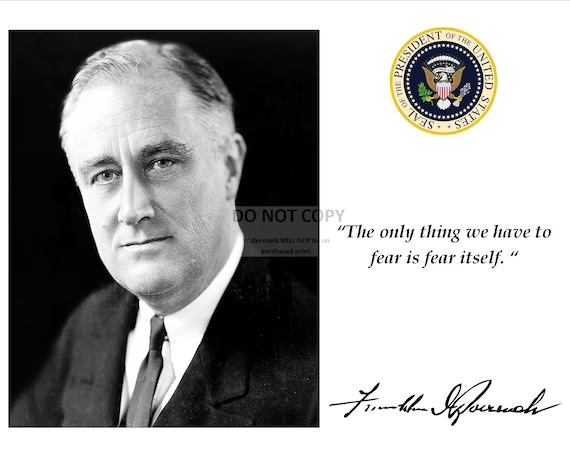
Franklin D Roosevelt,

Firstly, fear matters because it influences decision-making and behavior. When individuals experience fear, whether it’s fear of failure, rejection, or the unknown, it can impact their actions and choices. For example, someone who fears failure may avoid taking on new challenges or pursuing opportunities for growth, while someone who fears rejection may hesitate to speak up or assert themselves in professional settings.

Secondly, fear affects a person on multiple levels, including emotionally, psychologically, and physiologically. Emotionally, fear can lead to feelings of anxiety, stress, and insecurity. Psychologically, it can contribute to self-doubt, negative self-talk, and a lack of confidence. Physiologically, fear triggers the body’s stress response, releasing hormones like cortisol and adrenaline, which can have long-term health consequences if not managed effectively.

As fear permeates a person’s professional life, it can derail their career in several ways:

  1. Risk Aversion: Fear often leads to risk aversion, causing individuals to avoid taking calculated risks or seizing opportunities for advancement. This reluctance to step outside their comfort zone can hinder career growth and limit potential achievements.
  2. Impaired Decision-Making: Fear can cloud judgment and impair decision-making, leading to indecision, procrastination, or avoidance of important career choices. This can result in missed opportunities or suboptimal outcomes in the workplace.
  3. Limited Growth and Innovation: Fear of failure or criticism can stifle creativity and innovation, preventing individuals from exploring new ideas or approaches in their work. This can hinder professional development and limit contributions to organizational success.
  4. Poor Communication and Collaboration: Fear can inhibit open communication and collaboration within teams, leading to breakdowns in trust, conflict, and reduced productivity. This can impede career advancement opportunities and damage professional relationships.
  5. Negative Impact on Mental Health: Persistent fear and anxiety can take a toll on mental health, leading to burnout, disengagement, and decreased job satisfaction. Left unchecked, these issues can contribute to career stagnation or even derailment.

In summary, fear is a powerful force that can profoundly affect individuals in their personal and professional lives. Recognizing and addressing fear is essential for career success, as it allows individuals to overcome obstacles, embrace opportunities for growth, and achieve their full potential.

What are the types of Fear:-

Alongside FOPO and FOMO, here are a few other fears that can derail a person:

  1. Failure Anxiety: Fear of failing can hold someone back from taking risks or pursuing their goals.
  2. Fear of Missing out: Not at center of action when it happens.
  3. Fear of Other people Opinion: What others may feel/ opine on your actions.
  4. Rejection Sensitivity: Fear of rejection can lead to avoidance of social situations or reluctance to ask for what one needs.
  5. Imposter Syndrome: Fear of being exposed as a fraud despite evidence of success, leading to self-doubt and undermining achievements.
  6. Uncertainty Phobia: Fear of the unknown can cause anxiety about future outcomes, making it difficult to make decisions or embrace change.
  7. Criticism Avoidance: Fear of criticism can prevent someone from seeking feedback or expressing their true opinions, hindering personal growth and authentic expression.
  8. Isolation Anxiety: Fear of being alone or disconnected can lead to dependency on others or avoidance of solitude, impacting mental health and autonomy.
  9. Loss Aversion: Fear of losing what one has can lead to risk aversion and reluctance to let go of familiar situations, even if they are no longer beneficial.
  10. Fear of public speaking: Glossophobia, the fear of public speaking, can be very limiting, especially in today’s world.
  11. Social anxiety: This fear of social situations can make it difficult to form relationships, get jobs, or even leave the house.
  12. Fear of intimacy: This can prevent people from forming close relationships or being vulnerable with others.
  13. Autophobia: The fear of being alone can make it hard for people to be independent or cope with solitude.
  14. Fear of heights (acrophobia) or closed spaces (claustrophobia): These phobias can limit travel, career choices, and even everyday activities.

++++++

In the workplace, particularly in the Environment, Health, and Safety (EHS) field, various types of fear can impact careers and overall safety culture. Here’s a breakdown of some common types of fear and how they manifest in different situations:

  1. Fear of Reporting Incidents:
    • This fear arises when employees are afraid to report accidents, near misses, or safety hazards due to concerns about repercussions or punishment.
    • Employees may worry about being blamed for the incident, facing disciplinary action, or damaging their reputation within the organization.
    • As a result, incidents may go unreported, preventing the identification and mitigation of safety risks, and potentially leading to more severe accidents in the future.
  2. Fear of Speaking Up About Safety Concerns:
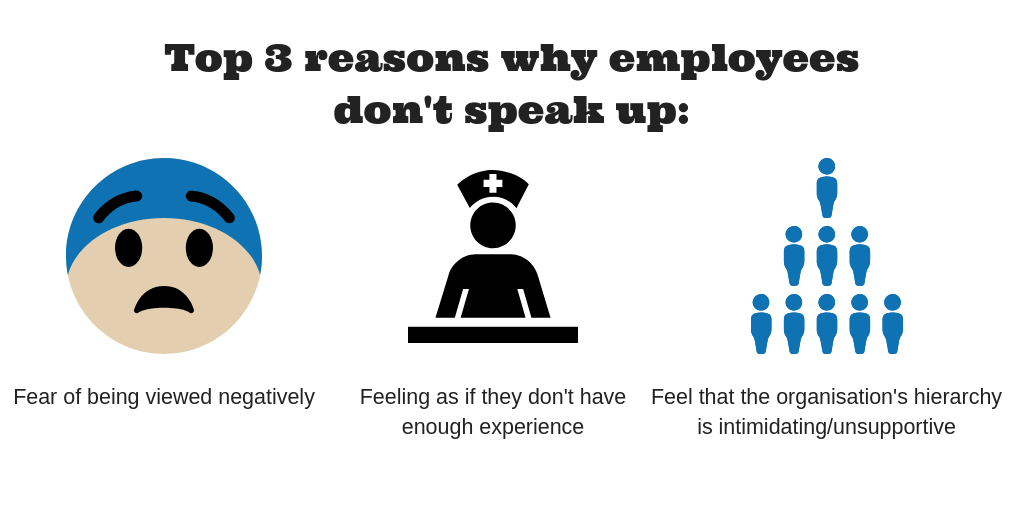
    • Employees may hesitate to voice safety concerns or suggestions for improvement due to fear of criticism, ridicule, or retaliation.
    • This fear can be particularly prevalent in hierarchical or authoritarian work environments where speaking up is not encouraged or where there is a perceived lack of receptiveness to feedback.
    • When employees remain silent about safety issues, it hampers the organization’s ability to address potential hazards and compromises overall safety performance.
  3. Fear of Challenging Authority:
    • In some workplaces, there may be a culture of fear surrounding challenging authority figures or questioning established practices.
    • Employees may feel intimidated or apprehensive about raising concerns with supervisors, managers, or senior leaders, fearing negative consequences for their career advancement or job security.
    • This fear can inhibit constructive dialogue, hinder problem-solving efforts, and impede the implementation of effective safety measures.
  4. Fear of Retaliation or Reprisal:
    • Employees may fear retaliation or reprisal from colleagues, supervisors, or management if they report safety violations, advocate for change, or refuse to engage in unsafe practices.
    • This fear can create a climate of distrust and discourage employees from taking proactive measures to address safety issues, leading to a culture of compliance rather than commitment to safety excellence.
  5. Fear of Failure to Meet Expectations:
    • EHS professionals may experience fear of failing to meet regulatory requirements, organizational targets, or stakeholder expectations.
    • This fear can arise from the pressure to perform, achieve results, and maintain compliance with complex regulations and standards.
    • Fear of failure can undermine confidence, increase stress levels, and detract from the focus on proactive risk management and continuous improvement in EHS practices.

Understanding these different types of fear is crucial for promoting a culture of safety and empowerment in the workplace. By addressing fear head-on and fostering an environment where employees feel safe to speak up, report incidents, and challenge the status quo, organizations can enhance safety performance, mitigate risks, and support the professional development and well-being of their workforce.

Consequences of Fear on Career Progression:

  1. Hindering Professional Growth and Development:
    • Fear can hinder career progression by preventing individuals from taking on new challenges, pursuing opportunities for advancement, or seeking additional responsibilities.
    • EHS professionals may shy away from leadership roles, training programs, or projects that involve risk or uncertainty, limiting their potential for growth and development within the organization.
  2. Negative Impact on Decision-Making, Innovation, and Communication:
    • Fear can impair decision-making by clouding judgment, leading to indecision or avoidance of difficult choices.
    • In terms of innovation, fear can stifle creativity and experimentation, hindering the development of new ideas or solutions to complex EHS challenges.
    • Additionally, fear can disrupt communication within teams, leading to misunderstandings, conflicts, and reduced collaboration, which can impede progress on safety initiatives and goals.
  3. Real-Life Examples of Career Derailment in EHS:
    • Consider a situation where an EHS professional fails to report a safety violation due to fear of retaliation from management. This leads to a serious accident, resulting in harm to employees and damage to the organization’s reputation.
    • Another example could involve an EHS manager who hesitates to challenge outdated safety procedures out of fear of upsetting senior leadership. As a result, opportunities for improvement are missed, and safety performance stagnates.

Strategies for Overcoming Fear:

  1. Managing and Overcoming Fear:
    • Encourage individuals to identify and acknowledge their fears, then challenge them by examining the evidence and considering alternative perspectives.
    • Utilize techniques such as mindfulness, deep breathing, or cognitive reframing to manage anxiety and reduce the impact of fear on decision-making and behavior.
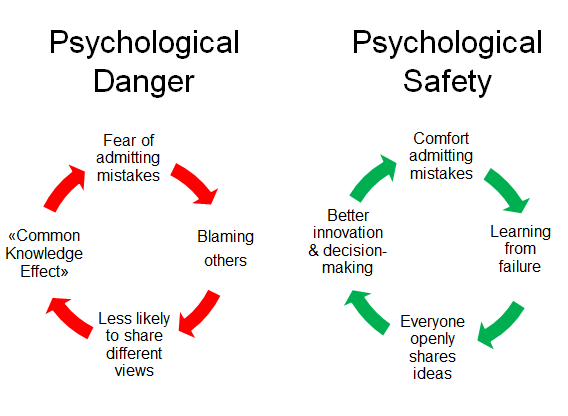
  2. Fostering a Culture of Psychological Safety:
    • Promote open communication, active listening, and empathy within teams to create an environment where employees feel safe to express concerns, share ideas, and take calculated risks.
    • Provide opportunities for training, education, and skill development to enhance confidence and competence among EHS professionals.
  3. Building Resilience and Self-Confidence:
    • Encourage individuals to cultivate resilience by learning from setbacks, seeking feedback, and adapting to change.
    • Foster a supportive network of peers, mentors, and role models who can provide guidance and encouragement during challenging times.
    • Emphasize the importance of self-care, stress management, and work-life balance to maintain mental and emotional well-being in the face of adversity.

By implementing these strategies, organizations can help EHS professionals overcome fear, unlock their full potential, and contribute to a culture of safety, innovation, and continuous improvement in the workplace.

In conclusion, fear can have profound consequences on career progression in the EHS field, hindering professional growth, decision-making, innovation, and communication within teams. Real-life examples illustrate how fear can derail careers and compromise safety outcomes. However, by implementing practical strategies for managing and overcoming fear, fostering a culture of psychological safety, and building resilience and self-confidence, individuals and organizations can mitigate these challenges and create environments where EHS professionals can thrive. Together, let’s work towards a future where fear no longer holds us back but propels us forward towards excellence in safety and beyond.

Karthik

13/4/24 1530 Hrs.

Faith, God, Moral, Religion, Ethics in EHS?

#169

Yesterday being “New Year in Some parts of India, (Our’s is on 14th April) made me dwell on this topic. (Today is Eid in few parts of the world)

Picture this: the world buzzing with the festivities of Eid across the world, and in some corners of India, the air is alive with the excitement of a local new year yesterday and the coming weekend. Amidst these celebrations, my mind wandered into a realm less explored in the context of Environment, Health, and Safety (EHS) management—faith, religion, morals, and ethics.

Intrigued by the convergence of these cultural celebrations with the responsibilities of EHS management, I found myself pondering their relevance. Why, you might ask? Well, it’s simple yet profound. EHS management isn’t just about policies, procedures, and protocols; it’s about understanding the intricacies of human behavior, belief systems, and cultural nuances that shape our approach to safety, health, and wellness.

As the echoes of Eid prayers and New Year’s festivities reverberate through the air, it’s a poignant reminder of the diversity that enriches our world. But it’s also an opportunity to delve deeper, to explore how faith, ethics, and cultural values intersect with the principles of EHS management.

Let’s unravel the complexities, challenge the norms, and uncover insights that not only enhance our understanding of EHS management but also foster a deeper appreciation for the diverse tapestry of humanity.

Let’s lay down the groundwork by defining some key terms and exploring their significance in both personal and professional realms.

Faith is the bedrock of belief, the unwavering trust in something greater than ourselves. It shapes our worldview, guiding our actions, and providing solace in times of uncertainty. In personal settings, faith influences our moral compass, dictating what we perceive as right or wrong, ethical or unethical.

Religion, on the other hand, encompasses a broader framework of beliefs, rituals, and practices shared by a community. It provides structure to our faith, offering guidelines for living a virtuous life and fostering a sense of belonging and community. In professional settings, religion can influence decision-making, organizational culture, and interpersonal relationships.

Morals are the principles that govern our behavior, derived from our beliefs and values. They serve as a moral compass, guiding us towards actions that align with our ethical convictions. In personal settings, morals shape our interactions with others and inform our decisions. In professional settings, they underpin corporate values, shaping organizational culture and driving ethical conduct.

Ethics are the standards of conduct that govern our actions, based on principles of fairness, honesty, and integrity. They provide a framework for evaluating right and wrong, guiding us towards behavior that upholds moral principles and respects the rights of others. In personal settings, ethics inform our relationships and guide our behavior towards others. In professional settings, they form the foundation of business ethics, ensuring fair and ethical practices in the workplace.

Now, let’s pivot to faith and environmental stewardship. Many religions emphasize the importance of caring for the environment, viewing it as a sacred duty entrusted to humanity by a higher power. Scriptures, teachings, and rituals often promote environmental care and sustainability, urging followers to be mindful stewards of the Earth. For example, Buddhist teachings advocate for living in harmony with nature and minimizing harm to all living beings. Buddhist monasteries often practice sustainability initiatives, such as reducing waste and conserving natural resources. Similarly, Shintoism, a traditional Japanese religion, reveres nature as divine and sacred. Shinto rituals and ceremonies celebrate the natural world, fostering a deep connection to the environment and promoting its protection and preservation.

+

Defining “God” can be as intricate as the concept itself. While it’s not necessary to provide a definitive definition in this context, it’s worth acknowledging that different religious traditions and philosophical perspectives offer varied interpretations of the divine. For some, God represents a supreme being, omnipotent and omnipresent, who created and governs the universe. For others, God may embody transcendental principles, cosmic forces, or spiritual energies that imbue existence with meaning and purpose.

In the context of EHS management and the exploration of faith, religion, morals, and ethics, it’s more about understanding how individuals’ beliefs in a higher power influence their attitudes, behaviors, and decision-making processes. By recognizing and respecting diverse interpretations of “God” within different religious and cultural contexts, we can foster inclusivity and open dialogue, enriching our understanding of the human experience and its intersection with EHS management.

++


Let’s dive into the fascinating interplay between faith, religion, and EHS management.

Individuals’ faith and religious beliefs can significantly influence their approach to safety, environmental stewardship, and health in the workplace. Here’s how:

  1. Values and Ethics: Religious teachings often emphasize values such as compassion, responsibility, and respect for life. These values serve as guiding principles for ethical conduct, shaping individuals’ attitudes towards safety, environmental conservation, and health in the workplace. For example, a belief in the sanctity of life may lead individuals to prioritize safety measures to protect themselves and their colleagues from harm.

  2. Sense of Duty and Responsibility: Many religions instill a sense of duty and responsibility towards the well-being of others and the environment. This sense of stewardship extends to the workplace, where individuals may feel compelled to uphold high standards of safety and environmental sustainability as part of their religious practice.

  3. Community and Solidarity: Religious communities often foster a sense of belonging and solidarity among their members. In the workplace, this sense of community can translate into collaborative efforts to promote safety, health, and environmental initiatives. For example, employees may form support networks or engage in collective actions to address workplace hazards or promote wellness programs.

  4. Mindfulness and Respect for Nature: Some religious traditions emphasize mindfulness and reverence for nature as part of spiritual practice. This heightened awareness of the interconnectedness of all living beings and the natural world can inspire individuals to adopt sustainable practices and minimize their environmental impact in the workplace.

  5. Ethical Decision-Making: Religious teachings provide moral frameworks for ethical decision-making, guiding individuals in navigating complex issues related to safety, health, and environmental ethics. By integrating religious values into their decision-making processes, individuals can strive to align their actions with principles of justice, fairness, and integrity in the workplace.

Overall, individuals’ faith and religious beliefs can serve as powerful motivators for promoting safety, environmental stewardship, and health in the workplace. By recognizing and respecting the diverse religious perspectives of employees, organizations can foster a culture of inclusivity and support that enhances EHS management efforts.

Let’s delve deeper into how faith and religion influence EHS management with some illustrative examples:

  1. Islamic Perspective on Safety: In Islam, the preservation of life is paramount, and ensuring safety in the workplace is a religious duty. Muslim workers may approach safety practices with a heightened sense of responsibility, citing verses from the Quran that emphasize the sanctity of life. For example, the Quran states, “And do not throw yourselves with your own hands into destruction” (Quran 2:195), underscoring the importance of taking proactive measures to prevent harm. Muslim-majority countries like Saudi Arabia have stringent safety regulations in place, reflecting the religious values of the population.

  2. Hinduism and Environmental Stewardship: Hinduism teaches reverence for nature, viewing the Earth as a manifestation of the divine. Hindu workers may draw inspiration from scriptures like the Vedas and Puranas, which extol the importance of environmental conservation and sustainable living. For instance, the concept of “ahimsa” (non-violence) encourages Hindus to minimize harm to all living beings, including the environment. In India, organizations like the Brahma Kumaris actively promote environmental awareness and sustainability practices based on Hindu principles.

  3. Christian Ethical Framework: Christianity emphasizes ethical conduct and responsibility towards others, which extends to workplace safety and health. Christian employees may approach EHS management with a commitment to treating others with dignity and respect, guided by teachings such as the Golden Rule: “Do unto others as you would have them do unto you” (Matthew 7:12). Christian-based organizations often prioritize employee well-being and safety, integrating faith-based values into their EHS policies and practices.

  4. Buddhist Mindfulness in Safety: Buddhism advocates for mindfulness and awareness in all aspects of life, including safety in the workplace. Buddhist workers may practice mindfulness techniques to stay alert and focused on their tasks, reducing the risk of accidents and injuries. Buddhist monasteries, known for their simplicity and sustainability practices, serve as inspiring examples of environmental stewardship and workplace safety. For instance, monastic communities in countries like Thailand and Japan emphasize safety training and risk management to ensure the well-being of residents and visitors.

  5. Judaism and Collective Responsibility: Judaism underscores the importance of collective responsibility and caring for others in the community. Jewish employees may prioritize safety and health in the workplace as part of their commitment to “tikkun olam” (repairing the world) and ensuring the welfare of all people. Jewish organizations often promote safety awareness and emergency preparedness, reflecting the values of mutual support and social responsibility found in Jewish teachings.

These examples highlight how faith and religion can shape attitudes and behaviors towards EHS management, providing moral and ethical frameworks that inspire individuals to prioritize safety, environmental stewardship, and health in the workplace. By acknowledging and respecting the religious beliefs of employees, organizations can foster a culture of inclusivity and support that strengthens EHS management efforts.

++

Agnostic Approach, Act of God:- Let’s explore:

  1. The Agnostic Approach in EHS Management: In an agnostic approach to EHS management, the focus shifts from religious beliefs to rationality, judgment, and evidence-based practices. This approach acknowledges that individuals may have diverse religious or non-religious perspectives, and seeks to establish a common ground based on universal principles of safety, environmental protection, and health. By emphasizing rational decision-making, objective risk assessment, and scientific evidence, EHS professionals can ensure that safety measures are implemented effectively, regardless of religious beliefs. This approach prioritizes the well-being of all individuals in the workplace, irrespective of their faith or lack thereof.

    For example, rather than relying on religious doctrines to guide safety protocols, EHS professionals may conduct thorough risk assessments, analyze data, and implement measures to mitigate hazards based on empirical evidence and best practices in the field. This ensures a standardized approach to EHS management that is inclusive and transparent, fostering trust and cooperation among employees of diverse backgrounds.

  2. Dealing with Acts of God: EHS professionals are tasked with preparing for and responding to natural disasters, accidents, and other unforeseen events, commonly referred to as “acts of God.” While these events may be beyond human control, EHS management focuses on proactive measures to minimize their impact and protect people and the environment. Preparation for acts of God involves risk assessment, contingency planning, and emergency response training. EHS professionals may develop evacuation procedures, establish communication protocols, and stockpile emergency supplies to ensure swift and effective responses to disasters.

    Additionally, EHS professionals collaborate with government agencies, community organizations, and other stakeholders to coordinate disaster preparedness and response efforts. By leveraging collective resources and expertise, they can enhance resilience and mitigate the effects of natural disasters and other emergencies. After an act of God occurs, EHS professionals conduct post-event assessments to evaluate the effectiveness of response efforts and identify areas for improvement. This iterative process of learning from experience helps to enhance preparedness and build resilience for future events.

  3. Common Core Values Across Cultures: Despite differences in religion, geography, and tribal affiliations, there are universal values that underpin effective EHS management. These include:

    • Respect for life and human dignity: The value of human life is universally recognized and forms the basis for prioritizing safety and health in the workplace.
    • Responsibility and accountability: Individuals and organizations share a collective responsibility for ensuring the well-being of workers, communities, and the environment.
    • Sustainability and environmental stewardship: The need to protect natural resources and preserve the environment for future generations is a shared concern across cultures.
    • Collaboration and cooperation: Effective EHS management requires collaboration and cooperation among diverse stakeholders, transcending cultural and geographic boundaries.

    By embracing these core values, EHS professionals can foster a culture of safety, environmental responsibility, and mutual respect that transcends cultural differences and promotes a safer and healthier world for all.

These approaches and values underscore the importance of adopting inclusive and evidence-based practices in EHS management.

+++
Other Factors that come in to Play:-

  1. Challenges of Cultural Diversity in EHS Management: Cultural diversity brings richness to workplaces but also poses challenges in EHS management. Differing interpretations of ethics and religious practices can lead to misunderstandings or conflicts in decision-making processes. Additionally, communication styles may vary across cultures, affecting the effectiveness of safety training and risk communication efforts. EHS professionals must navigate these challenges by promoting cultural awareness, fostering open dialogue, and adapting strategies to accommodate diverse perspectives. (Social /Cultural Intelligence)

  2. Ethics and EHS Decision Making: Ethical frameworks play a crucial role in guiding EHS decisions. Stewardship ethics emphasize the responsibility to protect and preserve the environment for future generations, influencing decisions regarding resource conservation and pollution prevention. Utilitarianism considers the greatest good for the greatest number, balancing competing interests to maximize overall well-being. EHS professionals must weigh these ethical considerations when making decisions that impact worker safety, environmental responsibility, and economic viability, striving to find a balance that aligns with organizational values and societal expectations.

  3. Role of Morals in EHS Prioritization: Morals inform prioritization in EHS management by guiding individuals’ values and principles. Workers’ safety, environmental responsibility, and economic viability are all interconnected, and morals influence decisions that impact these aspects. Morally-driven organizations prioritize worker safety as a fundamental value, recognizing that protecting employees is not only ethical but also essential for sustainable business operations. Environmental responsibility reflects a commitment to moral stewardship of natural resources and ecosystems, while considerations of economic viability ensure the long-term sustainability of EHS initiatives.

  4. Practicalities Across Belief Systems:

    • Believers: Faith influences believers’ approaches to EHS by providing moral guidelines and spiritual motivations. For example, adherents may follow religious teachings on resource conservation and environmental care as acts of stewardship entrusted by a higher power.
    • Non-believers: Non-believers find motivation for environmental responsibility through scientific evidence of climate change and its impacts on human health and well-being. They prioritize evidence-based practices and data-driven decision-making to address environmental challenges.
    • Atheists/Agnostics: Secular ethics guide atheists and agnostics in EHS decisions by focusing on long-term human well-being and the ethical imperative to protect individuals and communities from harm. They may advocate for policies and practices that promote safety, health, and environmental sustainability based on rationality and humanistic values.

By considering the perspectives of believers, non-believers, and atheists/agnostics, EHS professionals can develop inclusive and effective strategies that address the diverse needs and values of individuals across belief systems.

+

Let’s explore these real-life examples and case studies:

  1. Islamic Countries – Safety Implementation and Welfare: In Islamic countries, religious beliefs often inspire individuals to prioritize safety, welfare, and care for others in the workplace. For example, in Saudi Arabia, companies like Saudi Aramco, one of the world’s largest oil producers, have robust safety programs deeply rooted in Islamic principles of responsibility and compassion. Employees are motivated by their faith to ensure the safety and well-being of their colleagues, leading to high levels of compliance with safety protocols and proactive hazard identification and mitigation efforts. Additionally, Islamic teachings emphasize the importance of caring for people with disabilities, leading to inclusive workplace practices and accommodations to support employees with disabilities.

  2. East Asian Culture – Orderliness and Cleanliness: In East Asian cultures, such as Japan and South Korea, there is a strong emphasis on orderliness, cleanliness, and harmony in the workplace. This cultural value is often influenced by Confucian and Buddhist teachings that emphasize respect for one’s environment and the importance of maintaining a clean and safe workplace as a reflection of one’s reverence for life. Companies like Toyota in Japan and Samsung in South Korea prioritize safety and environmental stewardship, integrating cultural values into their management practices. This commitment to cleanliness and safety contributes to high levels of efficiency, productivity, and employee satisfaction in these organizations.

  3. Western Economies – Scientific Implementation: In advanced Western economies, such as the United States and European countries, EHS management is often characterized by a scientific and evidence-based approach. Companies like ExxonMobil and Shell in the oil and gas industry, and Pfizer and Johnson & Johnson in the pharmaceutical industry, invest heavily in research, technology, and data-driven decision-making to ensure the safety and health of their employees and the communities in which they operate. Rigorous risk assessments, advanced safety technologies, and proactive regulatory compliance are integral parts of their EHS management systems, reflecting a commitment to continuous improvement and innovation.

  4. India – Cultural Diversity and Rational Approach: In India, the diversity of cultural, religious, and linguistic traditions presents unique challenges and opportunities for EHS management. In South India, there is often a questioning attitude and a rational (agnostic) approach to safety issues. Companies like Infosys and Tata Consultancy Services (TCS) in service sector, prioritize safety and employee well-being by fostering a culture of transparency, accountability, and continuous improvement. This questioning attitude, coupled with a focus on excellence, drives innovation and best practices in EHS management, contributing to safer workplaces and sustainable business growth.

These case studies illustrate how faith, ethics, cultural diversity, and rationality intersect with EHS management practices in different industries and regions. By understanding and leveraging these diverse perspectives, organizations can develop inclusive and effective strategies that promote safety, health, and environmental sustainability for all.

+++

In conclusion, it’s evident that across diverse cultures, religions, and belief systems, there is a common thread that binds us together: the fundamental values of safety, health, and environmental stewardship. While religious teachings may inspire individuals to prioritize these values, they transcend faith and religion, becoming universal principles that should be ingrained in our daily thoughts and actions as a way of life.

Whether inspired by Islamic teachings of compassion and responsibility, East Asian values of orderliness and cleanliness, or Western emphasis on scientific rigor and evidence-based practices, the imperative to keep safe, healthy, and protect the environment is paramount.

In our interconnected world, where cultural diversity is celebrated and respected, it’s essential to recognize the shared humanity that unites us all. By embracing these universal values above and beyond faith, religion, or cultural differences, we can create workplaces and communities that prioritize the well-being of all individuals and safeguard the planet for future generations. Let’s strive to make safety, health, and environmental responsibility not just religious obligations or cultural norms, but intrinsic components of our daily lives, guiding our thoughts, decisions, and actions towards a safer, healthier, and more sustainable world for all.

Karthik

10th April 2024. 1pm. 

EHS Career Plan / Career Path.

#168

Navigating Your Career Path in Environmental Health and Safety (EHS): A Personal Journey

Award post leaving the job thanking me for the efforts for EHS implementation Across Asia Pacific.

Introduction:

In the bustling corridors of career choices back in 1983, (My god, 40+ years?) amidst the cacophony of popular majors and the rush towards conventional paths, I found myself drawn to a field that gleamed like the sunrise—Environmental Science & Engineering. It wasn’t just about pursuing a degree; it was about embarking on a journey that resonated with my values and aspirations.

While many were flocking towards traditional disciplines, I saw in Environmental Science a realm where my passion for safeguarding our planet could intertwine with professional fulfillment. It wasn’t merely a career choice; it was a calling—a commitment to making a tangible difference in the world around me.

What appealed to me most about Environmental Science, was its promise of being a sunrise field, (in the field of Water, Waste Water treatment, Haz Waste management, besides Air pollution control,) one that was not yet inundated with the clamor of competitors vying for industry spots. It offered a unique blend of scientific rigor, technological innovation, and social responsibility—a combination that ignited a flame of excitement within me.

As I embarked on this journey, I realized that Applied Environmental Engineering wasn’t just about theoretical concepts and academic accolades; it was about embracing a holistic approach to problem-solving—one that encompassed environmental sustainability, health, and safety. They are intertwined. It was about understanding the intricate dance between human activities and the natural world and orchestrating harmony between the two.

In retrospect, choosing EHS as my career path was akin to setting sail on uncharted waters—a voyage filled with uncertainty, challenges, and boundless opportunities. Little did I know then that this decision would shape not only my professional trajectory but also my worldview and sense of purpose.

In the subsequent years, I witnessed the evolution of the Environmental Health and Safety (EHS) landscape—a transformation marked by regulatory reforms, technological advancements, and a growing awareness of sustainability imperatives. What began as a solitary pursuit soon burgeoned into a vibrant community of like-minded individuals united by a shared vision of creating safer, healthier, and more sustainable workplaces.

In this blog series, I aim to share not only my personal journey but also insights gleaned from years of navigating the ever-evolving terrain of EHS. From overcoming challenges to seizing opportunities, from honing technical skills to embracing the human dimension of safety—I invite you to embark on this expedition with me as we unravel the intricacies of building a fulfilling career in Environmental Health and Safety.

Whether you’re a seasoned professional seeking fresh perspectives or a budding enthusiast charting your course in EHS, let us embark on this voyage together—a journey fueled by curiosity, camaraderie, and a relentless pursuit of excellence.

++++

So what need to happen on this journey:-

Diversifying Your Skill Set: A Key to Success in the EHS Field

In the realm of Environmental Health and Safety (EHS), the journey towards professional growth and advancement is often paved with diverse experiences and a multifaceted skill set. One of the fundamental strategies for navigating this dynamic landscape is the deliberate cultivation of a wide array of skills and competencies.

Embracing Challenges from the Start

From the outset of my career, I recognized the importance of seeking out challenging environments that would not only test my abilities but also provide ample opportunities for growth. This led me to choose a Hazardous Chemical plant as the setting to set up a wastewater plant (1986 an emerging concept then post Bhopal the focus was on)—an endeavor that required both technical expertise and a keen understanding of Environmental and safety protocols.

Transitioning into Safety Professionalism

Three years into my career, I made a pivotal decision to transition into a safety professional role, driven not only by legal requirements but also by a desire to deepen my knowledge and skills in ensuring workplace safety. This move proved to be instrumental in broadening my perspective and enhancing my proficiency in mitigating risks within industrial settings.

The Philosophy of Preparedness

Central to my approach to career development is the philosophy of “sweating in peacetime and planning/preparing for war.” This ethos underscores the importance of proactive preparation and continuous learning, even in times of relative stability. By investing time and effort into acquiring diverse skills and knowledge, I sought to fortify myself for the challenges that lay ahead.

The Value of Diversification

Diversifying one’s skill set in the EHS field is akin to building a robust toolkit equipped to tackle a wide range of challenges. Whether it’s acquiring certifications in Safety diploma, Process Safety, Industrial Hygiene, or pursuing additional qualifications in areas like ISO standards or Lean Six Sigma, each new skill acquired enhances one’s value as a professional and opens doors to new opportunities.

+++++++++++

Continuous Learning:

In the ever-evolving landscape of Environmental Health and Safety (EHS), staying abreast of the latest regulations, technologies, and best practices is not just beneficial—it’s imperative. As the regulatory framework evolves and new challenges emerge, professionals must embrace a culture of continuous learning to remain at the forefront of their field.

Whether it’s attending workshops, seminars, webinars, or pursuing advanced degrees, the quest for knowledge should be ongoing. These opportunities not only provide valuable insights into emerging trends and innovations but also offer a platform for networking and collaboration with industry peers. In the 90s, I was lucky to learn Computer skills as well as new software language like WP, dBASE(III) which helped me to connect the dots on EHS data. Later Windows etc and Internet in late 90s made the sailing Smooth. (I now operate on Mac for past 11 years).

By investing in continuous learning, professionals can enhance their skills, expand their expertise, and position themselves as invaluable assets to their organizations.

Networking:

Building a robust professional network within the EHS community is not just about making connections—it’s about forging meaningful relationships that can propel your career forward. Whether it’s attending conferences, joining industry associations, or engaging with peers on platforms like LinkedIn, (Since withdrawn) networking opens doors to valuable insights, job opportunities, and mentorship.

Networking isn’t just about self-promotion; it’s about fostering a spirit of collaboration and knowledge sharing. By connecting with like-minded professionals, you can gain fresh perspectives, exchange ideas, and stay informed about industry developments.

In a field as dynamic and multifaceted as EHS, the power of networking cannot be overstated. It’s not just about who you know—it’s about the collective wisdom and support of a community united by a common purpose.

Specialization:

While having a broad knowledge base is undoubtedly valuable, there’s also merit in specializing in a specific area of EHS that aligns with your interests and expertise. Whether it’s environmental management, occupational health, risk assessment, or another niche, specialization allows you to delve deeper into your chosen field and become a recognized expert. I was lucky post 9/11, to lead teams on Product Stewardship (REACh, Business Continuity Management) and thus learn from my team.

By focusing your efforts on a particular area, you can not only deepen your knowledge but also carve out a niche for yourself within the industry. Specialization not only enhances your credibility but also opens up new opportunities for career advancement and professional growth.

In a world where specialization is increasingly valued, finding your niche in the vast landscape of EHS can set you apart and pave the way for a rewarding and fulfilling career journey.

++++++++

Cross-functional Collaboration:

In today’s interconnected business landscape, the importance of cross-functional collaboration cannot be overstated. My MBA in HR (Human Resources) serves as a testament to the power of integrating diverse perspectives and expertise to drive organizational success.

Collaborating with departments such as HR, operations, and engineering enables EHS professionals to embed safety into the fabric of organizational culture and processes. By forging alliances with stakeholders across the organization, you can champion initiatives that promote a culture of safety, enhance compliance with regulations, and mitigate risks proactively.

Effective cross-functional collaboration not only enhances safety outcomes but also fosters a sense of shared responsibility and accountability across departments. It’s about breaking down silos, fostering open communication, and working towards common goals that benefit the entire organization.

Leadership Development:

Leadership isn’t just about holding a title—it’s about inspiring others, driving change, and making a positive impact. As an EHS professional, pursuing opportunities to take on leadership roles within your organization or industry is essential for personal and professional growth. I was lucky to be selected to participate in Leadership programs.

Whether it’s leading safety committees, mentoring junior professionals, leading teams, or aspiring towards roles in EHS management, leadership development is a journey of continuous learning and self-improvement. It’s about honing your skills as a communicator, decision-maker, and change agent, while also fostering a culture of empowerment and accountability within your team.

By embracing leadership opportunities, you not only contribute to the success of your organization but also position yourself as a respected authority in the field of EHS. Leadership isn’t just a destination—it’s a journey of growth, resilience, and transformation.

Seek Feedback and Recognition:

Feedback is the cornerstone of personal and professional development. Actively seeking feedback from supervisors, peers, and subordinates provides invaluable insights into your strengths, areas for improvement, and opportunities for growth.

Additionally, seeking recognition for your contributions helps to validate your efforts, boost morale, and advance your career. Whether it’s through formal performance evaluations, informal acknowledgments, or awards and accolades, recognition fuels motivation and inspires continued excellence.

Remember, feedback and recognition are not just about accolades—they’re about fostering a culture of continuous improvement and excellence. By soliciting feedback and seeking recognition, you demonstrate your commitment to personal and professional growth while also inspiring others to strive for greatness.

++++++

Consultation:

For the past 12 years, I’ve had the privilege of offering consultation services in the realm of Environmental Health and Safety (EHS), drawing upon my extensive experience and global exposure to best practices. As I reflect on this journey, I’m reminded of the profound impact that consultation can have—not just on organizations but also on society as a whole.

Consultation is more than just providing expert advice—it’s about leveraging knowledge, experience, and insights to drive meaningful change and create tangible value. Whether it’s helping organizations navigate complex regulatory landscapes, optimize safety protocols, or enhance sustainability initiatives, consultation plays a pivotal role in shaping a safer, healthier, and more sustainable future.

Moreover, consultation offers a respite from the corporate politics and other challenges that often accompany traditional corporate roles. It provides an opportunity to focus on what truly matters—making a positive impact and giving back to society. By offering guidance and support to organizations striving to uphold the highest standards of EHS excellence, I find fulfillment in knowing that my efforts contribute to a safer and more sustainable world.

Perhaps most importantly, consultation allows for autonomy and freedom—the ability to chart your own course and choose your own sunset. In a world where the pace of change is relentless and the demands of corporate life can be overwhelming, consultancy offers a sense of control and flexibility, allowing individuals to pursue their passions and prioritize what truly matters.

As I continue on this journey of consultation, I’m reminded of the profound privilege and responsibility that comes with it. It’s not just about providing solutions—it’s about being a catalyst for positive change and leaving a lasting legacy that extends far beyond the confines of any boardroom or office.

Closeout:-

So, whether you’re just starting out in your EHS career or seeking a new direction, consider the transformative power of consultation. It’s not just a job—it’s a calling, a commitment to making a difference, and a pathway to shaping a brighter future for generations to come.

As the sun sets on another chapter of my career, I’m grateful for the opportunity to have played a small part in this journey—and I look forward to the adventures that lie ahead.

Karthik

6th April 1030am.

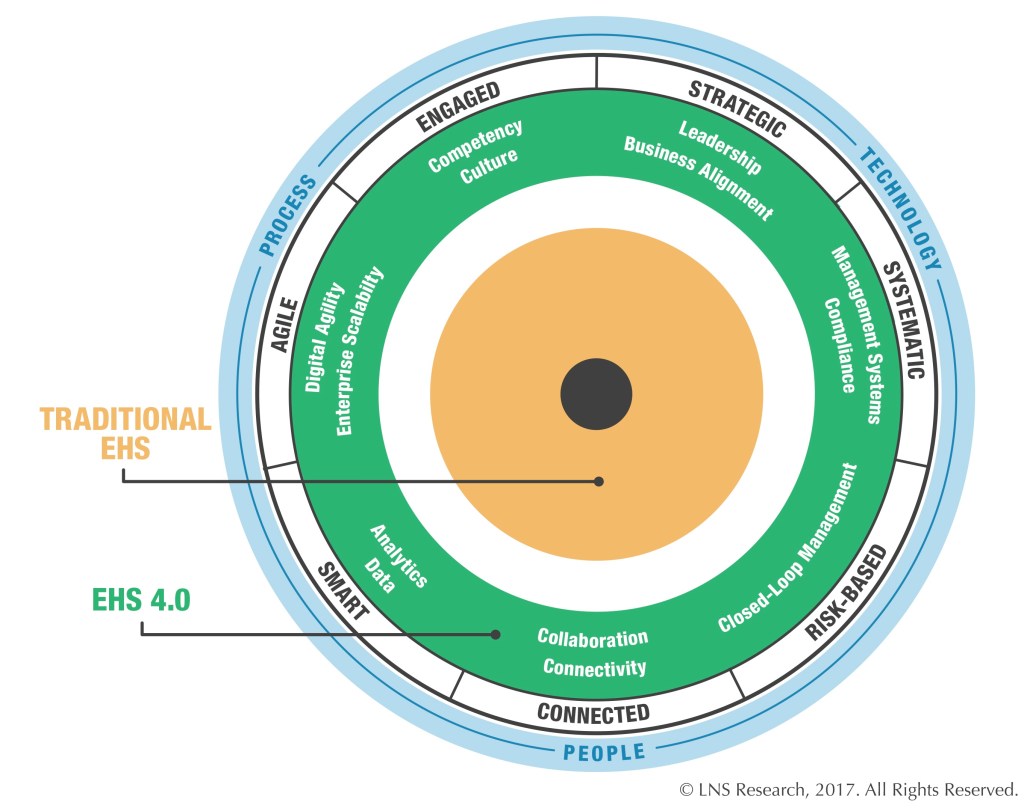
Figure for Reference. From WWW.

Tackling Hubris in EHS: Bridging the Gap Between Theory and Practice.

#167

It’s frustrating, isn’t it? Seeing armchair EHS experts swoop in with impractical solutions, acting like they’ve got all the answers. It’s like they’re living in a bubble, detached from the real challenges of implementing effective EHS measures in the workplace. I was approched this week with couple of safety problems / issues by EHS folks who got audit recommendations to implement at their facility, which made my head spinning, hence this blog!

Introduction:-

Have you ever encountered those self-proclaimed experts who swoop into the world of Environment, Health, and Safety (EHS), armed with grandiose theories and impractical solutions? You know the type – the ones who seem to have all the answers but fail to grasp the realities of implementing effective safety measures in the workplace.

In today’s fast-paced business environment, the need for robust EHS practices has never been greater. Yet, despite the abundance of knowledge and expertise in the field, we often find ourselves grappling with a frustrating paradox – the prevalence of hubris and impracticality among certain corners of the EHS community.

Join me on a journey as we explore this critical issue facing our profession. We’ll delve into the dangers of hubris and arrogance, the consequences of impractical approaches, and most importantly, the strategies for bridging the gap between theory and practice in EHS management. But this isn’t just another rant about the challenges we face. It’s a call to action – a rallying cry for EHS professionals to challenge the status quo, embrace practicality over pretense, and drive meaningful change within our organizations.

So, buckle up and get ready to dive deep into the world of EHS, where reality reigns supreme, and practicality is the name of the game. Together, let’s uncover the secrets to unlocking true success in the realm of Environment, Health, and Safety.

Traits that Manifest:-

Let’s delve into identifying hubris and arrogance in EHS professionals:

  1. Dismissive Attitude Towards Practical Challenges: One of the key signs of hubris and arrogance in EHS professionals is a dismissive attitude towards practical challenges faced in implementing safety measures. They may brush off concerns raised by frontline workers or operational staff, believing their theoretical knowledge trumps real-world experience.
  2. Belief in Having All the Answers: Arrogant EHS professionals often exhibit a belief that they have all the answers when it comes to safety. They may dismiss input from others, assuming that their own expertise is superior and infallible. This can lead to a lack of collaboration and a failure to consider alternative perspectives or solutions.
  3. Resistance to Feedback: Hubristic EHS professionals may resist feedback or constructive criticism, viewing it as a threat to their perceived expertise. They may become defensive when their ideas or approaches are questioned, rather than engaging in open dialogue and reflection.
  4. Overconfidence in Solutions: Arrogant EHS professionals may display overconfidence in the effectiveness of their proposed solutions, without adequately considering their feasibility or practicality in the specific context of the workplace. This can lead to the implementation of impractical or ineffective safety measures that fail to address the root causes of safety hazards.
  5. Lack of Humility: Another indicator of hubris and arrogance is a lack of humility or self-awareness. EHS professionals who exhibit these traits may be unwilling to acknowledge their own limitations or mistakes, instead attributing any shortcomings to external factors or scapegoating others.

By recognizing these signs and symptoms of hubris and arrogance in EHS professionals, we can take proactive steps to address these attitudes and foster a more collaborative and effective approach to safety management. It’s essential to promote a culture of humility, openness to feedback, and a willingness to learn and adapt in order to truly enhance workplace safety.

+++++

Let’s explore the consequences of impractical EHS approaches and some real-world examples:

Consequences of Impractical Approaches:

  1. Wasted Resources: Impractical EHS solutions often require significant investment of time, money, and resources without yielding tangible benefits. Businesses may allocate funds towards implementing complex safety measures that offer little to no improvement in actual safety outcomes, resulting in wasted resources that could have been allocated more effectively elsewhere.
  2. Decreased Employee Morale: Impractical EHS initiatives can lead to frustration and disillusionment among employees who are tasked with implementing or adhering to these measures. When workers perceive safety protocols as overly burdensome, irrelevant, or unachievable, it can negatively impact morale and job satisfaction, leading to decreased productivity and engagement.
  3. Heightened Safety Risks: Ironically, impractical EHS solutions can sometimes inadvertently increase safety risks rather than mitigating them. For example, overly complex procedures or protocols may confuse workers and increase the likelihood of errors or accidents. Similarly, unrealistic safety goals or targets may incentivize employees to cut corners or bypass safety protocols in order to meet unrealistic expectations.

Examples of Impractical Approaches:

  1. Overly Complicated Safety Procedures: In one manufacturing facility, management implemented a convoluted safety checklist system that required workers to navigate through multiple layers of documentation for routine tasks. Despite the intention of enhancing safety, the complexity of the system led to confusion and frustration among employees, ultimately resulting in non-compliance and increased safety risks.
  2. Unrealistic Safety Targets: A construction company set ambitious safety targets for its workers, aiming for zero accidents and injuries within a given timeframe. While the goal was admirable, the company failed to provide adequate resources or support to help employees achieve these targets. As a result, workers felt pressured to prioritize meeting unrealistic goals over implementing practical safety measures, leading to an increase in accidents and injuries on the job site. This lead to few times workers hiding injuries.
  3. Ineffective Training Programs: In another example, a retail chain invested heavily in a generic EHS training program that focused primarily on theoretical concepts rather than practical application. Despite completing the training, employees struggled to apply the knowledge gained to their daily work tasks, as the content was not tailored to the specific hazards and challenges faced in their workplace. As a result, the training program failed to improve safety outcomes and was perceived as a waste of time and resources.

By these examples, we illustrate the tangible impacts of impractical EHS approaches on businesses and underscore the importance of prioritizing practicality and feasibility in safety management strategies.

Hubris in EHS Audits:

In a multinational manufacturing company, the EHS department hired an external auditing firm to conduct a comprehensive assessment of their safety management systems. The auditors, renowned for their expertise in the field, arrived with an air of confidence and authority, convinced of their ability to identify and rectify any deficiencies in the company’s safety practices.

Throughout the audit process, the auditors exhibited a dismissive attitude towards input from frontline workers and operational staff, brushing off concerns raised about the practicality and feasibility of certain safety protocols. Instead, they relied solely on their own theoretical knowledge and preconceived notions of best practices, failing to fully grasp the nuances and complexities of the company’s unique operational environment.

As a result, the audit report produced by the external firm was filled with impractical recommendations and unrealistic expectations, such as implementing complex safety measures that were neither feasible nor cost-effective for the company. Despite objections from internal stakeholders, the auditors remained steadfast in their belief that they knew what was best for the organization, refusing to entertain alternative perspectives or suggestions.

Ultimately, the audit process not only failed to identify meaningful opportunities for improvement but also exacerbated tensions between the EHS department and frontline workers. Employees felt frustrated and demoralized by the auditors’ arrogant demeanor and impractical recommendations, leading to a breakdown in trust and communication within the organization.

This example highlights the dangers of hubris in EHS audits, where auditors’ overconfidence and reluctance to consider alternative viewpoints can undermine the effectiveness of the audit process and ultimately hinder efforts to improve workplace safety. It serves as a reminder of the importance of humility, collaboration, and open-mindedness in conducting meaningful EHS assessments that truly benefit organizations and their employees.

EHS Professionals as Ambulance Chasers/Rainmakers:

In the world of Environment, Health, and Safety (EHS), there exists a subset of professionals who exude an aura of invincibility, proclaiming to have solutions for every conceivable safety challenge that may arise in the workplace. Like ambulance chasers or rainmakers, they eagerly pounce on opportunities to showcase their expertise, often at the expense of collaboration and teamwork.

These individuals may present themselves as saviors, swooping in with quick-fix solutions and grandiose promises of safety perfection. They thrive on the adrenaline rush of being perceived as the ultimate problem-solvers, eager to take center stage and bask in the spotlight of their perceived brilliance.

However, the reality is far from glamorous. While these self-proclaimed experts may possess a wealth of theoretical knowledge and technical acumen, their approach often overlooks the fundamental principles of collaboration and partnership that are essential to effective EHS management.

By positioning themselves as the sole arbiters of safety, they inadvertently undermine the collaborative nature of the EHS function, alienating frontline workers and operational staff who are vital stakeholders in the safety process. Rather than fostering a culture of open communication and shared responsibility, their actions perpetuate a hierarchy of authority and diminish the contributions of others.

Furthermore, their penchant for quick fixes and flashy solutions can lead to short-term gains at the expense of long-term sustainability. By prioritizing expedience over thoroughness, they may overlook systemic issues and fail to address root causes, ultimately perpetuating a cycle of reactive, rather than proactive, safety management.

In essence, while these ambulance chasers or rainmakers may initially appear to offer salvation, their approach ultimately does more harm than good. Effective EHS management requires a collaborative effort, grounded in humility, empathy, and a recognition of the diverse perspectives and experiences that contribute to a culture of safety excellence.

By challenging the allure of quick fixes and embracing the principles of collaboration and partnership, we can create a more inclusive and effective approach to EHS management that truly prioritizes the well-being of all stakeholders involved.

The Gap Between Theory and Practice in EHS Management:

In the realm of Environment, Health, and Safety (EHS), there often exists a significant gap between theoretical knowledge and its practical application in real-world settings. While EHS professionals may be well-versed in the latest regulations, standards, and best practices, translating this knowledge into actionable solutions that align with organizational realities can prove to be a formidable challenge.

One of the primary contributors to this gap is the inherent complexity and variability of the workplace environment. Each organization possesses its own unique set of operational processes, cultural dynamics, and risk profiles, making it difficult to apply one-size-fits-all solutions derived from textbook theories.

Additionally, there is often a disconnect between the perspectives of EHS professionals and frontline workers who are directly involved in the day-to-day operations of the business. While EHS experts may approach safety management from a top-down, regulatory compliance perspective, frontline workers possess invaluable insights and firsthand experiences that shape their understanding of safety risks and challenges.

As a result, theoretical EHS knowledge may fail to adequately account for the practical realities and constraints faced by organizations in implementing safety measures. This can lead to a disconnect between the intended objectives of EHS initiatives and their actual effectiveness in reducing workplace hazards and promoting a culture of safety.

To bridge this gap, there is a critical need for practical solutions that are tailored to the specific needs and realities of each organization. Rather than relying solely on theoretical models or best practices derived from external sources, EHS professionals must engage with frontline workers and other stakeholders to co-create solutions that are both effective and feasible within the context of the workplace environment.

This requires a shift towards a more collaborative and participatory approach to EHS management, where all stakeholders are actively involved in identifying safety risks, developing solutions, and implementing initiatives that reflect the diverse perspectives and experiences within the organization.

Let’s address corruption and its impact on the EHS domain:

Corruption in the EHS Domain:

In an ideal world, Environment, Health, and Safety (EHS) professionals serve as guardians of workplace safety, diligently implementing measures to protect employees and the environment. However, in some instances, the integrity of the EHS function is compromised by corruption, kickbacks, and favors, resulting in detrimental consequences for both workers and the environment.

Pseudo and Amateur EHS Professionals:

In corrupt regulatory environments, powerful entities may exert pressure on organizations to engage pseudo or amateur EHS professionals who lack the requisite expertise and credentials. These individuals may be selected not based on their competency or qualifications but rather due to personal connections, kickbacks, or favors exchanged behind closed doors.

Check Box Reports and Dust Gathering:

Under such circumstances, the primary objective of these pseudo or amateur EHS professionals becomes the preparation of check box reports that merely pay lip service to regulatory requirements. These reports often lack substance, depth, and meaningful analysis, serving as mere tokens of compliance rather than genuine reflections of the organization’s commitment to safety. I hung my head in shame, when an American EHS experts viewed Safety Audit reports / HAZOP report of site we were auditing together, and wondered is this the level of quality they can expect across India in every organisation. The reports were all worked under pressure and given to nephew of an official who is the so called, safety expert.

Negative Impact on Safety and Environment:

The consequences of such corruption extend far beyond mere paperwork. When safety measures are implemented superficially or ignored altogether, workers are exposed to heightened risks of accidents, injuries, and illnesses. Similarly, lax environmental oversight can result in pollution, ecological damage, and public health hazards.

Culture of Complacency:

Moreover, the prevalence of corruption in the EHS domain fosters a culture of complacency and impunity, where individuals prioritize personal gain over ethical considerations and professional integrity. This erodes trust in regulatory institutions, undermines the credibility of the EHS profession, and perpetuates a cycle of neglect and apathy towards safety and environmental concerns.

Addressing Corruption and Promoting Accountability:

To combat corruption in the EHS domain, it is essential to promote transparency, accountability, and ethical conduct at all levels of the organization. Regulatory bodies must strengthen enforcement mechanisms, conduct regular audits, and impose stringent penalties for non-compliance and misconduct. Furthermore, organizations must prioritize the recruitment and retention of qualified, competent EHS professionals based on merit and expertise rather than nepotism or favoritism. Investing in comprehensive training and development programs can enhance the skills and capabilities of EHS practitioners, empowering them to effectively navigate complex regulatory landscapes and promote a culture of safety and integrity within their organizations.

By tackling corruption head-on and upholding the highest standards of professionalism and ethical conduct, we can safeguard the well-being of workers, protect the environment, and uphold the integrity of the EHS profession.

Way Forward:-

Correcting hubris, arrogance, and impractical approaches in EHS requires a multifaceted approach:

  1. Promote Humility and Self-Awareness: Encourage EHS professionals to cultivate humility and self-awareness, recognizing that no one person has all the answers and that learning is an ongoing process. Emphasize the importance of acknowledging limitations and being open to feedback and alternative perspectives.
  2. Focus on Collaboration and Communication: Foster a culture of collaboration and communication among EHS professionals, frontline workers, and other stakeholders. Encourage dialogue and information sharing to ensure that safety initiatives are grounded in practicality and feasibility.
  3. Provide Comprehensive Training and Education: Invest in comprehensive training and education programs for EHS professionals to enhance their practical skills and knowledge. Offer opportunities for hands-on experience and real-world application of theoretical concepts.
  4. Encourage Critical Thinking and Problem-Solving: Encourage EHS professionals to engage in critical thinking and problem-solving, challenging assumptions and exploring alternative approaches to safety management. Promote a culture of innovation and creativity in developing practical solutions to complex safety challenges.
  5. Establish Clear Goals and Expectations: Clearly define goals and expectations for EHS initiatives, ensuring that they are aligned with organizational priorities and realities. Set realistic targets and milestones, and regularly review progress to identify areas for improvement.
  6. Provide Support and Resources: Provide EHS professionals with the support and resources they need to succeed in their roles. This may include access to relevant data and information, technical assistance, and mentorship opportunities.
  7. Lead by Example: Organizational leaders should lead by example, demonstrating humility, openness to feedback, and a commitment to practicality in their approach to EHS management. Foster a culture of accountability and integrity at all levels of the organization.
  8. Reward Practical Solutions: Recognize and reward EHS professionals who demonstrate a practical approach to safety management and contribute to tangible improvements in workplace safety. Highlight success stories and share best practices to inspire others.

By implementing these strategies, organizations can correct hubris, arrogance, and impractical approaches in EHS management, fostering a culture of collaboration, innovation, and continuous improvement that ultimately enhances workplace safety and well-being.

Conclusion: In conclusion, addressing hubris, arrogance, and impractical approaches in EHS management requires a concerted effort to promote humility, collaboration, and practicality. By fostering a culture of open communication, providing comprehensive training and education, and encouraging critical thinking and problem-solving, organizations can empower EHS professionals to develop realistic and effective solutions to complex safety challenges. Leadership plays a crucial role in setting the tone and expectations for EHS management, leading by example and promoting accountability at all levels of the organization. By working together to correct these issues, we can create safer and healthier workplaces for everyone.

Karthik

3rd April 2024. 1230pm.

Understanding the Nuances: Safety Psychology vs. Psychology of Safety

#166

Disclaimer: I don’t consider myself a Psychology Expert. This is based on my knowledge, practical implementation as an EHS professional where this topic plays a huge part.

Introduction:

In the realm of workplace safety, the human element plays a critical role in determining outcomes. Understanding why individuals behave the way they do in relation to safety is not just an academic exercise but a practical necessity for EHS (Environment, Health, and Safety) professionals striving to create safer work environments. This brings us to two closely related but distinct concepts: Safety Psychology and the Psychology of Safety.

Before delving into the specifics of these concepts, let’s take a moment to define what we mean by “psychology” for those unfamiliar with the term. At its core, psychology is the scientific study of the human mind and behavior. It encompasses a broad range of topics, including how we think, feel, perceive the world around us, and interact with others. In the context of workplace safety, psychology provides insights into the underlying factors that influence employee attitudes, perceptions, and actions related to safety.

Now, let’s explore the differences between Safety Psychology and the Psychology of Safety. While these terms may sound similar, they represent distinct approaches to understanding and improving safety in the workplace. Safety Psychology focuses on analyzing human behavior to identify factors contributing to accidents, errors, and unsafe practices. It involves studying individual and group dynamics, decision-making processes, risk perception, attention, motivation, and stress as they relate to safety outcomes. In essence, Safety Psychology seeks to answer the question: “Why do people behave unsafely, and how can we change those behaviors to improve safety?”

On the other hand, the Psychology of Safety shifts the focus to the psychological aspects of creating a safe work environment. It explores how employees perceive safety, their attitudes towards safety measures, and their willingness to participate in safety initiatives. This includes examining topics such as safety culture, communication effectiveness, trust, and motivation. In essence, the Psychology of Safety addresses the question: “How can we create a workplace where employees feel empowered to prioritize safety and actively contribute to a positive safety culture?”

Below, we’ll delve deeper into each of these concepts, exploring practical strategies for integrating Safety Psychology and the Psychology of Safety into EHS practices. By understanding the nuances of these approaches and leveraging their insights, EHS professionals can play a pivotal role in creating safer and healthier workplaces for all. Stay tuned for more insights and practical tips on enhancing workplace safety through the lens of psychology.

+++++

Let’s dive a bit deeper into the distinction between “Safety Psychology” and the “Psychology of Safety”:

  1. Safety Psychology:

    • Safety Psychology involves studying human behavior within the context of safety, particularly in occupational settings. It explores factors such as decision-making, risk perception, attention, motivation, and stress as they relate to safety outcomes.
    • Researchers and practitioners in Safety Psychology often investigate how individual differences, group dynamics, organizational culture, and environmental factors influence safety-related behaviors and outcomes.
    • For example, Safety Psychology might examine why certain workers take risks despite being aware of safety protocols, or how fatigue and distraction contribute to accidents in high-risk industries like construction or manufacturing.
  2. Psychology of Safety:

    • The Psychology of Safety focuses on understanding the psychological aspects of creating and maintaining a safe work environment. It delves into the attitudes, beliefs, perceptions, and emotions that shape individuals’ responses to safety initiatives.
    • This field explores topics such as safety culture, trust in leadership, communication effectiveness, and employee engagement in safety activities.
    • For instance, the Psychology of Safety might explore how to foster a culture where employees feel empowered to report safety concerns without fear of reprisal, or how to design safety training programs that effectively motivate workers to adhere to safety protocols.

In summary, while both Safety Psychology and the Psychology of Safety involve the application of psychological principles to enhance safety outcomes, they have distinct focuses. Safety Psychology centers on understanding human behavior and its impact on safety, while the Psychology of Safety emphasizes creating a supportive and conducive environment for safety through an understanding of psychological factors.

++++

The term “Psychology of Safety” has been around for several decades, but its prominence and recognition have increased in recent years as organizations have placed greater emphasis on understanding the human factors that influence safety outcomes. This is because Engineering controls and Management Systems can only bring in so much for accident prevention. While it may not be as widely known or discussed as some other concepts in safety management, it is certainly not a new term in the lexicon of occupational safety and health. Researchers and practitioners have been studying the psychology of safety since at least the late 1980s, with a growing body of literature and research contributing to our understanding of how psychological factors impact safety performance and culture.

+++++

In a manufacturing environment, incorporating both “Safety Psychology” and the “Psychology of Safety” can significantly enhance workplace safety initiatives. Here’s how organizations can leverage each concept:

  1. Safety Psychology:

    • Identify and address human factors contributing to accidents: Analyze behavioral patterns, decision-making processes, and situational factors that lead to unsafe behaviors or errors.
    • Implement targeted training programs: Develop training modules that focus on improving hazard recognition, risk assessment, decision-making, and stress management skills among employees.
    • Utilize behavior-based safety programs: Implement systems to observe and provide feedback on employee behaviors related to safety, reinforcing positive actions and addressing unsafe practices.
    • Design ergonomic work environments: Apply principles of human factors engineering to optimize workplace layout, equipment design, and task processes for improved safety and efficiency.
  2. Psychology of Safety:

    • Foster a strong safety culture: Cultivate an organizational climate where safety is valued, prioritized, and integrated into daily operations. Promote open communication, trust, Accountability and collaboration among employees and management.
    • Enhance safety leadership: Train supervisors and managers to effectively communicate safety expectations, provide supportive feedback, and serve as role models for safety behaviors.
    • Empower employee participation: Encourage workers to actively engage in safety initiatives by soliciting their input, involving them in decision-making processes, and recognizing their contributions to improving safety.
    • Address psychosocial factors: Recognize and mitigate stress, fatigue, job dissatisfaction, and other psychosocial hazards that can affect employee well-being and safety performance. Accept Error, Mistakes, Deviations as acceptable part of job and design procedures accordingly. (Mistake Proofing)

By integrating both Safety Psychology and the Psychology of Safety into their approach, organizations can create a comprehensive framework for improving workplace safety that addresses both the behavioral and environmental aspects of safety management. This holistic approach helps to enhance risk awareness, promote safe behaviors, and ultimately reduce the incidence of accidents and injuries in manufacturing settings.

++++++++

In a manufacturing environment, especially one that is unionized,/ Works Council, fostering a strong safety culture, effective communication, trust, and motivation are essential for success in promoting workplace safety. Let’s elaborate on each of these elements and their significance:

  1. Safety Culture:

    • Definition: Safety culture refers to the shared values, attitudes, beliefs, and behaviors regarding safety within an organization. It reflects the extent to which safety is prioritized and integrated into all aspects of the workplace.
    • Importance: In a manufacturing setting, a positive safety culture creates a collective commitment to safety among employees, supervisors, and management. It encourages proactive hazard identification, open reporting of safety concerns, and a willingness to take ownership of safety responsibilities.
    • Success Factors: Building a strong safety culture in a unionized manufacturing environment requires leadership commitment, employee involvement, and consistent reinforcement of safety expectations. It involves promoting safety as a core organizational value, providing adequate resources for safety initiatives, and recognizing and rewarding safe behaviors.
  2. Communication Effectiveness:

    • Definition: Effective communication involves clear, timely, and two-way exchange of information between all levels of the organization regarding safety-related matters.
    • Importance: Clear communication is essential for ensuring that safety policies, procedures, and expectations are understood and followed by all employees. It facilitates the dissemination of safety information, including hazard alerts, safety training, and incident reports.
    • Success Factors: In a unionized manufacturing environment, effective communication requires establishing channels for dialogue between management and union / Council representatives, as well as direct communication with frontline workers. It involves active listening, transparency, and responsiveness to safety concerns raised by employees. Regular safety meetings, toolbox talks, and safety bulletins can also enhance communication effectiveness.
  3. Trust:

    • Definition: Trust refers to the confidence and reliability that employees have in the organization, its leaders, and their colleagues regarding safety matters.
    • Importance: Trust is the foundation of a positive safety culture. When employees trust that management genuinely cares about their safety and will take their concerns seriously, they are more likely to actively participate in safety initiatives, report hazards, and comply with safety procedures.
    • Success Factors: Building trust in a manufacturing environment requires consistent actions that demonstrate a genuine commitment to safety, fairness, and respect for employees’ rights. This includes involving union representatives in safety decision-making processes, addressing safety issues promptly and transparently, and providing opportunities for employee feedback and input.
  4. Motivation:

    • Definition: Motivation refers to the internal and external factors that drive individuals to engage in safety-related behaviors and adhere to safety protocols.
    • Importance: Motivated employees are more likely to take personal responsibility for their safety and the safety of their coworkers. They are also more receptive to safety training, more willing to participate in safety improvement initiatives, and more likely to maintain vigilance and compliance with safety standards.
    • Success Factors: Motivating employees in a manufacturing environment involves recognizing and rewarding safe behaviors, providing opportunities for skill development and advancement, and fostering a sense of ownership and empowerment in safety decision-making. It also requires addressing factors that may undermine motivation, such as job dissatisfaction, lack of recognition, or perceived inequities in safety practices.

In summary, in a unionized manufacturing environment, success in promoting workplace safety hinges on cultivating a positive safety culture, fostering effective communication, building trust, and motivating employees to prioritize safety. By addressing these elements comprehensively and collaboratively, organizations can create safer and healthier workplaces for all employees.

++++++

As an EHS (Environment, Health, and Safety) professional, folks can play a crucial role in implementing both Safety Psychology and the Psychology of Safety in the workplace. Here are some ways you can contribute:

  1. Education and Training:

    • Develop and deliver training programs that incorporate principles from Safety Psychology and the Psychology of Safety. This could include sessions on risk perception, decision-making, stress management, communication skills, and building a positive safety culture.
    • Provide resources and guidance to supervisors and managers on how to effectively lead safety initiatives and foster a supportive work environment.
  2. Behavior-Based Safety Programs:

    • Design and implement behavior-based safety programs that leverage insights from Safety Psychology to observe, analyze, and positively reinforce safe behaviors among employees. 
    • Catch people doing things right, Appreciate their contributions.
    • Use data-driven approaches to identify patterns of unsafe behavior and develop targeted interventions to address underlying psychological factors contributing to those behaviors.
  3. Safety Culture Enhancement:

    • Work with organizational leaders to assess the current safety culture and identify areas for improvement. Use principles from the Psychology of Safety to promote a culture of trust, collaboration, accountability, and employee empowerment .
    • Facilitate open communication channels where employees feel comfortable expressing safety concerns, providing feedback, and participating in safety-related decision-making processes.
  4. Psychosocial Risk Management:

    • Collaborate with HR and management teams to identify and mitigate psychosocial hazards that may impact employee well-being and safety performance. This could involve addressing issues such as job stress, work-life balance, job satisfaction, and organizational justice.
    • Advocate for policies and programs that promote mental health and resilience in the workplace, including access to employee assistance programs, stress management resources, and supportive leadership practices.
    • Conduct Safety perception surveys to gauge the organisation climate and implement measures as identified. Perceptions many times are real and hold mirror to the organisation. (However unpalatable it may be) 
  5. Continuous Improvement:

    • Implement systems for ongoing monitoring, evaluation, and improvement of safety initiatives. Use data analytics and feedback mechanisms to measure the effectiveness of interventions and make adjustments as needed.
    • Stay abreast of emerging research and best practices in Safety Psychology and the Psychology of Safety, and integrate new insights into your organization’s safety programs and policies.

By integrating principles from both Safety Psychology and the Psychology of Safety into your role as an EHS professional, you can contribute to creating a safer and healthier workplace where employees are motivated, engaged, and empowered to prioritize safety in their daily activities.

++++++

The Psychology of Safety plays a crucial role in understanding and addressing the unique perspectives, preferences, and behaviors of different generations in the workplace. Here’s how it can be customized to accommodate the needs and characteristics of various generations:

  1. Baby Boomers (Born 1946-1964):

    • Values: Baby Boomers often value stability, loyalty, and respect for authority.
    • Approach: Emphasize the importance of experience and institutional knowledge in promoting safety. Provide opportunities for mentorship and recognition of their contributions to safety initiatives.
  2. Generation X (Born 1965-1980):

    • Values: Generation X values work-life balance, autonomy, and pragmatism.
    • Approach: Offer flexible work arrangements and training programs that allow for self-directed learning. Highlight the practical benefits of safety measures in terms of protecting their well-being and that of their families.
  3. Millennials (Born 1981-1996):

    • Values: Millennials value purpose, diversity, and social responsibility.
    • Approach: Engage Millennials by emphasizing the broader societal impact of safety initiatives and opportunities for meaningful contributions to sustainability and social justice. Leverage technology and gamification to make safety training more interactive and engaging.
  4. Generation Z (Born 1997-Present):

    • Values: Generation Z values authenticity, digital connectivity, and personalization.
    • Approach: Deliver safety messages through social media platforms and mobile apps. Provide real-time feedback and recognition for safe behaviors. Offer opportunities for involvement in safety decision-making and innovation.

Customizing the Psychology of Safety across generations involves recognizing and respecting the diverse backgrounds, experiences, and preferences of different age groups in the workforce. By tailoring safety initiatives to align with the values and communication preferences of each generation, organizations can effectively engage employees across the generational spectrum and create a safer and more inclusive workplace culture.

Conclusion:-

In conclusion, understanding and applying the principles of Safety Psychology and the Psychology of Safety are essential for creating a workplace where safety is not just a priority but a shared value ingrained in the organizational culture. By recognizing the human factors that influence safety outcomes and tailoring strategies to address them, EHS professionals can make significant strides in improving workplace safety.

From fostering a positive safety culture to enhancing communication effectiveness, building trust, motivating employees, and customizing approaches across generations, there are numerous avenues for integrating psychological insights into safety management practices.

Ultimately, by embracing the complexities of human behavior and psychology, organizations can create environments where employees feel empowered, engaged, and motivated to prioritize safety in their daily activities. Through continuous learning, adaptation, and collaboration, we can work towards the common goal of creating safer and healthier workplaces for all.

Let me know your comments?
Regards

Karthik.

2/4/24 1130am. 

Stunned Silence-When Leaders ask for Opinions.

#165

STUNNED SILENCE“-To Quote from my Boss, Anthony Wareham, when nothing being the response, to his questions!!

A concerning trend is emerging in boardrooms and meeting rooms across organizations worldwide: when leaders solicit input from their teams, they’re often met with a stunned silence. This silence speaks volumes about the state of communication within today’s workplaces and raises red flags about the potential stifling of innovation and productivity. It’s not just a phenomenon observed by seasoned managers in their 60s and 70s; it’s a pervasive issue that demands attention and introspection from leaders of all ages and backgrounds.

As someone deeply invested in the dynamics of organizational communication and effectiveness, I’ve been witnessing this trend with growing concern. My colleagues from my generation echo my observations, expressing worries about the implications of not speaking up on the innovation and vitality of our organizations. This week, an article in the Financial Times shedding light on the phenomenon of “Not Speaking Up” further fueled my reflections on this critical topic.

In this blog post, I aim to delve into the root causes of this reluctance to speak up, explore its implications on innovation and productivity, and propose strategies for fostering a culture of open communication and constructive dissent within organizations. Through sharing my insights and inviting feedback and discussion, I hope to contribute to a meaningful dialogue on how we can address this challenge and cultivate environments where every voice is heard, valued, and empowered to drive positive change.

Why Speaking up is becoming rare these days?

The decline in speaking up is a multifaceted issue with various factors contributing to its prevalence worldwide. Let’s delve into some of the potential reasons:

  1. Fear of Reprisal: In many organizations, there exists a culture where speaking up is perceived as risky. Employees may fear backlash, retribution, or even jeopardizing their career advancement by voicing dissenting opinions.
  2. Hierarchy and Power Dynamics: Hierarchical structures within organizations often stifle open communication. Employees may feel intimidated by senior management or perceive their input as less valuable due to their position in the organizational hierarchy.
  3. Cultural Norms: Cultural norms and societal expectations can influence individuals’ willingness to speak up. In some cultures, deference to authority and avoiding confrontation may take precedence over expressing dissenting views.
  4. Lack of Psychological Safety: Psychological safety, or the belief that one can speak up without fear of negative consequences, is crucial for fostering open communication. When employees feel psychologically unsafe, they are less likely to voice their opinions or raise concerns.
  5. Communication Technology: The rise of digital communication tools may contribute to the decline in face-to-face interactions and meaningful dialogue. Employees may resort to email or messaging platforms for communication, which can hinder open discussion and collaboration.
  6. Busy Work Environments: In fast-paced work environments, employees may prioritize completing tasks over engaging in discussions or raising concerns. The pressure to meet deadlines and achieve targets may deter individuals from taking the time to speak up.
  7. Generational Differences: While it’s challenging to generalize, generational differences may play a role in the decline of speaking up. Younger generations, such as Millennials and Gen Z, are often characterized as valuing transparency, authenticity, and collaboration. However, they may also have different communication preferences and expectations compared to older generations.
  8. Lack of Role Models: The absence of visible role models who encourage open communication and constructive dissent can contribute to the decline in speaking up. When employees do not see leaders or peers modeling this behavior, they may be less inclined to speak up themselves.
  9. Organizational Culture: Ultimately, organizational culture plays a significant role in shaping employees’ behavior and attitudes towards speaking up. Cultures that prioritize transparency, accountability, and psychological safety are more likely to foster open communication and constructive dissent.

It’s essential to recognize that the decline in speaking up is a complex issue influenced by a combination of factors, including organizational dynamics, cultural norms, and individual attitudes. Addressing this challenge requires a concerted effort from leaders to cultivate a culture that values and encourages open communication, constructive dissent, and continuous improvement.

How not speaking up can undermine EHS efforts? What EHS Leaders can do?

Not speaking up can indeed have significant ramifications for EHS (Environmental, Health, and Safety) efforts. Here’s how:

  1. Identifying Risks: When employees do not speak up about potential hazards or safety concerns in the workplace, it becomes challenging for EHS leaders to identify and mitigate risks effectively. Without input from frontline workers who are most familiar with day-to-day operations, critical risks may go unnoticed, leading to safety incidents or environmental hazards.
  2. Improving Safety Procedures/Protocols: Constructive feedback and input from employees are essential for continuously improving safety procedures and protocols. If employees hesitate to speak up about inefficiencies or shortcomings in existing safety measures, opportunities for improvement may be missed. This can result in outdated or inadequate safety protocols that fail to adequately protect workers and the environment.
  3. Fostering a Culture of Accountability: A culture of accountability relies on open communication and transparency. When employees do not feel comfortable speaking up about safety concerns or incidents, it undermines the foundation of accountability within the organization. Without accountability, there is a higher likelihood of safety lapses, compliance failures, and a lack of trust between management and employees.

EHS leaders can take proactive steps to address the issue of not speaking up and improve overall safety culture within the organization:

  1. Promote Psychological Safety: Create an environment where employees feel psychologically safe to speak up without fear of reprisal. Encourage open dialogue, active listening, and empathy among all levels of the organization.
  2. Provide Training and Education: Offer training programs and educational sessions to empower employees with the knowledge and skills necessary to identify and report safety hazards effectively. Ensure that employees understand the importance of speaking up and the potential impact on overall safety performance.
  3. Implement Anonymous Reporting Mechanisms: Establish anonymous reporting mechanisms, such as hotlines or suggestion boxes, to encourage employees to report safety concerns confidentially. This can help overcome barriers to speaking up, particularly in situations where employees may fear retaliation or stigma.
  4. Lead by Example: EHS leaders should lead by example and demonstrate a commitment to open communication and transparency. Encourage managers and supervisors to actively seek feedback from their teams and respond constructively to concerns raised.
  5. Recognize and Reward Speaking Up: Acknowledge and reward employees who demonstrate a willingness to speak up about safety issues or propose innovative solutions. Celebrate instances where speaking up leads to positive outcomes, such as hazard identification or process improvements.
  6. Regularly Review and Update Procedures: Continuously review and update safety procedures and protocols based on feedback from employees and lessons learned from incidents or near misses. Involve frontline workers in the decision-making process to ensure that procedures are practical and effective in real-world scenarios.

By taking these proactive measures, EHS leaders can create a culture where speaking up is not only encouraged but valued as a crucial component of maintaining a safe and healthy work environment. This, in turn, enhances risk identification and mitigation efforts, improves safety protocols, and fosters a culture of accountability throughout the organization.

What is Leadership Role to make people speak up?

Leaders play a pivotal role in shaping the culture of dissent within organizations. By fostering an environment where open communication and constructive disagreement are encouraged, leaders can unleash the full potential of their teams and drive innovation. Let’s explore this further with examples from influential leaders like Steve Jobs and Sam Goldwyn:

  1. Steve Jobs: Steve Jobs, co-founder of Apple Inc., was known for his visionary leadership and relentless pursuit of excellence. Jobs understood the value of dissent as a catalyst for innovation. He famously said, “It doesn’t make sense to hire smart people and tell them what to do; we hire smart people so they can tell us what to do.”Jobs encouraged spirited debate and welcomed dissenting viewpoints within Apple’s culture. He believed that by challenging ideas and pushing boundaries, his team could achieve breakthrough innovations. For example, during the development of the original Macintosh computer, Jobs fostered a culture of intense debate and creative friction among his team members. This environment ultimately led to the creation of a revolutionary product that changed the course of personal computing.
  2. Sam Goldwyn: Sam Goldwyn, a pioneering film producer and co-founder of Metro-Goldwyn-Mayer (MGM), also recognized the importance of dissent in driving creative excellence. Goldwyn famously said, “I don’t want any yes-men around me. I want everybody to tell me the truth even if it costs them their job.”Goldwyn understood that surrounding himself with individuals who were unafraid to challenge his ideas and offer honest feedback was essential for success in the competitive film industry. He actively sought out diverse perspectives and valued dissent as a means of refining his creative vision and improving the quality of his films.

The examples of Steve Jobs and Sam Goldwyn highlight the importance of leaders setting the tone for open communication and actively soliciting feedback within their organizations. Here’s why this is crucial:

  1. Fostering Innovation: By creating an environment where dissent is valued and encouraged, leaders can stimulate creativity and innovation within their teams. Diverse perspectives and constructive disagreement can lead to breakthrough ideas and novel solutions to complex problems.
  2. Building Trust and Respect: Leaders who welcome dissent demonstrate a commitment to transparency, integrity, and respect for their team members. Employees feel empowered to voice their opinions knowing that their input will be valued and considered, regardless of hierarchy.
  3. Avoiding Groupthink: Groupthink, or the tendency for group members to conform to consensus views and suppress dissenting opinions, can stifle critical thinking and lead to poor decision-making. Leaders who actively solicit feedback and encourage dissent can help mitigate the risks associated with groupthink and promote more robust decision-making processes.
  4. Driving Continuous Improvement: Open communication and constructive dissent enable organizations to identify areas for improvement and implement necessary changes more effectively. Leaders who set the tone for open communication create a culture of continuous learning and adaptation, driving long-term success.

In summary, leaders play a crucial role in shaping the culture of dissent within organizations. By fostering an environment where open communication, constructive disagreement, and feedback are valued and encouraged, leaders can unleash the full potential of their teams, drive innovation, and achieve sustainable growth and success.

Why Open door Policy and you can discuss anything with me dont work?

The concept of an open-door policy, where employees are encouraged to approach their managers with any concerns or feedback, is often touted as a way to foster transparency and communication within organizations. However, in practice, open-door policies may not always be effective for several reasons:

  1. Perceived Power Dynamics: Many employees may hesitate to take advantage of an open-door policy due to perceived power dynamics with their managers. They may fear repercussions or retaliation if they raise concerns or disagree with their superiors, even if the policy ostensibly encourages open communication.
  2. Lack of Trust: In some cases, employees may not trust that their concerns will be addressed or taken seriously by management, despite the existence of an open-door policy. This lack of trust can stem from past experiences or a perception of management as unapproachable or indifferent to employee feedback.
  3. Cultural Barriers: Organizational culture plays a significant role in the effectiveness of open-door policies. In cultures where hierarchical structures are deeply ingrained or where there is a lack of psychological safety, employees may feel uncomfortable speaking up, regardless of the policy in place.
  4. Managerial Accessibility: Even with an open-door policy in place, managers may not always be accessible or approachable to their employees. Busy schedules, competing priorities, or physical barriers such as closed office doors can hinder employees’ ability to engage with their managers.
  5. Fear of Reprisal: Employees may fear reprisal or negative consequences for speaking up, particularly if they perceive their managers as having significant power or influence over their careers. This fear can deter employees from taking advantage of open-door policies, even if they have legitimate concerns.

To address these challenges and make open-door policies more effective, organizations and managers can take proactive steps such as:

  1. Building Trust: Cultivate a culture of trust and psychological safety where employees feel comfortable speaking up and providing feedback without fear of reprisal.
  2. Leading by Example: Managers should lead by example and demonstrate a genuine commitment to listening to and acting on employee concerns. They should actively solicit feedback, follow up on issues raised, and communicate transparently with their teams.
  3. Training and Education: Provide training and education for both managers and employees on effective communication, conflict resolution, and the importance of feedback. Equip managers with the skills and tools necessary to foster open dialogue and address employee concerns sensitively.
  4. Creating Multiple Channels for Communication: In addition to open-door policies, organizations should provide multiple channels for employees to voice their concerns and provide feedback, such as anonymous suggestion boxes, employee surveys, or regular town hall meetings.
  5. Ensuring Accountability: Hold managers accountable for maintaining open lines of communication and addressing employee concerns in a timely and effective manner. Recognize and reward managers who actively engage with their teams and demonstrate a commitment to openness and transparency.

By addressing these factors and actively promoting a culture of open communication and trust, organizations can overcome the limitations of open-door policies and create environments where employees feel empowered to voice their opinions and contribute to positive change.

How can be employees be made to speak up?

Empowering employees, building trust, fostering a culture of openness, and measuring progress on this journey can significantly contribute to encouraging employees to speak up. Here’s how each aspect can play a role:

  1. Empowering Employees: When employees feel empowered, they are more likely to speak up because they have a sense of ownership and agency over their work. Empowerment can take various forms, such as providing opportunities for skill development, delegating decision-making authority, and recognizing and rewarding employees for their contributions. By empowering employees, organizations demonstrate that they value and trust their employees’ judgment, which encourages them to voice their opinions and take initiative.
  2. Building Trust: Trust is the foundation of open communication and collaboration within organizations. When employees trust their leaders and colleagues, they feel more comfortable sharing their thoughts, concerns, and ideas. Building trust requires consistency, transparency, and integrity in all interactions. Leaders must demonstrate trustworthiness by keeping commitments, being honest and transparent, and fostering a supportive and respectful work environment. Trust enables employees to speak up without fear of judgment or reprisal, knowing that their input will be valued and respected.
  3. Fostering a Culture of Openness: Cultivating a culture of openness involves creating an environment where employees feel safe and encouraged to speak up, share their perspectives, and challenge the status quo. This requires leaders to actively listen to employees, encourage diverse viewpoints, and promote constructive dialogue. Openness also involves being transparent about decision-making processes, communicating openly about organizational goals and challenges, and welcoming feedback at all levels of the organization. A culture of openness signals to employees that their voices matter and that their input is essential for driving positive change.
  4. Measuring Progress: Measuring progress on the journey towards empowering employees and fostering open communication is essential for tracking success and identifying areas for improvement. Organizations can use various metrics to gauge progress, such as employee engagement surveys, feedback mechanisms, retention rates, and the frequency of employee-initiated ideas or suggestions. By regularly assessing progress and soliciting feedback from employees, organizations can identify barriers to speaking up and take proactive steps to address them. Additionally, celebrating milestones and recognizing achievements along the way reinforces the importance of speaking up and encourages continued participation from employees.


In summary, empowering employees, building trust, fostering a culture of openness, and measuring progress are interconnected elements that contribute to creating an environment where employees feel empowered to speak up. By prioritizing these aspects and actively working to cultivate a culture of open communication and collaboration, organizations can unlock the full potential of their employees and drive innovation, growth, and success.

Real life Case studies of organisations benefitting from Employee speak up:

Here are real-life examples of organizations that have successfully cultivated a culture of speaking up and the positive impact it has had on their EHS practices and overall performance:

  1. Toyota Motor Corporation: Toyota is renowned for its commitment to continuous improvement and employee involvement in problem-solving processes. One of the key elements of Toyota’s success is its culture of “kaizen,” which emphasizes continuous improvement and encourages employees at all levels to identify and address issues proactively.In terms of EHS practices, Toyota has implemented various initiatives to foster a culture of speaking up and safety awareness. For example, Toyota’s “Genchi Genbutsu” philosophy encourages employees to go to the source, observe operations firsthand, and identify opportunities for improvement. This approach empowers employees to speak up about potential safety hazards or inefficiencies in the workplace.Additionally, Toyota’s “Andon” system allows employees to stop production and notify management immediately if they identify any safety concerns or quality issues. This culture of openness and transparency ensures that safety issues are addressed promptly and effectively, ultimately leading to a safer work environment and improved EHS performance.

Other example is Google:-

2.Another notable example of speaking up leading to major productivity improvement and innovation for an organization is the case of Google’s “20% Time” policy.

Google is well-known for its innovative culture and has implemented various initiatives to encourage creativity and entrepreneurship among its employees. One such initiative is the “20% Time” policy, which allows employees to dedicate 20% of their work hours to pursuing projects of their choosing, even if unrelated to their primary job responsibilities.

The “20% Time” policy originated from Google’s founders, Larry Page and Sergey Brin, who believed in fostering a culture of experimentation and allowing employees the freedom to explore new ideas. This policy encourages employees to speak up about their passion projects and pursue innovative solutions to challenges they encounter in their work.

Several of Google’s most successful products and features have emerged from employees’ “20% Time” projects. For example:

  1. Gmail: One of Google’s most popular email services, Gmail, originated from a “20% Time” project by engineer Paul Buchheit. He saw an opportunity to create a better email experience and developed the prototype for Gmail, which eventually became a flagship product for Google.
  2. Google News: Google News, a service that aggregates news articles from various sources, was also born out of a “20% Time” project. Google engineer Krishna Bharat developed the idea as a response to the overwhelming amount of news available online, aiming to provide users with a convenient way to access relevant news articles.
  3. AdSense: Google’s AdSense advertising platform, which allows website owners to monetize their content through targeted ads, was another innovation that emerged from an employee’s “20% Time” project. Engineers at Google recognized the potential for serving contextual ads based on website content, leading to the development of AdSense.

These examples highlight how Google’s “20% Time” policy has empowered employees to speak up about their ideas and pursue innovative projects outside of their regular job duties. By providing employees with the freedom to explore new concepts and experiment with different approaches, Google has fostered a culture of creativity and entrepreneurship that has led to major productivity improvements and innovations for the organization.

The success of Gmail, Google News, AdSense, and numerous other products and features developed through the “20% Time” policy underscores the value of encouraging employees to speak up and pursue their passions, ultimately driving growth and innovation for the organization.

Continous Improvement:-

Continuous improvement is key to creating and sustaining a culture of speaking up within organizations. Here’s why it’s essential and how organizations can achieve it:

  1. Commitment to Growth: Emphasize to organizations that creating a culture of speaking up is not a one-time initiative but an ongoing journey. It requires a long-term commitment from leadership and employees alike to prioritize open communication, feedback, and collaboration.
  2. Regular Evaluation: Encourage organizations to regularly evaluate their communication practices and the effectiveness of their efforts to foster a culture of speaking up. This can include conducting employee surveys, holding focus groups, or soliciting feedback through anonymous channels to gauge employee perceptions and identify areas for improvement.
  3. Adaptability: Highlight the importance of being adaptable and willing to adjust strategies based on feedback and changing organizational dynamics. What works for one organization may not necessarily work for another, so it’s crucial to be flexible and open to trying new approaches.
  4. Leadership Support: Stress the role of leadership in championing continuous improvement efforts and modeling the behavior they wish to see in others. Leaders should actively solicit feedback, communicate openly, and demonstrate a willingness to listen and act on employee concerns.
  5. Employee Engagement: Engage employees in the process of continuous improvement by soliciting their input, involving them in decision-making, and recognizing and rewarding contributions to fostering a culture of speaking up. Employees are more likely to embrace change and actively participate in improvement efforts when they feel valued and included.
  6. Learning and Development: Encourage organizations to invest in learning and development initiatives that support communication skills, conflict resolution, and leadership development. By equipping employees with the tools and resources they need to effectively communicate and collaborate, organizations can facilitate continuous improvement in their culture of speaking up.

By emphasizing the importance of continuous improvement and providing practical guidance on how to achieve it, organizations can create a culture where speaking up is not only encouraged but ingrained in the fabric of the organization. This commitment to growth and evolution ensures that organizations remain responsive to the needs of their employees and adaptable to the ever-changing demands of the workplace.

Conclusion / Closure:-

In conclusion, fostering a culture of speaking up within organizations is not just a one-time effort but an ongoing journey of commitment and continuous improvement. By creating an environment where open communication, feedback, and collaboration are valued and encouraged, organizations can unlock the full potential of their employees and drive innovation, productivity, and overall success.

It’s essential for organizations to recognize that cultivating a culture of speaking up requires a long-term commitment from leadership and employees alike. Regular evaluation of communication practices, adaptability to changing dynamics, and strong leadership support are crucial elements in this journey.

As we’ve seen from real-life examples and best practices, organizations that prioritize speaking up and empower their employees to voice their opinions and ideas reap the rewards of improved safety practices, enhanced productivity, and innovation. By embracing continuous improvement and fostering a culture of openness and trust, organizations can create workplaces where employees feel empowered, valued, and inspired to make meaningful contributions.

In essence, the journey towards creating a culture of speaking up is not without its challenges, but the rewards are well worth the effort. Let’s commit to this journey together, recognizing that every step towards open communication and collaboration brings us closer to a safer, more productive, and thriving workplace for all.

I look forward to your thoughts?
Karthik

30/3/24.

Motivation-> The Master of Game!

#164

Context:I today wrote a personal blog on Issues that face younger generation.(LINK) This made me ponder as an EHS professional as to how Motivation is a key factor in sustaining life’s journey and its linkage to Mental Health. Hence this blog!

Introduction: Why Motivation Matters

In the bustling landscape of our professional lives, there exists an invisible force, a driving factor that propels us forward, shapes our actions, and ultimately determines our success. This force is none other than motivation – the powerhouse behind every achievement, innovation, and breakthrough.

But why does motivation matter so much? Beyond merely spurring us into action, motivation serves as the master conductor orchestrating the symphony of our endeavors. It is the fuel that ignites the flames of ambition, the compass guiding us toward our goals, and the unwavering beacon of determination in the face of adversity.

Moreover, the intertwining of motivation with engagement is the cornerstone of a positive mental health paradigm. When individuals are motivated and engaged in their work, they experience a profound sense of purpose and fulfillment. This intrinsic satisfaction acts as a protective shield, guarding against the onslaught of stress and burnout, while nurturing a resilient and flourishing mindset.

In this blog, we’ll delve into the intricacies of motivation, exploring its multifaceted nature and uncovering its profound impact on both individual and collective well-being. Join us on this journey as we unravel the mysteries of motivation, and discover how harnessing its power can pave the way for a brighter, more fulfilling future.

The Crucial Role of Motivation

In the dynamic realm of the workplace, motivation stands as the bedrock upon which success is built. It serves as the driving force behind every task, decision, and accomplishment, propelling individuals and teams toward their objectives with unwavering determination.

Motivation is not merely a desirable trait; it is an indispensable factor in maintaining high levels of productivity, safety, and mental well-being. At its core, motivation fuels the engine of productivity, inspiring individuals to strive for excellence and surpass their own limitations.

Moreover, motivation plays a pivotal role in ensuring workplace safety. When employees are motivated, they exhibit heightened awareness, diligence, and commitment to following safety protocols and procedures. This proactive approach not only reduces the risk of accidents and injuries but also fosters a culture of responsibility and accountability.

Furthermore, the impact of motivation extends beyond tangible outcomes to encompass mental well-being. A motivated workforce is more likely to experience lower levels of stress, anxiety, and burnout, as they derive satisfaction and fulfillment from their work. This positive psychological state not only enhances individual resilience but also cultivates a harmonious and supportive work environment.

In essence, motivation is the lifeblood of the workplace, driving productivity, safety, and mental well-being in equal measure. By nurturing a culture of motivation, organizations can unlock the full potential of their workforce and chart a course toward sustained success and prosperity.

Types of Motivation

a. Intrinsic Motivation

Intrinsic motivation is the internal drive that compels individuals to engage in activities because they find them inherently satisfying, enjoyable, or fulfilling. It arises from within oneself, driven by personal interests, passions, and values rather than external rewards or pressures.

Examples of intrinsic motivation include:

  • Passion for the Work: When individuals genuinely enjoy what they do, they are intrinsically motivated to excel in their tasks. For instance, a graphic designer who loves creating art may feel motivated to produce high-quality designs simply because it brings them joy.
  • Personal Growth: The desire for self-improvement and learning can be a powerful intrinsic motivator. For example, an employee who seeks out challenging assignments to expand their skills and knowledge is driven by their intrinsic motivation for personal growth.
  • Sense of Achievement: Accomplishing meaningful goals and milestones can be deeply satisfying and motivating. Whether it’s completing a project, mastering a new skill, or overcoming obstacles, the sense of achievement derived from these experiences fuels intrinsic motivation.

Fostering intrinsic motivation is essential for promoting higher job satisfaction and engagement among employees. When individuals are intrinsically motivated, they are more likely to experience a genuine sense of fulfillment and purpose in their work. This, in turn, leads to increased job satisfaction, as they derive meaning and satisfaction from the tasks themselves rather than external rewards.

Moreover, intrinsic motivation fuels higher levels of engagement, as individuals are naturally driven to invest their time and energy in activities that align with their interests and values. They are more likely to be proactive, innovative, and committed to achieving excellence, contributing positively to organizational success.

b. Extrinsic Motivation

Extrinsic motivation, on the other hand, stems from external factors such as rewards, recognition, or punishments. Individuals are driven to engage in activities not necessarily because they find them inherently enjoyable or satisfying, but rather to attain external rewards or avoid negative consequences.

Examples of extrinsic motivation include:

  • Salary: Monetary compensation serves as a primary extrinsic motivator for many individuals. Employees work to earn a paycheck and support themselves and their families financially.
  • Bonuses and Promotions: The promise of additional rewards or advancement opportunities can incentivize individuals to perform at a higher level. For instance, employees may work harder or take on additional responsibilities in hopes of receiving a bonus or securing a promotion.
  • Recognition: Acknowledgment and praise from supervisors or peers can be a powerful extrinsic motivator. Employees may seek recognition for their accomplishments, such as receiving awards or being publicly praised, as it validates their efforts and boosts their morale.

While extrinsic motivators can be effective in driving short-term performance, they may not always lead to long-term satisfaction or commitment. According to Self-Determination Theory (SDT), extrinsic motivators can undermine intrinsic motivation if they are perceived as controlling or coercive. For example, employees who feel pressured to meet certain targets or receive rewards may become less intrinsically motivated to engage in the tasks.

In summary, both intrinsic and extrinsic motivation play crucial roles in driving behavior and performance in the workplace. While extrinsic motivators can provide tangible rewards and incentives, intrinsic motivation fosters a deeper sense of fulfillment, purpose, and engagement. Balancing both types of motivation is key to cultivating a motivated and high-performing workforce.

Hygiene Factors at Work: Maintaining the Basics

In the realm of workplace motivation, Frederick Herzberg’s Two-Factor Theory sheds light on the distinction between factors that merely prevent dissatisfaction and those that truly inspire motivation. Hygiene factors represent the former category – elements that, when absent, can breed discontent but do not necessarily cultivate motivation when present.

Examples of hygiene factors include:

  1. Working Conditions: The physical environment in which employees operate, including factors such as temperature, lighting, cleanliness, and ergonomic design.
  2. Company Policies: The rules, regulations, and procedures governing various aspects of employment, such as attendance, leave policies, and performance evaluations.
  3. Salary: The compensation and benefits package offered to employees, including base pay, bonuses, incentives, and fringe benefits.
  4. Job Security: The assurance that one’s employment is stable and secure, free from the threat of layoffs, downsizing, or economic uncertainty.

While addressing hygiene factors is crucial for preventing dissatisfaction and maintaining a baseline level of employee well-being, it’s essential to recognize that they alone may not be sufficient to inspire motivation. Employees may feel neutral or even satisfied when hygiene factors are adequately addressed, but they may not necessarily feel motivated to perform at their best or go above and beyond in their roles.

Instead, true motivation stems from factors related to job content, growth opportunities, recognition, and a sense of purpose – elements often referred to as motivators in Herzberg’s theory. Motivators, unlike hygiene factors, are intrinsic to the nature of the work itself and have the power to inspire passion, engagement, and commitment.

Therefore, while it’s essential for organizations to address hygiene factors to prevent demotivation and maintain a positive work environment, they must also go beyond these basics to cultivate a culture of motivation. By providing meaningful work, opportunities for growth and development, recognition for achievements, and a clear sense of purpose, organizations can unlock the full potential of their employees and foster a truly motivated and high-performing workforce.

In summary, while hygiene factors serve as the foundation for a positive work environment, they alone may not lead to sustained motivation. Organizations must address both hygiene factors and motivators to create an environment where employees feel valued, engaged, and inspired to excel.

Dan with his Life changing Book. Drive was a game changer for people.

Unlocking Engagement: The Power of Autonomy, Mastery, and Purpose

In his groundbreaking book “Drive,” Dan Pink explores the intrinsic drivers of motivation that transcend traditional notions of rewards and punishments. At the heart of Pink’s thesis are three core elements: autonomy, mastery, and purpose – pillars that underpin a new paradigm for fostering engagement and fulfillment in the workplace.

1. Autonomy:

Autonomy refers to the desire to direct our own lives, to be self-directed, and to have control over our actions and decisions. In the workplace, autonomy empowers individuals to choose how they work, what projects they pursue, and when and where they do their work.

When employees are granted autonomy, they feel a sense of ownership and responsibility for their tasks, leading to increased creativity, innovation, and productivity. Instead of being micromanaged or dictated to, they are free to unleash their full potential and leverage their unique strengths and talents.

Empowering individuals with autonomy not only enhances their job satisfaction but also fosters a culture of trust and respect within the organization. By relinquishing control and embracing autonomy, leaders can unleash the untapped potential of their teams and cultivate a dynamic and high-performing workplace culture.

2. Mastery:

Mastery is the pursuit of continuous improvement and the desire to become better at something that matters. It involves setting challenging goals, seeking feedback, and dedicating oneself to the relentless pursuit of excellence.

In the context of the workplace, mastery entails providing employees with opportunities for skill development, growth, and learning. Whether it’s mastering a new technology, honing a specialized skill, or mastering a complex task, the journey toward mastery is inherently fulfilling and rewarding.

When individuals are encouraged to pursue mastery, they experience a sense of accomplishment and progress, fueling their intrinsic motivation and engagement. By fostering a culture of learning and development, organizations can empower their employees to reach new heights of performance and innovation.

3. Purpose:

Purpose is the sense of meaning and significance derived from contributing to something greater than oneself. It involves connecting one’s work to a larger mission or cause and understanding how it positively impacts others and the world at large.

In today’s rapidly evolving world, employees increasingly seek meaning and purpose in their work beyond financial compensation. Organizations that articulate a compelling purpose and align their values with those of their employees are better positioned to attract, retain, and motivate top talent.

When individuals feel connected to a meaningful purpose, they are more engaged, committed, and resilient in the face of challenges. Purpose-driven organizations not only inspire their employees to excel but also make a positive impact on society and the world.

In conclusion, autonomy, mastery, and purpose are powerful drivers of engagement and fulfillment in the workplace. By embracing these principles and fostering a culture that values autonomy, encourages mastery, and articulates a compelling purpose, organizations can unlock the full potential of their employees and create a thriving and sustainable future.

Strategies for Self-Motivation: Fueling Your Inner Drive

In the pursuit of sustained motivation and personal fulfillment, individuals can harness a range of strategies to ignite their inner drive and propel themselves toward success. Here are three key approaches to cultivate self-motivation:

  1. Align with Intrinsic Motivators: Encourage individuals to tap into their intrinsic motivators by aligning their work with their passions and values. When individuals engage in tasks that resonate with their interests and beliefs, they are more likely to experience a sense of purpose and fulfillment. Encourage reflection on personal strengths, interests, and values, and explore ways to incorporate them into daily work tasks and long-term goals.
  2. Set Meaningful Goals and Celebrate Achievements: Suggest setting clear, meaningful goals that provide direction and purpose. Break down larger objectives into smaller, manageable milestones, and celebrate achievements along the way. Recognition of progress, no matter how small, reinforces positive behaviors and fuels motivation to continue moving forward. Encourage individuals to acknowledge their accomplishments and express gratitude for their efforts and achievements.
  3. Embrace Growth and Self-Care: Advocate for a holistic approach to self-motivation that prioritizes personal growth, learning, and well-being. Encourage individuals to seek out opportunities for growth and development, whether through formal education, skill-building workshops, or mentorship programs. Additionally, emphasize the importance of maintaining a positive mindset, practicing self-care, and managing stress effectively. Encourage activities such as mindfulness, exercise, hobbies, and social connections to recharge and rejuvenate.

By embracing these strategies for self-motivation, individuals can cultivate a strong sense of purpose, resilience, and drive to pursue their goals and aspirations. Through alignment with intrinsic motivators, setting meaningful goals, and prioritizing personal growth and well-being, individuals can unlock their full potential and thrive in both their personal and professional lives.

The Vital Link Between Motivation and Mental Health

In the intricate tapestry of mental health, motivation emerges as a powerful thread, weaving its way through our thoughts, emotions, and behaviors, shaping our overall well-being. Here’s how motivation serves as a cornerstone for mental health:

  1. Sense of Purpose and Fulfillment: Motivation imbues our lives with a sense of purpose and direction. When we are driven by goals that align with our values and aspirations, we experience a profound sense of fulfillment and satisfaction. This sense of purpose acts as a guiding light, illuminating our path and infusing our lives with meaning, even in the face of adversity.
  2. Resilience and Coping with Challenges: Motivation fortifies our resilience, empowering us to navigate life’s challenges with courage and determination. When we are driven by intrinsic motivators – such as passion for our work or a desire to make a positive impact – we are better equipped to overcome obstacles and setbacks. Motivation fuels our perseverance and resourcefulness, enabling us to bounce back from setbacks and emerge stronger and more resilient than before.
  3. Maintaining a Healthy Work-Life Balance: Motivation plays a pivotal role in maintaining a healthy work-life balance. When we are motivated and engaged in our work, we are more likely to approach our responsibilities with focus, efficiency, and enthusiasm. However, it’s equally important to prioritize self-care and downtime to replenish our energy and prevent burnout. Motivation helps us strike a balance between our professional ambitions and our personal well-being, allowing us to thrive in both domains.
  4. Addressing Motivational Issues Early: Recognizing and addressing motivational issues early is crucial for safeguarding our mental health and well-being. When we experience a lack of motivation or disengagement, it can signal underlying challenges such as stress, burnout, or dissatisfaction. By proactively addressing these issues – whether through self-reflection, seeking support from others, or making adjustments to our goals and priorities – we can prevent them from escalating and mitigate their impact on our mental health.

In essence, motivation serves as a catalyst for mental health, fueling our sense of purpose, resilience, and well-being. By nurturing our motivation and addressing motivational issues early, we can cultivate a positive mindset, navigate life’s challenges with grace, and lead fulfilling and balanced lives.

My Personal Insights: Navigating the Journey of Motivation and Resilience

In my own journey, I’ve come to realize that failures are not stumbling blocks but rather stepping stones to success. Each setback has served as a valuable lesson, propelling me forward with newfound wisdom and resilience. It’s through facing challenges head-on that we uncover our true strengths and capabilities, emerging stronger and more determined than before.

Furthermore, I firmly believe that experiencing financial recessions and job losses (Being Fired) are rites of passage in the journey of professional growth. These trials test our resilience, resourcefulness, and adaptability, forcing us to reassess our priorities and chart a new course forward. They remind us that setbacks are temporary and that with perseverance and determination, we can overcome even the most daunting obstacles.

Moreover, learning from failures is essential for personal and professional development. As the adage goes, “fool me once, shame on you; fool me twice, shame on me.” It’s crucial to extract valuable insights from our mistakes and shortcomings, using them as opportunities for growth and improvement. In the realm of EHS work, there are ample opportunities to learn and evolve, with each challenge presenting a chance to refine our skills and knowledge.

Maintaining physical health is also paramount for sustaining motivation and well-being. A sound mind resides in a sound body, and prioritizing self-care is essential for navigating the demands of the workplace with vitality and resilience. Additionally, seeking guidance and support from mentors or managers fosters collaboration and problem-solving, reminding us that we don’t have to navigate the complexities of work alone. Always seek out for help. You would be surprised, I cried on an international call, when my physical health was at its worst and you all know how EHS work requires a strong physical health.! ( I didnt feel any shame- High “D” We have no shame!)! Also, I have never allowed issues to affect me mentally; even the day I resigned from my job at moment’s notice, (10 minutes prior- Resignation was eons away, I guess) I was calm, cool and composed and felt this is a new opportunity for a new way of life. Sure it was!

In essence, embracing failures as learning opportunities, weathering professional challenges with resilience, and prioritizing holistic well-being are essential ingredients for sustaining motivation and achieving success in both work and life.

Conclusion: Nurturing Motivation and Well-being in the Workplace

In the dynamic landscape of the workplace, motivation emerges as a potent force driving productivity, engagement, and fulfillment. By understanding the interplay of intrinsic and extrinsic factors, as well as the significance of addressing hygiene factors, individuals can unlock the key to sustained motivation and well-being.

Intrinsic motivation, stemming from within oneself, fuels passion, purpose, and personal growth. (Autonomy, Mastery, Purpose) It fosters a deep sense of satisfaction and engagement, propelling individuals to excel in their endeavors. Meanwhile, extrinsic motivators such as rewards and recognition offer tangible incentives but may not always sustain long-term commitment.

Addressing hygiene factors, which prevent dissatisfaction but do not necessarily inspire motivation, is essential for maintaining a positive work environment. From working conditions to job security, attending to these foundational elements lays the groundwork for motivation to flourish.

Moreover, self-awareness and proactive measures are crucial for nurturing motivation and safeguarding mental health. By aligning work with personal values, setting meaningful goals, and prioritizing self-care, individuals can cultivate resilience, vitality, and balance in their professional and personal lives.

Let us embark on this journey of motivation and well-being together, empowering ourselves and others to lead fulfilling and impactful lives in both work and beyond. Remember, the path to sustained motivation and well-being is a continuous journey of growth and self-discovery.

Thank you for joining me on this exploration, and may your journey be filled with purpose, resilience, and joy.

Karthik

17/3/24 1700 Hrs

Image Owners copyright. Used for illustration purpose only!

Safety Events- A Joke, a waste..!

#163

Disclosure:- This does not cover “Mandatory Safety Signs/ Norms required by law”

Introduction:-

Have you ever walked past a safety poster or heard a safety slogan and felt a surge of motivation to prioritize safety in your workplace? If you’re anything like me, the answer is probably a resounding “no.” Over the years, I’ve grown skeptical of these seemingly well-intentioned gestures that often fall flat when it comes to driving real change in safety performance and morale.

For nearly two decades, I’ve observed safety day celebrations come and go without so much as a blip on my radar. The sight of a new safety slogan plastered on the walls or the sound of yet another safety speech at a company event elicits little more than a weary sigh. Why? Because I’ve come to realize that true safety transformation doesn’t stem from catchy phrases or flashy celebrations. (2024 theme on Safety day here in India, the theme was a biggest joke with the greatest scam hoodwinked on World “ESG” linked to Safety”)

Instead, it’s rooted in something far more fundamental: leadership engagement, meticulous planning backed by robust systems, rigorous risk assessment, and relentless education. These are the cornerstones of a safety culture that goes beyond mere lip service and drives tangible results.

In this blog post, I want to delve into why safety slogans, posters, and celebrations often miss the mark when it comes to fostering a culture of safety. More importantly, I’ll explore the vital role that leadership, planning, risk assessment, and education play in effecting meaningful change and ensuring the well-being of every individual in the workplace.

So, if you’re tired of the same old rhetoric and ready to dig deeper into what it truly takes to build a safer work environment, stick around. We’re about to embark on a journey that challenges conventional wisdom and shines a light on the path to genuine safety transformation.

Let’s dive in.

Safety poster, events, celebrations are Antecedents, not consequences to trigger change!

Let’s dive into why safety slogans, posters, and celebrations might not be as effective as we’d like them to be in improving performance and morale in safety.

  1. Overuse and Ineffectiveness: Often, safety slogans and posters become background noise. They lose their impact when they’re everywhere but lack substance or action behind them.
  2. Lack of Personal Connection: Generic slogans and posters might not resonate with employees on a personal level. Without relevance to their daily tasks or experiences, they’re easily ignored.
  3. Surface-Level Solutions: Celebrations and slogans can sometimes be seen as superficial attempts to address safety issues, rather than addressing root causes or providing tangible solutions.
  4. Complacency: Constant exposure to safety messages without meaningful action can lead to complacency. People may start tuning out important safety information because they’re bombarded with it constantly.
  5. Need for Continuous Engagement: Safety isn’t a one-time event, and neither should safety interventions be. Slogans and posters might create short-term spikes in awareness, but sustained improvement requires ongoing engagement and support.
  6. Cultural Differences: What works in one culture or context may not work in another. Safety interventions need to be tailored to the specific needs and dynamics of the workforce.

So, while safety slogans, posters, and celebrations can be part of a broader safety strategy with linkage to other enablers, they’re unlikely to be effective on their own. It’s crucial to complement them with meaningful actions, ongoing communication, and a culture of safety that’s ingrained in every aspect of the organization.

It’s true that slogans, posters, and events often act as antecedents rather than catalysts for change in safety culture. While they may create temporary awareness, lasting transformation requires more impactful interventions.

Indeed, it’s the positive events that truly leave a mark and drive meaningful change in behavior and attitudes towards safety. These events aren’t just symbolic gestures; they’re transformative experiences that resonate deeply with individuals and organizations alike.

Consider moments like:

  1. Success Stories: Sharing stories of successful safety interventions or near-miss incidents can serve as powerful reminders of the importance of safety practices and encourage others to follow suit.
  2. Leadership Demonstrations: When leaders actively participate in safety initiatives, whether it’s conducting safety audits, leading by example, or openly prioritizing safety in decision-making, it sets a precedent that others are more likely to follow.
  3. Employee Recognition: Acknowledging and rewarding employees for their commitment to safety reinforces positive behaviors and motivates others to emulate them.
  4. Hands-On Training: Providing practical, hands-on training experiences that simulate real-world scenarios can enhance understanding and retention of safety protocols far more effectively than passive measures like posters or slogans.
  5. Open Communication Channels: Creating avenues for open dialogue and feedback empowers employees to voice their concerns, suggest improvements, and actively contribute to a safer work environment.

These events aren’t just fleeting moments; they’re catalysts for sustained change that resonate long after the initial impact. By focusing on experiences that truly resonate with individuals and drive meaningful behavior change, organizations can cultivate a safety culture that transcends superficial gestures and fosters genuine commitment to safety.

Slogans failing spectacularly and backfired:-

The examples of spectacular failure of slogans, like BP’s “Beyond Petroleum” or Boeing’s “Working Together, Delivering Success,” highlight the risk of relying solely on slogans without backing them up with meaningful action.

  1. BP’s “Beyond Petroleum”: This slogan famously backfired after the Deepwater Horizon oil spill in 2010. It revealed a stark contrast between the company’s environmental claims and its actual practices, damaging its reputation and credibility.
  2. Dupont’s Safety Slogans: Despite Dupont’s historical emphasis on safety and slogans like “Safety is Everyone’s Responsibility,” the company faced significant safety lapses and incidents over the years, showing that slogans alone are insufficient to prevent accidents.
  3. Boeing’s “Working Together, Delivering Success”: This slogan was overshadowed by the Boeing 737 Max crisis, where safety concerns were ignored or downplayed for the sake of profitability and timelines, leading to tragic consequences.

These examples underscore the importance of aligning slogans with organizational values and actions. Mere words are not enough; they must be backed by genuine commitment, resources, and a culture that prioritizes safety above all else.

It’s a sobering reminder that safety slogans, if not reinforced by concrete measures and a culture of accountability, can indeed fail spectacularly and even worsen the situation.

So what Organisations can do to bring the change without just Antecedants?

To sustain safety change, motivation, and engagement in the workplace, organizations can implement practical measures that go beyond slogans, posters, and events. Here are some meaningful strategies:

  1. Leadership Engagement: Ensure that leadership is actively involved in safety initiatives by demonstrating a genuine commitment to safety, providing resources and support, and actively participating in safety activities.
  2. Comprehensive Training Programs: Offer regular, hands-on training sessions that focus on real-world scenarios, practical skills, and continuous improvement. Incorporate interactive elements, such as simulations and role-playing exercises, to enhance learning and retention.
  3. Safety Culture Assessments: Conduct regular assessments to evaluate the organization’s safety culture, identify areas for improvement, and measure progress over time. Use feedback from employees to inform targeted interventions and address specific challenges.
  4. Employee Empowerment: Empower employees to take ownership of safety by involving them in safety committees, encouraging open communication, and soliciting their input on safety policies and procedures. Provide opportunities for skill development and recognition of safety contributions.
  5. Safety Incentive Programs: Implement incentive programs that reward safe behavior and recognize individuals and teams for their contributions to safety. Ensure that incentives are meaningful, fair, and aligned with organizational goals.
  6. Continuous Improvement Processes: Establish mechanisms for ongoing feedback, evaluation, and adaptation of safety processes and procedures. Encourage a culture of continuous improvement by regularly reviewing safety performance data, identifying trends and patterns, and implementing corrective actions as needed.
  7. Communication and Awareness Campaigns: Develop targeted communication campaigns that raise awareness of safety issues, promote best practices, and reinforce organizational values. Use a variety of channels, such as meetings, newsletters, intranet sites, and digital signage, to reach employees at all levels of the organization.
  8. Safety Mentorship Programs: Pair experienced employees with new hires or less experienced colleagues to provide guidance, support, and mentorship in safety practices. Foster a culture of learning and collaboration where knowledge sharing is encouraged and valued.

By implementing these practical strategies, organizations can create a culture of safety that is sustained over time, driving motivation, engagement, and positive outcomes for employees and the organization as a whole.

Conclusion:-

In conclusion, it’s evident that relying solely on safety slogans, posters, and events is insufficient to drive meaningful change in safety culture. While these may serve as initial triggers for awareness, sustained improvement requires a more holistic and practical approach.

By prioritizing leadership engagement,management systems, Engineering excellence, comprehensive training, employee empowerment, continuous improvement processes, and effective communication, organizations can create a safety culture that goes beyond superficial gestures and fosters genuine commitment to safety.

Let’s shift our focus from slogans plastered on walls to actions that truly make a difference. Together, let’s build a workplace where safety isn’t just a slogan but a way of life.

Here’s to a safer, healthier, and more productive future for all.

Keep safe, keep thriving.

Karthik

15th March 2024.

PS: I am hearing disturbed news coming on how Indian corporates funded political parties secretly on Electoral Bonds and used it as a tool to shy away from many of their responsibilities as good a corporate citizen. While the companies intent were always suspect at all times to put profit above & beyond everything,doing in nexus with politicians is cringeworthy! (More so CSR funds (Another Laughing stock) was siphoned from for donations!).!

The disturbing reality of companies bribing political parties in India to evade responsibility raises serious concerns about the integrity of corporate governance and the credibility of initiatives such as EHS, ESG, and CSR. The nexus between corporate interests and political influence undermines accountability and erodes trust in institutions, perpetuating a culture of impunity.

Furthermore, the introduction of electoral bonds, ostensibly to bring transparency to political funding, has only served to exacerbate these issues. Instead of fostering accountability, electoral bonds have provided a cloak of anonymity for companies to funnel funds to political parties without fear of repercussions.

In the face of these challenges, it’s imperative for all stakeholders to work together to root out corruption, strengthen regulatory frameworks, and promote transparency and accountability in corporate governance. Only then can we ensure that initiatives like EHS, ESG, and CSR truly serve their intended purpose and contribute to a more sustainable and equitable future for all.

Stay tuned for a more detailed exploration of this topic in an upcoming blog post.

The Silent Killer: Understanding Complacency in Organizations from an EHS Perspective

#162

Background:- A 90 seconds podcast today, by Todd Conklin on Complacency triggered this post.

Complacency is a sneaky adversary in any organization. It’s that dangerous state where individuals become satisfied with the status quo, leading to a lack of vigilance or urgency, especially in critical areas like safety and performance. Identifying complacency isn’t always straightforward, but here are some signs to watch out for:

  1. Decreased Engagement: When employees disengage from their work or show apathy towards improvement initiatives, it could be a sign of complacency.
  2. Repetitive Mistakes: If the same mistakes or incidents keep occurring without corrective action, it suggests a complacent attitude towards addressing root causes.
  3. Resistance to Change: A reluctance to embrace new ideas or processes may indicate a comfort with the current state, even if it’s suboptimal.
  4. Lack of Initiative: When individuals stop proactively seeking ways to improve or innovate, it signals a mindset of complacency.
  5. Overconfidence: Excessive confidence without corresponding competence or vigilance can lead to complacency, especially in high-risk environments.

Now, onto immunity boosters for complacency:

  1. Continuous Learning: Encourage a culture of lifelong learning where employees are empowered to seek knowledge and skills relevant to their roles. This keeps minds engaged and guards against complacency.
  2. Regular Feedback and Recognition: Providing constructive feedback and recognizing achievements fosters a sense of accountability and motivation, combating complacency.
  3. Setting Stretch Goals: Establishing ambitious but achievable goals challenges individuals and teams to strive for excellence, preventing them from becoming complacent with mediocrity.
  4. Promoting Psychological Safety: Creating an environment where individuals feel safe to voice concerns, suggest improvements, and learn from failures cultivates a culture of openness and innovation, warding off complacency.
  5. Rotating Responsibilities: Rotating job roles or cross-training employees keeps things fresh and prevents monotony, reducing the risk of complacency setting in.
  6. Emphasizing Accountability: Holding individuals accountable for their actions and outcomes reinforces the importance of diligence and responsibility, countering complacent attitudes.
  7. Celebrating Progress: Celebrating milestones and successes along the way instills a sense of pride and momentum, motivating individuals to maintain high standards and avoid complacency.

By proactively implementing these immunity boosters, organizations can inoculate themselves against the insidious threat of complacency and sustain a culture of continuous improvement and excellence.

Let’s dive into why complacency creeps in and wreaks havoc within organizations, especially from the lens of Environment, Health, and Safety (EHS).

  1. Routine Breeds Complacency: When tasks become routine, employees may overlook potential hazards, thinking they have everything under control. From an EHS standpoint, this can lead to overlooking safety protocols or environmental risks.
  2. Lack of Continuous Improvement: Organizations that fail to foster a culture of continuous improvement may fall into complacency. Without constantly reassessing and enhancing safety measures, risks can go unnoticed until it’s too late.
  3. Leadership Disconnect: When leaders become disconnected from frontline realities, they may underestimate the importance of EHS practices. This can trickle down, fostering a culture where safety takes a back seat to productivity or cost-cutting measures.
  4. Normalization of Deviance: Over time, organizations may normalize deviant behaviors or shortcuts, leading to complacency towards safety standards. From an EHS perspective, this can be catastrophic, as it erodes the foundation of safe work practices.
  5. Failure to Learn from Incidents: If an organization fails to learn from past incidents or near misses, it sets the stage for complacency. Instead of addressing root causes, they may dismiss incidents as isolated events, ignoring underlying systemic issues.
  6. Inadequate Training and Awareness: Insufficient training or awareness programs can leave employees ill-equipped to recognize and address potential hazards. This lack of knowledge can breed complacency, as individuals may not fully understand the risks involved.
  7. Ineffective Communication Channels: When communication channels within an organization are ineffective, vital safety information may not reach those who need it most. This can create a false sense of security, leading to complacency regarding EHS matters.
  8. External Pressures and Deadlines: External pressures, such as tight deadlines or financial constraints, can lead organizations to prioritize productivity over safety. This short-term focus can foster complacency towards EHS concerns, ultimately jeopardizing employee well-being.

By addressing these factors head-on and fostering a proactive approach to EHS, organizations can mitigate the risks of complacency and create safer, healthier work environments for all.

++++++++

Besides “COMPLACENCY” When it comes to organizational rot, several factors can contribute to its gradual decay from within. Here’s a quick rundown:

  1. Poor Leadership: Leadership sets the tone for an organization. When leaders lack vision, integrity, or accountability, it can lead to a toxic work culture and erode trust among employees.
  2. Lack of Transparency: Organizations that operate in secrecy or withhold information from employees breed distrust and speculation. Transparent communication builds trust and fosters a positive organizational climate.
  3. Resistance to Change: In today’s dynamic world, organizations must adapt to survive. Resistance to change stifles innovation and agility, leading to stagnation and eventual decline.
  4. Silos and Bureaucracy: Silos and bureaucratic structures inhibit collaboration and hinder information flow. This can result in inefficiencies, missed opportunities, and ultimately, organizational decay.
  5. Ethical Lapses and Misconduct: Ethical breaches, such as fraud, corruption, or misconduct, tarnish an organization’s reputation and erode stakeholder trust. Upholding ethical standards is crucial for long-term sustainability.
  6. Inadequate Talent Management: Failure to attract, develop, and retain top talent can impede organizational growth. Investing in talent management ensures a skilled workforce capable of driving innovation and success.
  7. Financial Mismanagement: Poor financial decisions, excessive debt, or misallocation of resources can lead to financial instability and jeopardize an organization’s viability in the long run.
  8. Customer Dissatisfaction: Neglecting customer needs and feedback can result in declining sales, damaged brand reputation, and loss of market share. Customer-centricity is essential for sustained success.
  9. Overreliance on Technology: While technology can enhance efficiency and productivity, overreliance or improper implementation can lead to dependence, cybersecurity risks, and disconnection from human-centric values.
  10. Inflexible Organizational Culture: Cultures that resist feedback, innovation, or diversity hinder adaptability and resilience. Embracing a culture of learning, openness, and inclusivity is vital for organizational health.

Addressing these factors requires proactive leadership, strategic planning, and a commitment to continuous improvement. By recognizing and mitigating organizational rot, companies can foster resilience and thrive in an ever-changing environment.

Complacency has been the downfall of many once-thriving organizations. Here are a few examples of companies that vanished or became irrelevant due to complacency:

  1. Blockbuster: Once a giant in the video rental industry, Blockbuster failed to adapt to changing consumer preferences and the rise of online streaming services like Netflix. Its complacency towards emerging technologies ultimately led to its demise.
  2. Nokia: Nokia dominated the mobile phone market for years but faltered when it failed to keep up with the shift towards smartphones. Complacency in innovation and reluctance to embrace new operating systems like Android caused Nokia to lose its market share rapidly.
  3. Kodak: Despite being a pioneer in photography, Kodak succumbed to complacency by underestimating the digital revolution. Instead of embracing digital photography, Kodak remained fixated on film-based products, leading to its decline.
  4. BlackBerry: Once synonymous with business communication, BlackBerry’s complacency towards evolving consumer preferences and the rise of touchscreen smartphones like the iPhone led to its downfall. It failed to innovate and lost relevance in the smartphone market.
  5. Toys “R” Us: Complacency towards e-commerce and the changing retail landscape contributed to the demise of Toys “R” Us. The company failed to adapt its brick-and-mortar stores to meet the demands of online shopping, ultimately leading to bankruptcy.

These examples serve as cautionary tales, highlighting the importance of staying agile, innovative, and customer-centric in a constantly evolving business environment.

Learn from their mistakes, and strive to keep your organization proactive and adaptable!

Karthik

14/3/24