Safety Rebranding.

I listened to a safety podcast on this topic a few days back. I recollected some of the change initiatives I had done when there was an acquisition/takeover of the companies which merged into our organization a couple of decades back. That podcast clearly aligned with what we did to bring in change otherwise known as Safety Rebranding. Some times companies merge to bring in a new business/ cultural/ perception change to get over the old baggage thus rebranding themselves.

Safety rebranding in organizations may be necessary for several reasons:

  1. Negative Perception: If the organization has a history of safety incidents or a poor safety record, it may suffer from a negative safety perception among employees, stakeholders, and the public. Rebranding can help shift this perception and rebuild trust. Sometimes, a company’s safety practices may have improved over time, but their reputation for safety might still be linked to past incidents or outdated practices. Rebranding safety can help showcase the organization’s commitment to a new and improved safety culture.
  2. Cultural Change: Sometimes, organizations undergo significant cultural changes, such as mergers, acquisitions, or leadership transitions, which can impact the safety culture. Safety rebranding can align safety practices with the new organizational values and direction.
  3. Complacency: Long-standing organizations might face complacency towards safety, where employees become accustomed to existing safety protocols and stop paying enough attention to potential risks. Rebranding can inject new energy and focus into safety initiatives.
  4. Innovation and Best Practices: Safety rebranding can be an opportunity to introduce new safety technologies, practices, and innovative approaches that can enhance safety performance.
  5. Employee Engagement: A safety rebranding campaign can engage employees at all levels, encouraging them to take ownership of safety and actively participate in creating a safer work environment. Safety rebranding also can engage employees more effectively by promoting a fresh perspective on safety. A new branding approach can generate excitement, leading to increased buy-in and participation in safety initiatives.
  6. Legal and Regulatory Compliance: Organizations may need to adapt their safety programs to comply with evolving legal and regulatory requirements, and rebranding can signal this commitment.
  7. Competitive Advantage: In industries where safety records play a significant role in client decisions and regulatory compliance, rebranding safety can give an organization a competitive advantage. A strong safety reputation can attract customers, partners, and even top talent.

To go about safety rebranding, organisation may consider the following steps:

1. Assess Current Safety Culture: Conduct a thorough assessment of the existing safety culture, including safety performance, employee attitudes, and perceptions towards safety.

2. Establish Safety Objectives: Define clear safety objectives aligned with the organization’s overall mission and vision. Set specific, measurable, achievable, relevant, and time-bound (SMART) goals.

3. Develop a Safety Brand Identity: Create a compelling safety brand identity that represents the organization’s commitment to safety. This may include a safety slogan, logo, and key messages.

4. Leadership Commitment: Secure commitment and support from top leadership. Safety rebranding efforts are more likely to succeed when leaders actively participate and lead by example.

5. Communication Strategy: Develop a comprehensive communication strategy to introduce the safety rebranding initiative to all stakeholders, including employees, contractors, suppliers, and the community.

6. Training and Awareness: Conduct safety training programs to educate employees about the new safety brand, safety policies, and procedures. Raise awareness about the importance of safety throughout the organization.

7. Employee Involvement: Involve employees in the safety rebranding process. Encourage them to provide feedback, suggestions, and ideas to make safety initiatives more effective.

8. Reinforce Positive Behavior: Recognize and celebrate safety achievements and positive safety behavior. Positive reinforcement can motivate employees to continue prioritizing safety.

9. Continuous Improvement: Continuously monitor safety performance and the effectiveness of the safety rebranding efforts. Adapt the approach as needed based on feedback and outcomes.

10. Transparency and Accountability: Be transparent about safety performance and communicate progress regularly. Hold individuals and teams accountable for safety-related responsibilities.

11. Evaluation: Regularly evaluate the impact of the safety rebranding initiative on safety performance, employee engagement, and overall safety culture.

Safety rebranding is a process that requires time, effort, and dedication from the entire organization. It should be approached with a long-term perspective, and the commitment to safety should remain a priority throughout the organization at all times.
Holistic Safety

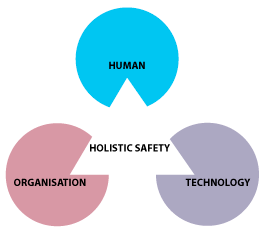
It was interesting to listen to safety podcast on Holistic safety. This covers the Worker, Work and Workplace in terms process, systems and behaviours that make work place more productive and safer.

Holistic safety, also known as a holistic approach to safety, is a concept that emphasizes the integration of various elements to create a comprehensive and effective safety program or safety performance within an organization. It recognizes that safety is not just limited to implementing safety protocols and procedures but extends to other aspects of an individual’s well-being, including physical, psychological, and social factors.

In the context of safety performance, holistic safety acknowledges that achieving high safety standards goes beyond compliance with regulations and requires a more comprehensive and proactive approach. It aims to create an environment where safety is ingrained in the organizational culture and values, and where everyone takes personal responsibility for safety.

Here are some key elements associated with holistic safety:

  1. Physical Safety: Ensuring the physical well-being and protection of individuals by providing a safe and hazard-free working environment. This involves implementing safety protocols, conducting risk assessments, providing appropriate personal protective equipment (PPE), and maintaining equipment and infrastructure.
  2. Psychological Safety: Fostering an environment where individuals feel psychologically safe to speak up, express concerns, report hazards, and contribute to safety improvement. Psychological safety encourages open communication, trust, and non-punitive responses to mistakes or near-misses.
  3. Behavioral Safety: Focusing on individuals’ behaviors and actions in relation to safety. This includes promoting safe behaviors, providing safety training and education, establishing safety rules and expectations, and encouraging accountability for safety performance.
  4. Leadership and Management: Engaging leaders and managers in actively promoting and supporting a safety culture. This involves setting clear safety goals, providing resources for safety initiatives, leading by example, and involving employees in safety decision-making processes.
  5. Employee Engagement: Encouraging employees to actively participate in safety programs, providing opportunities for feedback and involvement, and recognizing and rewarding safety contributions. Engaged employees are more likely to be invested in safety and actively contribute to a safer work environment.
  6. Well-being and Work-Life Balance: Recognizing the importance of employee well-being beyond the workplace. This includes promoting work-life balance, managing work-related stress, and addressing factors that may impact overall well-being and safety performance.

By taking a holistic approach to safety, organizations can create a culture that values and prioritizes safety at all levels, integrates safety into daily operations, and supports the well-being of individuals both on and off the job. This comprehensive perspective on safety aims to prevent accidents, reduce injuries and illnesses, and enhance overall safety performance within an organization.

Holistic safety with a worker, work, workplace approach is a comprehensive framework for managing workplace safety that considers the interplay between three key elements: the worker, the work being performed, and the workplace environment. This approach recognizes that ensuring safety goes beyond addressing individual components in isolation and requires an integrated perspective that considers the interaction and impact of these three factors.

  1. Worker: The worker component refers to the individuals performing the work tasks. This includes their physical and mental well-being, knowledge, skills, training, attitudes, and behaviors related to safety. The holistic safety approach focuses on promoting worker engagement, providing adequate training and resources, fostering a safety culture, and addressing individual factors that may impact safety performance.
  2. Work: The work component involves the tasks, activities, and processes being carried out in the workplace. It encompasses the identification and assessment of hazards, the implementation of safe work practices and procedures, and the use of appropriate equipment and tools. The holistic safety approach emphasizes the analysis and management of risks associated with the work being performed, including ergonomic considerations, task design, and the prevention of human error.
  3. Workplace: The workplace component encompasses the physical environment, organizational policies, procedures, and management systems. It includes factors such as the layout and design of the physical workspace, the availability and maintenance of safety equipment, the effectiveness of communication channels, and the support provided by management. The holistic safety approach considers the creation of a safe and supportive work environment, effective safety management systems, and the integration of safety into the overall organizational culture.

By adopting a holistic safety approach with the worker, work, workplace framework, organizations can proactively identify and address potential safety risks and hazards, promote a culture of safety, and create an environment where workers are empowered and motivated to prioritize safety in their daily activities. This integrated approach helps in achieving sustainable safety performance and reducing incidents and injuries in the workplace.

Safety Podcasts

Podcasts are the best way to keep yourself updated on current affairs, science, Technology. Audio podcasts are best listened while doing walk or gym which does double benefit of excercise as well as gaining information.

Safety Podcasts are out there, which folks can listen.I do listen to a few as below

  1. Safety Culture Excellence by Shawn Galloway.
  2. Safety Labs
  3. The case for Safety Podcast (ASSP).

Give a listen and enhance the knowledge. Good luck.

Karthik.

CHAT-GPT… EHS Linkage

In November 2022, my son who works in Cupertino, California, was in India for his Wedding. One evening, he opened a website, he had access and asked me to type any question and look for the answer. Out of curiosity, I typed and it was shock and Awe. Thus CHAT-GPT entered my life. I quickly registered myself when it was officially announced, in December, (like Hotmail in 1999 and GMAIL in 2005 and Blog in Nov 2005 and Twitter 2007) and after few days got access. Then life is never same.

I asked just now, Chat-GPT what is it? Here is the Answer Below it produced in a nano second!

“Chat-GPT is a language model developed by OpenAI. It is based on the GPT (Generative Pre-trained Transformer) architecture, specifically GPT-3.5, which is one of the latest versions. GPT-3.5 is a state-of-the-art deep learning model that is trained on a vast amount of text data from diverse sources.

The purpose of Chat-GPT is to generate human-like text responses based on the input it receives. It uses a machine learning technique called unsupervised learning, where it learns from patterns and structures within the text data it was trained on. This training enables Chat-GPT to understand and generate coherent and contextually relevant responses to a wide range of prompts and questions.

Chat-GPT can be used in various applications, including chatbots, virtual assistants, content generation, language translation, question-answering systems, and more. It has been designed to engage in interactive conversations and provide informative and helpful responses based on its training and the context of the conversation.

It’s important to note that while Chat-GPT can generate impressive and contextually relevant text, it may occasionally produce incorrect or nonsensical answers. It also lacks real-time information and is not aware of events or developments that have occurred after its knowledge cutoff date, which is in September 2021 for GPT-3.5.

I have been using this tool for my queries/ thoughts/ doubts as well as intriguring problems. Some of the questions are very personal like asking a counsellor or physician.!

EHS Professionals can take advantage of this tool to enhance their skills and knowledge. Not only in EHS, this can extend to many areas as well as what we call as UNKNOWN-UNKNOWN. Ofcourse, using professional judgement, common sense is critical as well as gut feeling as not everything the machine spit out can be correct. I myself cross validate things 99% of time over the past 7 months.

Chat-GPT can be a valuable tool for EHS (Environment, Health, and Safety) professionals in several ways:

  1. Information Retrieval: EHS professionals often need quick access to information on regulations, standards, best practices, and industry guidelines. Chat-GPT can provide instant responses to their queries, helping them retrieve relevant information without the need for extensive research.
  2. Guidance and Decision Support: EHS professionals may encounter complex scenarios or need guidance on specific issues. Chat-GPT can offer insights, suggestions, and recommendations based on its training and knowledge base, helping professionals make informed decisions.
  3. Training and Education: Chat-GPT can be utilized as a training tool for EHS professionals. It can provide interactive learning experiences, answer questions, and clarify concepts. This enables professionals to enhance their knowledge, expand their understanding of EHS topics, and stay updated with the latest practices.
  4. Risk Assessment and Hazard Identification: EHS professionals frequently engage in risk assessments and hazard identification processes. Chat-GPT can assist in brainstorming potential hazards, identifying risk factors, and providing suggestions for control measures based on its training and understanding of EHS principles.
  5. Compliance Support: Ensuring compliance with EHS regulations and standards is a crucial aspect of the profession. Chat-GPT can help EHS professionals navigate complex regulations, interpret requirements, and provide guidance on compliance-related matters.
  6. Incident Response and Emergency Preparedness: During incidents or emergencies, EHS professionals often need to make swift decisions and take appropriate actions. Chat-GPT can serve as a resource to provide immediate advice, suggestions for containment measures, or steps to follow until further assistance is available.
  7. Documentation and Reporting: Chat-GPT can assist EHS professionals in generating reports, preparing documentation, and providing templates or examples for various EHS-related documents, such as incident reports, safety manuals, or risk assessments.

It’s important to note that while Chat-GPT can provide useful information and guidance, it should not replace professional judgment, critical thinking, or domain expertise. EHS professionals should always validate the information provided by Chat-GPT against trusted sources, consult relevant regulations and standards, and consider the specific context and requirements of their organization.

Good luck.

KARTHIK Professional Update:- 2023.

I had been very quiet since July 2018…..!!!

It was due to work committments, personal aspects of life, etc which kept me a good 5 years away from HSE Blogging.

I have now decided to work on this in coming days.

At present, I am at San Francisco, California spending quality time with Son and Daughter who are both settled here. (Son at Cupertino and Daughter at Foster City). This 2 month break should revigor me. I am back in India around July 15th 2023. My wife (Her first visit to USA) and I are going around places and meeting friends and folks besides happily serving out awesome food to my children.

I am at the stage of life ,where I feel it is time to give back a lot to community.

I am available for volunteer work of any kind in Bangalore. (Malleswaram, RajajiNagar Area

I am available for guest lectures on Safety, Environment,(EHS) as well as General Management topics, brining in my 38 years experience in Industries besides expsoure in Euope, America and Asia on global best practices. I am hapy to speak to school and college students for the same across India. I look forward to sharing my thoughts with new generations as well as hear their views in person. I am also available as guest faculty in lectures, seminars as seen fit based on my known profile which this blog reflects.

I am also ready to serve Industries on Honarary/ Voluntary support to Industries for assessment/ support for Quality, Safety, Environment, EHS Systems (ISO 9, 14, 45, 50001) as well as Process safety, Operational safety, aspects. My only restriction is the place can not be more than 2 hrs of drive from the nearest Airport in India. I expect this to do this at 0 Cost to me and no commerical benefits to me as well, to the tune 2-3 days a month.

Ofcourse, I plan to spend about 5 days or so in routine EHS Support to Industries as been case since Nov 2022 where I have decided to scale down my work load to focus on other things . (Qatar World cup travel, Son’s marriage and few other personal aspects got done!).

If you need a free or commercial cost webinar on any EHS topics too, let me know. I have been carrying out the same for global audiences through an event management company based out of Singapore over past few months.

Please reach out to me at Karaikudy@gmail.com or +91 9844026214 (Imsg, Signal, Telegram). I am not in WhatsApp.

Look forward to a new beginning of my life to give back a lot and lot.

Regards

Karthik.

Quick Thoughts- November 2018…….

I was on travel for few weeks on business assignments across India, so I could not post my thoughts more regularly. Also my mother’s health (post Father’s passing away in Aug 2017) is a recurring concern which is taking lot of time and energy….. I would see how I can be regular here……..

I am personally very disappointed at the quality of EHS professionals I have come across in the recent past during my business assignments as well as tales from front as they call it from other experienced EHS leaders. It is very frustrating to have kind of interactions in which these so-called professionals lack 1) Attention to details 2) Lack of clarity of requirements that are company EHS standards 3) Inadequate depth of knowledge on regulatory compliance 4) Ignorance on effectively implementing permit to work systems 5) Check the box attitude with no application of common sense to inspections etc. I would have moved on if this is the case say 1 in 100 or so, but when you see folks engaged in this kind of attitude week after week, sites across any type of organisation ( be it India or MNCs) it makes me wonder where the EHS implementation is heading?? God save such companies who may have good intent to execute a decent EHS Program but can’t find good EHS professionals to execute them. What also saddens me is the “Know all attitude of EHS folks and their haughty associations with fellow peers” !! Folks like us would be glad to help to some course corrections? But would such professionals seek help? I wonder

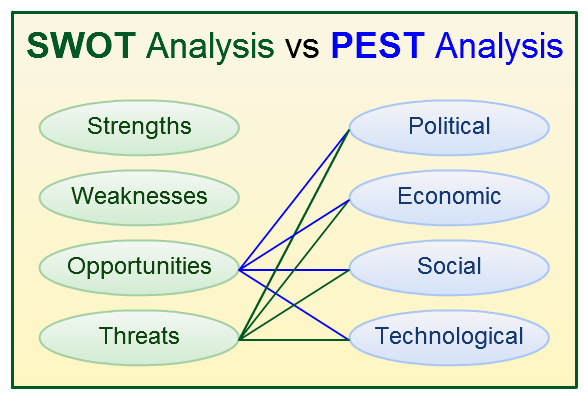
I am glad to let folks know, that ASSP (Formerly American Society of Safety engineers USA) is conducting its Indian session during February 2019 at New Delhi. I would request EHS professionals to take advantage of this 2 day event which is conducted only in India outside USA and take advantage of the opportunity for sharpening the saw as well as good professional networking. This year program covers topics 1) Business impacts on EHS profession from “PEST” standpoint. 2) EHS Career growth opportunities in emerging scenario 3) Road Safety 4) Regulatory norms perspective etc. Please get in touch with Mr Ajay Sachdeva the Chairperson for the event. (09810144822 New Delhi) Brochure-ASSP EHSS PDC Feb 19

SWOT-Analysis-vs-PEST-Analysis

Take care, stay safe, God bless.

Karthik

5th Nov 2018, 1230pm. 

Random Thoughts-II.Aug 2018.

#75My 75th Post ( I am glad I now stick to post blogs, #75 here, nearing #350 in my personal blog since 2005) is not about a single topic but a few collective thoughts that swept over my mind over past few days on events that I see happening around me. 

1) It is all about Relationship; Stupid!  I am a regular listener to Manager Tools (MT) Podcast since 2007,now more than 1000 podcasts, 11 years later, at 2 podcasts dished out a week, (The show began in 2005 July) I have not missed one of the 1000+ podcasts in both Manager Tools and their other podcasts “Career Tools. People who have reported to me in my corporate career, know that I followed Mike and Mark’s thoughts on 1)One on One’s religiously besides carrying out Performance reviews, Coaching, regular Feedback, that these events happen without pain or ill will. Many of my directs have modelled their personal life to focus on family first which MT emphasises. WSJ brought an article on Mike and Mark (West Point graduates) highlighting their achievement. 


mt.jpg
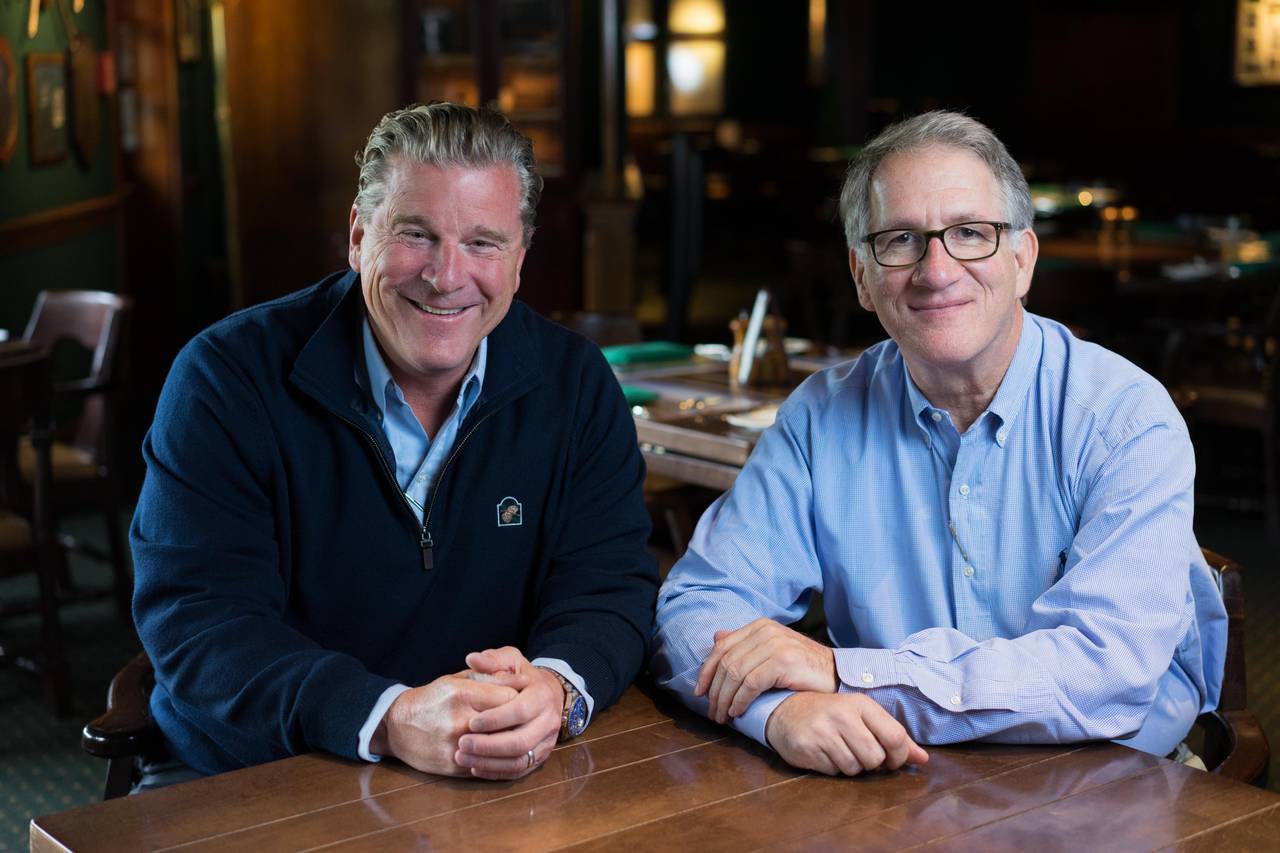
Mark Horstman and Michael Auzenne – Founders of Manager Tools.


I was delighted to see that Mark Horstman, who leads the podcast which has Million Downloads a month, is planning to conduct Effective Manager Conference at BANGALORE in the Summer of 2019, during the month of May. The 2 days, (Effective Manager conference 1 day, Effective Communication Conference for a day) event venue at Bangalore, is not yet finalised, as yet. I would request EHS professionals as well as other managers to take advantage of this event, which is being held first time in India and participate to be a better Managers / Human being.  (The conference has been on, since 2008 or so, across the globe) I consider Mike and Mark as Peter Drucker -II ! Their advice on how to save six months salary for troubled times, how to resign gracefully, How to keep networking, have helped me beyond work and quit corporate when I felt enough is enough.

2) Employees come to work to commit suicide like Terrorists do!!!

This slideshow requires JavaScript.

I was reading Dr Robert Long’s posts. The Australian based Social Psychology expert who writes his blog. Dave Collins who shares his thoughts with Dr Long in the Riskology blog comes out with his gun blazing in this post. Companies are hell-bent in going in for “Root cause”, that they miss common sense approach (Video) and try to lay blame entirely on Employees. Even in most cases, where employee is dead, the root cause, lies as though they interviewed the dead employee. I personally believe, that Every Accident no matter what, is fault of Management, and there are 3 causes which when failed, that lead to an accident/incident. (Organisations I proudly served followed this philosophy for course corrections) These are as Trevor Kletz quotes, 1) Prevention of hazard 2) Avoidance of Hazard 3) Management Systems failure. So where the hell employee comes in to picture?. Companies take the easy cop-out to blame everything on employees and many times, instruments like Behaviour Based Safety has fanned the wildfire idea that Employees are inherently stupid without realising that Safe conditions leads to a safe workplace thus productive work environment. 

This slideshow requires JavaScript.

See the PPT of a fatality (Thanks to Dave Collins Blog) in Australia, where Incident investigation almost went to say Employee committed suicide. Danny-Cheney-Fatality-Learnings.  If an advanced society like Australia has such an outlook, what is hope for Incident that happens to worker’s in Developing world, poor economy like China, Indonesia, South Africa etc?? my next thoughts ! 

3) Gig Economy is here to stay! Learn to adjust and secure your life!

This slideshow requires JavaScript.

I was not surprised to read an Indian Express article yesterday, that no one cares for injured employees with Amputations in a metal press near Delhi. (Workplace Injuries: Rage Against The Machine:- Somya Lakhani meets the untrained and under-equipped factory workers who have lost fingers to accidents on the job, and discovers the obstacles on the road to recovery these are all temp “GIG employees with no accountability)  hardlook3

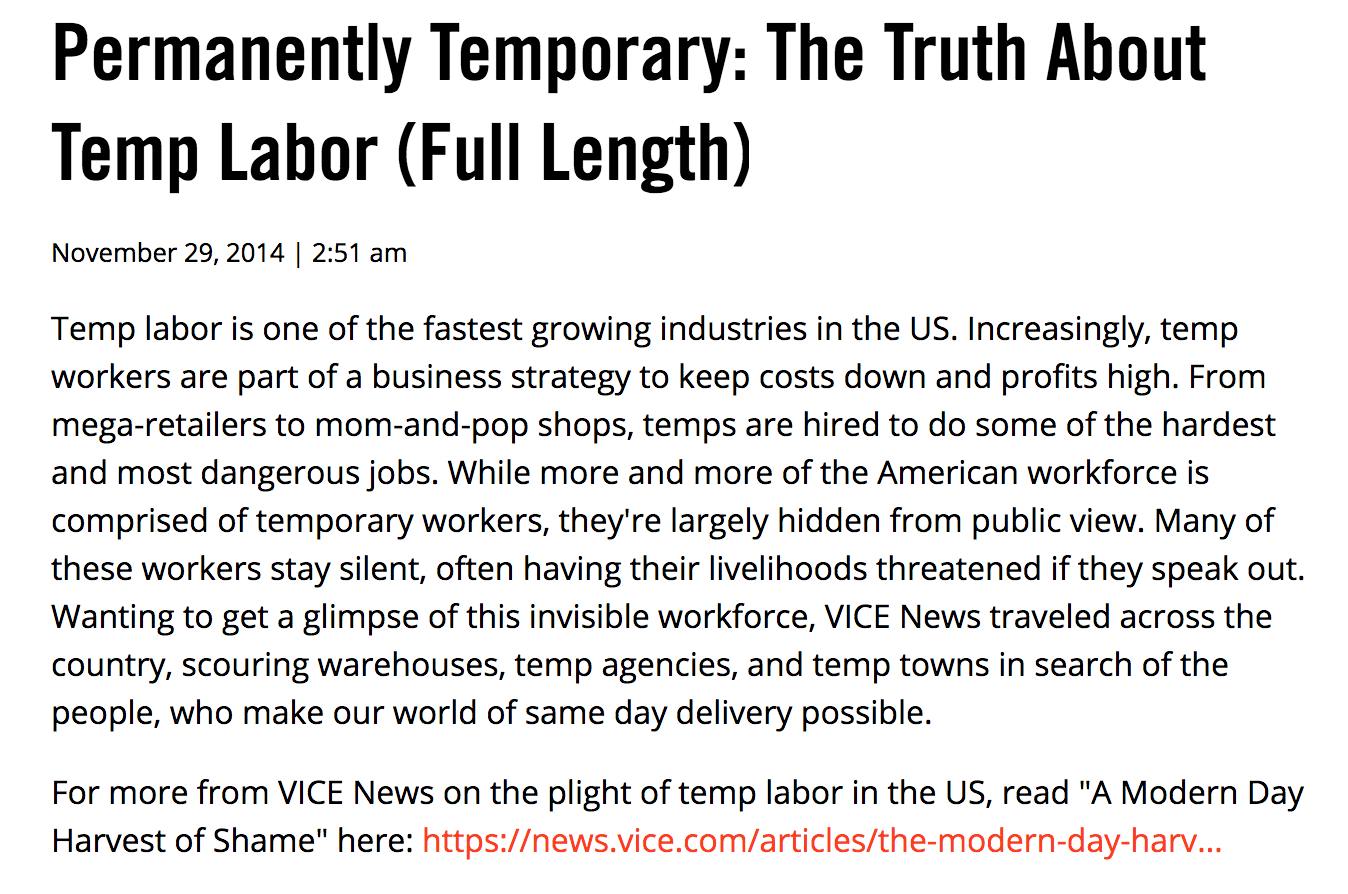
The new GIG Economy, where employee-employer relations are very blurred with temp, employment agency that comes in middle, makes ownership or taking responsibility for safety, wellness is blurred. In this case, many employees have lost fingers and no one cares. This Vice video explains, even the issue is same with Temporary  workers who are left to fend for themselves at USA!  33 Minute Video on How temporary workers concept ruins things!!   

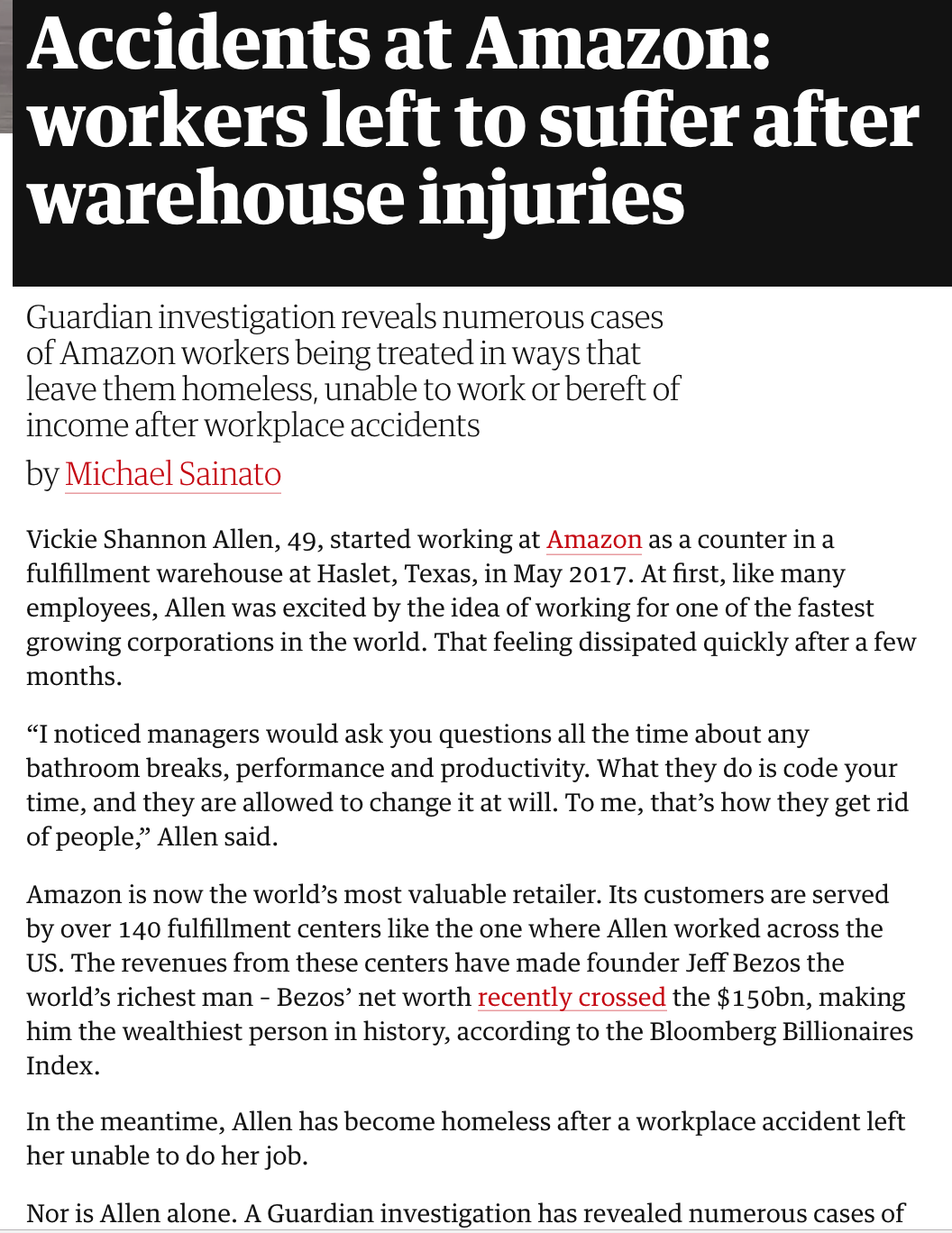
Screen Shot 2018-08-21 at 12.16.27 PM.pngNo wonder Amazon is the most dangerous place to work!!! As this Guardian article investigates with no accountability on their end! (It is another matter Donald Trump is right, for a change, about Jeff Bezos and Amazon!! I wont be surprised if this is next ENRON !! Remember even weeks before collapse, it was greatest place to work, fun, most ethical company. We have few such here in India too, the bubble would burst any day, but unlike USA they wouldn’t go bankrupt as funds are pumped in a lot and lot!!!) Screen Shot 2018-08-21 at 12.21.07 PM.png

So It is up to folks to stay safe, the diluted regulatory environment across the world (Especially in III World countries like India, China would make even things worst in coming days) the need to maximize profits, looking for all cheaper source be it in talent, or materials or methods of work would make Human beings at risk at work place. The best way to fight this menace is to improve knowledge and skills, even if, be at your own cost to stay afloat and to stay alive. If not to you, you owe it to your families! Such are the realities of 2018!! I wish I am wrong but how I wish I am proved wrong and it never happens!!! 

Good luck. 

Karthik

21/8/18

1230pm. 

Eat,Move,Sleep,Love,Wellness!!!!

#74

This slideshow requires JavaScript.

I noticed 2 things that stuck me this week.

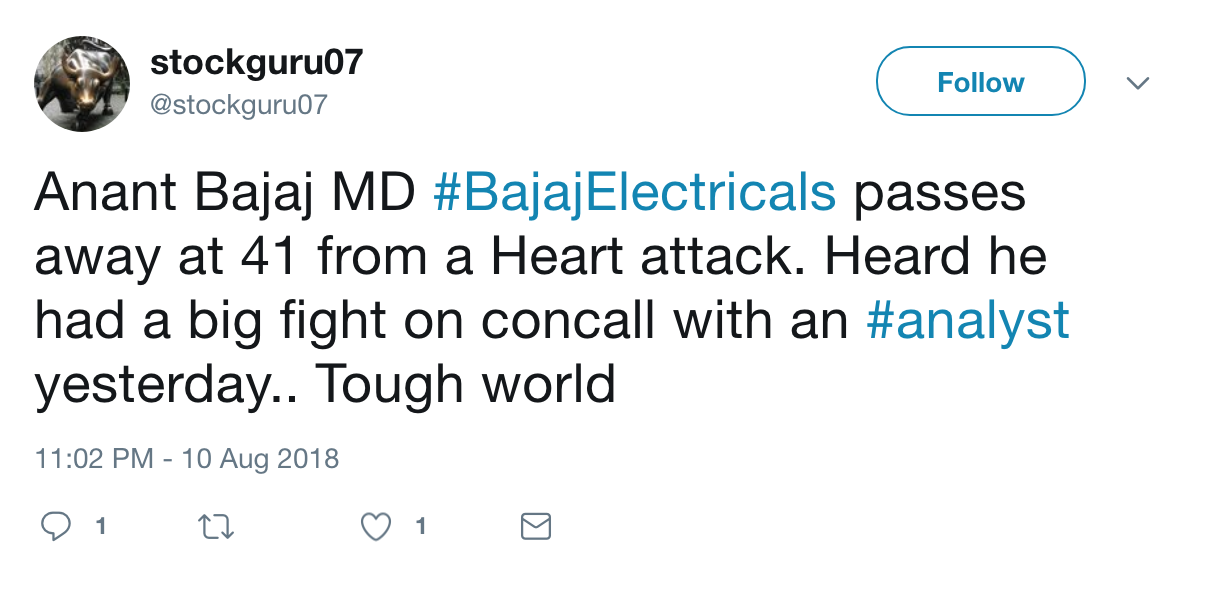
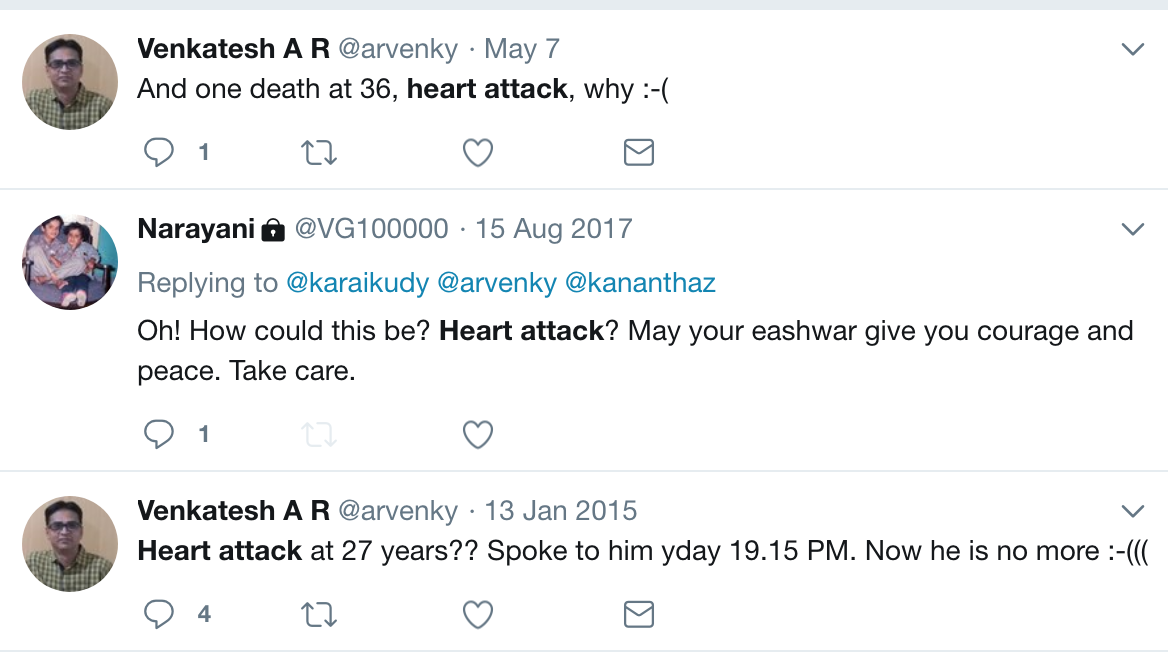
  1. Death of Anant Bajaj aged 41 due to cardiac arrest. I recollect reading a tweet that he had a major quarel with an investor analyst, the day before. Screen Shot 2018-08-19 at 8.16.29 AMWhile this by itself is not a major news now a days, I recollect reading SAP CEO of India collapsing at the treadmill few years back, (2009) also aged 40s! 
  2. The candid admission by CEO of Tesla Corporation, the most happening place in the planet, Elon Musk admitting that he is cracking under the stress! 

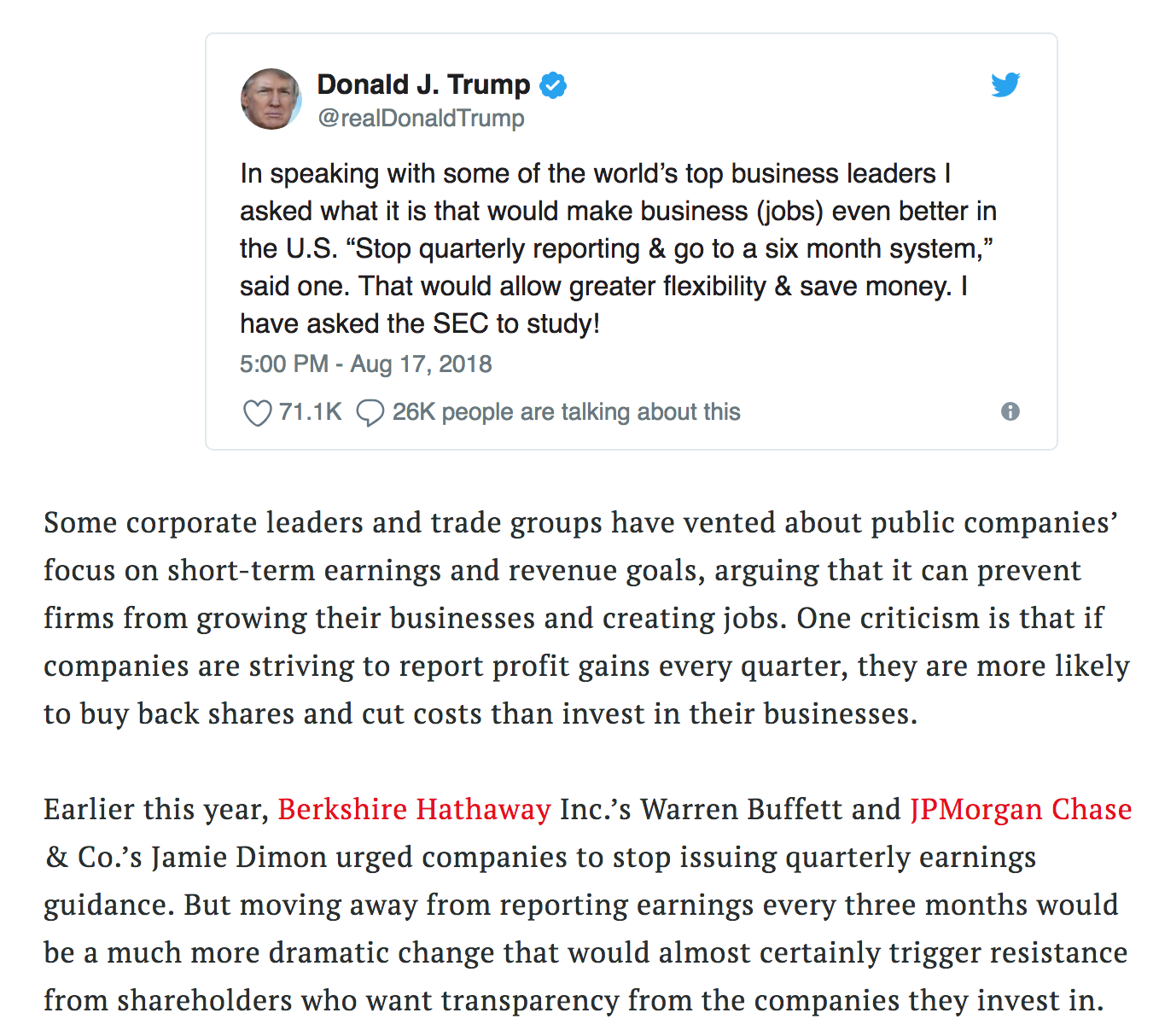
While the “C” suite job carries its own stress due to high visibility, expectations and largely the most stupid thing ever done by Jack Welch on the quarterly earnings declarations, ( Neutron Jack did lot of good stuff, but this is simply a stupid stuff, Glad Trump is working to turn this to a 6 monthly circus) Screen Shot 2018-08-19 at 8.38.52 AM.png

“Leadership” is key. A stressed leader and his team is a warning sign that things would pass down the line. I always believe,we as middle and senior managers are reflection / character of what our bosses are. We have a Good Boss, we are good to our people. We get a shitty / Bad boss (Luckily in my case only 5 months in my entire career of 27 years of corporate that is another story) you are bad to your team! 

I am also hearing plenty of cases of  people in their 30s and 20s passing away due to stress related issues. These folks are by no way not even middle managers and are at the beginning of the career ladder. 

Screen Shot 2018-08-19 at 8.30.40 AM.png

So what folks can do??? 

Simple Answer:-

  1. Eat
  2. Move
  3. Sleep
  4. Pray
  5. Love 
  6. Wellness!!!!! 

Sounds very easy, but as I keep saying in my interactions with clients, Knowing-Doing gap is so much! People know many things but do very few! Hallmark of great people as in great organisation is doing what you know and knowing what to do and executing it flawlessly. 

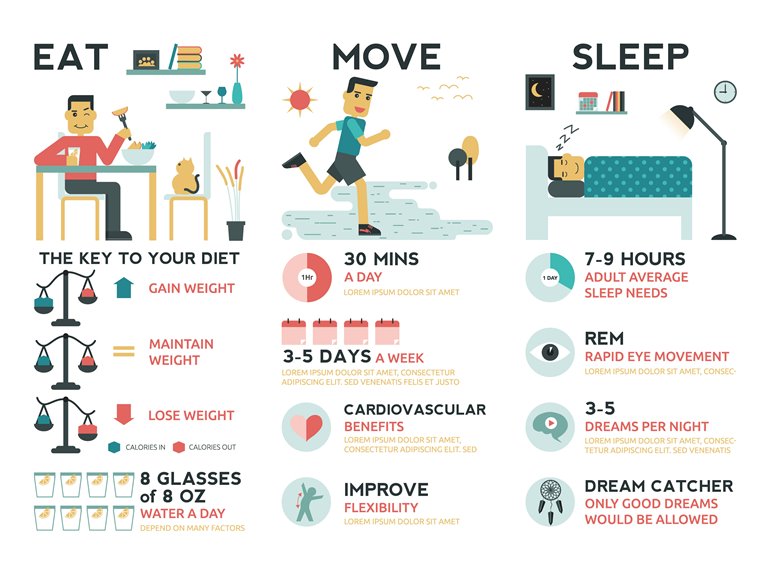
I recommend folks to read the book, “Eat, Move, Sleep” by Tom Rath. Which goes about the key aspects. As the saying goes, “Sitting is new smoking” !! Tom recommends, you need to do this together focus on all the three! Here is 30 day plan for the same to fall in to groove. 

Eat-Move-Sleep.jpg

While eat, move, sleep works the physical energy part. The Spiritual energy part is “PRAY”. Which is letting mind declutter and let things go and past be by gone. Again not easy, but success was never easy right? 35081517639eeccb1fbf449f50f400ca.png

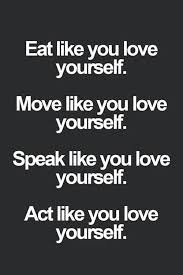
Love yourself and people around you. Especially your first circle and people who influence you and whom you influence. In our daily stress and routine and fast life, we miss loving them a lot, until it is too late!!  Love yourself!! I repeat. Be Authentic, Listen, 

images (1)

This all leads to Wellness! Take care of yourself, let go things! Anger is an evil thing as they say! I recollect reading school poem! Dont get Angry for god’s sake! Wellness at work, is all about physical, emotional, mental, spiritual energy in balance. This gives a human being a normal balanced life!

This slideshow requires JavaScript.

I wish all the folks the best of luck to live longer, healthier, mentally stronger! We now in to our 50s had the best of time with our leaders, responsibility, organisations, that gave us so much to be what we are. It is essential that this continues in time to come, we need to be first well and strong in all aspects.

Karthik

19th Aug 2018

0930am. 

OSHAI Conclave,Prateek Sharma

#73

This slideshow requires JavaScript.

I got an invite to be one of the panel member for the one day OSHAI Conclave at Bangalore, yesterday, Friday the 13th!. I was asked to be member on the session on, How does Innovative HSE technology help in Improving HSE performance” The session gave me a chance to catch up with few senior corporate safety folks (Gujarat, Bombay) after good 10 years or so and it was great to connect back and live through old times of 90s !!!! 

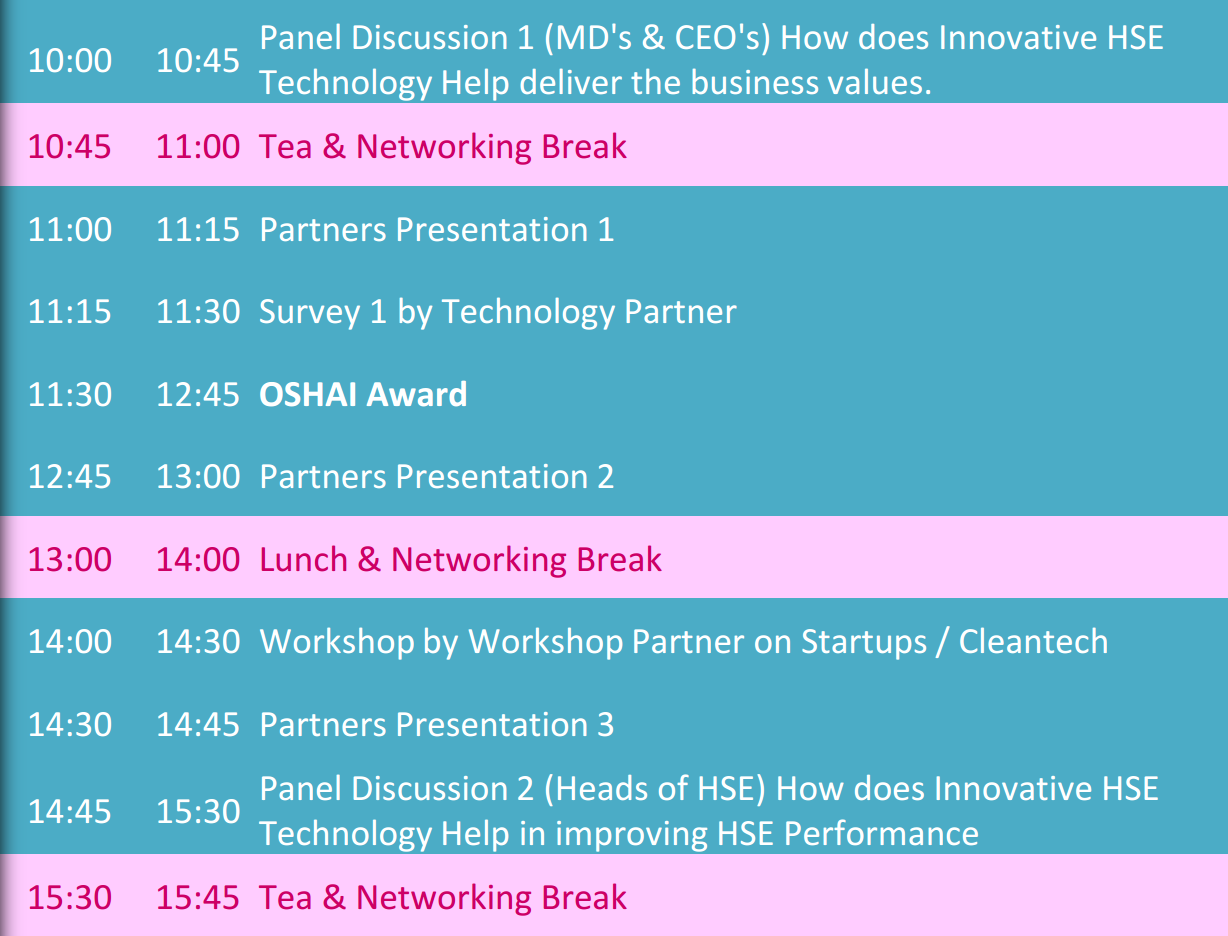
Agenda:- A flavor of key events. (Another matter,agenda as happened was far different to as printed,as the organisers waited for a government minister to turn up to present few awards, he never turned up,(As norm) so at some point fillers to make up time,can’t be stretched and things go topsy-turvy) 

Screen Shot 2018-07-14 at 10.27.13 AM.png

Being a localite, I attended the whole event. The program started with the case study and group discussions (10 groups of 10 each!!) on Fatal accident with legal consequences with debate as to whether the occupier is guilty or not in a construction project as an expansion of an existing factory in an adjacent site! It was very surprising that 90% folks, felt occupier was guilty.  I and a couple of other folks were the only one arguing that the information provided was not complete as well as legal connotation of occupier vs as mentioned in the case is absurd. Anyway……..

Our session, which was planned for 245pm started at last at 430pm, ( After I gently reminded the organiser that our session yet to be held, already, 90 min late and they were moving to other events like games, team work and with no time left possibly). The discussions went well which was moderated by P. Murali, VP-EHS, Clariant India who had invited me to be the panel Member.

My summary of thoughts, as I keyed to Evernote to present was as follows:- I couldn’t touch up on all of them as we were badly late on schedule. Of course, fellow panelists (4 of them, had captured few of my thoughts through applications that they use in their entities so purpose served,I can say.  I was the 5th panel member to share my thoughts of the five!) 

  1. Forget MS-EXCEL, It should be in grave !!!! 
  2. Internet of things
  3. Wearable Technology
  4. Data Analysis crunch, trend analysis spot the outlier, or pattern that is not so visible…… Data visibility with software
  5. Industrial Hygiene methods improved for saving health.
  6. Online Auto Training Module for direct engagement at one’s convinience to learn.
  7. Machine Learning, Image Recognition, QR Code work for innovative Ergonomics assessment, One company- one standard to assess work space thro virtual server and standards using self assessment tools such as Sharepoint, Audit verification tools to help teams prepare better for audits and catch people doing right. 
  8. Remote area access to information to people thro Podcasts, video
  9. RFID—> Coded specifics to segregate specifics ( Haz waste, dangerous good) speeds up as well as safe handling 
  10. Web presence to reach out critical messages (Weather, storm etc)
  11. Virtual Reality to see what if—-> rather than waiting for incidents to happen 3D Modelling etc. 
  12. Auditing norms getting standard without human bias which help consitency (Verification tools aid rating so no human bias) 
  13. Risk assessment tools to assess risks in real time, thanks to technology. Duplication of same work avoided leading to prodcutivity.
  14. Drones used for spatial mapping of 1/4 Million Acre site Remediation for processing plant, all aspects, 3 weeks job done in 1 day.

6 technological trends leaders / organisation shall focus/embrace in their digital transformation strategies in 2018 and beyond are:

  1. Mobile apps for audits, incidents and observations and analytics to see trends, outliers thus predict next situation /incident
  2. Enhancing EHS software user experience for people to get feel what is in it for them thro PULL technology rather than push. 
  3. Drones for site inspection and capture issues linkage to Google earth software or such. 
  4. Virtual reality safety training folks get the feel as well as consequences of deviations 
  5. Digital safety vests 
  6. Fatigue monitors for drivers to keep them safe!! 

+++++++++++++++++++++++++++++++++++++++++++++++++

I was very excited to meet start up entrepreneur, Prateek Sharma, an IIT graduate, who mesmerised the startup panel session discussing about his nostril dust mask, that filters 2.5 respirable size dust particles (far dangerous) that accumulate in lungs and cause havoc. VIDEO. Prateek runs a company called “Nanoclean Global pvt ltd”  The Nasofilter as it is called has won him and his entity, the President of India National Award 2017. In fact the 4 members of start up panel session had some very innovative ideas linked to software, technology. Prateek surprised us with the information that cities like Bhopal are worst polluters for their size scale and they never get the attention! As well as Indoor air is no different in polluted cities. He has  now come up with “Nano curtain “that can filter and provided better quality  indoor air! This gives message desperate situation calls for desparate measures.

IMG_20180713_162654771_LL
Prateek Sharma (R)

As I was sitting in the event, tragic news came of 2 more Industrial fatal accidents of gas leaks in confied space that had claimed 9 lives (3 in Anthem Biosciences, Bangalore, 6 in Gerdau (Brazil firm) steel industries, near Hyderabad) makes me wonder, when the organisation will ever learn? Perhaps never??
Take it easy, take care, stay safe, god bless
Karthik
14/7/18
11am. 


You Think – Safety is Expensive ? Try An Accident?

#72

productmockupDuring the past 5 to 6 months, the spate of Industrial Accidents that are routinely occurring in the Chemical Industry is very disconcerting. While most of the incidents spared loss of lives whether due to luck or good emergency response measures, the one that happened in Gujarat last Friday was not so lucky with 2 people losing their lives. I have written a post on this incident in my personal Facebook page since the organisation was connected to me personally, having began my safety & environmental career 30+ years ago there for a few years before beginning my 21 year Global MNC stints. 

I am sure investigation team shall work the root cause and organisation shall work corrective measures. I see a trend of fire, explosions, in reactors, storage and handling of solvents etc. This calls for a detailed Process Safety management program of which very little is done in Indian context. I hope companies now step back and look at this. I have written few posts on this key topic few months back. 

Incidents such as this or others are classic example of difference between a Near Miss and Fatality. Same incident potential, same situations, same actions and response, but severity varies resulting in loss of lives/property in one situation vs no body got killed in other situation. Such situations in which when nothing major happened, companies tend to move on and things are all back to normal as usual without any investigation or deep down corrective measures done. 

Most of the serious accidents /Incidents happen when one or many of the systems that are put in place fails. As readers of my blog post are matured safety and other operational professional, I would let them go through the slide below to get an overview. The Human factor, the conditions, lack of adequate protection/barrier all combine to cause incident with undesired consequences. As I keep insisting, one single factor can never cause an accident and no accident has ever happened without a near-miss or a warning. 

This slideshow requires JavaScript.

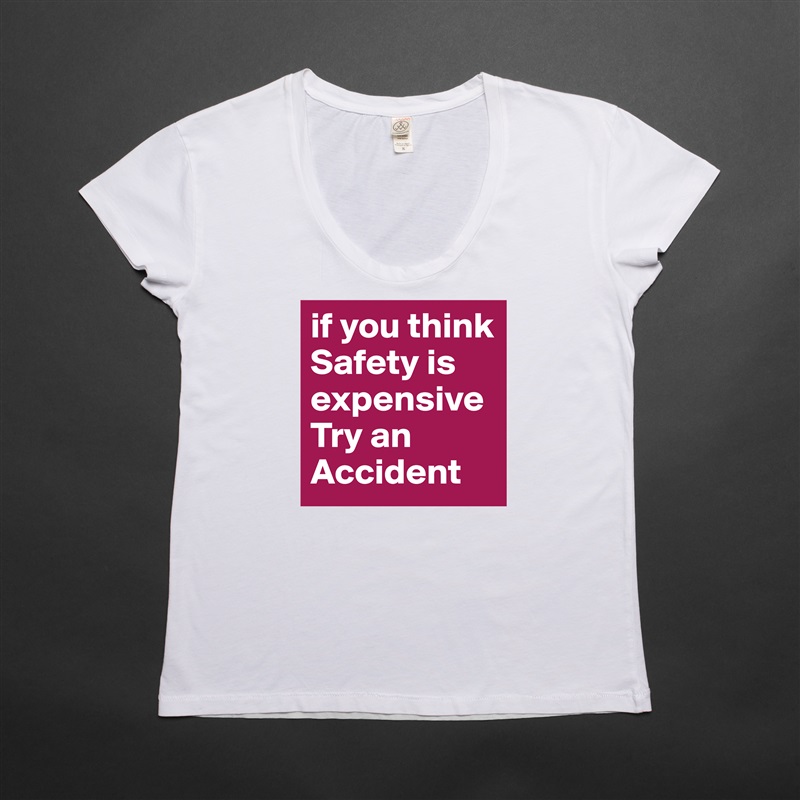
I am personally amazed at the technology growth that has happened in the EHS domain especially in the last decade or so. Few things look still a dream for me as a  EHS professional who began career 33 years ago. Companies shall take advantage of this technology advancement and shall put priority to prevent incidents/ accidents/ loss of life. Human life is beyond fixing a number to compensate. Organisations that Value Safety would never buck away from fulfilling their obligations with a risk based approach to safety. They are fully aware of late Dr. Trevor Kletz’s Message- “If you Think Safety is expensive ;- Try an Accident”. I am sure in coming years, this would also be a watch word in this part of the world, rather than trying to take short cuts or bribing the way to close issues and thus feeling that doing safety is for others and we can get away!! 

This slideshow requires JavaScript.

I look to the comments /Thoughts. Take care, stay safe.God bless.

Karthik

11/7/18

1130am.